filter_list Showing 63 results for "Forma" close Clear
search
dashboard All 891 museum exhibitions 546article local 91article culture 63article news 55trending_up market 30person people 27article policy 23candle obituary 23rate_review review 21gavel restitution 8article event 2article events 2
date_range Range Today This Week This Month All
Subscribe

The Defining Themes of Today’s Biennial Art

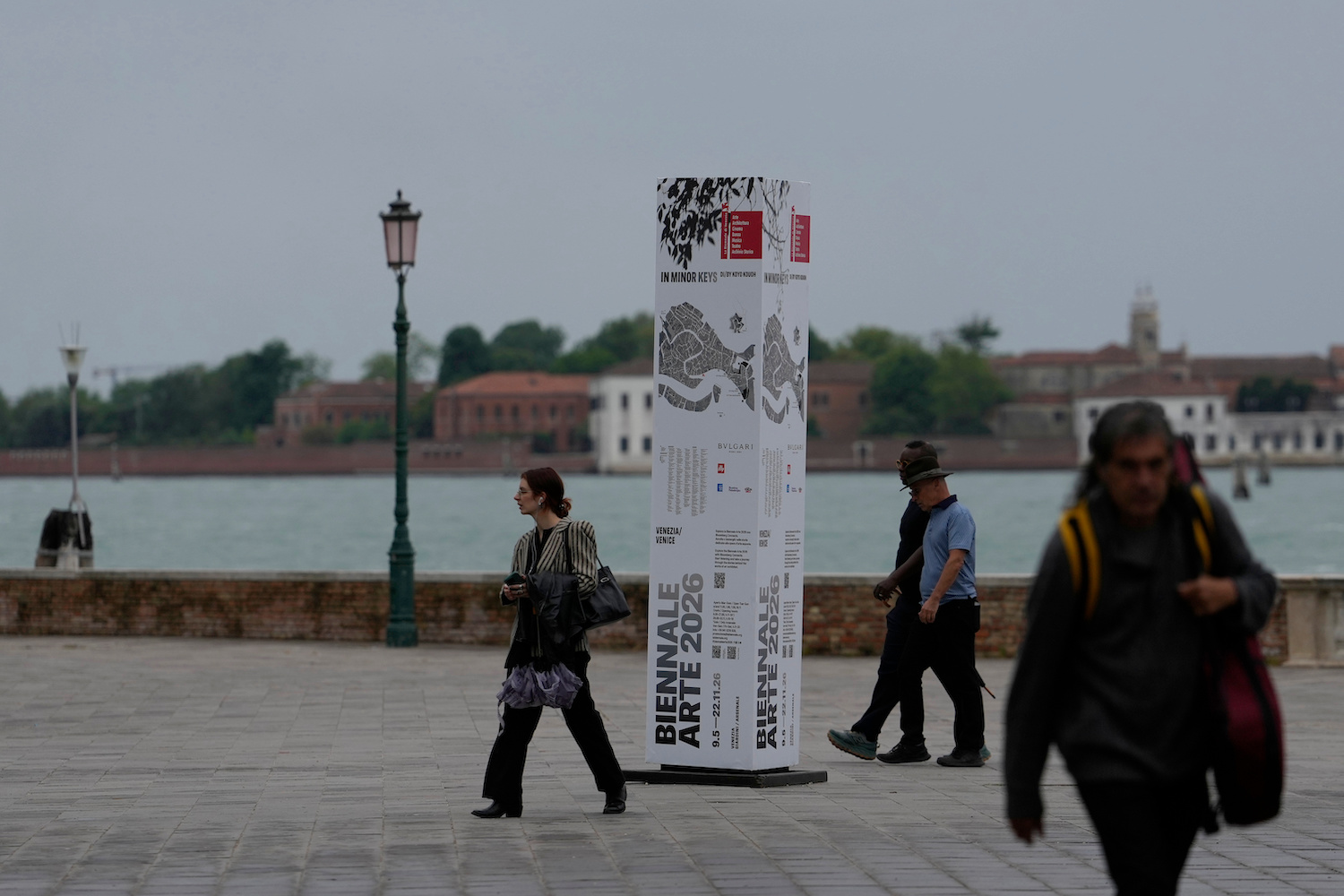
The article analyzes the defining themes and styles of the past four years in the international biennial circuit, based on a survey of 130 biennials. It identifies a core group of artists who appeared most frequently, including Ali Eyal, Apichatpong Weerasethakul, Carolina Caycedo, Kapwani Kiwanga, and Tuan Andrew Nguyen, among others. Many of these artists are also featured in the upcoming 61st Venice Biennale curated by the late Koyo Kouoh. The piece categorizes their work under two broad themes: "Post-Colonial Post-Conceptualism," which involves poetic engagement with colonial history and artifacts, and "Families and Networks," where artists explore personal and political family histories.
Look Inside the Art-Filled Home of New York City's Cultural Crusaders

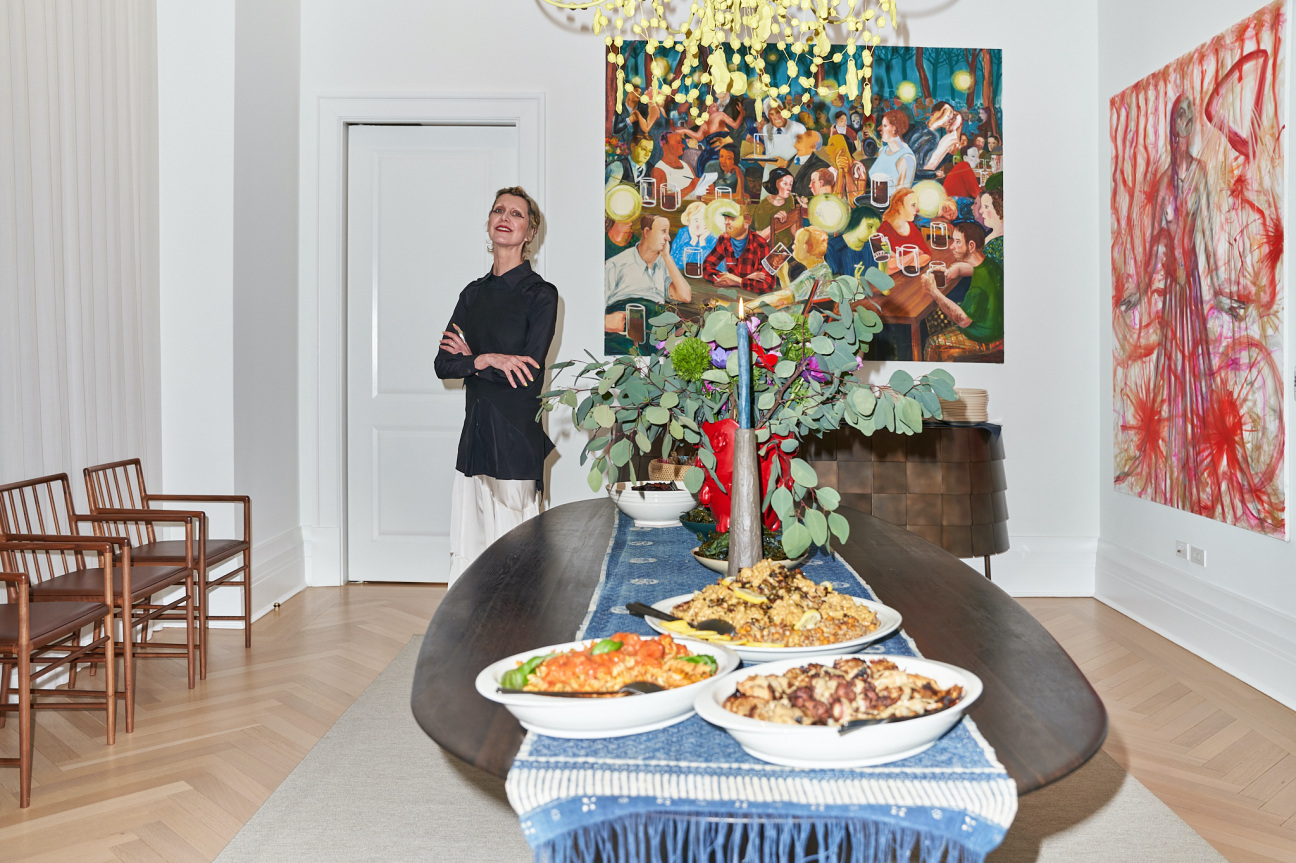
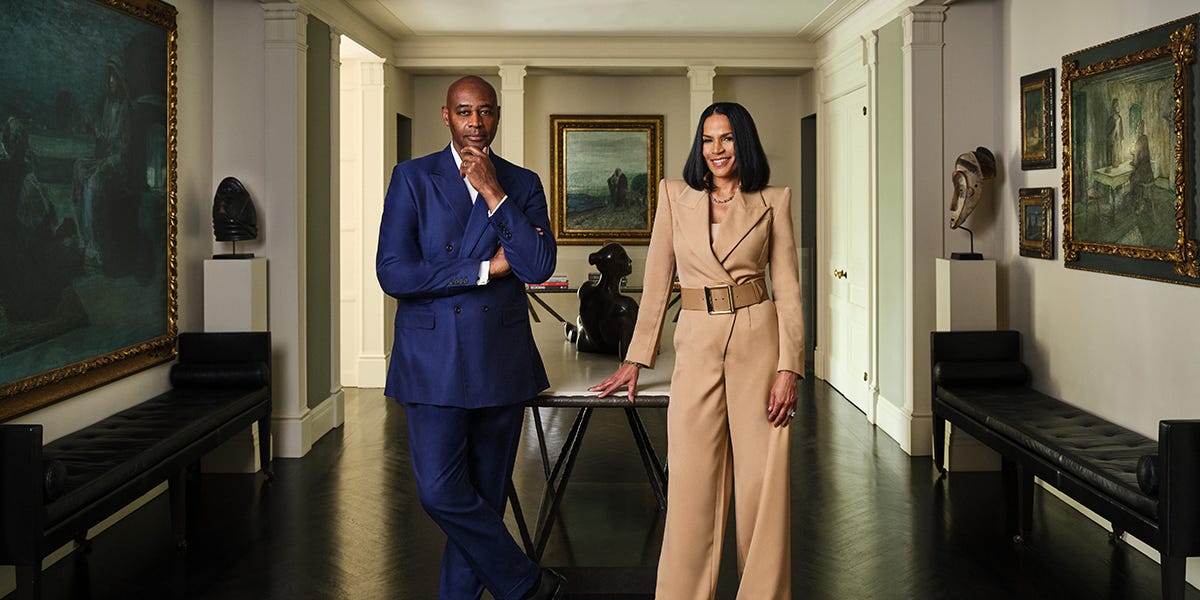
This profile explores the Upper West Side residence of Crystal McCrary McGuire and Raymond J. McGuire, a power couple deeply embedded in New York City’s cultural and financial sectors. Their home serves as a private gallery for a significant collection of African American art, featuring masterworks by Norman Lewis, Henry Ossawa Tanner, Elizabeth Catlett, and Romare Bearden. The couple’s shared passion for collecting began independently, sparked by their formative years studying in France, and has since evolved into a joint mission to preserve and live alongside Black artistic heritage.

On Paranoid Time

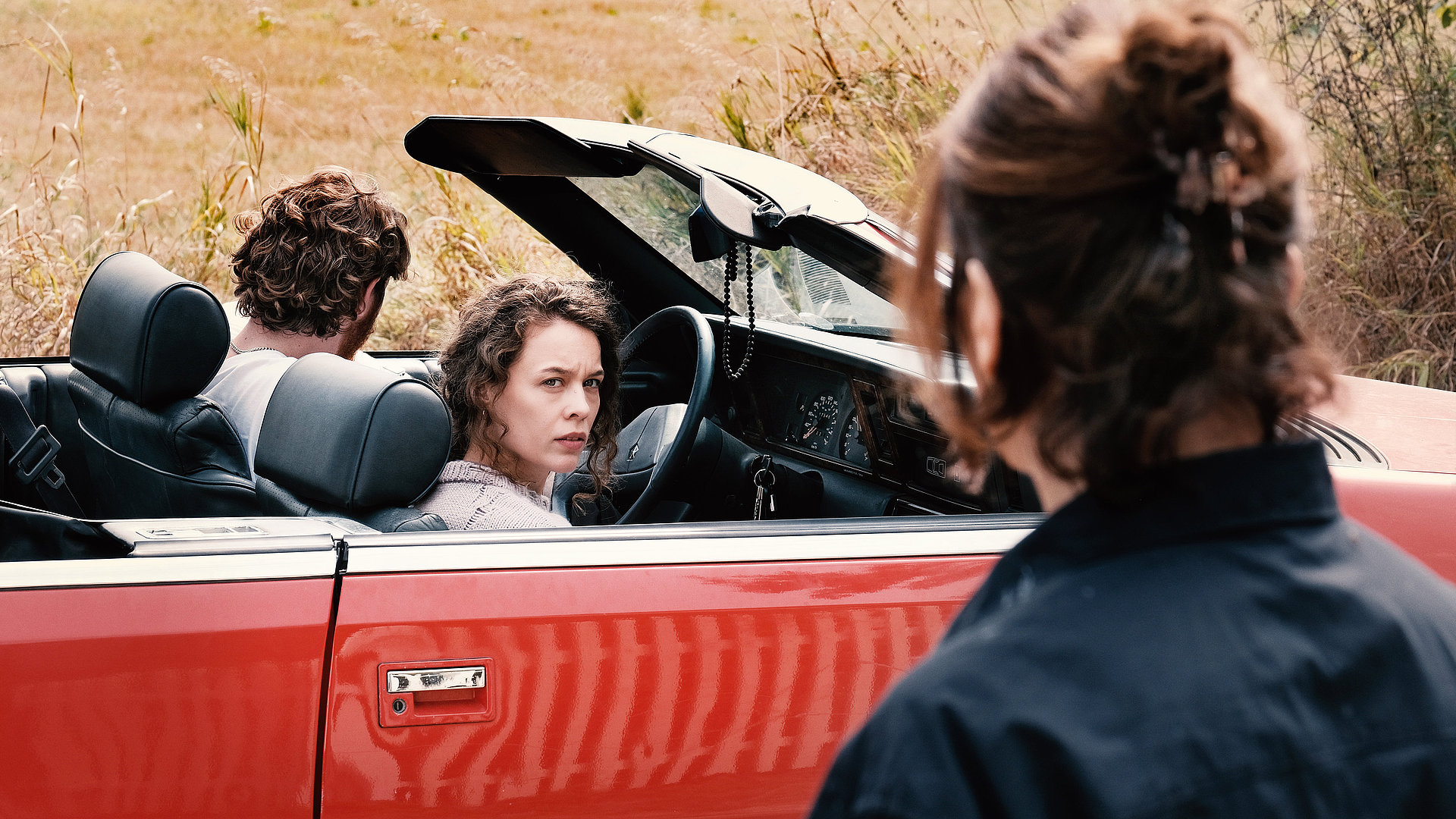
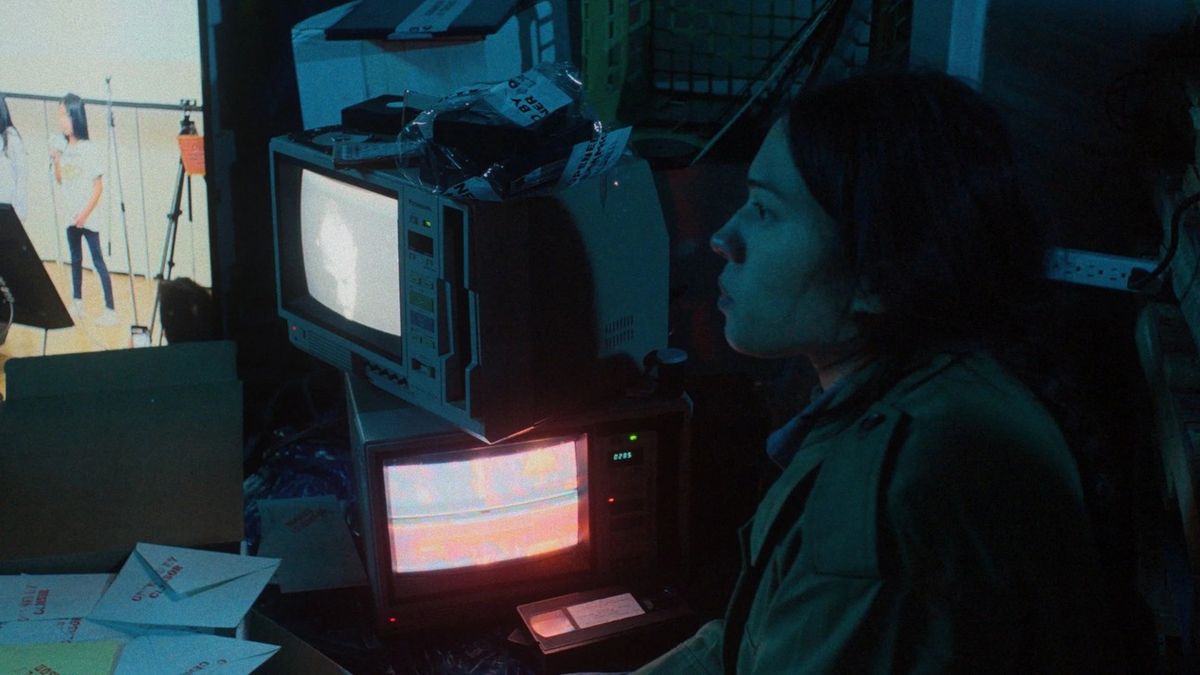
Film Notes has published Qingyuan Deng's essay exploring the intersection of Lacan's concept of retroactive meaning and Eve Kosofsky Sedgwick's distinction between paranoid and reparative reading, as applied to recent artists' films and moving-image installations. The essay examines how works like Alison Nguyen's installation "Perforation, Ellipse" at New York's Storefront for Art and Architecture use cinematic techniques—such as perforations, splices, and missing scenes—to hold the temporal gap between an event and its belated political comprehension, focusing on the censorship of Vietnamese bolero songs after the American War.

Theatre, production, performance: fashion invests in art

Fashion houses like Chanel are increasingly investing in contemporary art, not merely as inspiration for prints or patterns but as a strategic tool for brand positioning and cultural credibility. Gallery owner Tristan Paprocki, who recently opened a Milan space with partner Guido Romero Pierini, notes that brands now seek out emerging artists to demonstrate foresight and support new talent. Chanel has collaborated with Berlin's Hamburger Bahnhof museum for large-scale installations by artists such as Klára Hosnedlová and Lina Lapelytė, and has announced ten artists for the third edition of its Next Prize 2026, including Bárbara Sánchez-Kane, Pan Daijing, and Álvaro Urbano. These artists work across fashion, sculpture, and performance, blurring the lines between clothing and contemporary art.

Archie Rand On the Irreducibility of Painting in a Post-Digital Age

Archie Rand, now in his late 70s, recently held his first extensive solo show in years at Jarvis Art in New York, featuring his new body of work titled "Heads." The exhibition reclaims painting's primordial function, emphasizing the connection between brain and hands, imagination and reality. Rand, who emerged from the downtown New York scene in the late 1970s and early '80s, has witnessed the full postwar evolution of American art. His career includes a pivotal synagogue mural commission that led to backlash from the Orthodox community and a break with critic Clement Greenberg, pushing him toward representational forms. He found allies in figures like Philip Guston and John Ashbery, and after his wife's death ten years ago, began reflecting on mortality and childhood influences.

The Art Diary May 2026 – Revd Jonathan Evens

The article titled "The Art Diary May 2026 – Revd Jonathan Evens" appears to be a diary or column by Revd Jonathan Evens, published on Artlyst, covering art-related events, reflections, or commentary for May 2026. The specific content is not provided in the snippet, but the format suggests a curated overview of exhibitions, cultural happenings, or personal observations from the author's perspective.

Inside Mirna Bamieh’s Edible Meditations on Borders and Belonging

The article profiles artist Mirna Bamieh and her unique artistic practice that uses food as a medium to explore themes of borders, displacement, and belonging. Bamieh creates edible installations and participatory performances that engage audiences in sensory experiences tied to Palestinian identity and the politics of land.

Bodies in Motion, Bodies at Rest: Ali Cherri in Conversation with Kaelen Wilson-Goldie

This article presents a conversation between artist Ali Cherri and writer Kaelen Wilson-Goldie, marking the second installment of a collaborative series between TextWork by Fondation Pernod Ricard and Mousse Magazine. The series features in-depth dialogues between artists from the TextWork program and magazine contributors, expanding on the traditional interview format, and is set to continue until 2027.

The Future of Museums Is a Dance Floor

Museums and art institutions are increasingly incorporating nightlife and rave culture into their programming, treating the dance floor as a site of cultural and political significance. Exhibitions like Steve McQueen's 2024 Dia Beacon show, the 2018 'Elements of Vogue' in Madrid, the Swiss National Museum's 2025 'Techno' exhibition, and the author's own 2025 curatorial project 'Rave into the Future: Art in Motion' at the Asian Art Museum demonstrate this institutional turn.

Vanités contemporaines

The article explores the enduring relevance of still life and vanitas in contemporary art, tracing their evolution from the biblical proclamation "Vanity of vanities; all is vanity" through modern masters like Paul Cézanne, Pablo Picasso, and Giorgio Morandi to contemporary practitioners such as Claudio Parmiggiani. It highlights how artists continue to use everyday objects—compotes, skulls, pitchers, apples—as vehicles for formal experimentation and philosophical reflection, with still life serving as a minimalist device that allows infinite plastic research.

Martin Schongauer in 2 Minutes

Martin Schongauer en 2 minutes

Martin Schongauer (c. 1445–1491), the Alsatian painter, draftsman, and engraver, is celebrated as the greatest German copperplate engraver before Albrecht Dürer and one of the first artists to achieve pan-European fame in his lifetime. The article outlines his life and career, from his early training in his father's goldsmith workshop in Colmar to his studies at the University of Leipzig and travels through Flanders, where he absorbed the influence of Rogier van der Weyden and Dirk Bouts. It highlights his 116 copper engravings, signed with the monogram 'M+S', which elevated engraving to a high art and circulated from Spain to Bohemia, inspiring Dürer and the young Michelangelo. Key works discussed include the painting 'La Vierge au buisson de roses' (1473) and the engraving 'La Tentation de saint Antoine' (c. 1470–1475).

How to watch the 'Costume Art' Met Gala red carpet

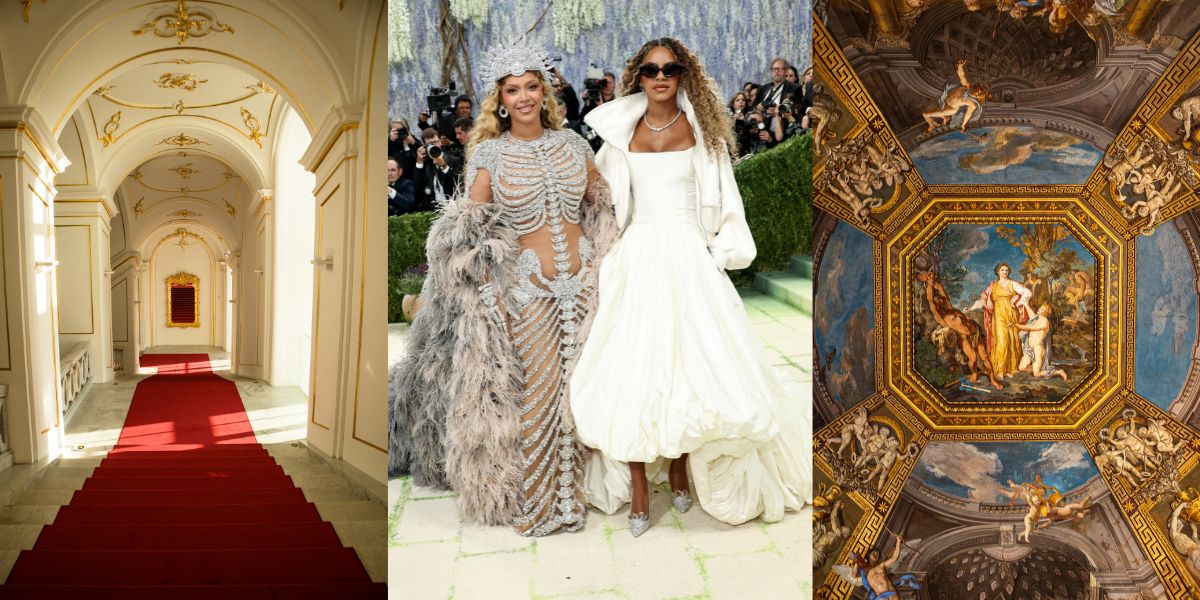
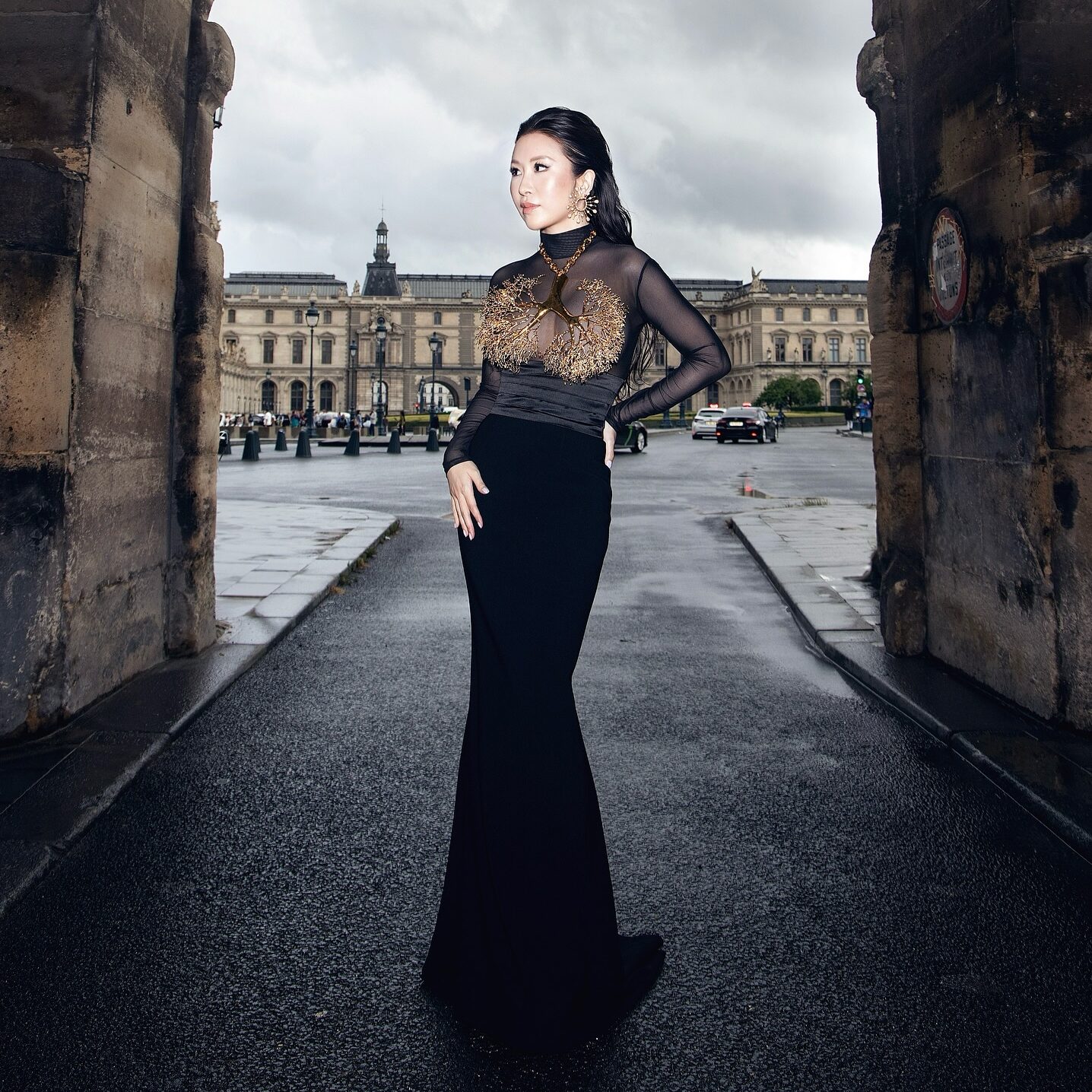
The 2026 Met Gala, held on May 4 at the Metropolitan Museum of Art in New York, featured a dress code titled 'Costume Art' that explicitly frames fashion as an embodied art form. Celebrities including Beyoncé, Nicole Kidman, and Venus Williams ascended the museum's steps wearing archival fashion pieces and custom creations, with references to artistic collaborations such as Elsa Schiaparelli and Salvador Dalí's lobster dress, Yves Saint Laurent's Mondrian-inspired designs, and Marc Jacobs' work with Takashi Murakami. The event raises funds for the museum's Costume Institute, whose spring exhibition 'Costume Art' examines the centrality of the dressed body.

Art and Social Consciousness: The Ideals of Legendary Artist Joseph Beuys Told in a Comic

Arte e coscienza sociale: gli ideali del leggendario artista Joseph Beuys raccontati in un fumetto

A new graphic novel by Italian illustrator Gianluca Costantini explores the life and social ideals of the legendary German artist Joseph Beuys. The comic focuses on Beuys's final major work, 'Palazzo Regale' (1985), an environmental installation housed at the K20 museum in Düsseldorf, interpreting it as a synthesis of his belief in art as a transformative social force.

Michael Garner Explores Truth, Systems & Constructed Reality

Michael Garner, an artist with a background spanning social science and intelligence work, creates immersive works that blend science, espionage, philosophy, and absurdity. His recent exhibitions include a show at the Bomb Factory Art Foundation featuring a vending machine dispensing mock classified information, and a presentation at the Austrian Cultural Forum London exploring his newly acquired Austrian citizenship through neural pathway paintings in the colors of the Austrian flag.

‘It’s about processing’: the artist who spent three months recreating the most poignant moments with her ex

Photographer Diana Markosian has created a new project titled "Replaced," in which she spent three months recreating intimate moments from her past relationship with an ex-partner. To document the experience of falling in and out of love, she hired an actor to play her ex and traveled with him to locations they once visited together, including Miami, Paris, Naples, Capri, and Nice. The series blurs documentary and fiction, using staged reenactments to process grief, heartbreak, and healing.

GEORGE FEBRES: TRANSLATION, IRONY, AND LIBERATION. AN ECUADORIAN ARTIST IN THE DIASPORA

The article examines the life and work of George Febres (1943–1996), an Ecuadorian artist who spent most of his career in the United States, primarily in New Orleans. Febres’s practice blends Pop Art, Neo-Surrealism, and Southern US culture with his experiences as a migrant and queer subject, using bilingualism and ironic tropical imagery to create a hybrid, irreverent body of work. Despite his significance, no works by Febres exist in Ecuadorian public collections, and no major retrospective has been held in his home country, reflecting a broader erasure of queer narratives from national art history.

Who’s The Next Obsession? 12 European Collectors Reveal How They Discover New Talent

Cultured magazine asked 12 European collectors how they discover new talent, timed to the 61st Venice Biennale. Collectors like Nicole Saikalis Bay, Amélie du Chalard, Belma Gaudio, and Laurent Asscher share their personal approaches—ranging from emotional resonance and dialogue with existing works to long-term obsession with an artist before acquiring a piece. The responses reveal a diversity of methods, from instinct-driven buying to conceptual and technical evaluation.

8 Art Films Worth Watching in May

8 Kunstfilme, die sich im Mai lohnen

Monopol magazine presents eight art films worth streaming in May, including a documentary featuring 40,000 slides from critic Jerry Saltz capturing the 1990s New York art scene, Shirin Neshat's film "Women Without Men" about women in 1953 Tehran, Christian Petzold's new film "Miroirs No. 3," and a documentary on the Shroud of Turin. The roundup also includes a politically charged drama directed by Yael Bartana and a Dada-metal film, offering a diverse selection of art-related cinema.

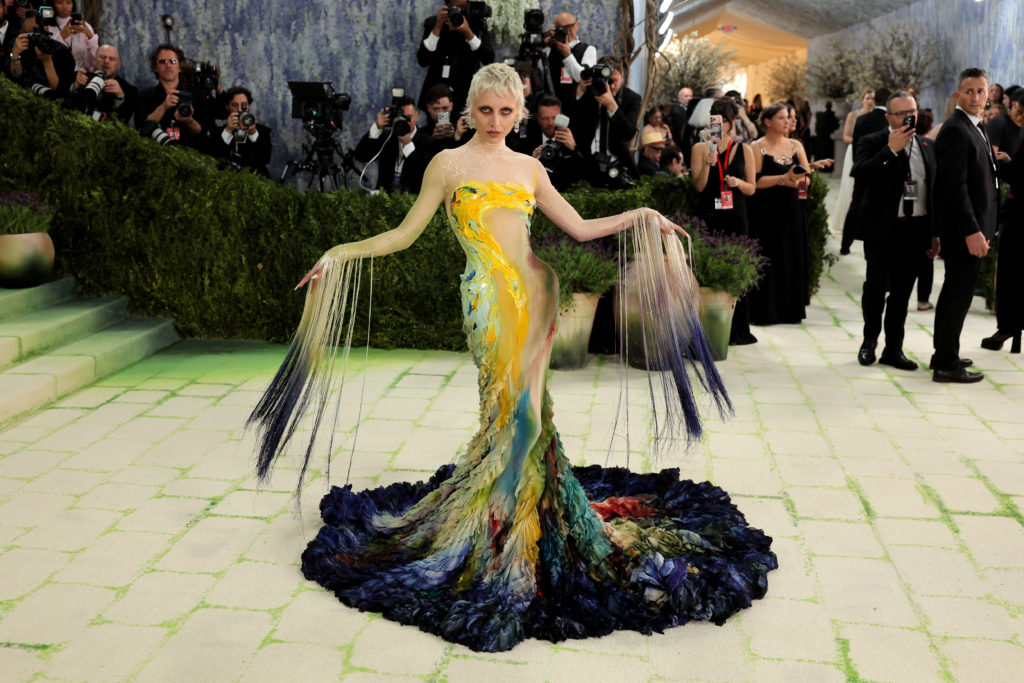
This Years Met Gala Felt More Like an Art Exhibition Than a Red Carpet

The 2026 Met Gala, held on May 4 at the Metropolitan Museum of Art in New York, was widely described as feeling more like an art exhibition than a traditional red carpet. The theme, "Costume Art," with the dress code "Fashion Is Art," encouraged celebrities to treat their bodies as canvases. Beyoncé made a highly anticipated return after a decade, serving as a co-chair alongside Nicole Kidman, Venus Williams, and Anna Wintour. Beyoncé wore a sculptural skeleton-inspired design by Olivier Rousteing, while Kiddon wore a shimmering red Chanel gown and Williams donned a Swarovski crystal gown inspired by her Smithsonian portrait. Other notable looks included Sabrina Carpenter in a Dior dress made from vintage film strips, Kendall Jenner referencing classical sculpture, Madonna channeling surrealist painter Leonora Carrington, and Heidi Klum arriving as a marble statue. Inside, live performances by Sabrina Carpenter and Stevie Nicks added to the spectacle.

Yu-Chi Lyra Kuo Shares a Vision for the Future of Art, Technology, and Creativity

Yu-Chi Lyra Kuo, an entrepreneur, investor, Harvard-educated lawyer, former Princeton academic, and board member of the Shed, shares her vision for integrating frontier technologies like artificial intelligence and robotics into the art world. She argues that these tools can enhance human creativity rather than replace it, drawing on her early experiences with Asian antiquities and her pioneering work in blockchain, including co-founding OpenSea 2.0. The article, based on an interview with CULTURED, traces her journey from collecting a jade gourd as a child to advising tech companies and joining the board of the Shed, a Bloomberg-backed cultural center in Hudson Yards.

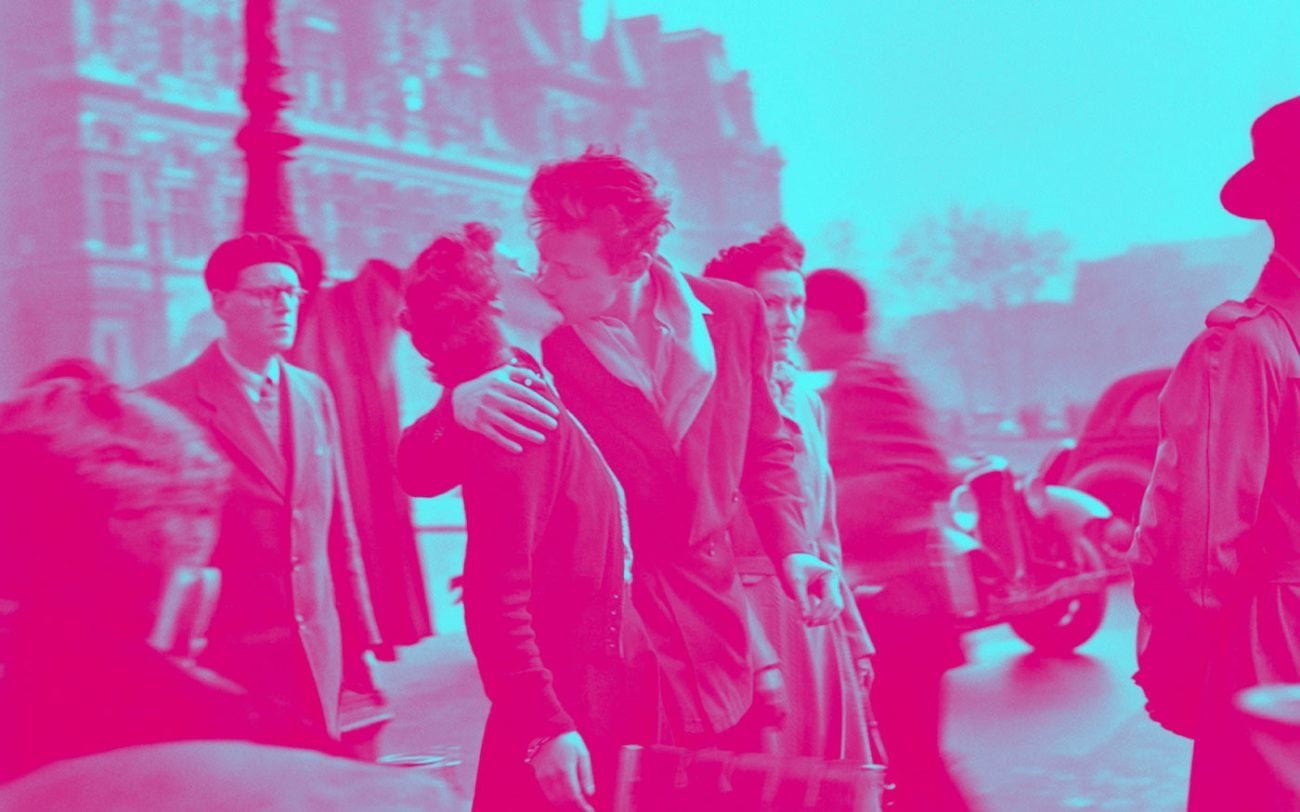
Can you recognize the photographers behind these 15 iconic shots?

Saurez-vous reconnaître les photographes qui se cachent derrière ces 15 clichés iconiques ?

Beaux Arts Magazine published a quiz challenging readers to identify 15 iconic photographs and their creators, from Nicéphore Niépce to Cindy Sherman. The quiz marks the bicentennial of photography in 2026–2027, featuring pioneers of the 19th century alongside contemporary masters, covering genres from photojournalism to intimate portraiture and formal experimentation.

The Artists Who Put Their Bodies Into the Work

This article from Google News, dated May 3, 2026, profiles a selection of artists who have used their own bodies as central elements in their work. It draws a connection to the Metropolitan Museum of Art's spring Costume Institute exhibition, "Costume Art," which places fashion in dialogue with other artworks. The roundup includes Marina Abramović, known for her 2010 MoMA performance "The Artist Is Present"; Chris Burden, who staged dangerous works like "Shoot" (1971); David Hammons, creator of the "Body Prints" series; Frida Kahlo, whose painting "The Broken Column" (1944) depicts her own physical pain; Ana Mendieta, whose "Silueta" series used her figure in the landscape; and Yoko Ono, a conceptual artist with a significant body-based practice.

“Persona” Crafts a Lineage of Performed Identity

Boston Art Review (BAR) has published an article titled “Persona” Crafts a Lineage of Performed Identity, exploring how contemporary artists use persona and self-performance to trace a lineage of identity construction. The piece examines works by artists who adopt alter egos or theatrical roles to challenge fixed notions of selfhood, drawing connections to historical precedents in art and culture.

Group "New Generation" Plans "Art Protest" on Wednesday

Gruppe "Neue Generation" plant "Kunstprotest" am Mittwoch

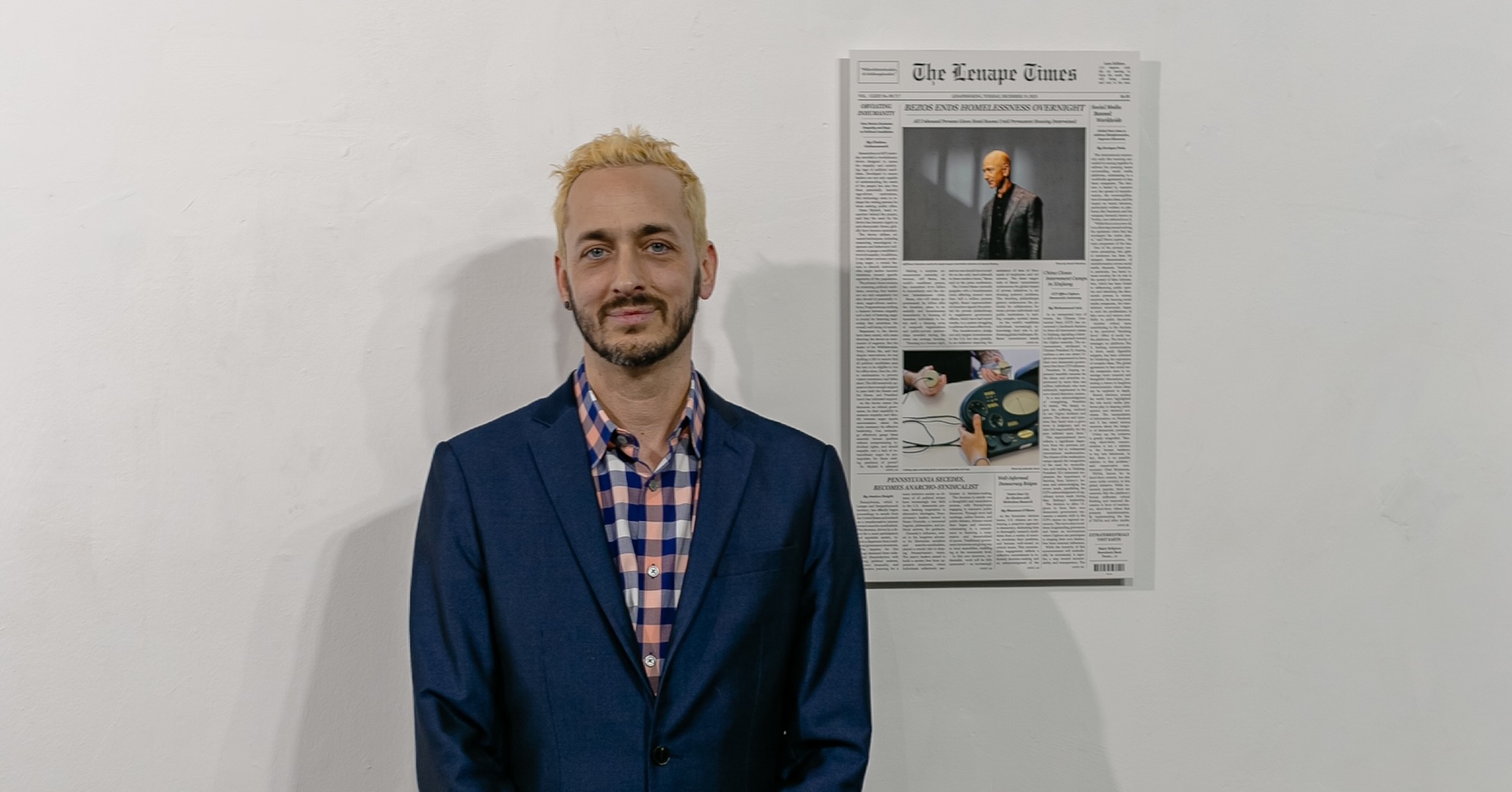
The activist group "Neue Generation" has announced a week of protests in Berlin under the theme "Revolution Days," promising creative and artistically designed actions. Their activities began with a "protest dance" on the steps of the Reichstag building, leading to three participants being investigated for trespassing. The group has scheduled a "Kunstprotest" (art protest) for Wednesday and a "revolutions attempt in the government district" for Thursday.

Forgers, One-Way Mirrors of the Art Market

Les faussaires, miroirs sans tain du marché de l’art

Anthropologist Monique Jeudy-Ballini has published a new book, "Peintres de l’ombre. Les faussaires à l’œuvre," in which she examines art forgers through an ethnographic lens. Drawing on autobiographical accounts, published interviews, and expert writings—including those of notorious forgers Wolfgang Beltracchi, Eric Hebborn, and Guy Ribes—she explores the motivations and practices of these clandestine figures, arguing that their work involves not only technical skill but also the creation of elaborate narratives and pedigrees for their forgeries. The book is part of the Ethnologiques series edited by Philippe Descola and published by Éditions Mimésis.

Where to go for the next scandal?

Wo bitte geht's zum nächsten Skandal?

The article reports on the 2024 Venice Biennale preview days, where the atmosphere is dominated by political protests, media stunts, and social-media pressure rather than the art itself. Incidents include a solidarity drone choir for Gaza, a Pussy Riot and FEMEN protest at the Russian Pavilion, and a planned demonstration near the Israeli Pavilion, all amplified by PR agencies and WhatsApp alerts. A journalist describes being pressured by editors to cover scandals and political controversies instead of art reviews, which they say no longer attract clicks.

How Art Libraries Make Art Accessible

Wie Artotheken Kunst zugänglich machen

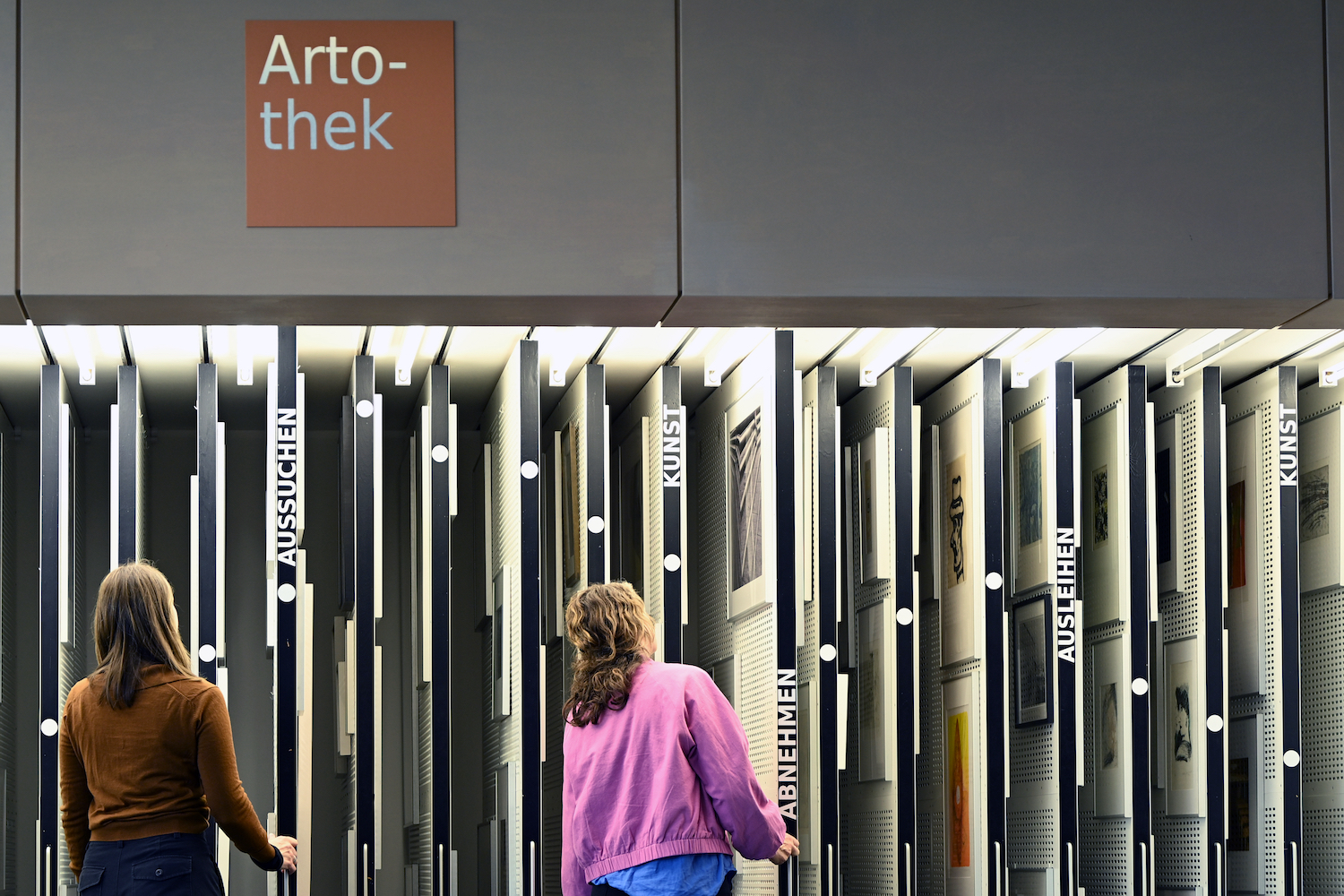
Artotheken, or art libraries, are public institutions that lend artworks to anyone with a library card, making art accessible beyond the traditional museum or gallery system. In Germany, over 100 such artotheken exist, often housed in public libraries, art associations, or museums. The Amerika-Gedenkbibliothek in Berlin, for example, has a collection of 2,000 works, with around 300 currently on loan to homes, doctors' offices, and law firms. The lending process is informal: borrowers can eat, drink, and even touch the works, and transport by bus or bike is encouraged. A jury selects up to 15 new works annually, and the collection includes major names like Roy Lichtenstein and Niki de Saint Phalle, though most users choose pieces based on personal connection rather than prestige.

« Le monde entier semble s’être mis en mouvement, animé par une soif d’expériences culturelles »

The article explores the transformation of cultural travel for artists and art lovers, contrasting the arduous, unknown journeys of historical figures like Eugène Delacroix, Paul Gauguin, and Ella Maillart with today's accessible, curated experiences. It describes how contemporary artists such as Ólafur Elíasson, JR, and Marina Abramović now use travel itself as a medium, creating works that engage with climate change, social issues, and presence. Destinations like the Venice Biennale, AlUla in Saudi Arabia, Naoshima in Japan, and Le Voyage à Nantes are highlighted as hubs where art and travel merge into immersive, sensory experiences.

Theater in Paris: Studio Hébertot brings to life the companions of Pablo Picasso, from Fernande Olivier to Françoise Gilot

Théâtre à Paris : le Studio Hébertot fait revivre les compagnes de Pablo Picasso, de Fernande Olivier à Françoise Gilot

A theatrical production titled 'Les Amours de Pablo' is being staged at the Studio Hébertot in Paris until the end of May 2026. The play, created by the Compagnie Bille en Tête, focuses on the intimate and tumultuous relationships of Pablo Picasso, but primarily aims to give voice and substance to seven of his romantic partners, portraying them as complex individuals and artists in their own right.

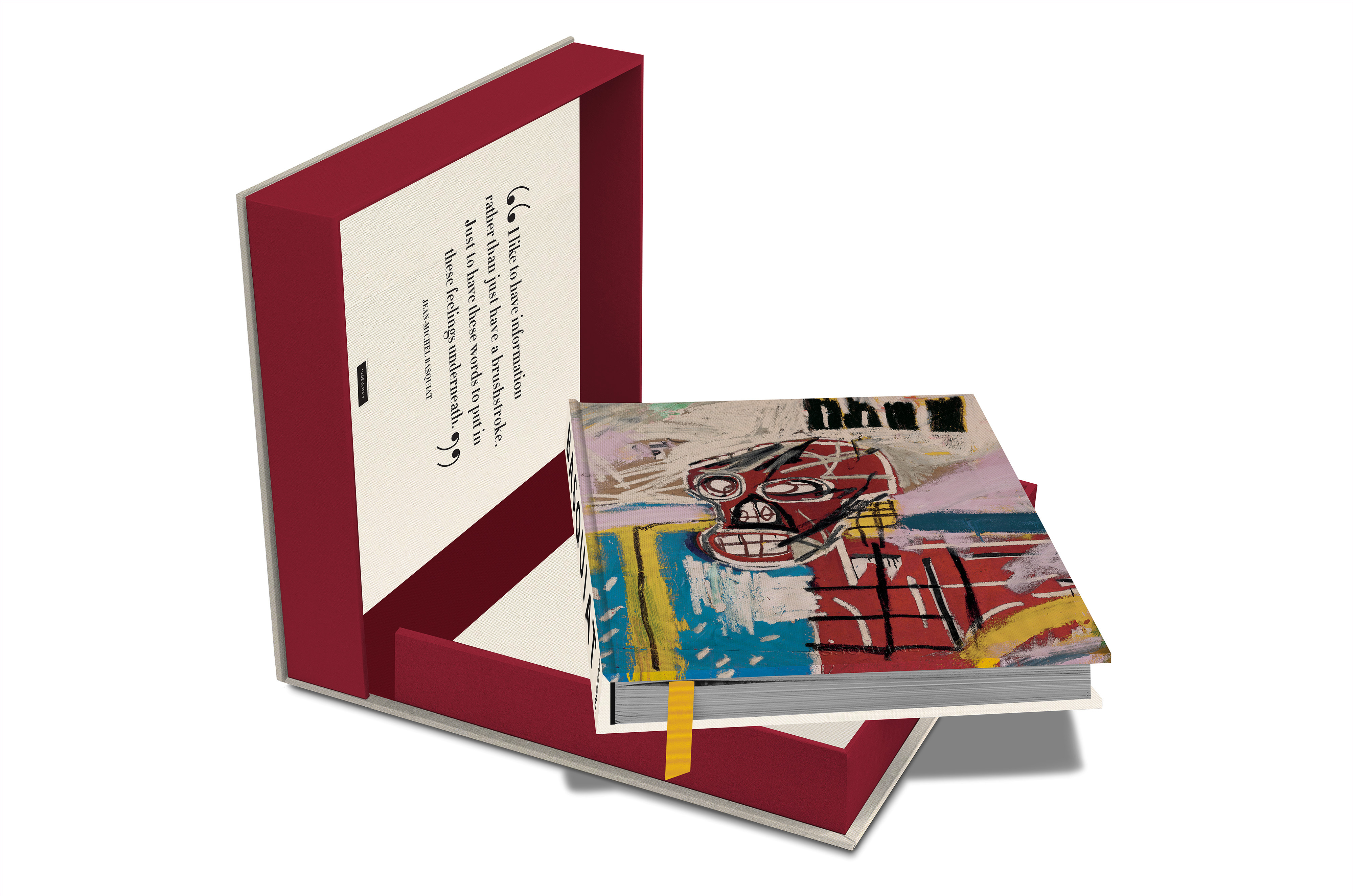
Major new Jean-Michel Basquiat collector’s book, priced at $1,400, released from Assouline.

Assouline has released a new collector's book titled "Basquiat: The World of Jean-Michel," a 348-page volume featuring over 200 artworks and archival photographs of Jean-Michel Basquiat. Priced at $1,400, the book is part of the publisher's Ultimate Collection of large-format, hand-bound volumes, and is organized thematically into six chapters covering Basquiat's depictions of heads, New York City's influence on his work, his use of silkscreens, and spiritual themes.