filter_list Showing 9 results for "Hive" close Clear
search
dashboard All 885 museum exhibitions 509article news 107article culture 64article local 57trending_up market 44article policy 32person people 23candle obituary 19rate_review review 18gavel restitution 9article museum 2article event 1
date_range Range Today This Week This Month All
Subscribe

art detective arthur brand netherlands national archives

Arthur Brand, a self-proclaimed art detective, recovered 25 documents stolen from the Netherlands National Archives in 2015. The trove includes items on UNESCO’s Memory of the World Register, such as a 1602 report of the Dutch East India Company’s first meeting, a 1700 report of a visit to Mughal India’s Emperor Aurangzeb, and a ship’s log by 17th-century admiral Michiel de Ruyter. Brand was contacted after a person clearing an attic found the box and showed it to a former history professor. Brand took possession on condition of returning the documents to the National Archives, which had been unaware the items were stolen.
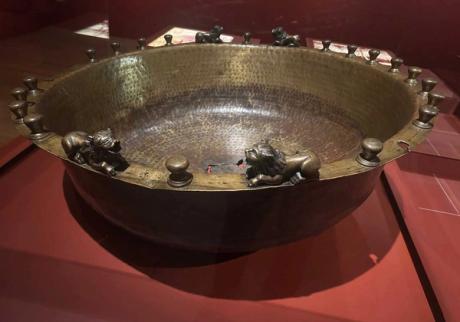
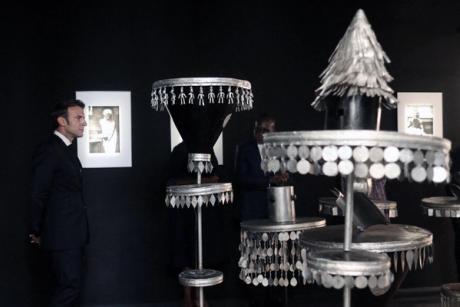
How did a 16th-century European basin end up as a sacred object in West Africa?

The Aya Kese, a massive 16th-century northern European brass basin, is currently on display at the British Museum while its complex history remains under scrutiny. Looted by British officer Robert Baden-Powell in 1896 from the Asante kingdom’s royal mausoleum in present-day Ghana, the object was long sensationalized by colonial accounts as a vessel for human sacrifice. Recent scholarship and historical records from Asante King Prempeh I contest these claims, asserting the basin’s sacred role as a spiritual repository for the souls of the Asante people.

France’s new restitution law passes final vote

The French parliament has officially passed framework legislation establishing a legal pathway for the restitution of cultural artifacts looted from former colonies. This landmark law, inspired by a report from former Louvre director Jean-Luc Martinez, allows for the deaccession of items taken by force or under duress between 1815 and 1972. While the law fulfills a 2017 pledge by President Emmanuel Macron, it remains strictly supervised, requiring bilateral scientific committees to verify claims and excluding military archives and archaeological shares.

Manhattan D.A.’s Office Returns 17 Stolen Antiquities and Rare Books to Italy

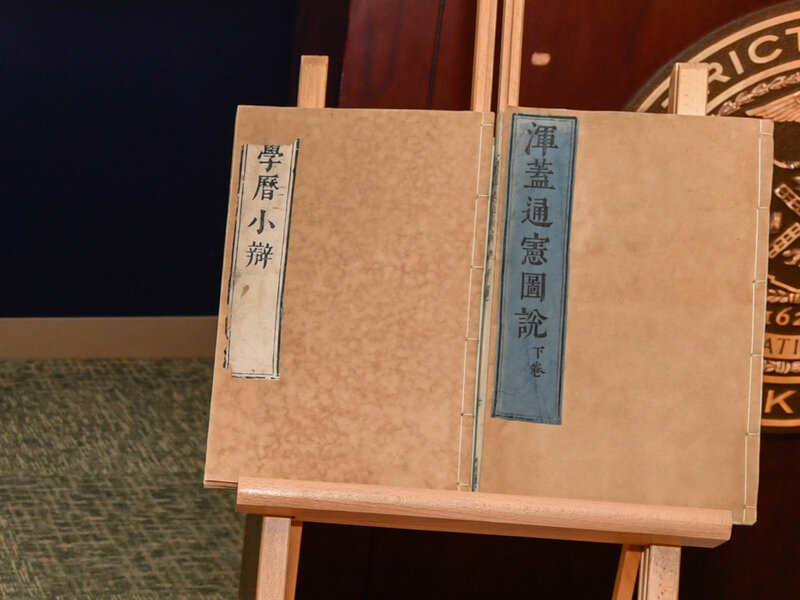
The Manhattan District Attorney's Office returned 17 stolen antiquities and rare books, valued at over $1.5 million, to Italy and the Vatican in a restitution ceremony. The items include six rare 16th–17th century Chinese-language Jesuit books stolen from the Vatican Archives and other artifacts seized from institutions like the Morgan Library and the Metropolitan Museum of Art.

bayeux tapestry fragment rediscovered in germany

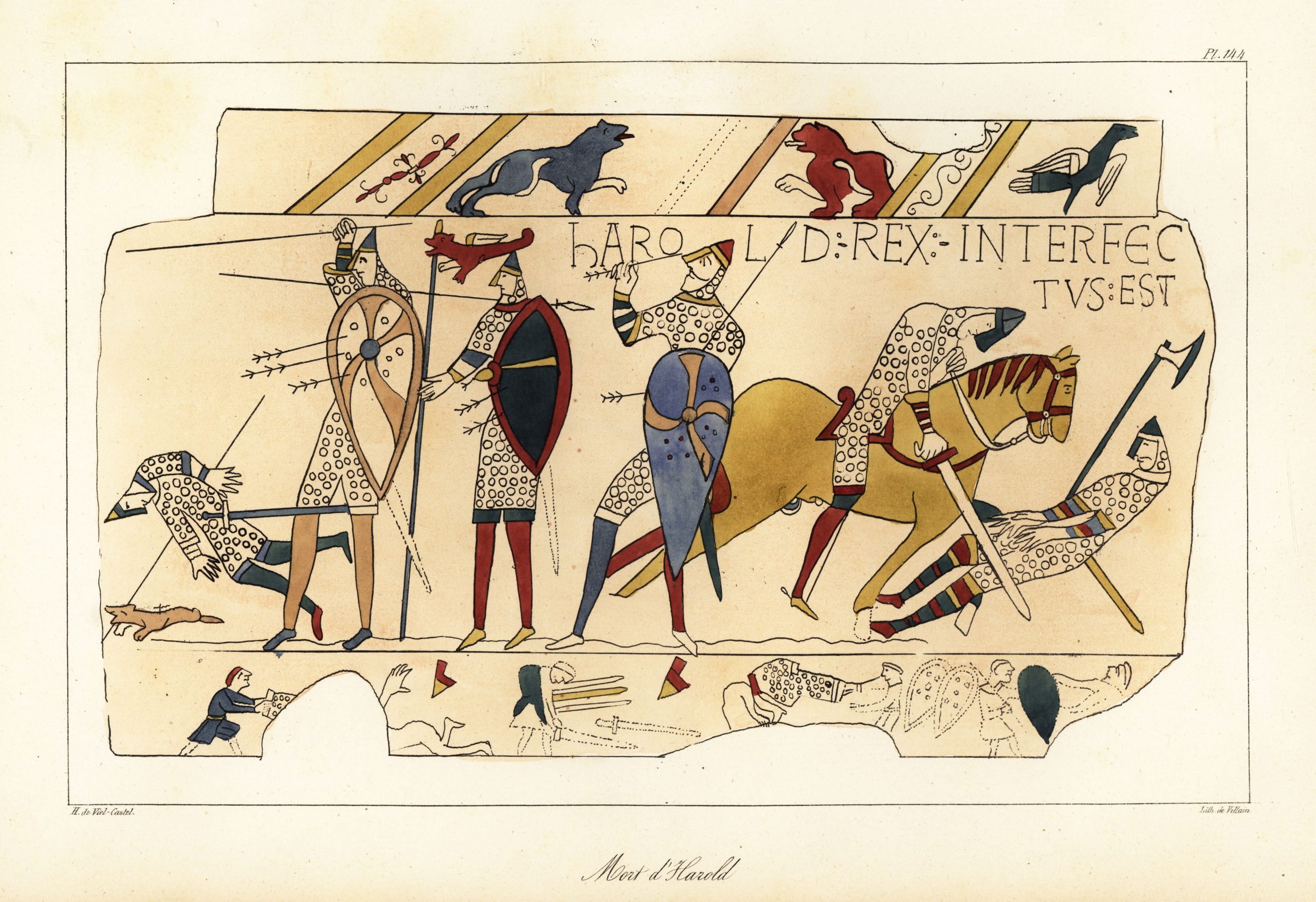
A long-lost fragment of the Bayeux Tapestry, the 11th-century embroidered chronicle of the Norman Conquest of England, has been rediscovered in the Schleswig-Holstein State Archives in Schleswig, Germany. The roughly one-inch linen piece belonged to the estate of archaeologist Karl Schlabow, who had been part of a Nazi-affiliated group that re-measured the tapestry in 1941. The fragment will be repatriated to France later this year, but first it will go on public display at the Museum of Archaeology at Gottorf Castle as part of the exhibition “Viking Twilight: Turning Point in the North” from April 16 through November 2.

belgian museum colonial records congo minerals company

The Africa Museum in Tervuren, Belgium, a museum dedicated to the country's colonial history in Africa, is at the center of a dispute over access to its historical geological records from the Democratic Republic of Congo. The Congolese government and KoBold Metals, a mining company backed by billionaires like Jeff Bezos and Bill Gates, are seeking access to these documents, which detail rich mineral deposits, as part of a deal to digitize them and explore for critical minerals like lithium and cobalt.

UK Heritage Department feared ‘mass restitutions’ when Stone of Scone was returned to Scotland

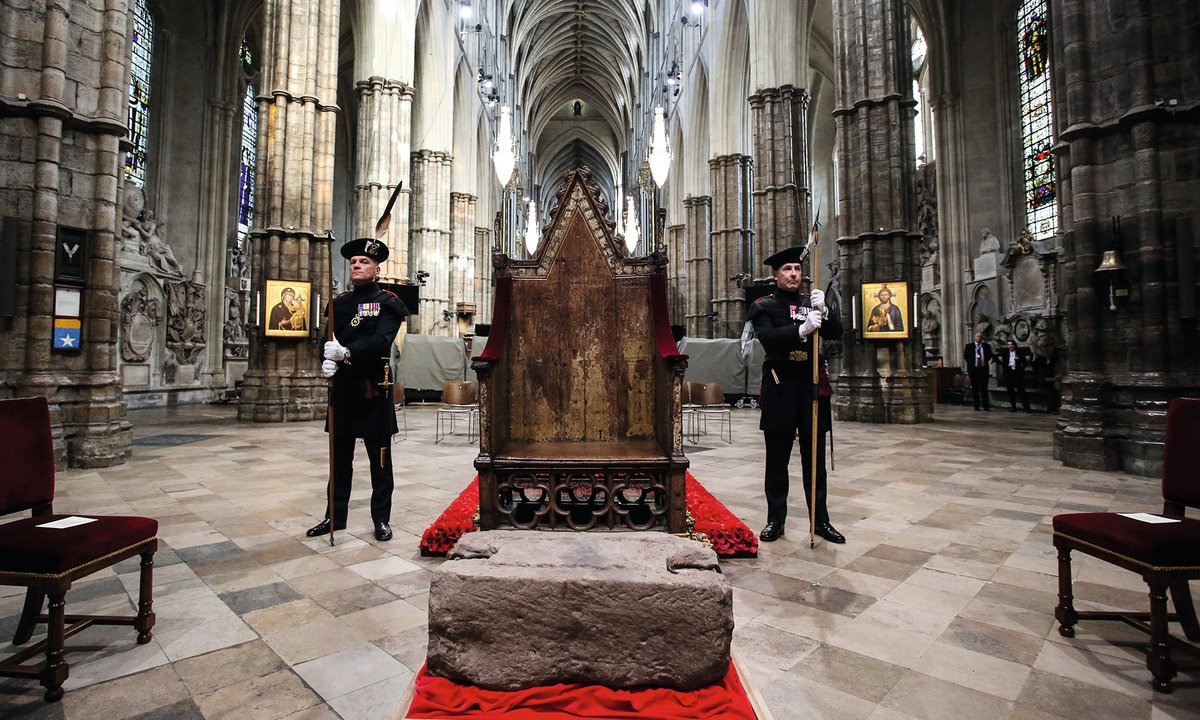
Newly released UK government files reveal that in 1996, the Department of National Heritage strongly opposed Prime Minister John Major's decision to return the 13th-century Stone of Scone to Scotland. The department's cultural property unit head, Lynn Gates, warned that the return would set a 'precedent to mass restitution,' triggering claims from Greece for the Parthenon Marbles, Egypt for the Rosetta Stone and Sphinx's Beard fragment, and Nigeria for the Benin Bronzes, with fears of further demands from Ethiopia, India, Pakistan, and other nations. The internal memo criticized Major for failing to consult the department before agreeing to the transfer from Westminster Abbey.

smithsonians national museum of asian art returns three looted sculptures to india

The Smithsonian's National Museum of Asian Art announced it will return three looted bronze sculptures to India: "Shiva Nataraja" (ca. 990), "Somaskanda" (12th century), and "Saint Sundarar with Paravai." Provenance research linked the works to art dealers known for trafficking looted antiquities. The museum partnered with the Photo Archives of the French Institute of Pondicherry in 2023, finding the bronzes had been photographed in Tamil Nadu temples between 1956 and 1959 and removed in violation of Indian laws. This follows the museum's December return of three Khmer-period sculptures to Cambodia, also determined to be looted.

Rare Books Stolen From a Jesuit Archive in Rome Are Returned to Italy

A collection of rare 17th-century books, written in Chinese by Jesuit missionaries and stolen from the Jesuit Historical Institute in Rome, has been returned to Italy. The books, which cover astronomy and other scientific topics, were recovered by the Carabinieri art squad after being illegally exported to the United States.