filter_list Showing 8 results for "Rem" close Clear
dashboard All 171 museum exhibitions 63article news 29article local 20article policy 14trending_up market 14person people 8gavel restitution 8candle obituary 7article culture 6rate_review review 2
date_range Range Today This Week This Month All
Subscribe

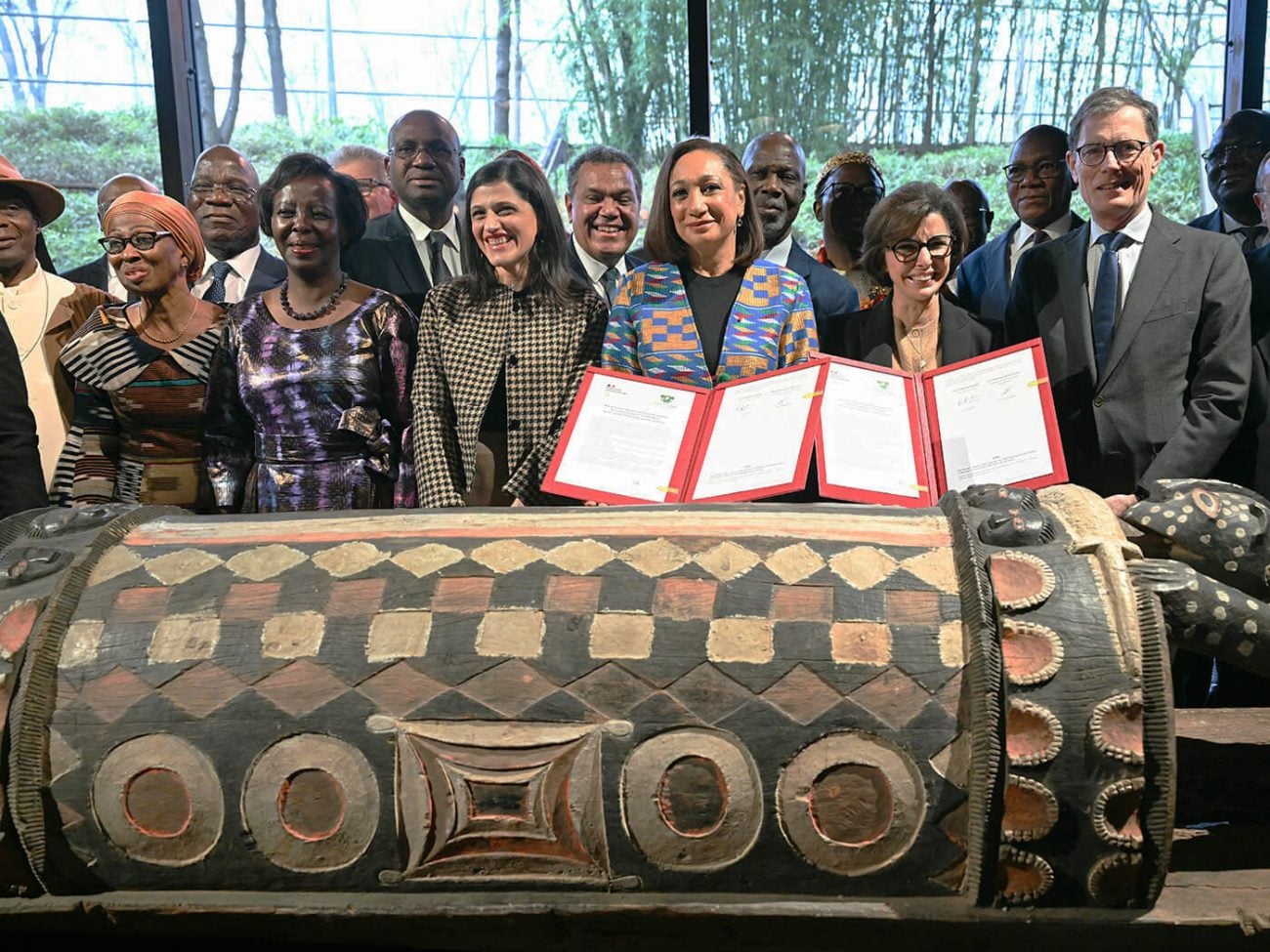
France’s new restitution law passes final vote

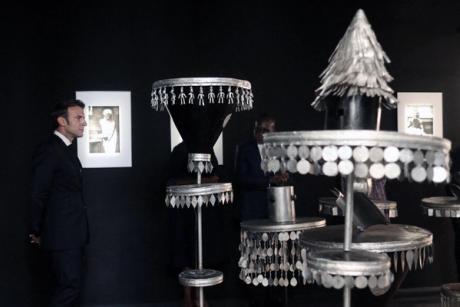
The French parliament has officially passed framework legislation establishing a legal pathway for the restitution of cultural artifacts looted from former colonies. This landmark law, inspired by a report from former Louvre director Jean-Luc Martinez, allows for the deaccession of items taken by force or under duress between 1815 and 1972. While the law fulfills a 2017 pledge by President Emmanuel Macron, it remains strictly supervised, requiring bilateral scientific committees to verify claims and excluding military archives and archaeological shares.
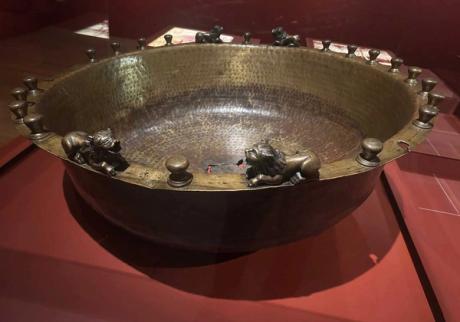
How did a 16th-century European basin end up as a sacred object in West Africa?

The Aya Kese, a massive 16th-century northern European brass basin, is currently on display at the British Museum while its complex history remains under scrutiny. Looted by British officer Robert Baden-Powell in 1896 from the Asante kingdom’s royal mausoleum in present-day Ghana, the object was long sensationalized by colonial accounts as a vessel for human sacrifice. Recent scholarship and historical records from Asante King Prempeh I contest these claims, asserting the basin’s sacred role as a spiritual repository for the souls of the Asante people.

National Assembly Unanimously Votes on Law for Restitution of Looted Colonial Works, but with Restrictions

L’Assemblée vote à l’unanimité la loi sur la restitution des œuvres pillées pendant la colonisation, mais avec des restrictions

The French National Assembly has unanimously passed a landmark law establishing a permanent legal framework for the restitution of cultural property looted during the colonial era. Moving away from the previous requirement for case-by-case legislation, the new law allows the government to return artifacts via decree following consultations with scientific and parliamentary commissions. This shift fulfills a long-standing promise to simplify the return of African heritage currently held in French public collections.

Protests in Mexico Against the Transfer of a Rare Collection to Spain

Protestations au Mexique contre le transfert en Espagne d’une rare collection

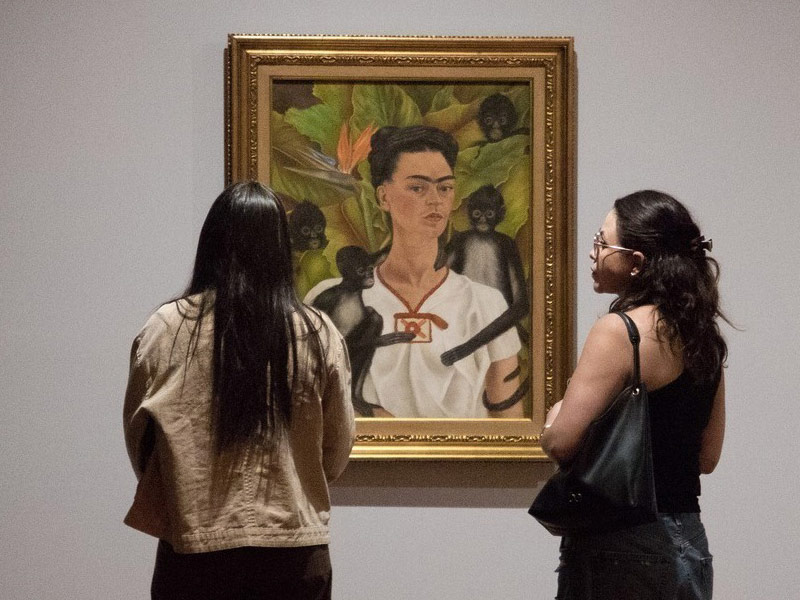
A coalition of nearly 400 art professionals in Mexico is protesting the planned transfer of the prestigious Gelman Collection to Spain. The collection, which includes iconic works by Frida Kahlo and Diego Rivera, is slated to move to the Faro Santander museum in northern Spain under a five-year management agreement with Banco Santander. Critics describe the move as a "public disaster," citing the opaque 2023 sale of the collection to the Zambrano family and the potential violation of Natasha Gelman’s original will, which stipulated the works remain in Mexico.

Catalan Museum Has Yet to Follow Through on Court Order to Return Contested Murals to Aragon Monastery

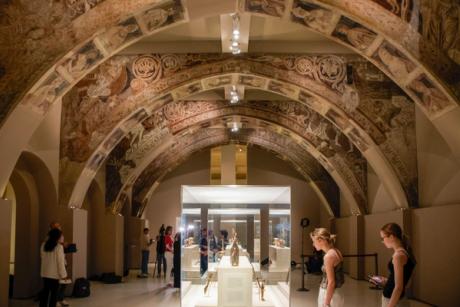
The National Art Museum of Catalonia (MNAC) in Barcelona has failed to comply with a May 2025 Spanish Supreme Court ruling ordering the return of 13th-century Romanesque murals to the Sijena Monastery in Aragon. Despite the legal mandate ending a decade-long dispute, the museum continues to house the works, citing significant technical and conservation risks associated with transporting the delicate canvases.

Barcelona museum refuses to return Sijena murals to monastery

The Museu Nacional d’Art de Catalunya (MNAC) in Barcelona is refusing to comply with a Spanish Supreme Court order to return the 12th-century Sijena murals to their original monastery in Aragón. Tensions escalated after the museum hosted a listening party for pop star Rosalía in the same hall where the Romanesque masterpieces are housed, leading to accusations from the municipality of Villanueva de Sijena that the museum is endangering the fragile works. MNAC director Pepe Serra has dismissed these concerns as scientifically unfounded, sparking threats of a defamation lawsuit from local officials.

Where are the Louvre Jewels?

Wo sind die Louvre-Juwelen?

Six months after a high-profile heist at the Louvre, investigators remain in pursuit of stolen jewelry valued at approximately €88 million. While four suspects are currently in custody, the bulk of the Second Empire-era treasures remains missing, leading to fears that the pieces may have been dismantled or melted down. The investigation has shifted focus toward how the thieves obtained a sensitive 2018 security audit that detailed vulnerabilities in the museum's defenses.

Mexico faces sales of pre-Columbian art

Le Mexique face aux ventes d’art précolombien

The Mexican government is facing ongoing legal and diplomatic hurdles in its attempts to halt the sale of pre-Columbian artifacts in Paris. Despite formal protests from the Mexican embassy citing national heritage laws from 1827, auction houses like Millon continue to proceed with sales, generating millions in revenue. French authorities and legal experts maintain that Mexican national laws do not supersede French jurisdiction, which largely adheres to the 1970 UNESCO Convention regarding the illicit import and export of cultural property.