filter_list Showing 7 results for "Rent" close Clear
search
dashboard All 818 museum exhibitions 479article local 83article news 67article culture 61trending_up market 34rate_review review 29person people 24article policy 24candle obituary 10gavel restitution 7
date_range Range Today This Week This Month All
Subscribe

British artist says the Met ‘should take responsibility’ for dress copyright dispute

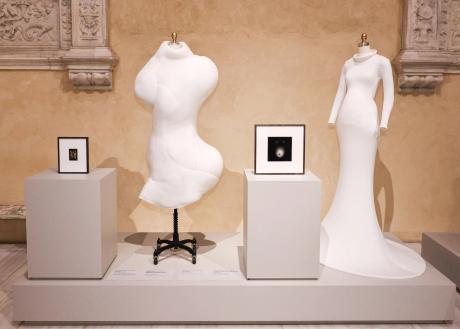
British artist Anouska Samms has publicly criticized the Metropolitan Museum of Art in New York over a copyright dispute involving a dress displayed in the Met Gala opening exhibition. Samms claims the museum included a garment called the Nervina Hair Dress, which she says is a copy of her collaborative work Hair Dress, created with fashion designer Yoav Hadari during their residency at the Sarabande Foundation. The Met had expressed interest in acquiring the original dress for its Costume Art exhibition but shelved those plans in December. Samms says she was not credited or paid, while Hadari acknowledges her IP rights over the textile but asserts the design and construction are his own. The Met has declined to comment, directing the artists to resolve the matter themselves.
No, the courts have not cleared the way for contemporary stained-glass windows at Notre-Dame

Non, la justice n'a pas laissé la voie libre aux vitraux contemporains de Notre-Dame

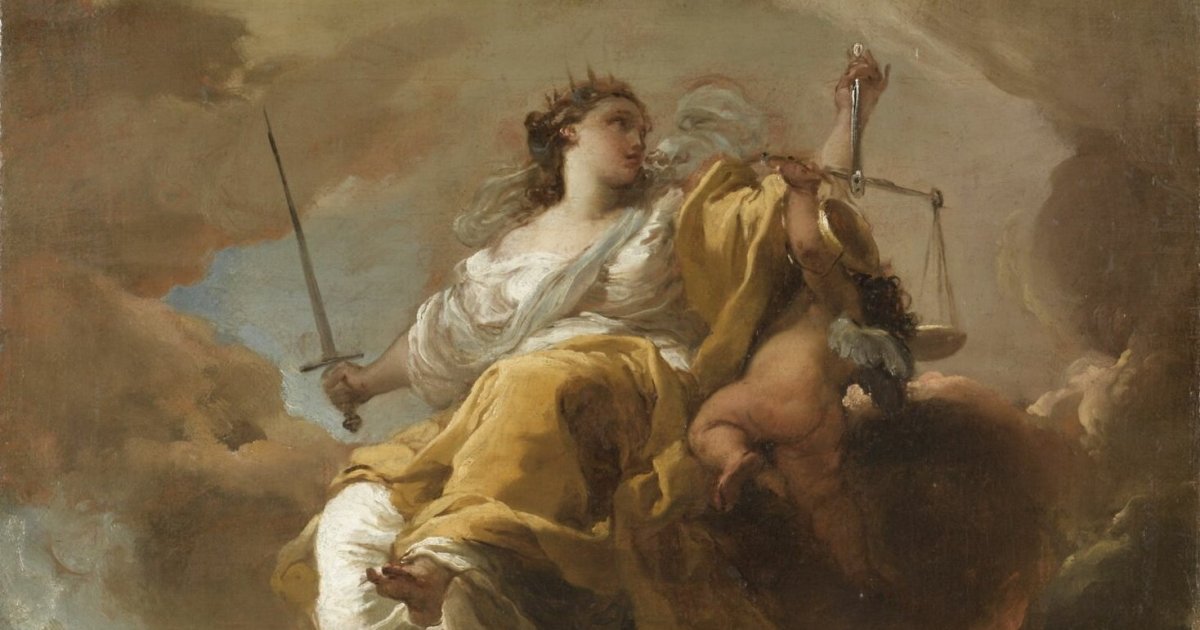
The article clarifies that legal challenges against installing contemporary stained-glass windows in Notre-Dame Cathedral are still ongoing, contrary to misleading headlines. Two judicial procedures remain active: an appeal by the heritage association Sites & Monuments after losing a first-instance ruling on procedural grounds, and a separate case contesting the legitimacy of the works themselves. Although an emergency injunction was denied because the judge found no urgency, the core legal arguments—that replacing Viollet-le-Duc's windows is not conservation or restoration—remain strong. The author warns that if the windows are installed before the appeals are resolved, they may later have to be removed at great expense.

David Nahmad maintains that his Modigliani was not looted by the Nazis

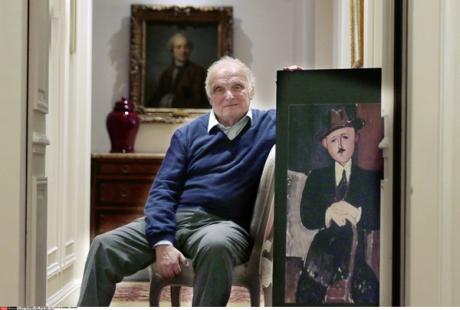
David Nahmad is continuing his legal battle to prove that his Modigliani painting, *Seated Man with a Cane* (1918), was not looted by the Nazis from the Jewish dealer Oscar Stettiner. Despite a recent New York ruling against him, Nahmad’s lawyers have filed a motion to review the case based on new eyewitness testimony. Two witnesses claim the painting they saw in the Van der Klip family—which bought the Nazi-looted work in 1944—is completely different from Nahmad’s painting, lacking a seated man or a cane. Nahmad’s legal team also cites a 1946 French bailiff report and a recent catalogue raisonné by Marc Restellini to argue that Mondex, the restitution firm working for Stettiner’s heirs, misidentified the work.

Nahmad Seeks to Reopen Modigliani Restitution Case With New Witnesses

David Nahmad's lawyers are asking a New York court to reconsider its April 3 decision in the restitution case over Amedeo Modigliani's *Seated Man with a Cane* (1918), which awarded the painting to the estate of dealer Oscar Stettiner. They cite new eyewitness testimony from Frédéric Allain, who recalls a different Modigliani—smaller, darker, and without a seated man or cane—hidden by the Van der Klip family in Paris during World War II, suggesting the wrong painting may have been the focus of the case. The filing also references a 1946 report describing the missing work as a self-portrait and a new catalogue raisonné by Marc Restellini that finds no link between the painting and Stettiner. Mondex, representing Stettiner's heirs, rejects the claims, asserting that *Seated Man with a Cane* bears Stettiner's name and was in the family's possession from 1944 to 1996.

The Founders of Open Restitution Africa (ORA) on Their New Open Data Platform

On March 31, the research initiative Open Restitution Africa (ORA) launched the ORA Open Data Platform, a database providing information on the restitution of African artifacts and ancestral remains. Developed over six years by ORA’s all-woman, pan-African team, the site uses case histories and AI-powered tools to offer practical insights into the return process, available in French and English. It presents 25 case histories spanning 200 years, using data visualizations, essays, and interactive tools to help individuals and communities develop their own restitution strategies. ARTnews interviewed founders Chao Tayiana Maina and Molemo Moiloa about the project's origins and goals.

Who Owns These Artworks? Musée d’Orsay Hopes Visitors Can Help Find Out.

The Musée d’Orsay in Paris has opened a new room in its permanent display featuring 13 artworks recovered from Germany and Austria after World War II, whose provenance remains unknown. The museum is inviting visitors to help identify the original owners of these pieces, which were looted or displaced during the war and later restituted to France.

Nazi-looted painting discovered in home of Dutch SS commander's heirs

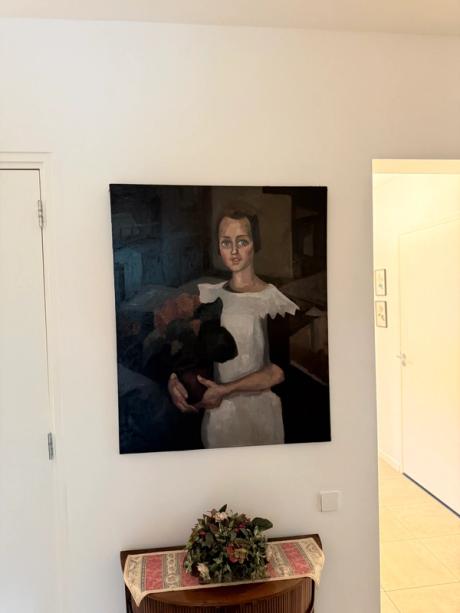
Art detective Arthur Brand announced the discovery of a Nazi-looted painting, *Portrait of a Young Girl* by Toon Kelder, in the home of the heirs of Hendrik Seyffardt, a notorious Dutch SS commander. The painting was part of the more than 1,100 works plundered from Amsterdam art dealer Jacques Goudstikker by German occupiers. An anonymous heir, who changed his family name, contacted Brand after learning of his ancestry, expressing shame and demanding the painting be returned to the rightful Jewish owners. The current owner, a relative, claims ignorance of its provenance and says the family is discussing restitution.