filter_list Showing 24 results for "Rent" close Clear
search
dashboard All 812 museum exhibitions 476article local 82article news 65article culture 61trending_up market 35rate_review review 28person people 24article policy 24candle obituary 10gavel restitution 7
date_range Range Today This Week This Month All
Subscribe

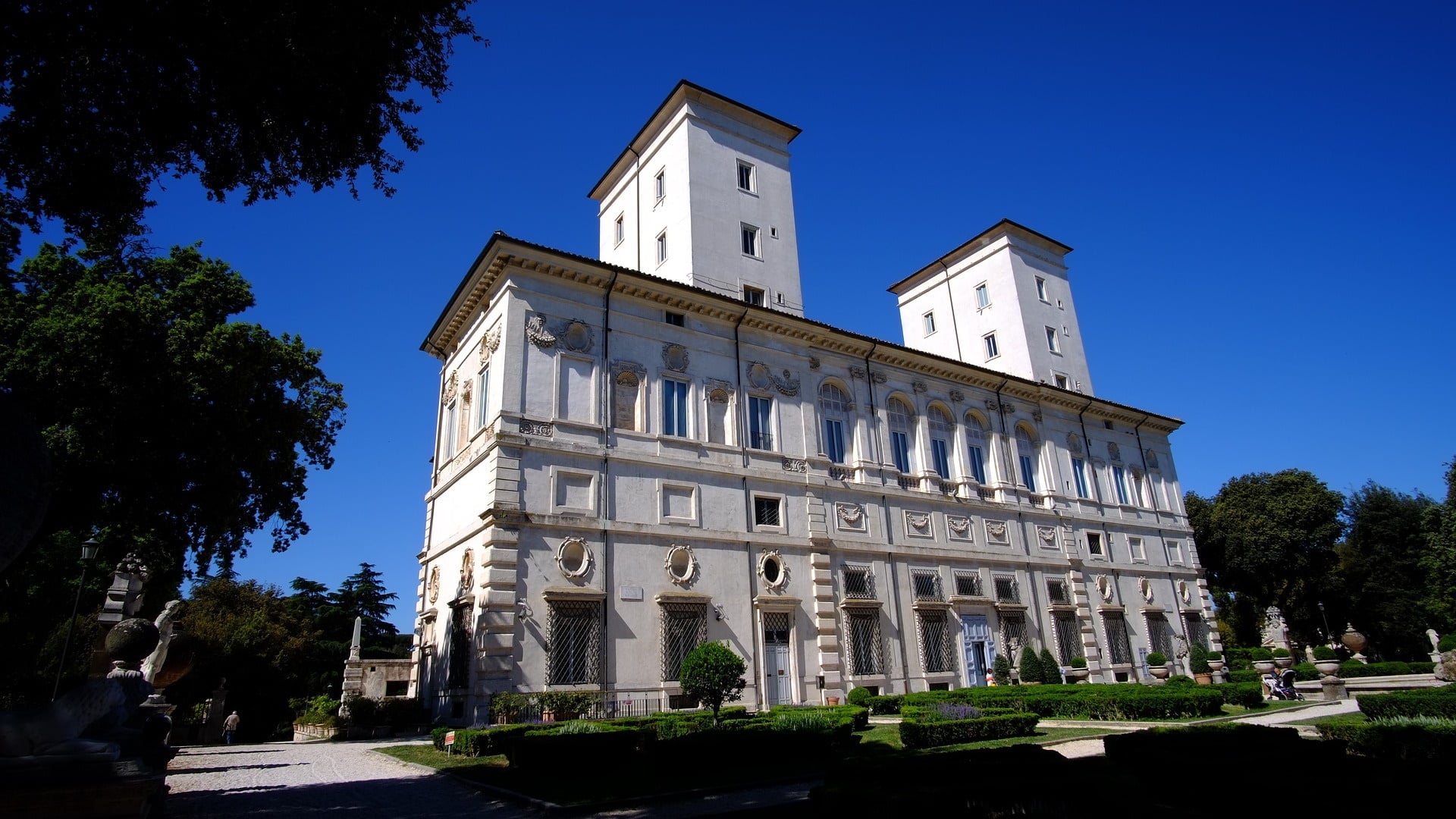
Borghese Gallery Faces Pushback Over New Building Plan

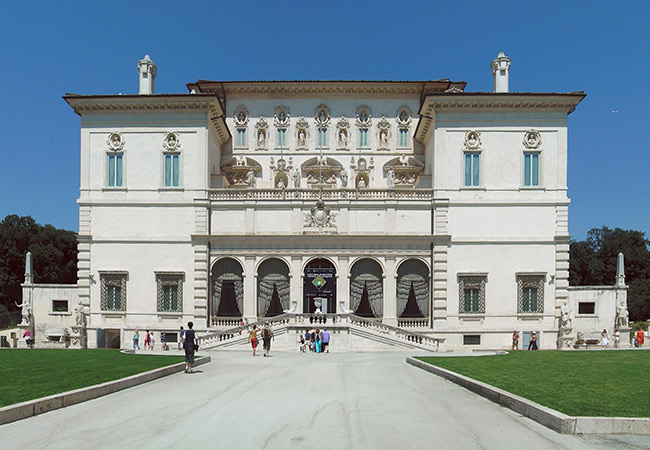
The Borghese Gallery in Rome has proposed building an adjacent facility to expand its exhibition space and increase visitor capacity beyond the current limit of 360 people per two-hour slot. The museum, which welcomed over 630,000 visitors in 2025, argues the expansion is needed to display works long held in storage. A press conference is scheduled for May 19 to provide further details.
Chanel gives Centre Pompidou financial boost with new five-year partnership

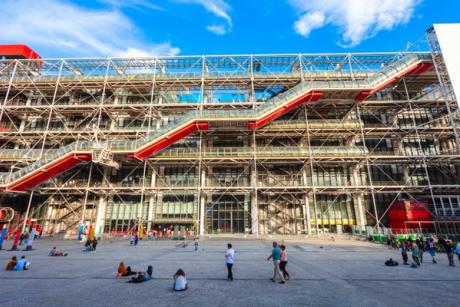
Chanel has announced a new five-year partnership with the Centre Pompidou in Paris, providing a confidential financial boost to the institution during its closure for major renovations until 2030. The partnership builds on previous collaborations, including the 2023 Assemble program and a 2025 initiative to expand the museum's collection of Chinese contemporary artists by over 30% by 2028, with works already acquired from artists like Chen Wei and Cui Jie.

Van Gogh Museum in funding mediation with Dutch government following threats of closure

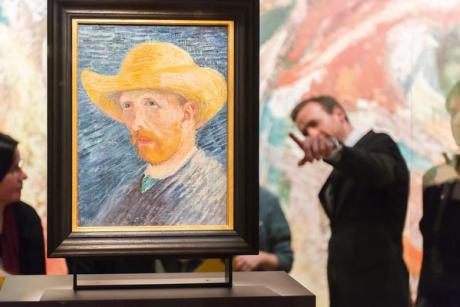
The Van Gogh Museum in Amsterdam has entered mediation with the Dutch government after initiating legal proceedings to secure additional public funding for a major renovation. The museum, which plans a three-year, €104m renovation starting in 2028, claims it could be forced to close unless its annual subsidy increases by €2.5m. The Dutch government, facing a budget deficit, considers the current €8.5m subsidy sufficient and argues the museum should contribute more itself. Mediation talks are making progress, and legal proceedings have been postponed indefinitely, with both sides aiming to conclude before summer.

America’s Finest Renaissance Tapestry Set for Major Restoration

The European Fine Art Foundation (TEFAF) has awarded its €25,000 Museum Restoration Fund to the Minneapolis Institute of Art (MIA) for the conservation of *The Meeting of Dante and Virgil*, a mid-16th century Italian Renaissance tapestry. This is the first time TEFAF has funded a tapestry restoration since the initiative began in 2012. The wool and silk tapestry, made between 1547 and 1549 by the Florentine workshop of Duke Cosimo I de’ Medici and designed by Francesco Salviati, depicts the opening scene of Dante’s *The Divine Comedy*. It is the only early Medici tapestry held by a public collection outside Italy, standing 17 feet tall and eight feet wide. Due to structural weaknesses and light sensitivity, it has been largely in storage for 70 years. Conservation work by the Midwest Art Conservation Center will include wet cleaning, stabilization, and partial reweaving, along with a new display system. The tapestry is scheduled to return to public view at MIA on July 11.

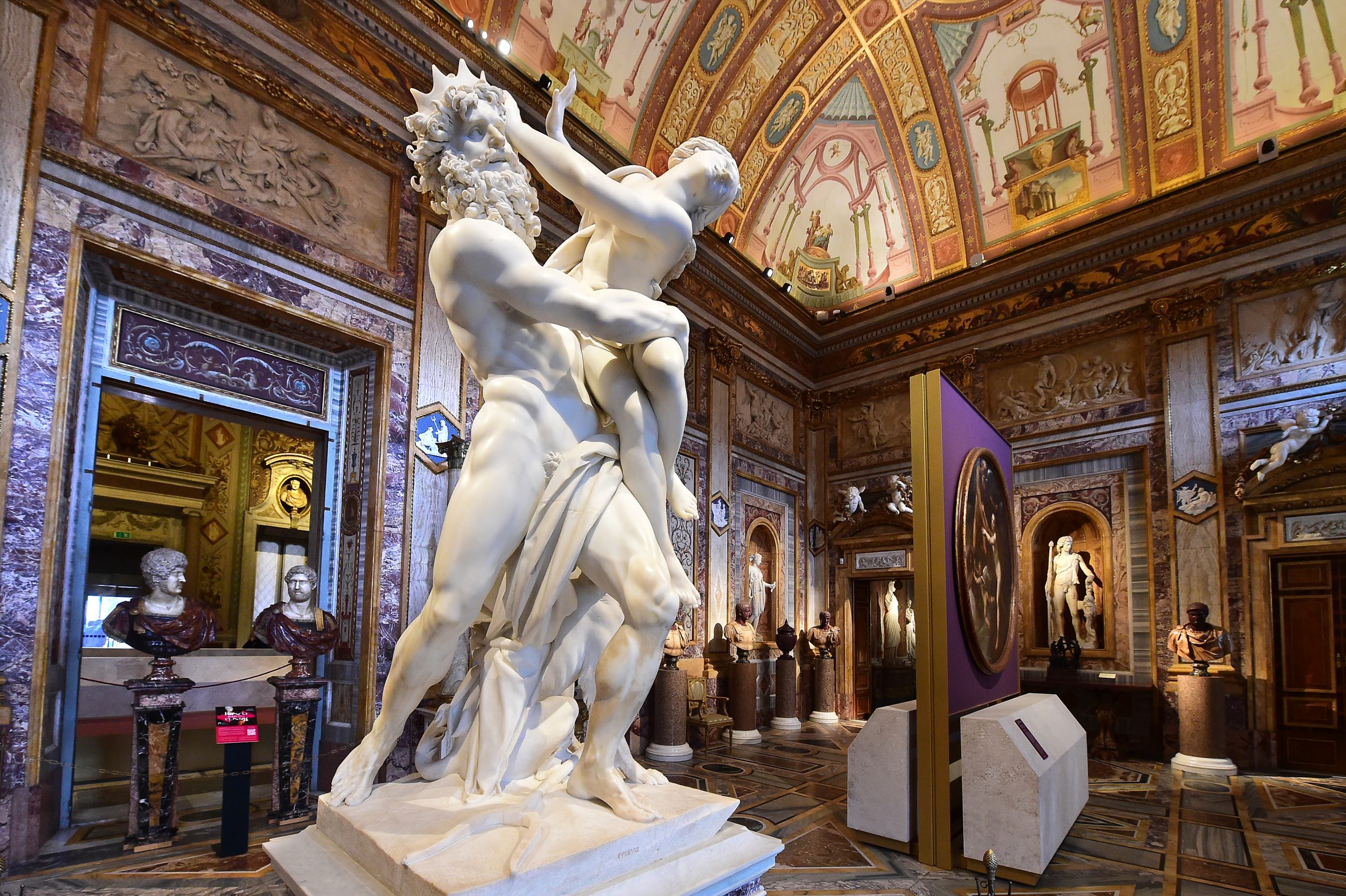
A new wing to solve the problems of the Galleria Borghese in Rome. Beautiful challenge, tedious controversy

Una nuova ala per risolvere i problemi della Galleria Borghese a Roma. Bella sfida, stucchevoli polemiche

The Galleria Borghese in Rome, one of Italy's most extraordinary museums, faces significant accessibility and capacity issues due to its historic 17th-century structure. The museum is difficult for visitors with disabilities, overcrowded, and forces visitors to book far in advance—often waiting over a month for a time slot—while many masterpieces remain in storage. In 2025, the engineering firm Proger offered to sponsor a feasibility study for a new wing, contributing nearly 900,000 euros to fund an international architecture competition and a technical-economic feasibility plan. The study, currently underway, aims to explore whether a new annex can be built within the protected Villa Borghese park to create new entrances, exhibition spaces, and services.

French Parliament Accuses Louvre of Prioritizing ‘Prestige And Influence’ Over Security Prior to Jewel Heist

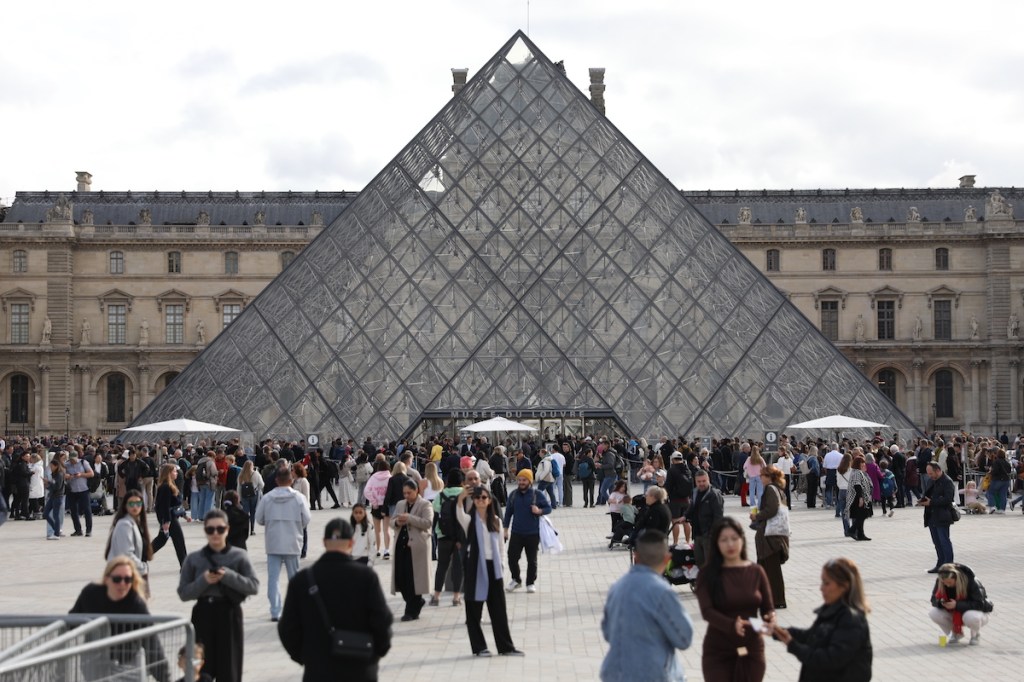
French MPs Alexis Corbière and Alexandre Portier have released a parliamentary report accusing the Louvre of prioritizing "prestige and influence" over security, leading to a brazen jewel heist on October 19, 2025. Thieves entered the museum in broad daylight and stole nine pieces of jewelry worth an estimated $102 million in under eight minutes. The report, based on over 20 hearings with 100 insiders, reveals that security had been "relegated to the background" despite audits in 2017 and 2019, and that a Security Equipment Master Plan from 2019 was not implemented in time by former director Jean-Luc Martinez. The report also casts doubt on President Emmanuel Macron's nearly $1 billion renovation plan for the Louvre, announced nine months before the heist.

Sainsbury Centre Receives £91.2 Million Donation for Refurbishments

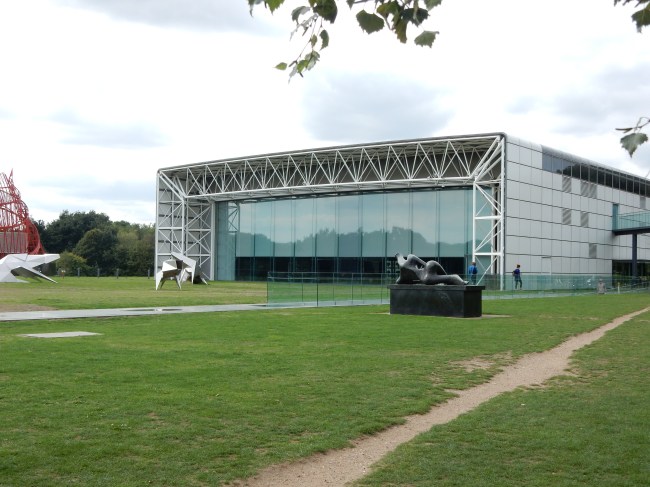
The Sainsbury Centre in Norwich, England, has received a £91.2 million donation from politician and philanthropist Lord David Sainsbury, one of the largest gifts ever made to a UK museum. The funds will support a major refurbishment of the Grade II* listed building, originally designed by Norman Foster, including the conversion of the south cafe terrace into a sustainable space and the installation of photovoltaic panels. The museum was founded in 1973 through a donation from Lord Sainsbury’s parents, Sir Robert and Lady Lisa Sainsbury, who also commissioned Foster to design the gallery.

Sylvie Retailleau : « Pendant cinq ans, tout a été remis en jeu »

Sylvie Retailleau, former French Minister of Higher Education and current president of Universcience since January 2026, details the tense negotiations between the Grand Palais and the Palais de la découverte. She reveals that the Palais de la découverte nearly disappeared during the Grand Palais renovation, but will reopen in March 2027. Universcience ceded a 1,200 m² gallery to the Grand Palais as a financial contribution (worth about €30 million over ten years) and is lending another 350 m² gallery until June 2030 for Centre Pompidou exhibitions during its renovation. In exchange, Universcience gains full control over the programming of the Palais des enfants.

Memorial Art Gallery admission will become free starting in 2027

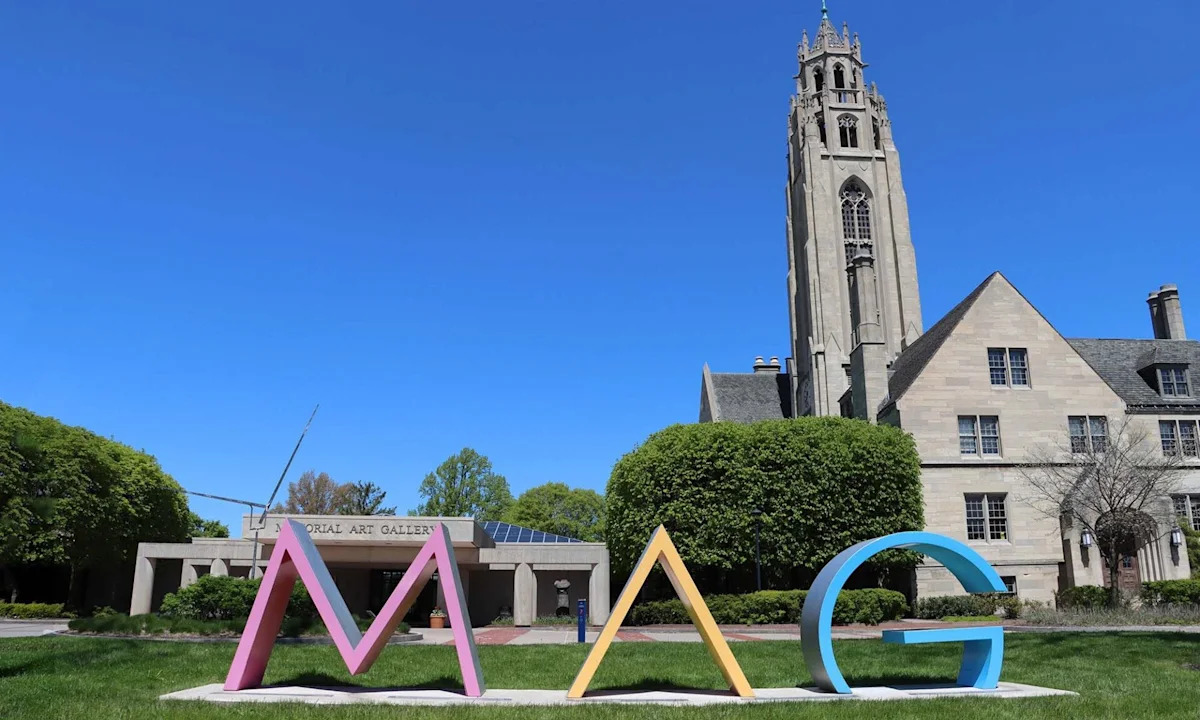
The Memorial Art Gallery (MAG) in Rochester, New York, announced on May 13 that admission will become free for all visitors starting in 2027, eliminating its current $20 entry fee permanently. The museum, part of the University of Rochester, raised over $9 million through its "Free for All, Forever" campaign, surpassing its original target faster than expected. Key donations included a $1 million gift from Dr. Alexander A. Levitan and his wife Lucy K. Levitan, a $3 million donation from UR trustee Doug Bennett, his wife Abby, and the Sands Family Foundation, and $2 million from Mary Ellen Burris. Additional support came from anonymous donors, Kitty and Nick Jospé, and Sandy Hawks Lloyd and Justin Hawks Lloyd.

Victorien Bornéat : « De l’échec de la démocratisation culturelle est né un sentiment d’exclusion »

Victorien Bornéat has published a manifesto arguing that French cultural democratization policy, rooted in André Malraux's vision of making masterworks accessible to all, has failed. He cites budget cuts by regional presidents Laurent Wauquiez and Christelle Morançais, police raids on bookshops like Violette and Co, and statistical studies showing that working-class audiences still do not spontaneously attend theaters, museums, or opera. Bornéat contends that the policy's emphasis on direct confrontation with canonical works ignored the need for cultural codes and institutional literacy, creating an exclusion that politicians now exploit for electoral gain.

Notre-Dame : pas de suspension pour les vitraux !

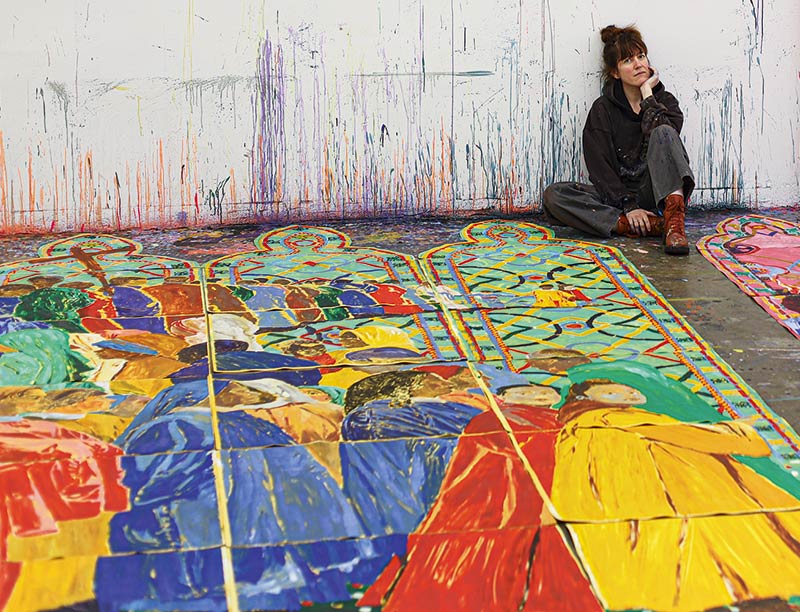
On May 19, 2026, the Paris administrative court rejected requests from heritage associations Sites & Monuments and SOS Paris to suspend the removal and replacement of the stained-glass windows at Notre-Dame Cathedral. The associations had sought to block the prefect's authorization to remove the 19th-century windows by Alfred Gérente and install six new contemporary windows designed by Claire Tabouret, arguing legal doubts about the project. The judge ruled that the operation was reversible—since the new panels are the same size as the originals and the removed windows will be restored and displayed—thus no urgent suspension was warranted.

Parliamentary report calls for major changes at French museums in the wake of Louvre heist

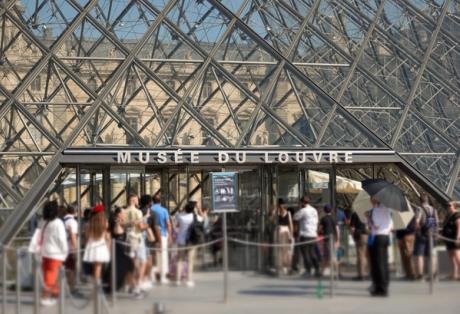
A French parliamentary report published on 13 May, following the October 19 heist of the crown jewels at the Louvre, issues a damning assessment of the country's museum security and management. The commission heard around 100 testimonies and examined some 2,000 museums, dedicating a special chapter to the Louvre. It blames former director Laurence des Cars's leadership for a "dysfunctional drift" that prioritized contemporary art interventions and fashion shows over basic infrastructure and collection protection, allowing the heist to occur. The report lists rising threats including riots, burglaries, cyberattacks (which forced the National Museum of Natural History in Paris to cancel an exhibition after a ransomware attack in July 2025), and terrorist plots. It proposes 40 recommendations, including raising budgets by an estimated €20–25 billion over a decade, enhancing staff training, and overhauling museum leadership.

Cigarette Taxes Have Funneled $270 M. Toward Arts and Culture in Cleveland Since 2007

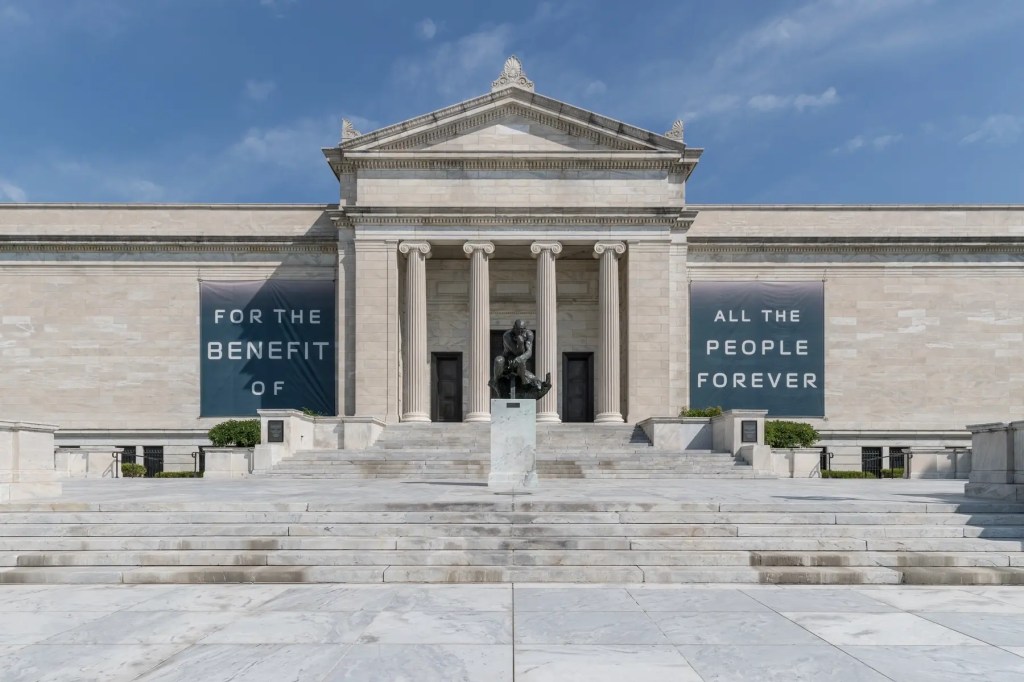
Cuyahoga County, Ohio, has funneled $270 million into arts and culture since 2007 through a cigarette tax, distributed by the nonprofit Cuyahoga Arts and Culture. Beneficiaries include the Cleveland Museum of Art, the Museum of Contemporary Art Cleveland, the Cleveland Institute of Art, ICA-Art Conservation, Sculpture Center, and the Cleveland Arts Prize. The tax has funded roughly 4,000 grants to 485 organizations, far exceeding the $48 million the entire state received from the National Endowment for the Arts in the same period.

Comment | Museums are civic institutions. It’s time we acted like it

Lindsay C. Harris, director of the Oakland Museum of California (OMCA), publishes a commentary calling for museums to act as true civic institutions. She outlines concrete internal commitments OMCA has made, including voluntarily recognizing a staff union, adopting a pay equity philosophy with a minimum wage of $30.88 per hour, implementing transparent financial practices, and shifting investments toward socially responsible funds. Externally, she advocates for centering community voices, building social cohesion through inclusive programming, and measuring institutional impact through visitor surveys.

What the renovation of the Pergamon Museum costs

Was die Sanierung des Pergamonmuseums kostet

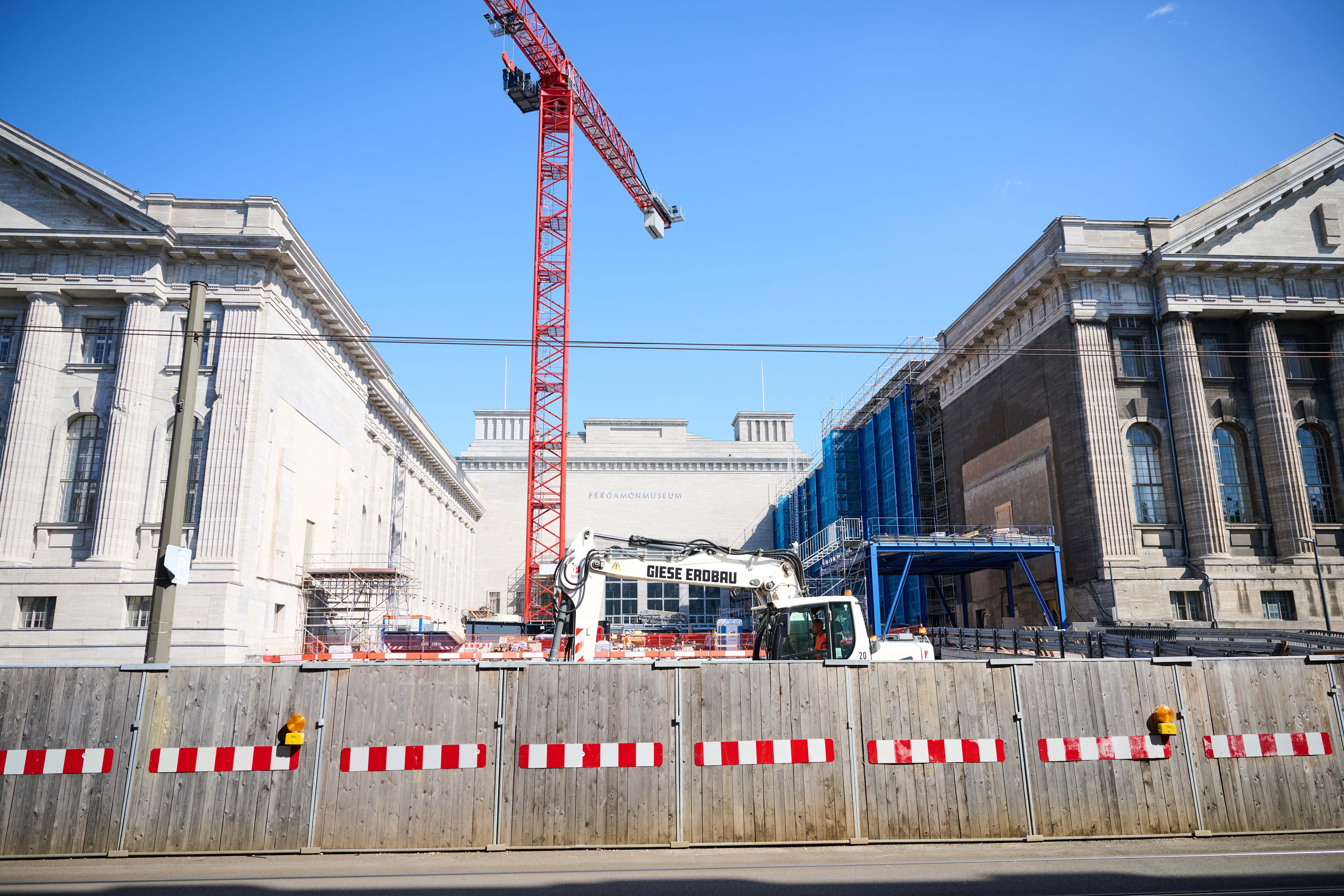
The Pergamon Museum in Berlin is undergoing a major renovation with a total budget of €1.5 billion for both construction phases, including cost risks. The Federal Office for Building and Regional Planning (BBR) has announced that current projections indicate the overall costs will not be exceeded. Phase A, which includes the hall housing the famous Pergamon Altar, is expected to open on June 4, 2027, with a potential cost increase of up to 5% over the originally approved €489 million. Phase B, covering the Ishtar Gate and Babylonian Processional Way, has seen its cost forecast reduced by €27 million to €722.4 million, with an additional €295.6 million set aside for risks and price increases. The museum will fully reopen only in 2037.

In Rome, the extension of the Galleria Borghese provokes a revolt

À Rome, l’extension de la Galerie Borghèse provoque une fronde

The Galleria Borghese in Rome has sparked controversy by initiating a feasibility study for a new building attached to its 17th-century villa. Museum director Francesca Cappelletti, in office since 2020, cites the need to increase visitor capacity, improve security, and create spaces for mediation, conferences, and temporary exhibitions. The museum, which saw nearly 630,000 visitors in 2025, operates with strict two-hour time slots capped at 180 people, often sold out in high season. Engineering firm Proger has offered to fund the study for €875,750 in exchange for institutional visibility, and Rome's mayor Roberto Gualtieri has declared the project of public interest.

Why Italy's cultural wealth never really enters public accounts and budgets?

Perché la ricchezza culturale italiana non entra mai davvero nei conti e nei bilanci pubblici?

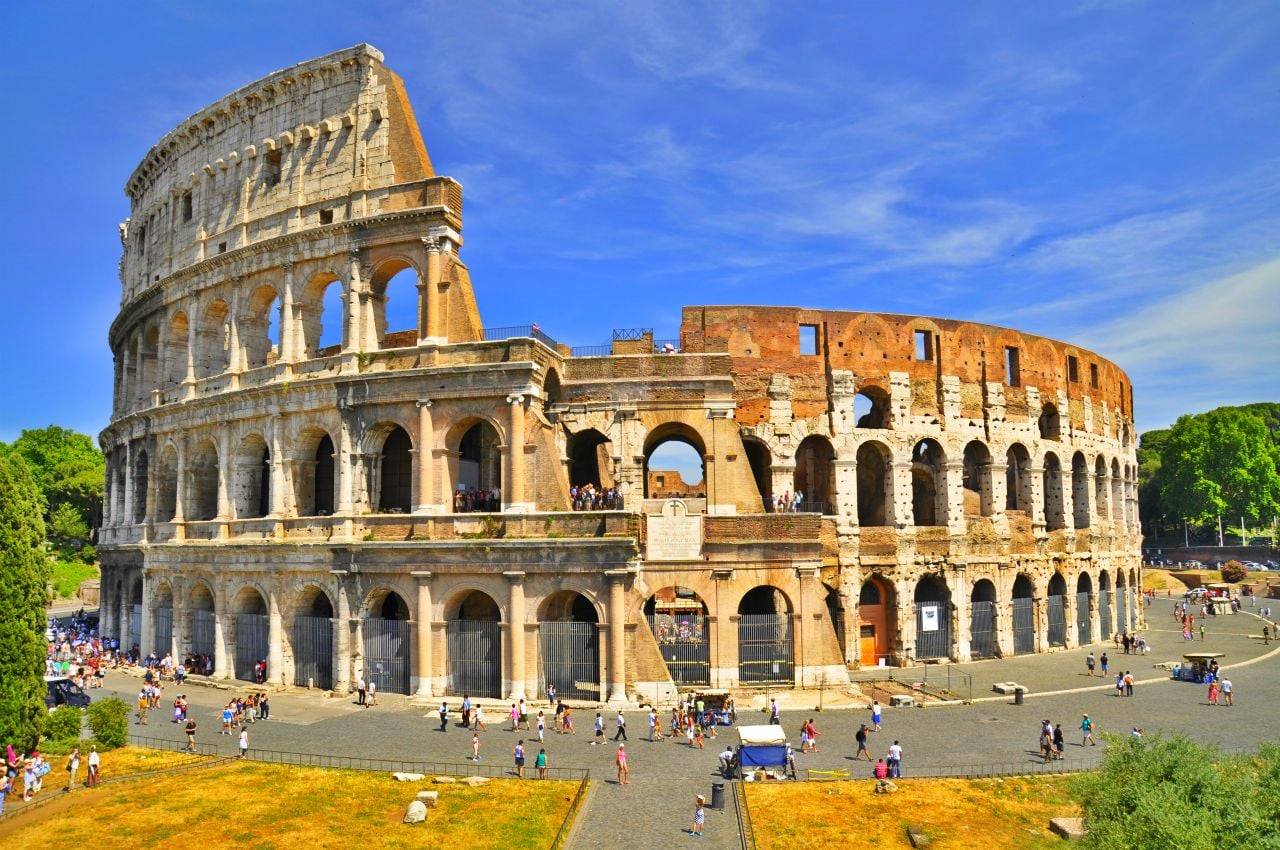
Italy has exceeded the European Commission's structural adjustment path by 0.1 percentage points of GDP, reopening fiscal scrutiny. Amid this debate, the article highlights a deeper issue: Italy's immense cultural heritage is drastically undervalued in public accounts. For example, the Pompeii Archaeological Park is recorded at just €48.9 million, the Colosseum at under €15 million, and the Uffizi at about €2 billion—figures based on outdated 2002 ministerial criteria that bear no relation to actual economic or cultural worth. The State General Accounting Office, with the University of Roma Tre and EU technical assistance, has proposed a new methodology to value cultural assets by discounting their future net financial flows, including direct revenues and indirect tourism-related returns.

The papal residence of Castel Gandolfo had been opened to museum visits by Pope Francis, now Pope Leo closes it again

La residenza papale di Castel Gandolfo era stata aperta a visite museali da Papa Francesco, ora Papa Leone la chiude di nuovo

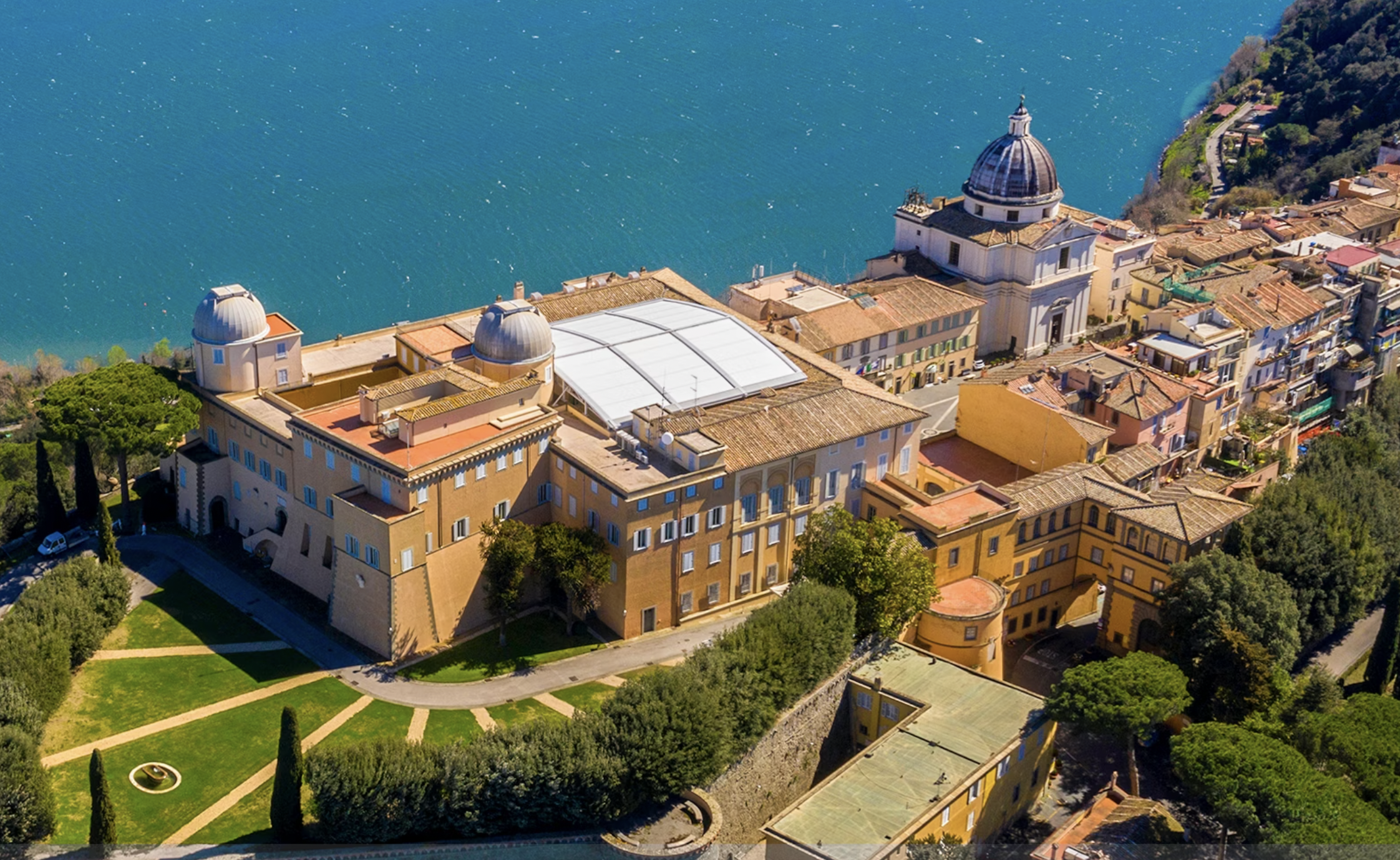
Pope Leo XIV is closing the Apostolic Palace of Castel Gandolfo to the public as of July 2026, ending nearly a decade of museum access initiated by Pope Francis. Online ticket sales stop on June 30, and the palace will revert to its original function as the pope's summer residence. The decision follows preparatory works begun in May 2025 and is partly motivated by security concerns, as the current temporary lodging at Villa Barberini has logistical and access-control issues.

Israel Advances Bill Granting Sweeping Civilian Authority over West Bank Archaeological Sites

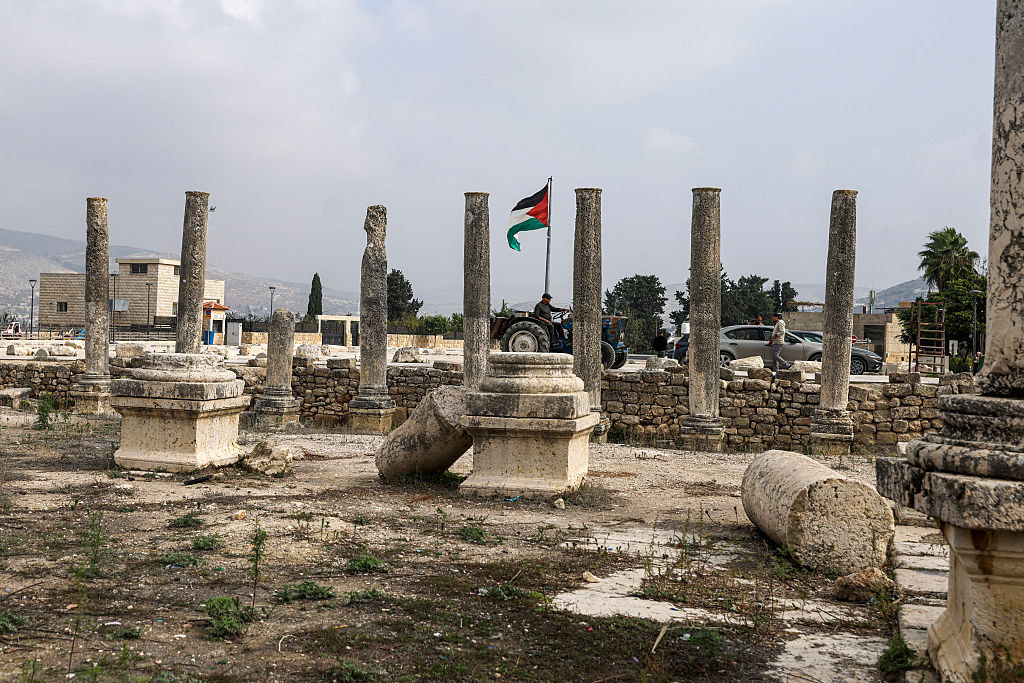
Israel advanced a bill on Tuesday that would grant sweeping civilian authority over antiquities and archaeology in the occupied West Bank, replacing the current military-run system. The Likud-backed legislation would create a "Judea and Samaria Heritage Authority" under the Israeli heritage minister, empowered to purchase and expropriate land, oversee excavations, and manage heritage sites across Areas B and C of the West Bank. The bill passed its first of three votes (23-14) and would be led by Amichai Eliyahu, a far-right politician who advocates for annexation. Human rights groups and the Israeli NGO Emek Shaveh warned the move amounts to de facto annexation and a violation of Palestinian rights.

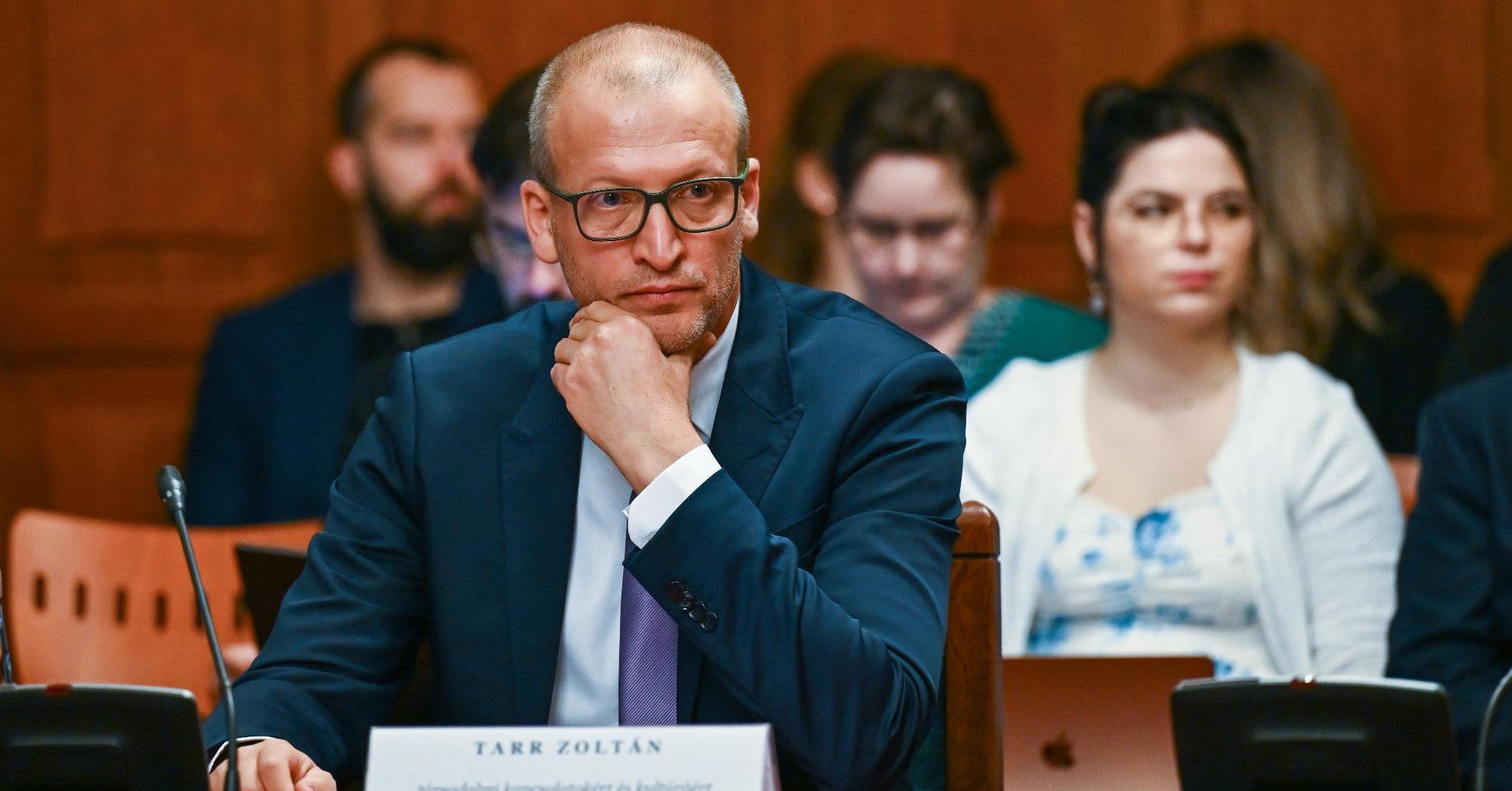
Who is the new Minister of Culture in Hungary in the first post-Orbán government? The profile of Zoltán Tarr

Chi è il nuovo Ministro della Cultura in Ungheria nel primo governo post-Orbán? Il profilo di Zoltán Tarr

Zoltán Tarr è stato nominato Ministro delle Relazioni Sociali e della Cultura nel primo governo post-Orbán in Ungheria, guidato dal nuovo Primo Ministro Peter Magyar. Tarr, 52 anni, ex pastore della Chiesa riformata ungherese ed europarlamentare per il PPE, ha promesso di ripristinare la libertà d'espressione e smantellare il sistema di favoritismi politici nella cultura, dopo 16 anni di governo autoritario di Viktor Orbán.

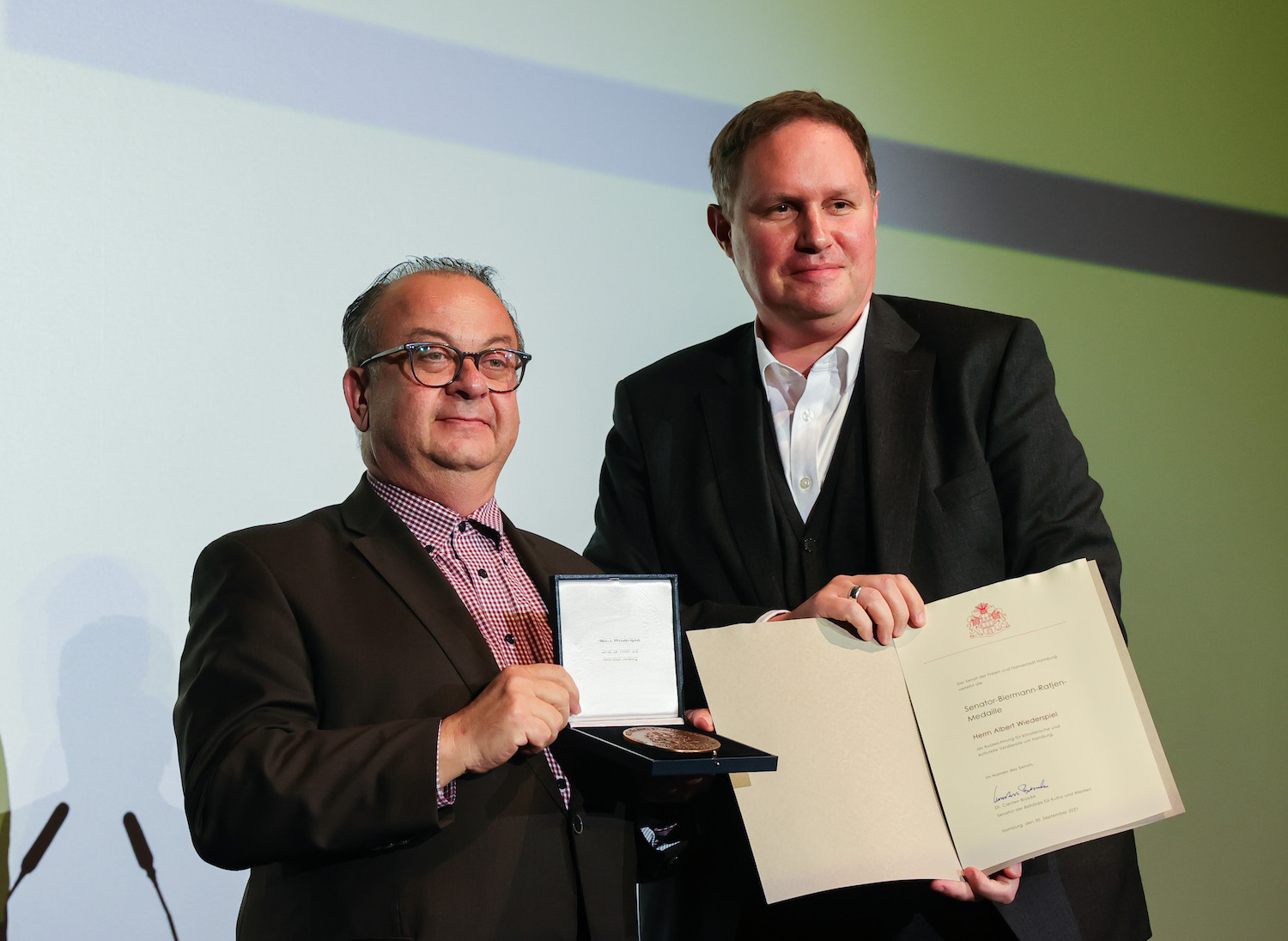
Hamburg Culture Prize No Longer Named After Biermann-Ratjen

Hamburger Kulturpreis heißt nicht mehr nach Biermann-Ratjen

The Hamburg Senate has renamed the Senator-Biermann-Ratjen Medal, a prestigious cultural award, to the "Medaille für Kunst und Kultur in Hamburg" (Medal for Art and Culture in Hamburg). The decision follows a 2024 review of historical records revealing that Hans Harder Biermann-Ratjen (1901–1969), the former culture senator for whom the medal was named, was a member of the Nazi Party (NSDAP). Historian Helmut Stubbe da Luz presented evidence in June 2024 that Biermann-Ratjen had disclosed his NSDAP membership in a 1943 application to the Reich Literature Chamber when seeking to publish a novel.

Berliner Kulturverwaltung arbeitet an Reformen

Berlin's cultural administration is pressing ahead with reforms to make funding for projects against antisemitism legally secure, following the resignation of Culture Senator Sarah Wedl-Wilson. Cultural State Secretary Cerstin Richter-Kotowski told the culture committee that a working group established under Wedl-Wilson is now implementing recommendations from the state audit office report, which had found serious legal violations and omissions in the allocation of funds for antisemitism prevention projects. Richter-Kotowski emphasized that the administration continues its normal operations despite the leadership change, and she publicly thanked both Wedl-Wilson and the recently dismissed State Secretary Oliver Friederici for their service.

Pablo Diaz, directeur de Sciences Po Rennes : « L’acte II de l’INSEAC de Guingamp »

Pablo Diaz, director of Sciences Po Rennes, announces that the Institut national supérieur de l'éducation artistique et culturelle (INSEAC) in Guingamp has been transferred from the Conservatoire national des arts et métiers (Cnam) to Sciences Po Rennes as of January 1, 2026. The institute, which opened in 2021 and focuses on training, research, and resources for arts and cultural education, will now operate under public-sector governance with oversight from the French ministries of Culture, Education, and Higher Education. Diaz outlines plans to appoint a dedicated site director in Guingamp and establish a strategic orientation committee chaired by interministerial delegate Emmanuel Ethis, aiming to resolve past management and governance issues.

Reasoning beyond accounting: here is the first step for a valuation of cultural heritage

Ragionare oltre la contabilità: ecco il primo step per una valutazione del patrimonio culturale

Angelo Argento recently published an article examining the valuation of cultural heritage in light of ongoing public accounting reforms in Italy. The piece moves beyond iconic landmarks like the Colosseum or Uffizi to focus on smaller, territorial assets such as archives, civic museums, and lesser-known archaeological sites, questioning how and whether a specific economic value can be assigned to them. It explores different international approaches—from market-based valuations in Australia and France to symbolic €1 entries in the U.S.—highlighting the global trend toward quantifying cultural heritage.