filter_list Showing 16 results for "Tom" close Clear
search
dashboard All 1558 museum exhibitions 734article news 200trending_up market 188article local 147article culture 124person people 48article policy 45rate_review review 29candle obituary 26gavel restitution 16article museums 1
date_range Range Today This Week This Month All
Subscribe

France Passes Landmark Restitution Law for Looted Art

France has passed a landmark restitution law for looted art, marking a significant shift in the country's approach to addressing Nazi-era confiscations and colonial-era acquisitions. The legislation establishes a legal framework for returning artworks and cultural objects to their rightful owners or heirs, streamlining a process that previously required case-by-case parliamentary approval. This law is expected to accelerate the return of thousands of items held in French museums and public collections.
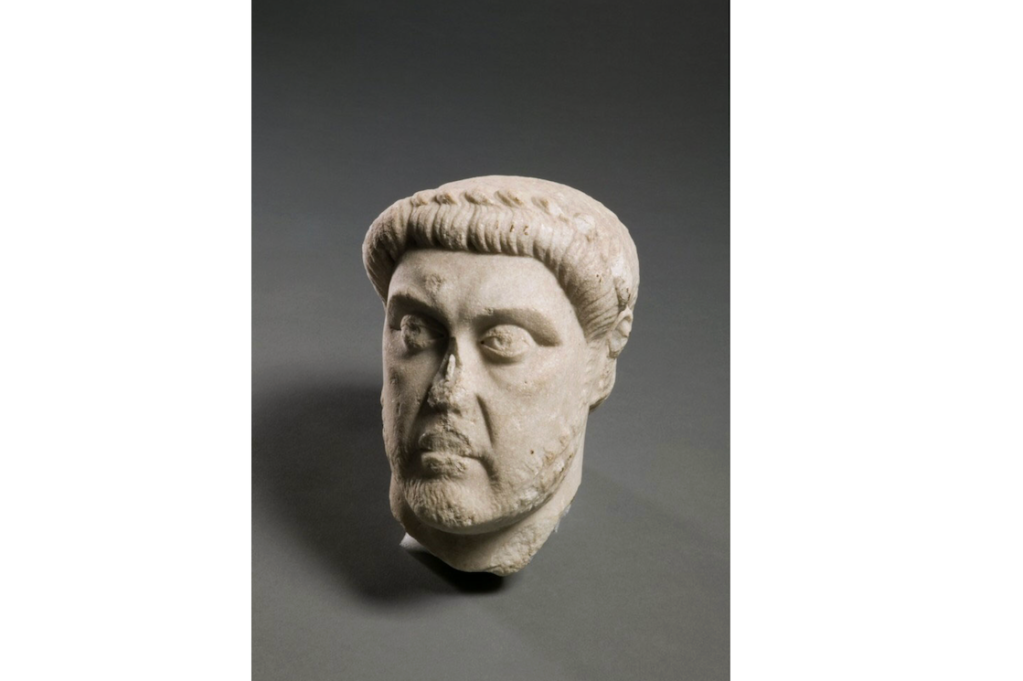
Turkey Notches Another Successful Restitution After Denver Art Museum Returns 1500-Year-Old Marble Head

The Denver Art Museum has repatriated a 1,500-year-old marble head of a bearded man to Turkey, following a successful restitution claim. The sculpture, which dates back to the fifth century BCE, was originally unearthed in the agora of the ancient city of Smyrna (modern-day Izmir) and was likely trafficked illicitly before entering the museum's collection. The artifact is now on public display at the İzmir Archaeology Museum.

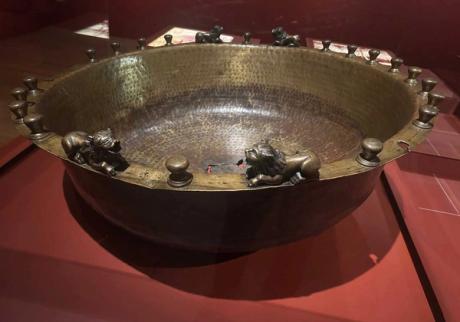
How did a 16th-century European basin end up as a sacred object in West Africa?

The Aya Kese, a massive 16th-century northern European brass basin, is currently on display at the British Museum while its complex history remains under scrutiny. Looted by British officer Robert Baden-Powell in 1896 from the Asante kingdom’s royal mausoleum in present-day Ghana, the object was long sensationalized by colonial accounts as a vessel for human sacrifice. Recent scholarship and historical records from Asante King Prempeh I contest these claims, asserting the basin’s sacred role as a spiritual repository for the souls of the Asante people.

france dinosaur skeleton return mongolia 2725744

France returned an extremely rare 70-million-year-old Tarbosaurus bataar skeleton and 30 other paleontological finds to Mongolia on Monday. The fossils were looted from the Gobi Desert by a European trafficking network, smuggled via South Korea, and confiscated by French customs in 2015. At a ceremony in Paris, French Public Accounts Minister Amelie de Montchalin handed the items to Mongolia’s Culture Minister Undram Chinbat. The cache includes dinosaur eggs and the prized skeleton, worth over $800,000 at the time of seizure and now valued two to three times higher.

netherlands returns sculpture egypt 1234759944

The Netherlands will return a 3,500-year-old Pharaonic bust to Egypt, as announced by Dutch Prime Minister Dick Schoof to Egyptian President Abdel Fattah al-Sisi during the opening ceremony of the Grand Egyptian Museum (GEM) in Giza. The sculpture, depicting a high-ranking official from the reign of Pharaoh Thutmose III, was spotted for sale at an art fair in 2022 and later seized by Dutch authorities after an anonymous tip revealed it had been looted from Egypt. The art fair trader voluntarily renounced the piece, and the bust will be handed over to Egypt's ambassador to the Netherlands by year's end.

king tutankhamen egyptian artifact auction grasshopper 1234748248

An intricately carved ivory and wood grasshopper from the Age of Tutankhamun, known as the 'Guennol Grasshopper,' is set to be auctioned by Apollo Art Auctions in July with an estimate of £300,000–£500,000. Egyptian art historians, including German Egyptologist Christian Loeben, have raised concerns that the cosmetic vessel may have been stolen by British archaeologist Howard Carter, who discovered King Tutankhamen’s tomb and allegedly kept some items for his own collection. The auction house states there is no documented evidence linking the object to the tomb, and it has been cleared against the Art Loss Register, but experts like former Met director Thomas Hoving have long connected it to the pharaoh’s burial.

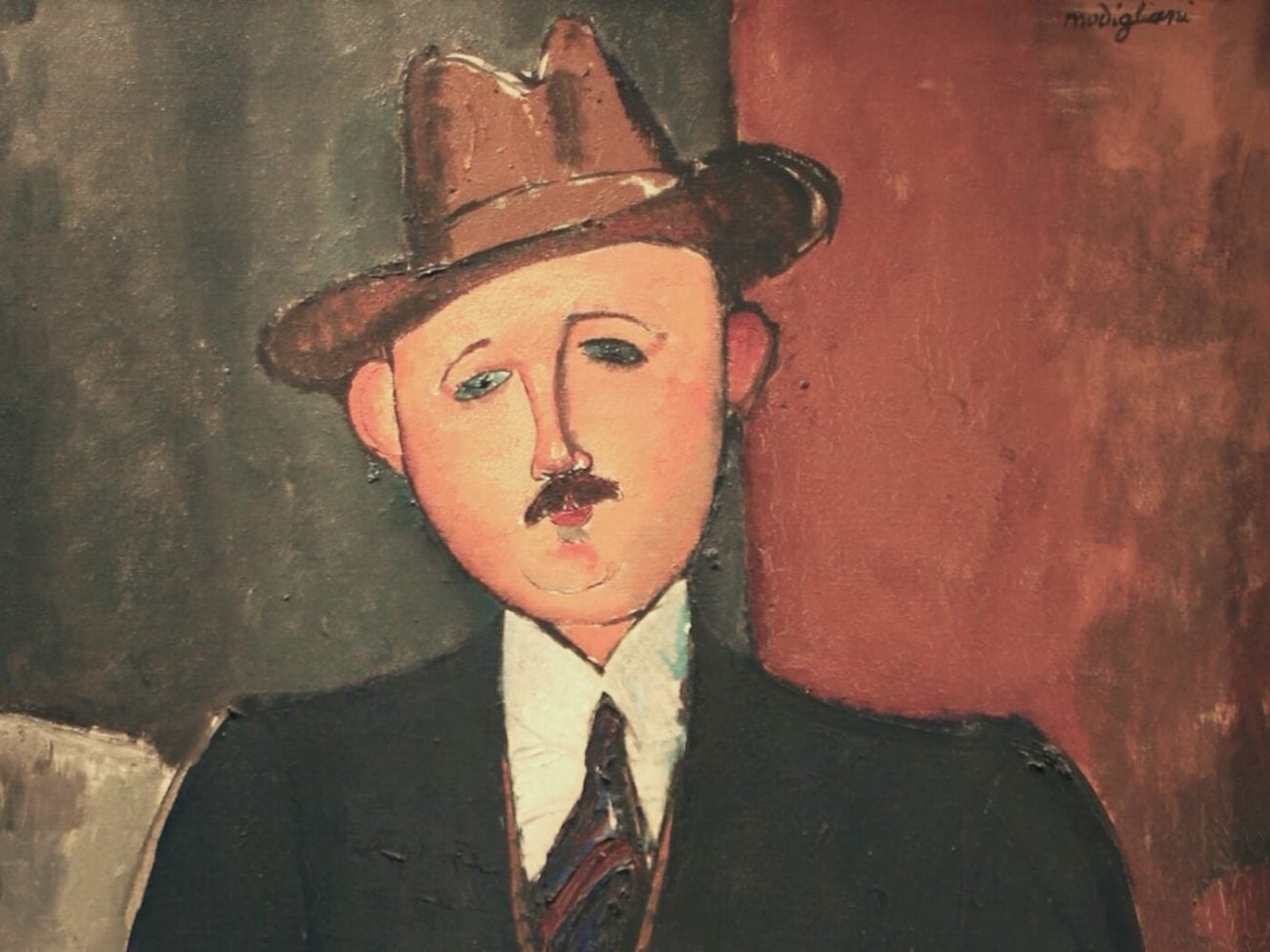
The Nahmad family ordered to return a Nazi-looted Modigliani, valued at 21.5 million euros, to a French farmer

La famille Nahmad sommée de restituer à un agriculteur français un Modigliani spolié par les nazis, estimé à 21,5 millions d’euros

The New York State Supreme Court has ordered the restitution of Amedeo Modigliani’s 1918 painting, 'Seated Man (with a Cane)', to Philippe Maestracci, the grandson of Jewish art dealer Oscar Stettiner. The artwork, valued at approximately €21.5 million, was looted from Stettiner’s Paris gallery by the Nazis in 1944. Despite a 1946 court ruling in Stettiner's favor, the painting remained hidden for decades before being acquired in 1996 by the billionaire Nahmad family through an offshore entity.

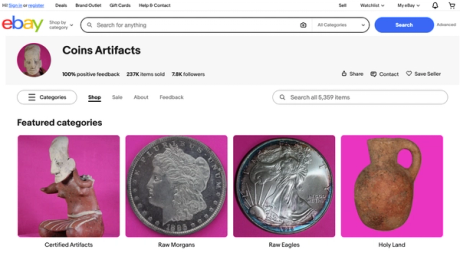
Mexico’s culture ministry urges eBay to halt sales of pre-Hispanic artefacts

Mexico's Ministry of Culture has identified 195 pre-Hispanic archaeological objects listed for sale on eBay by a US-based seller and has formally demanded the platform halt the sales and return the items. The ministry, through Secretary Claudia Curiel de Icaza, argues the sale is illegal as the export of such cultural heritage has been prohibited since 1827, and their presence abroad results from illicit extraction. Legal action has been initiated with Mexican and international authorities, including Interpol and US Homeland Security Investigations, to secure repatriation.

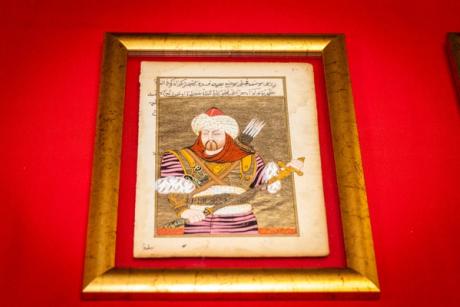
Canada returns 11 artefacts to Turkey in the first repatriation between the countries

Canada has returned 11 Ottoman-era artefacts to Turkey, marking the first official repatriation of cultural property between the two nations. The items, which include manuscript pages and calligraphy works from the 17th to 19th centuries, were handed over in a ceremony at the Canadian Conservation Institute in Ottawa following a federal court ruling.

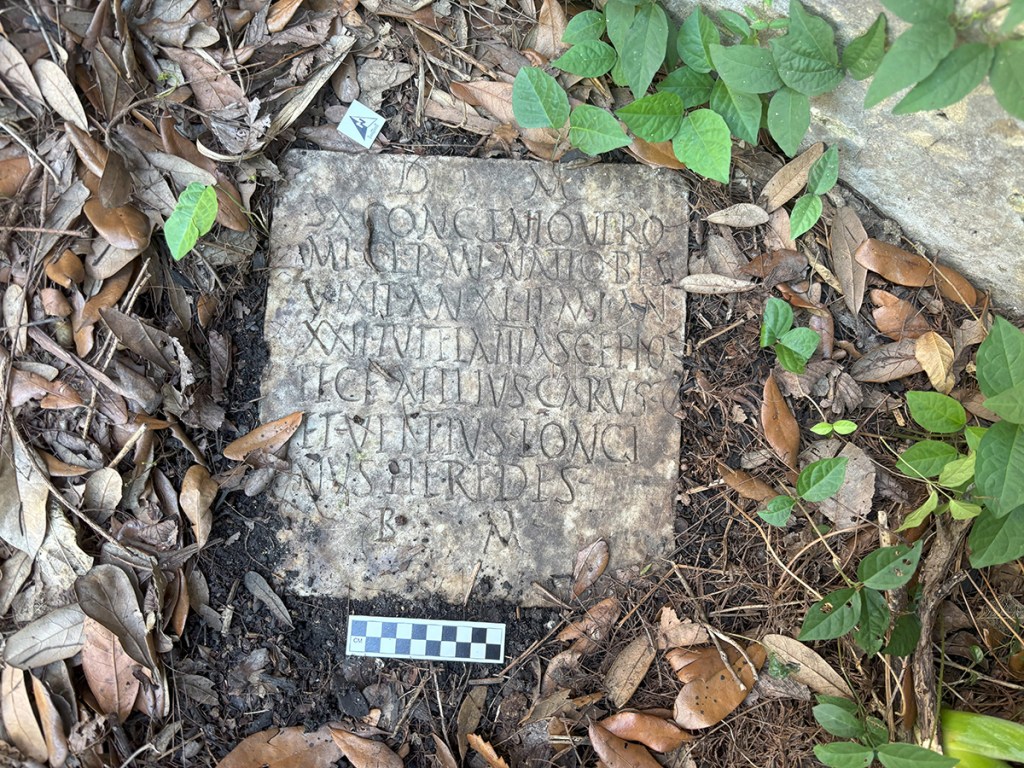
ancient rome new orleans tombstone 1234755754

A 2nd-century Roman gravestone inscribed for a sailor named Sextus Congenius Verus was discovered in March 2025 by Daniella Santoro and Aaron Lorenz while doing yard work at their New Orleans home. University of New Orleans archaeologist D. Ryan Gray, working with colleagues at the University of Innsbruck and Tulane University, traced the stone to a missing object from a museum in Civitavecchia, Italy. Researchers believe it was brought to the U.S. as a souvenir by a member of the 34th division of the Fifth Army after the liberation of Rome in 1944. The FBI’s Art Crime Team is now involved in repatriating the headstone to Italy.

egyptian antiquities trafficker jfk airport prison sentence 1234750392

Egyptian doctor Ashraf Omar Eldarir has been sentenced to six months in prison by U.S. District Judge Rachel P. Kovner for smuggling hundreds of ancient Egyptian artifacts into the United States. Eldarir was arrested in 2019 after importing over 600 artifacts without declaring them on customs forms, including a polychrome relief, Roman limestone pieces, gold amulets, and wooden tomb model figures dating to 1900 BCE. The largest seizure of smuggled antiquities at JFK Airport occurred in January 2020, when customs officers found 590 artifacts wrapped in bubble wrap and foam, with loose sand and dirt indicating recent excavation. Eldarir pleaded guilty to four counts of smuggling and used fake provenances—including forged documents and photoshopped photographs—to sell artifacts at U.S. auction houses.

manhattan da office repatriates artifacts peru 1234742639

The Manhattan District Attorney’s Office returned eight artifacts to Peru during a ceremony at the Peruvian consulate in New York on May 15. The repatriated items include funerary objects illegally taken from tombs in northern Peru during the 1960s and ’70s, a copper mask believed to represent the Moche deity Ai Apaec (circa 300 BCE) from the looted Loma Negra site, and a ceramic portrait vessel from the Chavín culture (1000–700 BCE). This is the second time New York officials have returned a group of works to Peru.

Smithsonian’s National Museum of Asian Art repatriates ancient silk manuscript to China

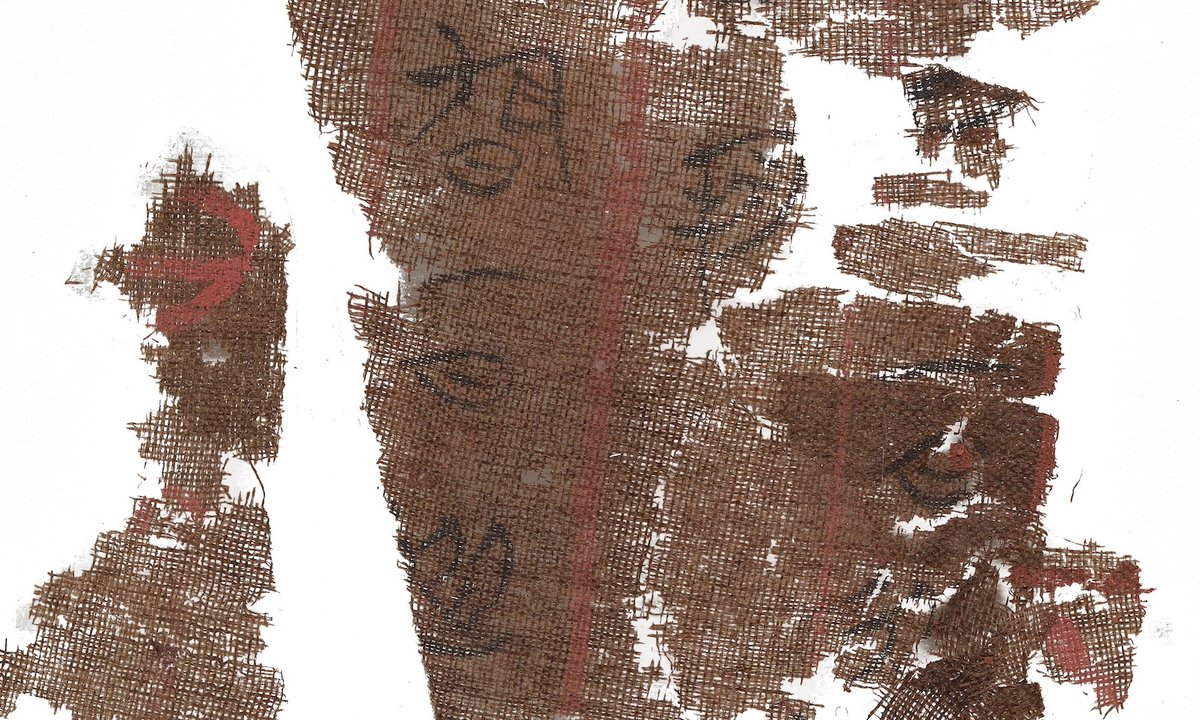
The Smithsonian’s National Museum of Asian Art (NMAA) in Washington, DC, has repatriated fragments of the ancient Zidanku Silk Manuscripts to China. The artifacts, dating from the fourth to third century BCE, were looted from a tomb near Changsha, Hunan Province, and smuggled into the US in 1946. The NMAA deaccessioned Volumes II and III of the manuscripts, which were given to the Arthur M. Sackler Gallery by an anonymous donor in 1992. The transfer was formalized in a ceremony at the Chinese embassy following an agreement signed earlier this month, with the fragments handed over to the National Cultural Heritage Administration (NCHA) of China.

UK Heritage Department feared ‘mass restitutions’ when Stone of Scone was returned to Scotland

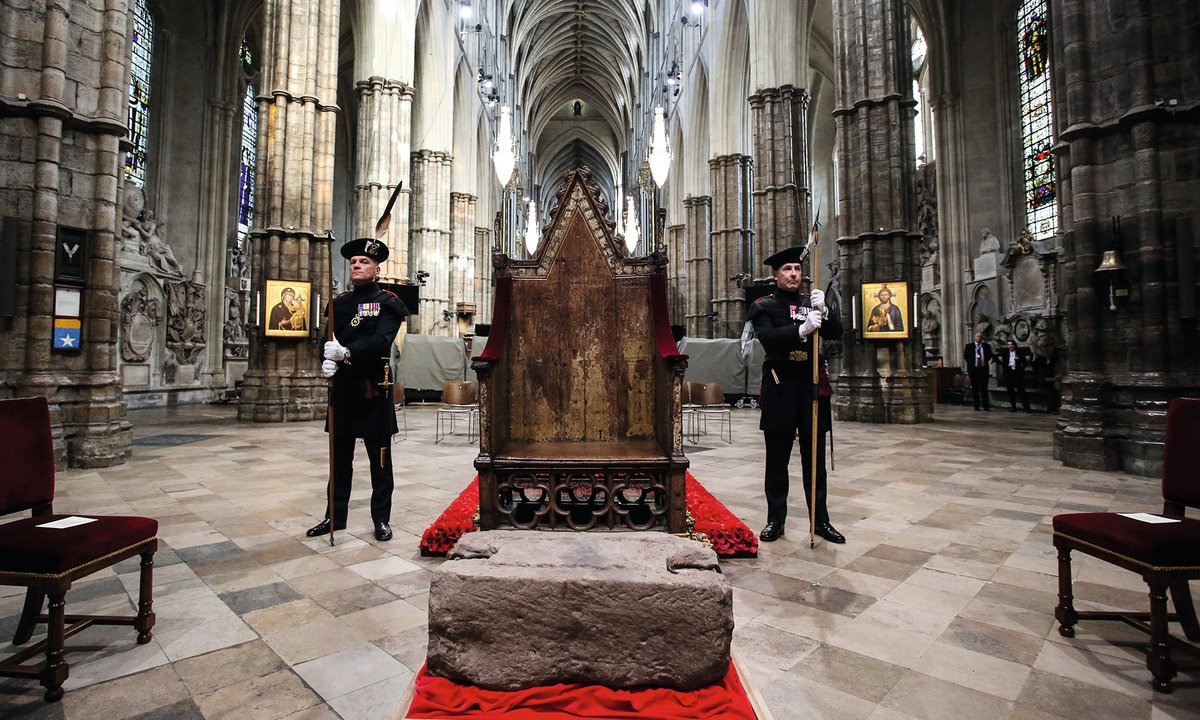
Newly released UK government files reveal that in 1996, the Department of National Heritage strongly opposed Prime Minister John Major's decision to return the 13th-century Stone of Scone to Scotland. The department's cultural property unit head, Lynn Gates, warned that the return would set a 'precedent to mass restitution,' triggering claims from Greece for the Parthenon Marbles, Egypt for the Rosetta Stone and Sphinx's Beard fragment, and Nigeria for the Benin Bronzes, with fears of further demands from Ethiopia, India, Pakistan, and other nations. The internal memo criticized Major for failing to consult the department before agreeing to the transfer from Westminster Abbey.

portugal returns looted mexican antiquities 1234773823

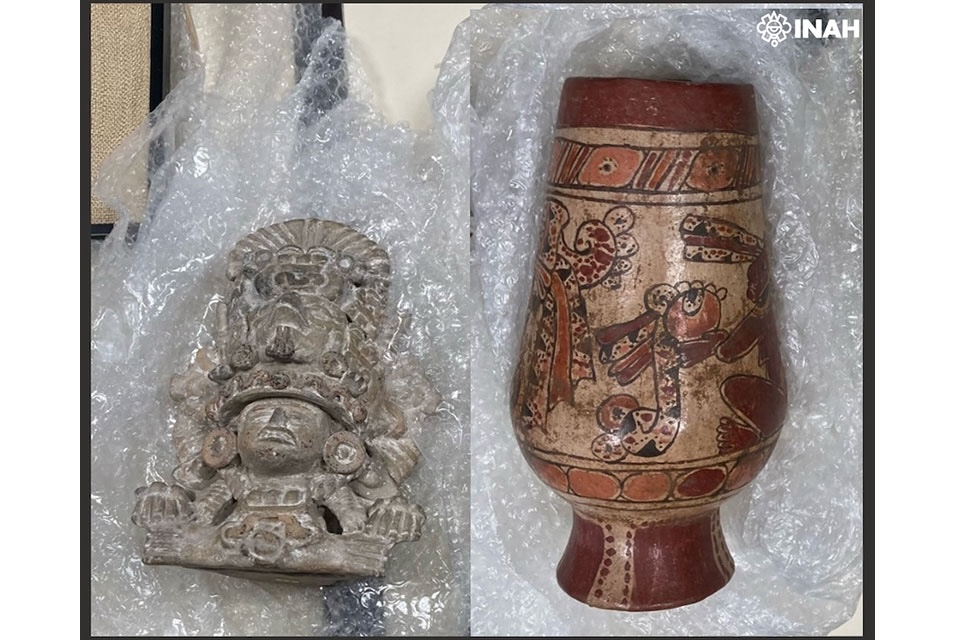
Portugal has repatriated three pre-Columbian artifacts to Mexico, marking the first time the country has returned unlawfully acquired antiquities to the Mexican government. The returned items include a Shaft Tomb Culture female figure, a Maya painted vessel, and a Zapotec funerary urn representing the deity Cocijo. The objects were recovered through the cooperation of Portuguese judicial authorities and the Mexican embassy after being flagged at auctions and in various cities including Lisbon, Guimarães, and Évora.

New rules on importing cultural artefacts create headaches at Tefaf Maastricht

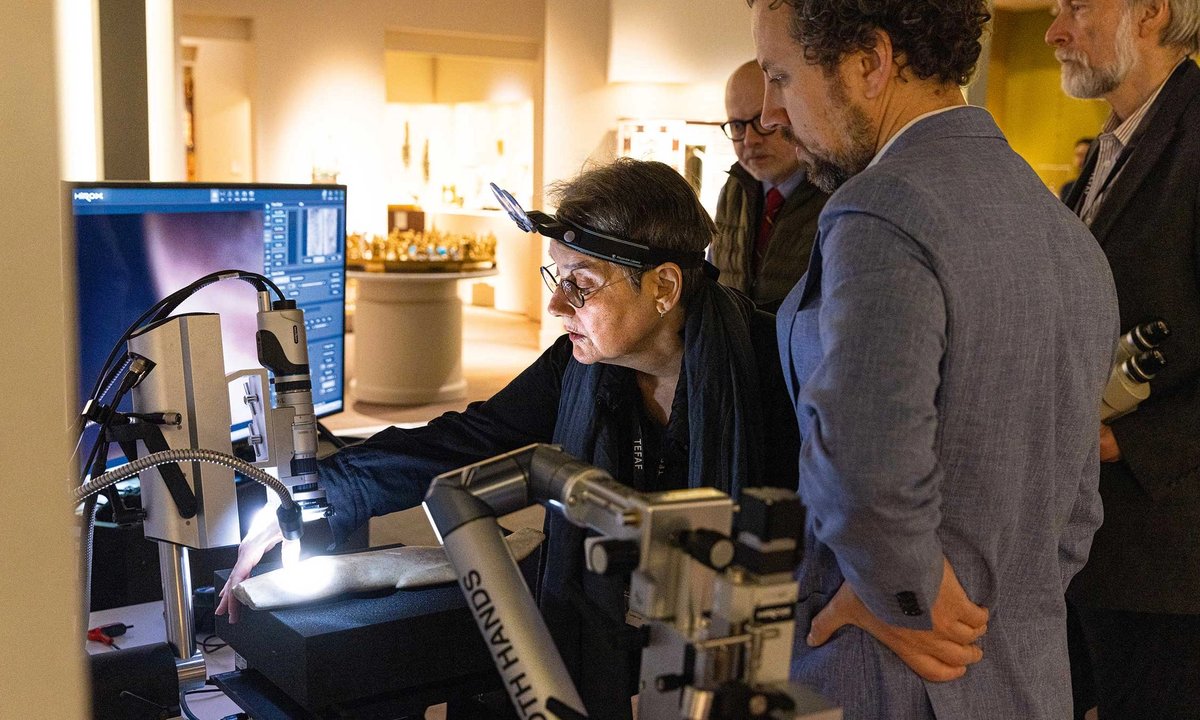
The implementation of new EU regulations on the import of cultural goods over 250 years old is causing significant disruption at TEFAF Maastricht. Dealers and collectors are facing administrative hurdles, including difficulties obtaining mandatory EORI numbers and inconsistent enforcement by customs officials. These rules, which require extensive documentation for items originating outside the EU, have led to seized shipments and a general crisis of confidence among international exhibitors.