filter_list Showing 23 results for "louvre" close Clear
search
dashboard All 584 museum exhibitions 195article news 157trending_up market 58article culture 57person people 39article policy 33gavel restitution 23rate_review review 10candle obituary 7article local 5
date_range Range Today This Week This Month All
Subscribe

France Passes Landmark Restitution Law for Looted Art

France has passed a landmark restitution law for looted art, marking a significant shift in the country's approach to addressing Nazi-era confiscations and colonial-era acquisitions. The legislation establishes a legal framework for returning artworks and cultural objects to their rightful owners or heirs, streamlining a process that previously required case-by-case parliamentary approval. This law is expected to accelerate the return of thousands of items held in French museums and public collections.
Works by Renoir, Cézanne, and Matisse Snatched in Major Italian Art Heist

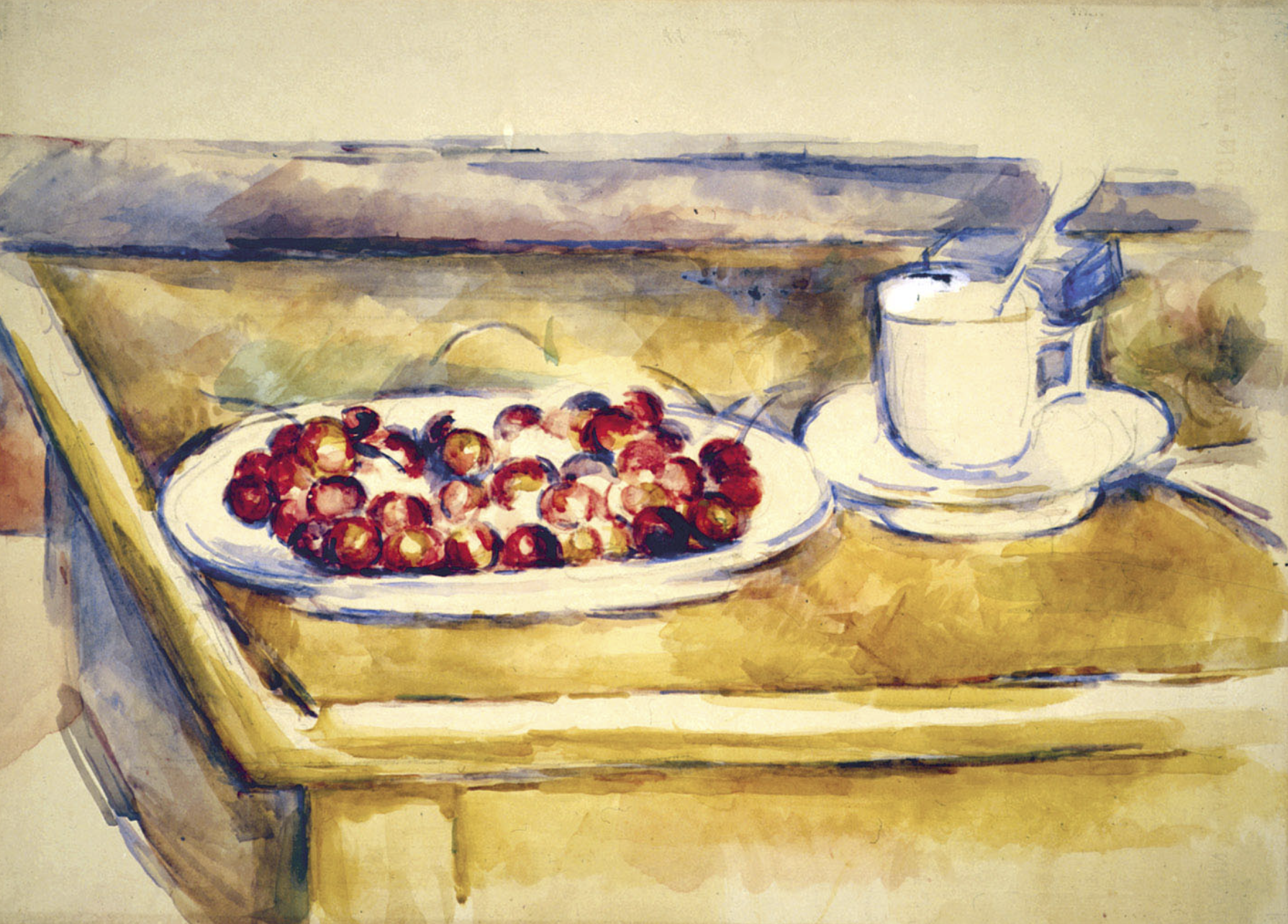
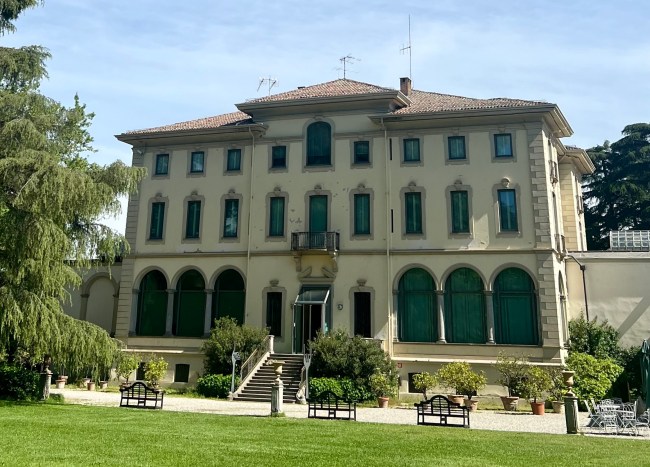
Four hooded thieves stole three valuable paintings from the Magnani-Rocca Foundation in Parma, Italy, in a swift nighttime heist. The stolen works include Paul Cézanne's 'Still Life with Cherries,' Henri Matisse's 'Odalisque on the Terrace, 1922,' and Pierre-Auguste Renoir's 'Les Poissons (Fish), 1917,' collectively worth millions of euros. The operation, described as highly structured and organized, took less than three minutes.

antonello da messina ecce homo

The Italian Ministry of Culture has acquired a rare double-sided Renaissance painting by Antonello da Messina, 'Ecce Homo; Saint Jerome in Penitence,' for $14.9 million in a private sale with Sotheby's New York. The work was withdrawn from a planned public auction, and its final institutional home is now the subject of a heated debate among major Italian museums and the artist's hometown.

jacques louis david versailles

The Palace of Versailles has agreed to reexamine the provenance of a Jacques-Louis David sketchbook from 1790 after a Radio France investigation revealed it was looted by the Nazis during World War II. The sketchbook was stolen from Professor Lereboullet in July 1940, sold by Munich's Karl and Faber gallery in 1943, then acquired by dealer Otto Wertheimer before being purchased by Versailles in 1951. The museum claims it was unaware of the theft, and France's ministry of culture has promised further research and discussions with the descendants.

stolen painting saint francis returned mexico church

A painting of Saint Francis of Assisi, stolen from the Church of San Francisco de Asis in Teotihuacán, Mexico, in 2001, has been recovered and returned to the church. The six-foot-tall work, painted in 1747 by an unknown artist, was among 18 artworks taken in a nighttime theft. It resurfaced in 2018 when it was consigned to Mexico City auction house Morton Subastas, whose due diligence with the Art Loss Register flagged it as stolen. The painting, valued at 280,000 Mexican pesos ($15,000), was returned to the church in a ceremony led by Padre Teodoro García Romero.

After the Incredible Art Theft, the Magnani Rocca Foundation Invites the Public to Defend the Museum and Beauty

Dopo l’incredibile furto di opere d’arte la Fondazione Magnani Rocca invita il pubblico a difendere il museo e la bellezza

Three valuable paintings were stolen from the Fondazione Magnani Rocca in Mamiano di Traversetolo, Italy, in late March 2026. The stolen works are Pierre-Auguste Renoir's 'Les Poissons,' Paul Cézanne's 'Natura morta con ciliegie,' and Henri Matisse's 'Odissea sulla terrazza,' with a combined value estimated at several million euros. The Carabinieri's Cultural Heritage Protection Unit is investigating the theft, which occurred despite the presence of security personnel.

France reckons with Nazi-looted art in a new Paris museum gallery

France has opened a new permanent gallery at the Musée d'Orsay in Paris dedicated to displaying Nazi-looted artworks that remain unclaimed. The gallery features 13 works from the MNR (Musées Nationaux Récupération) collection, including a painting by Alfred Stevens originally destined for Hitler's planned museum in Linz. The display is the first in the museum's history to show the backs of paintings, revealing stamps, labels, and inventory marks that trace how each piece moved from private Jewish homes into Nazi hands. The museum also launched its first research unit to trace rightful heirs, led by Ines Rotermund-Reynard.

No, the courts have not cleared the way for contemporary stained-glass windows at Notre-Dame

Non, la justice n'a pas laissé la voie libre aux vitraux contemporains de Notre-Dame

The article clarifies that legal challenges against installing contemporary stained-glass windows in Notre-Dame Cathedral are still ongoing, contrary to misleading headlines. Two judicial procedures remain active: an appeal by the heritage association Sites & Monuments after losing a first-instance ruling on procedural grounds, and a separate case contesting the legitimacy of the works themselves. Although an emergency injunction was denied because the judge found no urgency, the core legal arguments—that replacing Viollet-le-Duc's windows is not conservation or restoration—remain strong. The author warns that if the windows are installed before the appeals are resolved, they may later have to be removed at great expense.

France’s new restitution law passes final vote

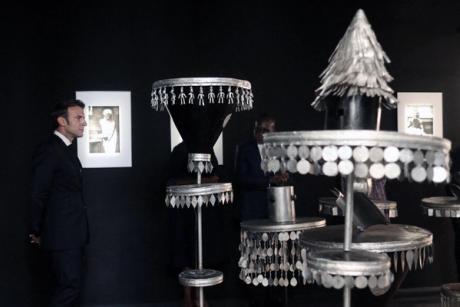
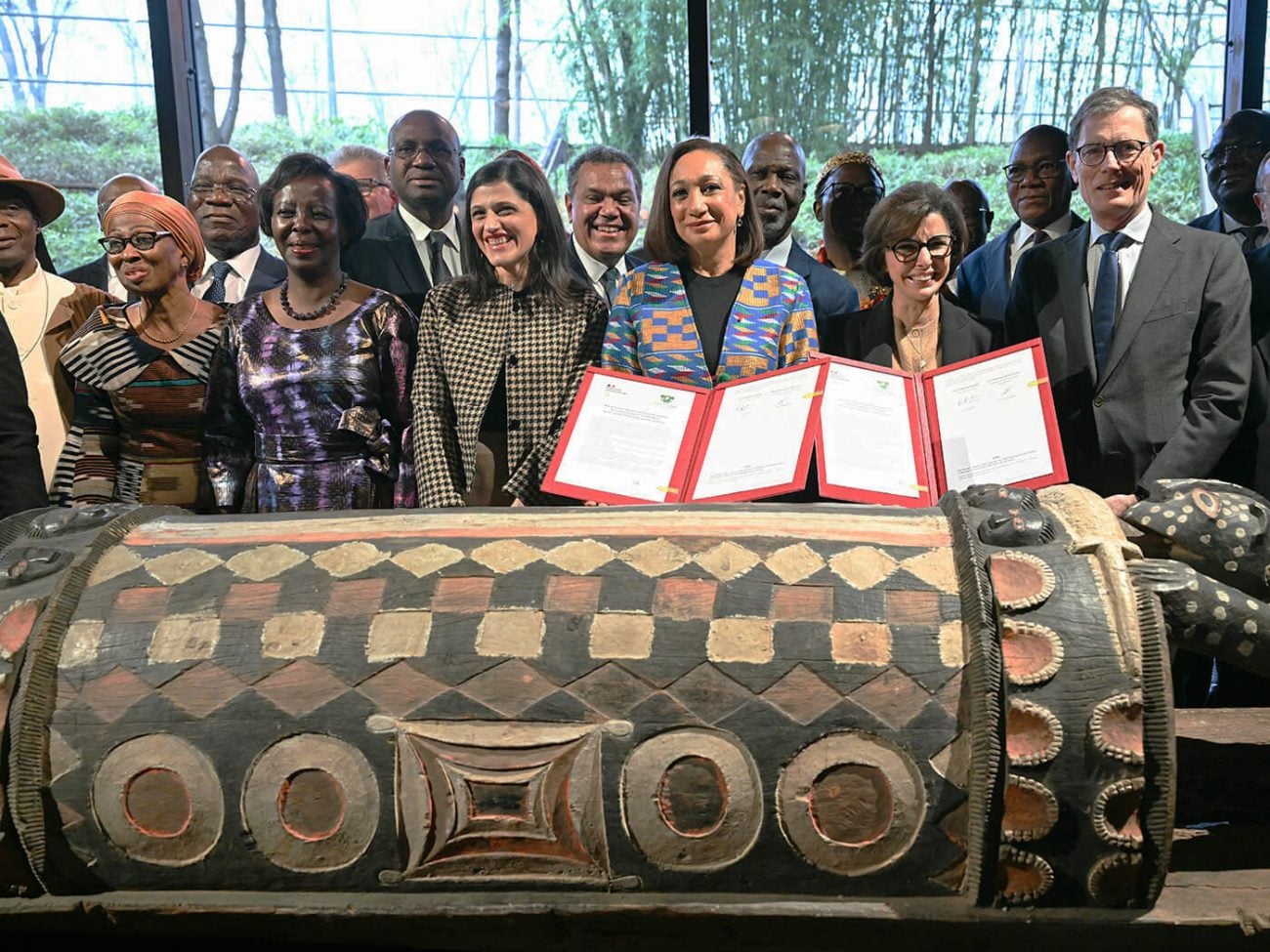
The French parliament has officially passed framework legislation establishing a legal pathway for the restitution of cultural artifacts looted from former colonies. This landmark law, inspired by a report from former Louvre director Jean-Luc Martinez, allows for the deaccession of items taken by force or under duress between 1815 and 1972. While the law fulfills a 2017 pledge by President Emmanuel Macron, it remains strictly supervised, requiring bilateral scientific committees to verify claims and excluding military archives and archaeological shares.

australian police arrest thief egyptian artifacts heist

Police in Queensland, Australia, arrested a 52-year-old man suspected of stealing ancient Egyptian artifacts from the Abbey Museum of Art and Archaeology in Caboolture. The suspect was apprehended on Russell Island after police found part of the stolen haul, including a 2,600-year-old wooden cat figure, a 3,300-year-old necklace, and a mummy mask, in a camper van at a ferry terminal. The items were recovered and returned to the museum within two days of the brazen break-in.

nanjing museum alleged art theft probe

Chinese authorities have launched multiple investigations into allegations that staff at the state-run Nanjing Museum secretly removed cultural treasures from the collection and sold them on the open market. The scandal erupted after a 16th-century Ming dynasty painting, *Spring in Jiangnan* by Qiu Ying, appeared in a Beijing auction catalog with an estimate of 88 million yuan ($12.5 million), despite being part of a 1959 donation by collector Pang Laichen. The museum claimed the work and four others were deemed forgeries in the 1960s, deaccessioned in 1997, and sold to a provincial relics store in 2001 for 6,800 yuan. An 80-year-old retired employee, Guo Lidian, accused former museum director Xu Huping of orchestrating a large-scale theft and smuggling operation, including falsely certifying authentic works as replicas. Xu has denied involvement.

louvre to return 258 works from rothschild cabinet of curiosities

The Louvre Museum in Paris will return 258 works from the bequest of collector Adèle de Rothschild to the Fondation des Artistes after a 2019 cross-inventory revealed the objects were improperly inventoried in the Louvre's collection. Rothschild, who died in 1922, bequeathed her private mansion and its contents to the French government with the stipulation that her cabinet of curiosities remain intact, but the Louvre held works from the cabinet—including objets d'art and Islamic art—in violation of her wishes. The foundation's director, Laurence Maynier, described the surrender as a "just return," noting that the objects were all in storage and invisible to the public. Some 30 other objects will remain at the Louvre for five years to allow curators to find replacements, and the museum will receive 104 pieces from the foundation's inventory as compensation. The cabinet is set to reopen in September.

bayeux tapestry fragment rediscovered in germany

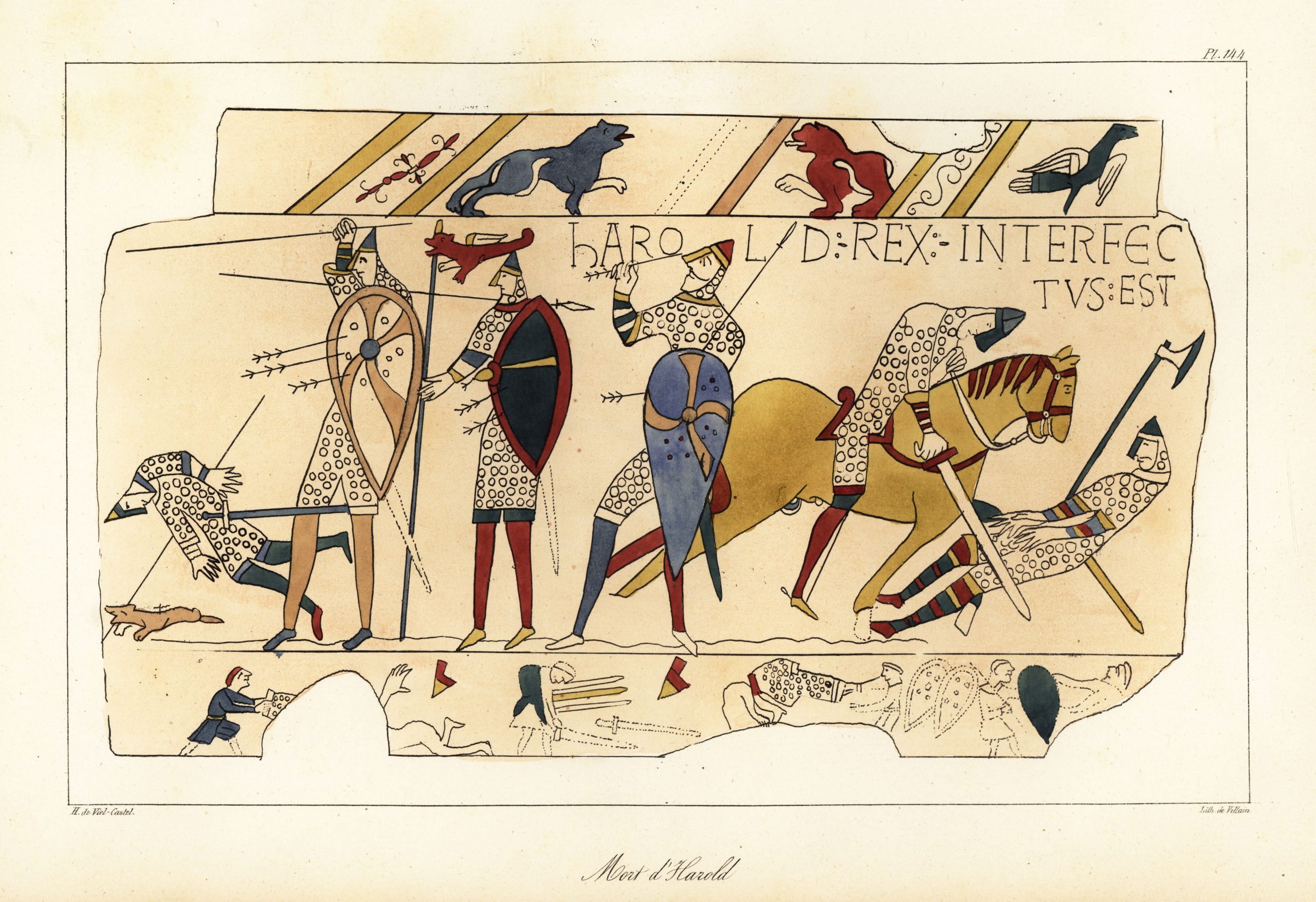
A long-lost fragment of the Bayeux Tapestry, the 11th-century embroidered chronicle of the Norman Conquest of England, has been rediscovered in the Schleswig-Holstein State Archives in Schleswig, Germany. The roughly one-inch linen piece belonged to the estate of archaeologist Karl Schlabow, who had been part of a Nazi-affiliated group that re-measured the tapestry in 1941. The fragment will be repatriated to France later this year, but first it will go on public display at the Museum of Archaeology at Gottorf Castle as part of the exhibition “Viking Twilight: Turning Point in the North” from April 16 through November 2.

A Drawing by Hans Baldung Grien Classified as a National Treasure

Un dessin de Hans Baldung Grien classé trésor national

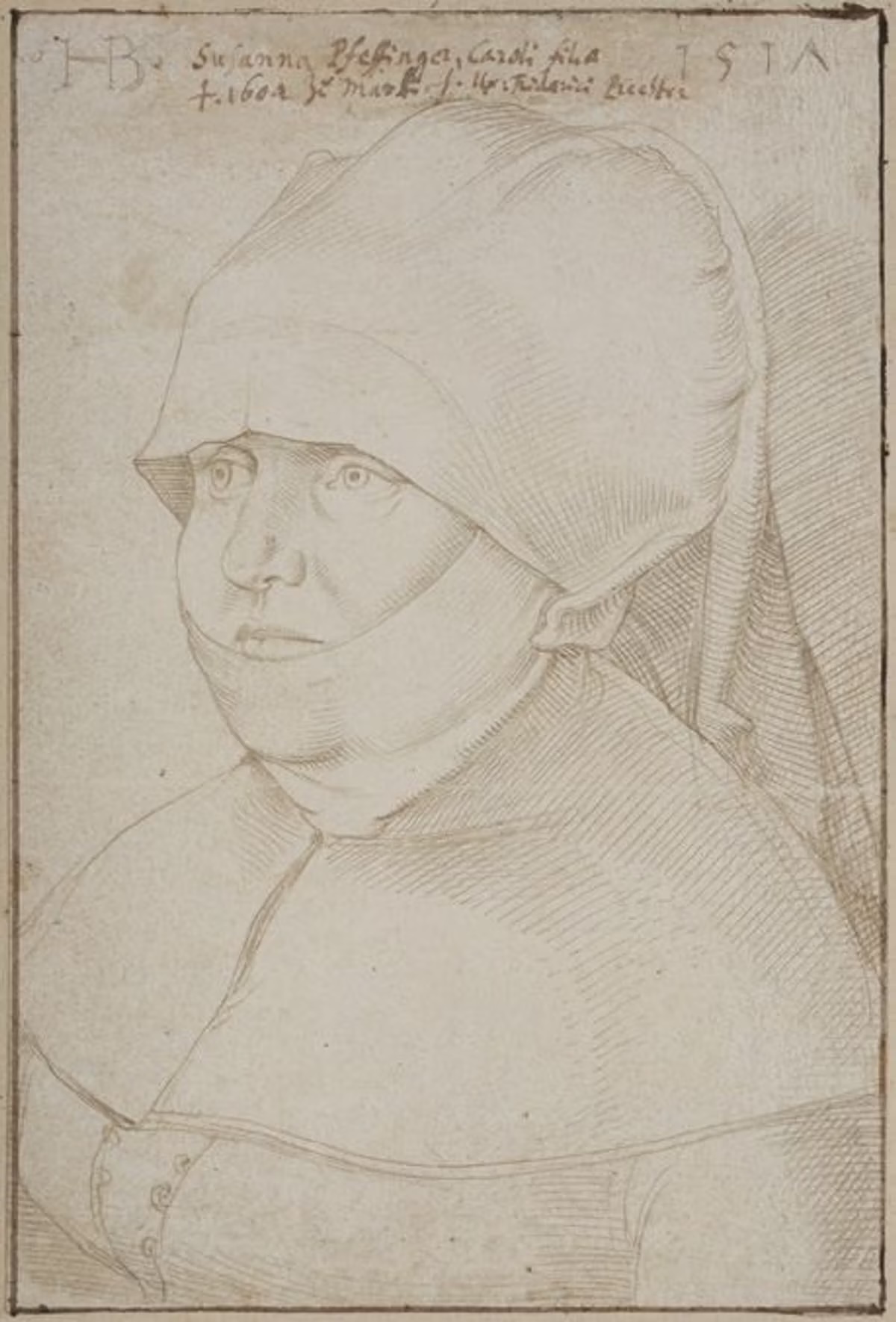
A 1517 silverpoint drawing by German Renaissance artist Hans Baldung Grien, titled 'Portrait of Susanna Pfeffinger,' has been classified as a French national treasure. The work, which was set to be auctioned at the Hôtel Drouot by Beaussant-Lefèvre, is now subject to an export ban, giving French museums like the Louvre a 30-month window to acquire it.

Musée d’Orsay displays Renoir and Degas works looted by Nazis

The Musée d’Orsay in Paris has opened a new gallery dedicated exclusively to artworks suspected of being looted or forcibly sold during the Nazi occupation of France. Among the 13 works on display is Edgar Degas's *Dinner at the Ball* (1919), originally owned by Jewish collector Fernand Ochsé, who was deported to Auschwitz with his wife in 1941. The painting passed through multiple hands before being identified as one of over 100,000 artworks plundered by the Nazis. The museum has assembled a team of six provenance researchers to spend three years tracing the original owners of these works, which are part of the "MNR" (Musées nationaux récupération) collection—some 2,200 pieces deemed too important to sell but whose owners remain unknown.

Meet the global taskforce working to recover stolen cultural heritage

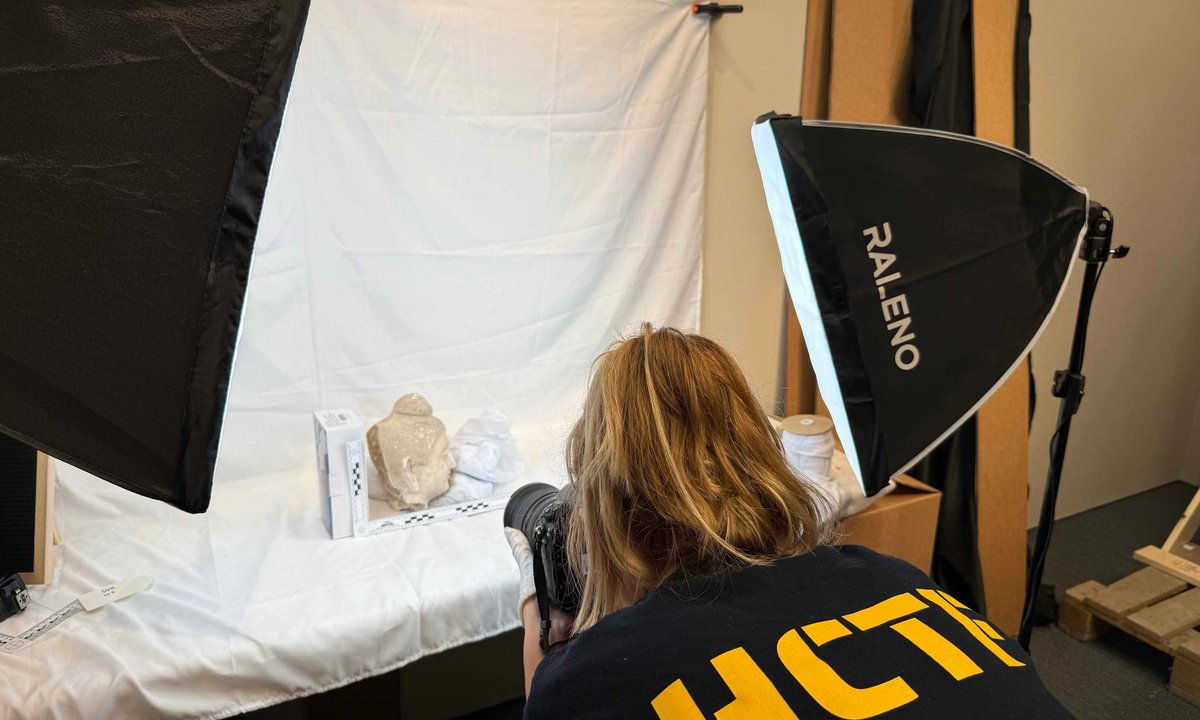
The London Metropolitan Police's Art and Antiques Unit, in collaboration with the Heritage Crime Task Force (HCTF) of the Organisation for Security and Co-operation in Europe (OSCE), is processing over 300 recovered cultural artefacts. The objects—including statues, frescoes, chainmail armour, and stucco heads—were voluntarily handed over by an individual who had kept them for over a decade. Experts are conducting forensic analysis, photography, and archaeological assessment to determine authenticity and origin, with initial findings suggesting items from Cambodia's Angkor Period, the Gandhara region of Pakistan and Afghanistan, the Indus Valley civilisation, and possibly a mosque in Syria or Iraq.

Did Qatar’s Courbet acquisition short-circuit French export licence process?

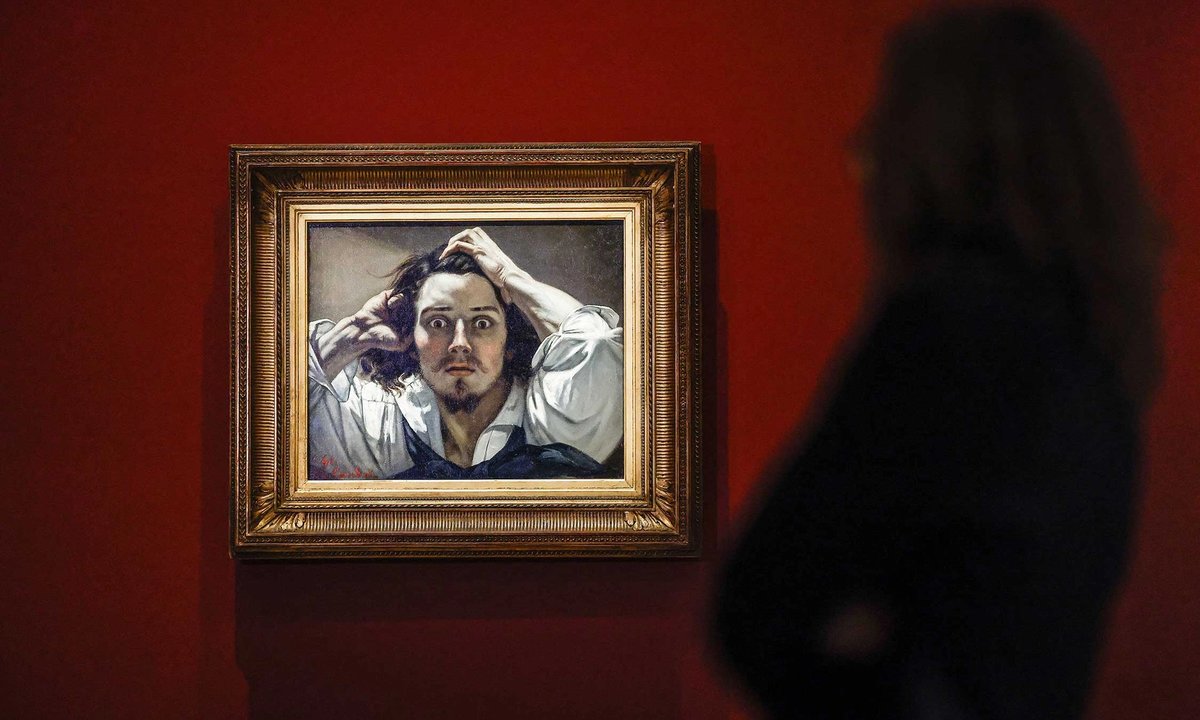
Qatar Museums has acquired Gustave Courbet's early self-portrait *Le Désespéré* (1843-45) from a French collector for €50 million, bypassing the standard French export licence process. The Musée d'Orsay revealed the purchase at a private event in October, announcing the painting will be lent to the museum for five years before moving to Qatar's future Art Mill Museum (opening by 2030). The sale was conducted without an export certificate, with the justification that the work will remain in France for most of the time, using temporary export licences for exhibitions in Doha. Critics, including heritage campaigner Julien Lacaze, argue this exemption is being misused, as it was intended for one-off exhibitions, not recurring rotations.

Where are the Louvre Jewels?

Wo sind die Louvre-Juwelen?

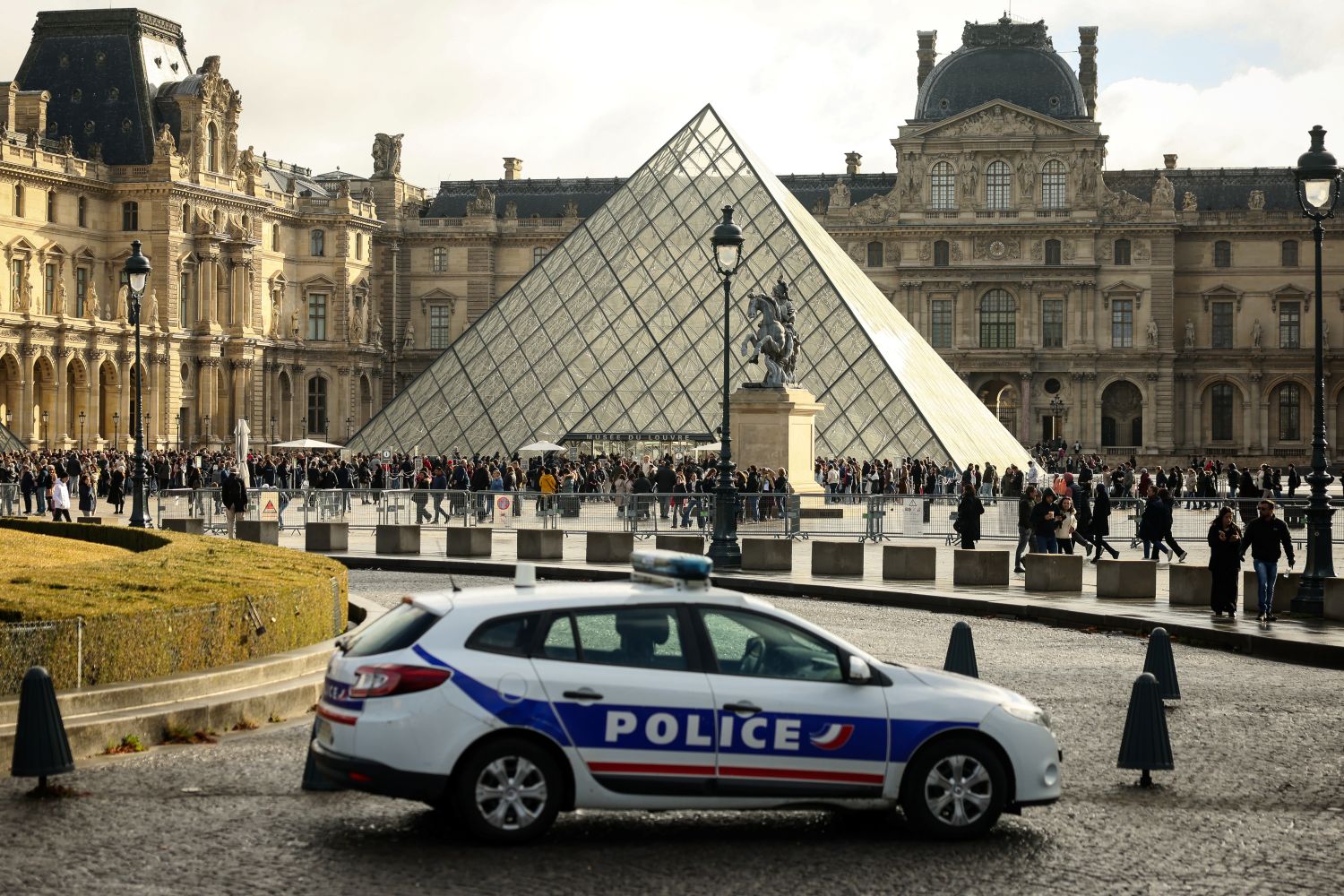
Six months after a high-profile heist at the Louvre, investigators remain in pursuit of stolen jewelry valued at approximately €88 million. While four suspects are currently in custody, the bulk of the Second Empire-era treasures remains missing, leading to fears that the pieces may have been dismantled or melted down. The investigation has shifted focus toward how the thieves obtained a sensitive 2018 security audit that detailed vulnerabilities in the museum's defenses.

National Assembly Unanimously Votes on Law for Restitution of Looted Colonial Works, but with Restrictions

L’Assemblée vote à l’unanimité la loi sur la restitution des œuvres pillées pendant la colonisation, mais avec des restrictions

The French National Assembly has unanimously passed a landmark law establishing a permanent legal framework for the restitution of cultural property looted during the colonial era. Moving away from the previous requirement for case-by-case legislation, the new law allows the government to return artifacts via decree following consultations with scientific and parliamentary commissions. This shift fulfills a long-standing promise to simplify the return of African heritage currently held in French public collections.
1815, a Key Year for the Question of Art Restitution at the Heart of an Enlightening Book

1815, année clé de la question des restitutions d’œuvres d’art au cœur d’un ouvrage éclairant

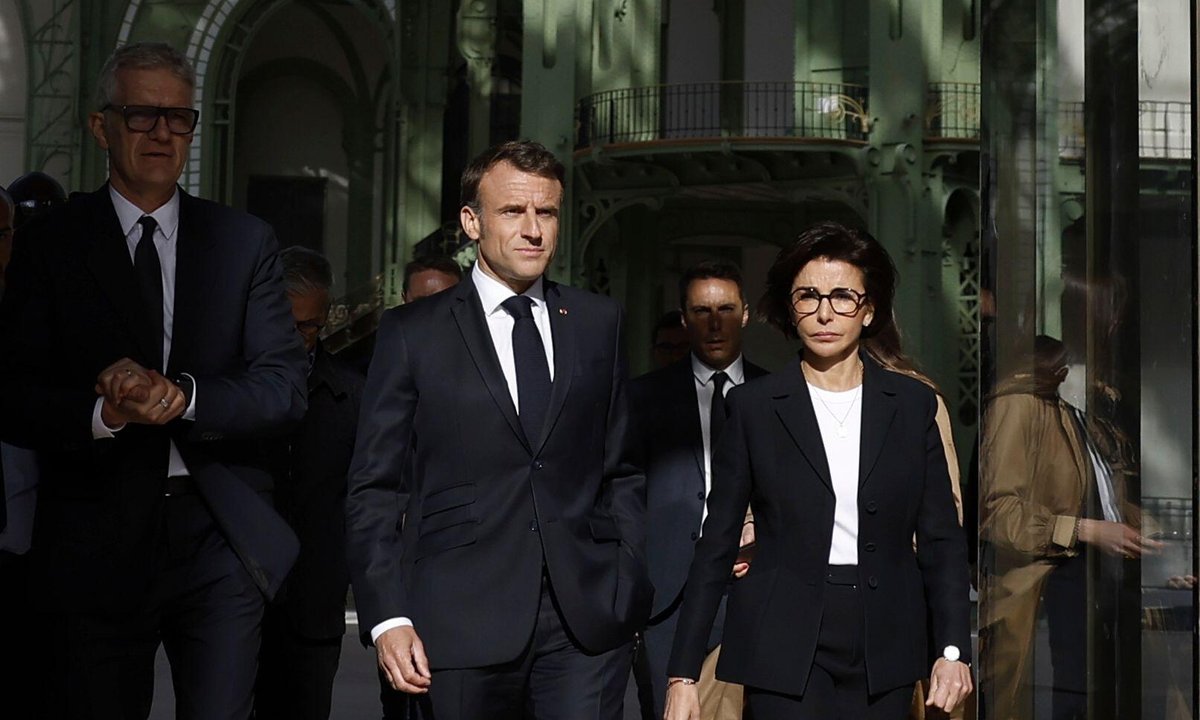
Art historian Bénédicte Savoy has released a new book, "1815, le temps du retour," which examines the massive wave of art restitutions following the collapse of the Napoleonic Empire. Between 1794 and 1811, French revolutionary and imperial forces seized thousands of artworks and cultural objects from across Europe to fill the Louvre under the guise of creating a universal museum. After Napoleon's defeat in 1815, the subsequent return of these works sparked a global debate involving intellectuals and politicians regarding national identity, cultural property, and the legal status of looted heritage.

stolen snuff boxes recovered cognacq jay museum paris

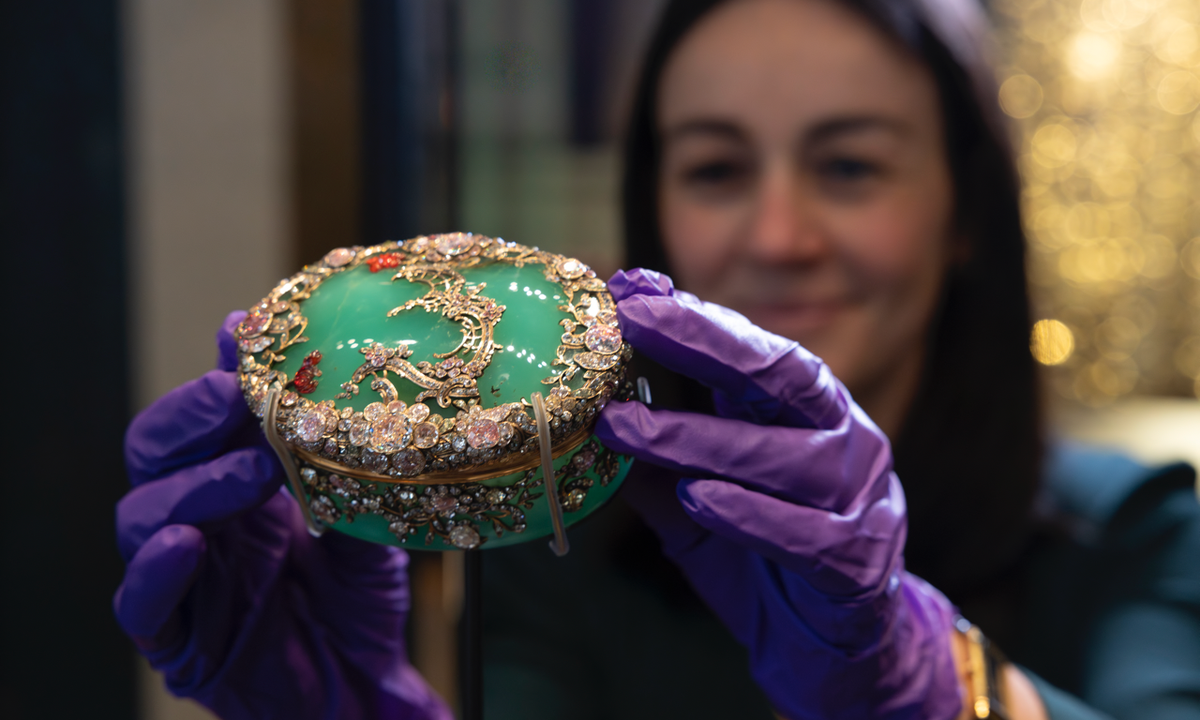
Five of seven valuable 18th-century snuffboxes stolen from Paris’s Cognacq-Jay Museum in November 2024 have been recovered. Paris Musées announced the return, crediting a police investigation with assistance from the Paris Criminal Investigation Department. The boxes were taken by masked thieves during a daylight robbery from the exhibition “Pocket Luxury.” Two of the recovered boxes were on loan from the Louvre, two from the British royal family’s Royal Collection Trust, and one from the Victoria and Albert Museum. Two more boxes, one from the V&A and one from the Royal Collection, remain missing. The stolen items, decorated with gold, precious stones, mother-of-pearl, or enamel, are estimated to be worth at least €1 million ($1.16 million).

Snuffboxes stolen in Paris daylight robbery to go on display at V&A

Five 18th-century gold snuffboxes recovered after a violent daylight robbery in Paris are set to go on public display at the Victoria and Albert Museum. The objects were stolen in November 2024 from the Musée Cognacq-Jay during a high-profile heist that targeted pieces from the Rosalinde & Arthur Gilbert Collection, the Louvre, and the UK Royal Collection. Following an extensive police investigation and delicate restoration work by Parisian goldsmiths to repair damage sustained during the theft, the items will headline the opening of the V&A’s newly revamped Gilbert Galleries.

French government adopts bill for restitution of colonial-era objects

The French government has adopted a bill that facilitates the restitution of cultural objects plundered from former colonies, eight years after President Emmanuel Macron pledged to return African heritage. Presented by Culture Minister Rachida Dati, the bill maintains that French public collections are inalienable but creates an exemption for items taken by force between 1815 and 1972. Restitution requests must come from foreign states, be for public preservation and display, and involve items allegedly stolen, looted, or sold under duress. A bilateral scientific committee will examine each case, with final approval from the Conseil d'État. The bill aims to replace the current slow, case-by-case legislative process that has resulted in only 30 objects returned since 2017.