filter_list Showing 15 results for "uman" close Clear
search
dashboard All 2150 museum exhibitions 1182article news 304article culture 158article policy 121article local 114trending_up market 88rate_review review 62person people 59candle obituary 44gavel restitution 15article event 3
date_range Range Today This Week This Month All
Subscribe

strongan african artist collective calls museums rectify their debt plantation workers seven easy steps strong

The Congolese Plantation Workers Art League (CATPC), an artist collective based at a plantation in the Democratic Republic of Congo, has released a toolkit titled "Seven Easy Steps for Museums to Liberate the Plantations that Funded Them." The toolkit urges major museums—including London's Tate Britain, Cologne's Ludwig Museum, the Stedelijk Museum in Amsterdam, and the Van Abbemuseum in Eindhoven—to acknowledge and rectify their historical reliance on plantation wealth and exploited labor. CATPC presented the toolkit at a restitution conference at the Wereldmuseum in Amsterdam, organized with the Mondriaan Fund. The collective, founded in 2014, creates art from chocolate and has exhibited internationally, including at the 2024 Venice Biennale and the 2017 Armory Show.
South Carolina’s International African American Museum Officially Acquires Earliest Known Daguerreotypes of Enslaved Americans

South Carolina’s International African American Museum Officially Acquires Earliest Known Daguerreotypes of Enslaved Americans

The International African American Museum in Charleston, South Carolina, has officially acquired the "1850 Daguerreotypes," the earliest known photographs of enslaved Americans. The set of 15 images, taken by J.T. Zealy, depicts seven enslaved individuals—Alfred, Delia, Drana, Fassena, Jack, Jem, and Renty—and had been held by Harvard University until a recent legal settlement. Harvard had owned the daguerreotypes since they were commissioned in 1850 by natural historian Louis Agassiz.

The Netherlands is confronting its history of Nazi occupation – but many stolen objects remain unreturned

Arthur Brand, a Dutch art detective, was contacted by a man who discovered that his family descended from Hendrik Seyffardt, a high-ranking Nazi collaborator, and that a painting looted from Jewish art dealer Jacques Goudstikker remained in their possession. The painting, Toon Kelder's *Portrait of a Young Girl*, had hung in a relative's home near Utrecht for years. The family, who changed their name after WWII, handed the painting to Brand after the story broke in Dutch media, expressing shame and outrage over the silence surrounding their history.

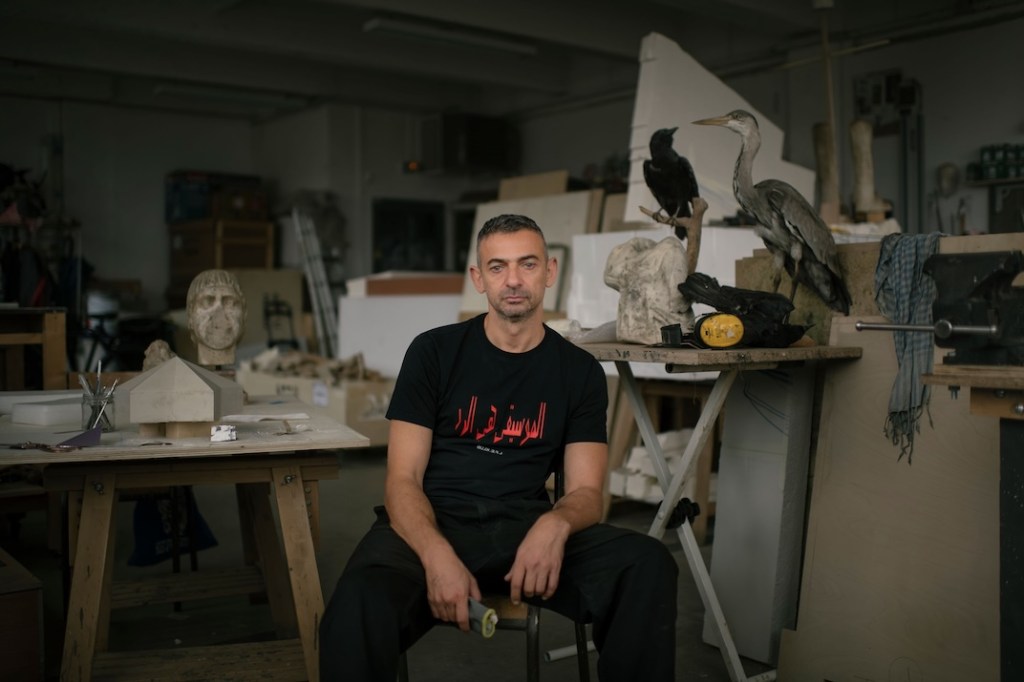
Lebanese Artist Ali Cherri Files War Crimes Complaint Against Israel After 2024 Beirut Bombing

Lebanese artist Ali Cherri, with the International Federation for Human Rights (FIDH), has filed a civil complaint in France seeking an investigation into an Israeli airstrike on a Beirut residential building in November 2024. The strike killed seven civilians, including Cherri's parents. The complaint, supported by forensic analysis from Forensic Architecture and Amnesty International, alleges the attack used munitions documented as being employed by the Israeli air force and targeted a civilian object, potentially constituting a war crime.

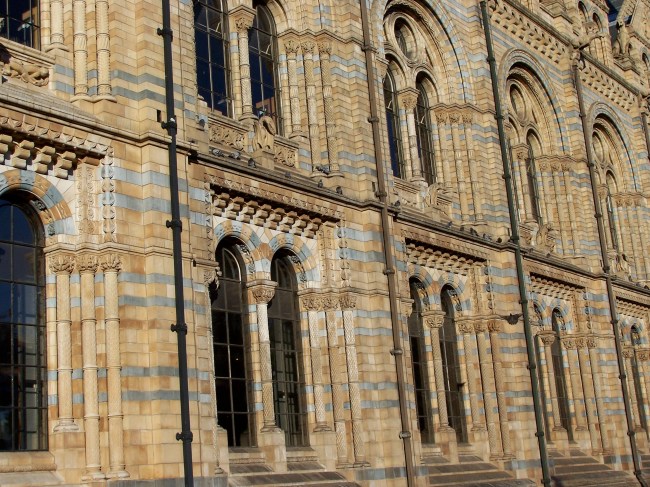
UK Museums Face Criticism For Collections Of Human Remains

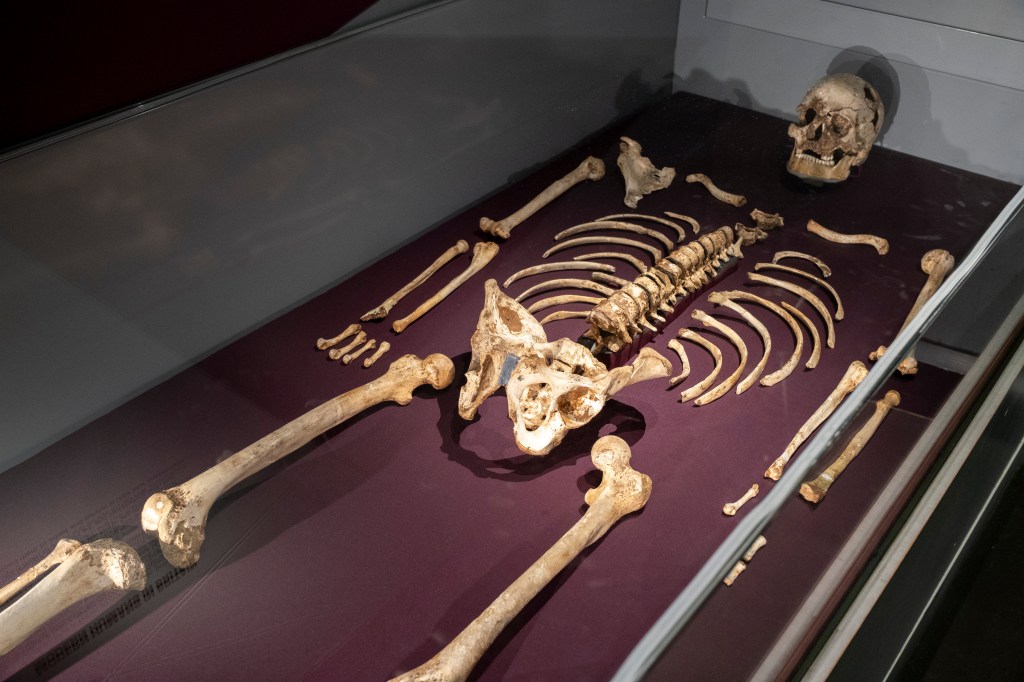
A Guardian investigation revealed that 241 UK museums, universities, and councils collectively hold over 263,000 items of human remains, with at least 37,000 originating from overseas, including former British colonies. The Natural History Museum in London houses the largest collection of non-European remains, followed by the University of Cambridge and the British Museum. Records are often incomplete, with the origins of 16,000 items unconfirmed and many institutions unable to provide exact figures due to poor documentation.

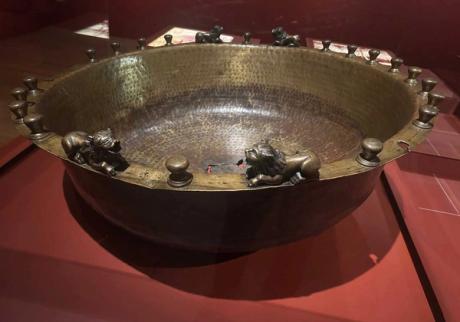
How did a 16th-century European basin end up as a sacred object in West Africa?

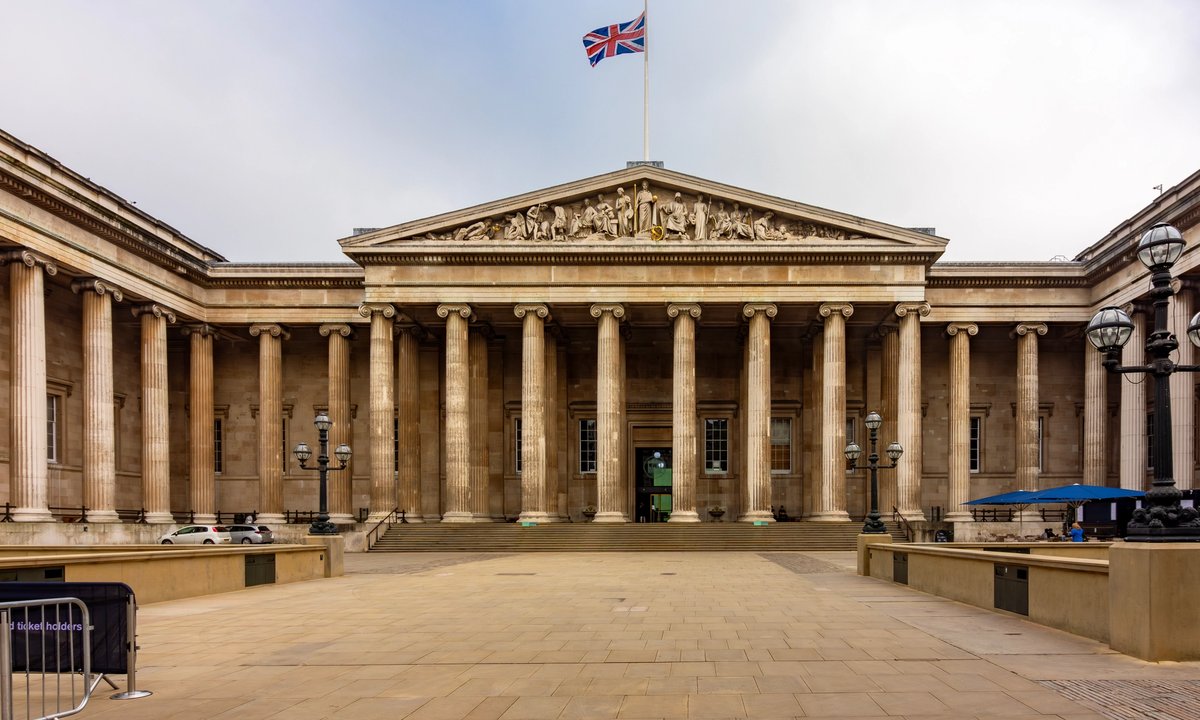
The Aya Kese, a massive 16th-century northern European brass basin, is currently on display at the British Museum while its complex history remains under scrutiny. Looted by British officer Robert Baden-Powell in 1896 from the Asante kingdom’s royal mausoleum in present-day Ghana, the object was long sensationalized by colonial accounts as a vessel for human sacrifice. Recent scholarship and historical records from Asante King Prempeh I contest these claims, asserting the basin’s sacred role as a spiritual repository for the souls of the Asante people.

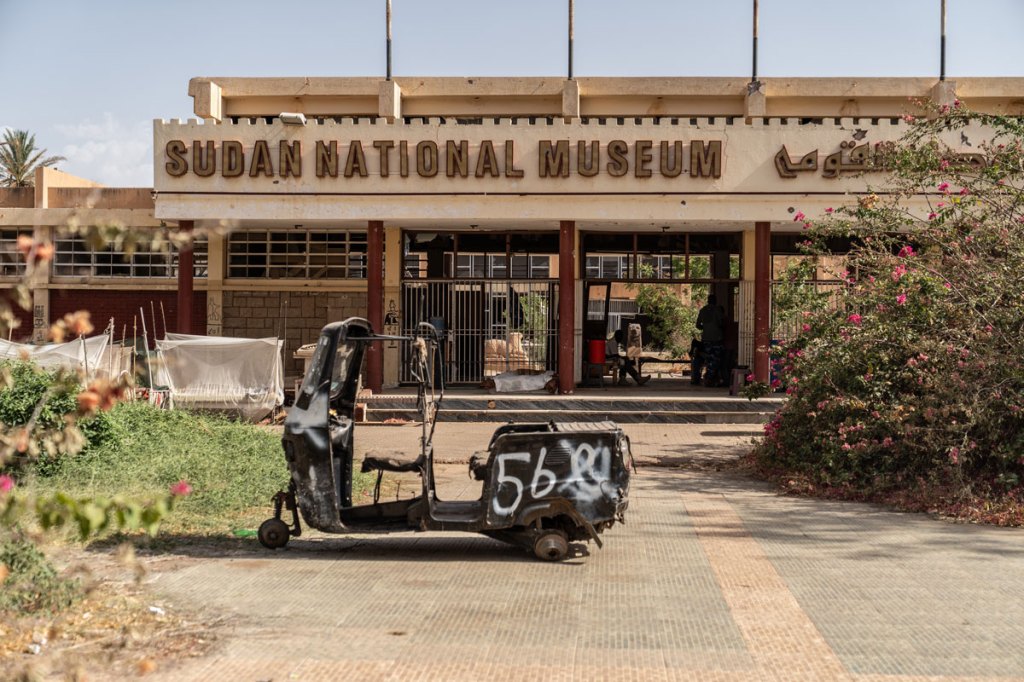
sudan national museum 60 percent looted

Officials from the National Museum of Sudan have revealed that over 60% of the institution's holdings were looted during the country's ongoing civil war. The Rapid Support Forces (RSF) occupied the Khartoum-based museum for nearly a year, during which time ancient gold, jewelry, and approximately 8,000 pieces from exhibition halls were stolen. Satellite imagery confirmed trucks transporting artifacts away from the site, and several other regional museums, including the Sultan Ali Dinar Museum, have been reported as completely destroyed.

maine museum return funerary objects wabanaki nations

The Abbe Museum in Bar Harbor, Maine, is repatriating 17 items—including a human tooth and funerary objects such as tools, animal hides, and fabric—to the Wabanaki Nations, a confederation of four local tribes (Penobscot Nation, Passamaquoddy Tribe, Mi’kmaq Nation, and Houlton band of Maliseet Indians). The objects, many excavated by Warren K. Moorehead in the late 19th century, passed through the R.S. Peabody Museum, the Bangor Historical Society, and the Abbe Museum, with some lost due to undocumented loans. A Field Register notice from the National Park Service, published September 11, 2025, details their complex provenance. The repatriation is set to occur on or after October 14, 2025.

israeli attacks on palestinian heritage sites constitute war crimes un report

A United Nations Independent International Commission of Inquiry has concluded that Israeli attacks on cultural and religious sites in occupied Palestinian territory constitute war crimes and the crime against humanity of extermination. The report focuses on ten specific sites in Gaza, including the Greek Orthodox Church of St. Porphyrius, the Great Omari mosque, Al Mat'haf Museum, and the Pasha Palace Museum, which were destroyed, looted, or severely damaged between October and December 2023. The commission found that Israeli security forces should have known the locations and significance of these sites and that their attacks violated international law, including intentionally directing attacks against religious and historic monuments and causing excessive damage to civilian objects.

scholars and mps slam uk museums as unethical and sacrilegious for holding vast collections of human remains

A major investigation has revealed that UK museums and universities hold more than 263,000 human remains, including at least 37,000 sourced from overseas and former British colonies. The findings indicate that many institutions lack proper documentation, with thousands of items stored anonymously in cardboard boxes or mixed together, often in violation of government guidelines regarding respectful handling and transparency.

france mexico celebrate 200th anniversary pre hispanic manuscripts

In May 2025, French President Emmanuel Macron visited Mexico City for his first official trip to Mexico, where President Claudia Sheinbaum announced a temporary exchange of two pre-Hispanic codices. The Codex Azcatitlán, held at the Bibliothèque Nationale de France in Paris, will travel to Mexico City, while the Codex Boturini, housed at Mexico's Biblioteca Nacional de Antropología e Historia, will go to Paris. Both illustrated manuscripts, rarely displayed due to conservation concerns, recount the Aztecs' migration to Tenochtitlan. The exchange comes amid ongoing Mexican efforts to repatriate Mesoamerican codices from European collections, including the Codex Borgia and Codex Vaticanus in the Vatican and the Codex Borbonicus in France.

france returns colonial era human remains to madagascar

France has returned three colonial-era human skulls to Madagascar, including one believed to belong to King Toera, a Malagasy king executed by French troops in 1897. The skulls were handed over to Malagasy representatives at the French Culture Ministry on Monday, after being held in Paris’s National Museum of Natural History. French Culture Minister Rachida Dati called the return “historic,” while her Malagasy counterpart Volamiranty Donna Mara described it as healing an “open wound” after 128 years.

More UNESCO-Listed Sites Damaged by Airstrikes in Iran

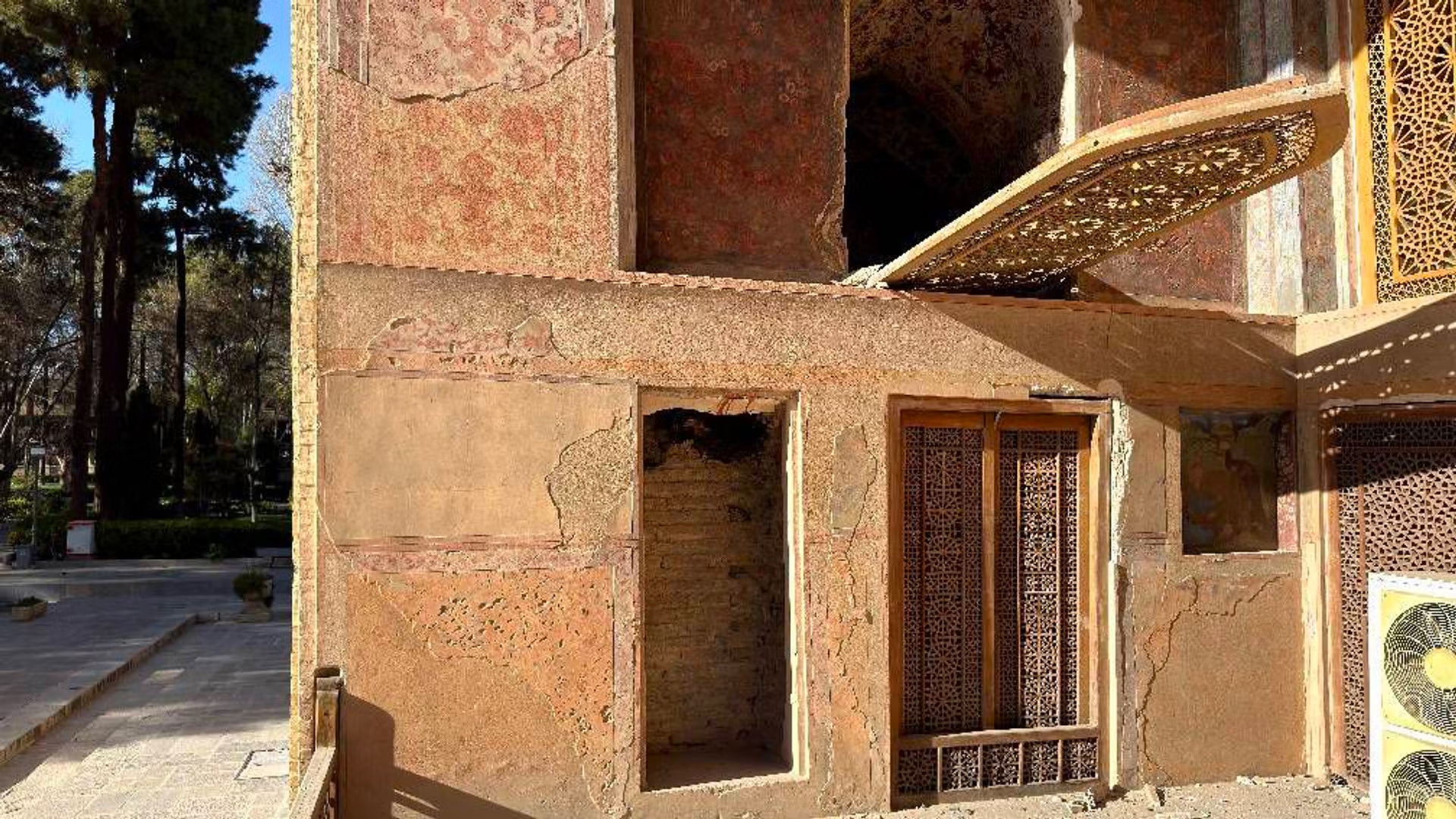
Multiple UNESCO World Heritage sites in Iran, including the 17th-century Chehel Sotoun palace in Isfahan, have sustained significant damage from recent US-Israeli airstrikes. The attacks shattered historic windows, doors, and decorative tiles at several monuments in Isfahan's historic center, and also damaged the third-century Falak-ol-Aflak Citadel, despite the display of protective Blue Shield emblems.

Mummies and other human remains held in UK museums raise serious ethical questions, warn scholars

A major investigation has revealed that UK museums, universities, and local authorities hold more than 263,000 human remains, including mummies, skeletons, and skulls. Of these, approximately 37,000 originate from overseas, largely from former British colonies, often acquired without consent. The findings have sparked intense criticism from scholars and curators who argue that the sheer scale of these collections reflects a distressing colonial legacy and necessitates a systemic shift toward repatriation and more ethical storage practices.

Berlin Museum to Return Almost 600 Skulls

Berliner Museum will fast 600 Schädel zurückgeben

The Prussian Cultural Heritage Foundation in Berlin has announced plans to repatriate hundreds of human skulls to West African nations following a multi-year provenance investigation. The research identified the origins of 574 skulls, with 336 linked to present-day Cameroon, 151 to Togo, 23 to Ghana, and one to Nigeria, while 63 could not be precisely located. The skulls were part of a historical anthropological collection transferred from Berlin's Charité university hospital in 2011.