search
dashboard All 5115 museum exhibitions 2768article local 776article culture 377article news 358trending_up market 322person people 148article policy 122rate_review review 106candle obituary 97gavel restitution 37article school 2article museums 1article architecture 1
date_range Range Today This Week This Month All
Subscribe

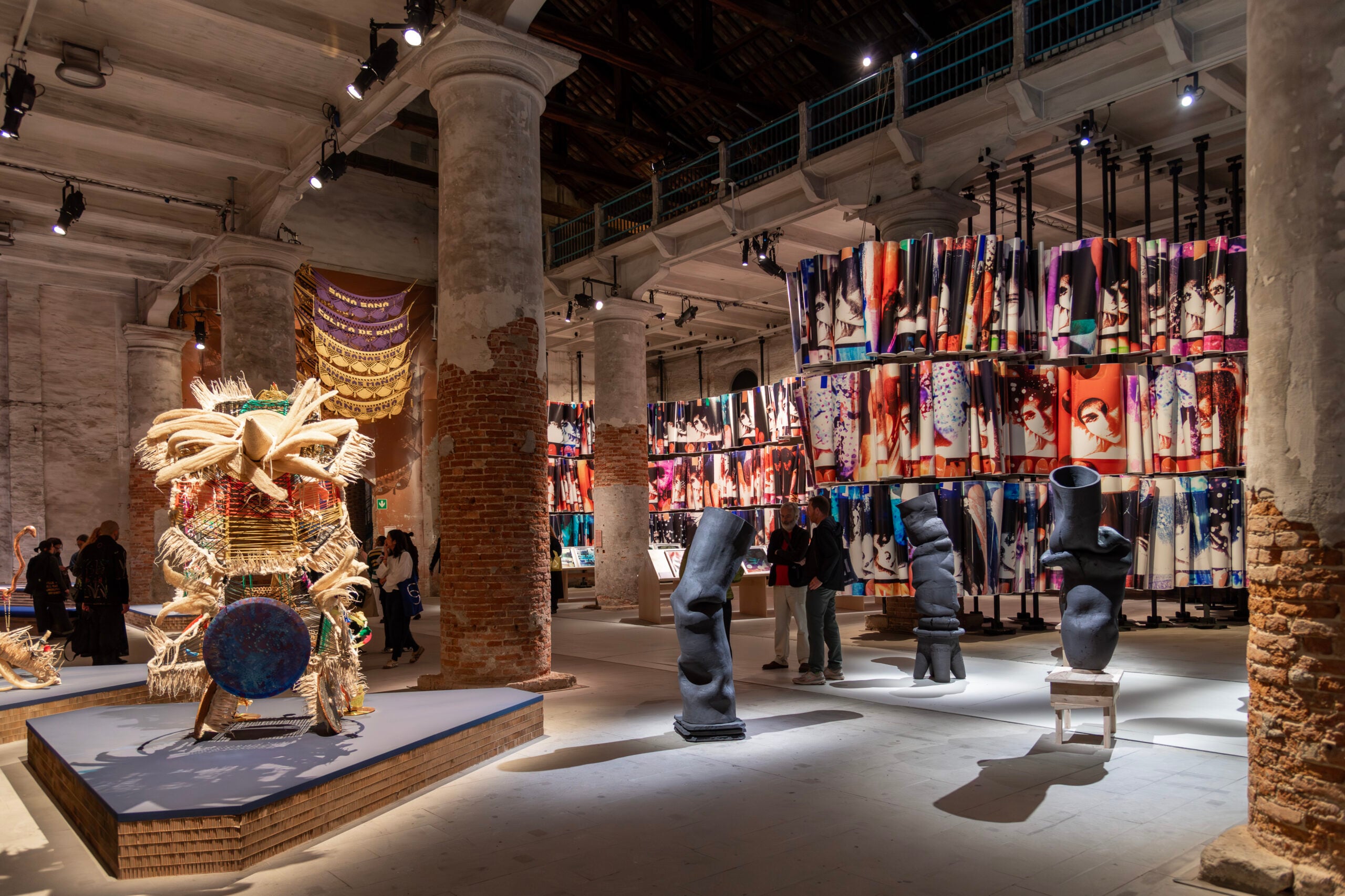
“In minor keys” è la mostra delle cuciture e della lentezza. Cosa funziona e cosa non funziona alla Biennale di Venezia

The article reviews "In minor keys," the main exhibition of the 61st Venice Biennale curated by Koyo Kouoh. It describes the show as an anti-white cube, anti-modernist display dominated by manual craftsmanship, textiles, and natural motifs, contrasting sharply with the previous edition curated by Adriano Pedrosa. The review notes the exhibition's cohesive character but criticizes certain works, such as Alfredo Jaar's installation, as jarring dissonances.
“In Minor Keys” Is the Biennale’s Crown Jewel

Hyperallergic's Editor-in-Chief Hakim Bishara reviews the main exhibition of the 2026 Venice Biennale, titled "In Minor Keys," calling it a triumph for the historically dispossessed and overlooked. The posthumous exhibition, curated by the late Koyo Kouoh, features 111 international artists and is described as a hymn to those who carry both melancholy and joy. Separately, Aruna d'Souza interviews Lebanese-born, Sydney-based artist Khaled Sabsabi, who was initially chosen for the Australian Pavilion but temporarily removed due to pressure from pro-Israel groups before being reinstated and also invited by Kouoh to participate in the main exhibition. The article also includes brief news items about a Swann auction, a Louvre jewel heist film adaptation, and a study on art museums slowing aging.

Mounting Rene Matić’s snapshots in Perspex isn’t really enough to make them interesting | Charlotte Jansen

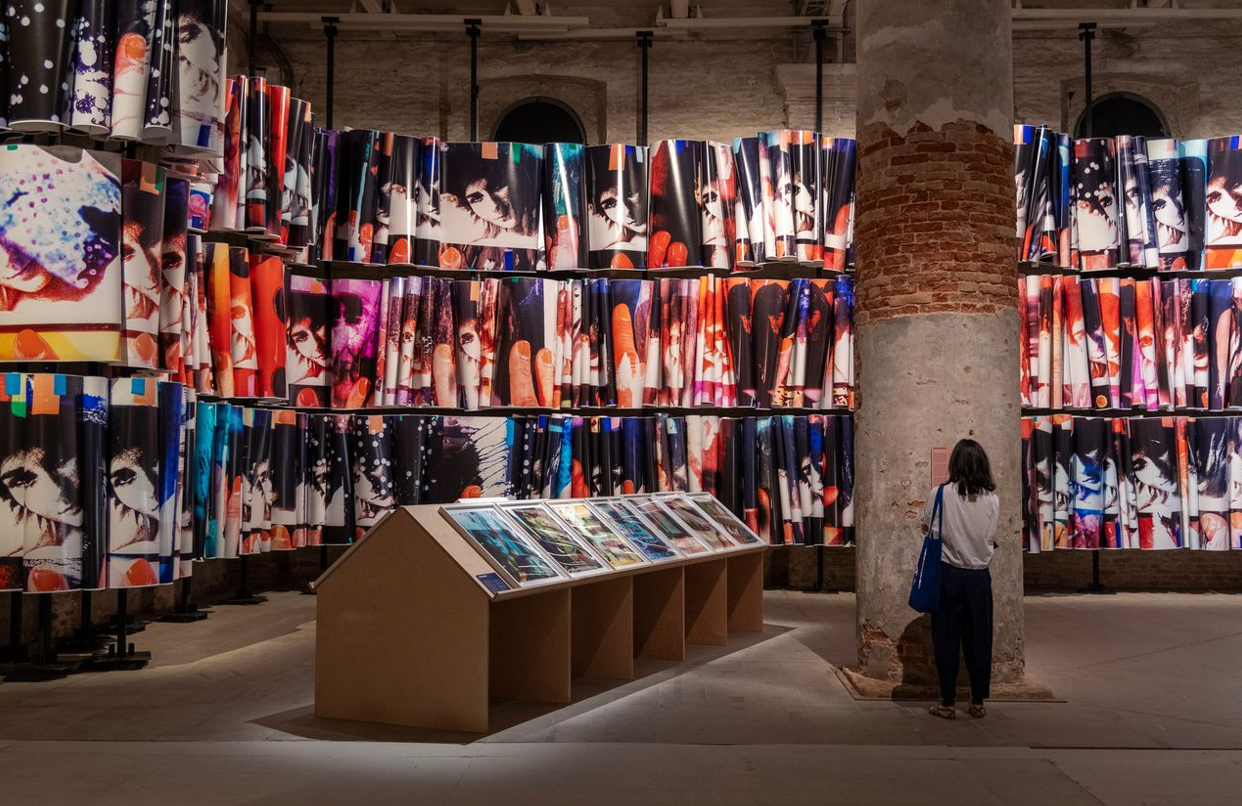
Rene Matić, at 29, became the youngest winner of the £30,000 Deutsche Börse Photography Foundation prize, nominated for their solo exhibition "As Opposed to the Truth" at CCA Berlin. A smaller version of that show is now at the Photographers’ Gallery in London. Matić was also the youngest Turner Prize nominee last year. The article critiques Matić's work, praising their 2022 piece "Upon This Rock" for exploring masculinity, fatherhood, and British identity, but dismissing much of their other output—like the snapshot installation "Feelings Wheel"—as immature, mediocre, and reliant on display gimmicks rather than photographic substance.

Sophia Rivera’s Mythology of Everyday New York

The article reviews "Sophie Rivera: Double Exposures" at El Museo del Barrio, the first survey of the late Nuyorican photographer Sophie Rivera, who died in 2021. The exhibition spans her career, including her feminist conceptual series "Rouge et Noir" and "Bowl Study" (c. 1976–78), which depict intimate bodily waste like used tampons and feces, and her socially engaged "Latino Portraits" series from the late 1970s, which countered negative media stereotypes of Puerto Ricans with affectionate, mythologizing portraits. The review highlights a moment where the critic misidentifies abstract toilet photographs as pinhole or double exposures before learning their true subject.

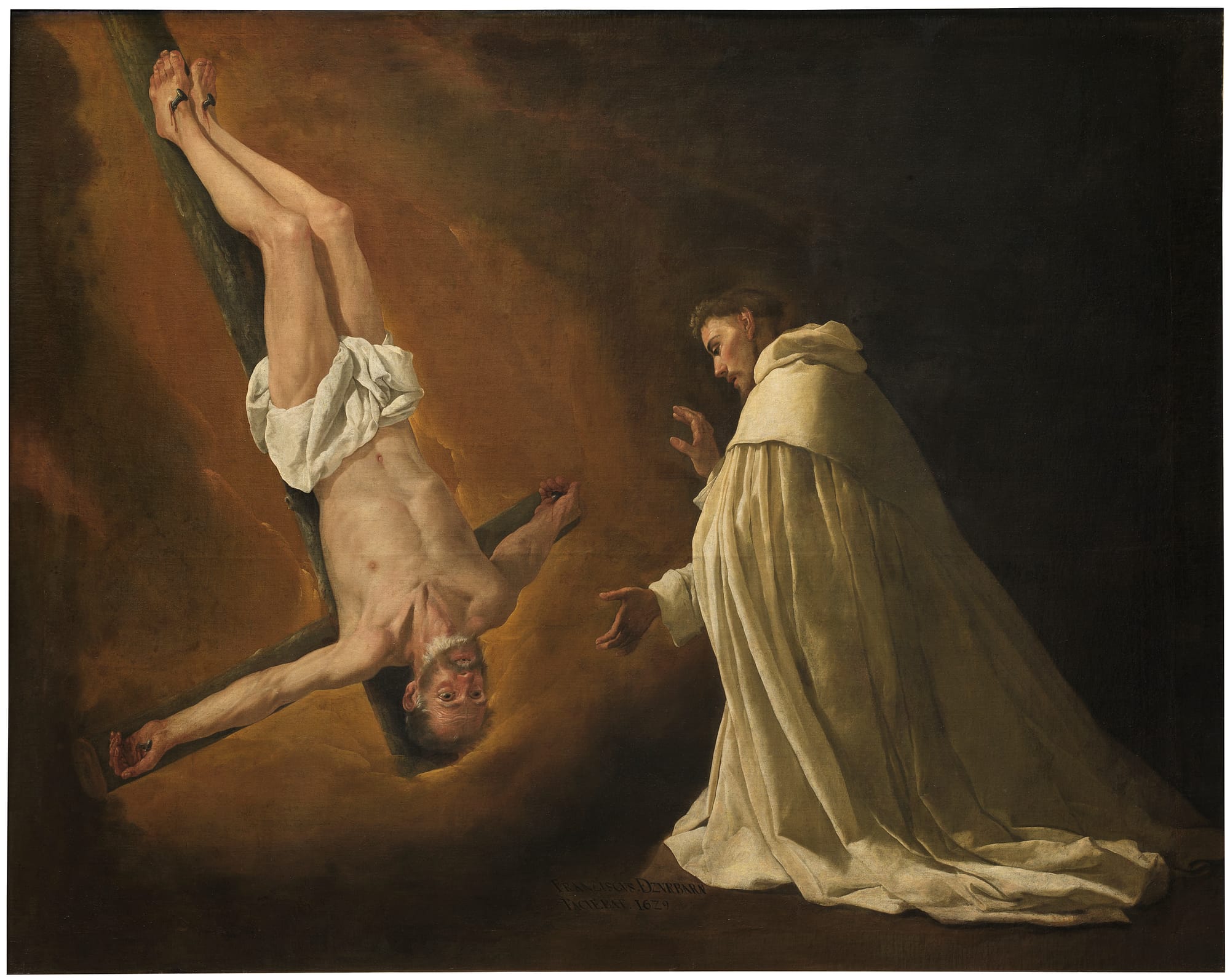
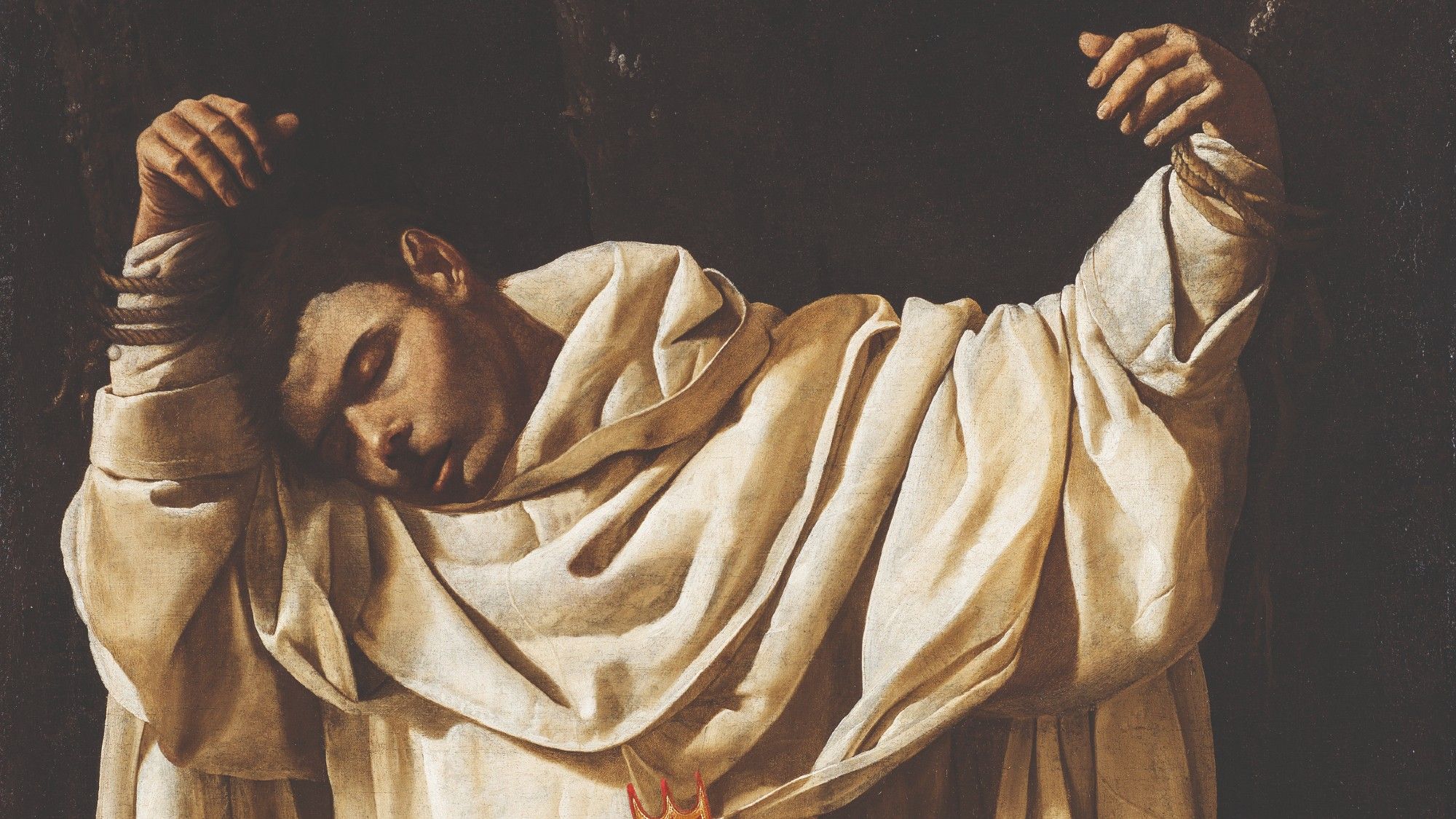
Did Zurbarán Believe What He Painted?

An exhibition of Francisco de Zurbarán's 17th-century religious paintings at London's National Gallery prompts a critic to question whether the artist's personal faith influenced his artistic skill. The show features monumental works from Spanish churches and monasteries, displayed dramatically against black walls, including crucifixion scenes, monks, and saints. The critic notes that no personal records of Zurbarán survive—only contracts—leaving his beliefs unknown, and compares him to Agnolo Bronzino, who painted pious scenes but wrote obscene verses. A small painting of a crucified Christ with a painter, possibly a self-portrait of Bronzino, is presented as ambiguous evidence of faith.

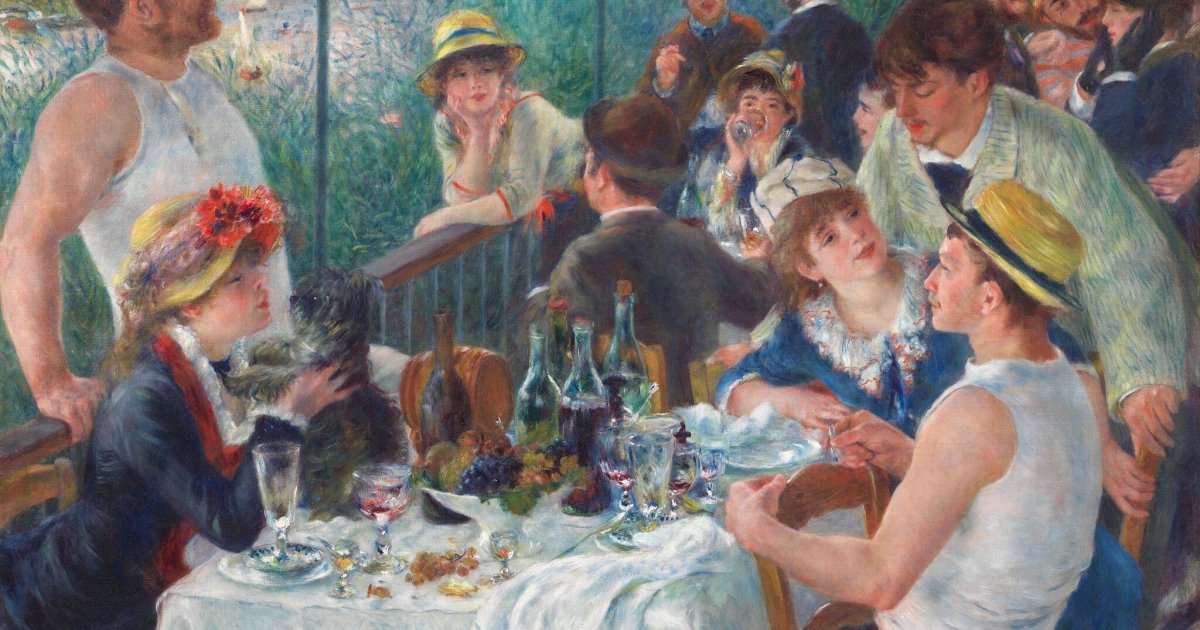
Renoir, Matisse, and the Temptation of Spectacle

Renoir, Matisse, et la tentation du spectacle

The article criticizes two major Parisian exhibitions scheduled for 2026: "Renoir et l'amour. La modernité heureuse (1865-1885)" and "Renoir dessinateur" at the Musée d'Orsay, and "Matisse 1941-1954" at the Galeries nationales du Grand Palais. The author argues that these shows prioritize spectacle and audience appeal over scholarly rigor, using flashy titles and famous names to attract crowds like movie releases.

MC Escher review – hallucinatory insights from the master of the mind-bending staircase

The Guardian reviews a major MC Escher exhibition at Somerset House in London, part of a world tour. The show presents over 100 works, including the iconic 1958 lithograph *Belvedere*, early nature studies, and cultural artifacts like Pink Floyd's *Ummagumma* album sleeve, revealing Escher's precise geometric vision and his journey from a patient observer of nature to a pop-culture phenomenon. The exhibition features videos, installations, and immersive environments to deepen the viewer's experience of his paradoxical spaces.

Winston Churchill: The Painter review – We will daub them on the beaches

The Guardian reviews "Winston Churchill: The Painter," an exhibition of nearly 60 paintings by the former British prime minister, curated by Xavier Bray and Lucy Davis. The show assembles works from across the UK and private collections, depicting scenes from Churchill's travels, stately homes, and leisure moments, painted as an amateur Sunday painter for stress relief rather than artistic acclaim. The review notes Churchill's use of techniques borrowed from Walter Sickert, including projectors and monochrome underlayers, and describes his style as charmingly amateurish with a vivacity in seascapes but weakness in figures and architectural luminosity.

V&A Rising Voices review – can decades of stunning global art really be squished into three rooms?

The V&A Museum in London has mounted an exhibition titled "Rising Voices" that attempts to summarize three decades of the Asia Pacific Triennial, a vast survey of contemporary art from Asia, Australia, and the Pacific organized by Queensland Art Gallery. The show crams works from multiple continents, island nations, and Indigenous cultures into just three rooms, featuring bark cloth paintings from Papua New Guinea, Indigenous Australian abstracts, shark sculptures from the Torres Strait, and Tahitian textiles. Many works address colonialism, political oppression, and tyranny, with artists like Elisabet Kauage, Pala Pothupitiye, and Svay Ken using art as resistance. The exhibition includes pieces by Maryam Ayeen, Abbas Shahsavar, Lila Warrimou, Pennyrose Sosa, Aline Amaru, Brenda V Fajardo, and Heri Dono.

Yu Ji’s Democratic Play

Yu Ji's solo exhibition at PPOW, New York, titled "Origin of the Tiger," presents sculptures and collages created after a residency she organized in Phnom Penh that offered art education to children. The show features works like reed mats with snail shells, a Sony Trinitron looping video, collaged drawings incorporating Cambodian children's art, and composite sculptures such as chairs with concrete knee casts and a figure inspired by a misattributed sixth-century Krishna statue. The exhibition draws on a Khmer folktale about transformation and includes audio of children reciting the story, though the children appear more as muses than collaborators.

Leonora in the Morning Light review – pioneering British artist who fled convention for the surrealists

A new biopic titled *Leonora in the Morning Light* chronicles the life of British surrealist painter Leonora Carrington, who fled her aristocratic upbringing in London to join the surrealist circle in Paris. The film, adapted from Elena Poniatowska's biographical novel, follows Carrington from her affair with the older Max Ernst through her mental health crisis in Spain and eventual settlement in Mexico, where she created art on her own terms. Olivia Vinall portrays Carrington with a fierce, uncompromising spirit, though the film is criticized for uneven storytelling and clunky dialogue.

The World That Held Peter Hujar and Paul Thek

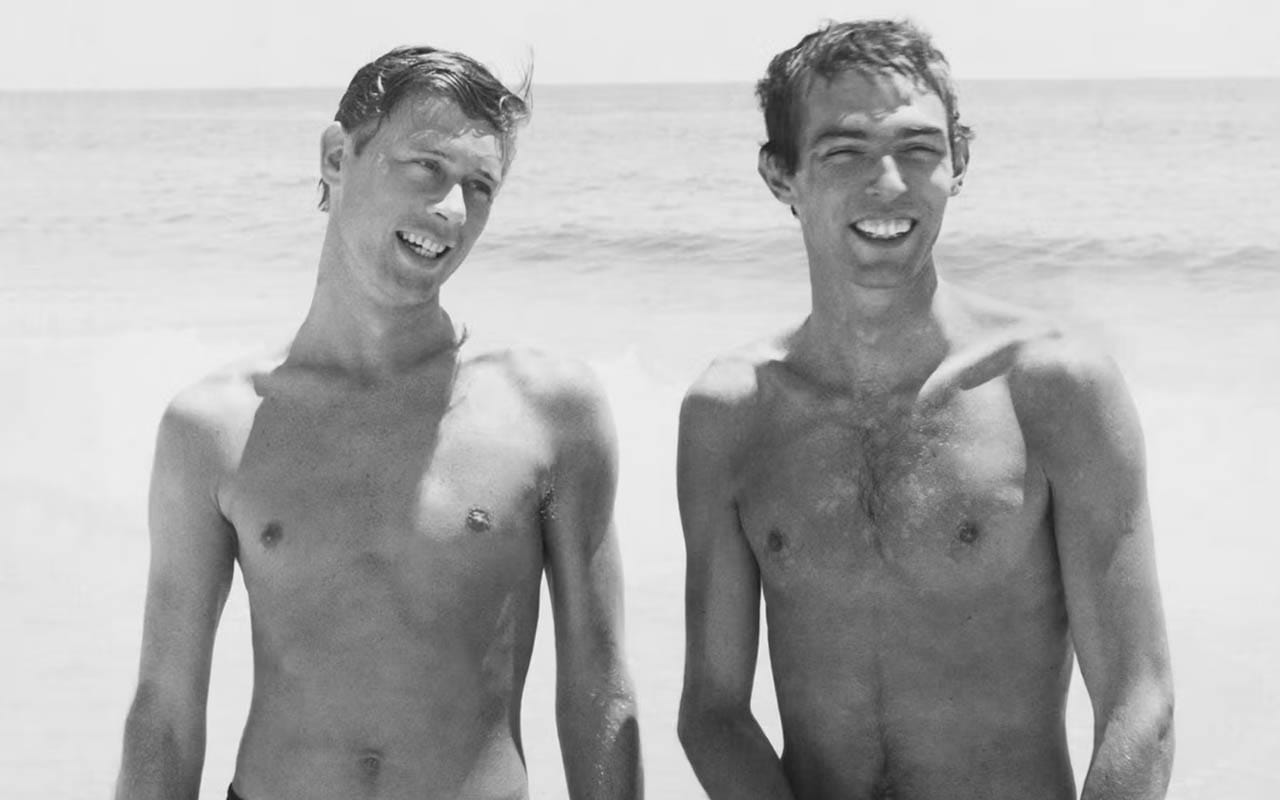
Andrew Durbin's new dual biography, *The Wonderful World That Almost Was: A Life of Peter Hujar and Paul Thek* (2026), explores the intertwined lives of photographer Peter Hujar and visual artist Paul Thek. The book traces their relationship from their first meeting in Florida in their early 20s through their artistic development, shifting from lovers and confidantes to a more complex bond marked by longing and resentment, ending with both dying of AIDS in the late 1980s. The review highlights a renewed interest in the artists, citing recent exhibitions and a film.

A Visit to The Broad’s Engaging New Yoko Ono Exhibtion

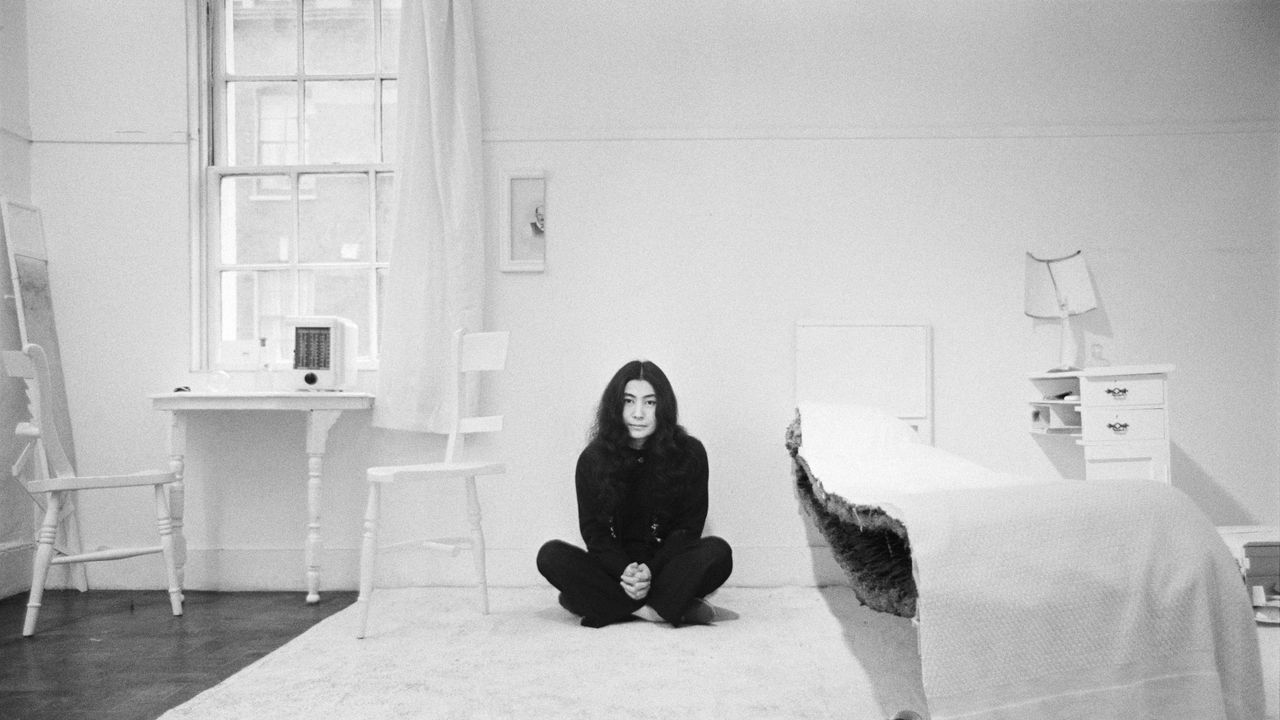
The article reviews "Yoko Ono: Music of the Mind" at The Broad in Los Angeles, the artist's first solo museum exhibition in Southern California, running through October 11. It highlights Ono's 1971 MoMA intervention where she released flies and invited the public to follow them, turning their reactions into the artwork itself. The exhibition surveys Ono's early work across conceptual art, music, film, installation, instruction pieces, and activism, including her childhood experience of imagining meals during wartime as a foundational artistic act.

Zurbarán: a ‘magnificently choreographed’ showing of the Spanish ‘genius’

The article reviews the first-ever British exhibition dedicated to Spanish Baroque painter Francisco de Zurbarán, held at the National Gallery in London. The show brings together 40 works from collections spanning Seville to San Diego, featuring his hyper-real religious paintings and radiant still lifes, described as a 'magnificently choreographed' trawl through his oeuvre. Critics praise the exhibition for its dramatic lighting and revelatory presentation, though some note uneven quality in his later works.

Art Gallery Shows to See in June

Will Heinrich reviews several art gallery shows in Los Angeles for June, including Charles Ray’s strangely lifelike sculptures, James Harrison’s flower-themed works, and a group show. The dispatch highlights the diversity and vitality of the city’s current exhibition scene.

Duchamp after Duchamp. The Venice Biennale curated by Koyo Kouoh is an expanded ready-made

Duchamp dopo Duchamp. La Biennale di Venezia curata da Koyo Kouoh è un ready-made espanso

The article analyzes the 61st Venice Biennale, curated by Koyo Kouoh, and the concurrent exhibition "Helter Skelter" at Fondazione Prada, arguing that Marcel Duchamp's concept of the ready-made has undergone a profound transformation. Rather than applying to industrial objects as in Duchamp's original gesture, the ready-made now operates on subjects, communities, minorities, vernacular traditions, and cultural archives, which are repositioned within the exhibition space to generate meaning. The author sees this shift as a curatorial strategy that extends the reach of the institution, turning any presence—material or immaterial—into an exposable element.

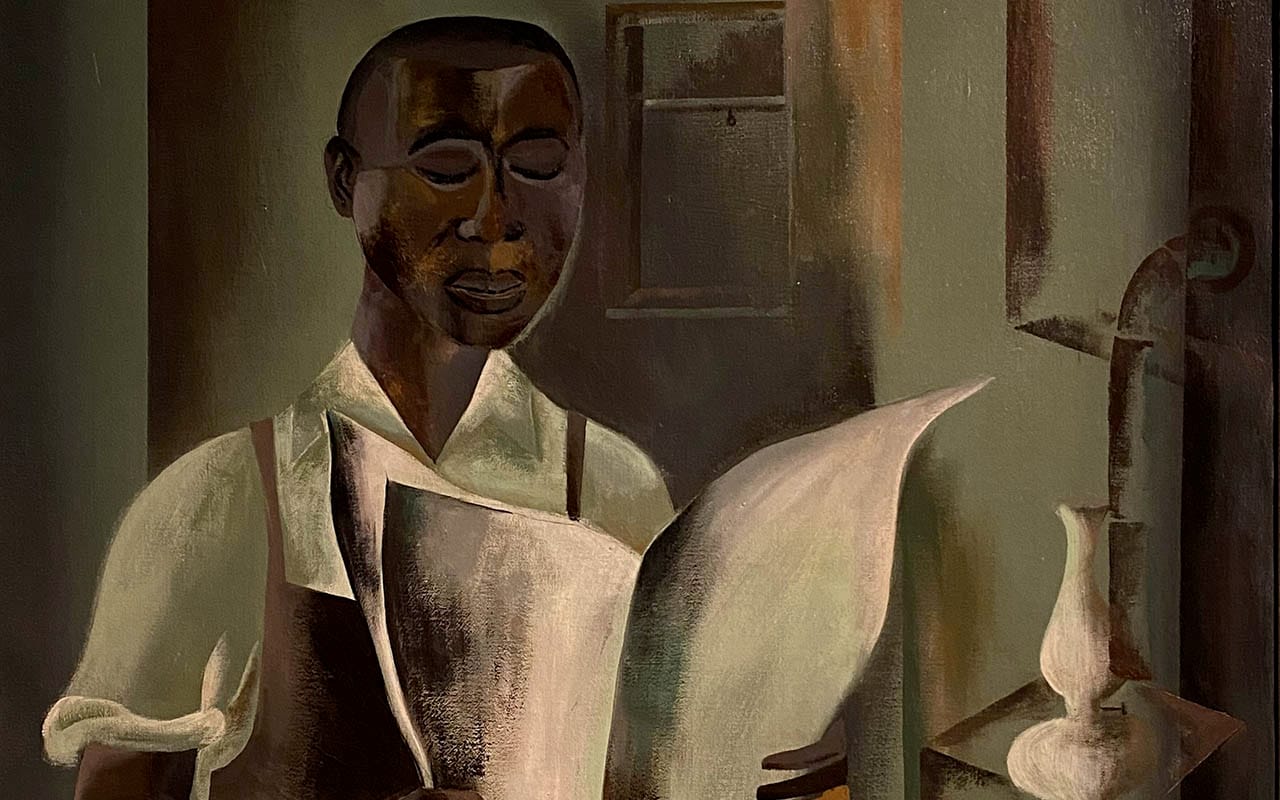
The Black American Artists Who Dazzled Post-War Paris

An exhibition titled "Paris in Black: Internationalism and the Black Renaissance" at the DuSable Black History Museum and Education Center in Chicago celebrates the Black American artists, writers, and performers who moved to Paris after World War II to escape American racism. Curated by Danny Dunson, the show features over 100 artworks from the museum's permanent collection, including paintings by Archibald J. Motley Jr., sculptures by Richmond Barthé, Augusta Savage, and William Artis, and ephemera related to Josephine Baker. It traces the global influence of the Harlem Renaissance and the cross-pollination between Paris and U.S. cities like Chicago.

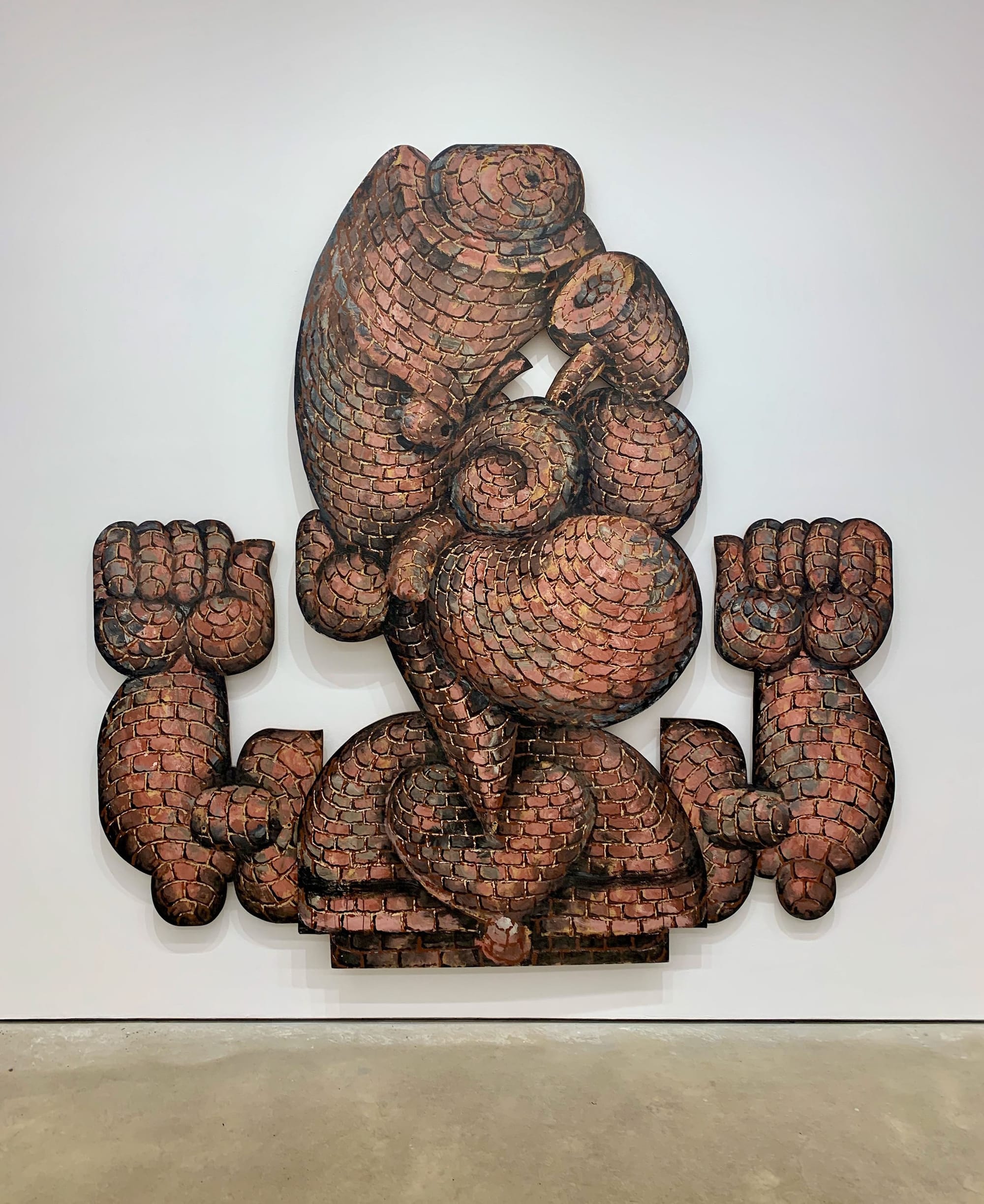
Martin Wong’s Brick Monument to Popeye

Hyperallergic reviews Martin Wong's posthumous exhibition "Popeye" at PPOW gallery, featuring six motorized plywood panels that reimagine the cartoon character Popeye as curving brickwork. The show includes smaller works like "Sacred Shroud of Pepe Turcel" (1989–90) and paintings of vintage cartoon characters Mutt and Jeff, Little Lulu and Tubby, all rendered in Wong's signature brick style. The review highlights Wong's queer, magpie sensibility and his ability to cross boundaries between high and low culture.

Is there really an energy transformation in Marina Abramović's exhibition in Venice?

Nella mostra di Marina Abramović a Venezia c’è davvero una trasformazione di energia?

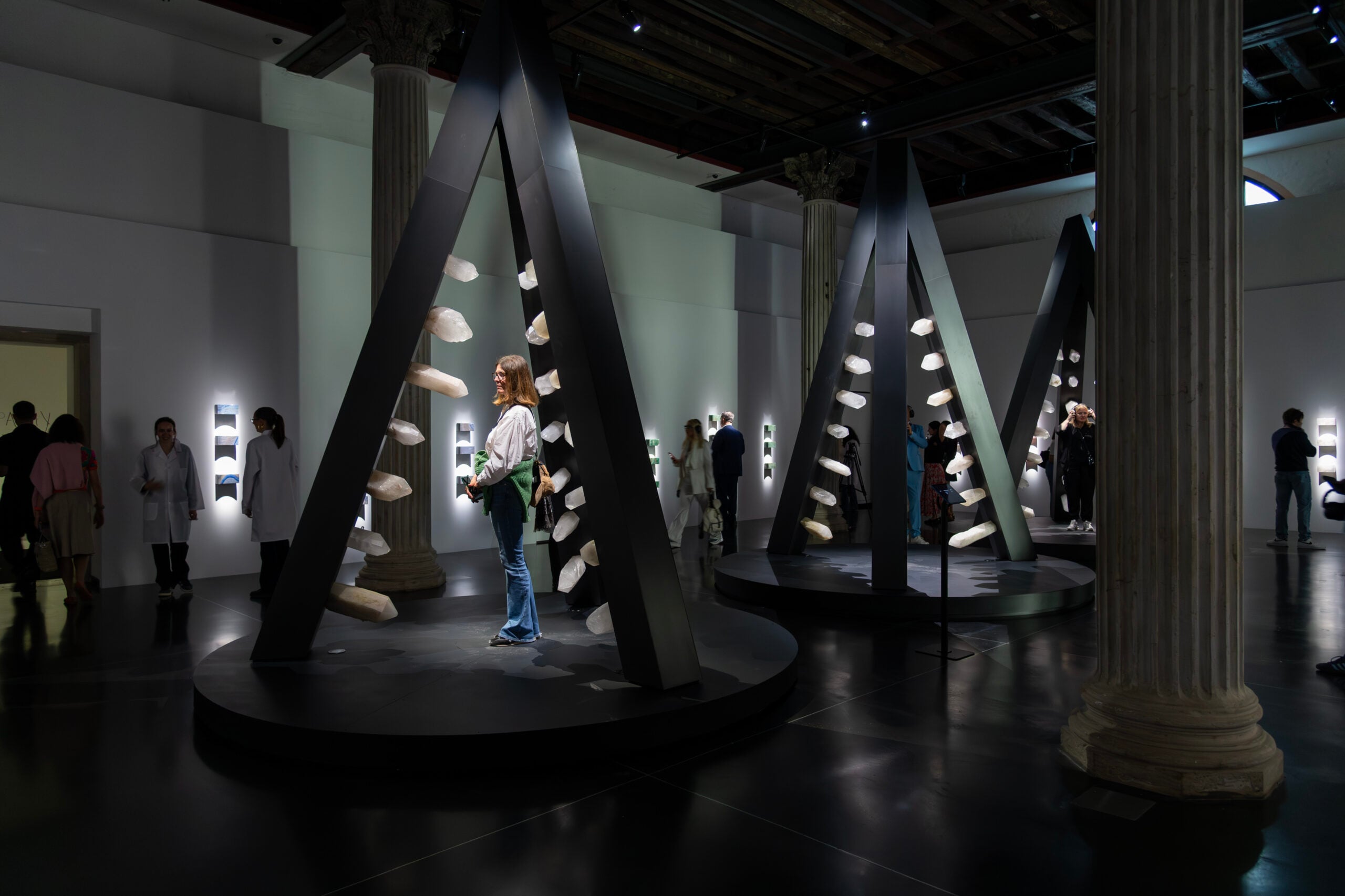
At the Gallerie dell'Accademia in Venice, Marina Abramović's exhibition "Transforming Energy" opens to the public from May 9 to September 30, 2026, as part of the 2026 Venice Biennale. The show is designed as an experiential device that moves beyond traditional exhibition formats, inviting viewers to determine their own presence through a sequence of rooms built around relationships between body, materials, and time. Crystals and locks of hair function not as decoration but as presences to be inhabited, demanding radical attention rather than spectacular participation. During the press conference, Abramović and curator Shai Baitel insisted that the materials, especially the crystals, possess real energy capable of directly affecting the viewer's body and perception, not merely as metaphor but as an active condition.

Antonia Lucy Gehnrich: Das Parfum

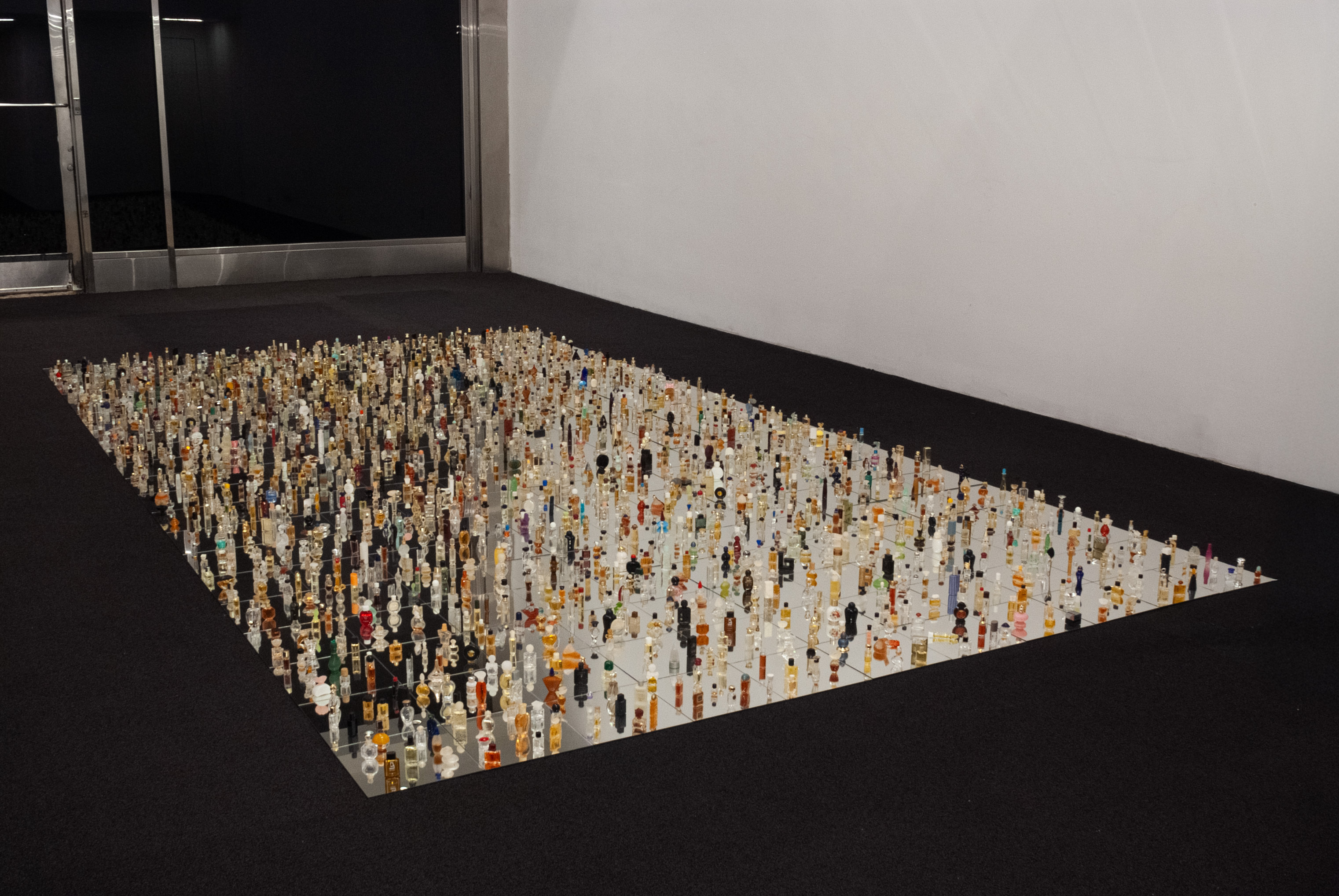
Antonia Lucy Gehnrich's solo exhibition "Das Parfum" at Alex Berns gallery in New York features a single large-scale installation, *Variable Floor Sculpture (Das Parfum)* (2026), comprising 231 glass mirrors arranged in a rectangle on a black carpet, topped with 2,000 vintage perfume bottles. The work, on view from May 15 to June 13, 2026, creates a dazzling, reflective field that challenges visual perception. Critic Bryan Martin praises the piece as one of the strongest gallery shows by a living artist this spring, but finds its conceptual framework lacking, arguing that comparisons to Robert Smithson and Rob Pruitt are inapt and that the work's meaning remains superficial despite its formal allure.

Celia Paul’s Paintings Speak to Loss, Solitude, and Identity

Celia Paul's paintings are the subject of a critical essay that describes her work as possessing a mystical, otherworldly quality. The article characterizes her figures as more akin to music than flesh, and notes the difficulty of comparing her to other artists, instead drawing parallels to the writing of Vikram Seth and Emily Dickinson. The essay coincides with an exhibition of her work at Gladstone Gallery, running from April 28 to June 13, 2026.

How Former Fashion Designer Emma Safir Turns Fabric into Beguiling Paintings

Emma Safir, a former fashion designer and printmaker, creates beguiling paintings and tapestries that blend textiles, digital printing, and traditional embroidery techniques. Her works, such as "APRICOT SILK" (2025) and "BABY DARLING" (2025), use smocking, glass beads, and shells to produce organic, jewel-toned surfaces that resist easy reflection or entry, challenging viewers to engage with layered material hierarchies.

Georg Baselitz review – a final, furious, chaotic reckoning with death

The article reviews Georg Baselitz's final body of work, created shortly before his death at age 88. Painted from a wheeled office chair due to physical frailty, the works depict falling bodies, upside-down nudes, and frantic insectile forms, grappling with mortality. The exhibition includes golden canvases that canonize Baselitz and his wife Elke, alongside recurring eagle motifs from his youth in postwar Germany.

Lionel Wendt: The Politics of the Male Nude

ArtReview publishes an essay by Qingyuan Deng analyzing the first US solo exhibition of Lionel Wendt's photographs at American Art Catalogues in Manhattan's West Village. The show presents Wendt's haunting gelatin silver prints of male nudes, still lifes, and solarized images, positioning him as a canonical figure of South Asian modernism. Deng argues that while the exhibition correctly identifies homoerotic desire in Wendt's work, it over-relies on queer theory's framework of opacity and fails to fully address the political radicality of Wendt's practice under British colonial rule in Ceylon, where homosexuality was criminalized under the 1883 Penal Code.

The architecture of absence

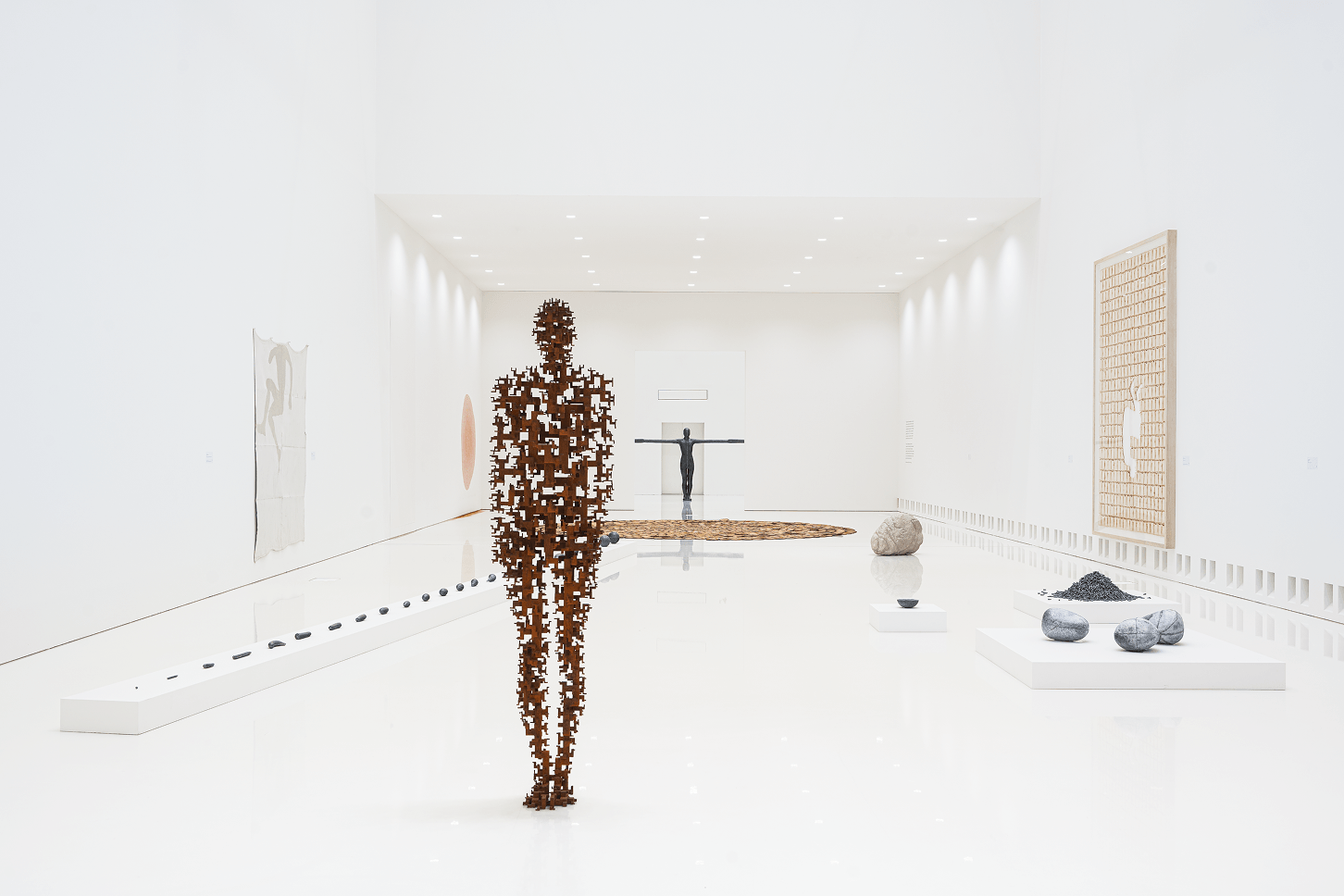
The article reviews "Geestgrond," a major retrospective of British sculptor Antony Gormley at the Royal Museum of Fine Arts Antwerp (KMSKA). Curated by Carolyn Christov-Bakargiev, the exhibition moves beyond a traditional chronological survey, instead presenting Gormley's four-decade career as a field of interconnected ideas, philosophical thought, and material conditions. It features works like "Orbit Field III" (2026), "Attend" (2025), and earlier pieces such as "Blanket Drawing I" (1983) and "Flat Tree" (1978), with the gallery layout reconfigured around the human body.

WeWork (oralmoral)

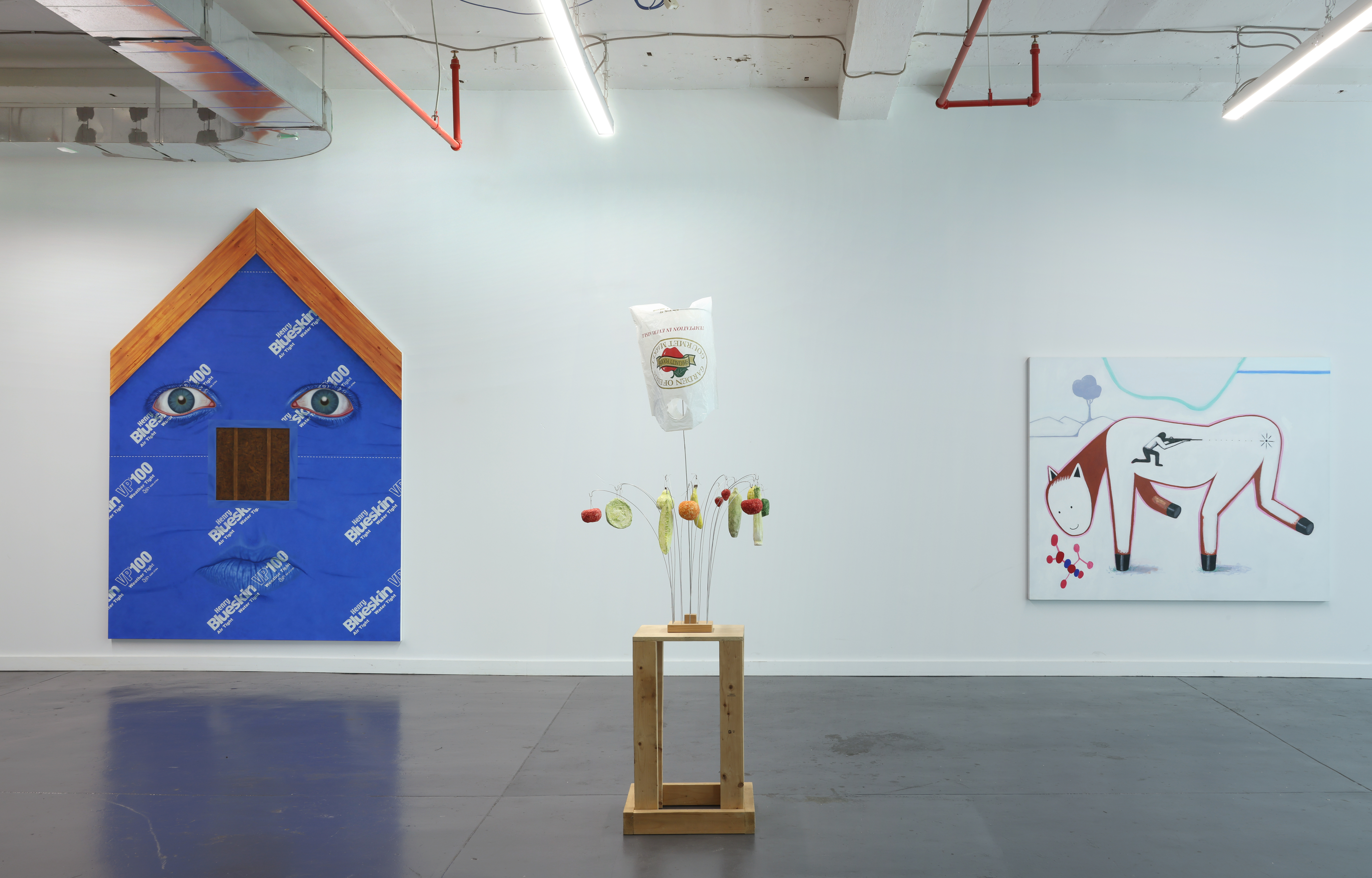
The article reviews "WeWork (oralmoral)," a temporary exhibition at The Gallery in Crown Heights, Brooklyn, curated by artist-turned-curator Florian Meisenberg. The show transforms a former office space into a free-form, non-hierarchical environment where works by over a dozen artists are placed unpredictably—in trash bins, closets, ventilation shafts, and on whiteboards left by the previous tenant. Artists span three generations, from Post-Minimal figures like B. Wurtz and David Humphrey to younger digital-savvy artists such as Lucas Blalock and Anna K.E., whose sound piece "Tamada" greets visitors. The exhibition runs from April 10 to May 18, 2026.

SPECTERS AT PLAY Tim Griffin on “What a Wonderful World: An Audiovisual Poem,” Julia Stoschek Foundation at the Variety Arts Theater, Los Angeles

Curated by Udo Kittelmann, the Julia Stoschek Foundation’s exhibition “What a Wonderful World: An Audiovisual Poem” transforms the dilapidated Variety Arts Theater in Downtown Los Angeles into a hauntological site of media exploration. By placing contemporary video works from the Stoschek Collection alongside historical silent films within a 1920s Renaissance-style building, the exhibition leverages the site’s architectural decay to evoke a sense of absence and spectral presence. The venue, which once hosted figures ranging from Charlie Chaplin to Hüsker Dü, serves as a poignant backdrop that blurs the lines between the past and the contemporary moment.

The Looter Who Built Your Favorite Museum

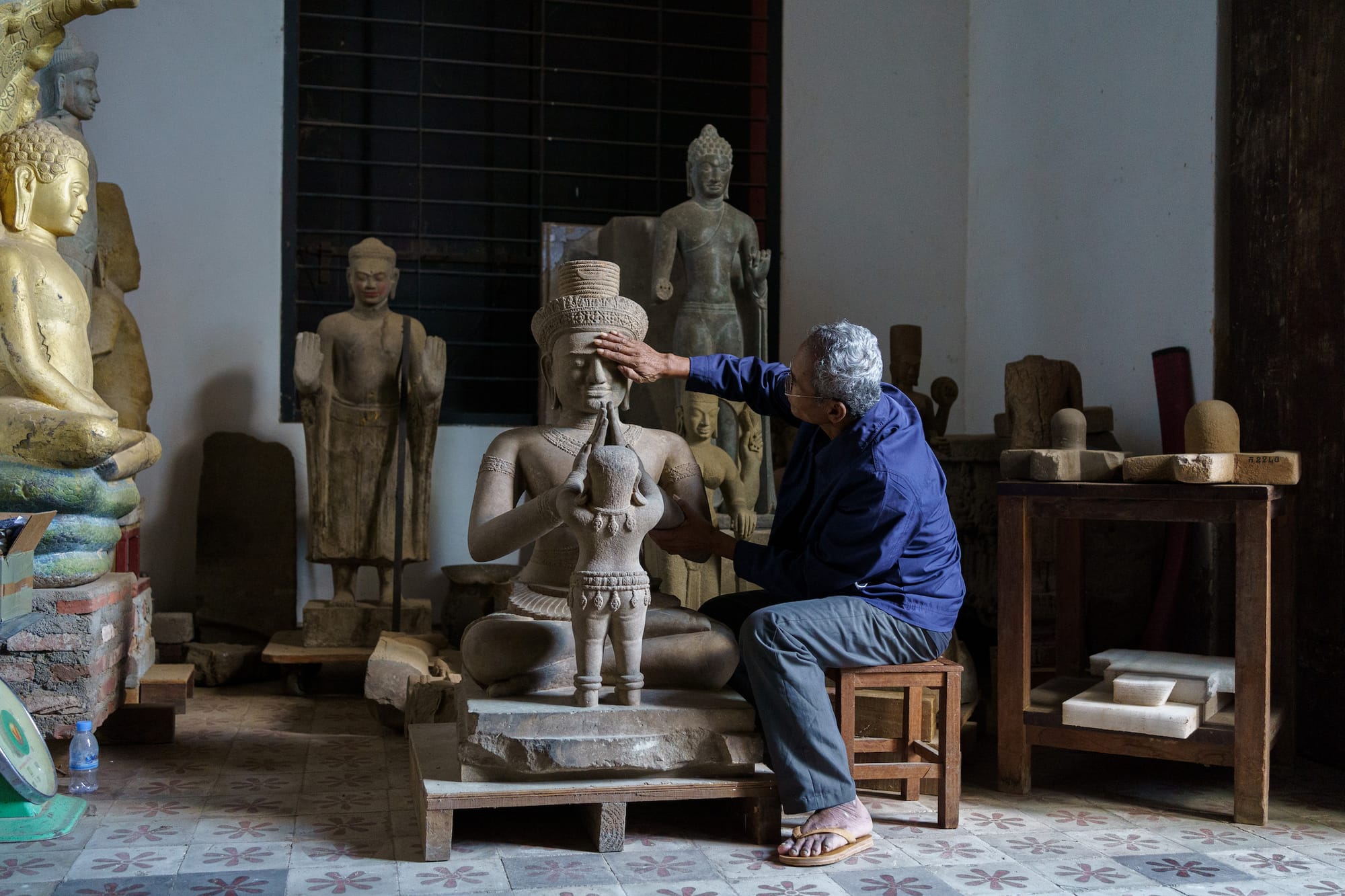
Matthew Campbell's book *The Man Who Stole the Gods* (2026) examines the network of British dealer Douglas Latchford, who trafficked looted Cambodian antiquities on a massive scale before his death in 2020. The book details how Latchford, with the code name "Lion" from a Cambodian looter named Toek Tik, decapitated and dismembered Khmer statues, stripping them from their sanctuaries and funneling them into Western institutions like the Metropolitan Museum of Art. Campbell portrays Latchford as a charismatic product of a global appetite for beautiful things, embedded within elite institutional structures that enabled the movement of looted cultural objects into the legitimate art market, aided by relationships with collectors, dealers, curators, and academics.

The In-Between Worlds of Larissa Borteh

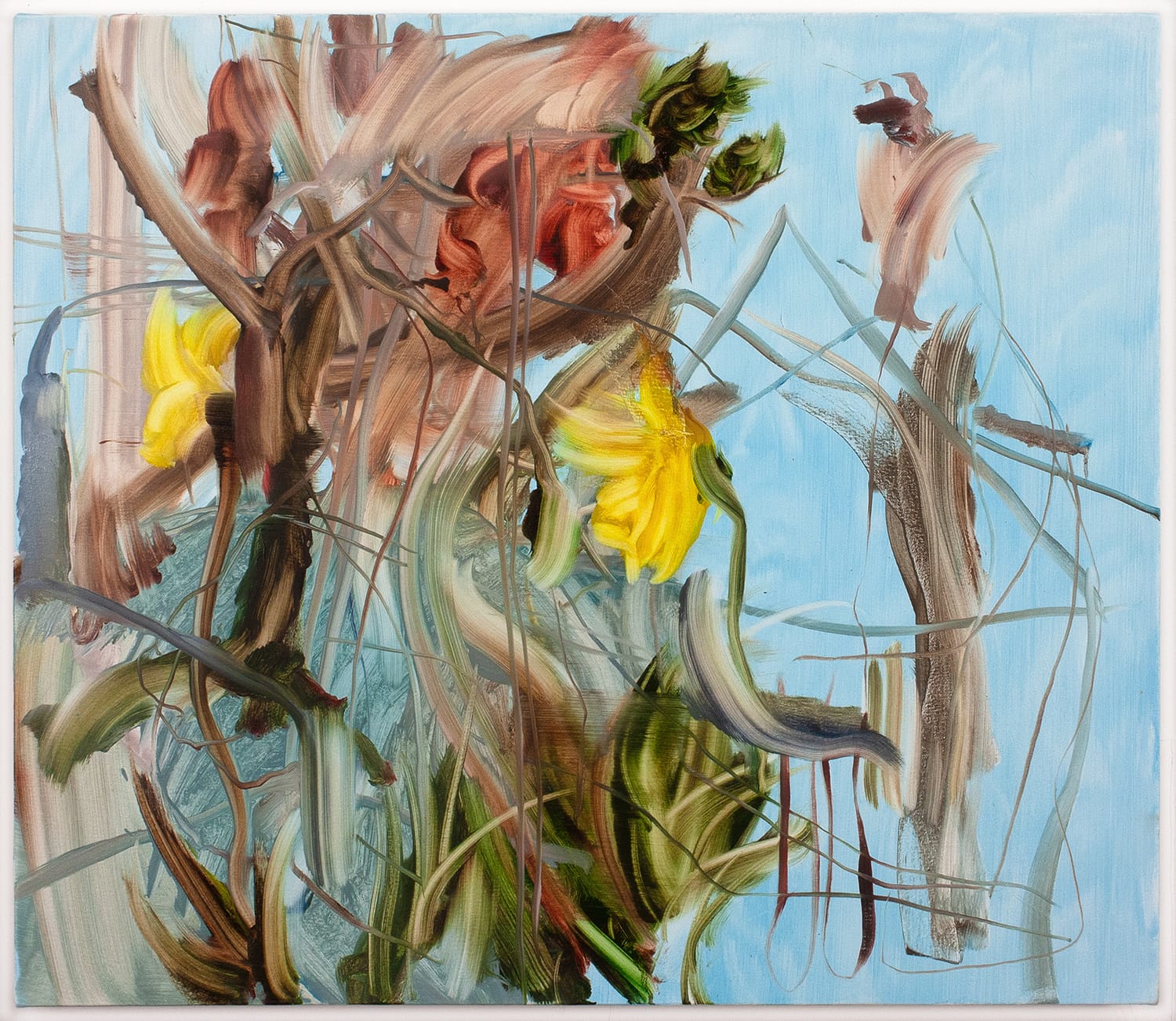
Hyperallergic reviews Larissa Borteh's solo exhibition "In the Wind" at Devening Projects in Chicago, featuring a dozen oil paintings that blur the line between still life and ethereal abstraction. The works, including "Glass House" (2025) and "Tending and Receiving" (2026), use thinned, viscous oil paint to create tactile surfaces that evoke plants in decay, ghosts, deities, or dreamlike visions. The review highlights Borteh's distinctive merging of image and elongated mark, reminiscent of fingerpainting, and her exploration of the spectrum between legibility and opacity.

Review of the Italian Pavilion by Chiara Camoni and its relationship with the Biennale

La recensione del Padiglione Italia di Chiara Camoni e la sua relazione con la Biennale

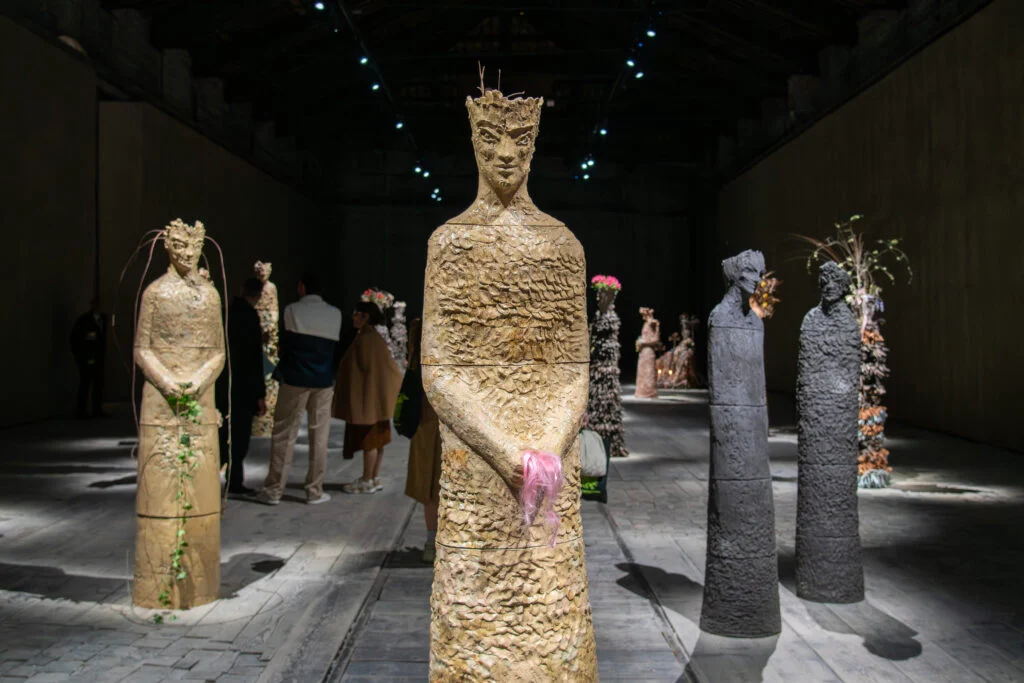
Chiara Camoni's Italian Pavilion at the 2026 Venice Biennale, titled "Con te con tutto," is reviewed in relation to Koyo Kouoh's central exhibition "In Minor Keys." Camoni's installation features a crowd of female figures sculpted in clay and natural materials, described as "donne tronco" (trunk women), which evoke growth, transformation, and the intuitive, manual gestures that Kouoh champions. The review highlights how Camoni's work dialogues with Kouoh's curatorial emphasis on drawing, painting, and craft as intuitive practices, moving away from conceptual art. It also notes a performance by Magdalena Campos Pons at the Tese theatre, which includes a portrait of Toni Morrison and Kouoh, accompanied by music by Kamal Malak.