search
dashboard All 1159 museum exhibitions 588article local 180article culture 102article news 84candle obituary 58trending_up market 53person people 37article policy 26rate_review review 25gavel restitution 4article school 2
date_range Range Today This Week This Month All
Subscribe

What Did Critics Think of a Young David Hockney?

In 1970, Pat Gilmour reviewed the first major retrospective of a 32-year-old David Hockney at the Whitechapel Gallery in London. The exhibition assembled over 40 paintings, as many drawings, and his entire print output, showcasing Hockney's autobiographical themes, playful use of graphic devices, and evolving techniques from faux-naïf scribbles to sophisticated explorations of pictorial depth, water, and the male nude. Gilmour highlighted works like 'Picture emphasising still-ness' and 'Play within a Play', noting Hockney's witty commentary on pictorial conventions and his frank treatment of homosexuality.
Danielle Mckinney's Portraits of Black Women at Rest

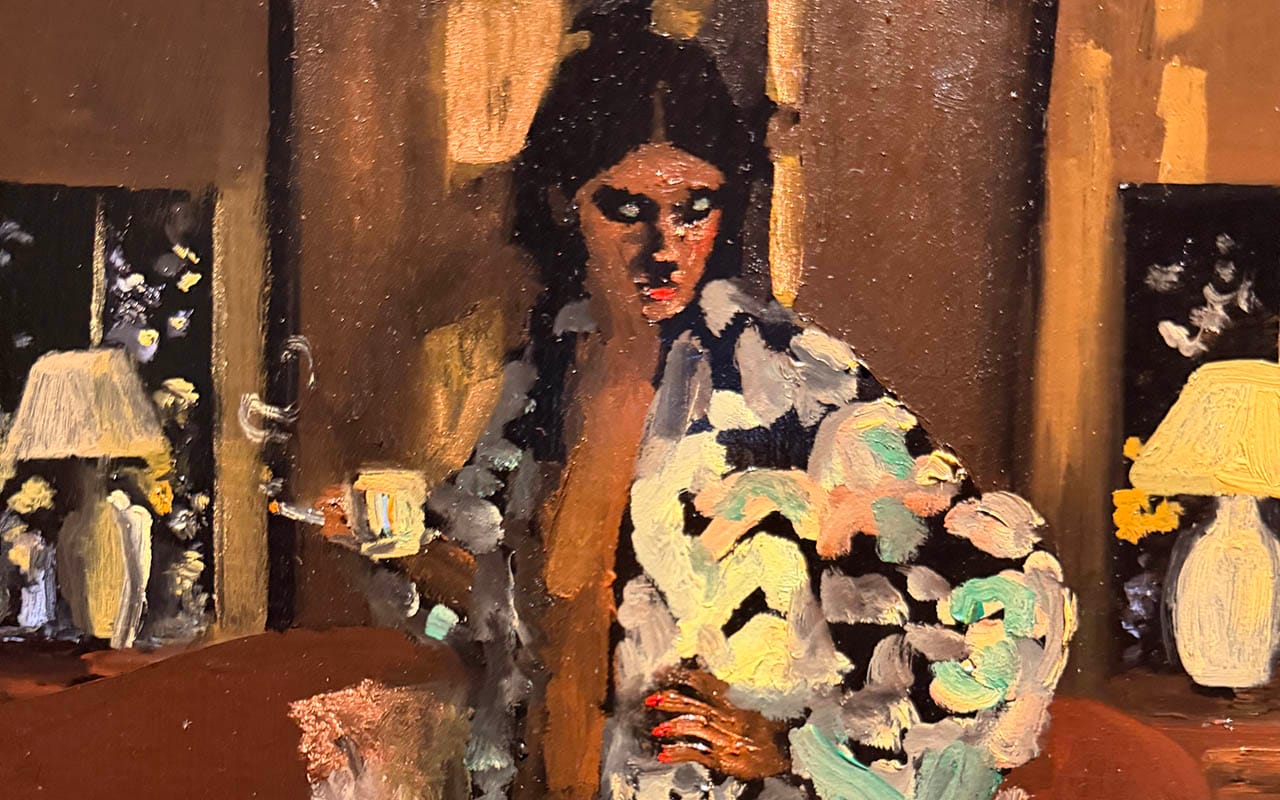
Danielle Mckinney's exhibition "Forest for the Trees" at Marianne Boesky Gallery in Chelsea presents portraits of solitary Black women in states of leisure and repose, rendered in both watercolor and oil. The works feature recurring motifs like red nails, metallic eye accents, and cigarette smoke, creating intimate scenes of private domestic space. The exhibition coincides with a survey of Mckinney's work at the Norton Museum of Art, running through October 4.

The World That Held Peter Hujar and Paul Thek

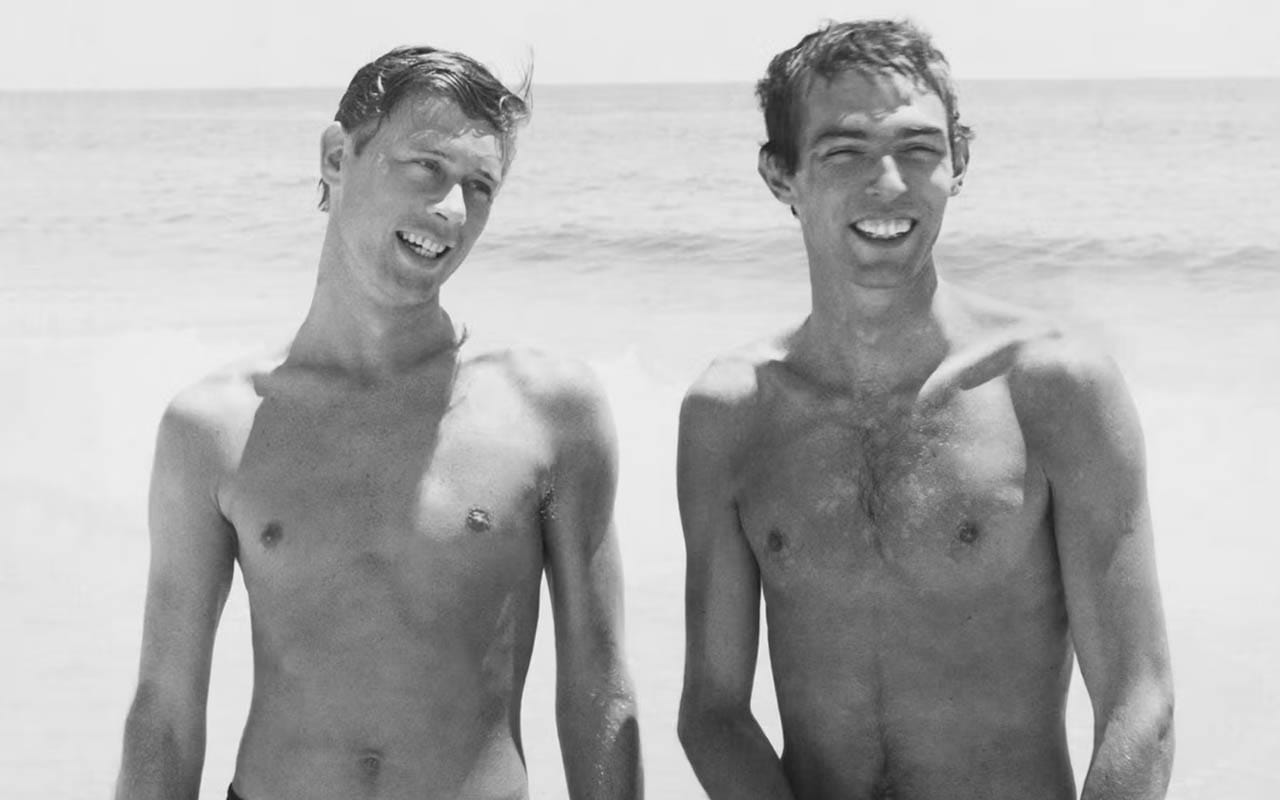
Andrew Durbin's new dual biography, *The Wonderful World That Almost Was: A Life of Peter Hujar and Paul Thek* (2026), explores the intertwined lives of photographer Peter Hujar and visual artist Paul Thek. The book traces their relationship from their first meeting in Florida in their early 20s through their artistic development, shifting from lovers and confidantes to a more complex bond marked by longing and resentment, ending with both dying of AIDS in the late 1980s. The review highlights a renewed interest in the artists, citing recent exhibitions and a film.

Sanford Wurmfeld’s Unstable Geometry

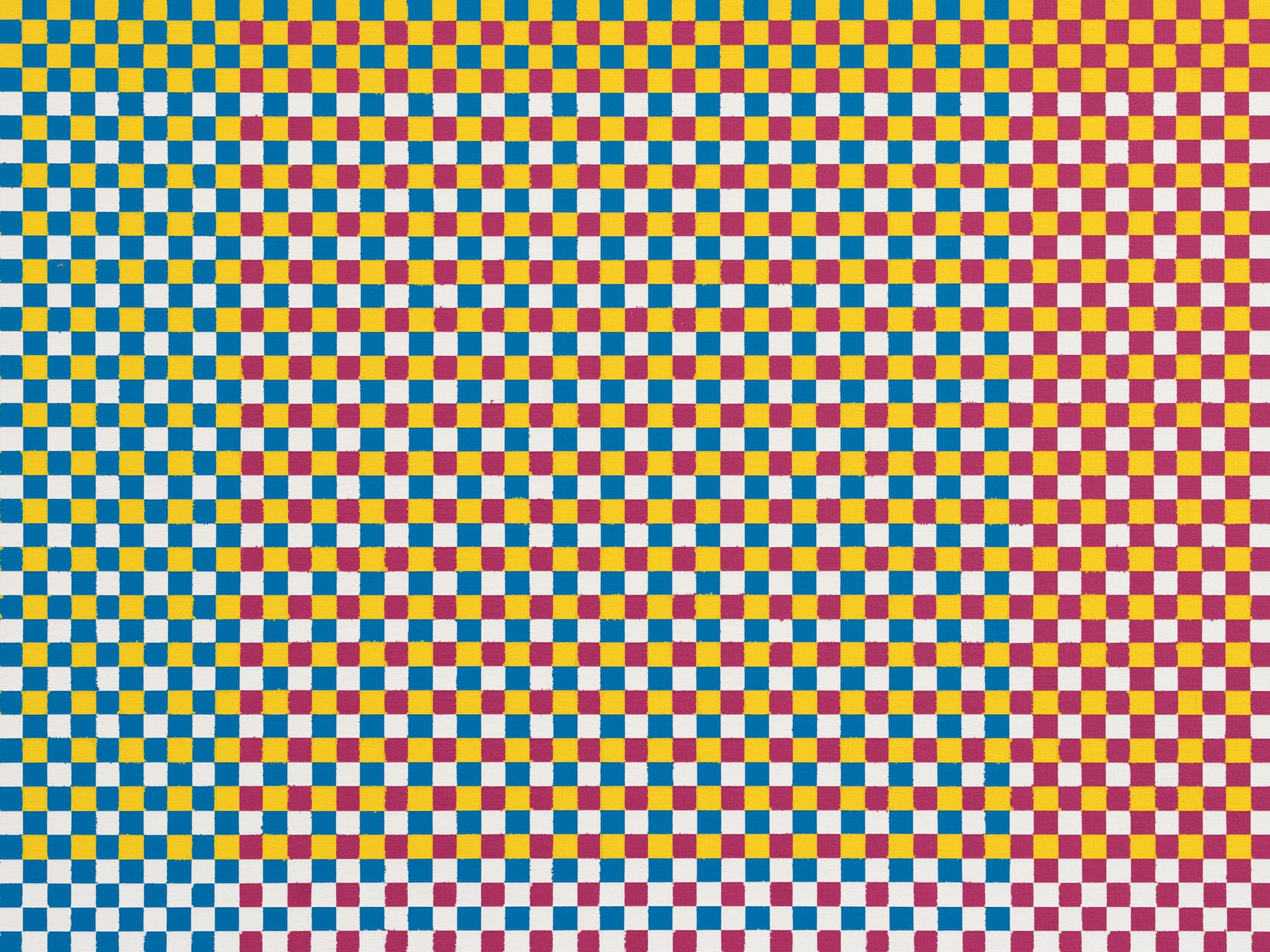
Hyperallergic reviews Sanford Wurmfeld's exhibition "Squares 1971–74" at Ceysson & Bénétière in New York, featuring six paintings and one study from 1971 to 1974. The show highlights Wurmfeld's methodical exploration of color through gridded compositions of one-inch squares, using a limited palette of four hues to create optical interactions that shift as the viewer looks. Wurmfeld, who was the youngest artist in MoMA's 1968 "Art of the Real" exhibition, has long operated under the radar of the New York art world.

Cats, flowers and Harry Hill’s car on fire – RA Summer Exhibition review

The 2024 Royal Academy Summer Exhibition, coordinated by conceptual artist Ryan Gander, is reviewed as being less awful than usual. Gander introduces strangeness to the historic open-submission show, including a video of Bowie karaoke and a disembodied corpse in a living-room installation. The exhibition features thousands of works, from amateur flower drawings to pieces by Tracey Emin, Antony Gormley, and Sean Scully, alongside standout contributions from Harry Hill (paintings of cars on fire), Harriet Porter, and Glen Pudvine. The review notes the show's overwhelming density and its function as a buying opportunity for the public.

In the Galleries

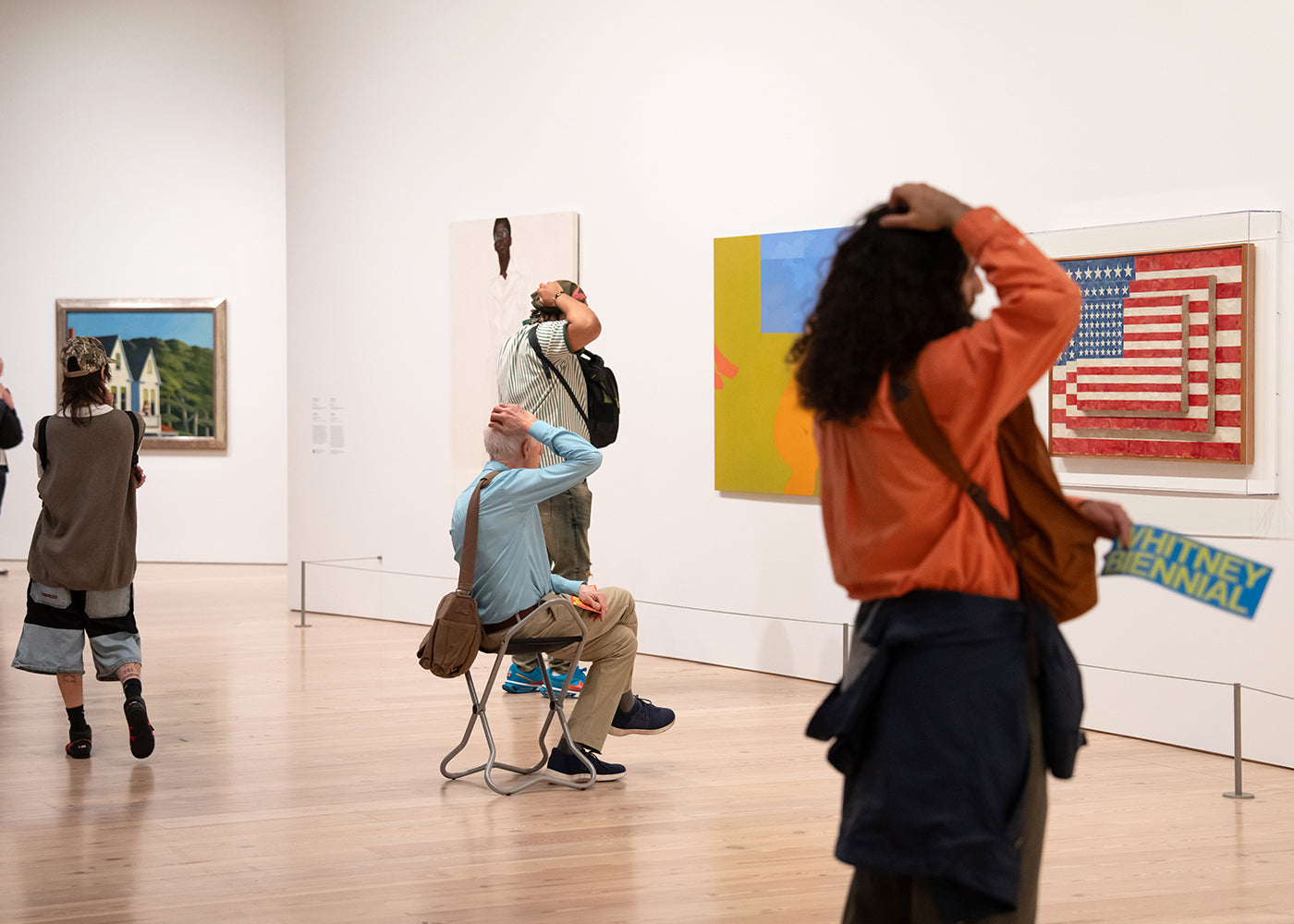
Maia Chao's performance "Being Moved" took place on the 7th floor of the Whitney Museum of American Art as part of the Whitney Biennial. Audience members rode a crowded, noisy elevator to the gallery, where performers mimicked distracted museum visitors—sneezing, chatting, taking photos, and ignoring the art. Choreography by Lena Engelstein featured gestures like scratching, tying shoes, and picking wedgies, with standout physical comedy by dancer James Barrett. Chao also installed text scores on the Biennial floor, inviting viewers to interact with the museum space.

A Better World at the Obama Center

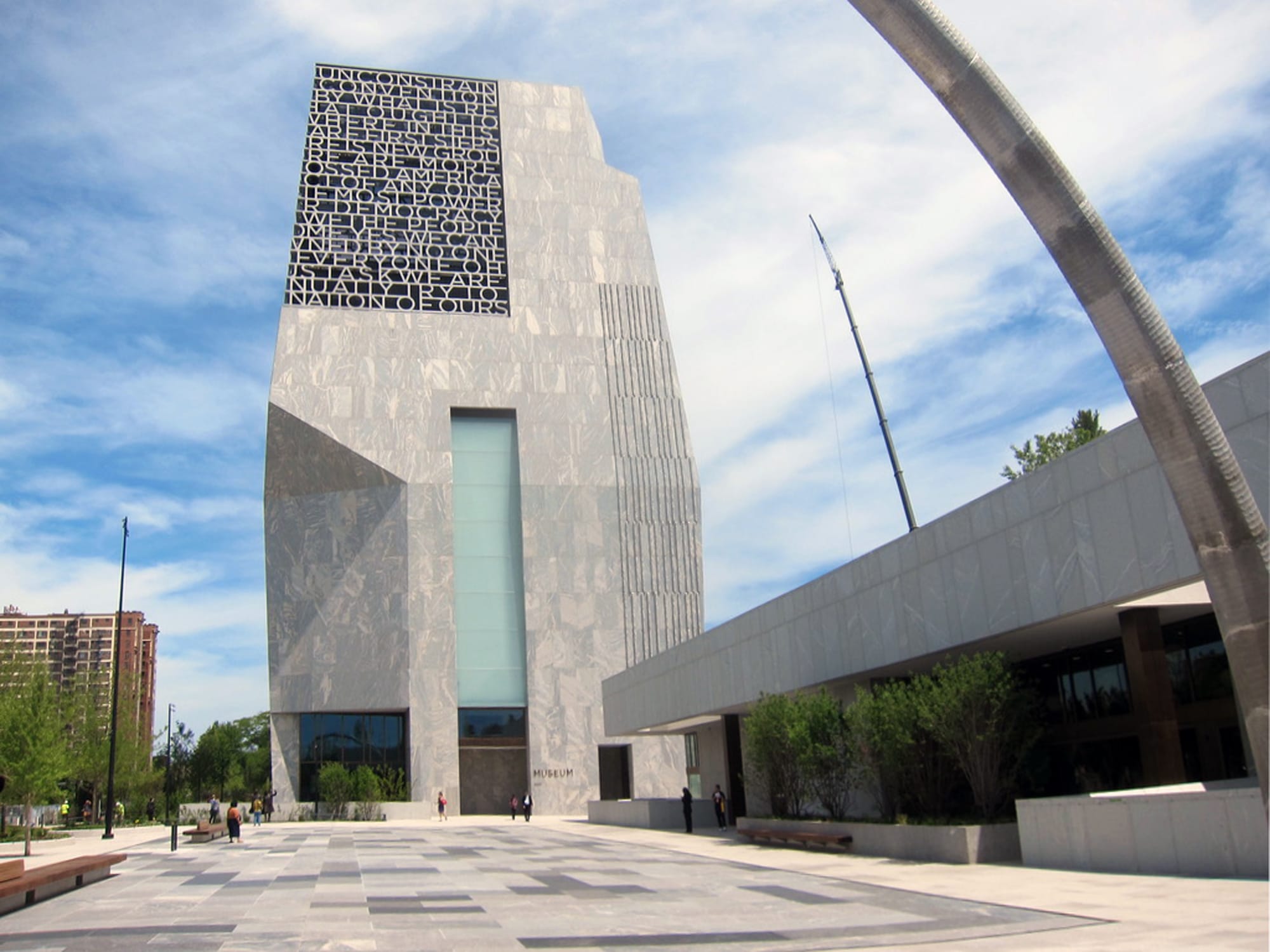
The Obama Presidential Center (OPC) in Chicago, designed by architects Billie Tsien and Todd Williams with landscape architect Michael van Valkenburgh, opened as a 19.3-acre campus featuring a granite museum tower, free public amenities like gardens, a playground, a basketball court, a library branch, and the Forum. The center includes 28 new large-scale artworks by 30 artists, curated by Virginia Shore, with highlights such as Julie Mehretu's 83-foot-tall painted glass window. The review notes the contrast between the center's hopeful civic ideals and the controversial aspects of Barack Obama's presidency, including drone warfare and deportation policies.

Hepworth in Colour review – salty Cornish seascapes compressed into immaculate sculptures

The Guardian reviews "Hepworth in Colour" at the Courtauld Gallery, a focused exhibition examining Barbara Hepworth's use of color in her sculpture. The show presents her blue-and-white works inspired by the Cornish seascapes of St Ives, including carved and painted pieces like Pelagos (1946) and Sculpture With Colour (Eos) (1946), alongside her preparatory drawings. The review praises the sculptures' evocation of waves and wind but criticizes the exhibition's reductive argument that Hepworth simply used color, noting some works feel included as mere evidence rather than celebrated fully.

Project a Black Planet review: spits out dreary academic theory where it should sing

The Guardian reviews the Barbican's exhibition "Project a Black Planet," which explores Panafricanism and Négritude in art and culture. The show features works by artists including Lynette Yiadom-Boakye, El Anatsui, Abdias Nascimento, and Marlene Dumas, with Yiadom-Boakye's new paintings of fictional figures and ancestral elders singled out as a highlight. The exhibition is organized around theoretical concepts from figures like Aimé Césaire and Stuart Hall, aiming to conjure a utopian "Panafrica."

Julio Le Parc review – as if Bridget Riley had opened a riotous funfair

Julio Le Parc's retrospective at Tate Modern immerses visitors in the playful, politically charged atmosphere of 1960s Paris. The exhibition features interactive works from Le Parc and his collective GRAV (Groupe de Recherche d'Art Visuel), including spinning discs, mirrored screens, and button-activated kinetic sculptures that invite physical engagement. Le Parc, who died in May 2025 at age 97, sought to subvert the silence and deadness of traditional museums by filling them with noise, action, and democratic play.

My Queasy, Forest-Scented Stroll Through LA’s New AI Art Museum

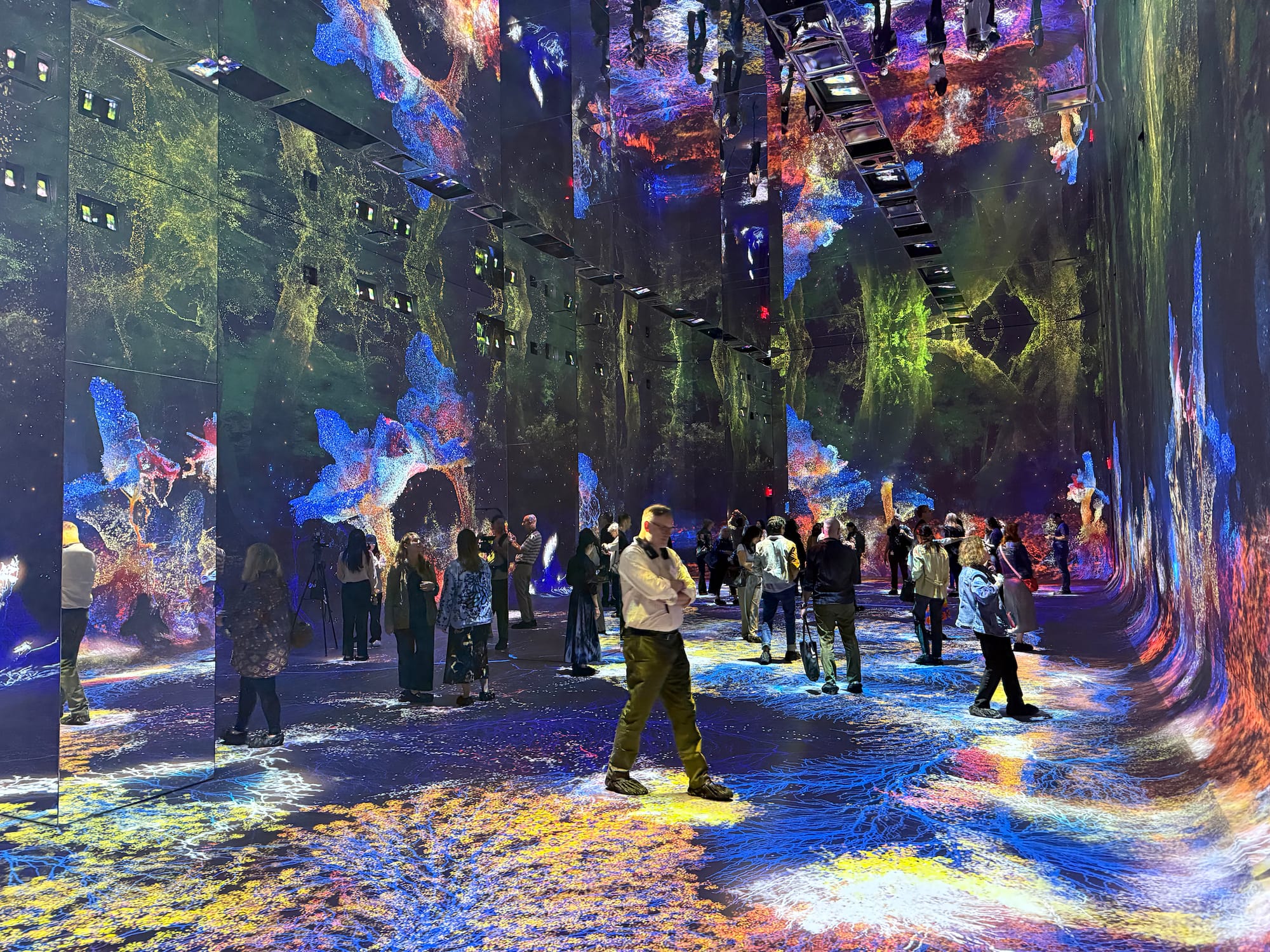
Hyperallergic critic Matt Stromberg reviews Dataland, a new AI art museum in Los Angeles co-founded by media artist Refik Anadol and Efsun Erkılıç, opening to the public on June 20. The inaugural exhibition, "Machine Dreams: Rainforest," is an immersive audio-visual-olfactory experience synthesizing 1.2 billion data points about the natural world, using a "Large Nature Model" trained on datasets from partners including the Smithsonian Institution and the Cornell Lab of Ornithology. Visitors wear a scent-dispensing device and receive a Data.Token wristband as they navigate a 25,000-square-foot space in the Frank Gehry-designed Grand LA tower, with ticket prices ranging from $49 to $129.

Notes from New York: The Art of War

The article describes two recent exhibitions in New York that confront war and conflict. The first, 'Distortion / Memory / Resilience,' is a pop-up show by artist Giles Duley in an Upper East Side penthouse, featuring installations that evoke the experiences of war victims, including Ukrainian children's drawings, portraits of former child soldiers, and a darkened room simulating a bombardment. The second, 'Office of War Information (O.W.I.)' at Pioneer Works, is presented by the Khajistan archive and recreates a US wartime propaganda office, displaying copies of leaflets dropped into Afghanistan, Iraq, and Libya.

For Painting’s Great Skeptic, Gerhard Richter, History Is a Blur

New York Times art critic Jason Farago examines Gerhard Richter's approach to landscape painting, arguing that the German artist, long regarded as a skeptic of painting's relevance, has developed a distinctive method that embraces blur and historical ambiguity. The article traces Richter's career from his early photorealist works through his abstract cycles, focusing on how his blurred landscapes—such as the "Seascape" series—engage with the legacy of Romanticism while acknowledging the impossibility of unmediated vision after photography and historical trauma.

‘Correctomundo: Selected Writings 2001–2026’ by Bruce Hainley, Reviewed

ArtReview publishes a review of Bruce Hainley's new essay collection 'Correctomundo: Selected Writings 2001–2026', a suite of 15 scattered essays spanning the last quarter-century. The book, published by a German gallery, showcases Hainley's aslant, rangy take on art criticism, with pieces ranging from a meditation on Rainer Werner Fassbinder's film to an epistle to sculptor Vincent Fecteau and a polemical essay on Andy Warhol's Oxidation paintings. Hainley, known for his big-brained, stylish and principled approach, has largely withdrawn from art writing in recent years, finding less art to like and the artworld increasingly dismal.

One Fine Show: “Zurbarán” at the National Gallery in London

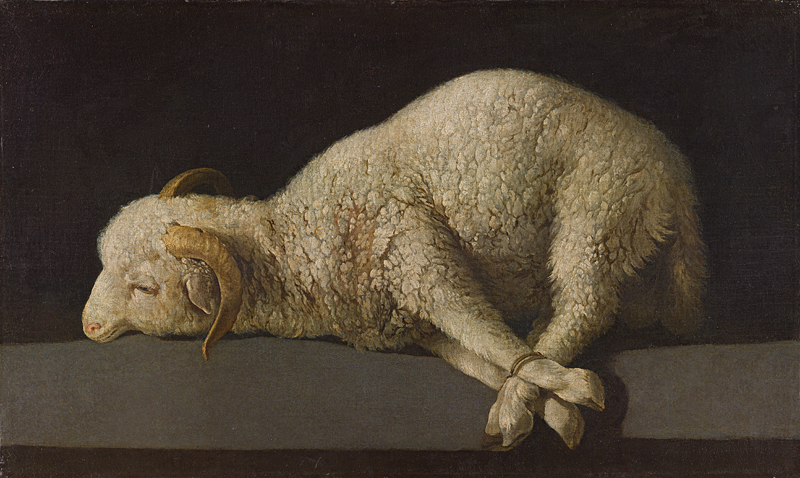
The National Gallery in London has opened "Zurbarán," the first major UK exhibition dedicated to the Spanish Baroque painter Francisco de Zurbarán (1598-1664). Featuring over 40 paintings drawn from the Prado, the Louvre, the Art Institute of Chicago, the Thyssen-Bornemisza, the Cleveland Museum, the Norton Simon, and the Gallery's own collection, the show spans Zurbarán's career from Seville to his brief stint painting for Philip IV in Madrid. Highlights include the unusual mythological work *Hercules and Cerberus* (1634), the fashion-forward *Saint Casilda* (c. 1635), and the meditative *Agnus Dei* (c. 1635-1640), which the review praises for its blend of beauty and visceral realism.

Duchamp after Duchamp. The Venice Biennale curated by Koyo Kouoh is an expanded ready-made

Duchamp dopo Duchamp. La Biennale di Venezia curata da Koyo Kouoh è un ready-made espanso

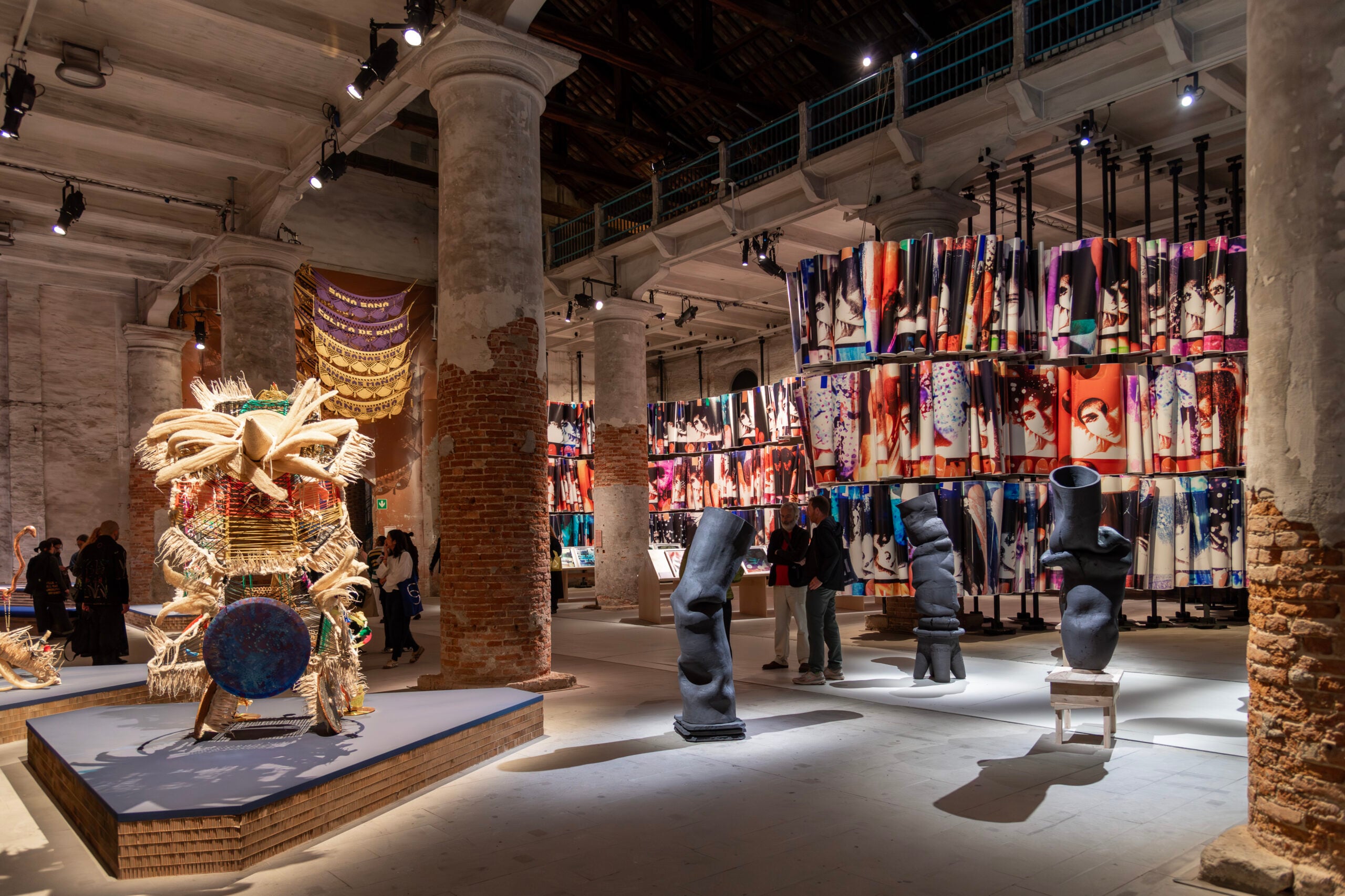
The article analyzes the 61st Venice Biennale, curated by Koyo Kouoh, and the concurrent exhibition "Helter Skelter" at Fondazione Prada, arguing that Marcel Duchamp's concept of the ready-made has undergone a profound transformation. Rather than applying to industrial objects as in Duchamp's original gesture, the ready-made now operates on subjects, communities, minorities, vernacular traditions, and cultural archives, which are repositioned within the exhibition space to generate meaning. The author sees this shift as a curatorial strategy that extends the reach of the institution, turning any presence—material or immaterial—into an exposable element.

Antonia Lucy Gehnrich: Das Parfum

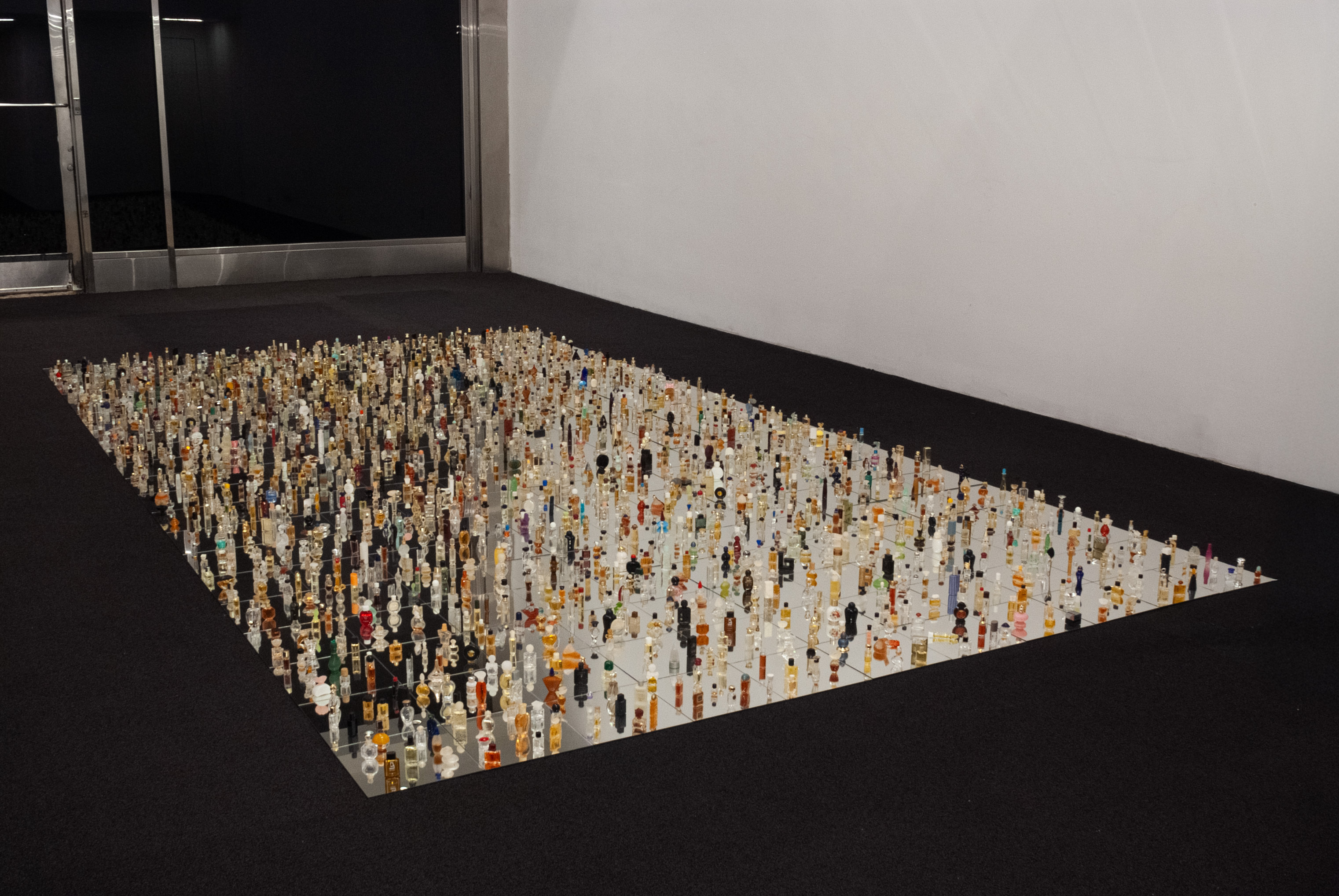
Antonia Lucy Gehnrich's solo exhibition "Das Parfum" at Alex Berns gallery in New York features a single large-scale installation, *Variable Floor Sculpture (Das Parfum)* (2026), comprising 231 glass mirrors arranged in a rectangle on a black carpet, topped with 2,000 vintage perfume bottles. The work, on view from May 15 to June 13, 2026, creates a dazzling, reflective field that challenges visual perception. Critic Bryan Martin praises the piece as one of the strongest gallery shows by a living artist this spring, but finds its conceptual framework lacking, arguing that comparisons to Robert Smithson and Rob Pruitt are inapt and that the work's meaning remains superficial despite its formal allure.

“I Shot Andy Warhol” Upends the Myth of the Great Man

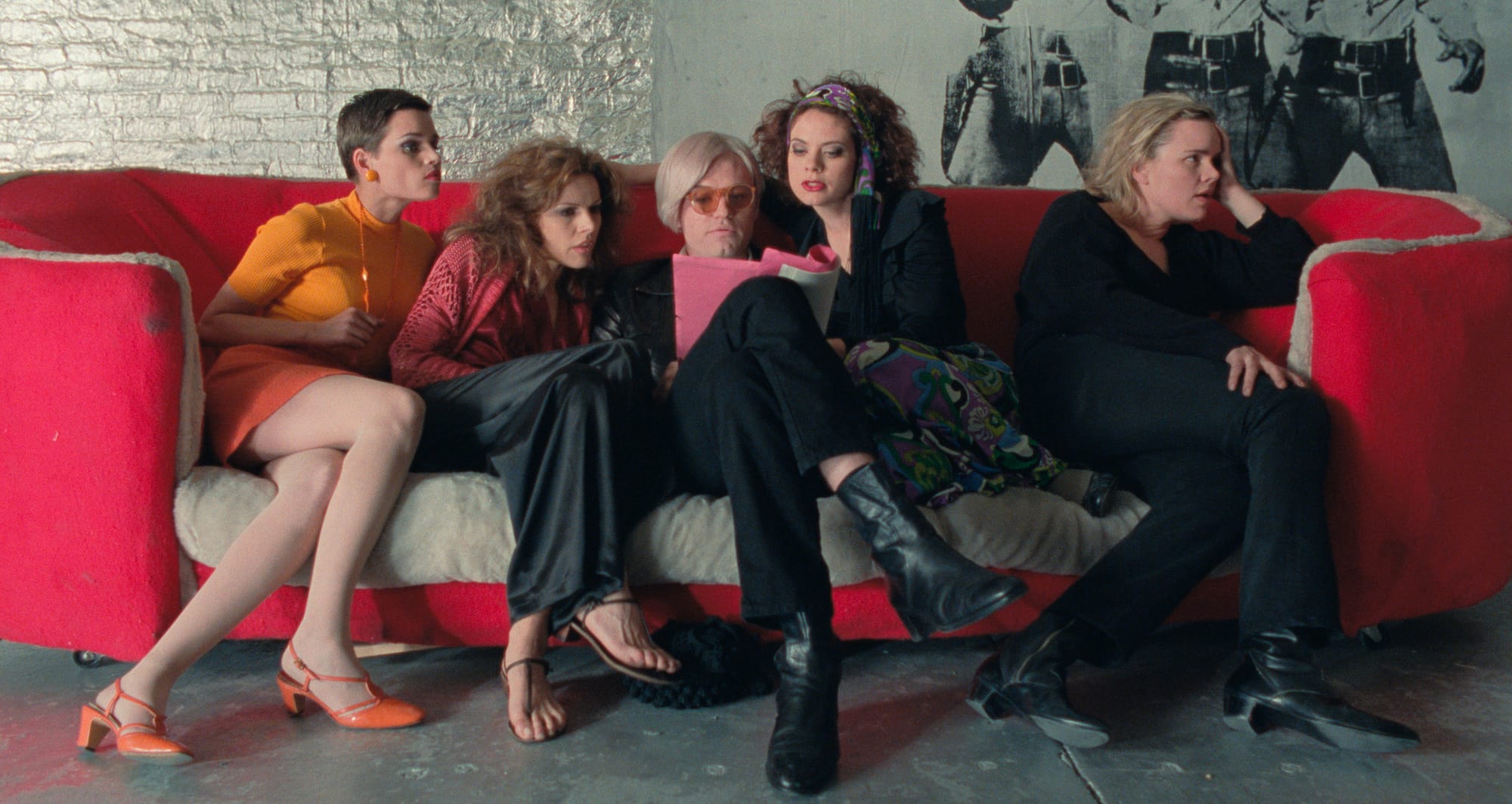
Mary Harron's 1996 film "I Shot Andy Warhol," now restored in 4K for its 30th anniversary, dramatizes the life of Valerie Solanas, the radical feminist author of the "SCUM Manifesto" who attempted to murder Pop art icon Andy Warhol in 1968. Starring Lili Taylor as Solanas and Jared Harris as Warhol, the film explores the intersecting worlds of Warhol's Factory and Solanas's desperate quest for fame and recognition, portraying both figures as deeply flawed and misunderstood individuals caught in a rapidly changing society.

‘I’m carrying rage like a blood-filled egg’: the best of Glasgow International – review

Glasgow International 2024 opens with a powerful show dedicated to David Wojnarowicz, featuring his paintings, photographs, and video works inside a decaying Georgian terrace house. Other standout works include Renèe Helèna Browne's film 'Flat' about rural survival in Donegal, Tanoa Sasraku's sculptural installation 'Tropical Hardware' exploring masculinity and war, and film installations by Rehana Zaman and Naeem Mohaiemen addressing labor conditions and historical violence. The festival unfolds against a backdrop of Glasgow's infrastructural decay, with landmarks like the Charles Rennie Mackintosh School of Art and the Centre for Contemporary Art closed or damaged.

Georg Baselitz review – a final, furious, chaotic reckoning with death

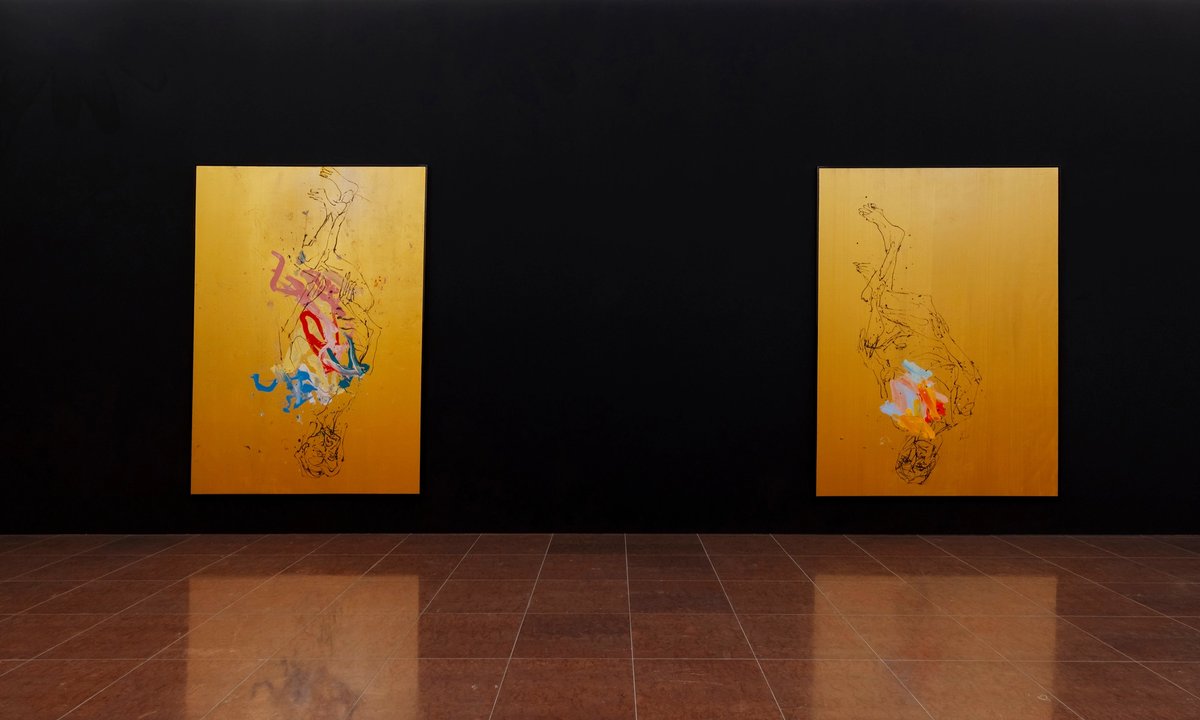
The article reviews Georg Baselitz's final body of work, created shortly before his death at age 88. Painted from a wheeled office chair due to physical frailty, the works depict falling bodies, upside-down nudes, and frantic insectile forms, grappling with mortality. The exhibition includes golden canvases that canonize Baselitz and his wife Elke, alongside recurring eagle motifs from his youth in postwar Germany.

Review: The bard of bricks: A Martin Wong exhibition finally comes to Chicago

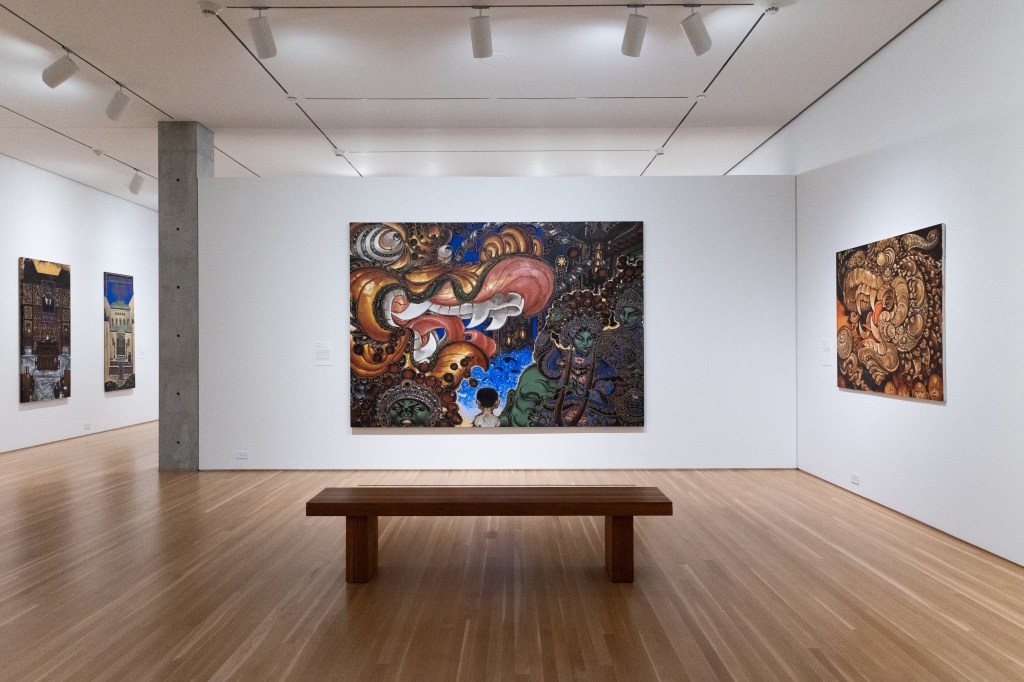
The Chicago Tribune reviews "Martin Wong: Chinatown USA," the first-ever exhibition dedicated to the late painter Martin Wong in Chicago, on view at Wrightwood 659. The show features Wong's impasto paintings of tenements in the Lower East Side and San Francisco's Chinatown, along with memorabilia and a collection of graffiti art he assembled in the 1980s. It opens with early ceramics and a video portrait by Charlie Ahearn, setting the tone for Wong's oeuvre.

Comment | Georg Baselitz's final exhibition is a warning that history is repeating itself

Georg Baselitz died a week before the opening of his final exhibition, "Eroi d’Oro (Golden Heroes)," on the island of San Giorgio Maggiore in Venice, running until 27 September. The show features large upright paintings of inverted naked figures, mostly depicting his wife Elke Kretzschmar, with one self-portrait inspired by Hokusai. Baselitz's recorded voice accompanies the works, describing them as a summation of his life and art, meditating on old age, dignity, and the topsy-turvy state of the world.

An Artist Duo’s Haven of Synthetic Hair

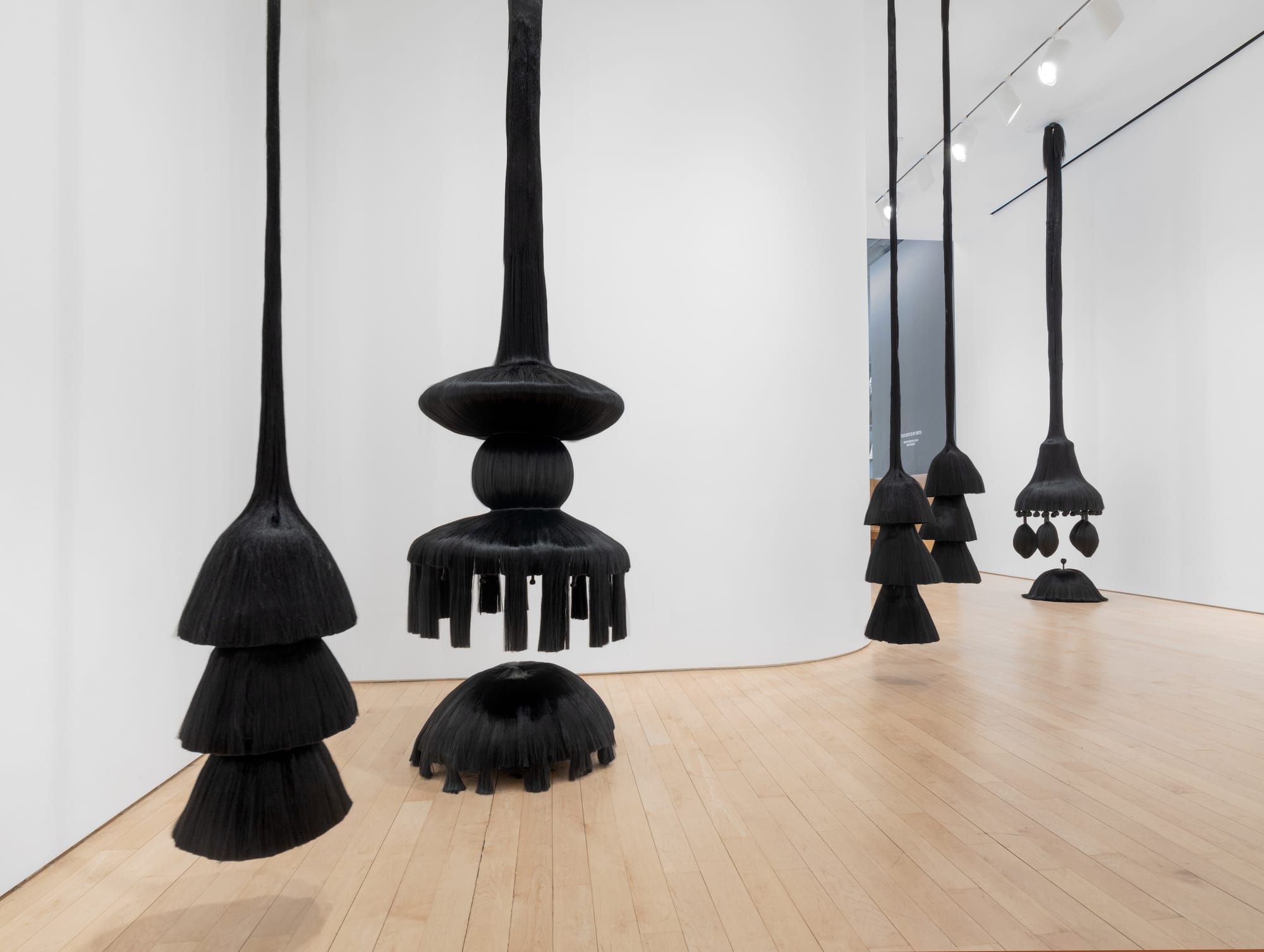
Artists Merryn Omotayo Alaka and Sam Frésquez have created an immersive exhibition titled "Your Birth is My Birth" at Jane Lombard Gallery in New York, featuring large biomorphic sculptures made entirely from Kanekalon synthetic hair. The artists steamed, cut, and sewed the hair by hand, clamping it to welded metal structures to form a fantastical "Kanekalon forest" that continues their ongoing Hairland series begun in 2017. The show includes works such as "Listening Roots" (2026), "Stacking Pearl (Adolescent)" (2026), and "Hearing Bells" (2026), which evoke communal hair care traditions and explore queer, gender, and racial identity.

How Helen Frankenthaler became America’s grande dame of abstraction

The Financial Times reviews a retrospective of Helen Frankenthaler at the Basel Kunstmuseum, describing it as a welcome exhibition that is winningly persuasive in parts but less so in others. The review highlights a marvellous moment of redemption within the show, focusing on Frankenthaler's evolution as a leading figure in American abstraction.

‘Lillian Pitt: Art, Memory, Home’ at the Museum at Warm Springs

The article reviews the exhibition 'Lillian Pitt: Art, Memory, Home' at the Museum at Warm Springs in Oregon, showcasing the work of Indigenous artist Lillian Pitt. The show highlights her multimedia practice, which blends traditional Indigenous materials and motifs with contemporary art forms, exploring themes of memory, identity, and connection to the Columbia River Plateau region.