filter_list Showing 24 results for "ACK" close Clear
dashboard All 565 museum exhibitions 238article news 79article local 47article culture 40article policy 38trending_up market 38person people 34rate_review review 24gavel restitution 16candle obituary 11
date_range Range Today This Week This Month All
Subscribe

Are We Too Reverent of Marcel Duchamp?

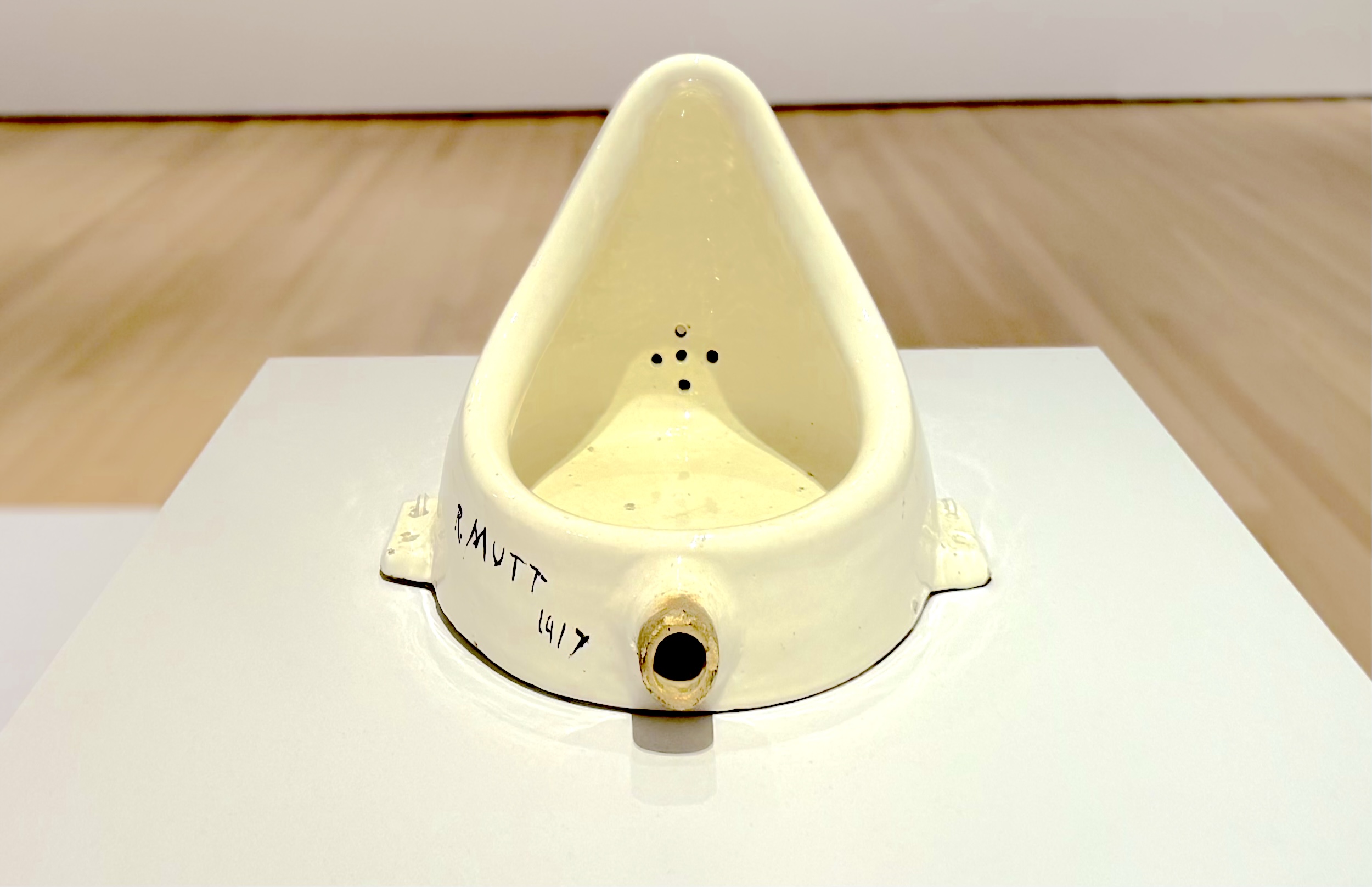
The Museum of Modern Art has launched a major retrospective of Marcel Duchamp, co-organized with the Philadelphia Museum of Art. The exhibition tracks the artist's evolution from his early Cubist experiments and the scandal of 'Nude Descending a Staircase' to his radical invention of the readymade, exemplified by the infamous urinal, 'Fountain'. The show presents a comprehensive look at 'The Duch' through a reverential, church-like atmosphere, concluding with his later years as a dapper, enigmatic figure of the avant-garde.
Comment | Catherine Opie shows us that in dark times, looking for joy can be radical

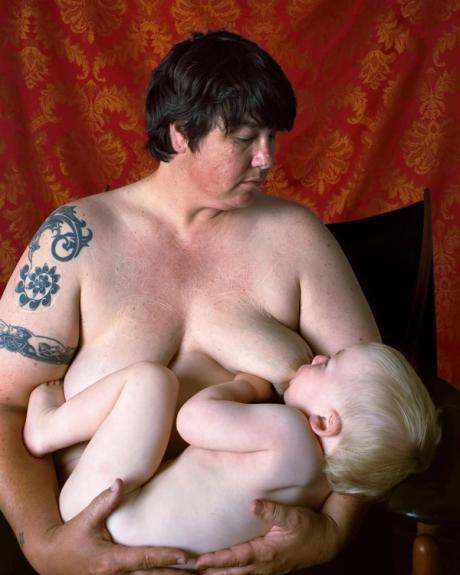
The artist Catherine Opie is currently the subject of a major three-decade portrait survey, 'To Be Seen', at the National Portrait Gallery in London. The exhibition highlights Opie’s career-long commitment to representing the LGBTQ+ community, specifically the leather dyke scene in Los Angeles, through a lens that balances defiance with playfulness. Even her most provocative works, such as the 1993 self-portrait featuring a domestic scene carved into her back, are revealed to contain elements of humor and historical allusion that counter the despair of the AIDS crisis and personal heartbreak.

The Artist Whose Shimmering Obelisks Are Cropping Up All Over the World

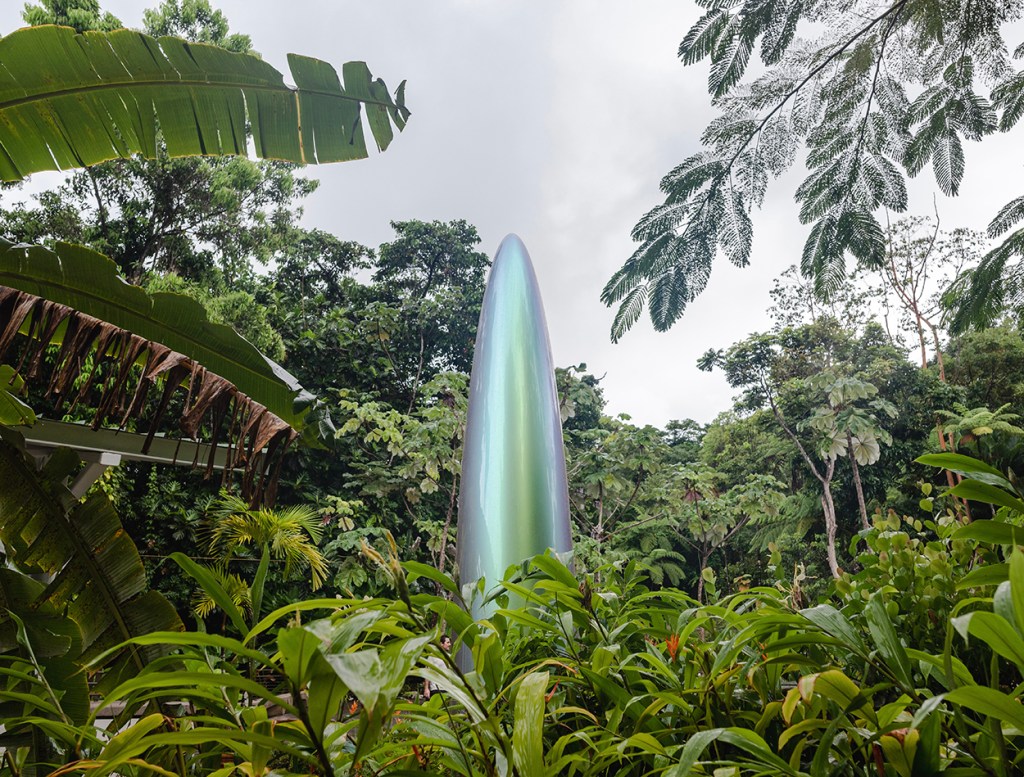
Artist Gisela Colón is currently the subject of a major retrospective at the Museo de Arte Contemporáneo de Puerto Rico (MAC), showcasing her signature "monoliths" and iridescent obelisks. These monumental sculptures, which have appeared in global locations ranging from the Great Pyramids of Giza to the Saudi Arabian desert, utilize advanced aerospace carbon fiber and site-specific minerals to create shifting, phenomenological experiences. The exhibition tracks her evolution from 1996 to the present, highlighting her unique ability to blend high-tech materials with ancient totemic forms.

Michael Armitage in Venice, monumental and disturbing. What the exhibition at Palazzo Grassi looks like

Michael Armitage is the subject of a major solo retrospective at Palazzo Grassi in Venice, marking his largest exhibition in Europe to date. Organized by the Pinault Collection, the show features monumental paintings that blend African identity, local Kenyan chronicles, and mythological narratives. Armitage’s work is noted for its physical scale and its ability to transform the chaos of human affairs into a syncretic epic, utilizing traditional materials like Lubugo bark cloth to ground his contemporary subjects.

Tracey Emin’s Cult of the Self

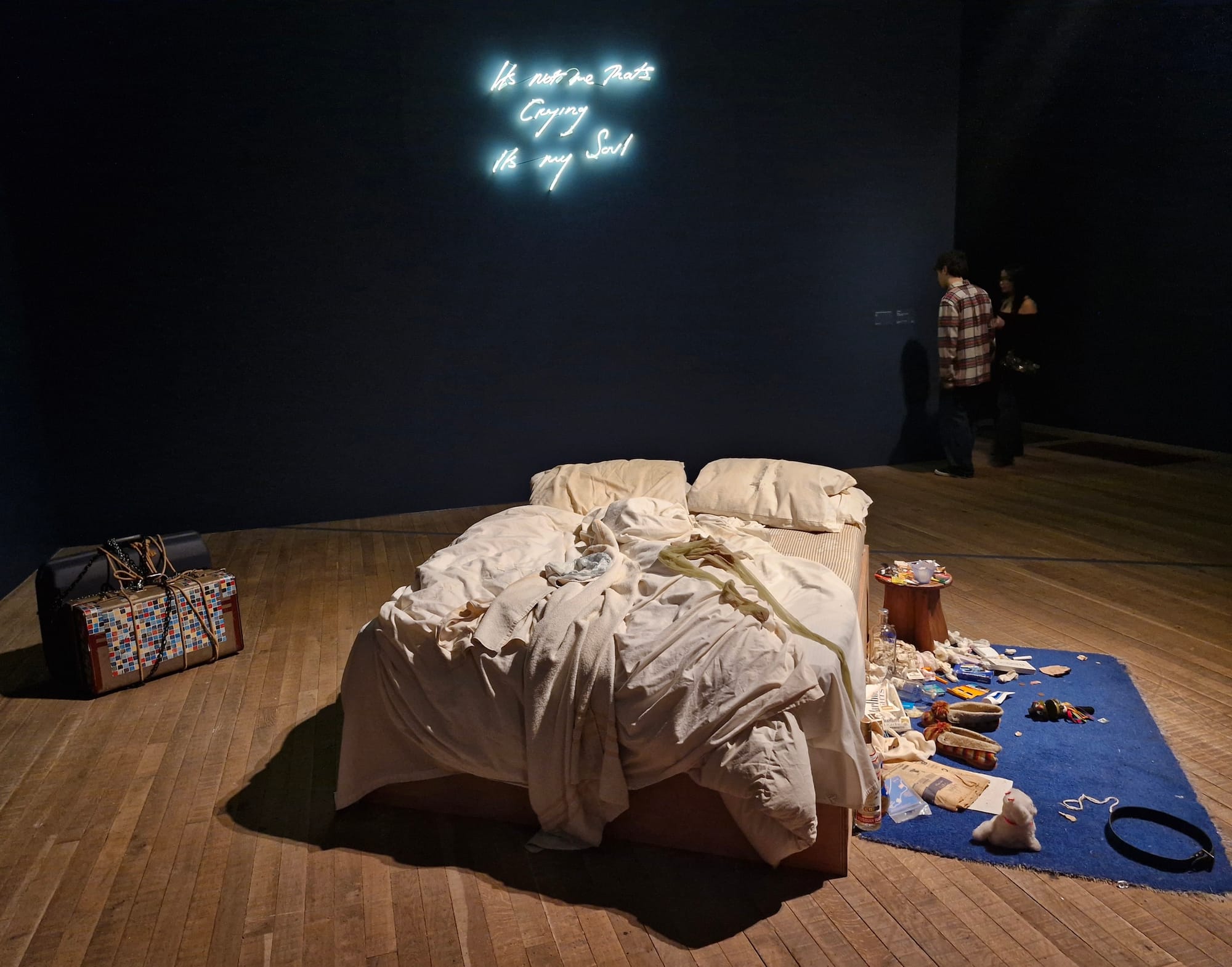
A major retrospective of Tracey Emin's work, "A Second Life," is on view at Tate Modern in London. The exhibition presents the artist's deeply personal and confessional body of work, including iconic pieces like "My Bed" and "Exorcism of the Last Painting I Ever Made," which chronicle intimate experiences of love, trauma, and self-exploration through text, objects, and raw imagery.

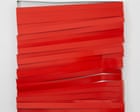
David Novros’s Portable Murals

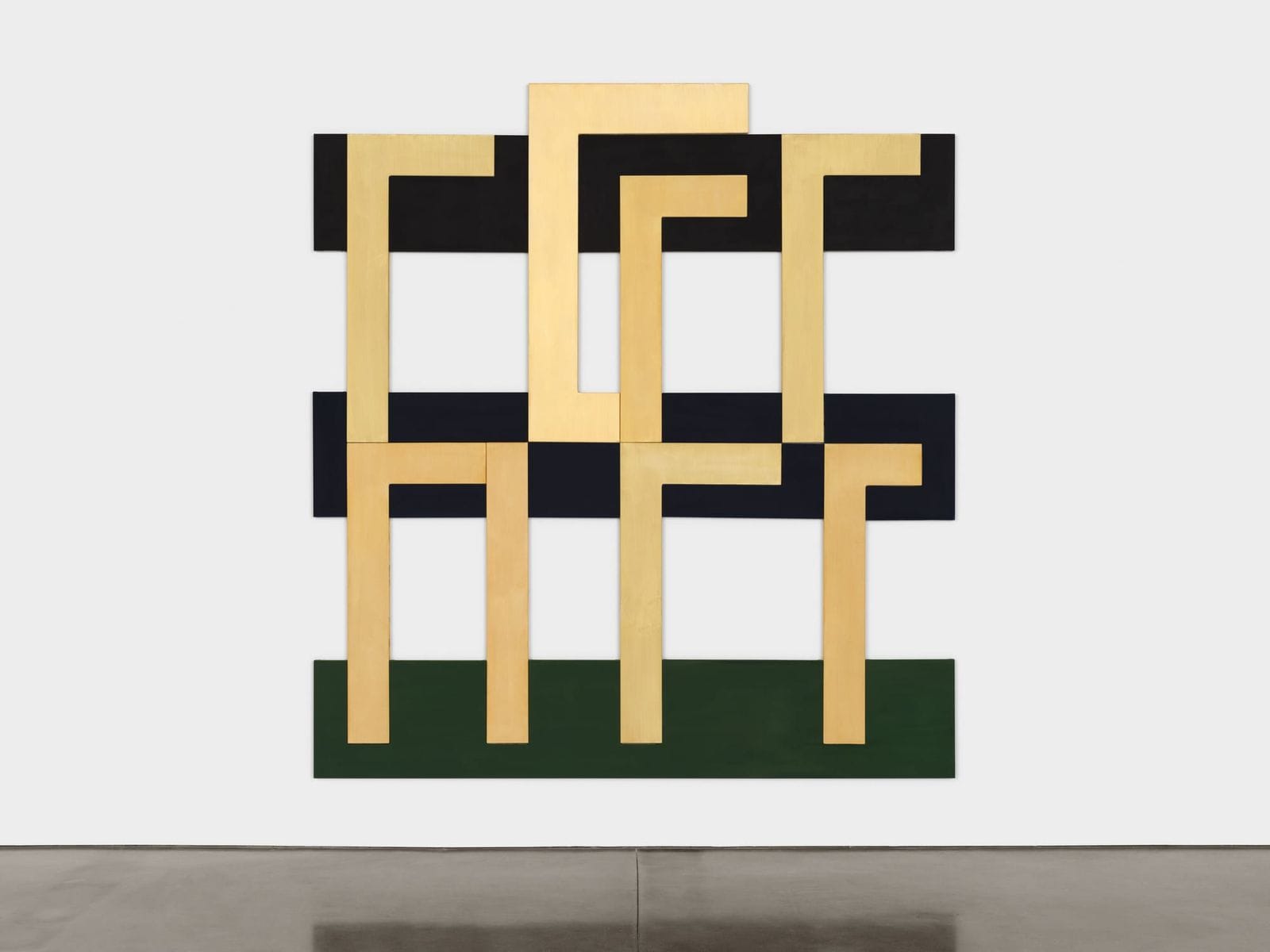
David Novros’s latest exhibition at Paula Cooper Gallery showcases his "portable murals," intricate multi-paneled paintings that challenge the traditional concept of art as a mere object on a wall. Utilizing oil and murano on canvas, Novros assembles monochromatic, L-shaped, and horizontal panels with precise intervals that incorporate the gallery wall into the composition. These works are designed to be experienced kinesthetically, responding to shifting natural light and the viewer's physical movement through the space.

Gardar Eide Einarsson Leaves You in the Dark

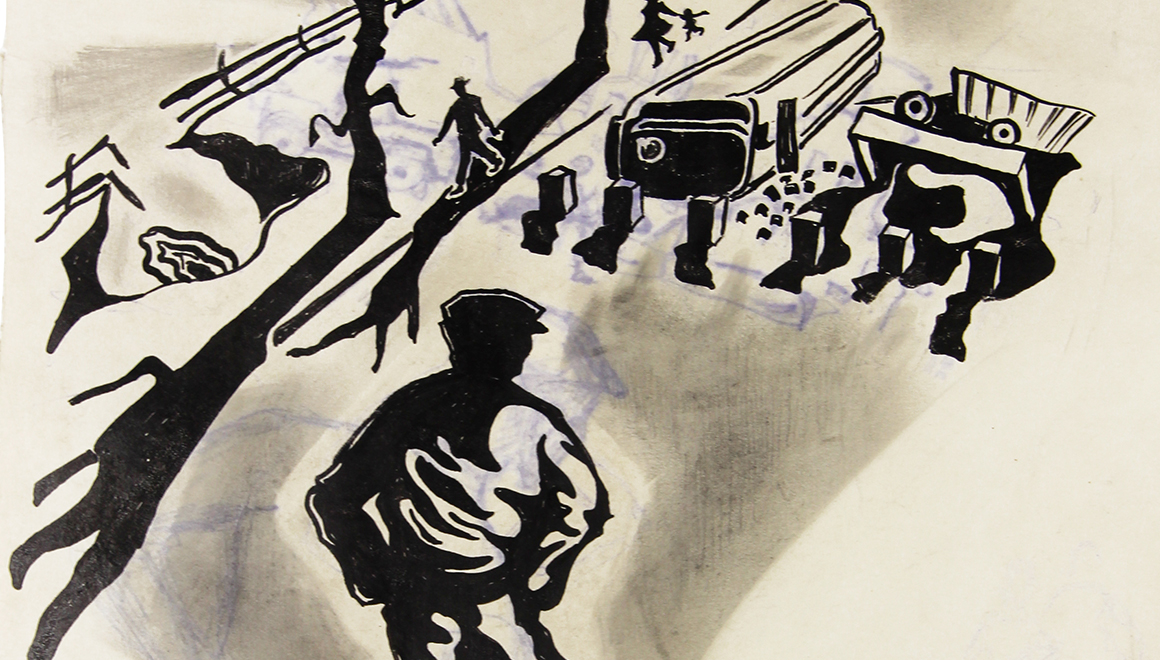
Gardar Eide Einarsson’s latest exhibition at Maureen Paley’s East London space presents a haunting exploration of dissociation and coded information. The show features two distinct series: 'Closed Caption,' a collection of monochrome black gouache paintings featuring isolated subtitles from films, and 'Incendiary Test Area,' a set of hyperrealistic woodblock prints created in collaboration with master Shoichi Kitamura. These prints depict the interiors of mock 'Japanese' houses built by the US Army for fire-bombing tests during World War II.

Locating Luigi Ghirri

Fashion photographer Alessio Bolzoni and film director Luca Guadagnino have collaborated on 'Felicità', a new book and exhibition at Thomas Dane Gallery featuring 45 previously unseen color photographs by the late Italian master Luigi Ghirri. The project is divided into two portfolios: the first focuses on intimate, abstract details of found objects and surfaces in Modena, while the second expands into larger vistas and populated spaces across Italy during the 1980s.

Review: “Canvas to Clay” at the San Antonio Museum of Art

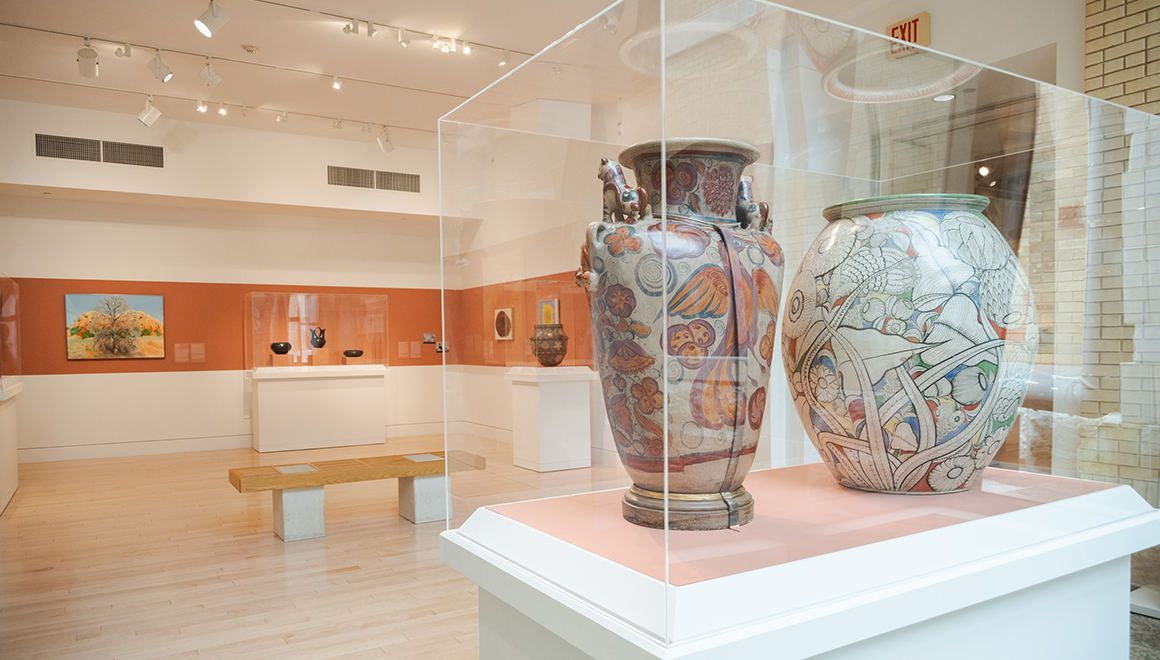
The San Antonio Museum of Art (SAMA) has launched "Canvas to Clay," an exhibition that pairs the modernist paintings of Georgia O’Keeffe with the black-on-black pottery of Maria Martinez. While these two icons of the American Southwest are frequently exhibited together, this show distinguishes itself by expanding the conversation southward. It integrates Mexican earthenware from Mata Ortiz and Tonalá, highlighting the work of Juan Quezada and Hector Gallegos to showcase a broader regional tradition of abstraction and indigenous revival.

Bicoastal Art World Satire ‘Kill Dick’ Imagines Sackler Revenge

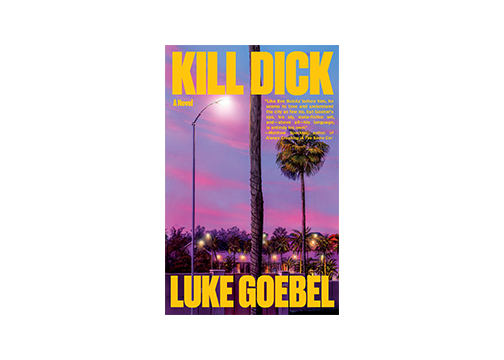
Luke Goebel's new novel 'Kill Dick' is a satirical, chaotic takedown of the contemporary art world and its entanglement with the Sackler family, fictionalized here as the Sicklers. The book follows protagonist Susie, the daughter of the Sickler family lawyer, as she navigates addiction, familial disgust, and a numbed existence against the backdrop of 2016 America. Its prose is deliberately abrasive and shocking, mirroring the emotional state of its narrator.

These Ghosts. Clémentine Bruno  by Michela Ceruti

Clémentine Bruno’s artistic practice explores the tension between presence and absence, treating the canvas as a site of temporal layers rather than a flat surface for representation. Her work emphasizes the preparatory stages of painting—the laying of gesso and the construction of supports—allowing images to emerge reluctantly through processes of sanding, veiling, and partial erasure. Recent exhibitions, such as "Educational Complex" at Tonus and "Vision of Fading" at Mendes Wood DM, highlight her interest in how institutional structures and memory maps dictate what is retained and what is forgotten.

Angela de la Cruz review – wonky chairs and busted pianos are monuments to resilience

Angela de la Cruz's solo exhibition "Upright" at Birmingham's Ikon gallery presents a collection of broken and mended artworks. Her canvases are crumpled, folded, and snapped, while sculptures are assembled from precarious junk like a three-legged chair on a stool and a piano stacked atop another. The works, though appearing on the verge of collapse, are all repaired and propped back up, reflecting a state of post-collapse resilience.

Frank Bowling: Seeking the Sublime review – shipwrecked Ophelia points the path to freedom

A new exhibition of Frank Bowling's work traces the artist's early struggle to find his voice within the rigid artistic categories of the 1960s. The show features paintings from his student days in London, where he grappled with expectations to be either a political 'Black artist' or a formalist 'artist' free from identity constraints, resulting in works that felt derivative of figures like Francis Bacon.

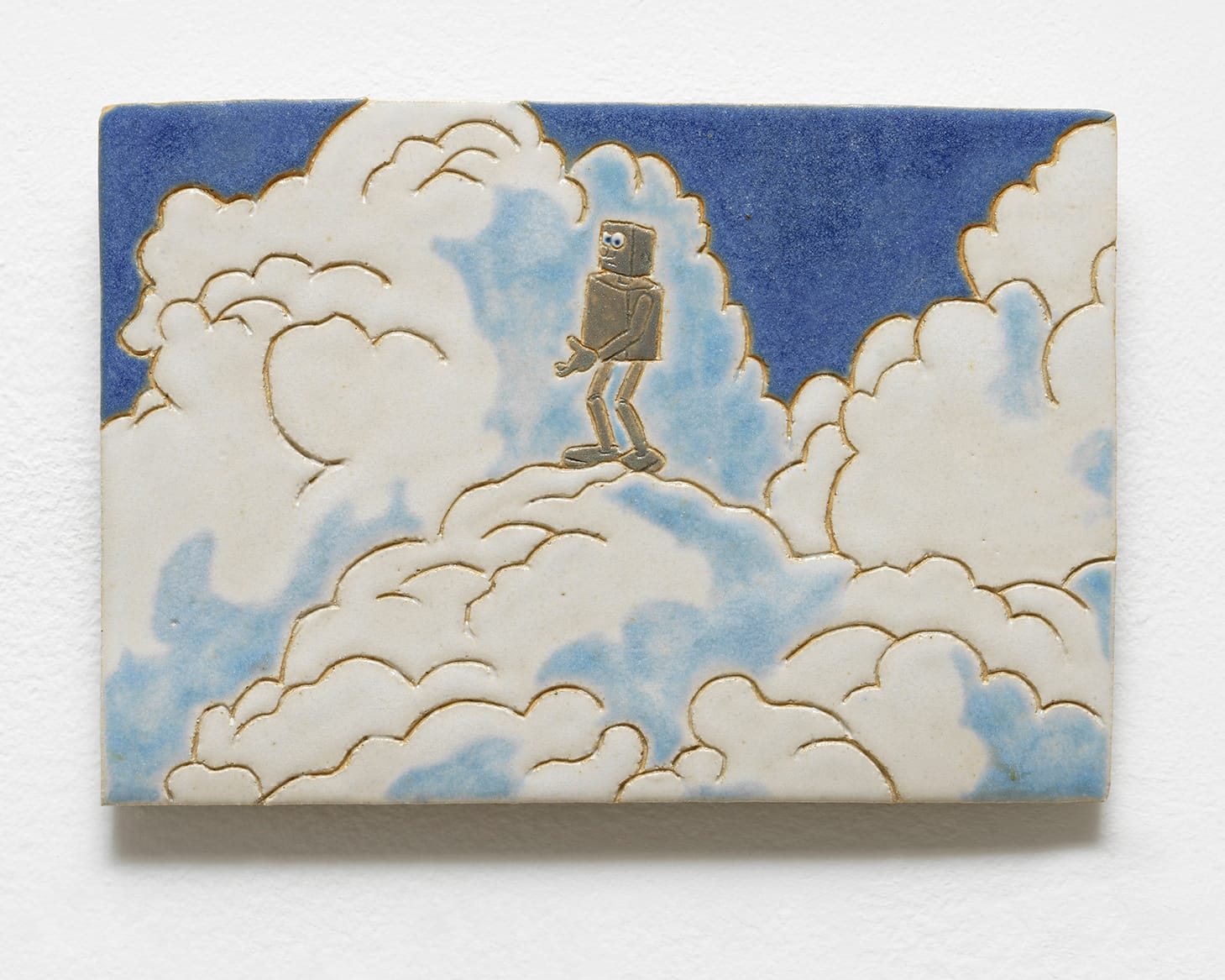
Beacons in a Grim World

Two concurrent solo exhibitions at Alexander Berggruen Gallery feature the work of artists Kevin McNamee-Tweed and Tajh Rust. McNamee-Tweed presents enigmatic, tenderly absurd ceramic scenes, while Rust debuts in New York with figurative paintings that explore perception and Black identity through portraits of leisure and experimental silvered glass works.

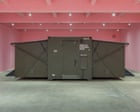
Racheal Crowther review – unnerving installation attacks your mind … and your nostrils!

London-based artist Racheal Crowther has transformed the Chisenhale Gallery into a sensory-heavy, paranoid environment for her first institutional solo exhibition. The installation centers on a decommissioned U.S. military mobile health unit, once used during the 2018 Novichok decontamination efforts, set against walls painted in "drunk tank pink." The experience is defined by an aggressive olfactory component—a chemical cocktail of powdered milk scents and hexadecanal, a molecule found on infants' heads known to manipulate human aggression.

Review: “Boris Lurie: Nothing To Do But To Try” at the Holocaust Museum Houston

The Holocaust Museum Houston is currently hosting "Boris Lurie: Nothing To Do But To Try," an exhibition focusing on the early works of the Holocaust survivor and NO!art movement founder. Organized by the Museum of Jewish Heritage, the show highlights Lurie’s "War Series," featuring paintings, drawings, and never-before-seen ephemera created as a means of processing the trauma of his imprisonment in camps like Buchenwald. The works, ranging from the immediate post-war period to decades later, serve as a visceral record of memory and loss, including tributes to his family members murdered in the Rumbula Forest massacre.

Jamie Robertson’s soft heat at Houston Center for Photography, Houston

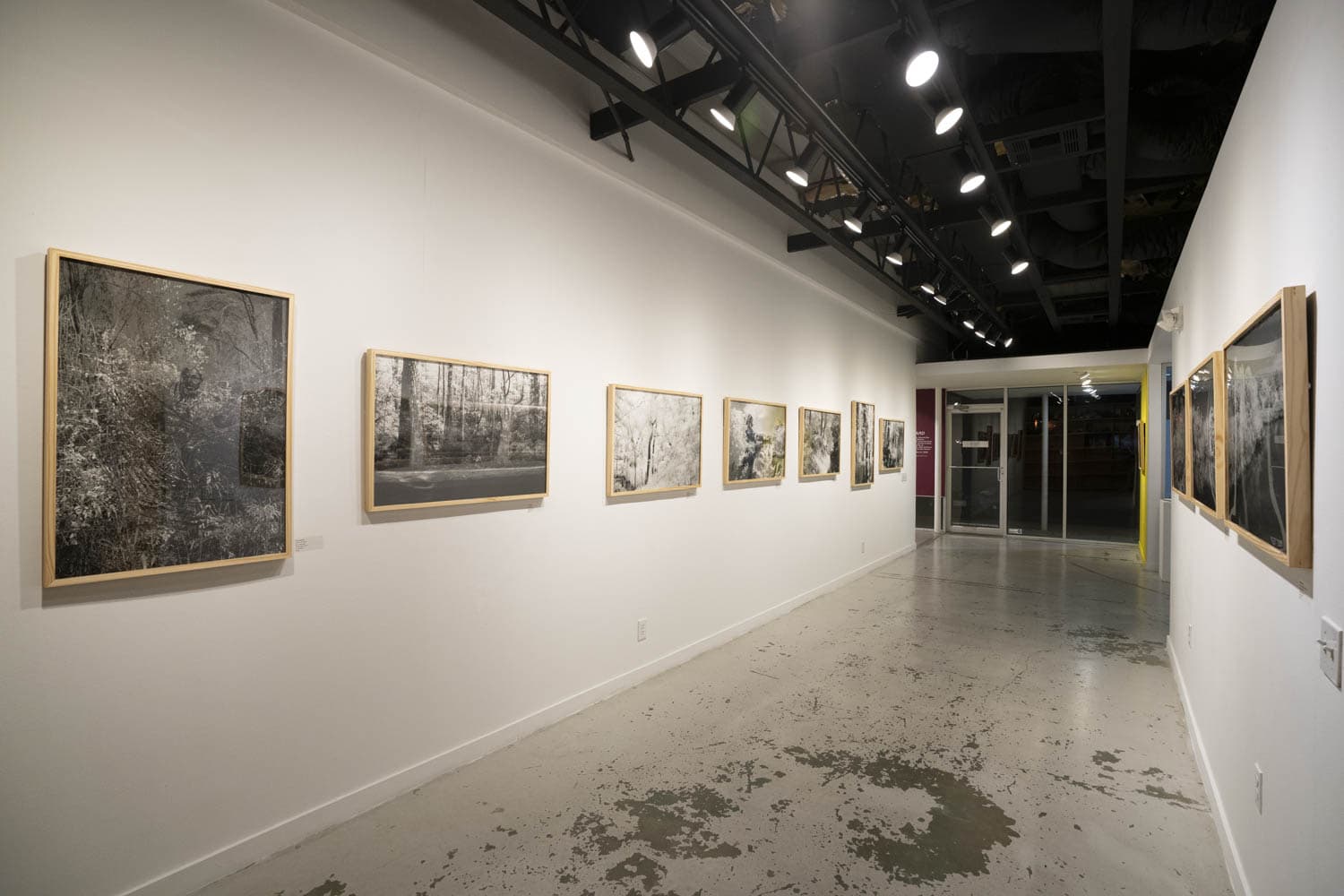
Jamie Robertson’s solo exhibition, "soft heat," at the Houston Center for Photography presents a series of infrared photographs documenting Southern wetlands, including Caddo Lake and the Great Dismal Swamp. Using archival pigment prints and a zine titled "Alligatorwatergreen," Robertson utilizes thermosensational imagery to transform dense marshlands into ethereal, snow-like landscapes. The work incorporates archival figures, such as a liberated formerly enslaved man named Osman, to highlight the historical role of swamps as sites of maroonage and Black resistance.

In “Discipline,” Larissa Pham Explores Predatory Art-World Mentorship

Larissa Pham’s debut novel, Discipline, follows Christina, a young writer and former painter grappling with the psychological aftermath of a formative affair with her art professor, Richard. Set against the backdrop of a book tour for her own autofictional novel, the narrative uses Christina’s observations of art—ranging from Helen Frankenthaler to Edward Hopper—to slowly peel back the layers of a relationship defined by power imbalances and predatory mentorship.

How to Extract the Story of Appalachia

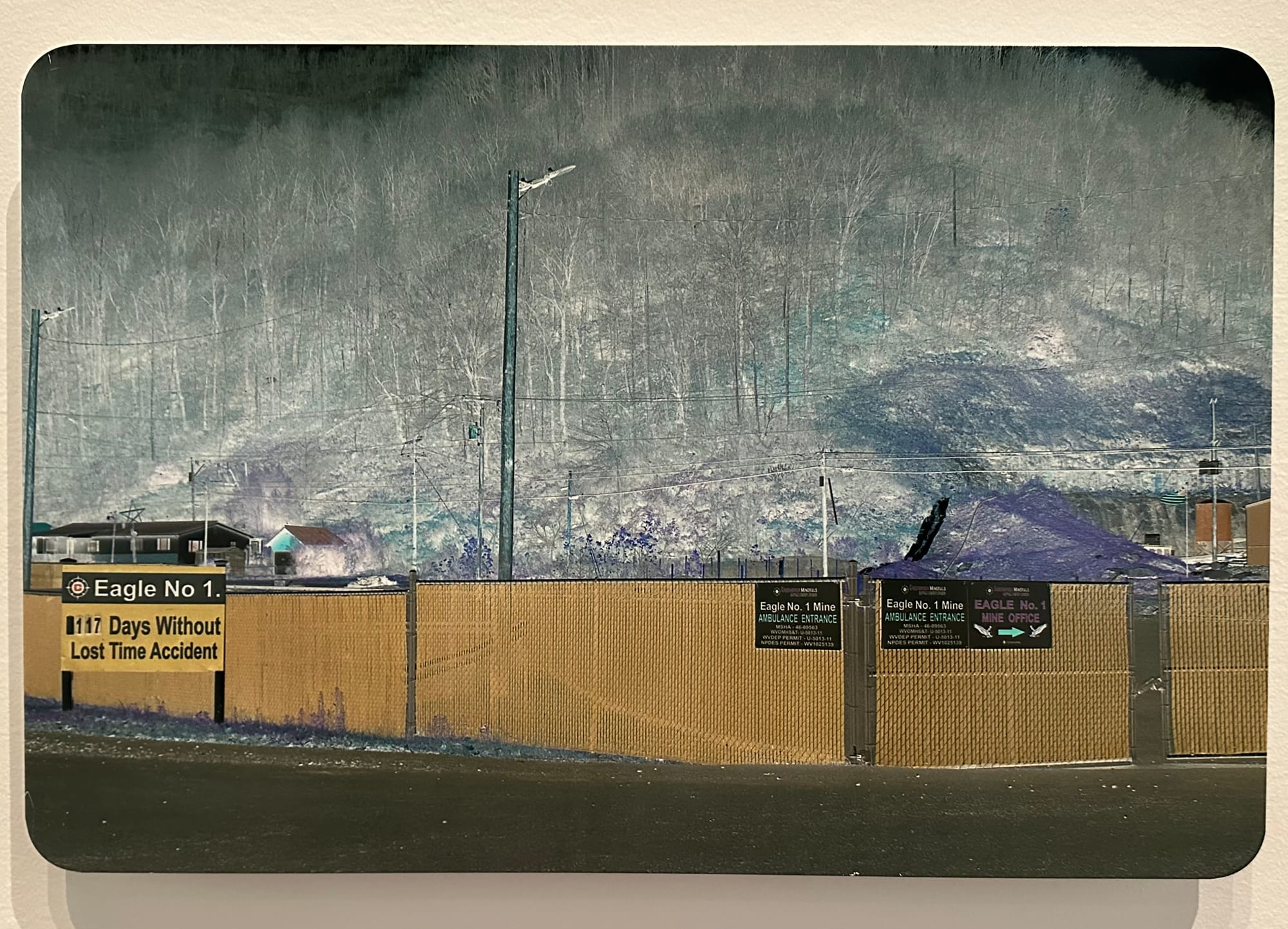
The artist collective GRIT has issued a sharp critique of Fia Backström’s exhibition, "The Great Society," currently on view at the Queens Museum. The authors argue that Backström, a European artist, engages in "extractive" storytelling by focusing exclusively on trauma, environmental disaster, and poverty in West Virginia. They contend that the exhibition’s aesthetic choices—such as inverting landscape photographs and omitting human subjects—flatten the region's complexity into a spectacle of misery that alienates the very community it claims to represent.

What Did Happen or What Might Have Happened or What Can Never Happen. Dustin Hodges by Nick Angelo

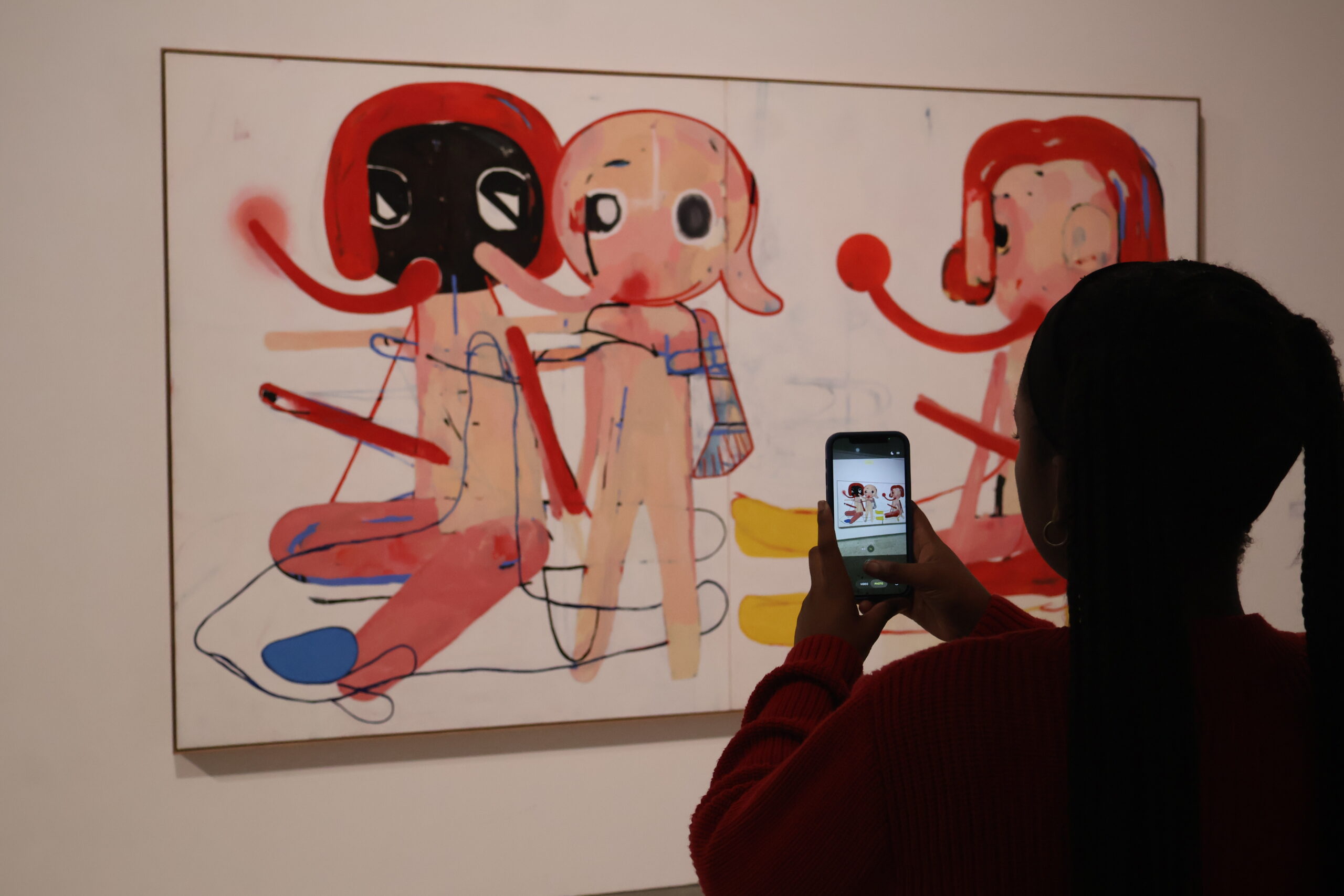
Dustin Hodges presents a new body of work across two exhibitions, "Barley Patch" at 15 Orient in New York and "Barley Patch 2" at Sebastian Gladstone in Los Angeles. The artist utilizes thin layers of pigment, color glazing, and distemper on linen to create compositions that superimpose cartoon motifs, such as black crows and characters from the "Arthur" series, over complex grids. His process involves a cyclical layering that drives a wedge between the logic of the image and the materiality of painting, resulting in works that feel both choreographed and visceral.

François Ozon’s 'The Stranger': A Film Between Surface Aesthetics and Political Reinterpretation

“Lo straniero” di François Ozon. Un film tra estetica delle superfici e rilettura politica

Director François Ozon has adapted Albert Camus’s existentialist masterpiece 'The Stranger' into a new feature film, premiering at the 82nd Venice Film Festival. Shot in stark black and white by cinematographer Manuel Dacosse, the film departs from the 1967 Luchino Visconti adaptation by leaning into a cold, clinical aesthetic inspired by Michelangelo Antonioni. The narrative follows Meursault, an emotionally detached clerk in colonial Algiers, whose impassive reaction to his mother's death and the subsequent senseless murder of an Arab man leads to his legal and moral condemnation.

‘As If’ by Isabel Waidner, Reviewed

Isabel Waidner’s latest novel, 'As If', follows the surreal intersection of two actors, Lewis and Korine, who share an uncanny resemblance and wives with the same name. After meeting in a Central London sublet, the pair decide to swap lives: the younger Korine takes over a high-stakes audition for the grieving Lewis, while Lewis assumes Korine’s domestic and financial burdens. Set against the brutalist backdrop of London’s Barbican and Golden Lane estate, the narrative uses this identity swap to explore the thin line between performance and reality.

REVIEW: Now is not forever, when art mimics reality

Theresa-Anne Mackintosh’s solo exhibition, "Now is not Forever," recently debuted at the Wits Art Museum (WAM), featuring a provocative blend of older paintings and new sculptures. The show centers on anthropomorphic figures and the erasure of senses, notably in the "hear no evil, see no evil, do no evil" series, where body parts are painted over to symbolize the avoidance of moral decay. These works, alongside vivid sculptures representing the artist's alter egos, challenge viewers to look past aesthetic surfaces to confront the inherent chaos and dysfunction of contemporary society.

2026 whitney biennial critics conversation 1234775478

The 82nd edition of the Whitney Biennial has opened at the Whitney Museum of American Art, curated by Marcela Guerrero and Drew Sawyer. Featuring 56 artists from diverse global backgrounds, the exhibition explores themes of American empire, human-nonhuman relationships, and the impact of infrastructure. Early critical reactions highlight a pervasive sense of "horror" and bodily disturbance, with works utilizing AI, sculpture, and painting to address grief, war, and societal transformation.