filter_list Showing 110 results for "ACK" close Clear
search
dashboard All 1418 museum exhibitions 673article local 181article news 140trending_up market 133article culture 110rate_review review 56article policy 40person people 37candle obituary 33gavel restitution 15
date_range Range Today This Week This Month All
Subscribe

The 21st Century’s Biggest Art Trend is Not a Style. But Once You See It, You’ll Notice It Everywhere.

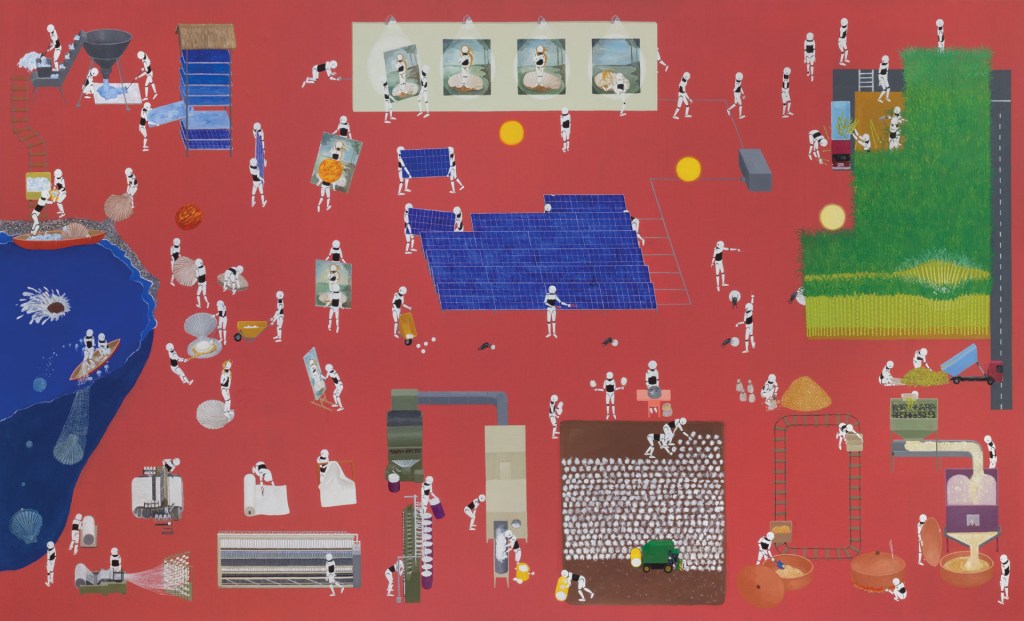
The article traces the evolution of "systems art," a term coined by critic Jack Burnham in 1968 to describe art that uses rules, seriality, and repetition to mirror and reveal the growing protocols of the Cold War era. It highlights early practitioners like Kenneth Noland, Robert Morris, Dan Flavin, and notably Hans Haacke and Adrian Piper, who shifted from atmospheric systems (e.g., Haacke's *Condensation Cube*) to social systems (e.g., Haacke's *Shapolsky et al. Manhattan Real Estate Holdings*). The piece argues that systems thinking has become unavoidable in contemporary life—from algorithms to systemic racism—and that art remains a crucial tool for making these invisible systems legible.
‘A gift that keeps on giving’: the witty world of Lee Friedlander – in pictures

The Guardian published a photo essay celebrating American photographer Lee Friedlander, featuring images from his career spanning the 1950s to the 2010s. The article highlights his new book "Life Still," published by Aperture, which collects over 130 photographs—most previously unpublished—showcasing his signature wit and his eye for the American social landscape, including chain link fences, roadside signs, and still lifes. The piece includes commentary from curator Peter Galassi and notes Friedlander's influences from Walker Evans and Robert Frank.

Beer With a Painter: Keith Mayerson

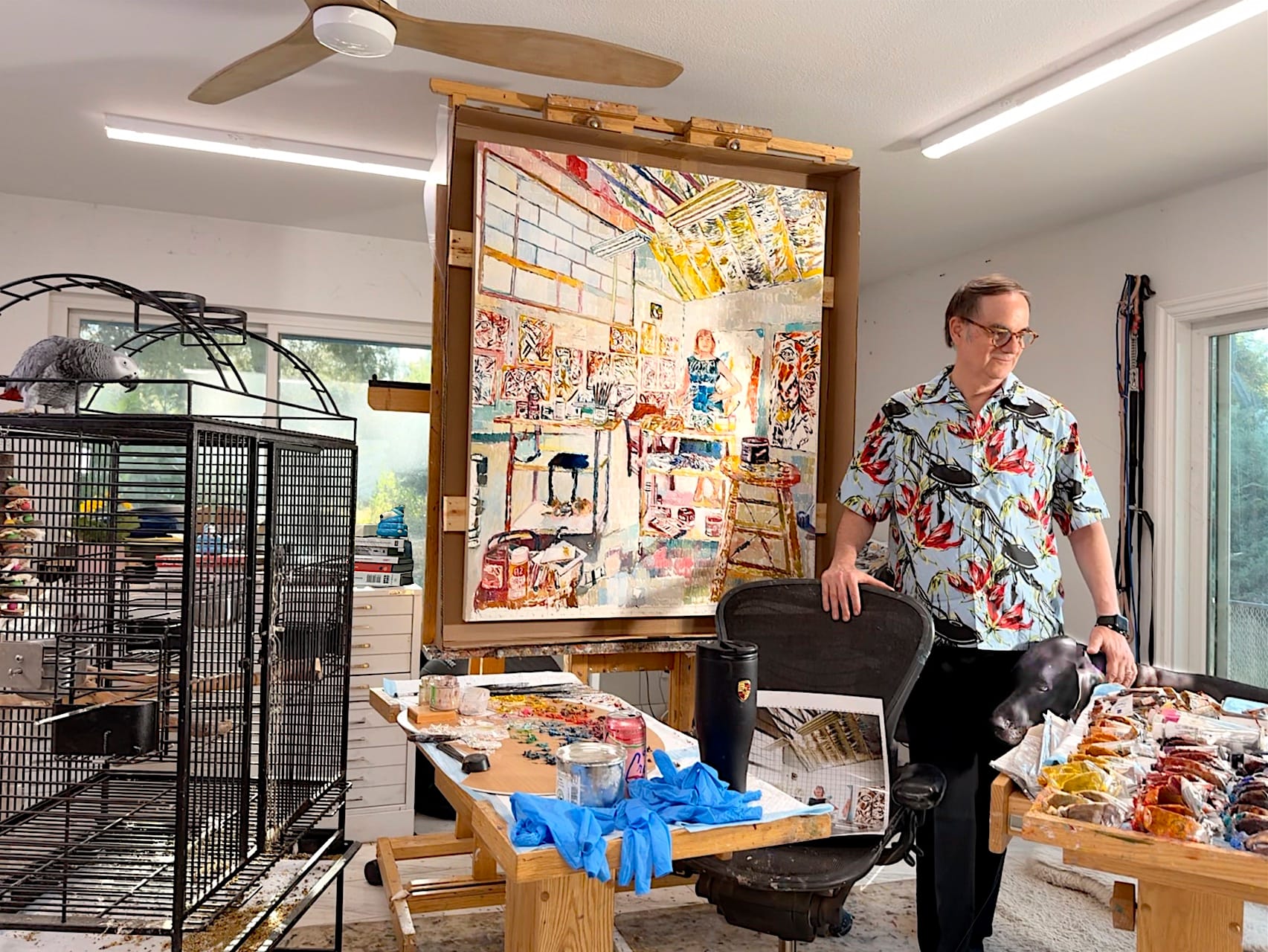
Hyperallergic interviews Los Angeles-based painter Keith Mayerson, who discusses his ongoing 'My American Dream' series—a cosmology of paintings blending American identity, activism, and popular culture. The conversation covers his early influences from comics, the Muppets, and Hunter S. Thompson, his transition from cartooning to painting, and his vibratory, swirling brushwork. Mayerson's work has been featured in the 2014 Whitney Biennial and is currently on view at the Aspen Art Museum and the Pollock-Krasner House.

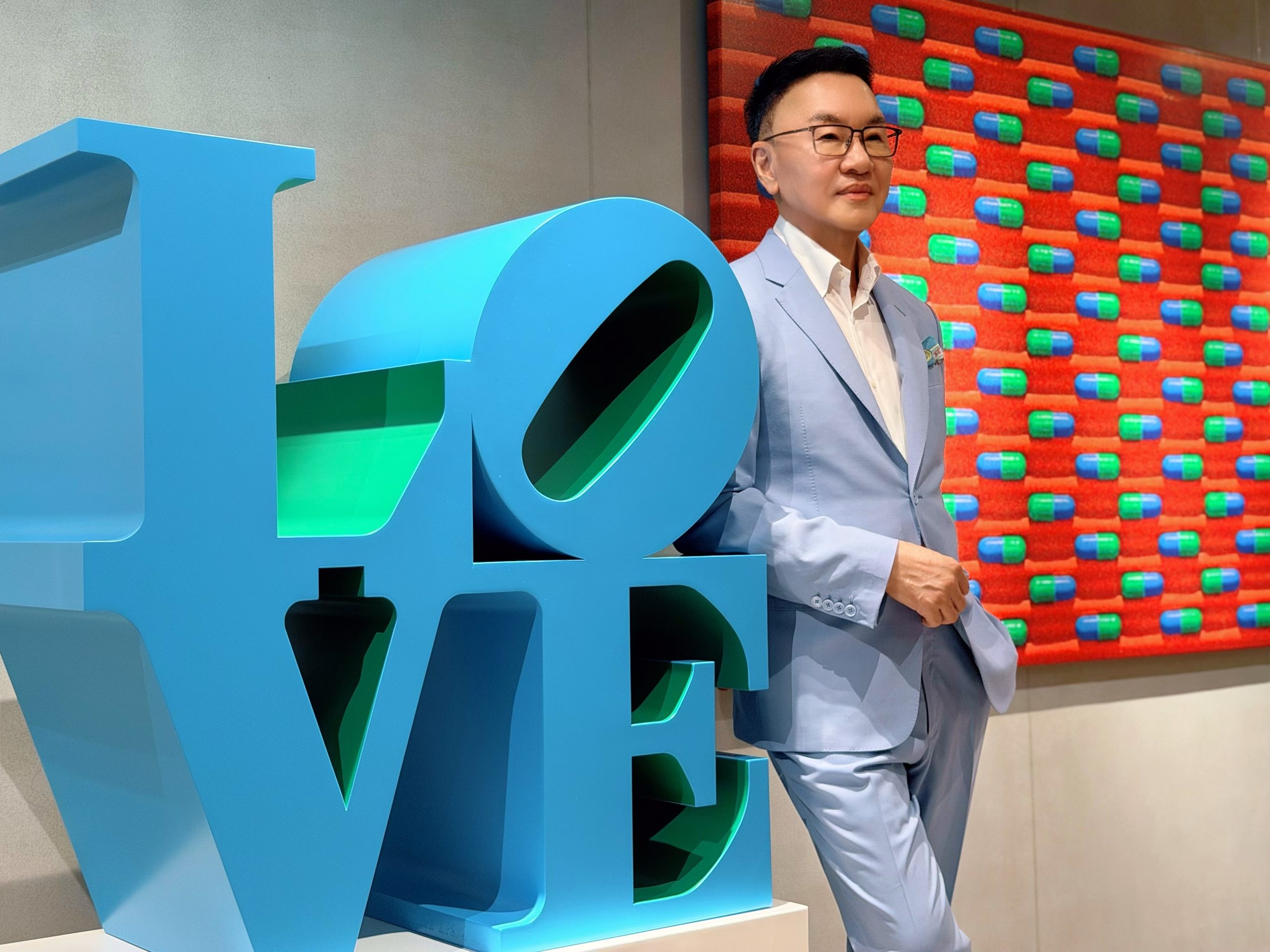
Inside Sunpride Foundation’s Mission to Champion LGBTQ+ Art Across Asia

Patrick Sun founded the Sunpride Foundation in 2014 to support LGBTQ+ communities through art, combining his passion for contemporary queer Asian art with philanthropy. The foundation's flagship "Spectrosynthesis" exhibition series has been staged at major institutions across Asia, including the Museum of Contemporary Art, Taipei, and the Bangkok Art and Culture Centre. The latest iteration, "Spectrosynthesis Seoul," opened at Seoul's Art Sonje Center and runs through June 28, 2026. Sun, a Hong Kong-born real estate developer and longtime art collector, built the foundation's collection with a focus on works suitable for museum exhibitions about queer identity.

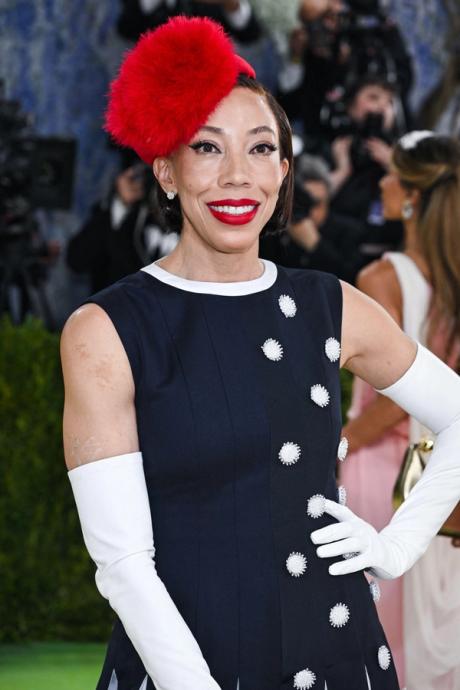
Artists made their mark at 2026 Met Gala

The 2026 Met Gala, held on May 4 at the Metropolitan Museum of Art, raised a record $42 million for the Costume Institute, surpassing last year's $31 million. Honorary chairs Jeff Bezos and Lauren Sanchez Bezos contributed at least $10 million, but their involvement sparked protests outside the event, with demonstrators holding signs like "Tax the Rich" and a group called Everyone Hates Elon leaving fake urine bottles labeled with Bezos's face. Inside, artists made a strong impression: Amy Sherald wore a Thom Browne look based on her painting; Jordan Roth donned a Robert Wun outfit inspired by a Met collection work; and Tschabalala Self collaborated with Brandon Blackwood on a gown evoking Degas's ballerina sculpture. The gala's dress code was "fashion is art," and the accompanying exhibition, "Costume Art" (May 10–January 10, 2027), debuts the Met's new 12,000-square-foot Condé M. Nast Galleries.

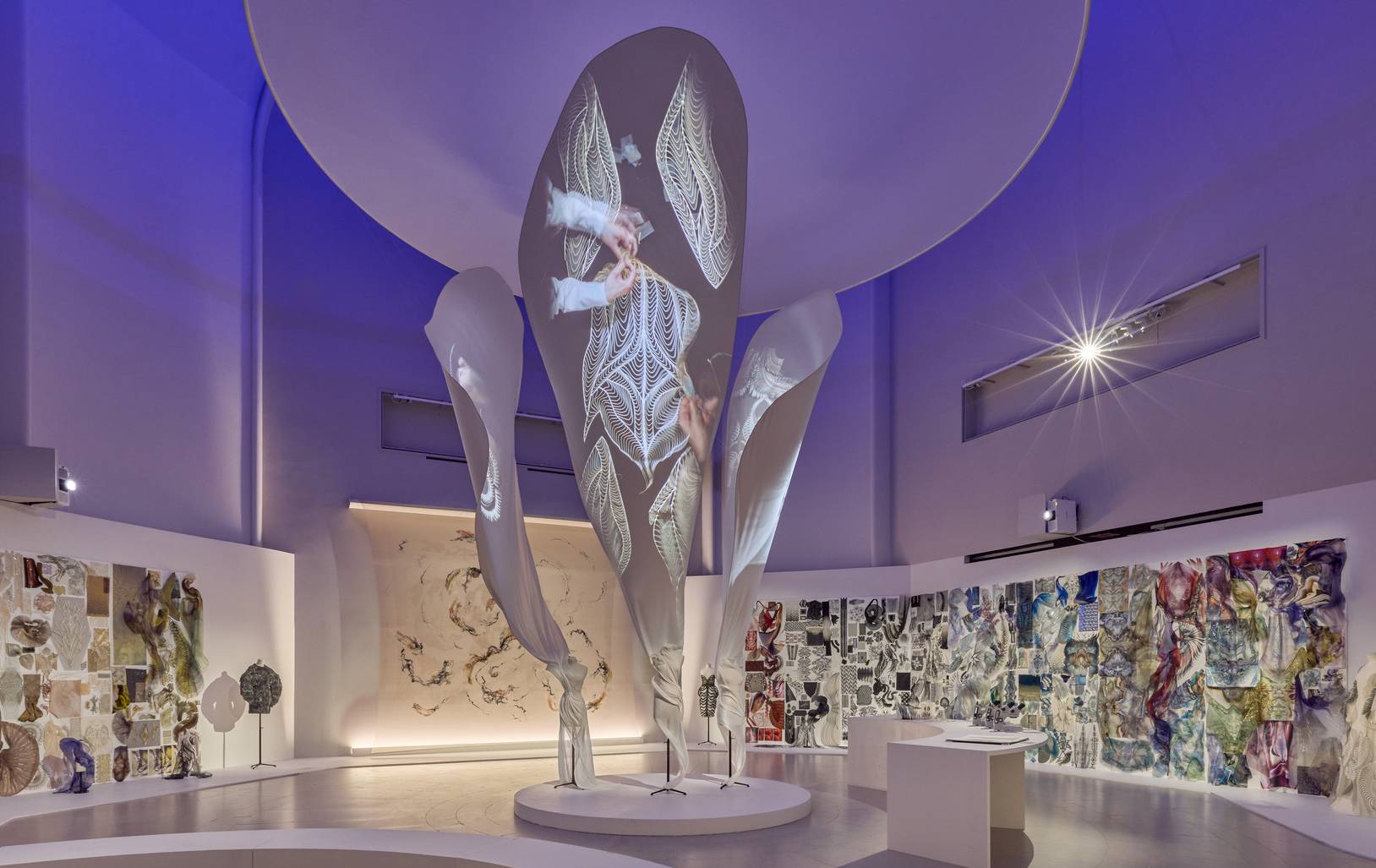
10 Artists to Follow if You Like Iris van Herpen

Artsy Editorial profiles 10 contemporary artists whose work aligns with the visionary, technology-driven approach of fashion designer Iris van Herpen. The article highlights van Herpen's career milestones, including her 2011 invitation to join the Chambre Syndicale de la Haute Couture, and her ongoing fusion of traditional craftsmanship with cutting-edge technology to create wearable art. It then presents a curated list of artists who similarly explore themes of organic form, digital fabrication, and the intersection of art and fashion.

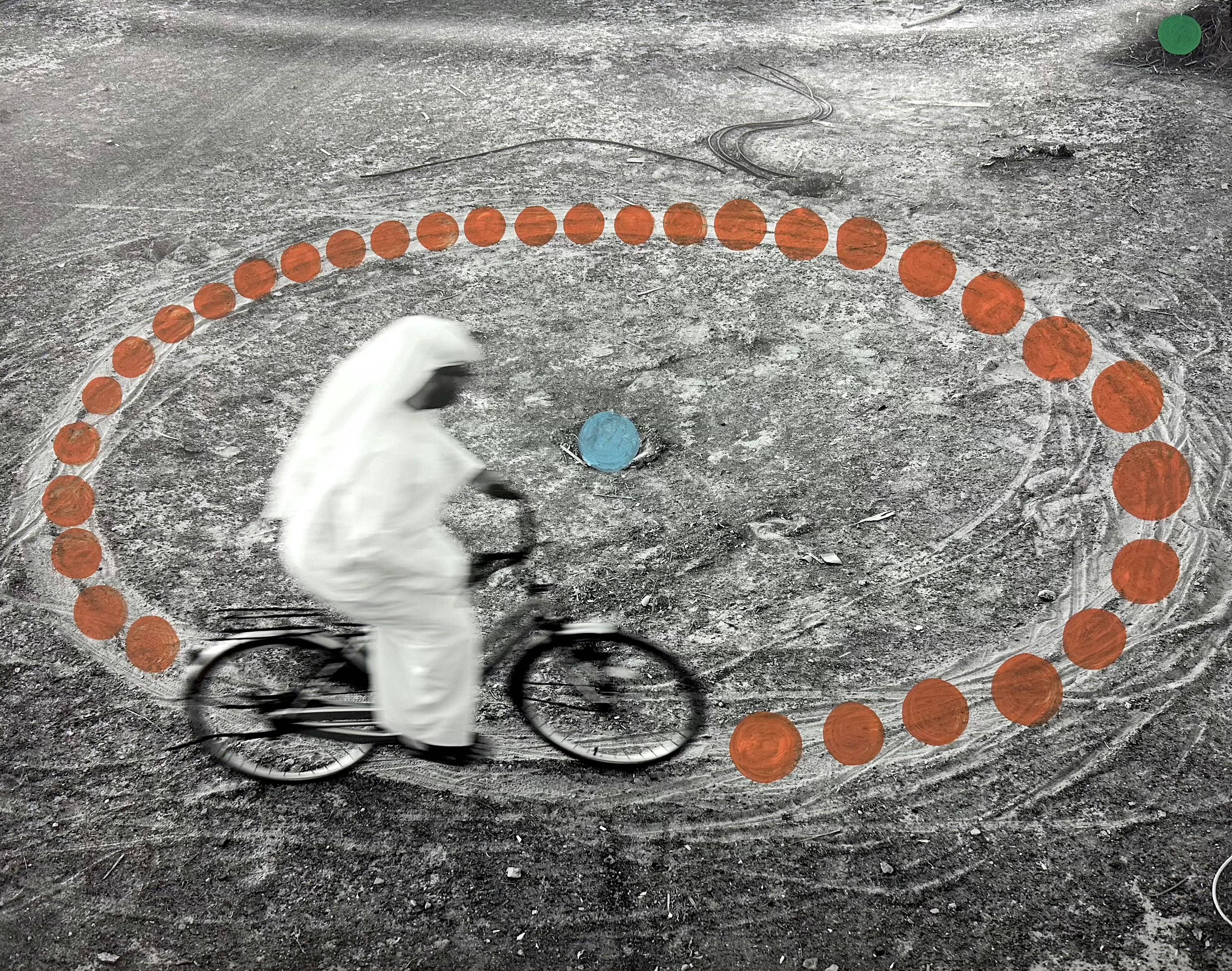
11 Contemporary Emirati Artists To Know

The article highlights 11 contemporary Emirati artists, providing an overview of their practices and significance within the Gulf's evolving art scene. It contextualizes this list against recent major events in the region, including the debut of Art Basel Qatar in early February and the subsequent U.S. attacks on Iran, which caused turmoil across the Gulf, disrupted airline operations, and forced Art Dubai to scale back its event to a smaller fair in mid-May. Artists and galleries in the Gulf also had to temporarily close.

The Interview: Steven Soderbergh

Steven Soderbergh discusses his new film *The Christophers* (2025), which follows a cantankerous artist and his young assistant tasked with forging his unfinished works, exploring themes of authorship, originality, and the ethics of art-making. In an interview with ArtReview, Soderbergh also addresses his recent use of AI in a documentary about John Lennon, defending the technology as a creative tool akin to his own filmmaking process, and reflects on his career spanning genres from indie dramas to studio blockbusters.

We are in danger of losing our sense of community

"Wir drohen das Gespür für die Gemeinschaft zu verlieren"

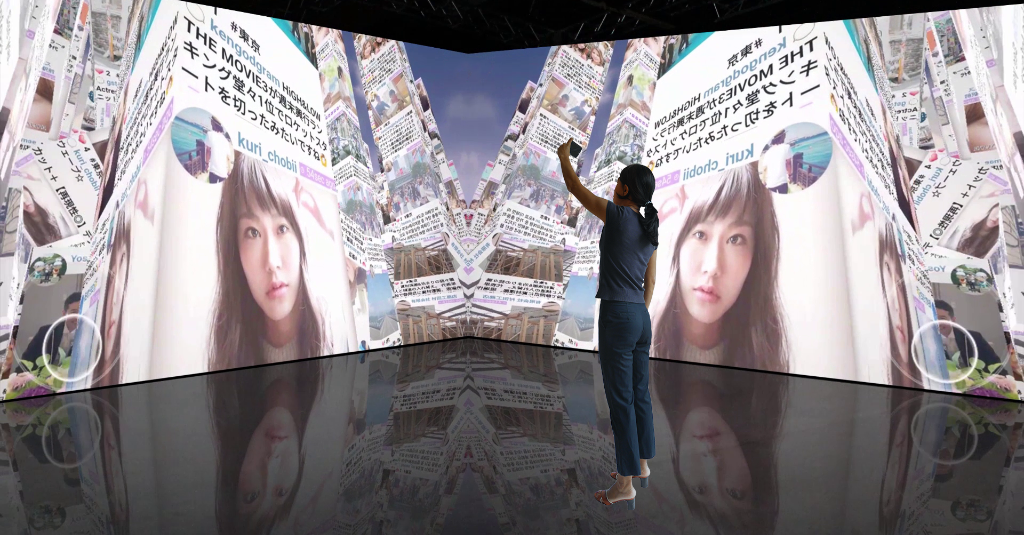
Christophe Cherix, the new director of the Museum of Modern Art in New York, discusses his first months in the role, emphasizing museums as "safe social places" in an era of anxiety and screen-induced isolation. He advocates for collective vision-building with staff and defends the MoMA's independence against political pressure in Trump-era America. Separately, critic Paco Barragán argues in The Observer that biennials are in a structural crisis of repetition, tracing their history from instruments of national soft power to a "Global Neo-Liberal Biennial" system that co-opts diversity without changing its core logic. He introduces the concept of the "vibe-ennial," where discourse is replaced by atmosphere and critique by affect. Meanwhile, longtime Bonn museum director Stephan Berg critiques the boom in immersive art experiences like "Van Gogh – The Immersive Experience," calling them a "surrogate reality" tailored to the Instagram age that destroys the integrity of original works. Artforum reconstructs late-1960s debates on art criticism, focusing on Barbara Rose's challenge to formalists like Clement Greenberg and Rosalind Krauss, arguing that art must engage with societal conflicts such as Black Power and war resistance.

Amy Sherald Dresses As Her Own Award-Winning Painting for Met Gala

Amy Sherald attended the 2025 Met Gala dressed as the subject of her own award-winning painting, *Miss Everything (Unsuppressed Deliverance)* (2014). The work, which won the Outwin Boochever Prize at the National Portrait Gallery and appeared on a *New Yorker* cover, depicts a young girl holding an oversized teacup. Sherald collaborated with designer Thom Browne to recreate the painting's look, including a red fascinator, as part of the gala's theme “Fashion Is Art,” which also aligns with the Costume Institute's exhibition “Costume Art.” Sherald served on the gala's committee alongside artists Anna Weyant and Tschabalala Self.

Look Inside the Art-Filled Home of New York City's Cultural Crusaders

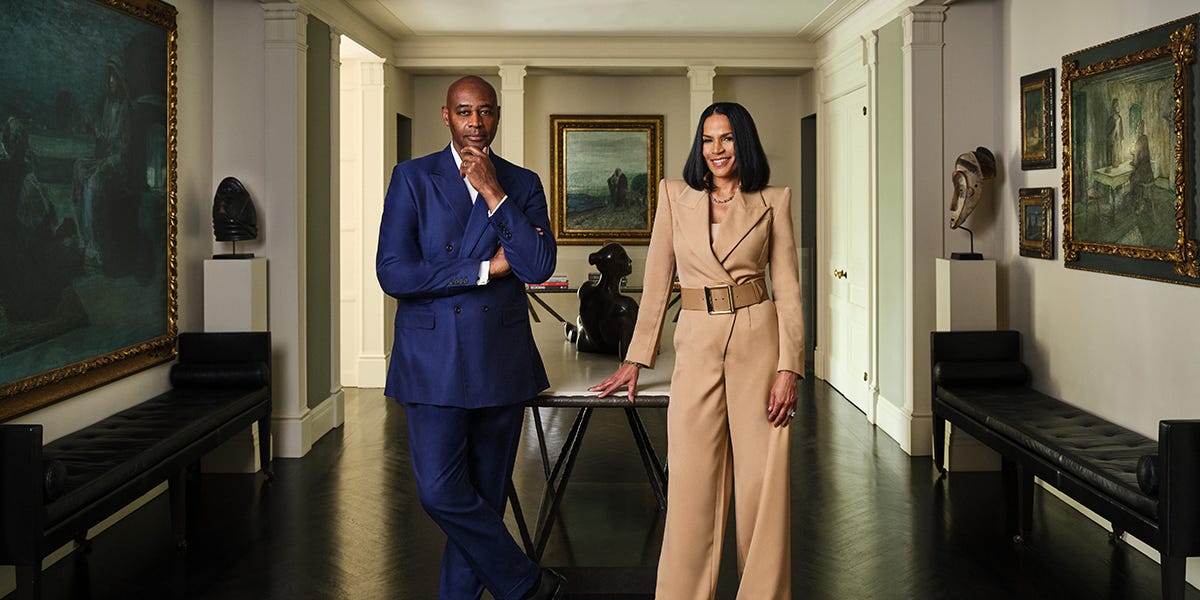
This profile explores the Upper West Side residence of Crystal McCrary McGuire and Raymond J. McGuire, a power couple deeply embedded in New York City’s cultural and financial sectors. Their home serves as a private gallery for a significant collection of African American art, featuring masterworks by Norman Lewis, Henry Ossawa Tanner, Elizabeth Catlett, and Romare Bearden. The couple’s shared passion for collecting began independently, sparked by their formative years studying in France, and has since evolved into a joint mission to preserve and live alongside Black artistic heritage.

Expanded Vocabulary: Revisiting Deborah Kass’ Studio

The article recounts the author's visit to Deborah Kass's Brooklyn studio, which she shares with her wife, artist Patricia Cronin. The visit was prompted by logistical issues related to the author's exhibition "Social Minimalism" (2025). During the visit, the author and Kass revisited themes central to Kass's work over three decades: the exclusion of women from art history, Jewish identity, queer voice, lesbian subjectivity, and postwar American art. The conversation also touched on Kass's series including the Warhol Project, Feel Good Paintings, No Kidding, and the large painting/sculpture installation "Everybody" (2019), which was recently featured in a conversation between Kass and Titus Kaphar in Interview magazine.

A hated portrait and a forged masterpiece: two new thrillers with paintings at their centre

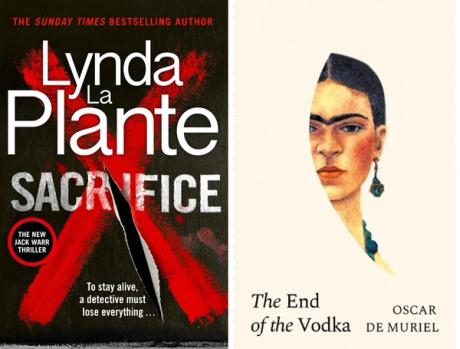
Two new thrillers center on paintings: "The End of the Vodka" by an unnamed author, which fictionalizes the real story of Frida Kahlo's commissioned portrait of Dorothy Hale—a painting that horrified its patron Clare Boothe Luce—and weaves an imagined conversation between Luce and Wallis Simpson amid the backdrop of World War II. The second, "Sacrifice" by Lynda La Plante, follows Detective Jack Warr as he investigates a possible forgery of a Jean-Michel Basquiat painting, leading to murder and a missing art forger.

New Richard Avedon documentary chronicles how he shaped the evolution of photography

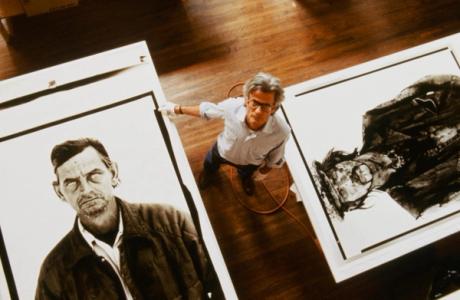
Imagine Documentaries, the nonfiction arm of Ron Howard and Brian Grazer's Imagine Entertainment, premiered a new documentary about photographer Richard Avedon at the Cannes Film Festival on May 17. The film, co-produced by the Richard Avedon Foundation, draws heavily from archival interviews conducted by Helen Whitney for the PBS series *American Masters*, supplemented by new interviews with Avedon's son John, muse Lauren Hutton, Isabella Rossellini, Twyla Tharp, and former *New Yorker* colleagues Tina Brown and John Lahr. The documentary explores Avedon's career, his technique of building rapport with subjects, and his iconic images such as *Dovima with Elephants*, which dealer Larry Gagosian notes sold for $2 million.

‘Depraved in all the right ways’: why forgotten no wave visionary Gordon Stevenson is about to take off

The article profiles Gordon Stevenson, a forgotten visionary of the no wave movement in late-1970s New York, who was an artist, jewelry designer, musician, and filmmaker best known for the notorious film *Ecstatic Stigmatic*. Decades after his death from AIDS, a storage unit full of his lost work has been discovered, including jewelry, mail-art collaborations with Ray Johnson, and clues to a surviving print of his film. His family has also recovered hundreds of letters he wrote to his parents, chronicling his life in downtown New York and his experiences as one of the city's first AIDS patients. The piece traces his journey from a small town in Georgia, where he met his wife Mirielle Cervenka (who later renamed Exene Cervenka), to their punk-era jewelry brand LHOOQ and his lasting influence on gothic fashion.

After dinosaurs, it’s spot the dog! But can a child really learn anything in a gallery?

Neil Osborne and his three-year-old daughter Daisy visit the National Museum Cardiff (NMC), where they explore both dinosaur exhibits and art galleries. Daisy, like many toddlers, engages with paintings by describing what she sees—calling a JMW Turner seascape "a fish." The article follows the author as she investigates whether children under five can learn from art in museums, speaking with parents and Catrin Rowlands, head of learning at NMC. NMC is one of 15 UK museums participating in Mini Wonders, a fully funded program by Art Fund and Nesta that offers eight-week courses for families from disadvantaged backgrounds, providing digital cameras and scrapbooks to encourage repeated museum visits and school readiness.

Inside the Unlikely Bond Between Lucian Freud and Kate Moss

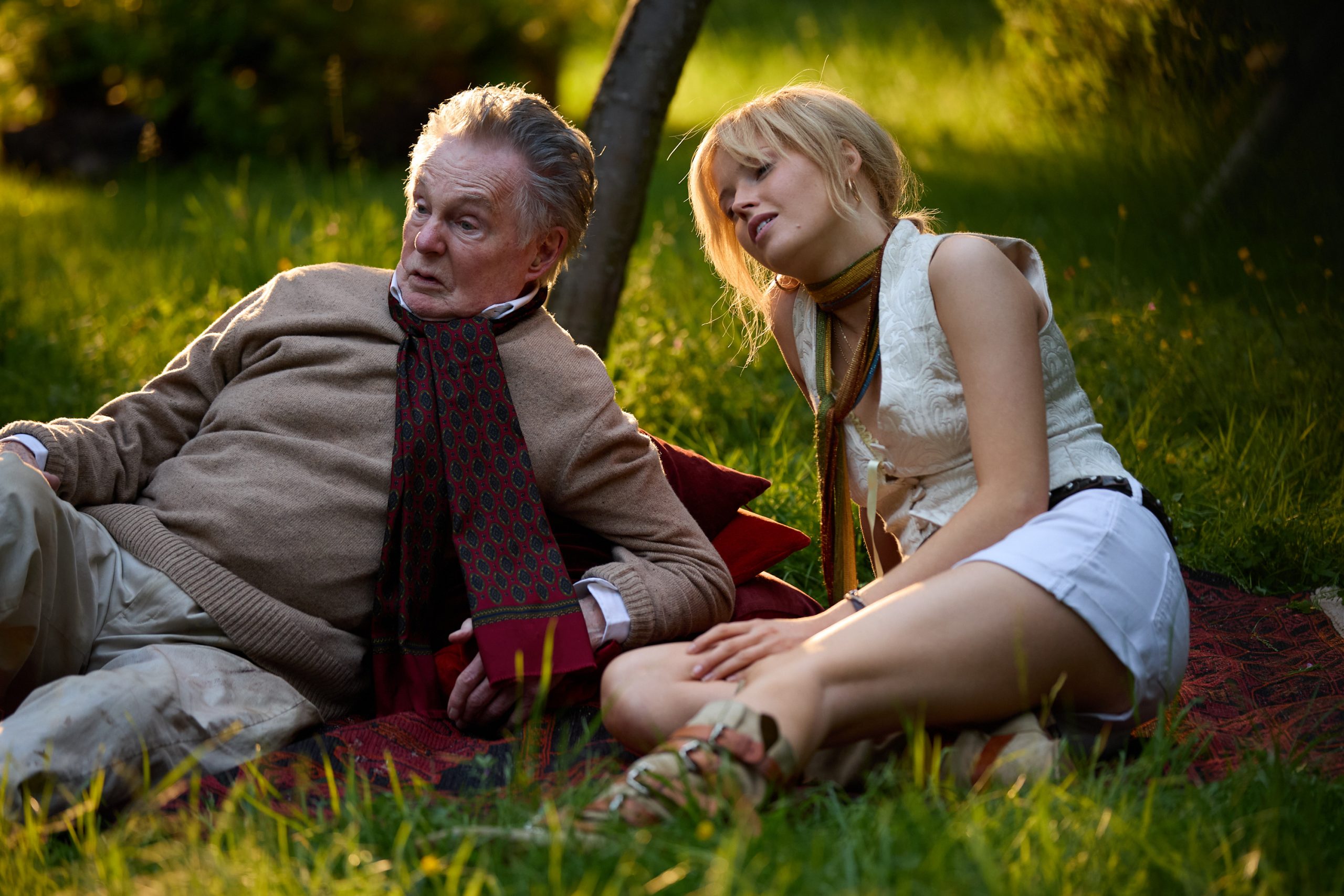
In 2002, Lucian Freud unveiled a portrait of a naked and pregnant Kate Moss, a rare celebrity subject for the artist who had turned down Princess Diana. A new film, *Moss & Freud*, dramatizes the unlikely friendship that developed between the aging painter and the supermodel during the creation of *Naked Portrait (2002)*. Directed by James Lucas, the film stars Ellie Bamber as Moss and Derek Jacobi as Freud, and explores their intense studio sessions, personal revelations, and the bond that formed despite their contrasting lifestyles.

5 Art Novels to Read This Summer

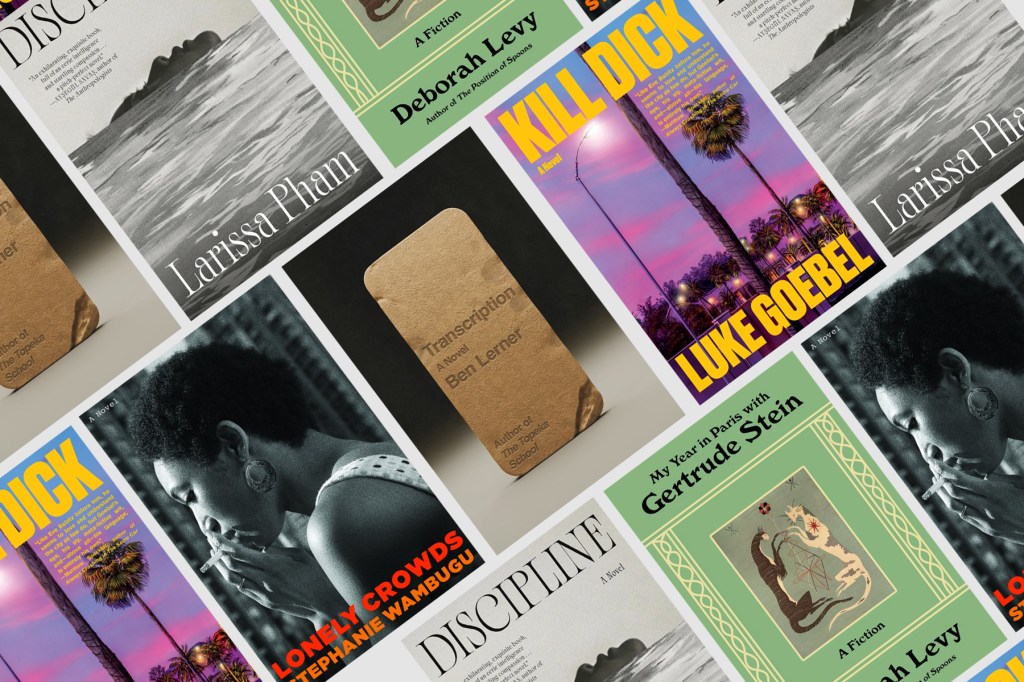
ARTnews has published a list of five art novels to read this summer, all released within the past year. The featured books include Ben Lerner's 'Transcription,' Larissa Pham's 'Discipline,' Deborah Levy's 'My Year in Paris with Gertrude Stein: A Fiction,' Stephanie Wambugu's 'Lonely Crowds,' and Luke Goebel's 'Kill Dick.' Each novel explores how art emerges through relationships—with friends, mentors, parents, lovers, and historical artists—offering a range of perspectives from anxious inner monologues to satirical critiques of the art world.

Story of enslaved boy featured in 1748 Joshua Reynolds portrait emerges in new study

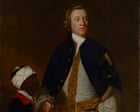
A research project by the National Trust, the National Gallery in London, and Royal Museums Greenwich has uncovered new details about the identity of an enslaved boy known only as “Jersey,” who appears in a 1748 portrait by Sir Joshua Reynolds. The painting, which hangs at Saltram in Devon, depicts Jersey with his enslaver, naval officer and MP Paul Henry Ourry. Through admiralty records, muster books, and baptismal certificates, researchers identified the boy as “Boston Jersey,” later baptised as George Walker, and found evidence of his naval service and possible path to freedom.

Trevor Paglen’s New Book Says AI Is Rewriting What Images Do

Artist Trevor Paglen has published a new book, *How to See Like a Machine: Images After AI*, which argues that generative AI and computer vision are fundamentally changing how images function in culture. Drawing on his decade-long practice, Paglen contends that images are no longer merely representations for human interpretation but have become operational tools—'activations' that trigger automated responses and shape reality. He cites examples such as surveillance cameras at grocery stores, the Samsara navigation system in trucks, and the ImageNet database to illustrate how machine vision systems normalize surveillance in service of capital, a phenomenon he terms 'machine realism.'

7 Books We’re Looking Forward to in May

ARTnews has published a list of seven art books to look forward to in May 2026, covering a wide range of topics from contemporary theory and AI imagery to historical biographies and the Venice Biennale. Featured titles include Dena Yago's collected writings 'That Figures,' Victoria Johnson's biography of Frederic Church 'Glorious Country,' Trevor Paglen's 'How to See Like a Machine,' Nicholas Fox Weber's 'Anni Albers: A Life,' Massimiliano Gioni's 'High Waters: An Oral History of the Venice Biennale,' Rennie McDougall's 'Nonstop Bodies: How Dance Shaped New York City,' and Paul Elie's 'Last Supper: Art, Faith, Sex and Controversy in the 1980s.'

Buzkashi horsemen battling for a headless goat: Todd Antony’s best photograph

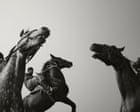
Photographer Todd Antony discusses his black-and-white series capturing the Central Asian sport of buzkashi, in which horsemen compete to grab and control a headless goat carcass. He traveled to Tajikistan to document matches involving up to 300 riders, shooting from a pickup truck and later taking portraits of riders on farms. One striking image shows three horses and their riders against a snowy mountain backdrop, with fog rolling in—a moment that inspired him to channel Richard Avedon's style using artificial lighting.

Delegitimation, Denunciation and Insecurity

"Delegitimation, Denunziation und Verunsicherung"

German cultural critic Georg Seeßlen warns in his taz column of a right-wing 'war of conquest' targeting liberal cultural institutions through systematic delegitimation, denunciation, and intimidation. Meanwhile, a new Berlin artist study reveals that the average annual income from artistic work is just €6,000, highlighting a structural dysfunction in the art system. Additionally, Jonathan Meese's play 'Alaska Kid' has been canceled at the Volksbühne Berlin following the death of his mother Brigitte Meese, who was his organizer, muse, and confidante.

Keith Haring and Louis Vuitton collaboration launches at the Frick Collection.

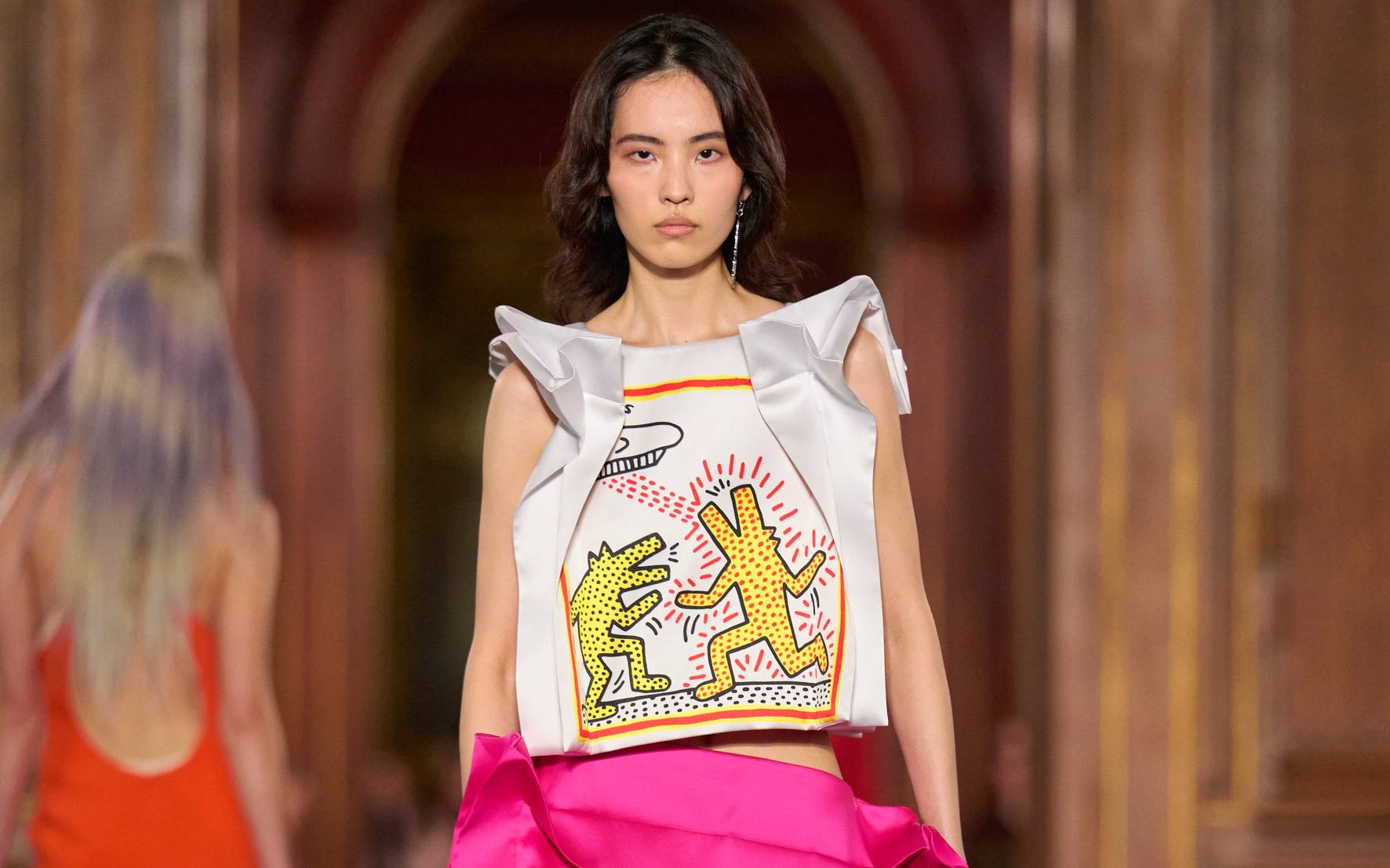
Louis Vuitton debuted its Cruise 2027 collection at the Frick Collection in New York, drawing heavy inspiration from artist Keith Haring. The collection was sparked by a leather Louis Vuitton suitcase that Haring embellished in 1984, which the house acquired in 2020. Haring’s signature motifs appeared throughout the runway show, which also referenced the gritty energy of New York City’s 1980s downtown art scene.

Our Summer Art Reading List

Hyperallergic's summer art reading list features a curated selection of art books, including Kory Stamper's 'True Color' about the Merriam-Webster color definer, Megan O'Grady's essay collection on art as necessity, and 'O'Keeffe-isms' drawn from Georgia O'Keeffe's writings. The list also highlights art detective mysteries like 'The Case of the Disappearing Gauguin' by Stephanie Brown and provenance stories from the San Antonio Museum of Art, alongside upcoming Yale University Press titles on Anni Albers, Dorothea Tanning, and Edward Steichen. Additional coverage includes an exhibition of Jack Kerouac's letters and photographs in NYC, and the Printed Matter art book fair in Los Angeles.

Sex Dreams, Piss Takes, and Fake Trends: A Week in the NY Art World With Domenick Ammirati

Domenick Ammirati returns to New York after a year-long writing residency in Siena and Provincetown to cover the spring art fairs, including Frieze New York 2026. He observes a notably calm art week, attributing the subdued atmosphere to the fair's proximity to the Venice Biennale, which left key players exhausted. Highlights include a Rei Kawakubo installation at Independent, Gucci's Cruise show in Times Square, and MoMA PS1's 50th anniversary gala, where he mingles with curator Jody Graf and spots Klaus Biesenbach.

A brush with... Andrew Cranston—podcast

This episode of 'A brush with...' podcast features Scottish painter Andrew Cranston, born in 1969 in Hawick. Cranston discusses how his work draws on personal experiences—childhood memories, family recollections, and recent rituals—filtered through the painting process. His pictures are rich with references to art history, cinema, poetry, and television, and he often paints on the covers of old hardback books. The conversation covers his influences (Pieter Bruegel the Elder, Paul Klee, Pierre Bonnard, Winifred Nicholson, writers Hugh MacDiarmid and Elizabeth Bishop, filmmakers Nicholas Roeg and Dennis Potter), his studio life, and his answer to 'what is art for?' The episode is sponsored by Bloomberg Connects.

In the Studio with Casey Engel

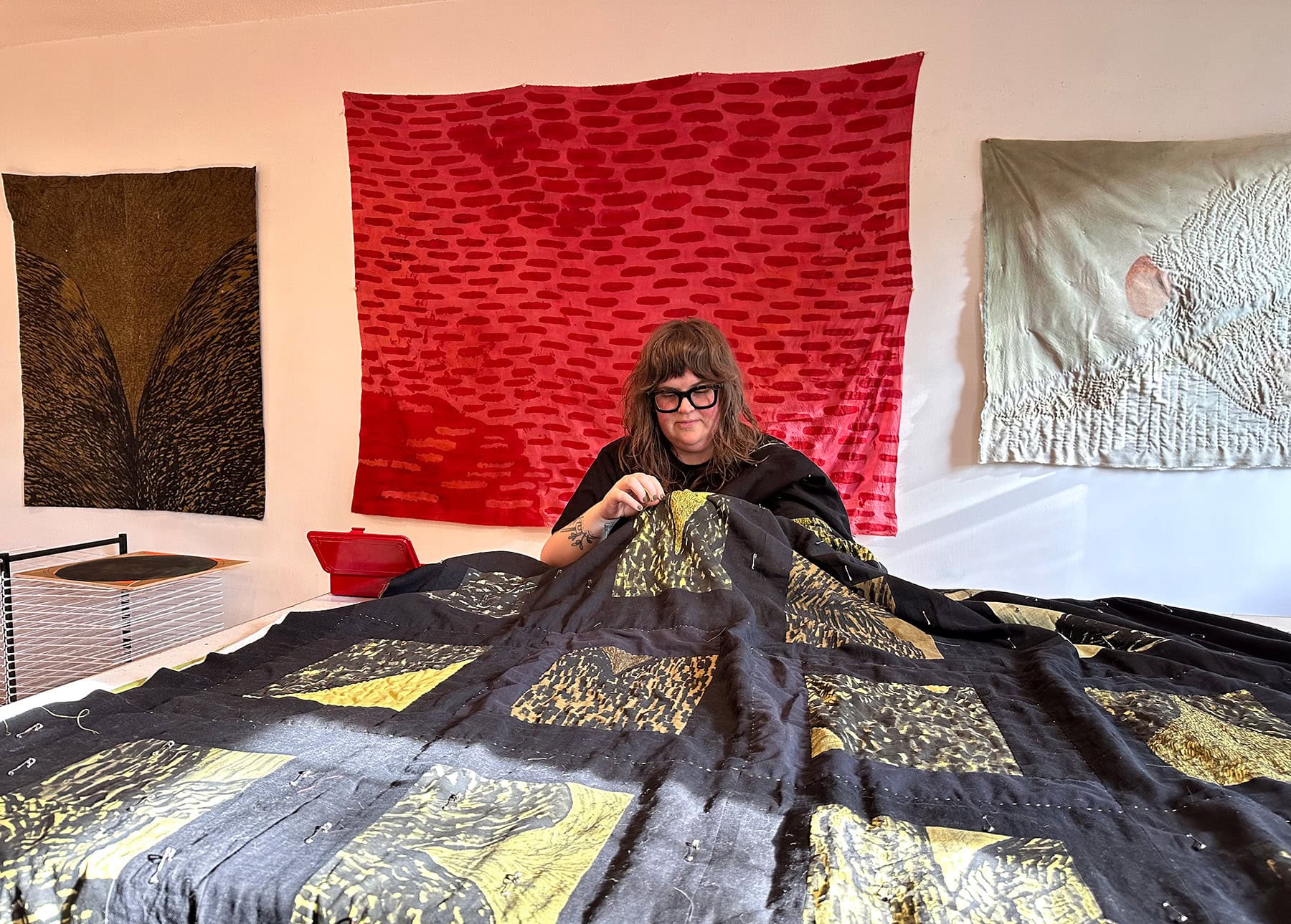
Casey Engel, an artist based in Asheville, North Carolina, is profiled in her studio, where she creates ceramic, fiber, and paper works that blend craft traditions with avant-garde sensibilities. The article, structured as an interview with writer Merin McDivitt, explores Engel's tactile process—from pinching clay to hand-stitching quilts—and her emphasis on touch, intuition, and the tension between functionality and art. Engel previously curated over sixty shows at Blue Spiral 1 before dedicating herself full-time to her own practice.

Global Art Biennials: Renovation, Revelation—or Repetition?

The article examines the current state of global art biennials, arguing that recent controversies—such as the 2022 documenta antisemitism crisis and geopolitical tensions at the 61st Venice Biennale—reveal these exhibitions as deeply politicized platforms rather than neutral cultural events. It highlights how juries and curators have introduced geopolitical criteria, and cites ongoing debates in Artforum (April 2026) featuring voices like Daniel Birnbaum, Michelle Grabner, and Adam Szymczyk, who diagnose visible tensions but overlook deeper structural conditions.

Can Digital Art Ever Truly Replicate the Gallery Experience?

The article explores whether digital art platforms can replicate the experience of visiting a physical gallery. It acknowledges the impressive progress of virtual exhibitions—global accessibility, VR tours, AR overlays, and high-resolution zoom—and notes that 35% of UK adults digitally engaged with the arts in 2024/25, up from 27% in 2021/22. However, it argues that something essential is lost without physical presence: the tactile encounter with a painting's texture and scale, the serendipity of in-person discovery, and the spatial awe of standing before a Rothko in a white cube.