filter_list Showing 10 results for "ACRE" close Clear
search
dashboard All 340 museum exhibitions 182article news 54article local 34article culture 19trending_up market 15person people 11rate_review review 10gavel restitution 9article policy 3candle obituary 3
date_range Range Today This Week This Month All
Subscribe

« L’Angélus » de Millet : une notification à l’humanité hors sol ?

Beaux Arts Magazine publishes a detailed visual analysis of Jean-François Millet's painting "L'Angélus" (1857–1859), housed at the Musée d'Orsay in Paris. The article describes the scene of two peasants pausing their potato harvest to pray at dusk, examining the composition, color, and spiritual resonance of the work. It also traces Millet's biography—from his peasant origins in the Cotentin region to his training under Langlois and Paul Delaroche, and his early career painting portraits and nudes before turning to rural subjects.
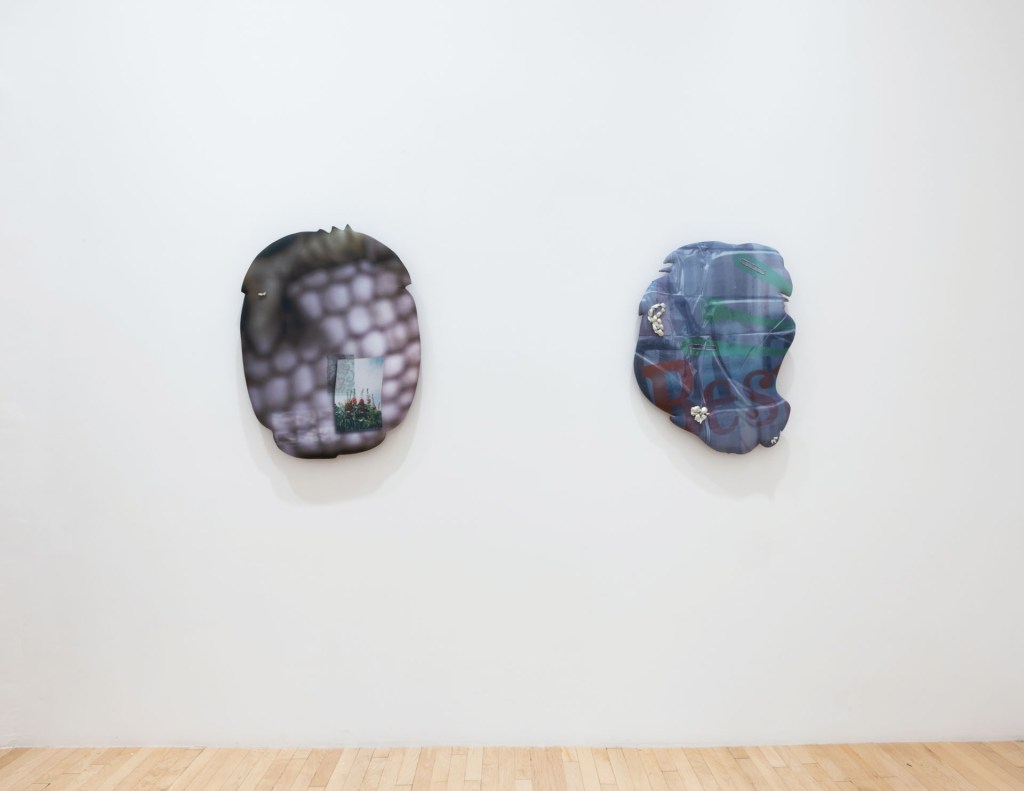
How Former Fashion Designer Emma Safir Turns Fabric into Beguiling Paintings

Emma Safir, a former fashion designer and printmaker, creates beguiling paintings and tapestries that blend textiles, digital printing, and traditional embroidery techniques. Her works, such as "APRICOT SILK" (2025) and "BABY DARLING" (2025), use smocking, glass beads, and shells to produce organic, jewel-toned surfaces that resist easy reflection or entry, challenging viewers to engage with layered material hierarchies.

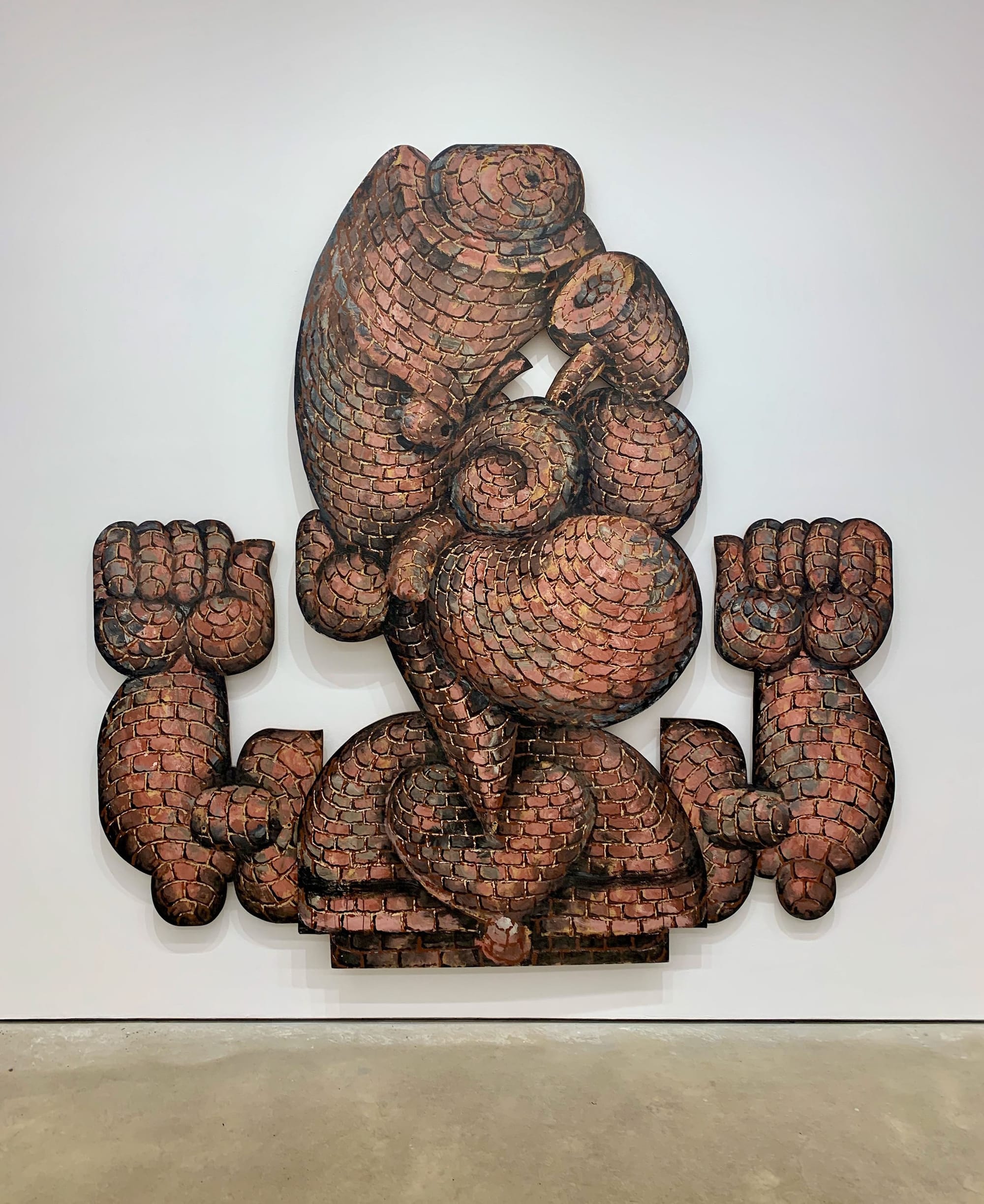
Martin Wong’s Brick Monument to Popeye

Hyperallergic reviews Martin Wong's posthumous exhibition "Popeye" at PPOW gallery, featuring six motorized plywood panels that reimagine the cartoon character Popeye as curving brickwork. The show includes smaller works like "Sacred Shroud of Pepe Turcel" (1989–90) and paintings of vintage cartoon characters Mutt and Jeff, Little Lulu and Tubby, all rendered in Wong's signature brick style. The review highlights Wong's queer, magpie sensibility and his ability to cross boundaries between high and low culture.

Between Tropes and Treats at NADA New York

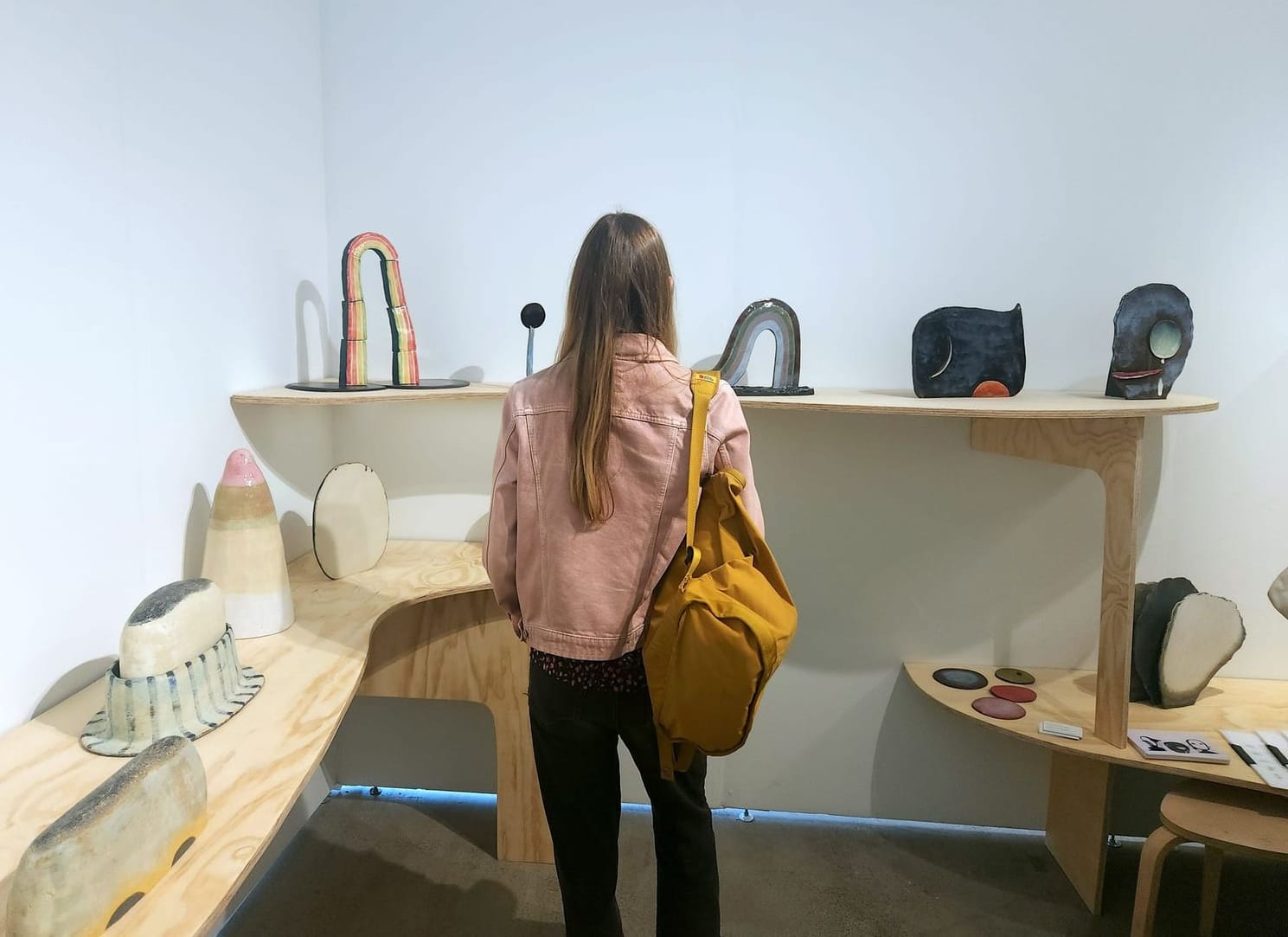
The 12th annual New Art Dealers Alliance (NADA) fair opened at the Starrett-Lehigh Building in Manhattan, featuring a wide array of contemporary works. Critic Rhea Nayyar notes that while many booths felt interchangeable due to prevalent trends like zany sculptures, shiny materials, and kitschy vibrancy, several standout pieces offered genuine engagement. Highlights include Elena Roznovan's maternal ephemera embedded in concrete with bondage tape, Kelly Tapia-Chuning's deconstructed serapes addressing colonial violence, and Niniko Morbedadze's folkloric illustrations.

Special Interest: Marble

Spezialinteresse: Marmor

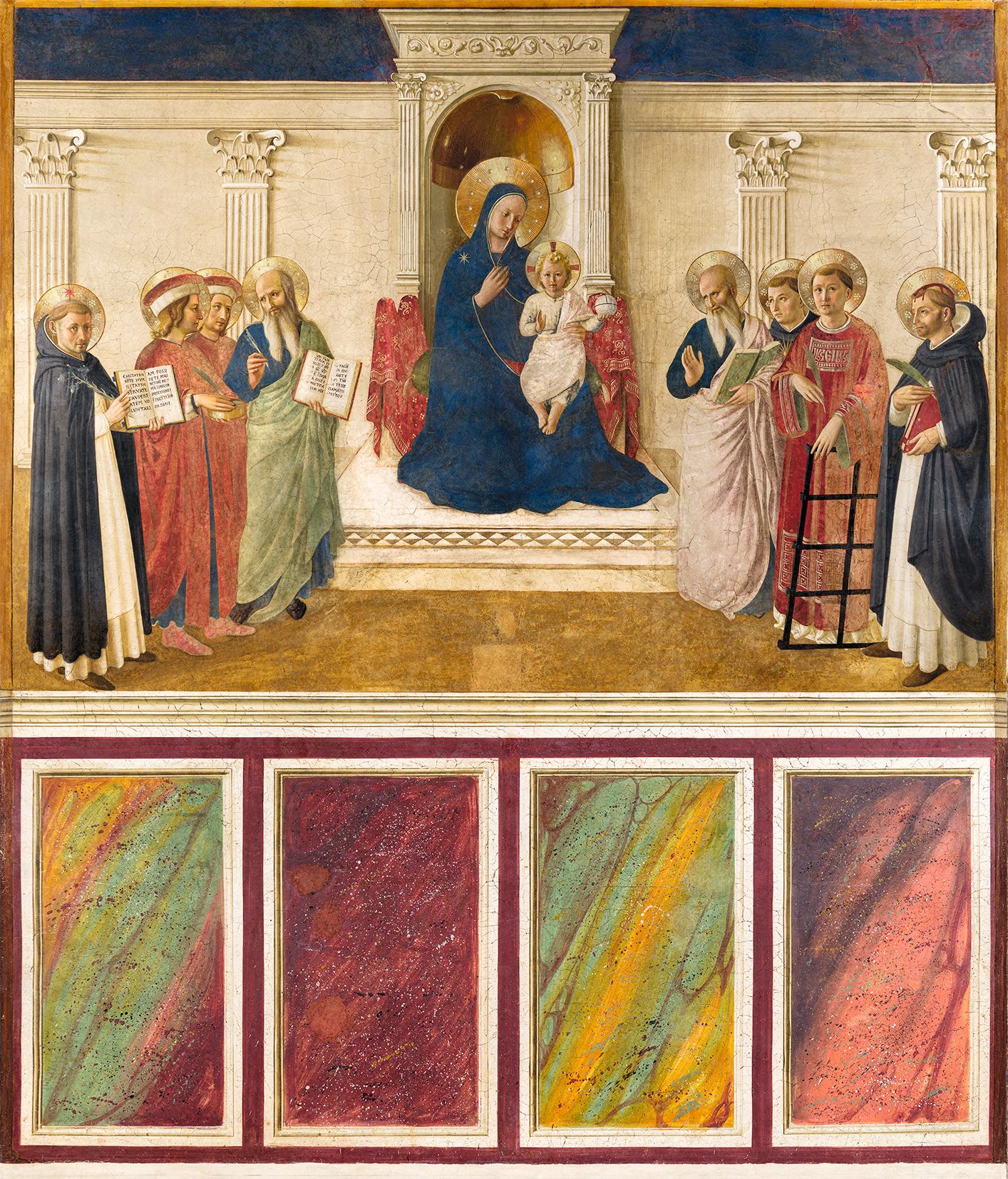
Karl Kolbitz has published a new book focusing on the depiction of marble in Early Renaissance paintings. He explores how artists used the fictional representation of marble to visualize the divine, drawing inspiration from art historian Georges Didi-Huberman and employing modern imaging techniques to reveal previously hidden details.

Review: “Boris Lurie: Nothing To Do But To Try” at the Holocaust Museum Houston

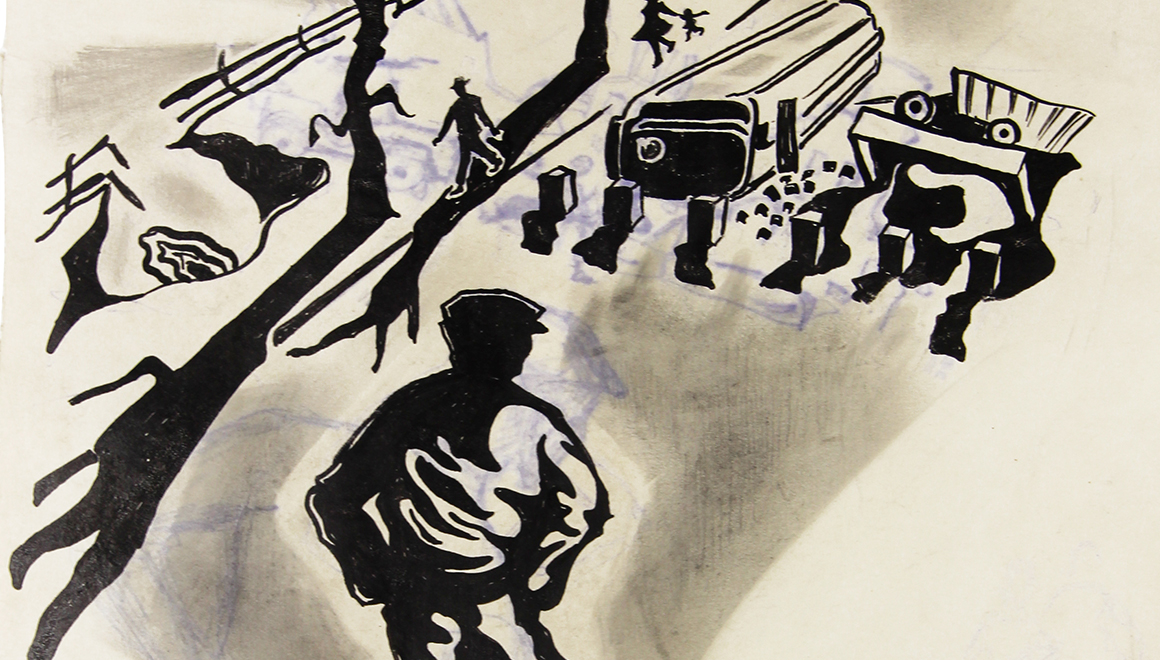
The Holocaust Museum Houston is currently hosting "Boris Lurie: Nothing To Do But To Try," an exhibition focusing on the early works of the Holocaust survivor and NO!art movement founder. Organized by the Museum of Jewish Heritage, the show highlights Lurie’s "War Series," featuring paintings, drawings, and never-before-seen ephemera created as a means of processing the trauma of his imprisonment in camps like Buchenwald. The works, ranging from the immediate post-war period to decades later, serve as a visceral record of memory and loss, including tributes to his family members murdered in the Rumbula Forest massacre.

How the Sienese painter Ambrogio Lorenzetti spoke truth to power

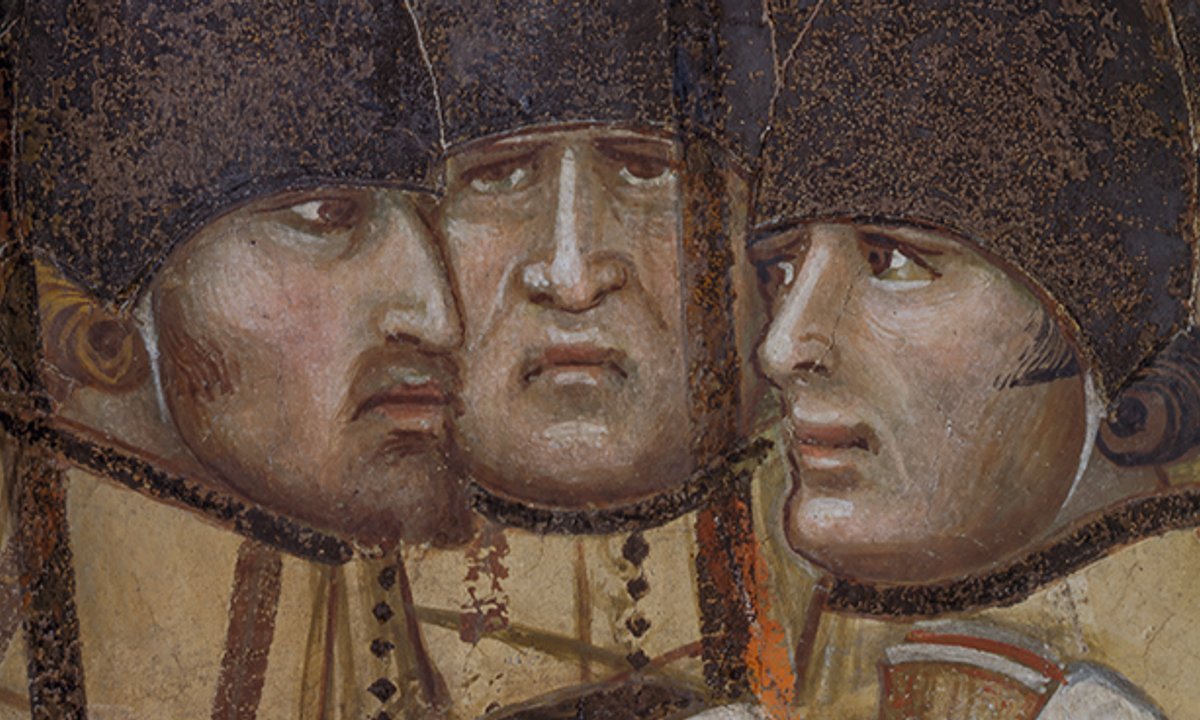
The article examines Ambrogio Lorenzetti's frescoes "Good and Bad Government" (1338-1339) in Siena's Sala dei Nove, arguing that the painter embedded a subtle critique of the ruling oligarchy. Jules Lubbock, a professor emeritus at the University of Essex, reinterprets the murals as a warning against repressive one-party rule, challenging the traditional view of Siena under the Nine as a golden age of good governance.

Exhibit Review: Revolution! 250 Years of Art and Activism in Boston – Museum Studies Blog at Tufts University

The Boston Public Library in Copley Square has opened "Revolution! 250 Years of Art and Activism in Boston," its first major exhibition in nearly a decade. The show uses a deliberately unfinished design of plywood and scaffolding to symbolize democracy as a work in progress, moving chronologically from the American Revolution through the 21st century. It features engravings by Paul Revere, portraits of George Washington and Benjamin Franklin, works addressing Toussaint L’Ouverture and Haitian revolution, Boston abolitionists, the Civil War, civil rights leaders Martin Luther King Jr. and Malcolm X, and contemporary activism including Indigenous, LGBTQ+, climate, and anti-police brutality movements.

art shakers movement ica philadelphia religion

The article reviews "A World in the Making: The Shakers," an exhibition at the Institute of Contemporary Art, Philadelphia, running through August 9, 2026. It pairs Shaker material culture with works by seven contemporary artists, including Kameelah Janan Rasheed, who responds to the archive of Rebecca Cox Jackson, a Black Shaker leader. The exhibition explores how Shaker communal practices, craft traditions, and devotional art resonate in today's digital age, where handmade aesthetics often become lifestyle signals rather than shared experiences.

Latent Energy: A Review of Bernard Williams at Elmhurst Art Museum

Bernard Williams' solo exhibition "Crossings" is on view across the Elmhurst Art Museum campus, including its parking lot and the Mies van der Rohe house. The show features sculptures, paintings, and installations that reference African American history, such as the "Spirit of Bessie Coleman" works honoring the pioneering aviator, and "Cowboy Dream" with its roosters and cowboy figure. The exhibition's title and layout deliberately avoid linear narratives, instead forcing viewers to navigate a fragmented path that mirrors the complexities of historical memory and racial injustice.