filter_list Showing 6 results for "Alma" close Clear
dashboard All 349 museum exhibitions 159article news 72trending_up market 41article culture 20article local 19person people 15article policy 10rate_review review 6candle obituary 3gavel restitution 3article event 1
date_range Range Today This Week This Month All
Subscribe

the worst art we saw in 2025 2706930

Artnet News editors and writers compiled a list of the worst art of 2025, calling out works they found lazy, cynical, overhyped, or ethically dubious. Highlights include Flora Yukhnovich's site-specific painting installation at the Frick Collection, which critics deemed middling and out of place among the museum's historic masterpieces; Jeff Koons's eight-foot-tall Hulk (Tubas) sculpture, sold for $3 million at Frieze New York and described as an obnoxious trophy piece; and actor Adrien Brody's interactive gum wall installation, which invited visitors to stick chewed gum onto a canvas.
art yuji agematsu judd foundation review

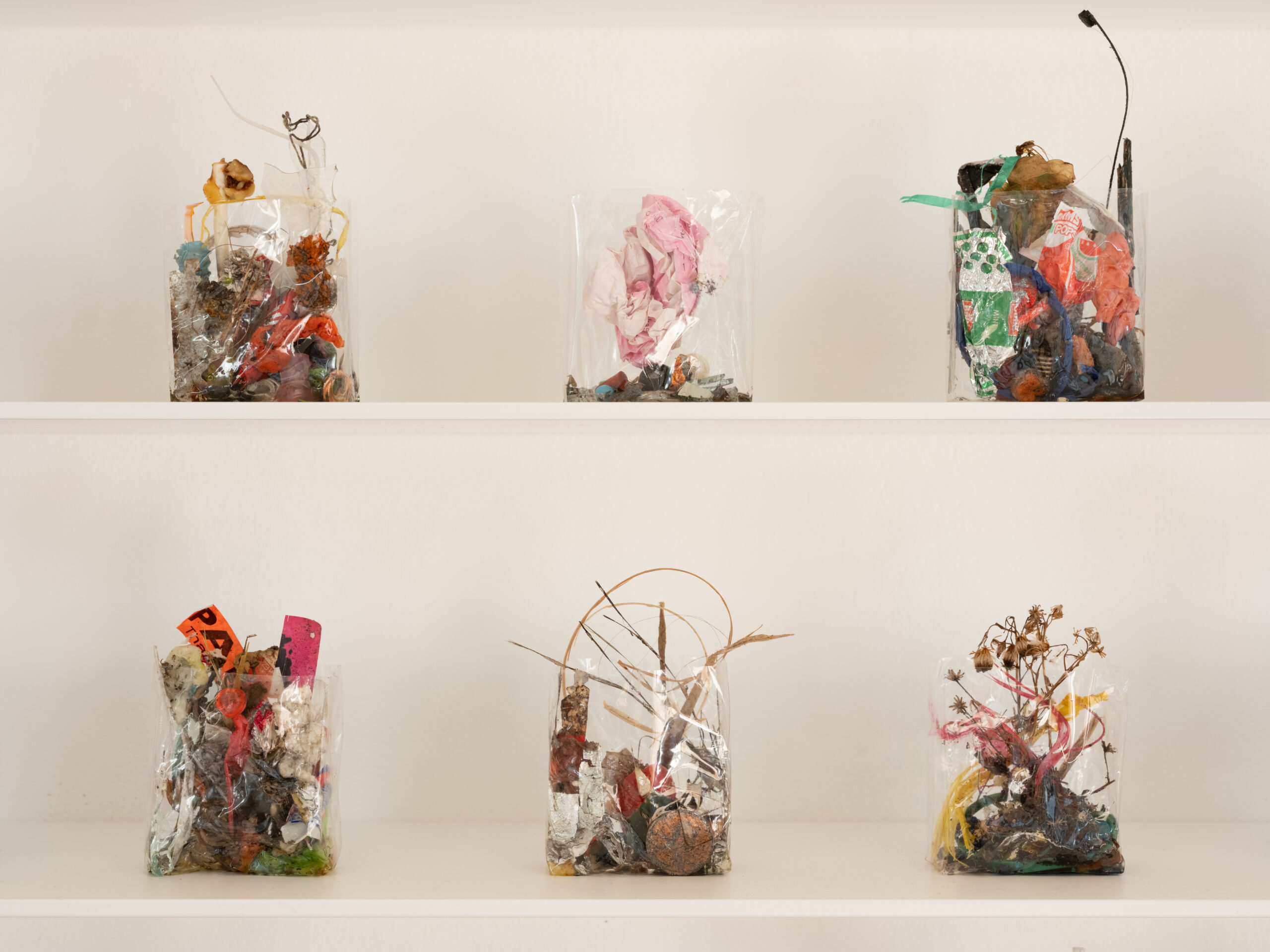
The article reviews Yuji Agematsu's exhibition at the Judd Foundation in New York, where 366 of his "zips"—small assemblages of found objects collected during daily walks and arranged in cigarette cellophane sleeves—were displayed on open aluminum shelves in grids representing each day of 2024. The show ran through August 30, 2025, and marked a departure from previous presentations of Agematsu's work, which had been enclosed in acrylic cases; here, the zips were left exposed, with a fan causing plant matter to sway, making the work feel more alive and immediate.

art best and worst art of 2025 list

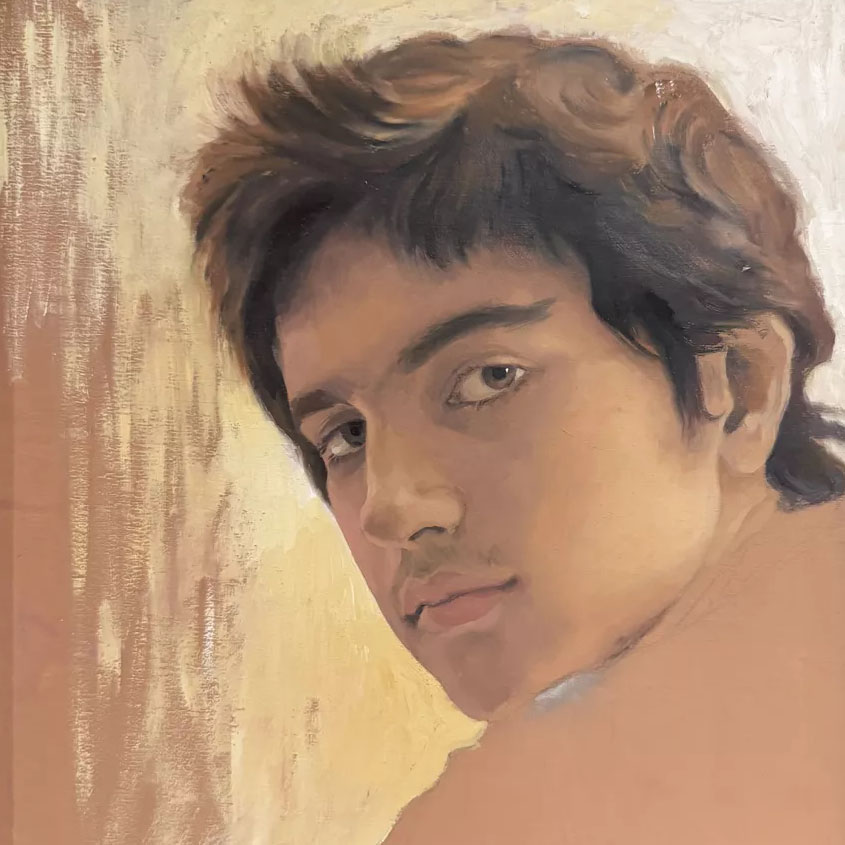
Cultured's art critic reflects on the best and worst of 2025, highlighting standout moments including Salman Toor's 2007 portrait of Zohran Mamdani (now mayor-elect of New York), the posthumous Jack Whitten survey "The Messenger" at MoMA, and Anne Imhof's epic production "DOOM: House of Hope" at the Park Avenue Armory. The article also notes Mamdani's arts-friendly transition committee and the broader resilience of artists amid political turmoil.

Alma Allen’s US Pavilion Is One of the Emptiest Shows at the Venice Biennale

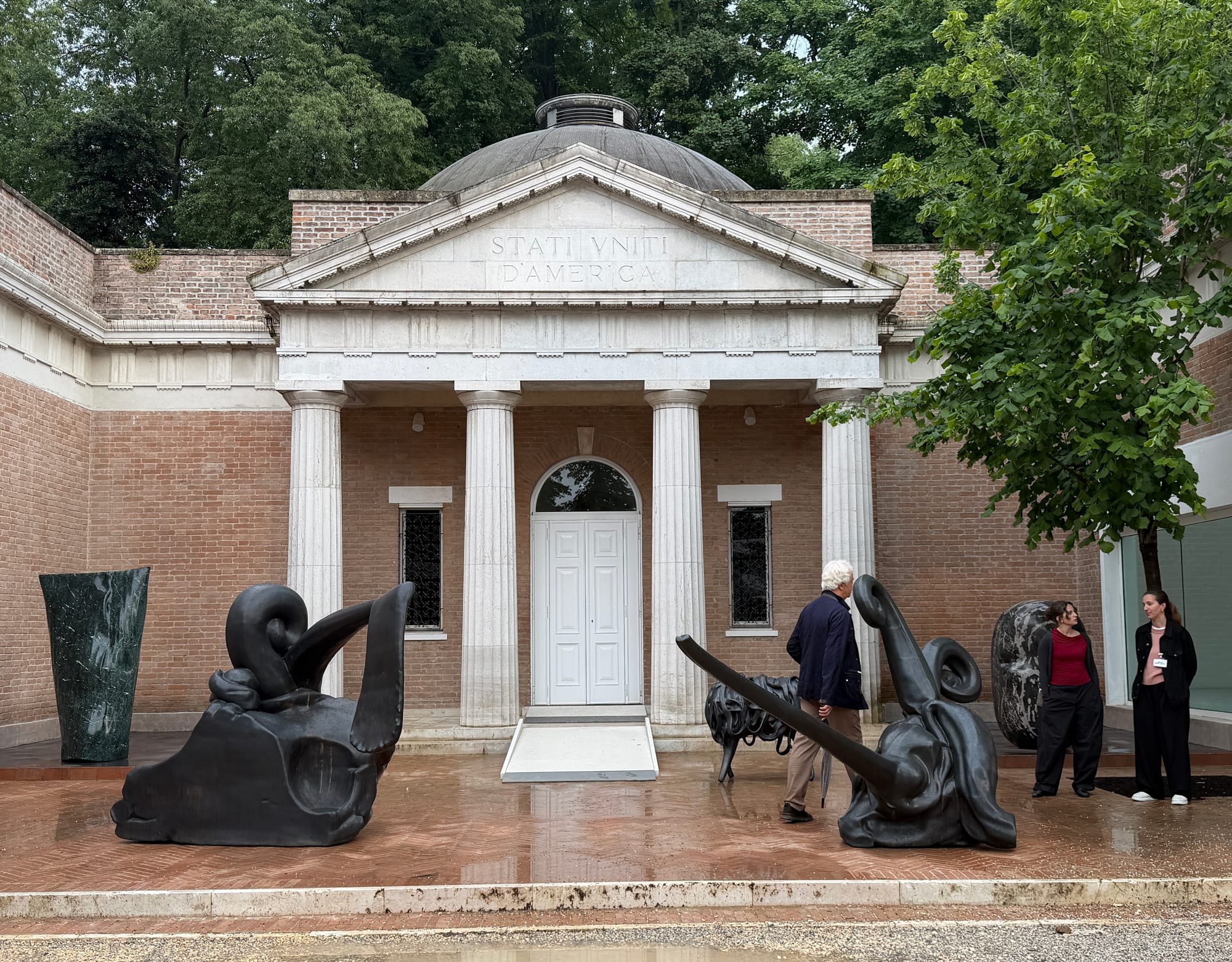
Alma Allen represents the United States at the 2026 Venice Biennale with a subdued, apolitical exhibition inside the US Pavilion. The show features roughly 25 sculptures—mostly in bronze, wood, and stone—many titled "Not Yet Titled," and deliberately avoids overt political messaging. This marks a stark departure from the previous two US pavilions, curated by Simone Leigh (2022) and Jeffrey Gibson (2024), which directly confronted colonialism and empire. The Trump administration’s call for proposals explicitly asked for work that "reflects and promotes American values," and Allen’s presentation has been criticized as safe, unremarkable, and lacking the incisive edge of contemporary American art.

art doron langberg paintings israel

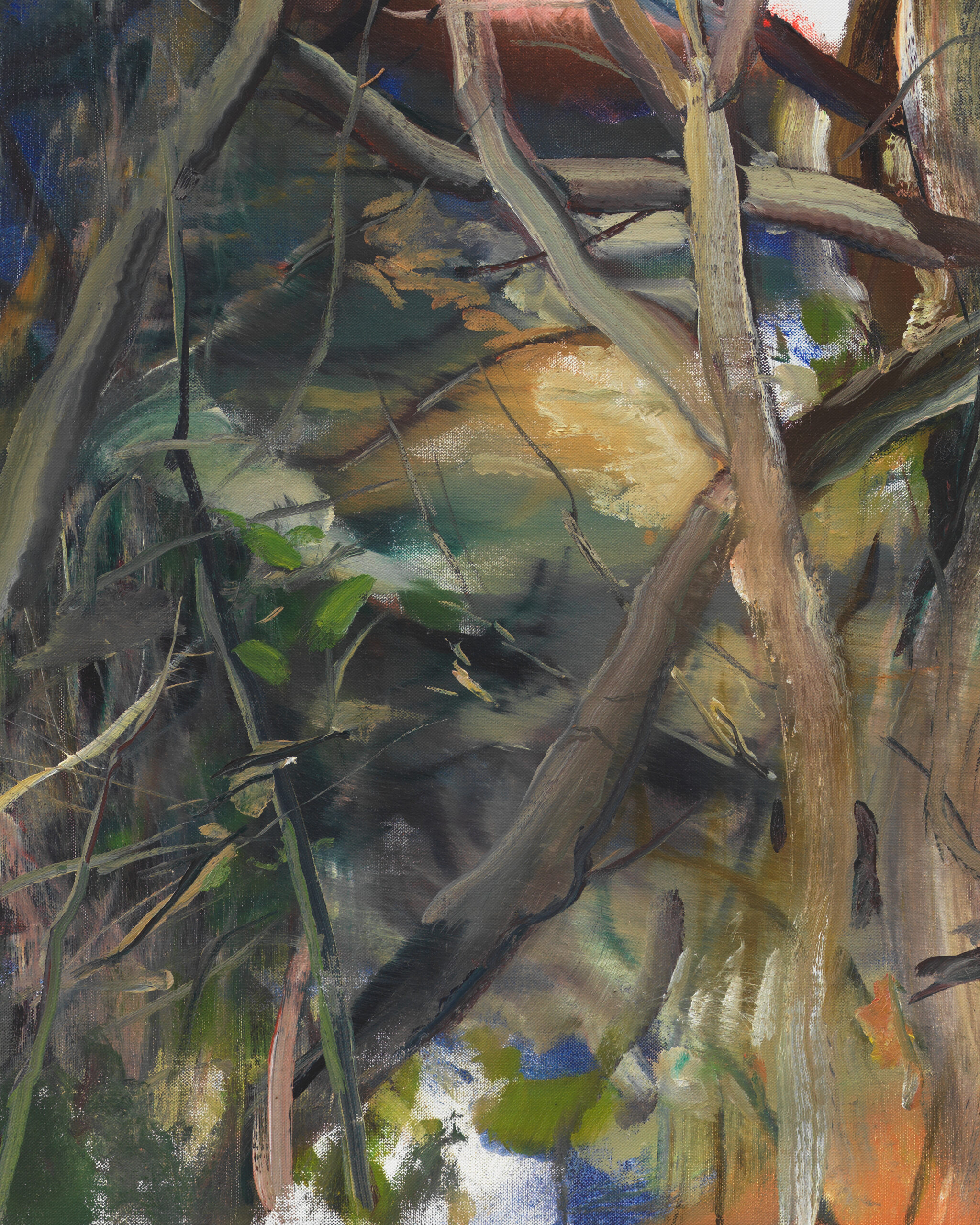
The article reviews Doron Langberg's exhibition "Landscapes" at Jeffrey Deitch in New York, featuring large-scale oil-on-linen paintings that reflect on the artist's identity as a Jewish Israeli painter after October 7, 2023, and the subsequent conflict in Gaza. The works depict three personally significant locations: Yokneam in Israel, Drohobych in Ukraine (where the artist's father survived the Holocaust), and a queer beach community on Fire Island. Langberg's accompanying statement asserts that Palestinians deserve justice and liberation, framing painting as a means to confront atrocity.

A Whole Lot of Nothing at the US Pavilion

The US Pavilion at the 2026 Venice Biennale features sculptor Alma Allen's exhibition "Call Me the Breeze," curated by Jeffrey Uslip. The show presents untitled, amorphous sculptures in bronze, wood, and stone, including Colorado Yule marble. The selection process was controversial: after the Trump administration excluded the National Endowment for the Arts, the State Department initially picked artist Robert Lazzarini and curator John Ravenal, but that plan collapsed. The American Arts Conservancy, a new nonprofit led by Jenni Parido (a former pet food store operator with Mar-a-Lago ties), then took over, hiring Uslip, who approached Barbara Chase-Riboud and William Eggleston before settling on Allen. Donors include businessman John Phelan and fashion designer Tommy Hilfiger.