filter_list Showing 9 results for "CORE" close Clear
dashboard All 417 museum exhibitions 228article local 62article news 36trending_up market 27article culture 24person people 12candle obituary 9rate_review review 9article policy 5gavel restitution 5
date_range Range Today This Week This Month All
Subscribe

Édouard Glissant’s Museum-as-Archipelago

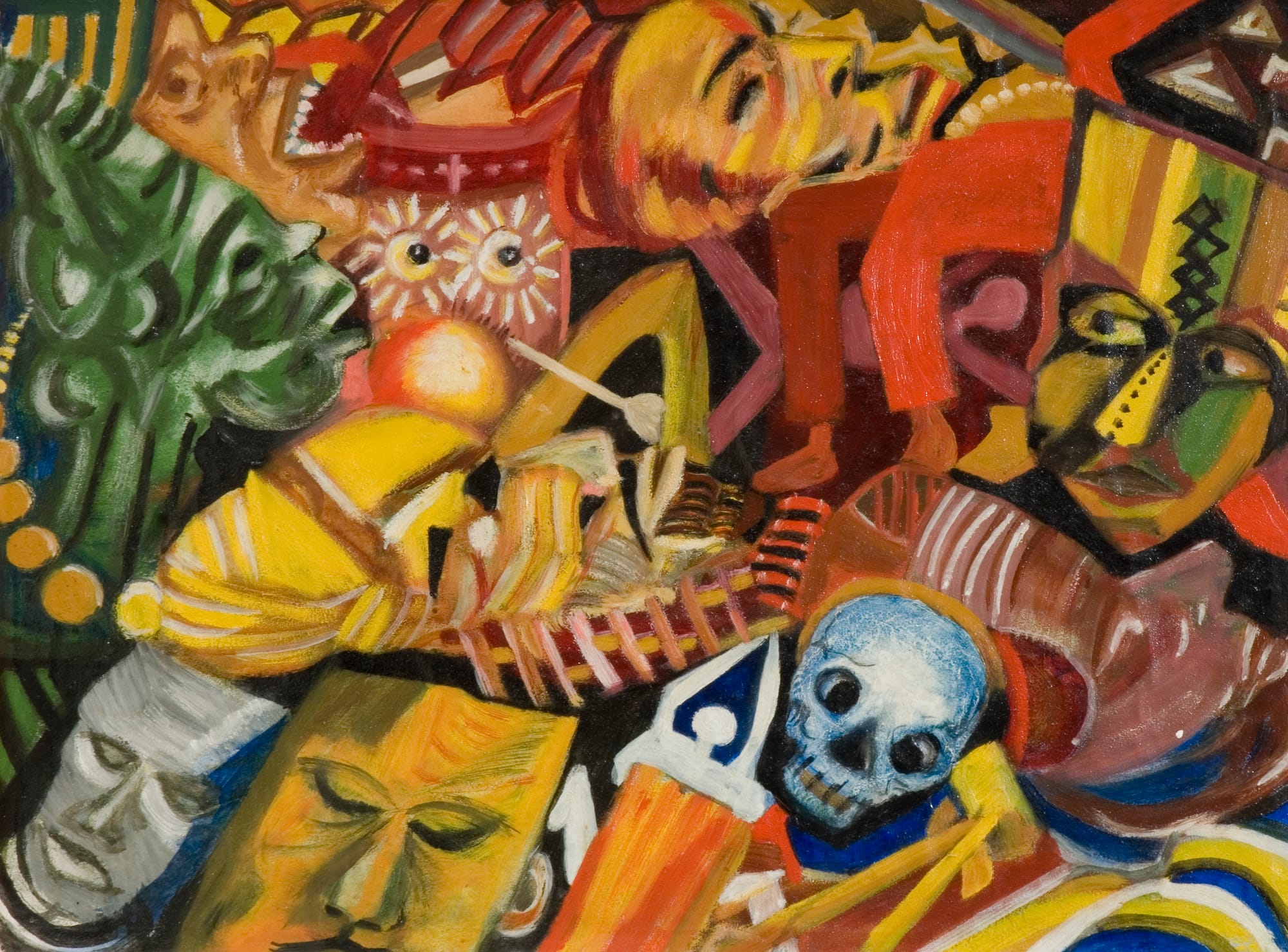
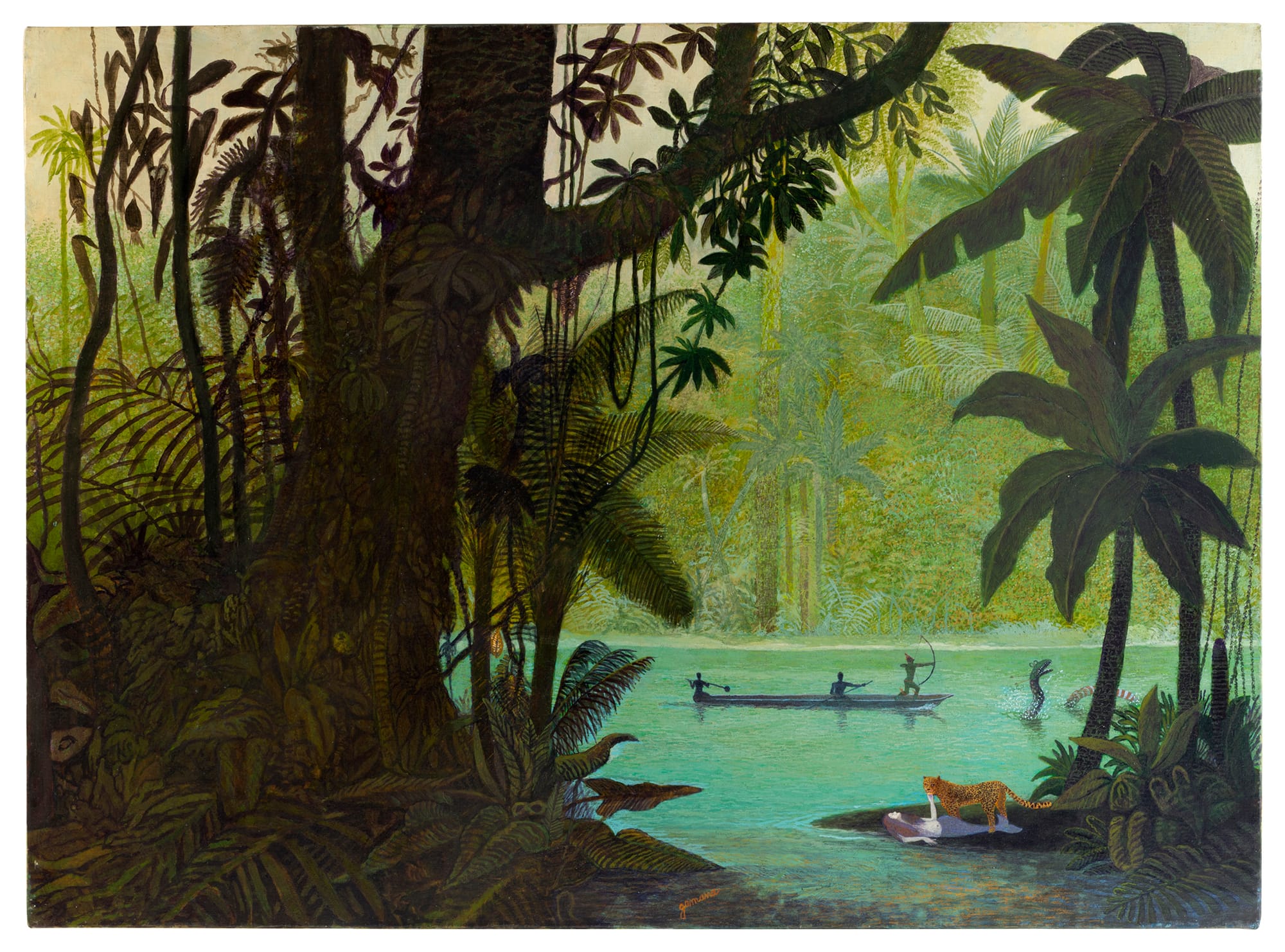
The article reviews the exhibition "The Earth, the Fire, the Water, and the Winds: For a Museum of Errantry with Édouard Glissant" at the Center for Art, Research and Alliances (CARA) in New York, the first U.S. showing of works from the personal collection of Martinician philosopher and writer Édouard Glissant. Curated from his archive, the exhibition features artists such as Roberto Matta, Wifredo Lam, Etel Adnan, Irving Petlin, Antonio Seguí, Öyvind Fahlström, Jack Whitten, and Mel Edwards, reflecting Glissant's friendships and intellectual exchanges across Europe, Africa, and the Americas. Highlights include Antonio Seguí's large pastel works from his Titanic series.
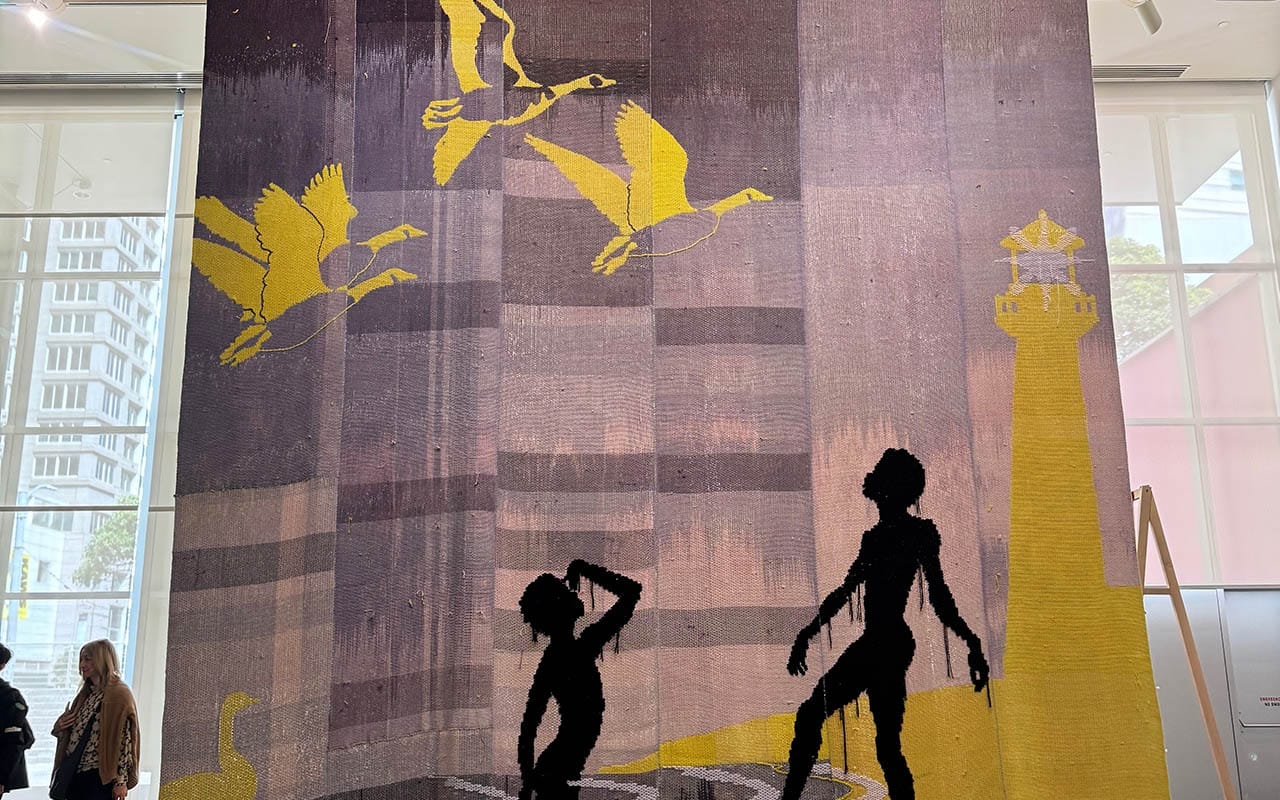
Diedrick Brackens’s Tapestries Beckon the Light of Freedom

Diedrick Brackens presents his first solo exhibition in the Bay Area, "gather tender night," at Yerba Buena Center for the Arts in San Francisco. Guest-curated by Eungie Joo, the show features 15 tapestries from 2020 onward and three new works from 2026, including the immersive installation "clearing (2026)." Brackens, a Black queer artist and CCA professor, uses hand-dyed cotton and acrylic yarn to weave narratives of personal memory, myth, and the natural world, drawing from West African weaving, California fiber art, European tapestry, and Gee's Bend quilting. His approach, influenced by the "sloppy craft" ethos of his mentor Josh Faught, embraces unfinished edges and visible process as acts of refusal against polished traditions.

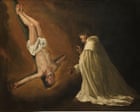
Zurbarán review – ecstatic visions, primitive surrealism … and the finest loincloths ever painted

The Guardian reviews a major exhibition of 17th-century Spanish painter Francisco de Zurbarán, highlighting his visionary and surrealist qualities. The show features works such as "The Apparition of Saint Peter to Saint Peter Nolasco" (1629), newly attributed paintings including a giant mask, and iconic pieces like "The Crucified Christ" and "Saint Serapion," all drawn from collections including the Prado and the National Gallery, London. The review emphasizes Zurbarán's ability to paint supernatural subjects with naturalistic conviction, his exquisite rendering of fabrics—especially loincloths—and his influence on modern artists like Salvador Dalí.

Salon review – like getting to know fascinating guests at a fabulous party

The article reviews a salon-style exhibition curated by Matthew Higgs, director of New York's White Columns gallery, at an unnamed gallery space. The show features 43 paintings by a diverse group of artists including Denzil Forrester, Andrew Cranston, Kaye Donachie, Merlin James, Margot Bergman, Gillian Carnegie, Bill Lynch, and Adam Keay, arranged around mismatched chairs facing white windows painted on the walls. The reviewer describes moving through the space, engaging with individual works, and highlights the eclectic, unthemed curation that prioritizes personal taste and conversation over academic or political messaging.

What’s Left to Learn from Marcel Duchamp?

The article examines Marcel Duchamp's enduring influence on contemporary art, focusing on his readymades such as "Fountain" (1917) and "Bicycle Wheel" (1913/1951). It notes that a major survey co-organized by the Museum of Modern Art and the Philadelphia Museum of Art, 70 years after Duchamp predicted his true public would emerge in 50 to 100 years, reaffirms his status as the most influential artist of the past century. The piece discusses how Duchamp's practice of selecting and presenting ordinary objects as art—from a urinal to a snow shovel—once shocked the art world but now seems quaint compared to later works like Maurizio Cattelan's taped banana.

The Revolutionary Tapestry of Nigerian Modernism

The exhibition "Nigerian Modernism" at Tate Modern in London is the first show of its kind in the UK, surveying how Nigerian artists forged a postcolonial identity across the 20th century. It features works by pioneers such as Aina Onabolu, Benedict Enwonwu, and members of the radical Zaria Art Society, including Uche Okeke, Jimo Akolo, and Clara Etso Ugbodaga-Ngu, highlighting their break from British artistic traditions and embrace of local visual heritage.

Nancy Holt review – cosmic thrills as the universe’s hidden power is unleashed

The Guardian reviews a major UK exhibition of land artist Nancy Holt (1938-2014) at Goodwood in West Sussex, the largest show of her work to date. The exhibition features two large outdoor installations—Ventilation System, a metallic tubular structure resembling building lungs, and Hydra’s Head, six concrete pools arranged like the Hydra constellation in a chalk quarry—alongside indoor photographs, diagrams, and light works. The review praises the cosmic scale and bodily connection of the outdoor pieces but finds the indoor works less effective at conveying Holt’s themes of universal vastness and interconnectedness.

WORDS WORDS WORDS at Everard Read shows the power of words in contemporary art

The article reviews 'WORDS, WORDS, WORDS,' an exhibition at Everard Read Gallery's CIRCA space in South Africa, which explores the role of language in contemporary visual art. Curated with a focus on how words are bent, repeated, fragmented, and reassembled, the show features works by South African artists including Willem Boshoff and Luca Evans, who engage with conceptual art traditions from Dada to Barbara Kruger. Boshoff's braille-inset wooden piece 'Planet of Echinus' questions inclusion and exclusion in language, while Evans' work riffs on Joseph Kosuth's iconic text pieces using ancient wood-inlay techniques.

Zurbarán review: Even the godless will be enraptured by this drama

The article reviews a major exhibition of 17th-century Spanish painter Francisco de Zurbarán, highlighting his dramatic religious works such as a stark crucifixion, a depiction of St. Peter crucified upside down, and a series of saintly princesses. It notes the exhibition's effective hanging, the artist's use of vivid color and theatrical lighting, and includes recently attributed works like a mysterious giant head. The review emphasizes the blend of high drama, emotion, and Catholic piety in Zurbarán's paintings, as well as his still lifes that rival those of Velázquez.