filter_list Showing 6 results for "Cell" close Clear
search
dashboard All 161 museum exhibitions 77article news 35article local 17trending_up market 9article culture 8rate_review review 6person people 5article policy 4
date_range Range Today This Week This Month All
Subscribe

Todd Gray Reframes Black Diasporic History

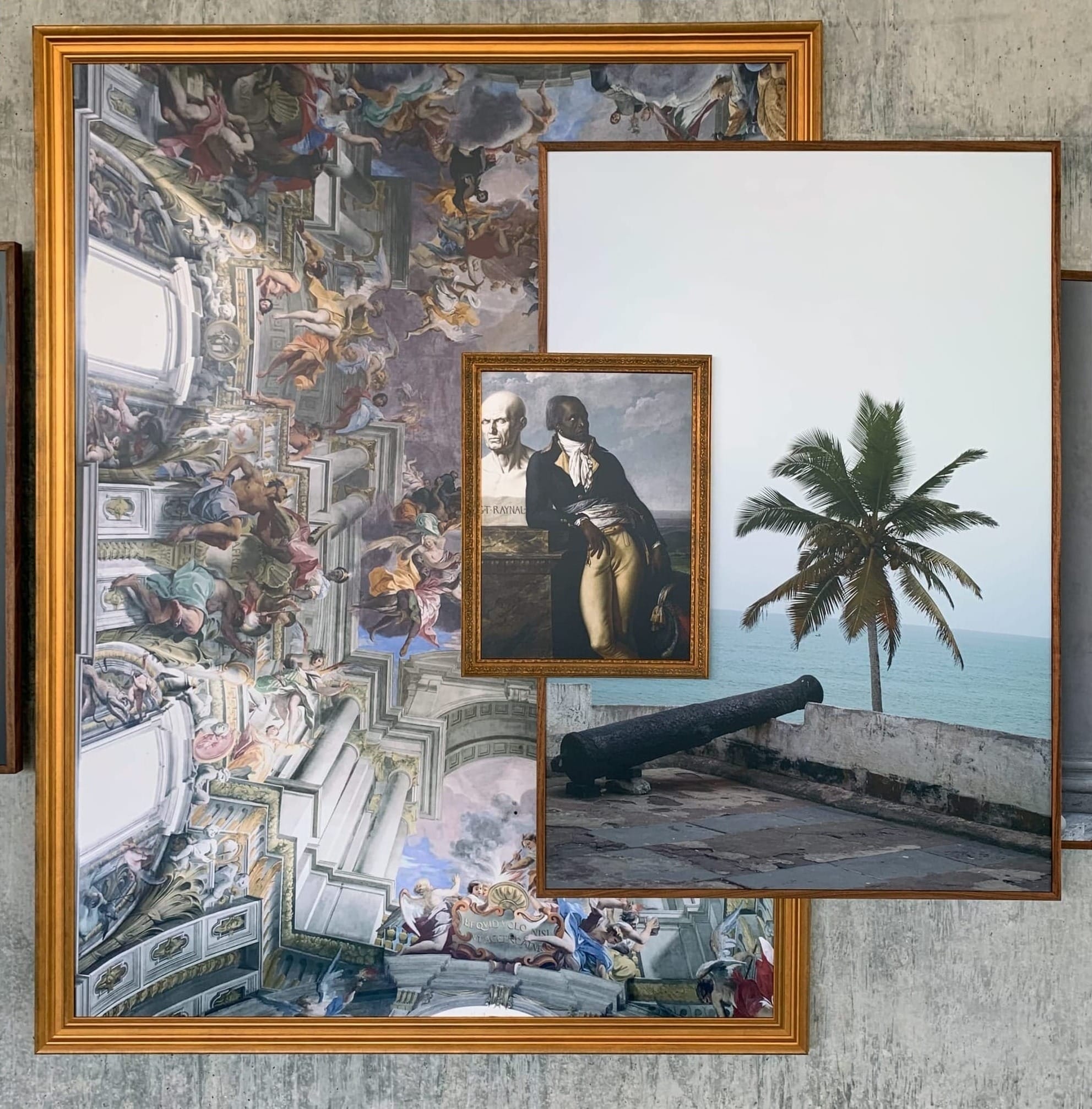
Todd Gray's exhibition "Portals" at Perrotin in Los Angeles features multi-paneled photo assemblages that juxtapose images of slavery with European art, architecture, and formal gardens, exploring the evolution of Black history and identity. The show coincides with the opening of his commissioned installation "Octavia's Gaze" (2025) at the new David Geffen Galleries of the Los Angeles County Museum of Art. Gray's works incorporate his own photographs alongside sources like Hubble Space Telescope imagery, creating layered visual puzzles that invite viewers to find connections and ask questions about African diasporic identity.
What does a woman swimming in urine tell us about the state of the world? Lots! – Venice Biennale review

The 2026 Venice Biennale, curated by the late Koyo Kouoh under the theme "In Minor Keys," has been plagued by months of turmoil including countries withdrawing, artists being fired, exhibitions cancelled, funding pulled, and protests during the preview. A five-person curatorial team took over after Kouoh's death, resulting in what the critic describes as a disjointed, committee-driven exhibition that prioritizes quiet contemplation and healing over direct political engagement. The central shows in the Giardini and Arsenale feature a vast, poorly explained array of art from the global south, with installations of ceramics, textiles, slide projectors, and serene natural scenes that the critic finds anachronistic and dull.

An Unlikely Friendship Between Artist and Forger

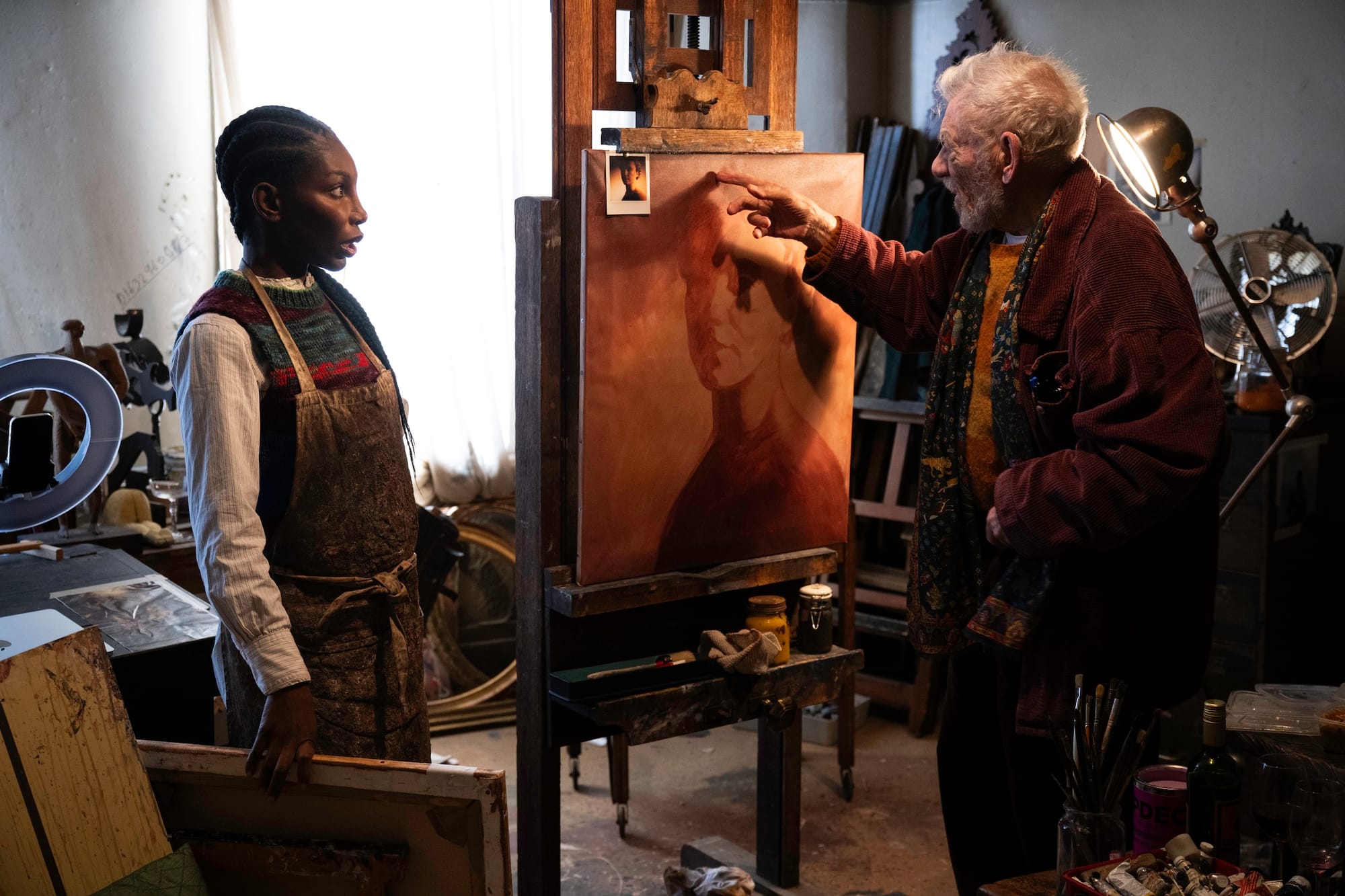
The article reviews Steven Soderbergh's 2026 film "The Christophers," which follows an unlikely friendship between two painters in London: Julian Sklar (Ian McKellen), an older artist facing cancellation, and Lori Butler (Michaela Coel), a young painter who restores and forges artworks. The film explores themes of attention, artistic legacy, and the purpose of art, contrasting with darker narratives like "Tár" by offering a comedic yet profound take on these issues.

The Carnegie International Looks Back at Itself

The 58th Carnegie International at the Carnegie Museum of Art in Pittsburgh looks back at its own 130-year history, featuring a gallery dedicated to past iterations. The exhibition includes Chris Ofili's "The Adoration of Captain Shit and the Legend of the Black Stars" (1998), which was originally shown in the 53rd International in 1999, the same year Ofili's more notorious "The Holy Virgin Mary" sparked controversy at the Brooklyn Museum. The article reviews how the current iteration captures the excitement of earlier exhibitions while providing commentary on authoritarianism and militarism.

The Enigma of Alison Knowles

Lauren Moya Ford reviews the only book dedicated to Fluxus artist Alison Knowles, who died six months ago. The book, "Performing Chance: The Art of Alison Knowles In/Out of Fluxus" by Nicole L. Woods (2026), attempts to illuminate Knowles's life and work, but Ford notes that much of her personal life remains mysterious despite the author's efforts. The article is part of a broader books newsletter that also features new tomes on Hans Holbein’s portraits, Jan Staller’s photographs of Manhattan construction sites, and a discussion of a Black Panther family album at the Studio Museum in Harlem.

Did Zurbarán Believe What He Painted?

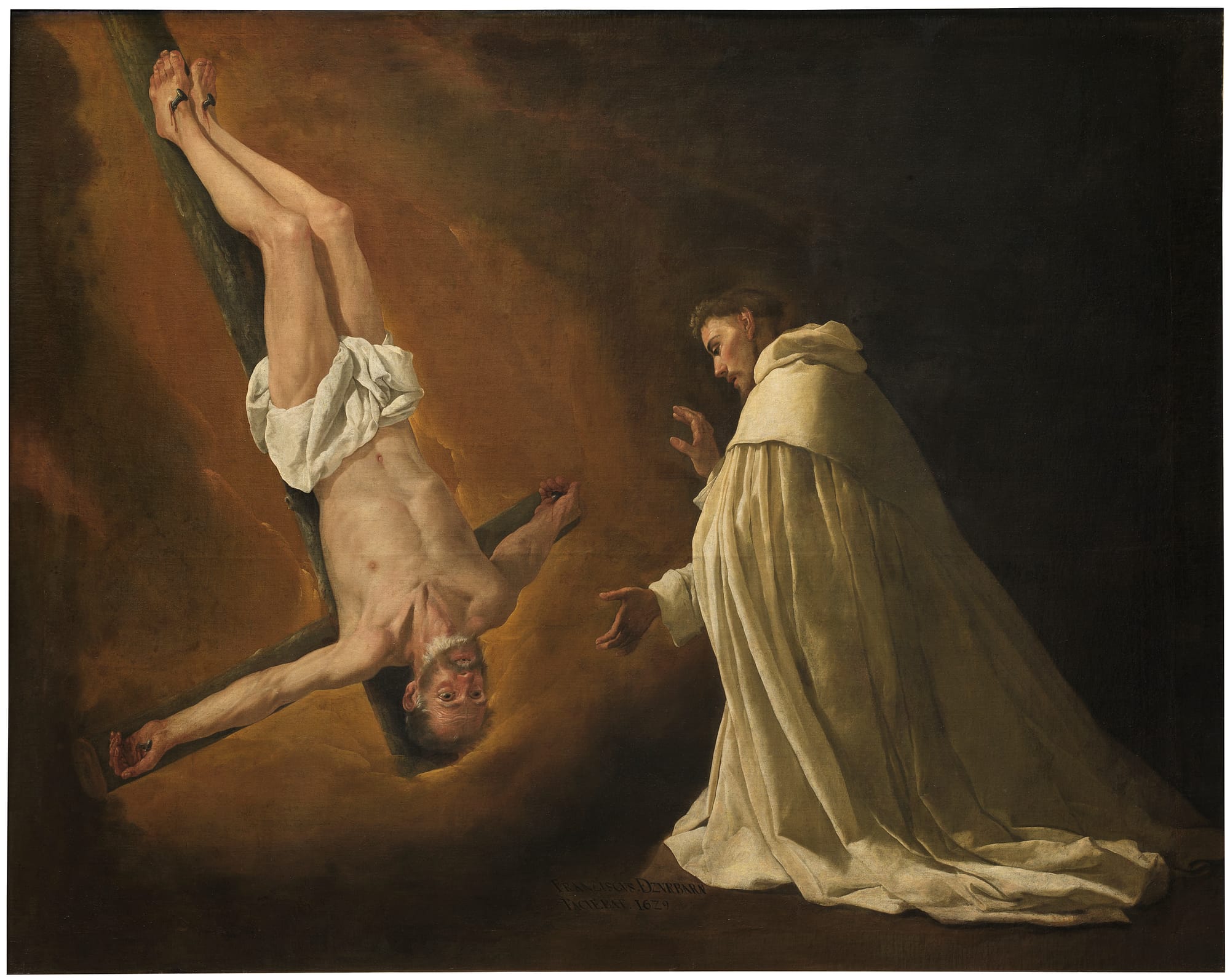
An exhibition of Francisco de Zurbarán's 17th-century religious paintings at London's National Gallery prompts a critic to question whether the artist's personal faith influenced his artistic skill. The show features monumental works from Spanish churches and monasteries, displayed dramatically against black walls, including crucifixion scenes, monks, and saints. The critic notes that no personal records of Zurbarán survive—only contracts—leaving his beliefs unknown, and compares him to Agnolo Bronzino, who painted pious scenes but wrote obscene verses. A small painting of a crucified Christ with a painter, possibly a self-portrait of Bronzino, is presented as ambiguous evidence of faith.