filter_list Showing 56 results for "Concept" close Clear
search
dashboard All 1207 museum exhibitions 776article culture 98trending_up market 65article local 65rate_review review 56article news 56person people 53candle obituary 32article policy 4article event 2
date_range Range Today This Week This Month All
Subscribe

the worst art we saw in 2025

Artnet News editors and writers compiled a list of the worst art of 2025, calling out works they found lazy, cynical, overhyped, or ethically dubious. Highlights include Flora Yukhnovich's site-specific painting installation at the Frick Collection, which critics deemed middling and out of place among the museum's historic masterpieces; Jeff Koons's eight-foot-tall Hulk (Tubas) sculpture, sold for $3 million at Frieze New York and described as an obnoxious trophy piece; and actor Adrien Brody's interactive gum wall installation, which invited visitors to stick chewed gum onto a canvas.

christian marclay one hit wonder clocks doors brooklyn museum

Christian Marclay's latest supercut film, "Doors," is now on view at the Brooklyn Museum after stops in Boston and Europe. The 50-minute looped video compiles scenes of famous actors opening and closing doors from various movies, following the success of Marclay's 2011 hit "The Clock," a 24-hour video-clock that synchronizes on-screen timepieces with the viewer's actual time. The article critiques "Doors" as a less profound, more self-obsessed work that lacks the emotional resonance of its predecessor.

lorna simpson met museum painting survey review

Lorna Simpson's paintings are the subject of a new survey exhibition at the Metropolitan Museum of Art in New York, titled "Source Notes," on view through November 2. The show features over 20 paintings created between 2014 and 2024, marking the first exhibition to survey Simpson's output in this medium. Curated by Lauren Rosati, the exhibition aims to provide an overview of her painterly practice while connecting it to her collage work, with two vitrines displaying her collages to illustrate the fluidity between the two practices. Simpson, best known for her photography from the 1980s, debuted her paintings at the 2015 Venice Biennale organized by the late curator Okwui Enwezor.

ruth asawa retrospective sfmoma review

Ruth Asawa's first retrospective at the San Francisco Museum of Modern Art in 1973 featured a communal "dough-in" where children made art from baker's clay, a practice that drew skepticism from some onlookers. Now in 2025, SFMOMA presents a larger retrospective of Asawa's work, showcasing her wire sculptures, drawings, and playful, community-oriented art. The exhibition, organized by SFMOMA's Janet Bishop and MoMA's Cara Manes, will travel to the Museum of Modern Art in New York, the Guggenheim Bilbao, and the Fondation Beyeler.

Isaac Julien review – Gwendoline Christie meets a cyborg starfish in a pleasure-seeker’s postmodern parlour

A new film by artist Isaac Julien, featuring actors Sheila Atim and Gwendoline Christie as science-fiction deities, is on view at the Cosmic House in London. The 25-minute work, which incorporates themes from Octavia E. Butler's novel *Parable of the Sower*, explores concepts of change, interconnectedness, and fluid identity through a visually rich, postmodern lens.

lutz bacher retrospective oslo brussels

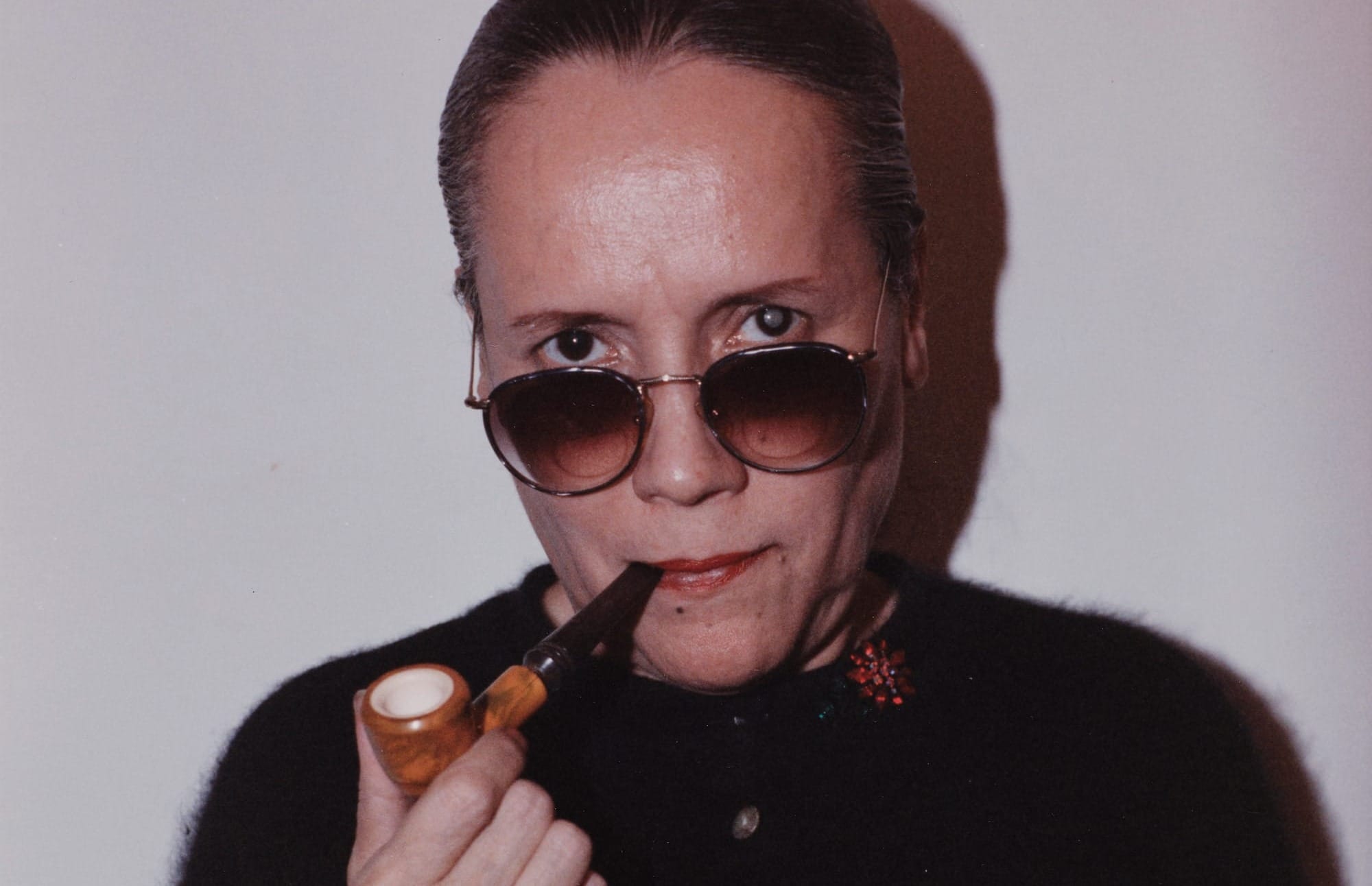
The article reviews the first posthumous retrospective of the elusive artist Lutz Bacher, titled "Burning the Days," at the Astrup Fearnley Museum in Oslo. Bacher, who died in 2019 and whose real name was never revealed, is known for her use of found photographs and a pseudonym that led many to mistake her for a German man. The exhibition opens with her work "The Lee Harvey Oswald Interview" (1976–78), in which she discusses photography and perception by using Oswald as a stand-in, and includes other pieces such as "Jackie & Me" (1989) and "Men at War" (1975), all exploring how images and narratives produce meaning.

The Big Review | Venice Biennale 2026: In Minor Keys ★★★½

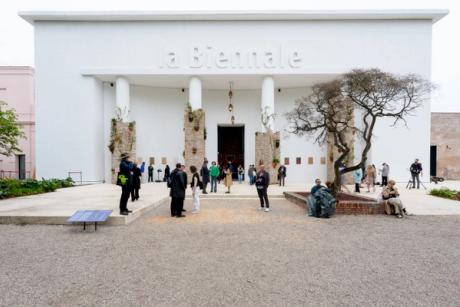
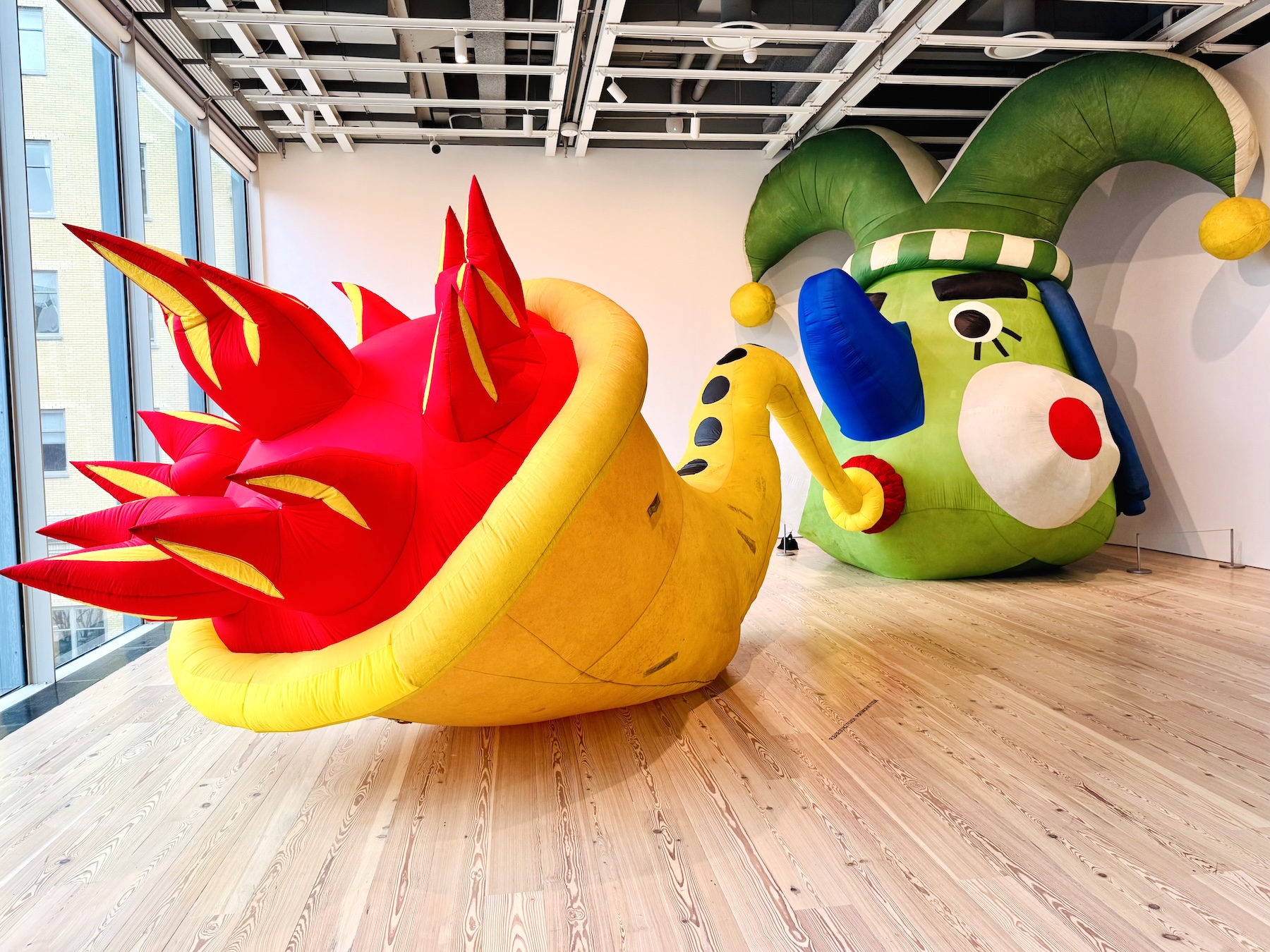
The Venice Biennale 2026, titled "In Minor Keys," was curated posthumously following the death of artistic director Koyo Kouoh in May 2025. A team of five curators and advisors—Gabe Beckhurst Feijoo, Marie Hélène Pereira, Rasha Salti, Siddhartha Mitter, and Rory Tsapayi—executed her vision across the Giardini and Arsenale venues. The exhibition features 110 artists, with a strong emphasis on new commissions, and is structured around themes of procession, resistance, and joy. Key works include Big Chief Demond Melancon's "Amistad Takeover" (2026), Nick Cave's "Amalgam (Origin)" (2025), and Otobong Nkanga's rewilded columns at the Central Pavilion.

best new york art criticism critics table

Cultured magazine's critics roundup highlights several notable New York art exhibitions. Cameron Rowland's "Properties" at Dia Beacon is examined as a landmark Land art installation that uses contractual relations to address racial capitalism, with works available only for rent or loan. Other shows include Feliciano Centurión's "Sol naciente" at Ortuzar, Joshua Caleb Weibley's "Game Transfer Phenomena" at Chart, Ian Miyamura's debut at Bureau, and Laura Owens's new show at Matthew Marks Gallery, each reviewed for their conceptual and aesthetic innovations.

Are We Too Reverent of Marcel Duchamp?

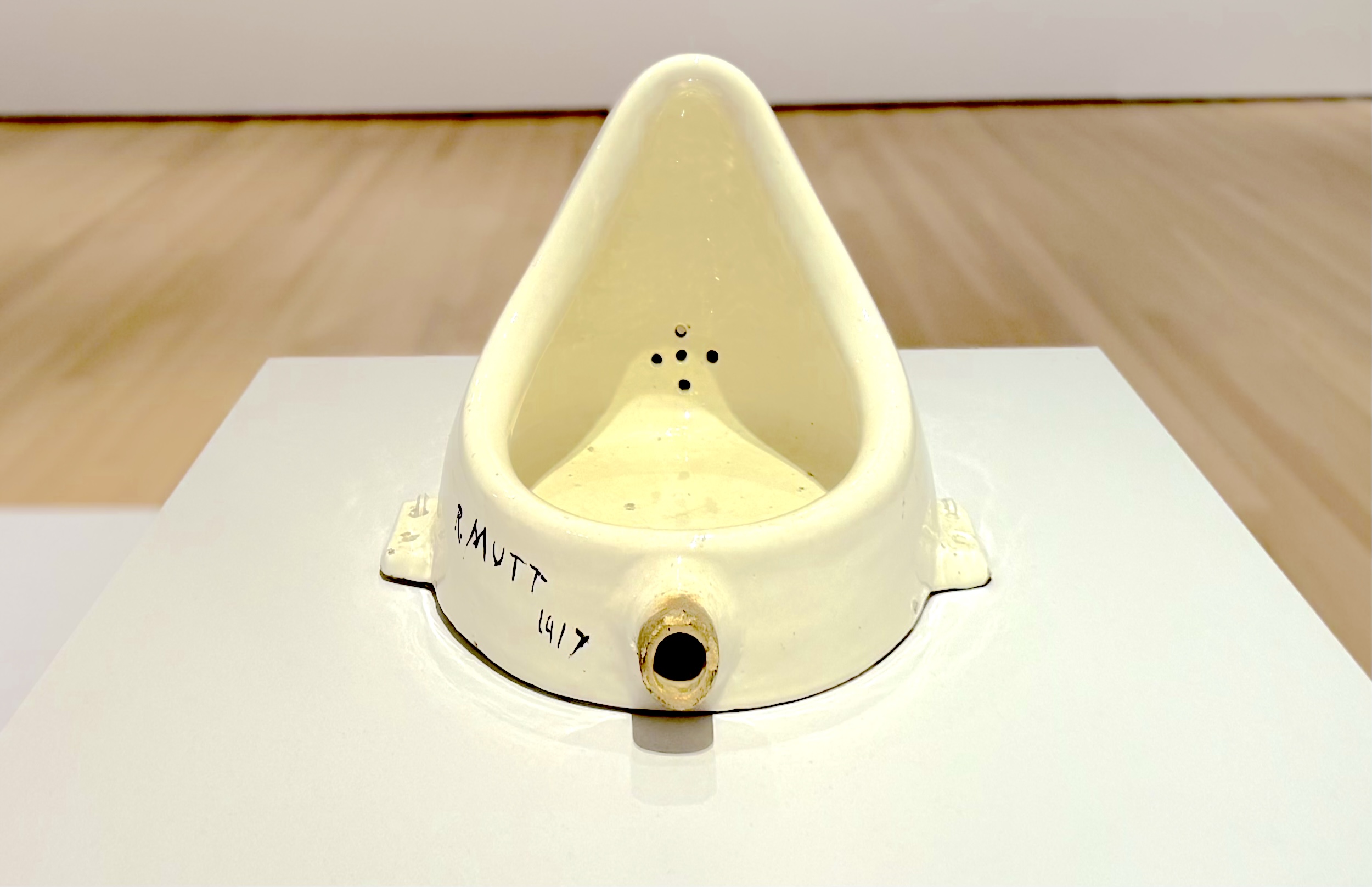
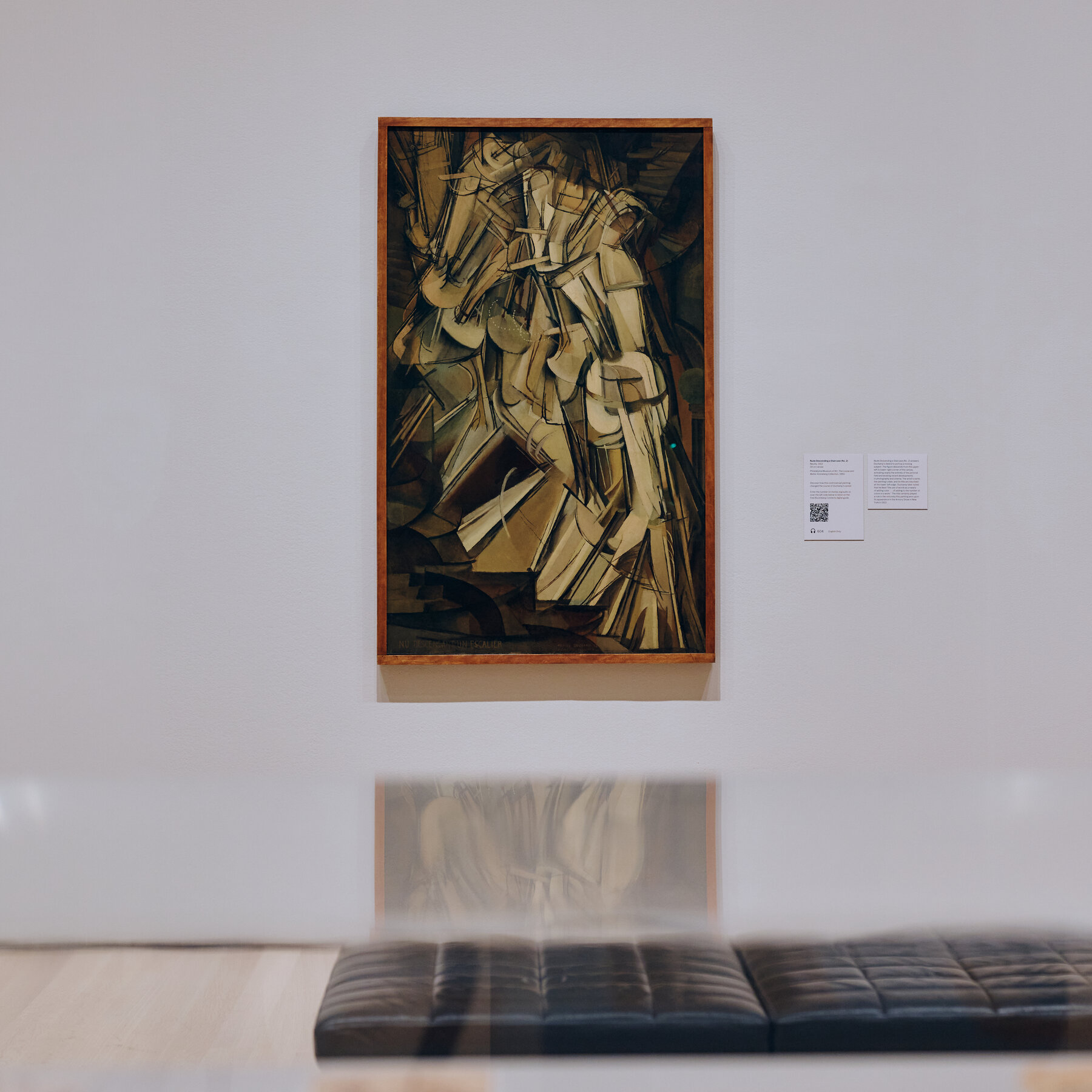
The Museum of Modern Art has launched a major retrospective of Marcel Duchamp, co-organized with the Philadelphia Museum of Art. The exhibition tracks the artist's evolution from his early Cubist experiments and the scandal of 'Nude Descending a Staircase' to his radical invention of the readymade, exemplified by the infamous urinal, 'Fountain'. The show presents a comprehensive look at 'The Duch' through a reverential, church-like atmosphere, concluding with his later years as a dapper, enigmatic figure of the avant-garde.

Alex Heilbron at as-is

Artist Alex Heilbron presents a solo exhibition at the Los Angeles gallery as-is. The show is featured as a lead review in the February 2026 issue of Contemporary Art Review LA, highlighting Heilbron's continued exploration of painting and visual language within the Southern California art scene.

jaqueline humphries aspen museum review

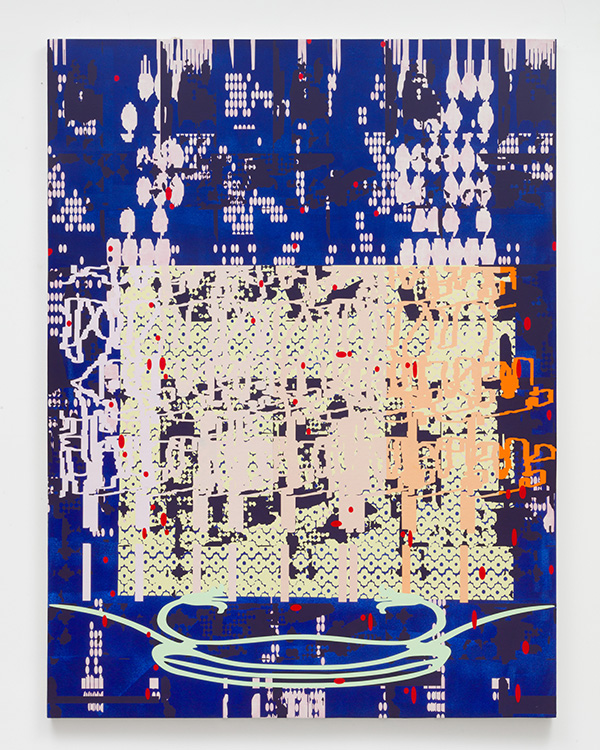
Jacqueline Humphries's survey exhibition at the Aspen Art Museum features her painting installation "TSLA" (2025), a five-panel work hung on bare metal studs that bisects the gallery space. The installation plays with perception through mirrors and anamorphic imagery, including a distorted Tesla logo, and includes a hidden set of red paintings visible only as reflections. The show also presents nine smaller works generated in part by artificial intelligence, housed in a green-walled adjacent room.

Hydrojustice: A Review

A Non-Aspirational Justice: Review of Hydrojustice

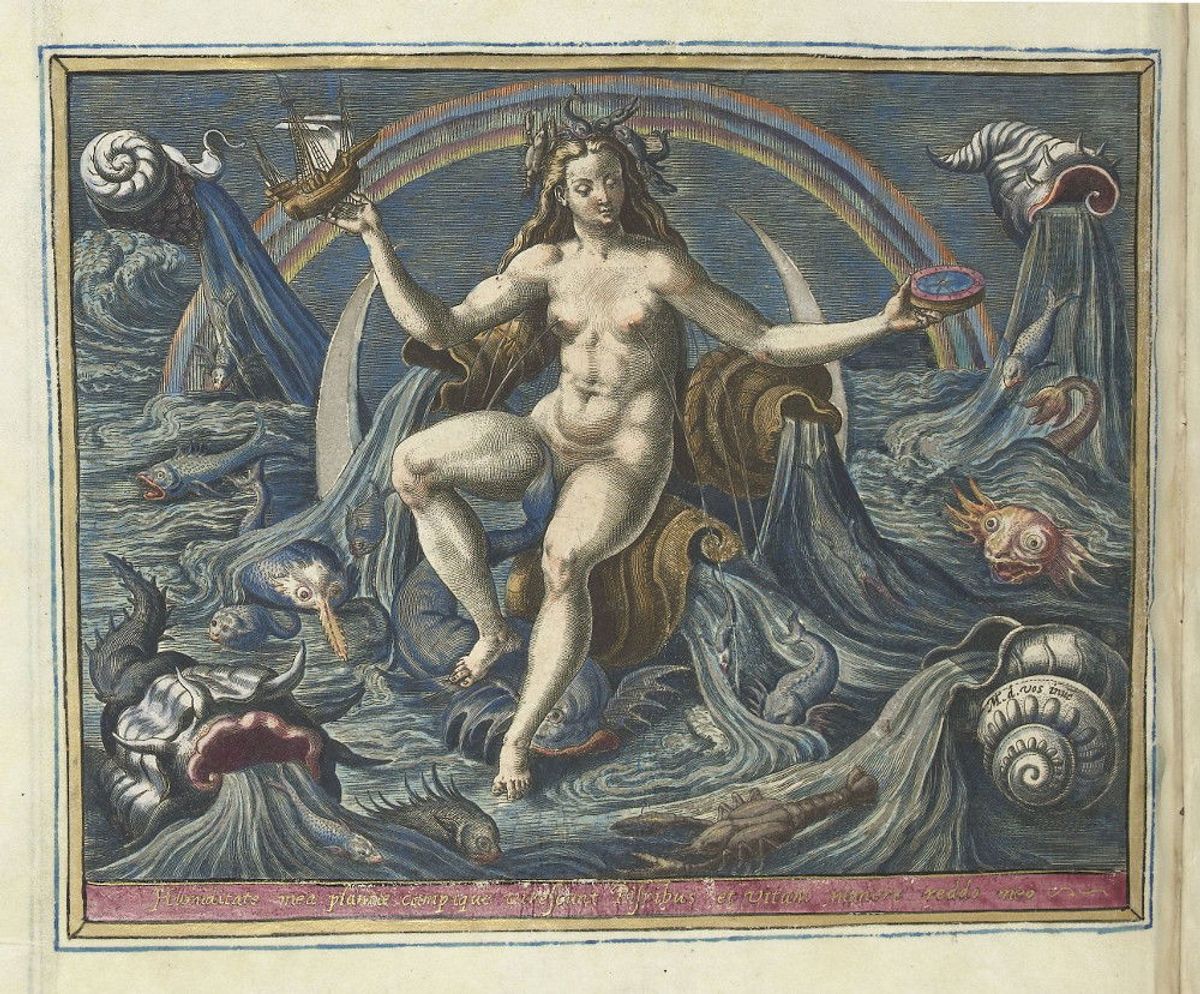
The article is a critical review of Andreas Philippopoulos-Mihalopoulos's book 'Hydrojustice,' which uses the concept of water as a lens to critique traditional, top-down legal justice and propose a more fluid, collective, and embodied alternative. The review frames this analysis through the recent erasure of a Banksy graffiti piece on the London Courts of Justice, which depicted a judge violently silencing a protester.

carol bove guggenheim museum retrospective review

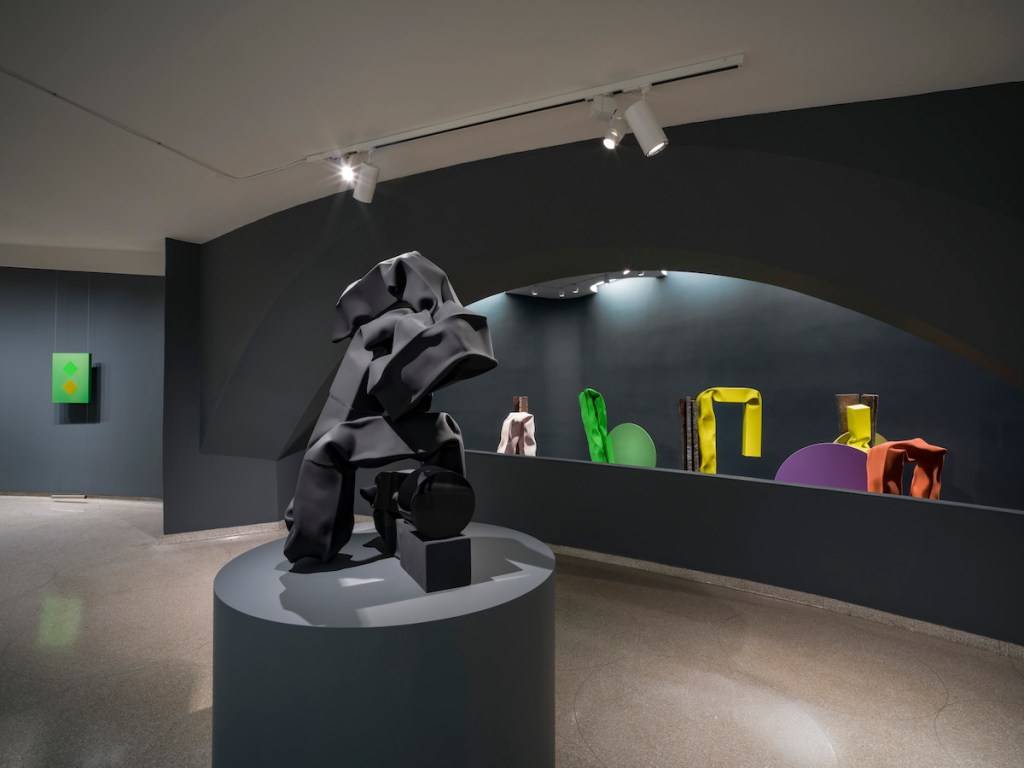
The Solomon R. Guggenheim Museum has launched a major retrospective of Carol Bove, filling the iconic Frank Lloyd Wright rotunda with approximately 100 works spanning her career. The exhibition showcases Bove’s evolution from her early assemblages of driftwood, peacock feathers, and vintage books to her more recent large-scale, brightly colored steel sculptures. A defining feature of the show is Bove’s inclusion of "para-artworks"—pieces by other artists such as Lionel Ziprin, Agnes Martin, and Arnaldo Pomodoro—integrated into her own installations to highlight the influences and histories that inform her practice.

whitney biennial 2026 review

The 2026 Whitney Biennial marks a shift in contemporary art from literal messaging toward atmospheric 'mood.' This edition is characterized by an immersive aural landscape of drones and whispers, moving away from the overt identity politics of previous years in favor of a 'sincerity first' credo. Key works include Emilie Louise Gosslaux’s emotional tribute to her guide dog, Mo Costello’s community-focused binders, and Nour Mobarak’s intimate recordings of internal bodily sounds.

pierre huyghe las foundation

Pierre Huyghe has unveiled his most ambitious project to date in Berlin, a major exhibition titled 'Liminals' staged at the cavernous Halle am Berghain. Commissioned by the LAS Art Foundation as part of its 'Sensing Quantum' program, the installation features a massive 50-minute film projected in a former electrical station, accompanied by a droning, atmospheric soundscape. The work continues Huyghe’s exploration of AI-driven systems and 'unworlding,' attempting to create a space that transcends human subjectivity through bio-technological environments.

MoMA Survey Shows How Marcel Duchamp Changed the Art Game

The Museum of Modern Art (MoMA) has launched a comprehensive survey of Marcel Duchamp’s work, highlighting the artist's revolutionary impact on the definition of art. The exhibition traces Duchamp's transition from traditional painting to his radical 'readymades,' which prioritized intellectual concepts over aesthetic craftsmanship.

25th Biennale of Sydney Review: From the Margins

The 25th Biennale of Sydney, titled "Rememory" and curated by Hoor Al Qasimi, features 143 works by 83 artists and collectives from 37 countries across five venues. The exhibition explores marginalized, fragmented, and repressed histories, drawing on Toni Morrison's concept of 'rememory' as a space between remembering and forgetting. Key works include Tuan Andrew Nguyen's film on Vietnam War trauma, Basel Abbas and Ruanne Abou-Rahme's immersive installation on Palestinian displacement, Khalid Albaih's photographs of Sudan, and Massinissa Selmani's drawings on Algerian socialist building projects.

The Making of a Maintenance Artist

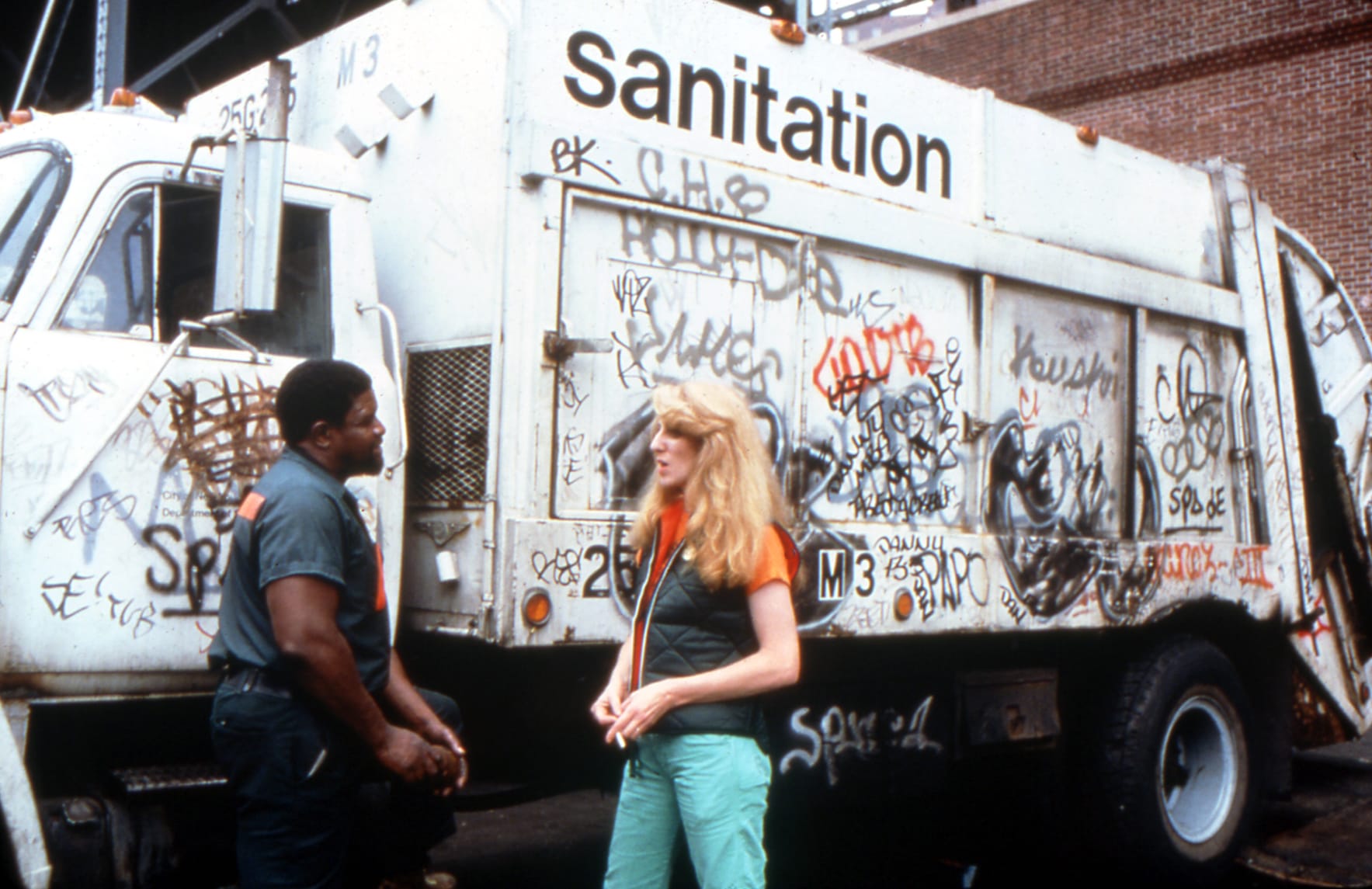
A new documentary titled "Maintenance Artist" (2025) traces the decades-long practice of Mierle Laderman Ukeles, a pioneering artist who focused on marginal, unpaid, and feminine labor. The film covers her career from her 1969 "CARE" manifesto, through her role as artist-in-residence at the New York City Department of Sanitation, to her first retrospective at the Queens Museum in 2017. It highlights her critique of art-world gender biases and her efforts to recognize discounted labor in all fields.

Alma Allen’s US Pavilion Is One of the Emptiest Shows at the Venice Biennale

Alma Allen represents the United States at the 2026 Venice Biennale with a subdued, apolitical exhibition inside the US Pavilion. The show features roughly 25 sculptures—mostly in bronze, wood, and stone—many titled "Not Yet Titled," and deliberately avoids overt political messaging. This marks a stark departure from the previous two US pavilions, curated by Simone Leigh (2022) and Jeffrey Gibson (2024), which directly confronted colonialism and empire. The Trump administration’s call for proposals explicitly asked for work that "reflects and promotes American values," and Allen’s presentation has been criticized as safe, unremarkable, and lacking the incisive edge of contemporary American art.

Gardar Eide Einarsson Leaves You in the Dark

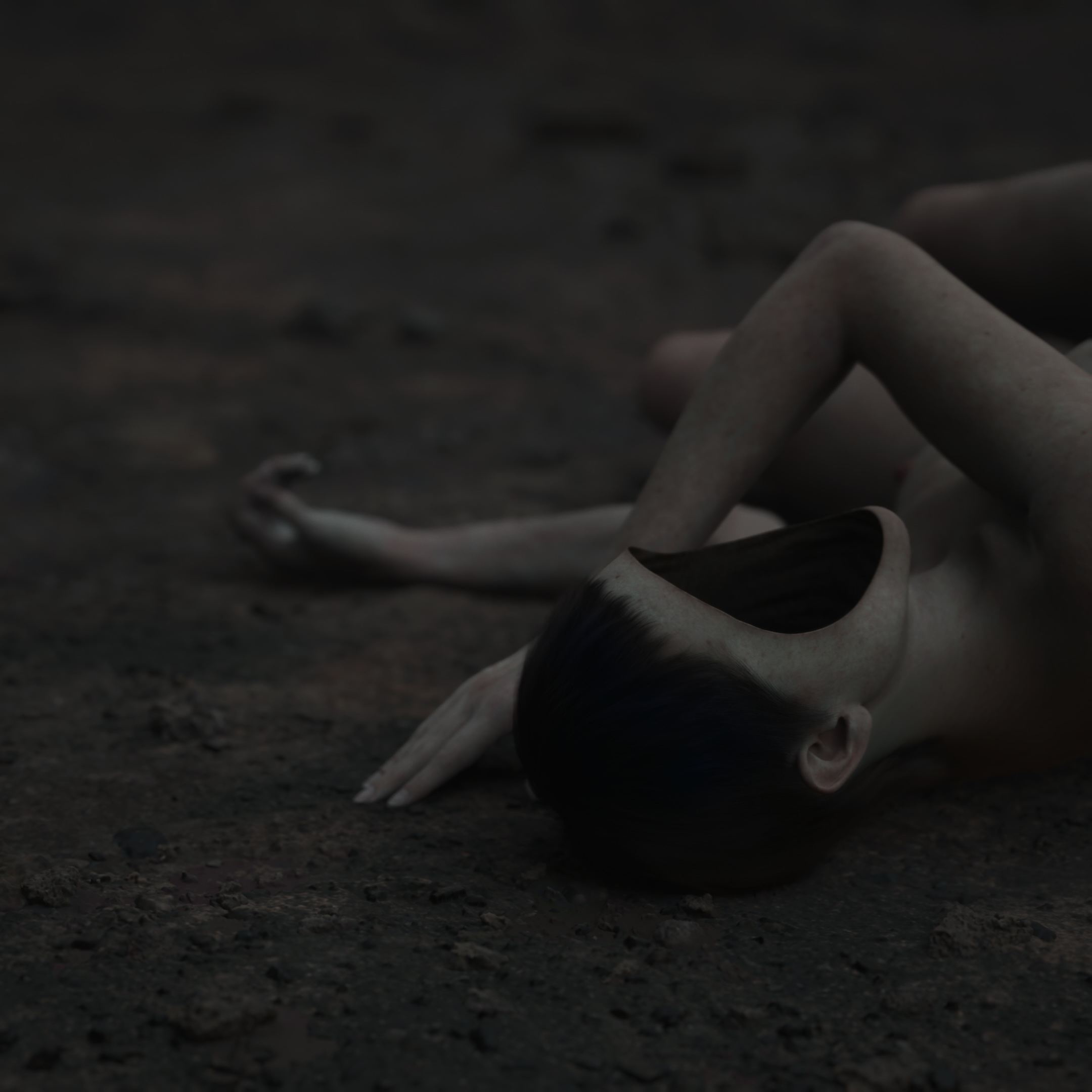
Gardar Eide Einarsson’s latest exhibition at Maureen Paley’s East London space presents a haunting exploration of dissociation and coded information. The show features two distinct series: 'Closed Caption,' a collection of monochrome black gouache paintings featuring isolated subtitles from films, and 'Incendiary Test Area,' a set of hyperrealistic woodblock prints created in collaboration with master Shoichi Kitamura. These prints depict the interiors of mock 'Japanese' houses built by the US Army for fire-bombing tests during World War II.

Locating Luigi Ghirri

Fashion photographer Alessio Bolzoni and film director Luca Guadagnino have collaborated on 'Felicità', a new book and exhibition at Thomas Dane Gallery featuring 45 previously unseen color photographs by the late Italian master Luigi Ghirri. The project is divided into two portfolios: the first focuses on intimate, abstract details of found objects and surfaces in Modena, while the second expands into larger vistas and populated spaces across Italy during the 1980s.

Sophia Rivera’s Mythology of Everyday New York

The article reviews "Sophie Rivera: Double Exposures" at El Museo del Barrio, the first survey of the late Nuyorican photographer Sophie Rivera, who died in 2021. The exhibition spans her career, including her feminist conceptual series "Rouge et Noir" and "Bowl Study" (c. 1976–78), which depict intimate bodily waste like used tampons and feces, and her socially engaged "Latino Portraits" series from the late 1970s, which countered negative media stereotypes of Puerto Ricans with affectionate, mythologizing portraits. The review highlights a moment where the critic misidentifies abstract toilet photographs as pinhole or double exposures before learning their true subject.

Édouard Glissant’s Museum-as-Archipelago

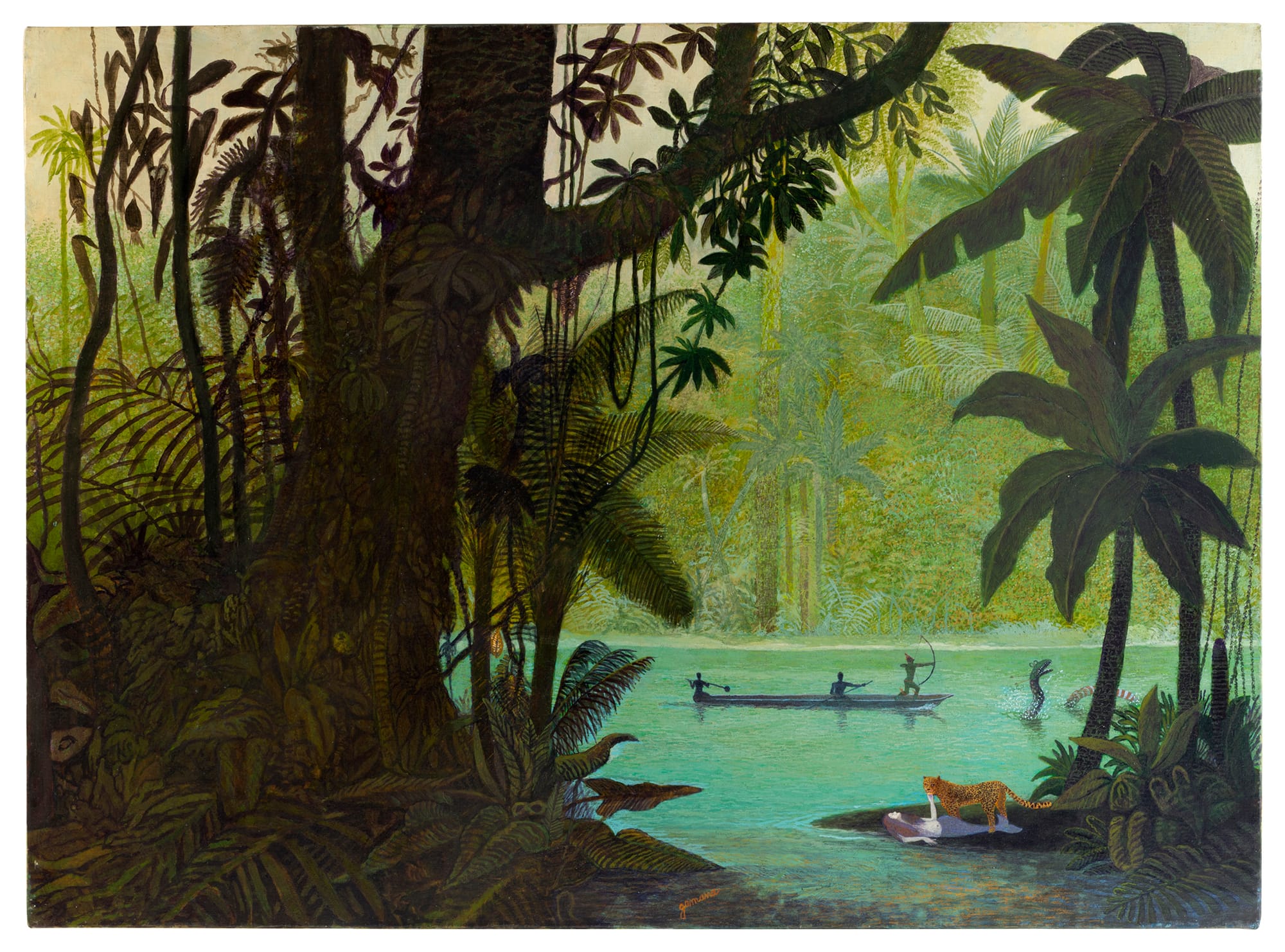
The article reviews the exhibition "The Earth, the Fire, the Water, and the Winds: For a Museum of Errantry with Édouard Glissant" at the Center for Art, Research and Alliances (CARA) in New York, the first U.S. showing of works from the personal collection of Martinician philosopher and writer Édouard Glissant. Curated from his archive, the exhibition features artists such as Roberto Matta, Wifredo Lam, Etel Adnan, Irving Petlin, Antonio Seguí, Öyvind Fahlström, Jack Whitten, and Mel Edwards, reflecting Glissant's friendships and intellectual exchanges across Europe, Africa, and the Americas. Highlights include Antonio Seguí's large pastel works from his Titanic series.

It’s Gabriele Münter’s World, We’re Just Living in It

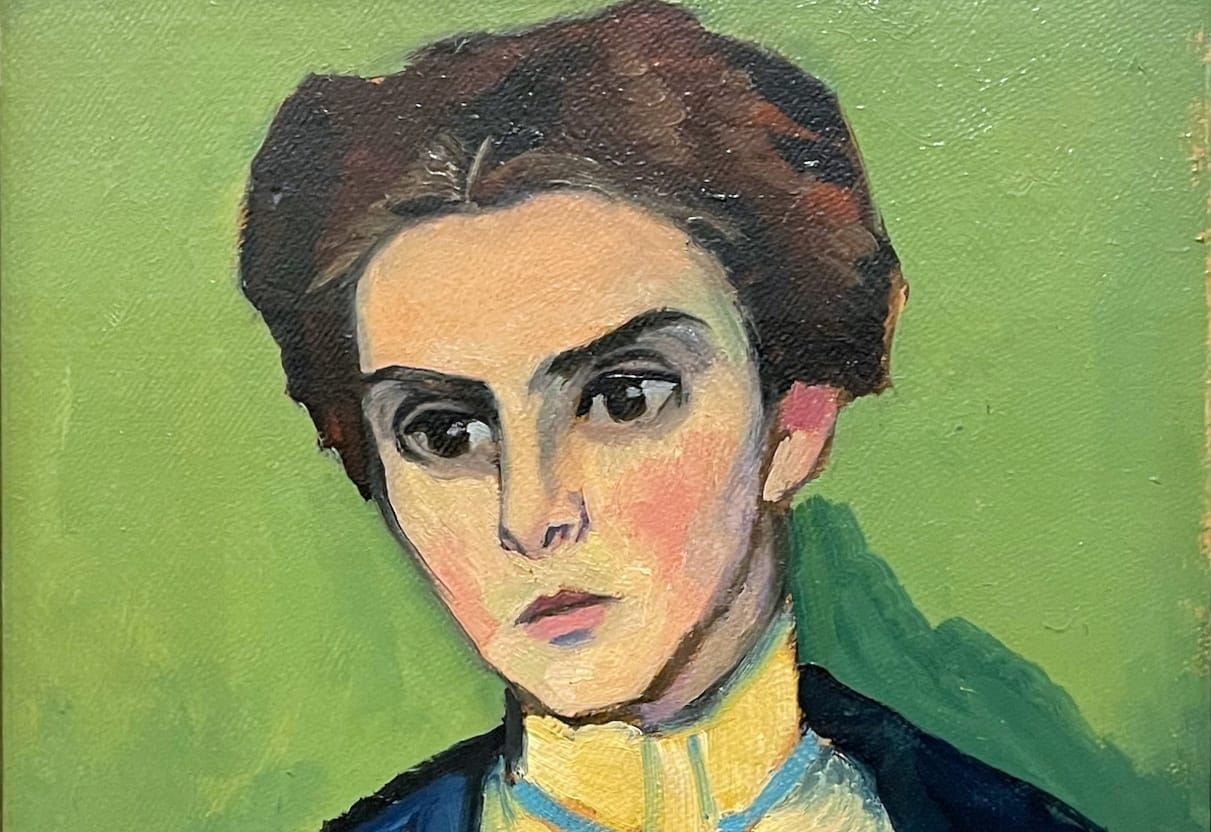
The Solomon R. Guggenheim Museum is hosting "Contours of a World," a retrospective dedicated to Gabriele Münter, a co-founder of the Blue Rider group. The exhibition moves beyond the shadow of her long-time partner Wassily Kandinsky, showcasing her distinct approach to German Expressionism through photography, intimate domestic scenes, and vibrant landscapes. Unlike her contemporaries who leaned toward total abstraction, Münter utilized bold outlines and layered compositions to create a dynamic, phenomenological experience of seeing.

The Unbearable Strangeness of Being

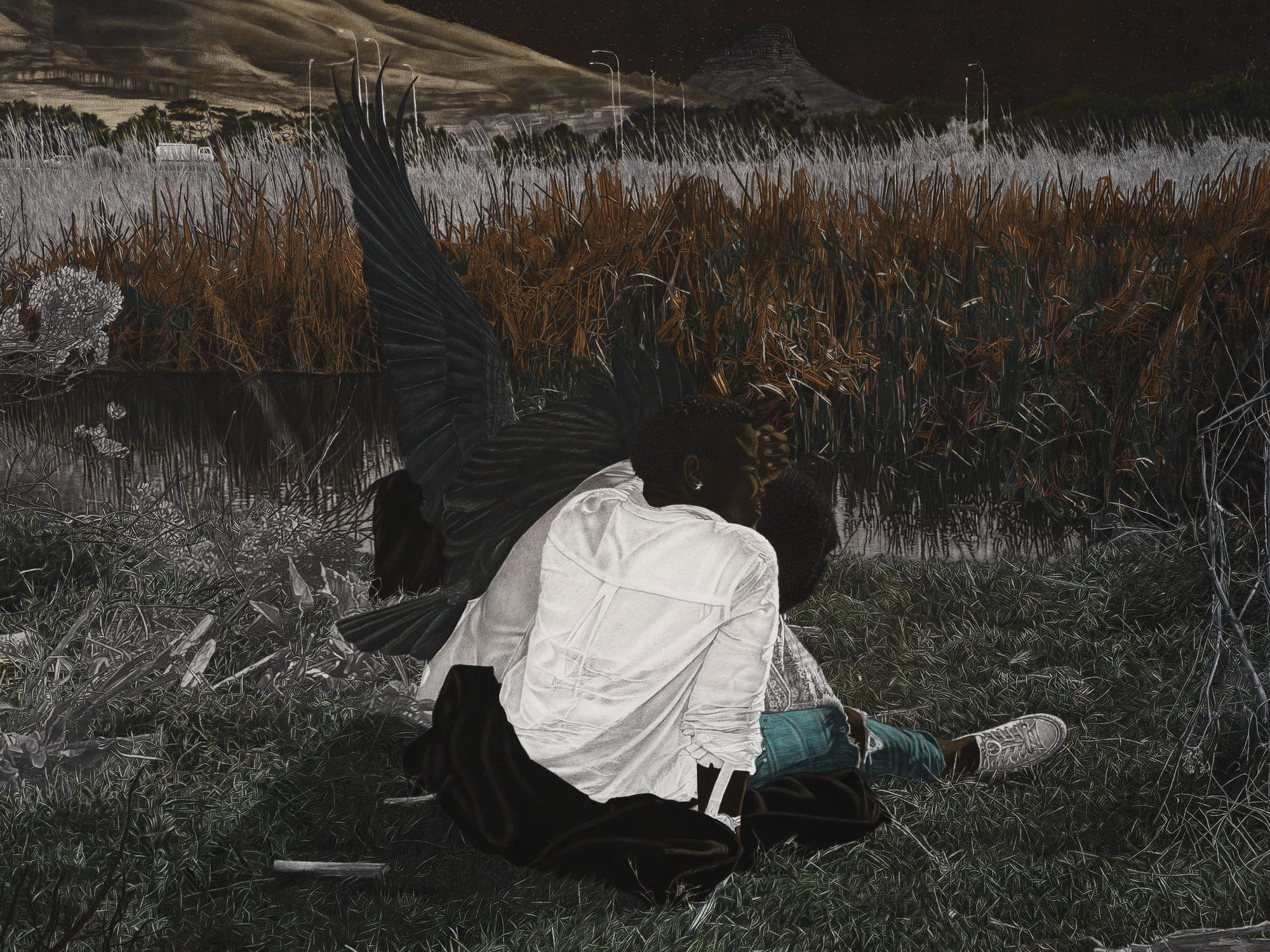
South African artist Cinga Samson makes his New York debut at White Cube with "Ukuphuthelwa," an exhibition of haunting, large-scale oil paintings. The works feature figures with distinctive white pupils engaged in enigmatic rituals within dark, crepuscular landscapes. Drawing from the isiXhosa concept of spiritual alertness during sleeplessness, Samson’s compositions blend the palpable with the unearthly, often depicting scenes that feel choreographed yet remain stubbornly illegible to the Western gaze.

David Novros’s Portable Murals

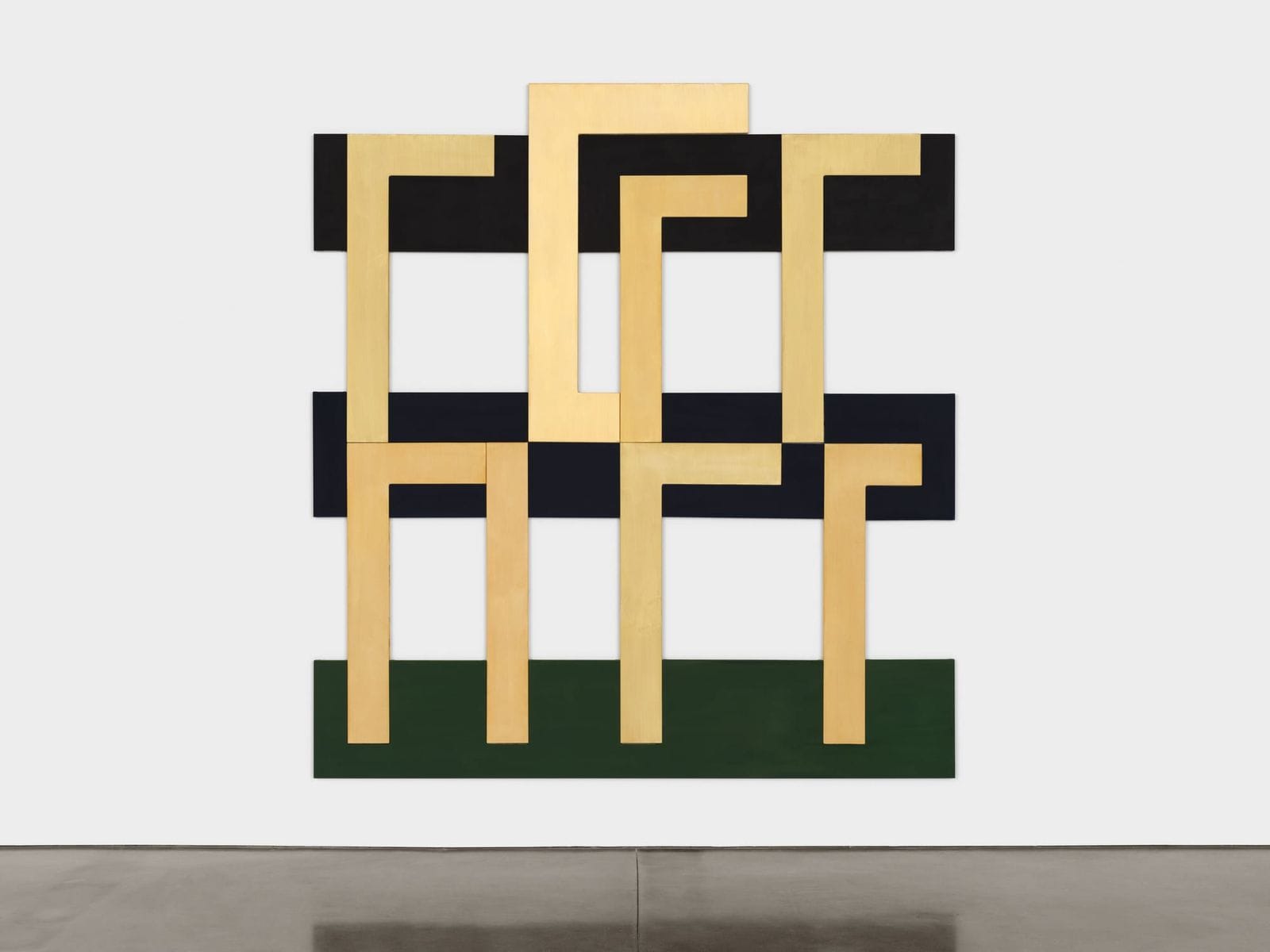
David Novros’s latest exhibition at Paula Cooper Gallery showcases his "portable murals," intricate multi-paneled paintings that challenge the traditional concept of art as a mere object on a wall. Utilizing oil and murano on canvas, Novros assembles monochromatic, L-shaped, and horizontal panels with precise intervals that incorporate the gallery wall into the composition. These works are designed to be experienced kinesthetically, responding to shifting natural light and the viewer's physical movement through the space.

mierle laderman ukeles maintenance artist documentary review

A new documentary titled "Maintenance Artist," directed by Toby Perl Freilich, premiered at the Tribeca Film Festival. The film chronicles the career of Mierle Laderman Ukeles, who coined the term "Maintenance Art" in a 1969 manifesto to elevate everyday domestic and civic labor into art. It follows her decades-long collaborations with New York City agencies, including her seminal "Touch Sanitation Performance" (1979–80) with the NYC Department of Sanitation, and her ongoing struggle to realize the installation "Landing: Cantilevered Overlook" (2008) at Freshkills Park. The documentary weaves together archival footage, interviews, and analysis of second-wave feminism, conceptual art, and urban bureaucracy.

What’s Left to Learn from Marcel Duchamp?

The article examines Marcel Duchamp's enduring influence on contemporary art, focusing on his readymades such as "Fountain" (1917) and "Bicycle Wheel" (1913/1951). It notes that a major survey co-organized by the Museum of Modern Art and the Philadelphia Museum of Art, 70 years after Duchamp predicted his true public would emerge in 50 to 100 years, reaffirms his status as the most influential artist of the past century. The piece discusses how Duchamp's practice of selecting and presenting ordinary objects as art—from a urinal to a snow shovel—once shocked the art world but now seems quaint compared to later works like Maurizio Cattelan's taped banana.

Ruminations on Rashid Johnson’s “A Poem for Deep Thinkers”

The article is a reflective review of Rashid Johnson's exhibition "A Poem for Deep Thinkers" at the Modern Art Museum of Fort Worth. The author describes standing before Johnson's work "Falling Man" (2016), a piece incorporating broken mirrors, burned wood, and personal objects like a copy of Harry Haywood's "Black Bolshevik" and shea butter, which prompts meditations on visibility, identity, and Frantz Fanon's "Black Skin, White Masks." The review also examines Johnson's large-scale installation "Antoine's Organ" (2016/2026), which fills a gallery typically reserved for Ellsworth Kelly's minimalist canvases, transforming the space with scaffolding, plants, books, and video monitors.

Theresa Hak Kyung Cha Made Human Again

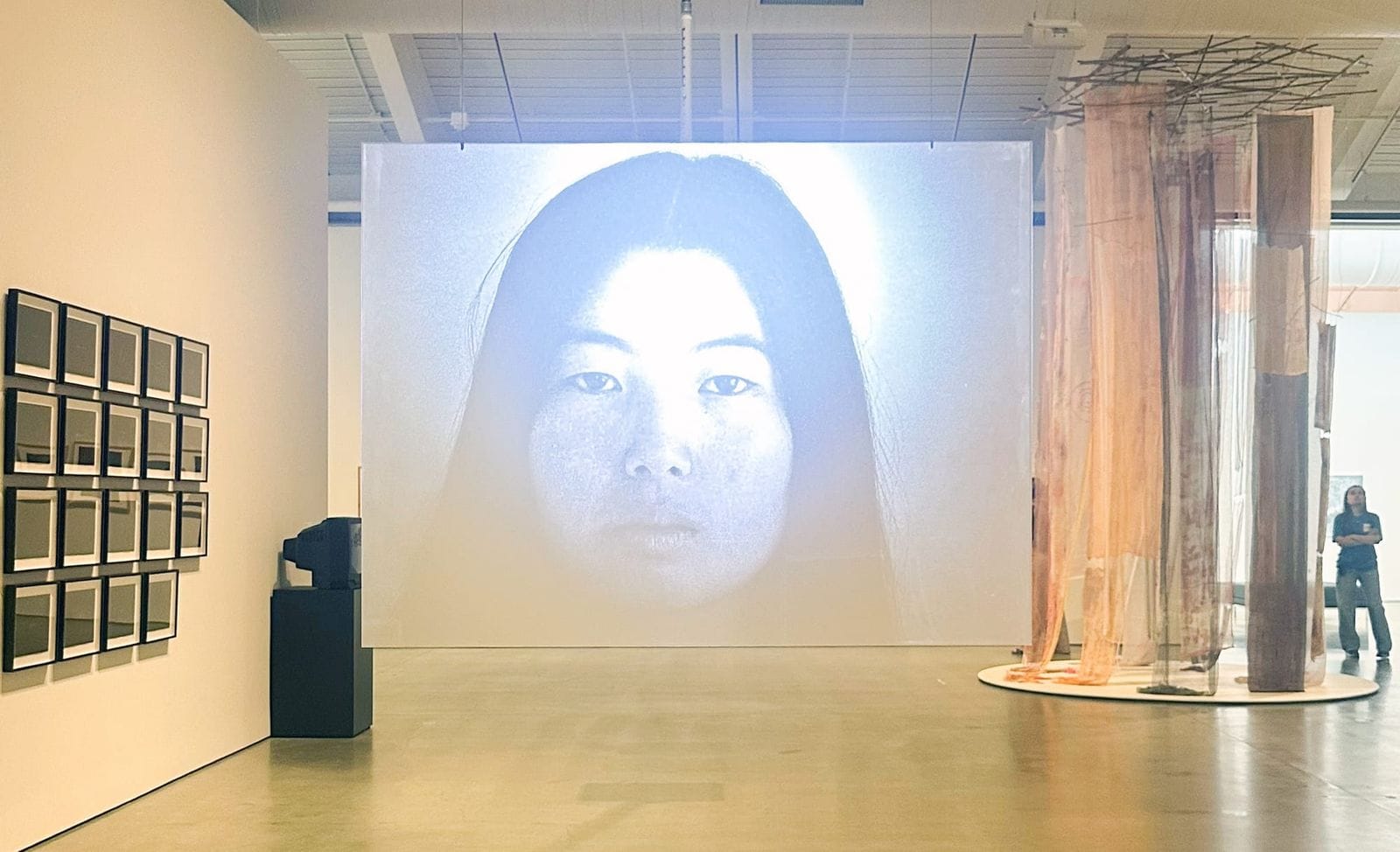
The Berkeley Art Museum and Pacific Film Archive (BAMPFA) is hosting "Theresa Hak Kyung Cha: Multiple Offerings," a comprehensive exhibition that draws from the artist’s complete archives. The show highlights Cha’s multidisciplinary practice, spanning film experiments, performance documentation, and her signature linguistic explorations. By pairing finished artworks with archival materials and personal ephemera, the exhibition reveals a playful, puckish side of the artist that is often obscured by the tragic circumstances of her death and the heavy themes of exile and dislocation in her work.