filter_list Showing 12 results for "Concrete" close Clear
search
dashboard All 213 museum exhibitions 112article news 29article local 22trending_up market 13rate_review review 12article policy 9article culture 9person people 4candle obituary 3
date_range Range Today This Week This Month All
Subscribe

The 2026 Venice Biennale Is Quintessential Biennial Art

The 61st Venice Biennale, titled "In Minor Keys" and curated by the late Swiss-Cameroonian curator Koyo Kouoh, opened in 2026. The main exhibition at the Arsenale and Giardini features works by artists such as Éric Baudelaire, Maria Magdalena Campos Pons, Mohammed Z. Rahman, Sohrab Hura, and Rose Salane, among others. The exhibition centers on themes of mourning, colonial history, slavery, and healing, with works like Baudelaire's video installation linking the flower trade to the transatlantic slave trade, and a tribute section honoring artists Beverly Buchanan and Issa Samb.

The Big Review | Lacma's David Geffen Galleries ★★★★

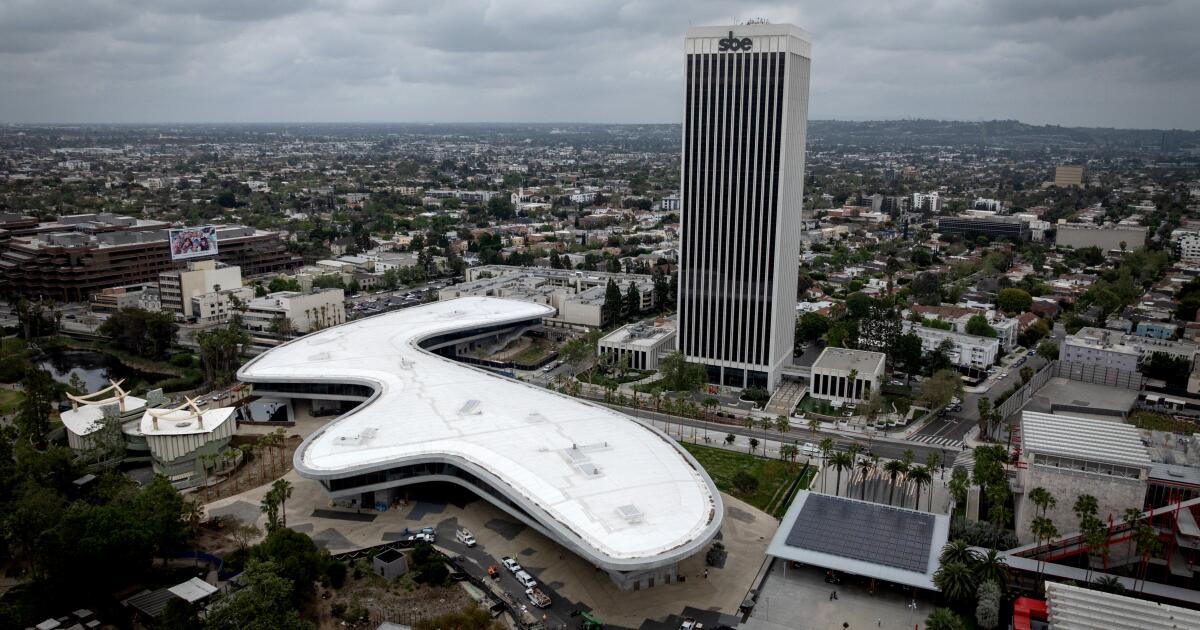
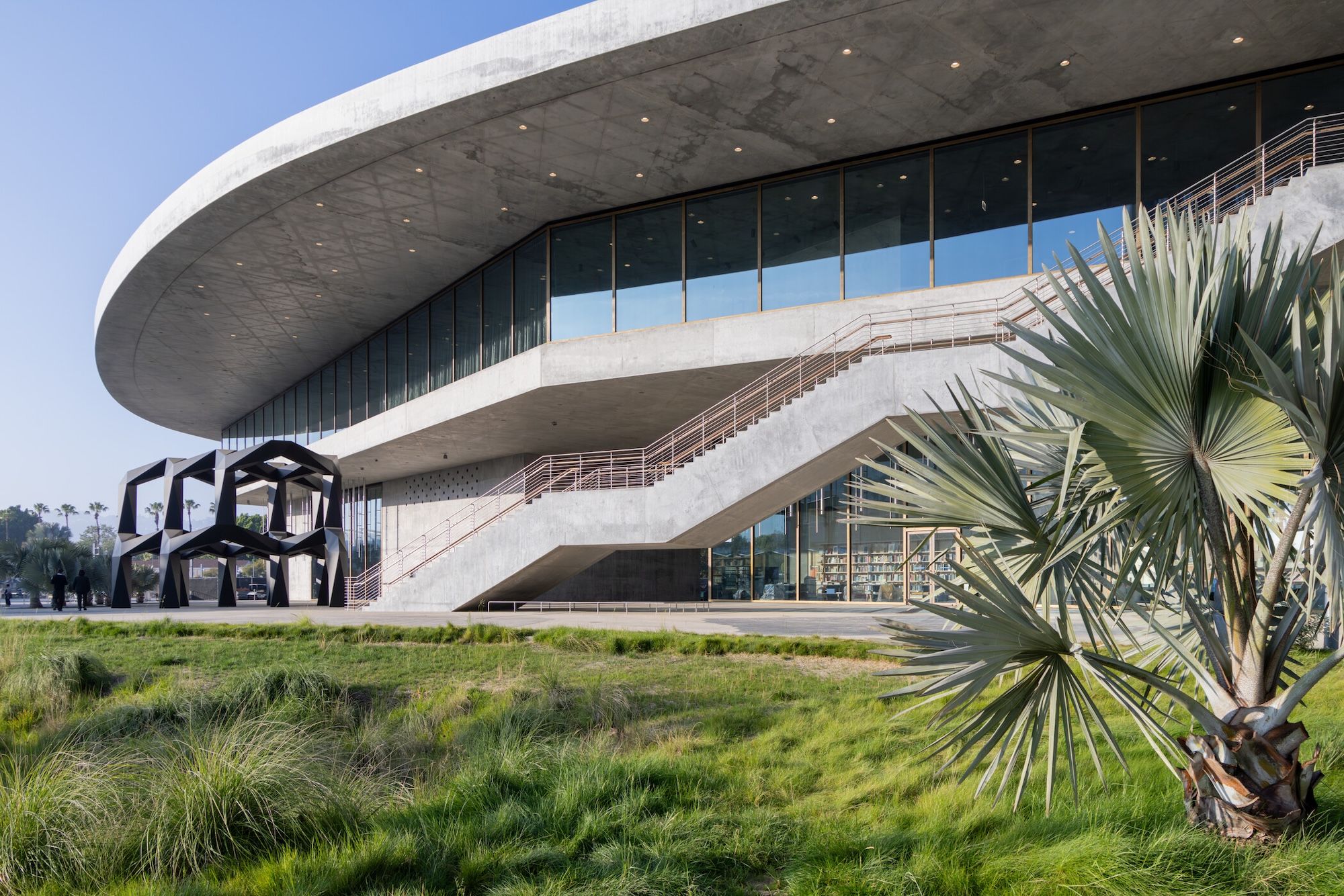
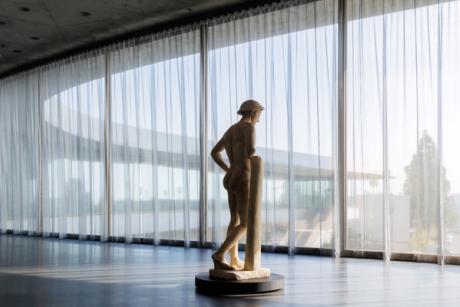
The Swiss architect Peter Zumthor's new $724 million building for the Los Angeles County Museum of Art (Lacma), now called the David Geffen Galleries, has opened after nearly two decades of anticipation. The swooping concrete-and-glass structure is praised for its harnessing of natural light and horizontality, creating a stunning showcase for antiquities and inviting the city inside with floor-to-ceiling windows offering views of the La Brea Tar Pits and Wilshire Boulevard. The building performs best with sculpture and decorative objects, with standout works including Liz Glynn's "The Futility of Conquest" (2023) and Manjunath Kamath's "Vikatonarva" (2024).

critics picks in manhattan and brooklyn bridge park june

Zoë Hopkins reviews Torkwase Dyson's Public Art Fund commission 'Akua' at Brooklyn Bridge Park, a sculptural pavilion that immerses visitors in water sounds and voices of Black writers like Christina Sharpe and Dionne Brand. Paige K. Bradley covers the first-ever solo exhibition of late poet N.H. Pritchard at Peter Freeman, Inc., featuring his concrete visual poems from the Black Arts Movement. Johanna Fateman highlights the work of identical twin artists Jane and Louise Wilson.

Yu Ji’s Democratic Play

Yu Ji's solo exhibition at PPOW, New York, titled "Origin of the Tiger," presents sculptures and collages created after a residency she organized in Phnom Penh that offered art education to children. The show features works like reed mats with snail shells, a Sony Trinitron looping video, collaged drawings incorporating Cambodian children's art, and composite sculptures such as chairs with concrete knee casts and a figure inspired by a misattributed sixth-century Krishna statue. The exhibition draws on a Khmer folktale about transformation and includes audio of children reciting the story, though the children appear more as muses than collaborators.

Review: The new LACMA is divisive. It’s also ambitious, disorienting — and radically alive

The Los Angeles County Museum of Art (LACMA) has unveiled its $724-million David Geffen Galleries, a massive concrete structure designed by Swiss architect Peter Zumthor that spans Wilshire Boulevard. Replacing several older pavilions, the new building rejects traditional museum conventions like white-cube galleries and encyclopedic organization in favor of a sinuous, organic form that emphasizes light, atmosphere, and a visceral connection to the surrounding landscape.

Column: The new LACMA is sleek, splotchy, powerful, jarring, monotonous, appealing and absurd

The Los Angeles County Museum of Art (LACMA) is nearing completion of its new Brutalist building designed by Swiss architect Peter Zumthor, known as the David Geffen Galleries. Museum members will get a sneak peek at the empty interior spaces starting July 3, though the fully finished project with art installed won't open until April 2026. The poured-in-place concrete structure spans 347,500 square feet, including 110,000 square feet of exhibition space across 90 galleries, elevated 30 feet above ground on seven massive piers crossing Wilshire Boulevard. The article offers a critical preview of the building's aesthetics, noting the overwhelming monotony of concrete across floors, walls, and ceilings, while acknowledging some appealing views and powerful visual impact.

Nancy Holt review – cosmic thrills as the universe’s hidden power is unleashed

The Guardian reviews a major UK exhibition of land artist Nancy Holt (1938-2014) at Goodwood in West Sussex, the largest show of her work to date. The exhibition features two large outdoor installations—Ventilation System, a metallic tubular structure resembling building lungs, and Hydra’s Head, six concrete pools arranged like the Hydra constellation in a chalk quarry—alongside indoor photographs, diagrams, and light works. The review praises the cosmic scale and bodily connection of the outdoor pieces but finds the indoor works less effective at conveying Holt’s themes of universal vastness and interconnectedness.

Between Tropes and Treats at NADA New York

The 12th annual New Art Dealers Alliance (NADA) fair opened at the Starrett-Lehigh Building in Manhattan, featuring a wide array of contemporary works. Critic Rhea Nayyar notes that while many booths felt interchangeable due to prevalent trends like zany sculptures, shiny materials, and kitschy vibrancy, several standout pieces offered genuine engagement. Highlights include Elena Roznovan's maternal ephemera embedded in concrete with bondage tape, Kelly Tapia-Chuning's deconstructed serapes addressing colonial violence, and Niniko Morbedadze's folkloric illustrations.

How Delilah Montoya’s art confronts ICE detention abuses

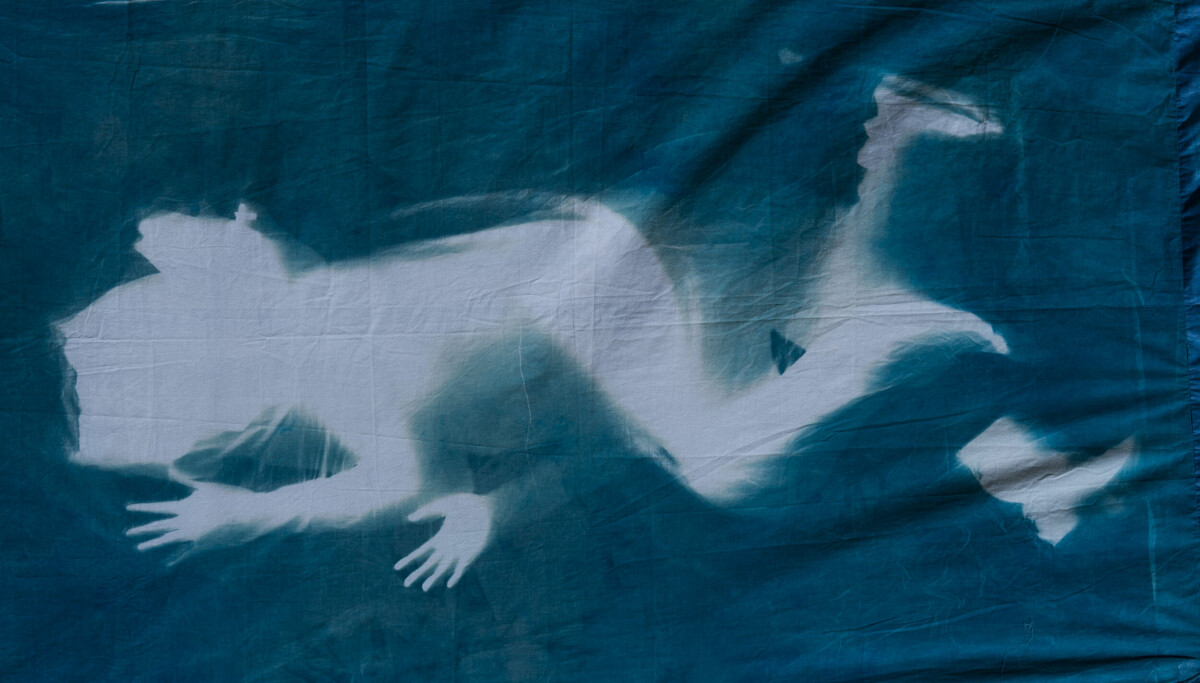
The Albuquerque Museum is hosting a retrospective of Chicana artist Delilah Montoya, titled "Delilah Montoya: Activating Chicana Resistance." The exhibition's centerpiece is "Detention Nation," an immersive installation created in collaboration with the Sin Huellas Artist Collective that simulates the conditions of ICE detention centers. The work features cyanotype images of detainees on prison cots, chain-link fencing, and displays of meager government-issued personal items alongside the official National Detainee Handbook.

The Ukrainian Pavilion’s Deer Seen Around the World

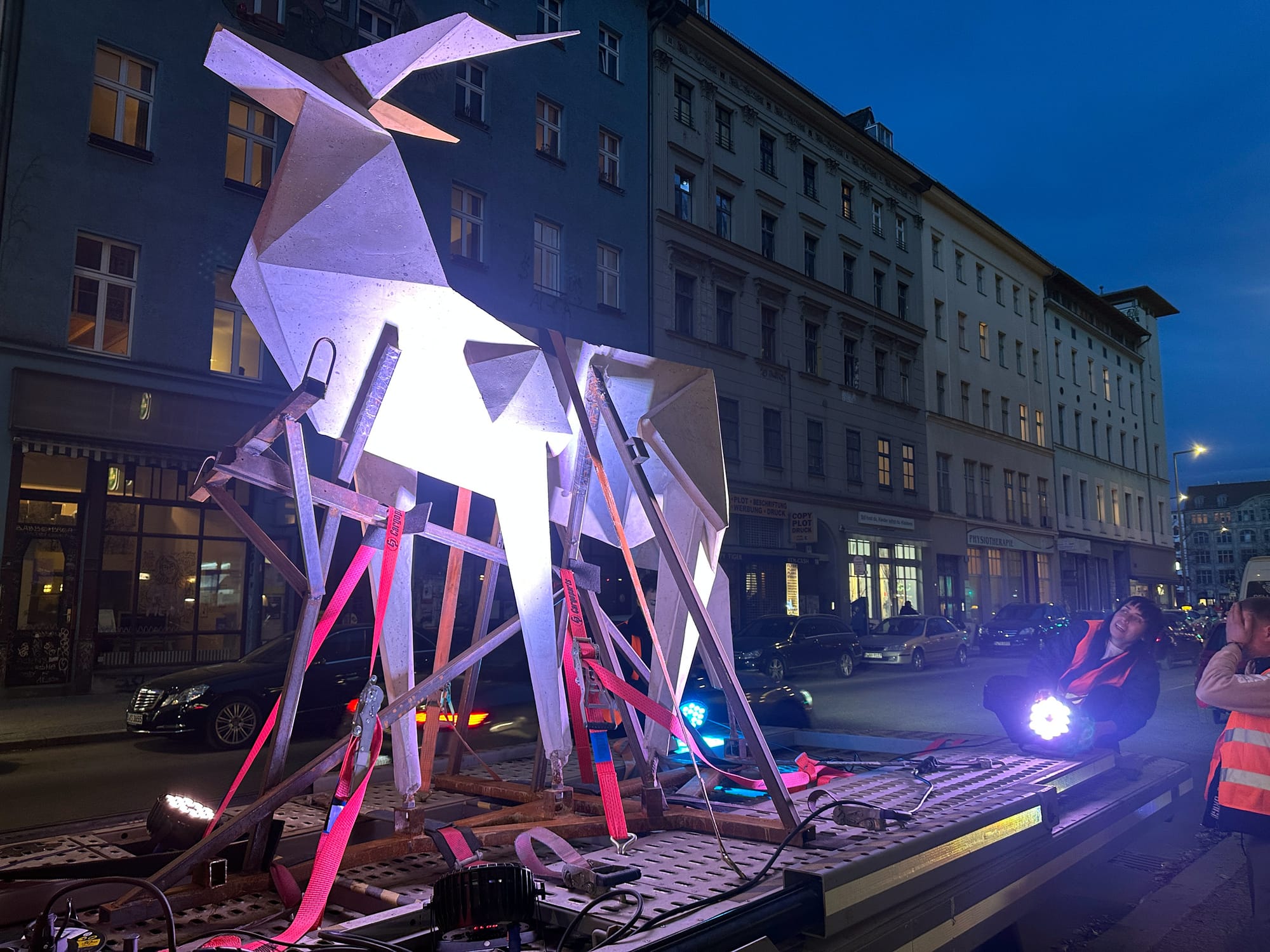
Zhanna Kadyrova's concrete sculpture "The Origami Deer" (2019) is prominently displayed at the entrance to the Giardini during the 61st Venice Biennale, part of her project "Security Guarantees" in the Ukrainian Pavilion. Originally installed in Pokrovsk, eastern Ukraine, the work was removed in 2024 as Russian forces advanced, then traveled through Vienna, Warsaw, Prague, Berlin, and Paris before reaching Venice—a journey mirroring the displacement of millions of Ukrainians. The sculpture, shaped like a deer and evoking folded paper, references the 1994 Budapest Memorandum, in which Russia, the UK, and US guaranteed Ukraine's security in exchange for its nuclear disarmament—guarantees that proved worthless after Russia's invasions.

Review: “The Things We Carry” at Un Grito Gallery

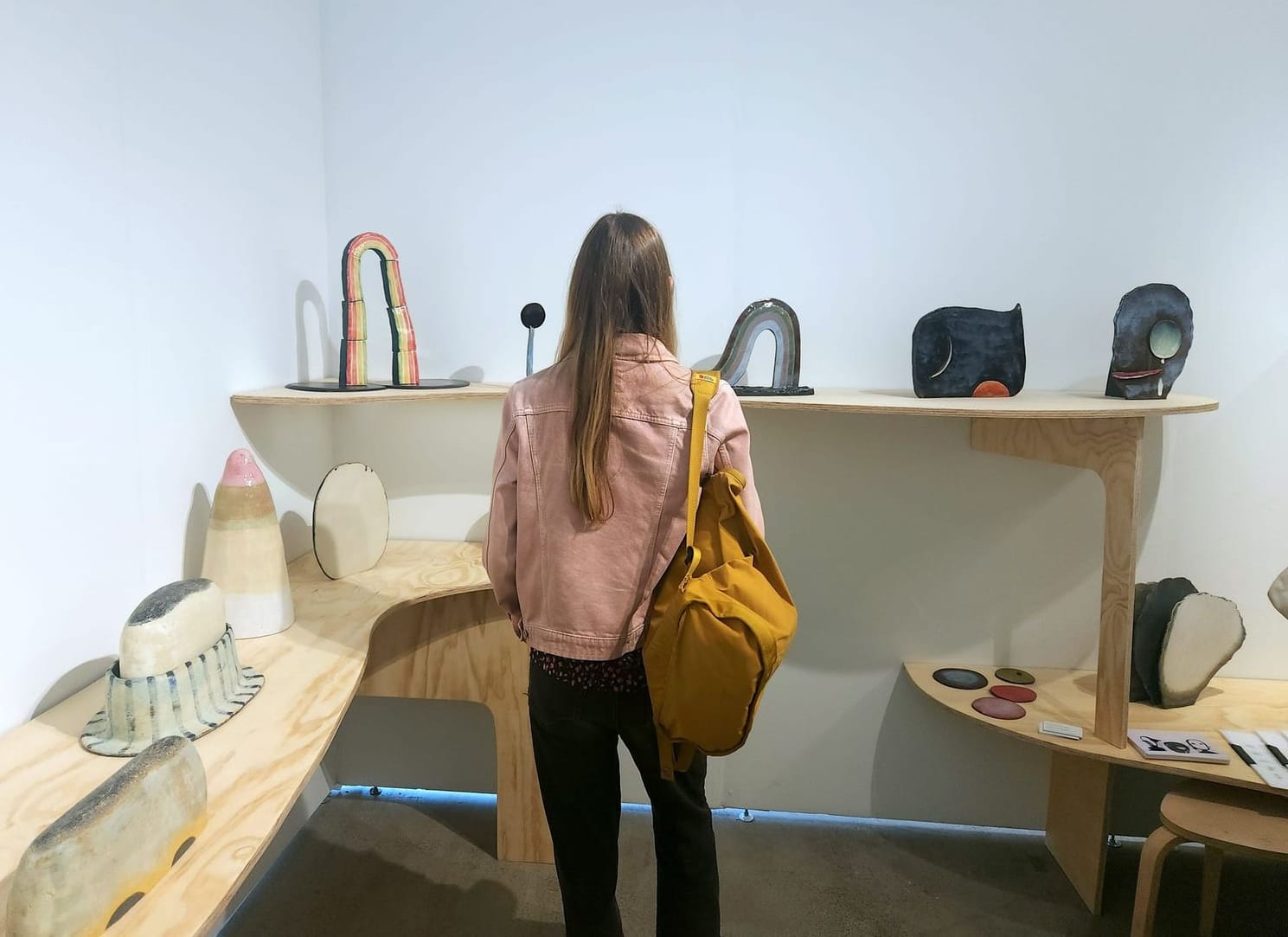
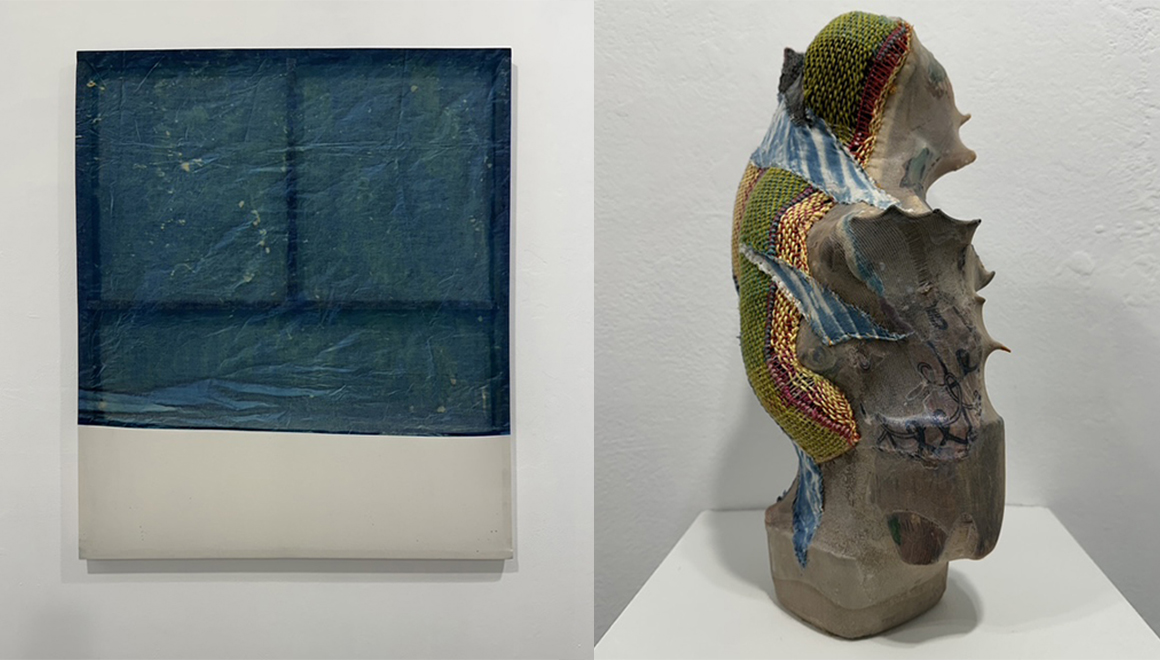
The exhibition "The Things We Carry" at Un Grito Gallery serves as the centerpiece for the 2026 Contemporary Art Month (CAM) Perennial in San Antonio. Curated by Casie Lomeli and Leslie Moody Castro, the show features eight artists including Matt Rebholz, whose vibrant, alien-like landscapes subvert traditional Western imagery, and Tina Linville, who presents tactile sculptures composed of salvaged materials and concrete. The exhibition is part of a larger city-wide initiative spread across five artist-run spaces.

I wanted to hate the new LACMA. Then I went back

The article describes the author's evolving impression of the newly opened David Geffen wing at the Los Angeles County Museum of Art (LACMA), designed by architect Peter Zumthor. Initially visiting at 11am, the author found the $724 million, 110,000 sq ft building to be a "dismal, dated, inelegant brute," with thick bronze windows, dark concrete slabs, and bunker-like galleries. However, returning at 4pm, the author experienced a transformation: golden afternoon light warmed the concrete, illuminated the interiors, and revealed the building as a "brilliant innovation and true gift to the city." The article details the building's 20-year design evolution, challenges including fossil discoveries on site, and Zumthor's public frustrations with the compromised details.