filter_list Showing 7 results for "Conditions" close Clear
search
dashboard All 203 museum exhibitions 62article news 45trending_up market 26article culture 24article policy 14person people 12article local 8rate_review review 7candle obituary 2gavel restitution 2article events 1
date_range Range Today This Week This Month All
Subscribe

Hydrojustice: A Review

A Non-Aspirational Justice: Review of Hydrojustice

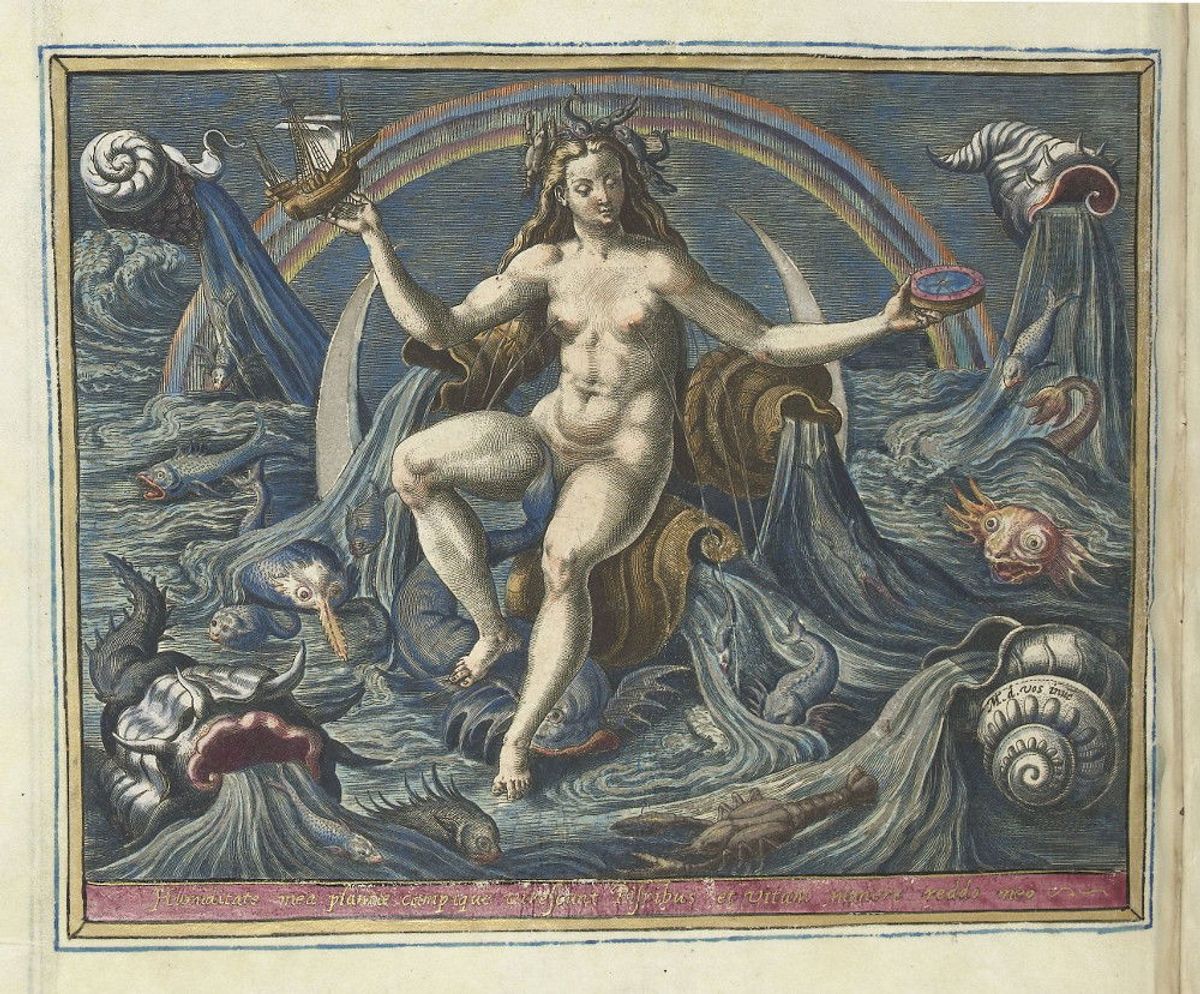
The article is a critical review of Andreas Philippopoulos-Mihalopoulos's book 'Hydrojustice,' which uses the concept of water as a lens to critique traditional, top-down legal justice and propose a more fluid, collective, and embodied alternative. The review frames this analysis through the recent erasure of a Banksy graffiti piece on the London Courts of Justice, which depicted a judge violently silencing a protester.

artists resisted fascism comrades in art andy friend

A group of British artists, frustrated by the Great Depression and inspired by socialist ideologies, founded the Artists International Association (AIA) in the early 1930s. Initially a Communist-inflected agit-prop group, it rebranded in 1935 to broaden its anti-fascist coalition, a move that sparked internal debates about ideological purity. The article, reviewing Andy Friend's book *Comrades in Art: Artists Against Fascism, 1933–1943*, highlights key episodes such as the AIA's 1940 exhibition 'The Face of Britain,' which opened amid the Blitz after bombs damaged the gallery.

Is This What “Made in America” Looks Like?

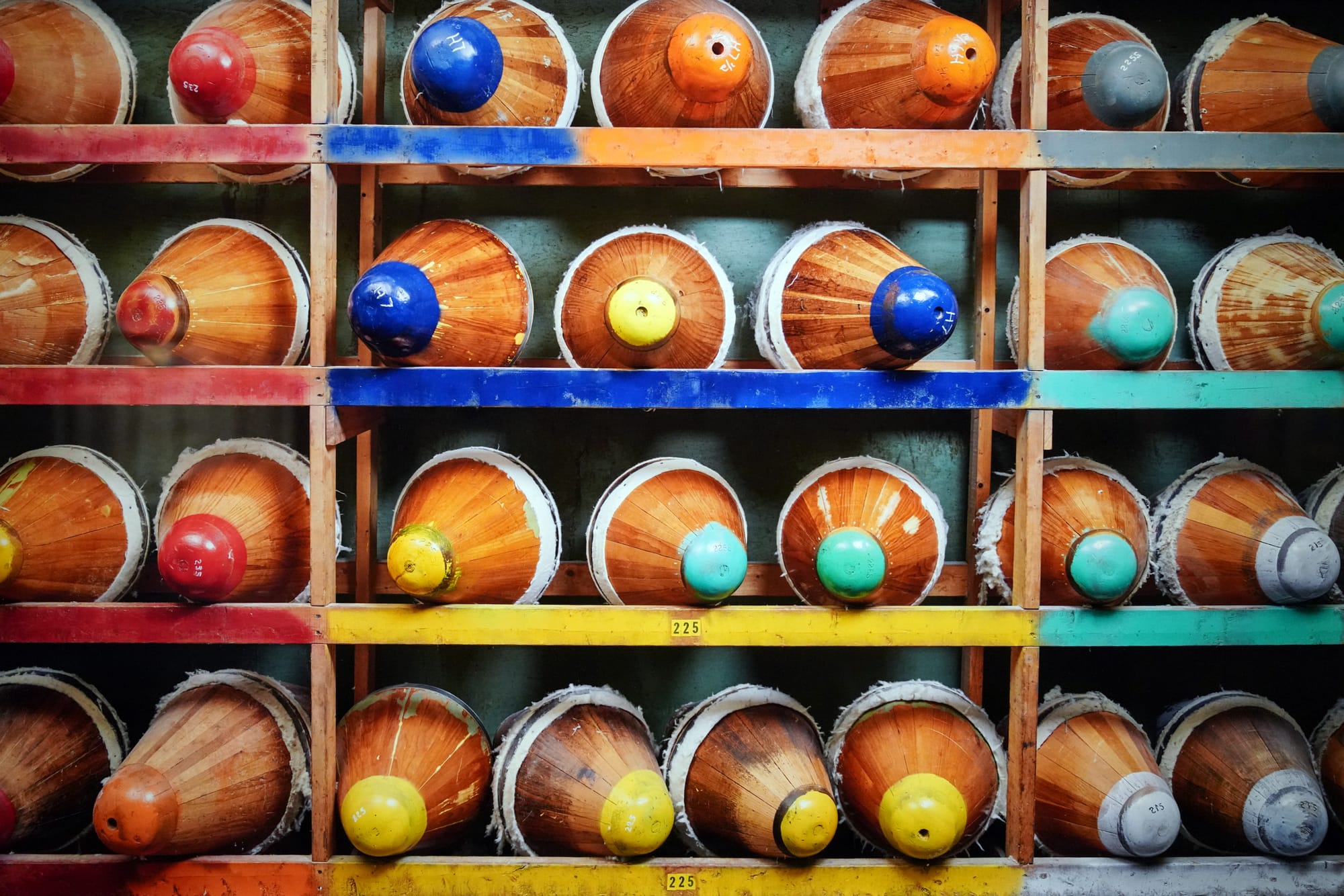
Christopher Payne's exhibition "Made in America: The Industrial Photography of Christopher Payne" at the Cooper Hewitt, Smithsonian Design Museum showcases 72 large-format photographs documenting active American factories and manufacturing processes. The trained architect turned photographer spent a decade visiting dozens of production sites across the United States, from the New York Times printing plant in Queens to the Bollman Hat Company in Pennsylvania, capturing workers' craftsmanship and the intricate steps involved in making everything from Peeps candies to jet engines. The exhibition is organized into three sections—traditional handcraft, large-scale production, and cutting-edge technologies—and coincides with the Smithsonian's celebration of the nation's 250th anniversary.

These Ghosts. Clémentine Bruno  by Michela Ceruti

Clémentine Bruno’s artistic practice explores the tension between presence and absence, treating the canvas as a site of temporal layers rather than a flat surface for representation. Her work emphasizes the preparatory stages of painting—the laying of gesso and the construction of supports—allowing images to emerge reluctantly through processes of sanding, veiling, and partial erasure. Recent exhibitions, such as "Educational Complex" at Tonus and "Vision of Fading" at Mendes Wood DM, highlight her interest in how institutional structures and memory maps dictate what is retained and what is forgotten.

How Delilah Montoya’s art confronts ICE detention abuses

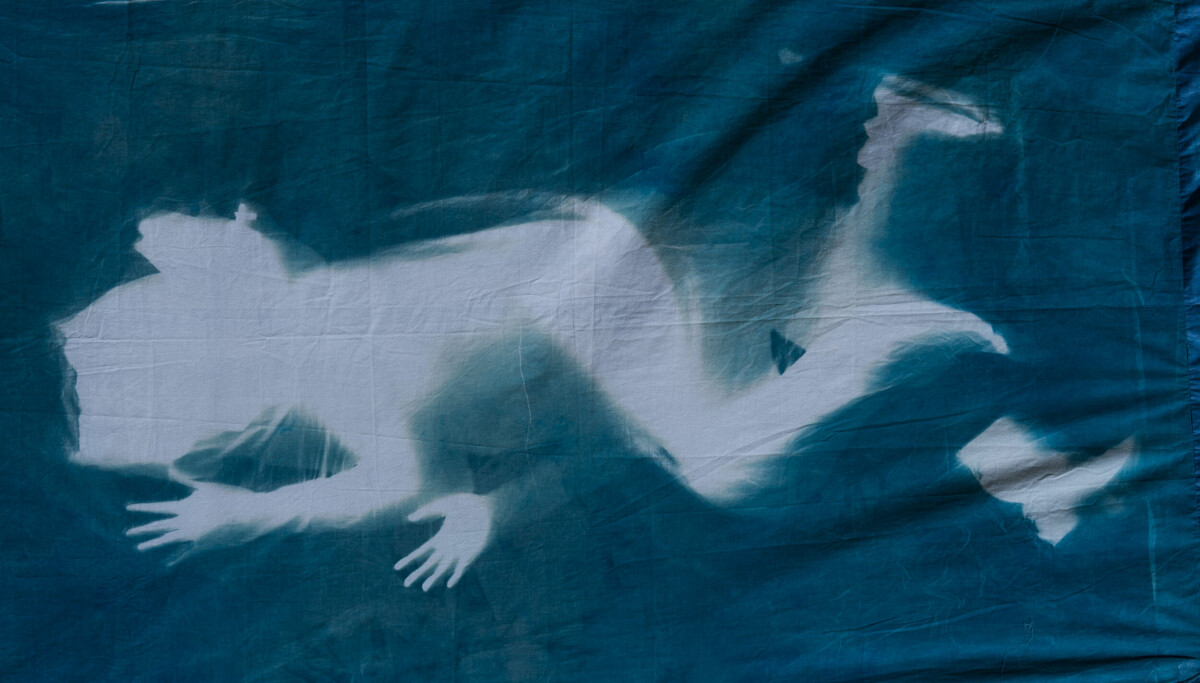
The Albuquerque Museum is hosting a retrospective of Chicana artist Delilah Montoya, titled "Delilah Montoya: Activating Chicana Resistance." The exhibition's centerpiece is "Detention Nation," an immersive installation created in collaboration with the Sin Huellas Artist Collective that simulates the conditions of ICE detention centers. The work features cyanotype images of detainees on prison cots, chain-link fencing, and displays of meager government-issued personal items alongside the official National Detainee Handbook.

Anki King’s Nordic Noir

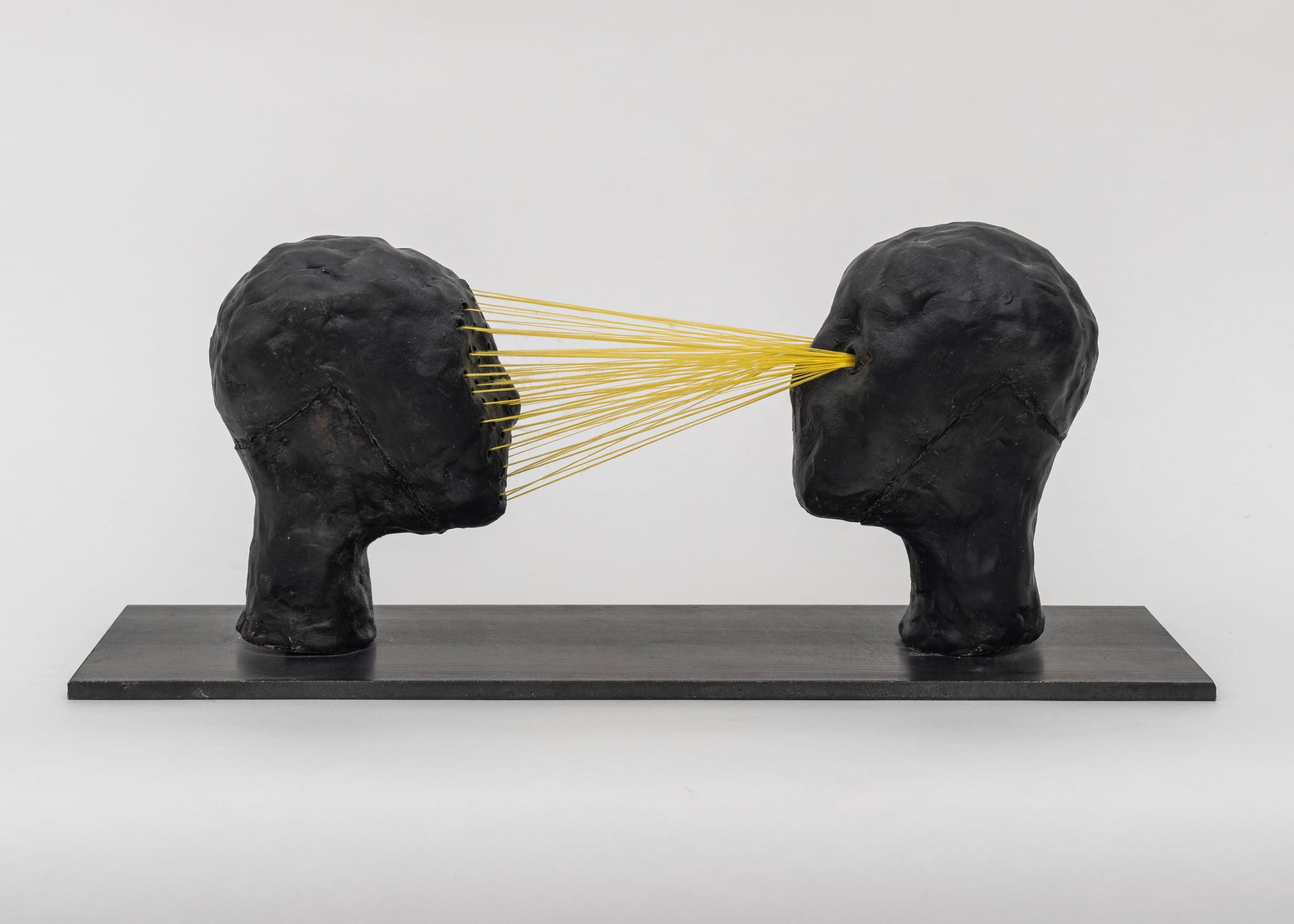
Anki King's solo exhibition at the Lace Mill in Kingston, New York, presents 40 works from 2015-2026 that explore themes of isolation and miscommunication through a moody, Nordic-inspired palette. The Norwegian-born, New York-based artist employs a distinctive visual language of featureless, long-limbed figures and recurring motifs like threaded ceramic heads and figures with leafless branches.

Body as Device. Guide and Reflection on the Performances of the Venice Biennale

Corpo come dispositivo. Guida e riflessione sulle performance della Biennale di Venezia

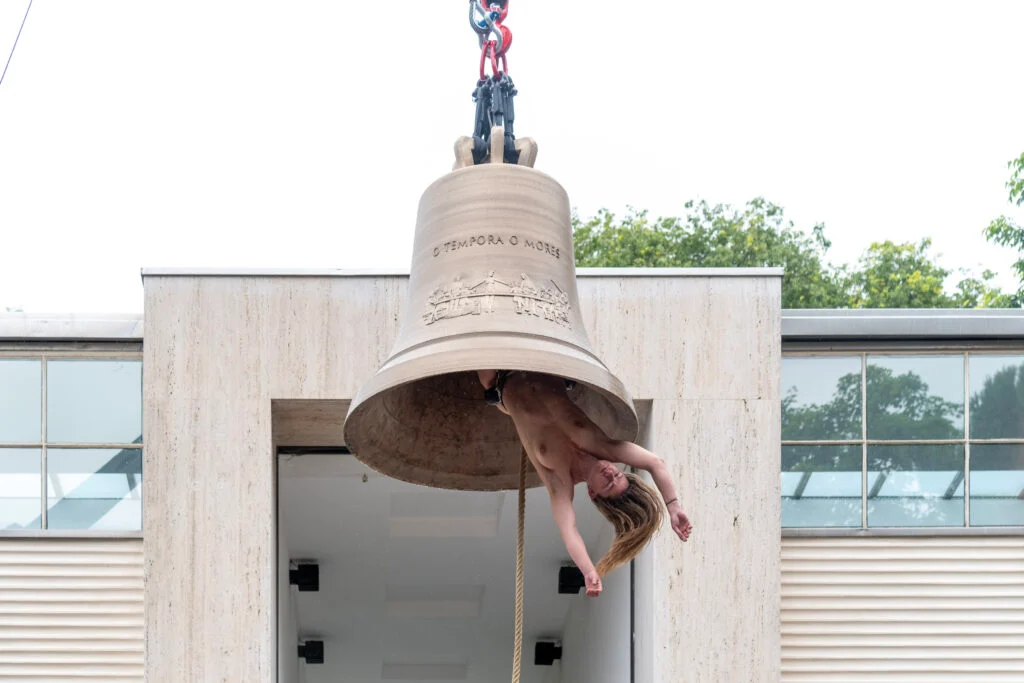
The article analyzes the role of performance art at the 2026 Venice Biennale, arguing that performance is no longer a rediscovered genre but a structurally institutionalized primary form of experience production. It examines how the body reemerges not as an alternative to image-based works but as an internal interruption of the artwork system, preventing closure and reintroducing instability. Key pavilions are discussed: Austria's Florentina Holzinger with "Sancta" draws on 1970s radical performance and feminist body art, creating an immersive environment of continuous movement; Belgium's Miet Warlop with "IT NEVER SSST" engages post-dramatic theater and postmodern dance repetition; Japan's Ei Arakawa-Nash with "Grass Babies, Moon Babies" activates Gutai avant-garde legacies through viewer interaction with soft dolls.