filter_list Showing 7 results for "Dent" close Clear
dashboard All 355 museum exhibitions 149article local 93article news 55person people 12article culture 12article policy 10trending_up market 8rate_review review 7candle obituary 7gavel restitution 2
date_range Range Today This Week This Month All
Subscribe

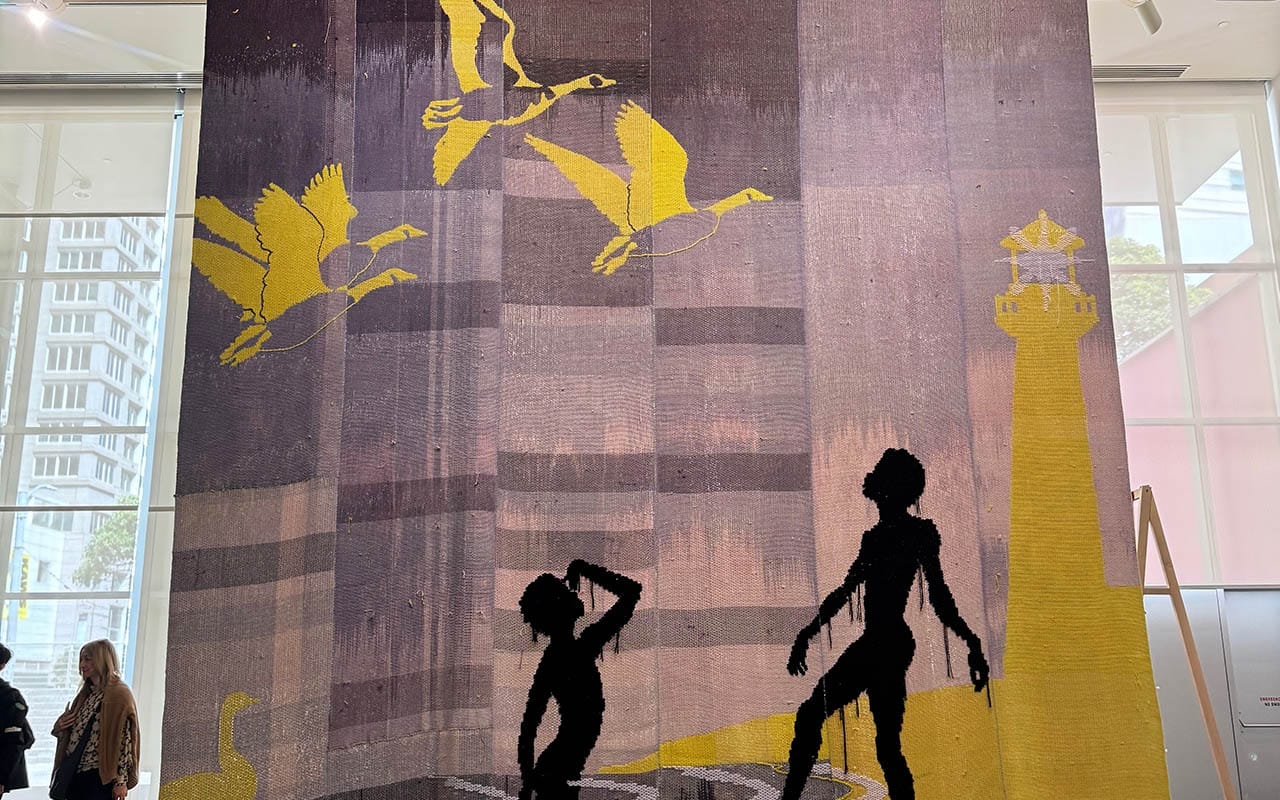
Diedrick Brackens’s Tapestries Beckon the Light of Freedom

Diedrick Brackens presents his first solo exhibition in the Bay Area, "gather tender night," at Yerba Buena Center for the Arts in San Francisco. Guest-curated by Eungie Joo, the show features 15 tapestries from 2020 onward and three new works from 2026, including the immersive installation "clearing (2026)." Brackens, a Black queer artist and CCA professor, uses hand-dyed cotton and acrylic yarn to weave narratives of personal memory, myth, and the natural world, drawing from West African weaving, California fiber art, European tapestry, and Gee's Bend quilting. His approach, influenced by the "sloppy craft" ethos of his mentor Josh Faught, embraces unfinished edges and visible process as acts of refusal against polished traditions.

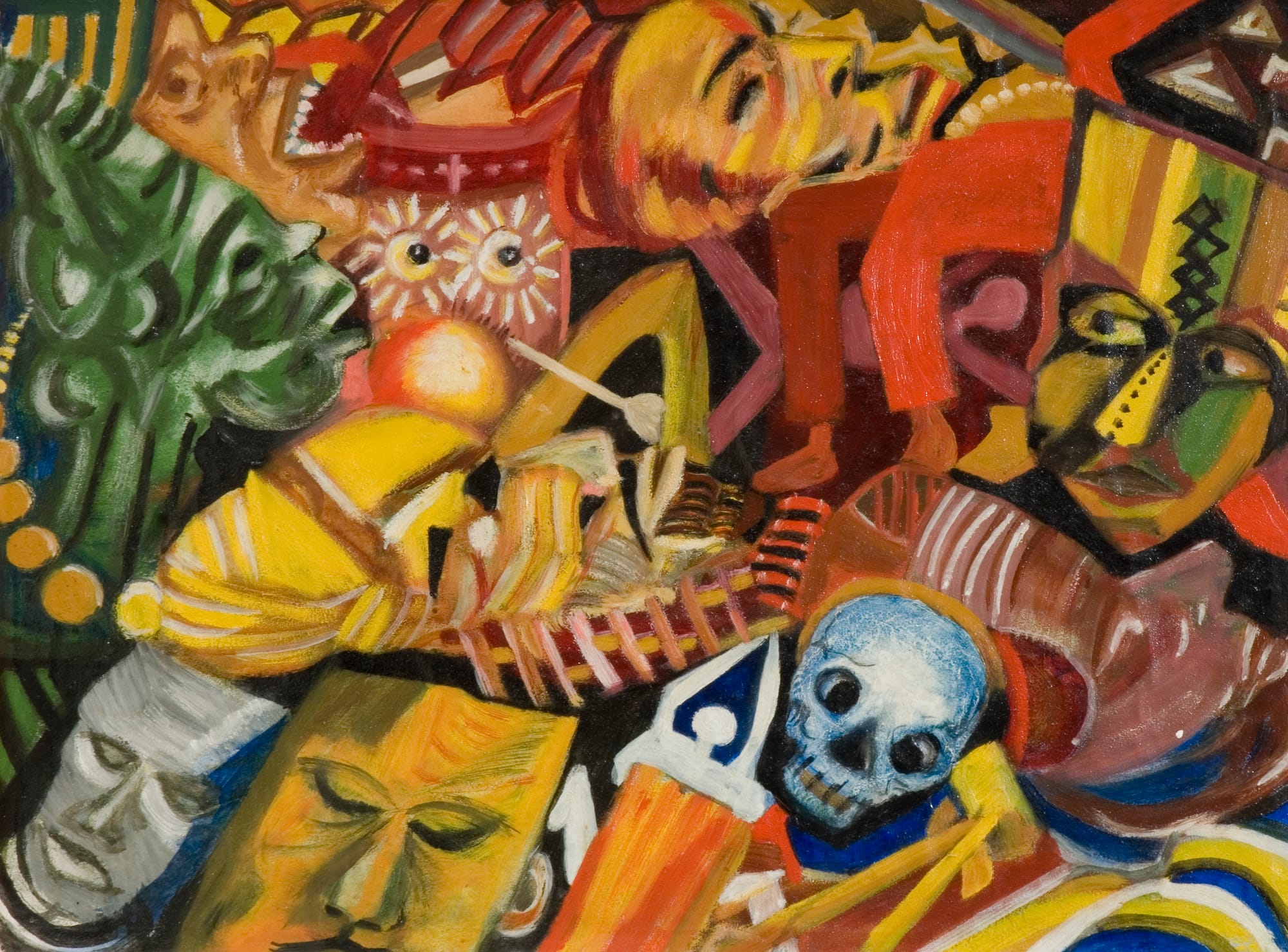
What’s Left to Learn from Marcel Duchamp?

The article examines Marcel Duchamp's enduring influence on contemporary art, focusing on his readymades such as "Fountain" (1917) and "Bicycle Wheel" (1913/1951). It notes that a major survey co-organized by the Museum of Modern Art and the Philadelphia Museum of Art, 70 years after Duchamp predicted his true public would emerge in 50 to 100 years, reaffirms his status as the most influential artist of the past century. The piece discusses how Duchamp's practice of selecting and presenting ordinary objects as art—from a urinal to a snow shovel—once shocked the art world but now seems quaint compared to later works like Maurizio Cattelan's taped banana.

The Revolutionary Tapestry of Nigerian Modernism

The exhibition "Nigerian Modernism" at Tate Modern in London is the first show of its kind in the UK, surveying how Nigerian artists forged a postcolonial identity across the 20th century. It features works by pioneers such as Aina Onabolu, Benedict Enwonwu, and members of the radical Zaria Art Society, including Uche Okeke, Jimo Akolo, and Clara Etso Ugbodaga-Ngu, highlighting their break from British artistic traditions and embrace of local visual heritage.

Ruminations on Rashid Johnson’s “A Poem for Deep Thinkers”

The article is a reflective review of Rashid Johnson's exhibition "A Poem for Deep Thinkers" at the Modern Art Museum of Fort Worth. The author describes standing before Johnson's work "Falling Man" (2016), a piece incorporating broken mirrors, burned wood, and personal objects like a copy of Harry Haywood's "Black Bolshevik" and shea butter, which prompts meditations on visibility, identity, and Frantz Fanon's "Black Skin, White Masks." The review also examines Johnson's large-scale installation "Antoine's Organ" (2016/2026), which fills a gallery typically reserved for Ellsworth Kelly's minimalist canvases, transforming the space with scaffolding, plants, books, and video monitors.

Losing Frida Kahlo in "The Making of an Icon"

The article critiques the Museum of Fine Arts, Houston's (MFAH) exhibition "Frida: The Making of an Icon," arguing that it perpetuates a fetishized, commercialized view of Frida Kahlo by focusing on her biography—her marriage to Diego Rivera, her affairs, her accident—rather than her artistic skill. The author contrasts this with a visit to the Museo de Arte Moderno (MAM) in Mexico City, where the exhibition "Relatos modernos. Obras emblemáticas de la Colección Gelman Santander" presents Kahlo's work alongside other Mexican masters in a quiet, understated manner that allows viewers to appreciate her technical abilities without overwhelming narrative.

Patchwork Lost – A Critique of the Princeton University Art Museum’s American Art Wing

The article critiques the newly opened American art wing at the Princeton University Art Museum, arguing that its curatorial approach prioritizes contemporary social justice narratives over historical accuracy and national pride. The author contends that the exhibition presents a fragmented, politicized view of American history, highlighting slavery and racial injustice while omitting or minimizing the contributions of Princeton alumni to the nation's founding, such as James Madison and John Witherspoon. Specific examples include the inclusion of a 2022 revisionist painting of the Signing of the Constitution and selective signage that emphasizes marginalized figures while ignoring male patriots.

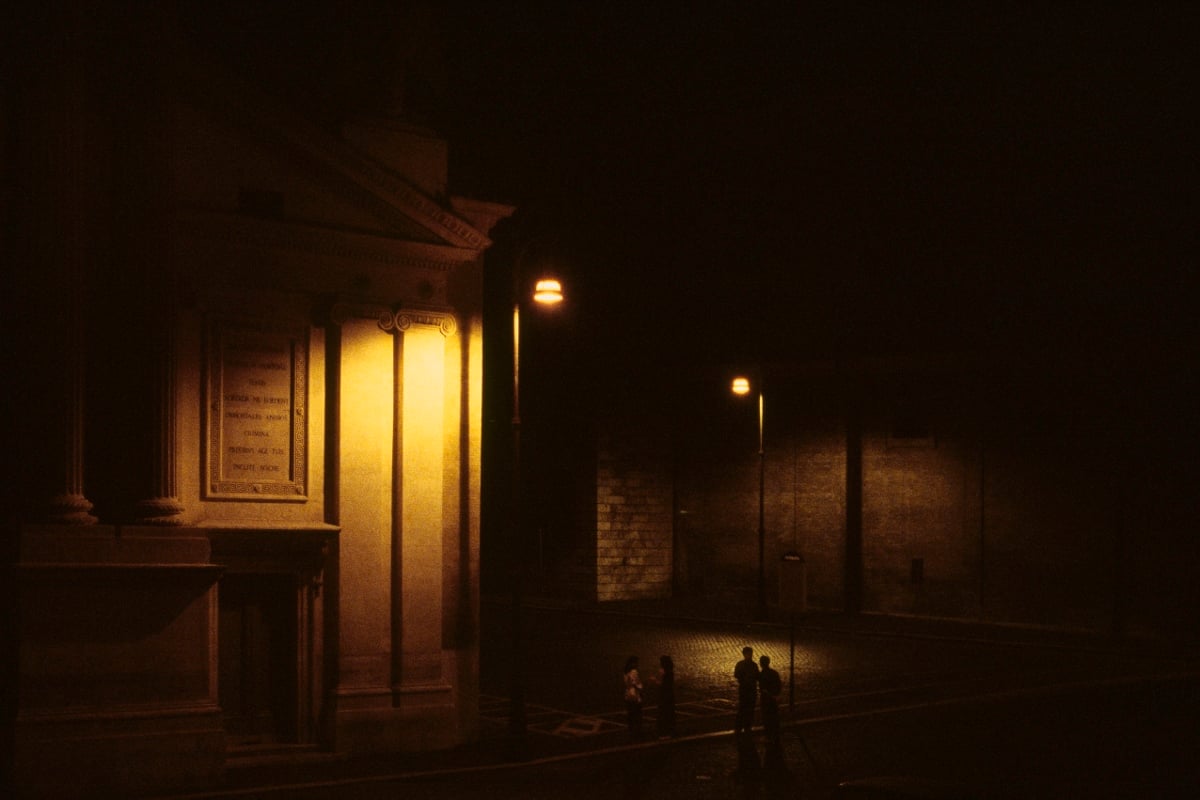
Rome and its visions in contemporary photography: from Carbone to De Angelis, to Hervé Gloaguen

Roma e le sue visioni nella fotografia contemporanea: da Carbone a De Angelis, fino a Hervé Gloaguen

The article critiques a recent trend in contemporary photography of Rome, exemplified by a 2020 exhibition at the Mattatoio (Nuove produzioni 2020 per la collezione Roma) that presented black-and-white images reducing the urban landscape to a dark, lifeless mass. The author contrasts this with a personal photograph of a horse taken during the Covid-19 pandemic, which captures Rome's periphery with warmth and specificity, and praises the 2024 exhibition "Roma 1975, città, volti e storie dell'anno giubilare" featuring photojournalist Fabio De Angelis's rediscovered work as a vital counterpoint.