filter_list Showing 45 results for "Exhibitions" close Clear
search
dashboard All 3628 museum exhibitions 2024article local 652article news 302trending_up market 164person people 164article culture 126article policy 81candle obituary 58rate_review review 45gavel restitution 9article events 2article event 1
date_range Range Today This Week This Month All
Subscribe

best new york art criticism critics table

Cultured magazine's critics roundup highlights several notable New York art exhibitions. Cameron Rowland's "Properties" at Dia Beacon is examined as a landmark Land art installation that uses contractual relations to address racial capitalism, with works available only for rent or loan. Other shows include Feliciano Centurión's "Sol naciente" at Ortuzar, Joshua Caleb Weibley's "Game Transfer Phenomena" at Chart, Ian Miyamura's debut at Bureau, and Laura Owens's new show at Matthew Marks Gallery, each reviewed for their conceptual and aesthetic innovations.
Kamrooz Aram Breaks Down the Grid

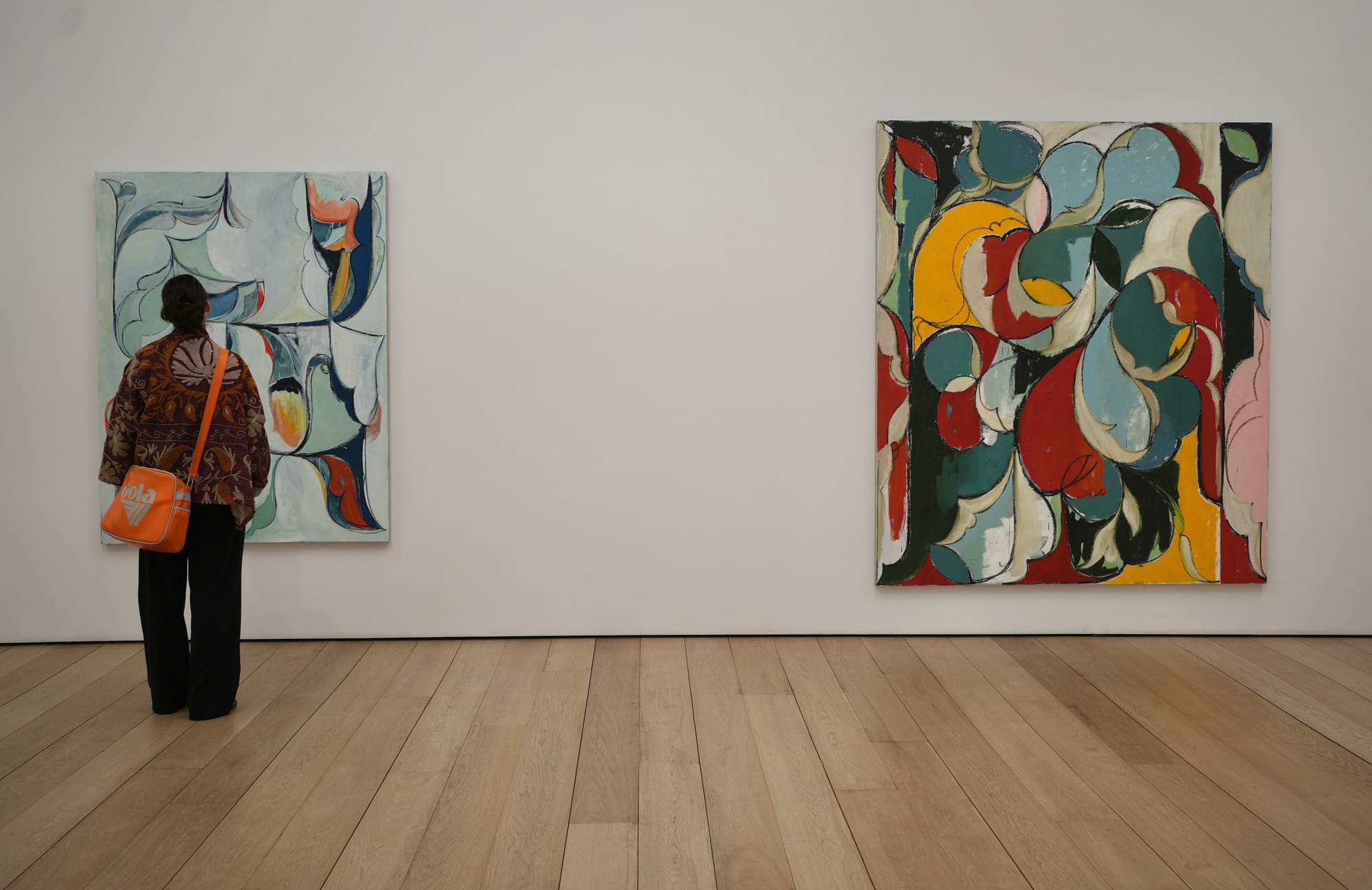
Kamrooz Aram is the subject of multiple major exhibitions in early 2026, including a solo show at Alexander Gray Associates in New York, a presentation at Nature Morte in Mumbai for Mumbai Art Week, and a significant inclusion in the 2026 Whitney Biennial. The artist, known for his work with the grid, uses painting to explore the connections between Western modernist abstraction and non-Western decorative traditions, particularly from Western Asia.

Raphael Met Museum Retrospective Review

raphael met museum retrospective review

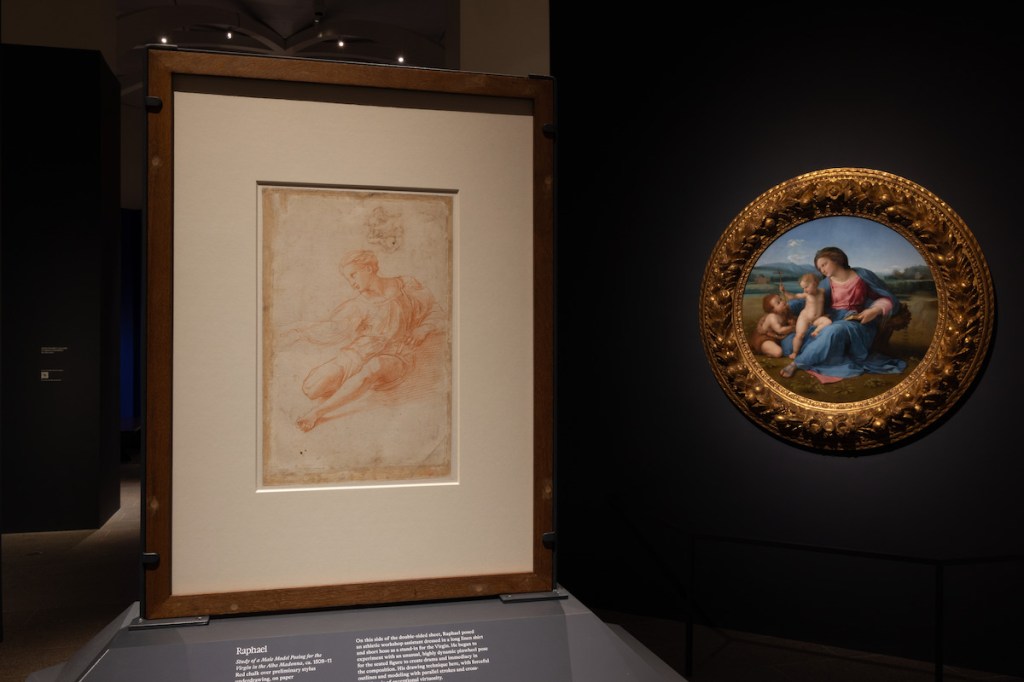
The Metropolitan Museum of Art has launched "Raphael: Sublime Poetry," the first major retrospective of the Renaissance master ever staged in the United States. Curated by Carmen C. Bambach, the exhibition features 237 works, including rare loans of drawings and monumental tapestries that have not left Madrid since the 16th century. While some of his most famous paintings remain in Europe, the show provides an exhaustive look at the artist's development from a teenage prodigy to a papal favorite.

What does a woman swimming in urine tell us about the state of the world? Lots! – Venice Biennale review

The 2026 Venice Biennale, curated by the late Koyo Kouoh under the theme "In Minor Keys," has been plagued by months of turmoil including countries withdrawing, artists being fired, exhibitions cancelled, funding pulled, and protests during the preview. A five-person curatorial team took over after Kouoh's death, resulting in what the critic describes as a disjointed, committee-driven exhibition that prioritizes quiet contemplation and healing over direct political engagement. The central shows in the Giardini and Arsenale feature a vast, poorly explained array of art from the global south, with installations of ceramics, textiles, slide projectors, and serene natural scenes that the critic finds anachronistic and dull.

art guide new york exhibitions

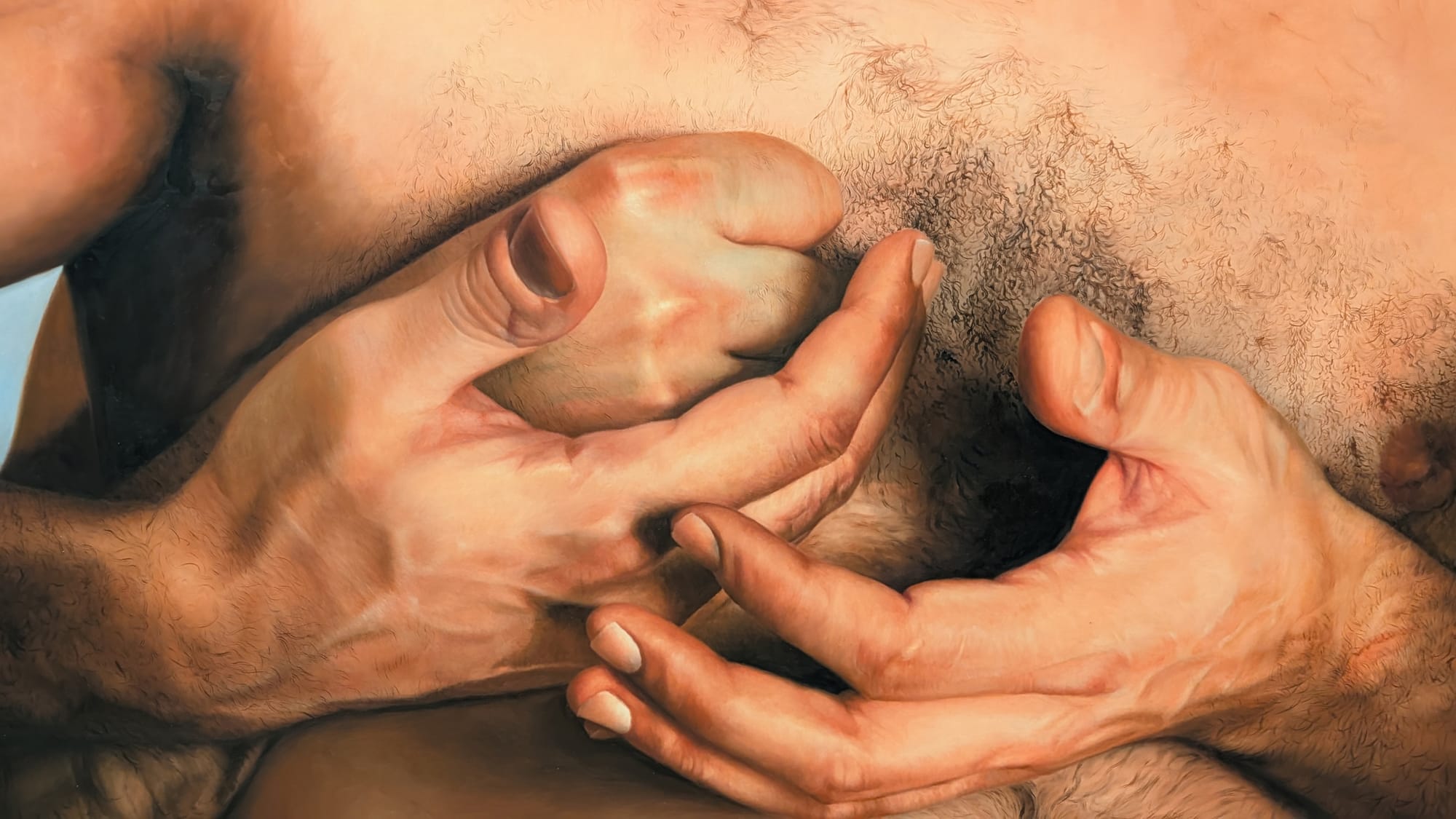
The article reviews the joint exhibition "Hunks" at Bureau gallery in New York, featuring works by painter Julia Rommel and photographer Lucas Blalock. Rommel's post-minimalist abstract paintings, created through folding and stapling canvases, explore color and texture with a personal touch, while Blalock's digitally manipulated photographs blend studio effects and surreal editing. The show runs through February 21, 2026, at the gallery's 112 Duane Street location.

art criticism cameron rowland anne imhof

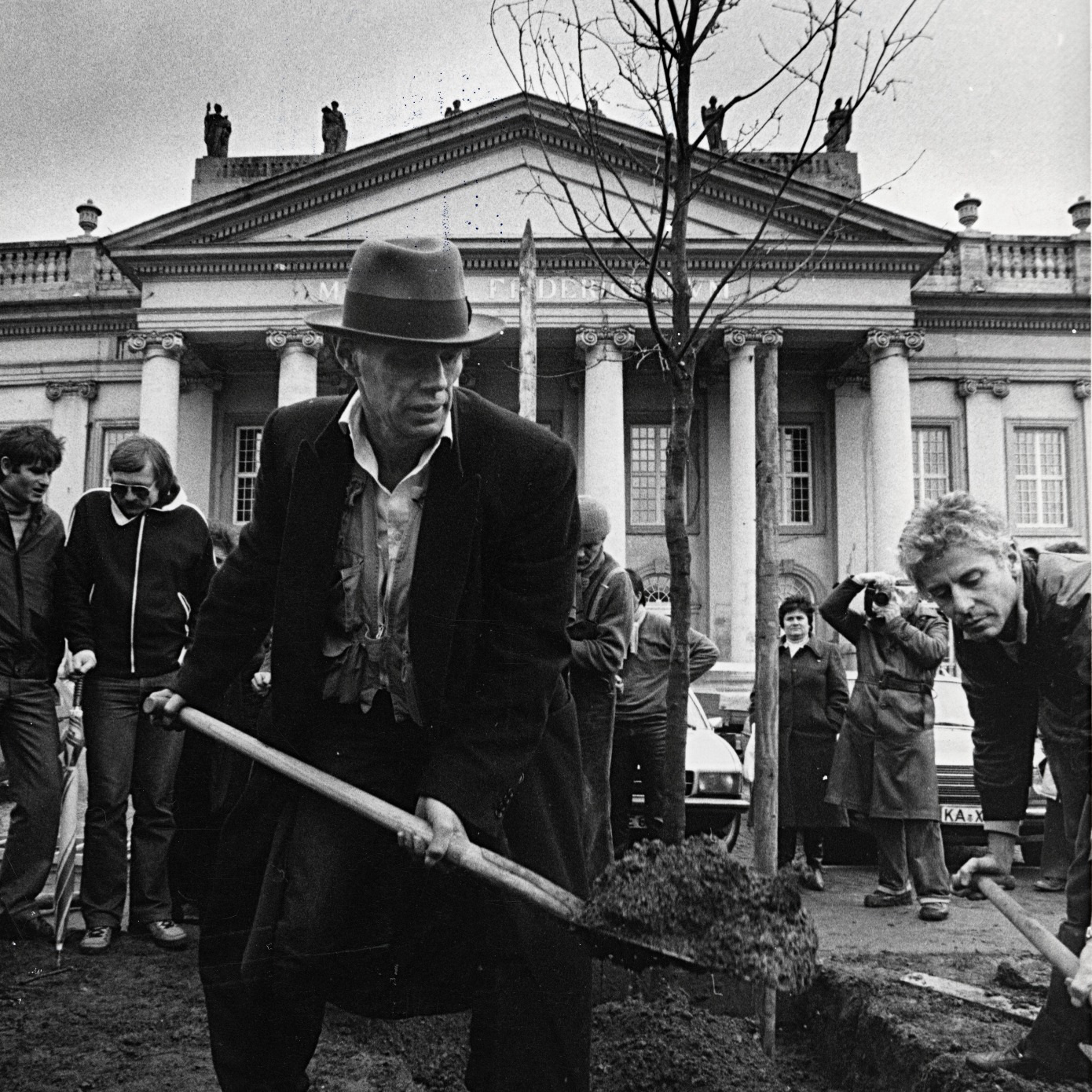
The article reviews several notable art events and exhibitions from 2025, beginning with Cameron Rowland's controversial work "Replacement" at the Palais de Tokyo in Paris, where the French flag was replaced with the flag of Martinique, leading to the artwork being deemed potentially illegal. It also covers Johanna Fateman's review of Rowland's "Properties" at Dia Beacon, Ross Simonini's reflection on Joseph Beuys and the Eaton fire in Los Angeles, John Vincler's critiques of Cady Noland at Gagosian and Nicole Eisenman at 52 Walker, and Fateman's year-end roundup including figures like Anne Imhof, Laura Owens, and Jack Whitten.

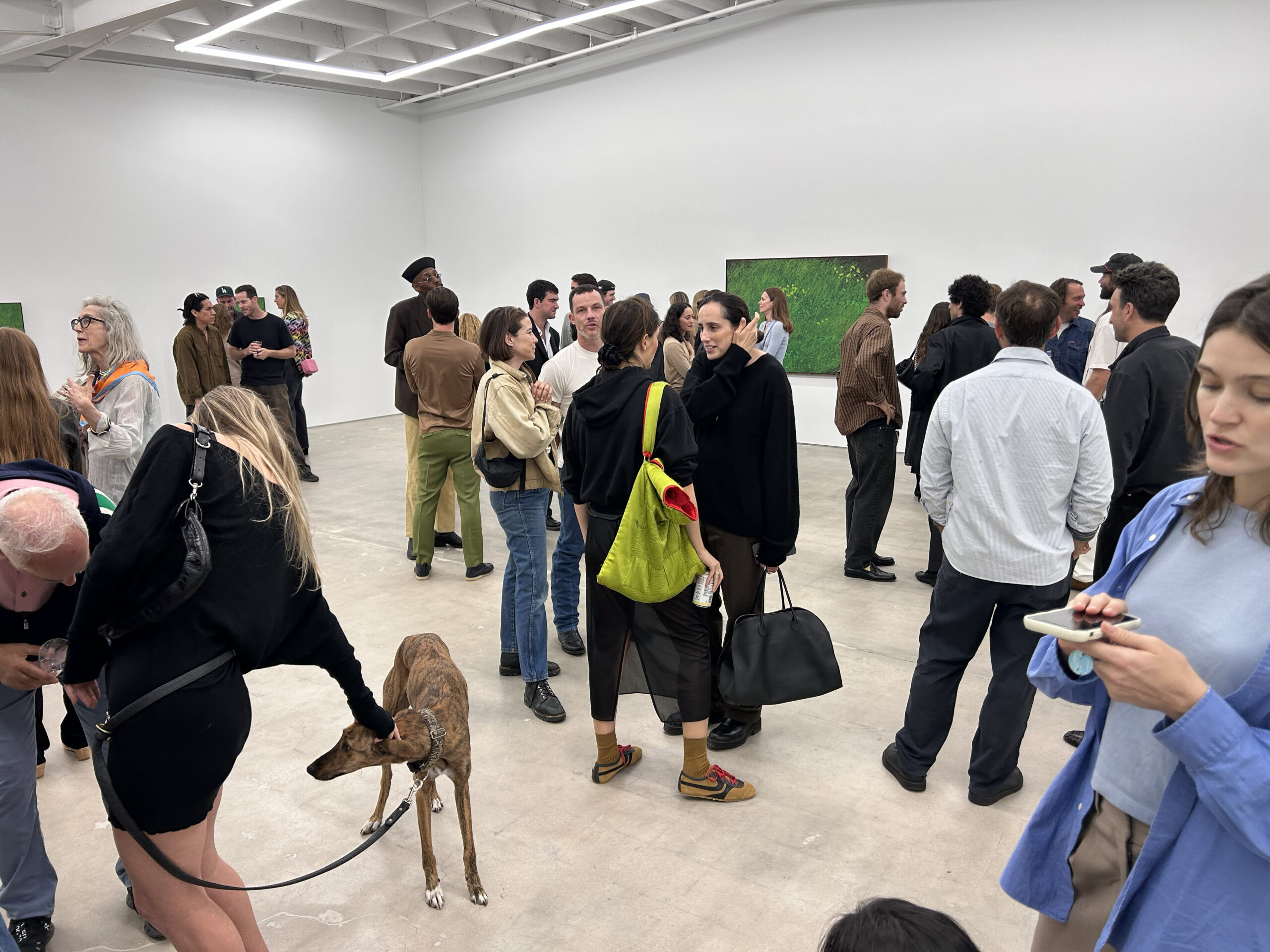
art los angeles fall openings review

The article is a review of fall art openings in Los Angeles, written by Juliana Halpert for her Critics’ Table debut. Halpert surveys a range of exhibitions, including Calvin Marcus's show at Karma, Stanya Kahn's solo presentation, the Hammer Museum's "Made in L.A." biennial and its scrappier counterpart "Made in HelLA," Josh Smith's grim reaper paintings at David Zwirner, and Adam Alessi's show at Hoffman Donahue. She also recounts attending the Poetic Research Bureau's 25th anniversary party and fundraiser at 2220 Arts + Archives, where musician Jack Skelley performed. The review weaves a thematic thread of mortality and the macabre, noting how many shows this season engage with death, from fake blood and skulls to sinister landscapes.

Two Museums Take on Performative Masculinity, Looksmaxxing, Incels, and Other Macho Buzzwords That Don’t Belong There.

The Stedelijk Museum and Kunstmuseum St. Gallen have co-organized an exhibition titled "Beyond the Manosphere: Masculinities Today," which aims to critically examine contemporary masculinity and its online manifestations such as incels, looksmaxxing, and pickup artists. The show features works by artists including Reba Maybury and Richard Serra, and is curated by Melanie Bühler, with directors Rein Wolfs and Gianni Jetzer overseeing the project. The exhibition will travel from the Stedelijk to the Kunstmuseum St. Gallen later this year.

Art, Death, Duchamp

Marcel Duchamp, known for his nonchalant attitude toward the material status of his artworks, paradoxically exerted meticulous control over their afterlife. The article examines his detailed instructions for the posthumous installation of his secret sculptural environment *Étant donnés* (1946–66) at the Philadelphia Museum of Art, including a four-ring binder of notes specifying everything from architectural dimensions to lightbulb wattage. It also highlights his earlier role as cofounder of the Société Anonyme, Inc., where he balanced artistic control with delegation, selecting artists like Louis Eilshemius for exhibitions despite their differing sensibilities.

art ai digital guide brian droitcour

Brian Droitcour curates a guide to navigating the current media landscape through the work of tech-savvy artists and writers, focusing on exhibitions in Brooklyn and Queens. The guide highlights Porpentine's show "Xrafstar World" at Haul Gallery in Gowanus, which features poster-prints of drawings depicting characters from their stories and games, made with different digital brushes. Droitcour contrasts this DIY, performance-driven work with major institutions' engagement with AI, such as Sasha Stiles' "A Living Poem" at MoMA, which he criticizes for echoing technology's promises of polish rather than probing its complications.

Salon review – like getting to know fascinating guests at a fabulous party

The article reviews a salon-style exhibition curated by Matthew Higgs, director of New York's White Columns gallery, at an unnamed gallery space. The show features 43 paintings by a diverse group of artists including Denzil Forrester, Andrew Cranston, Kaye Donachie, Merlin James, Margot Bergman, Gillian Carnegie, Bill Lynch, and Adam Keay, arranged around mismatched chairs facing white windows painted on the walls. The reviewer describes moving through the space, engaging with individual works, and highlights the eclectic, unthemed curation that prioritizes personal taste and conversation over academic or political messaging.

All and Nothing review – inspiring tale of the Chinese artist who cultivated a grassroots scene in Cumbria

A new documentary film, 'All and Nothing,' profiles the life and legacy of Chinese artist Li Yuan-chia, who founded the influential LYC Museum and Art Gallery in rural Cumbria, England, in 1972. The film, directed by Liao I-ling and Chu Po-ying, uses his abstract art and archival materials to trace his journey from China and Taiwan to Italy and London, before he settled in Brampton.

The Carnegie International Looks Back at Itself

The 58th Carnegie International at the Carnegie Museum of Art in Pittsburgh looks back at its own 130-year history, featuring a gallery dedicated to past iterations. The exhibition includes Chris Ofili's "The Adoration of Captain Shit and the Legend of the Black Stars" (1998), which was originally shown in the 53rd International in 1999, the same year Ofili's more notorious "The Holy Virgin Mary" sparked controversy at the Brooklyn Museum. The article reviews how the current iteration captures the excitement of earlier exhibitions while providing commentary on authoritarianism and militarism.

These Ghosts. Clémentine Bruno  by Michela Ceruti

Clémentine Bruno’s artistic practice explores the tension between presence and absence, treating the canvas as a site of temporal layers rather than a flat surface for representation. Her work emphasizes the preparatory stages of painting—the laying of gesso and the construction of supports—allowing images to emerge reluctantly through processes of sanding, veiling, and partial erasure. Recent exhibitions, such as "Educational Complex" at Tonus and "Vision of Fading" at Mendes Wood DM, highlight her interest in how institutional structures and memory maps dictate what is retained and what is forgotten.

Chobi Mela XI Review: Can We Start Over?

The 11th edition of the Chobi Mela photography festival has opened in Dhaka, Bangladesh, under the curatorial direction of artists Munem Wasif and Sarker Protick. With the theme 'Re,' the festival presents work from 58 artists across nine exhibitions, aiming to explore renewal and tenacity in lens-based storytelling following the disruptions of the COVID-19 pandemic and the July 2024 uprising.

Beacons in a Grim World

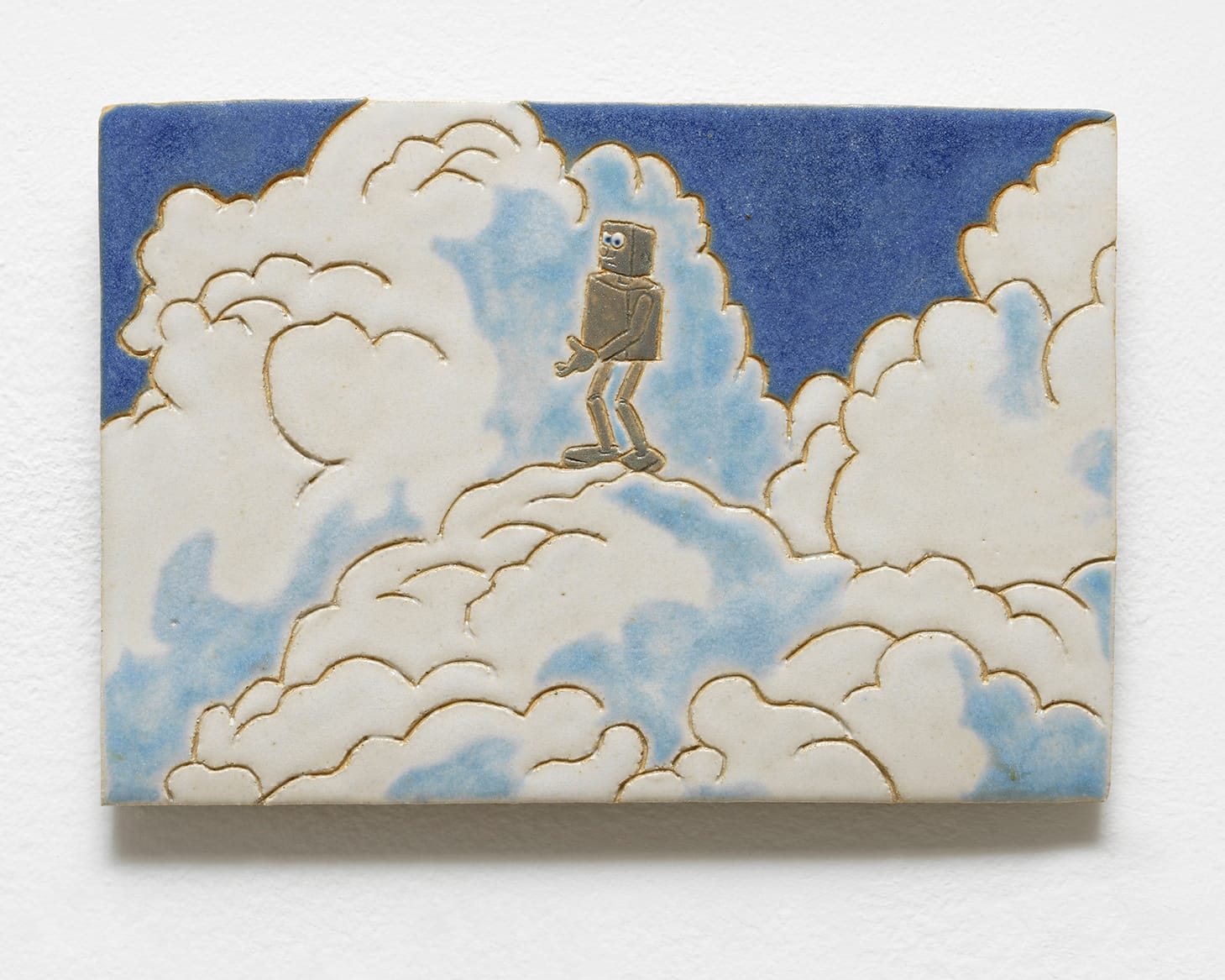
Two concurrent solo exhibitions at Alexander Berggruen Gallery feature the work of artists Kevin McNamee-Tweed and Tajh Rust. McNamee-Tweed presents enigmatic, tenderly absurd ceramic scenes, while Rust debuts in New York with figurative paintings that explore perception and Black identity through portraits of leisure and experimental silvered glass works.

Art for Our Age of Chaos

The article reviews two major New York exhibitions opening in 2026: the Whitney Biennial at the Whitney Museum of American Art, featuring over fifty artists, and "New Humans: Memories of the Future" at the newly expanded New Museum, with over a hundred artists. Both shows are described as enormous and defiant, responding to a distracted public and financial pressures. The reviewer notes that both exhibitions juxtapose large-scale immersive works with tiny, intimate pieces, and finds the Whitney Biennial lacking urgency, while preferring the New Museum's historical narrative about technology and modernity.

An Analog Tether

A new wave of gallery exhibitions is championing analog physicality and personal intimacy as a direct counter-response to the rise of AI-generated imagery. Artists like Ben Wolf Noam and Joseph Geagan are utilizing traditional mediums such as charcoal, lithography, and oil paint to capture spontaneous, sentimental moments of human connection, from family dinners to portraits of friends. These works emphasize the "hospitable mess" of real life, prioritizing the recognizable faces and tangible textures that AI often flattens.

Column: The new LACMA is sleek, splotchy, powerful, jarring, monotonous, appealing and absurd

The Los Angeles County Museum of Art (LACMA) is nearing completion of its new Brutalist building designed by Swiss architect Peter Zumthor, known as the David Geffen Galleries. Museum members will get a sneak peek at the empty interior spaces starting July 3, though the fully finished project with art installed won't open until April 2026. The poured-in-place concrete structure spans 347,500 square feet, including 110,000 square feet of exhibition space across 90 galleries, elevated 30 feet above ground on seven massive piers crossing Wilshire Boulevard. The article offers a critical preview of the building's aesthetics, noting the overwhelming monotony of concrete across floors, walls, and ceilings, while acknowledging some appealing views and powerful visual impact.

Renoir, Matisse, and the Temptation of Spectacle

Renoir, Matisse, et la tentation du spectacle

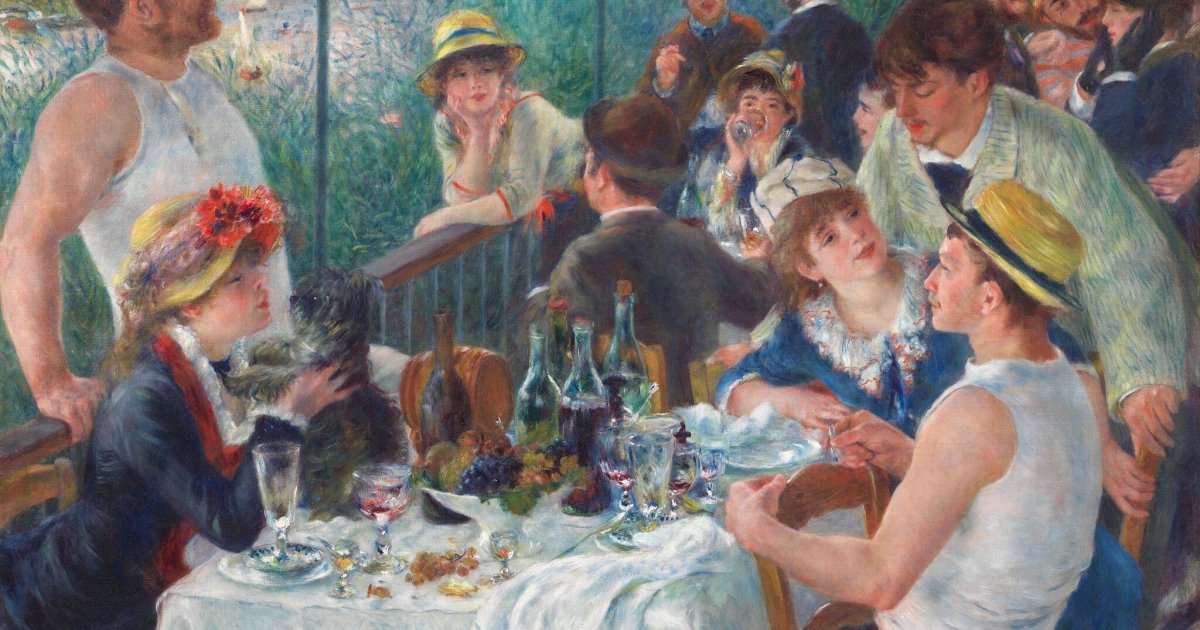
The article criticizes two major Parisian exhibitions scheduled for 2026: "Renoir et l'amour. La modernité heureuse (1865-1885)" and "Renoir dessinateur" at the Musée d'Orsay, and "Matisse 1941-1954" at the Galeries nationales du Grand Palais. The author argues that these shows prioritize spectacle and audience appeal over scholarly rigor, using flashy titles and famous names to attract crowds like movie releases.

Chelsea Exhibition Reviews: Rosebud Contemporary, Paula Cooper, Fredericks & Freiser, Berry Campbell and more

This article reviews several Chelsea gallery exhibitions, focusing on Mary Ann Unger's monumental sculpture show 'Across the Bering Strait' at Berry Campbell, which features her hydrocal-over-steel works exploring themes of feminism, anthropology, and the natural world. It also covers 'En Route' at Rosebud Contemporary, a group exhibition of abstract painters Rifka Milder, Meg Hitchcock, and Ketta Ioannidou, each reflecting on artistic journeys through their work.

7 Shows to See in Milan Right Now

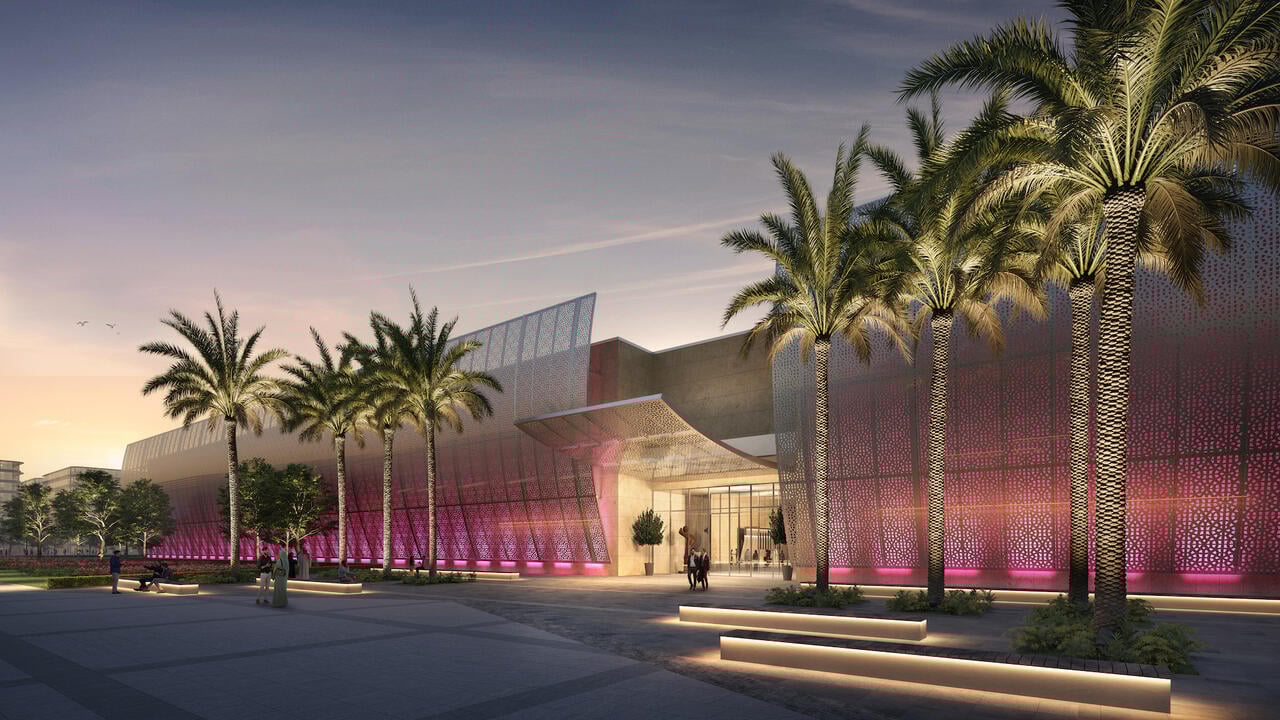
Gallery Applications Open for Frieze Abu Dhabi

Milan's art scene is currently anchored by several high-profile exhibitions coinciding with the Miart fair. Key highlights include Cao Fei’s exploration of global farming and technology at Pirelli HangarBicocca, alongside Anselm Kiefer’s monumental tributes to female alchemists. Other notable shows feature historical and contemporary dialogues, ranging from Italian post-war masters to experimental multimedia installations.

sanya kantarovsky chloe dzubilo rosemarie trockel

Two new art critics join the fold at Cultured, with Johanna Fateman reviewing Sanya Kantarovsky's first New York solo show since 2019, "Scarecrow," at Michael Werner Gallery's two Upper East Side locations. The exhibition features paintings, monotypes, and a glazed stoneware vase centered on Hera, a whippet belonging to artists Mark Dion and Dana Sherwood, alongside works like *Stage (Watteau)* that engage with historical painting. Mary Simpson covers Rosemarie Trockel's acerbic conceptualism, and Jeanette Bisschops reviews a posthumous exhibition of Chloe Dzubilo's intimate and irate drawings, "The Prince George Drawings," at Participant Inc., curated by Alex Fleming and Nia Nottage.

Losing Frida Kahlo in "The Making of an Icon"

The article critiques the Museum of Fine Arts, Houston's (MFAH) exhibition "Frida: The Making of an Icon," arguing that it perpetuates a fetishized, commercialized view of Frida Kahlo by focusing on her biography—her marriage to Diego Rivera, her affairs, her accident—rather than her artistic skill. The author contrasts this with a visit to the Museo de Arte Moderno (MAM) in Mexico City, where the exhibition "Relatos modernos. Obras emblemáticas de la Colección Gelman Santander" presents Kahlo's work alongside other Mexican masters in a quiet, understated manner that allows viewers to appreciate her technical abilities without overwhelming narrative.

The Big Review

Tate Britain has launched a major survey dedicated to the visionary artist and poet William Blake, marking one of the most comprehensive exhibitions of his work in London. The show brings together his intricate watercolors, prints, and prophetic books, offering a deep dive into his unique mythological universe and radical political views.

Read the Room: Dallas Museum of Art’s “International Surrealism” Misses the Mark

The Dallas Museum of Art's exhibition "International Surrealism" is critiqued as a missed opportunity during the centennial of the surrealist movement. The author argues that while the show presents a broad survey of mixed-media works from around the world, divided into six thematic subgroups, it lacks the political urgency and revolutionary context that defined surrealism's origins in 1925. The exhibition, initially curated by Matthew Gale from the Tate Modern collection and presented locally by Sue Canterbury, is described as whimsical and decorous, reducing the movement's subversive power to quirky categories and gift-shop fodder.

February Book Bag: from Tracey Emin’s conversations about painting to a catalogue of Lucian Freud’s drawings

The article presents a selection of recently published art books, highlighting new releases on artists Tracey Emin, Beatriz González, and Lucian Freud, as well as a second volume on Arab Modernist artists. It details the content of each book, including personal reflections, career overviews, and connections to upcoming exhibitions.

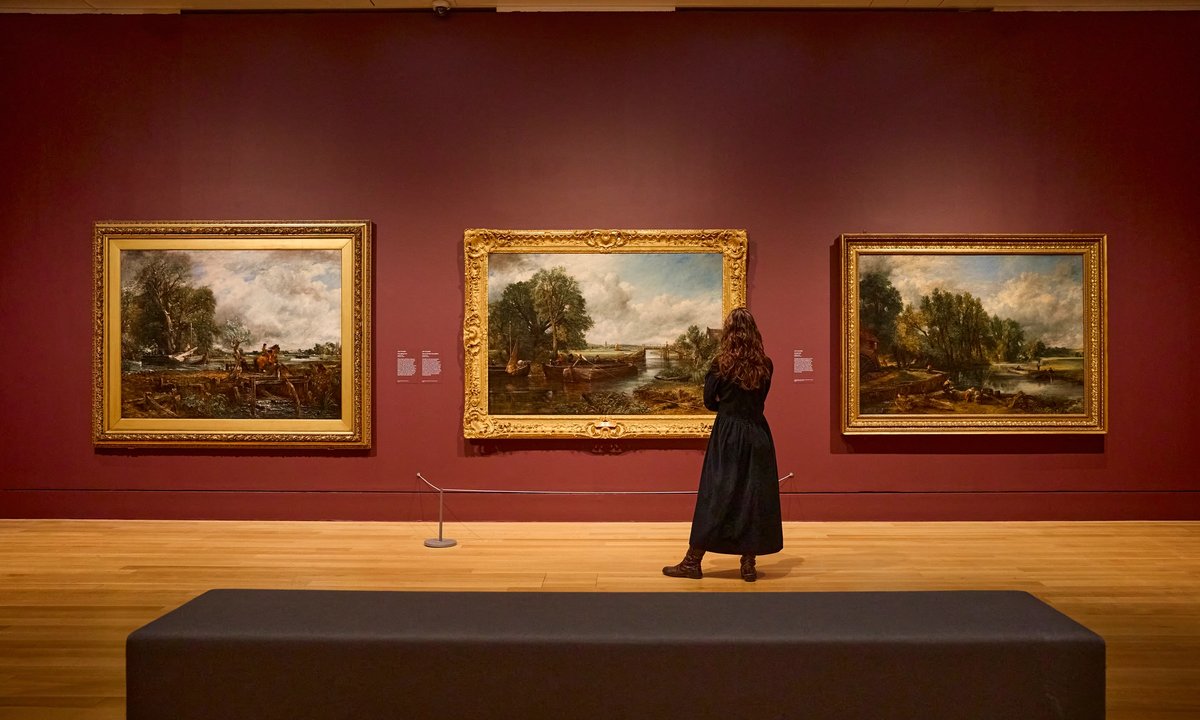
Comment | Tate Britain’s Turner and Constable show got me thinking about Marxist art history

The author recounts traveling from Scotland to London to see Tate Britain's exhibition "Turner and Constable: Rivals and Originals," despite costly and slow train travel. The article also covers the Old Master sales at Sotheby's, Christie's, and Bonhams, noting mixed results: a Flemish triptych sold for £5.7m, a Hans Eworth portrait set a record at £3.2m, and a Gerrit Dou fetched £3.8m, while a Panini capriccio lost value since 2005.

Review: Art museum’s big fall fashion show is captivating, sexy and fun, albeit with glitches

The Cleveland Museum of Art has opened a major fall exhibition titled "Renaissance to Runway: The Enduring Italian Houses," featuring roughly 80 garments and accessories from top Italian fashion houses such as Gucci, Pucci, Armani, Versace, Valentino, Ferragamo, Max Mara, and Missoni. The show juxtaposes these modern and contemporary designs with over 40 Renaissance, Mannerist, and Baroque artworks from the museum's collection, exploring how Italian couture has drawn inspiration from art history. A digital video installation by filmmaker Francesco Carrozzini and photographer Henry Hargreaves, using AI technology, humorously depicts models "invading" the museum, underscoring fashion's disruptive cultural power. Despite some pacing and spatial choreography issues, the exhibition makes a compelling case for fashion as high art.

Alison Roman’s Top Picks from the Frieze Viewing Room

Andrew Durbin reviews the national pavilions at the Venice Biennale, contrasting a vacuous US presentation with incisive and moving installations from Britain and Germany. The review highlights the thematic and emotional depth of the British and German pavilions while critiquing the lack of meaning in the US entry.