filter_list Showing 33 results for "Galleries" close Clear
search
dashboard All 3238 museum exhibitions 1513article local 542trending_up market 514article news 293person people 119article culture 107article policy 55rate_review review 33gavel restitution 24candle obituary 20article event 16article events 1article gallery 1
date_range Range Today This Week This Month All
Subscribe

Konrad Mägi review – these bland, blobby paintings are expressionism without expression

A new exhibition of early 20th-century Estonian painter Konrad Mägi at Dulwich Picture Gallery has received a scathing critical review. The reviewer finds Mägi's colorful, modernist-influenced landscapes and portraits to be bland, derivative, and devoid of the emotional depth or urgency found in the great modernists or the gallery's own Old Master collection.
Devin Troy Strother at ArtCenter

The article is a table of contents for Issue 42 of Contemporary Art Review LA, which includes a review of an exhibition by artist Devin Troy Strother at ArtCenter. The review, written by Janelle Zara, is listed among other reviews, interviews, and features in the publication's November 2025 issue.

Todd Gray Reframes Black Diasporic History

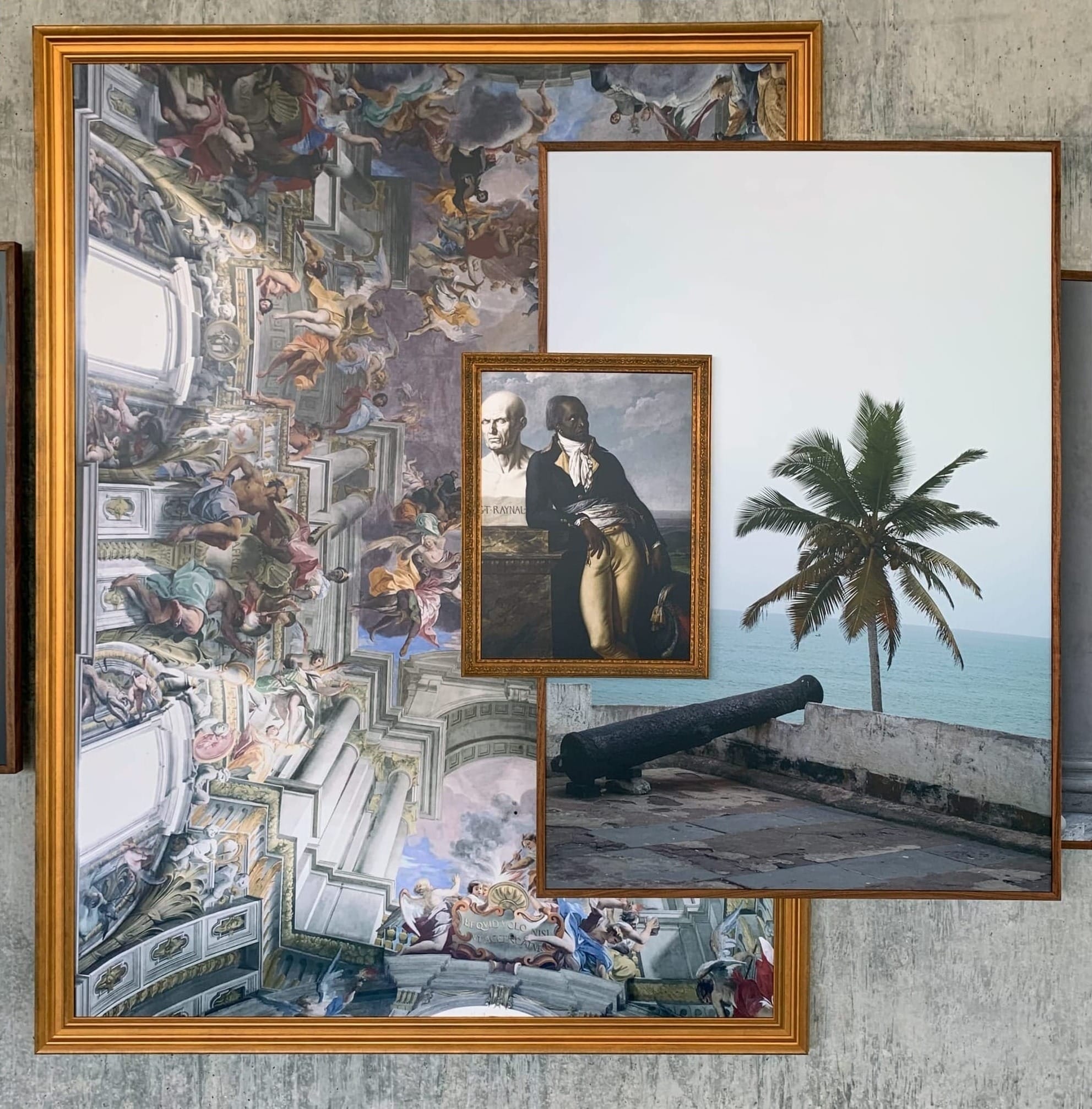
Todd Gray's exhibition "Portals" at Perrotin in Los Angeles features multi-paneled photo assemblages that juxtapose images of slavery with European art, architecture, and formal gardens, exploring the evolution of Black history and identity. The show coincides with the opening of his commissioned installation "Octavia's Gaze" (2025) at the new David Geffen Galleries of the Los Angeles County Museum of Art. Gray's works incorporate his own photographs alongside sources like Hubble Space Telescope imagery, creating layered visual puzzles that invite viewers to find connections and ask questions about African diasporic identity.

Raphael Met Museum Retrospective Review

raphael met museum retrospective review

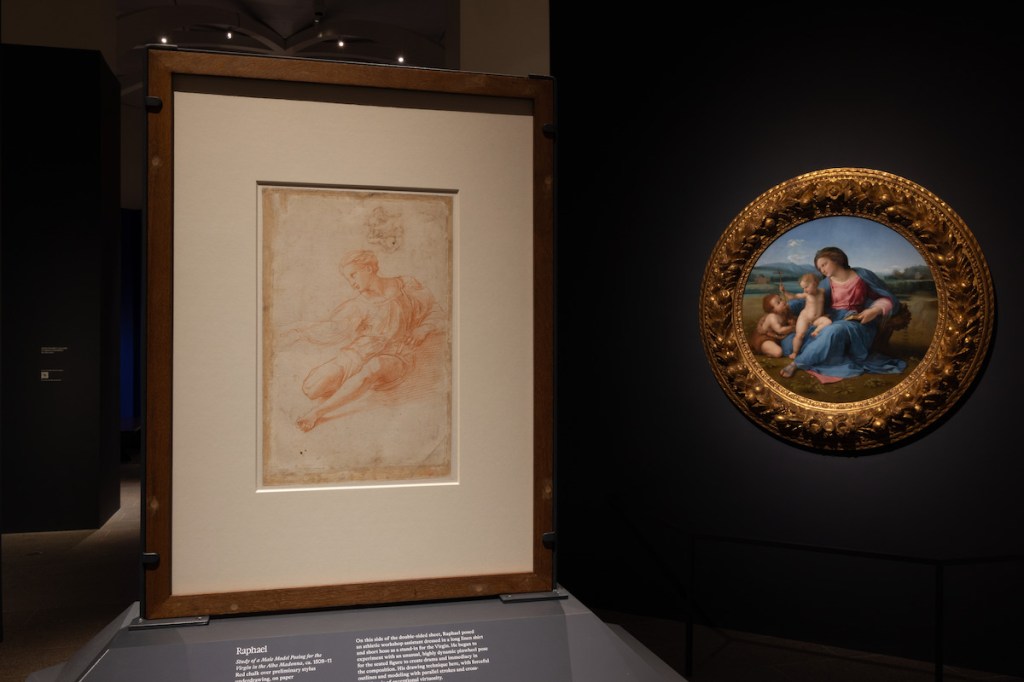
The Metropolitan Museum of Art has launched "Raphael: Sublime Poetry," the first major retrospective of the Renaissance master ever staged in the United States. Curated by Carmen C. Bambach, the exhibition features 237 works, including rare loans of drawings and monumental tapestries that have not left Madrid since the 16th century. While some of his most famous paintings remain in Europe, the show provides an exhaustive look at the artist's development from a teenage prodigy to a papal favorite.

The Big Review | Lacma's David Geffen Galleries ★★★★

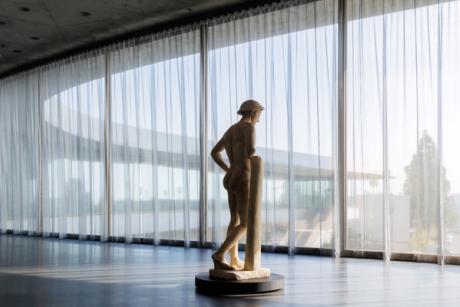
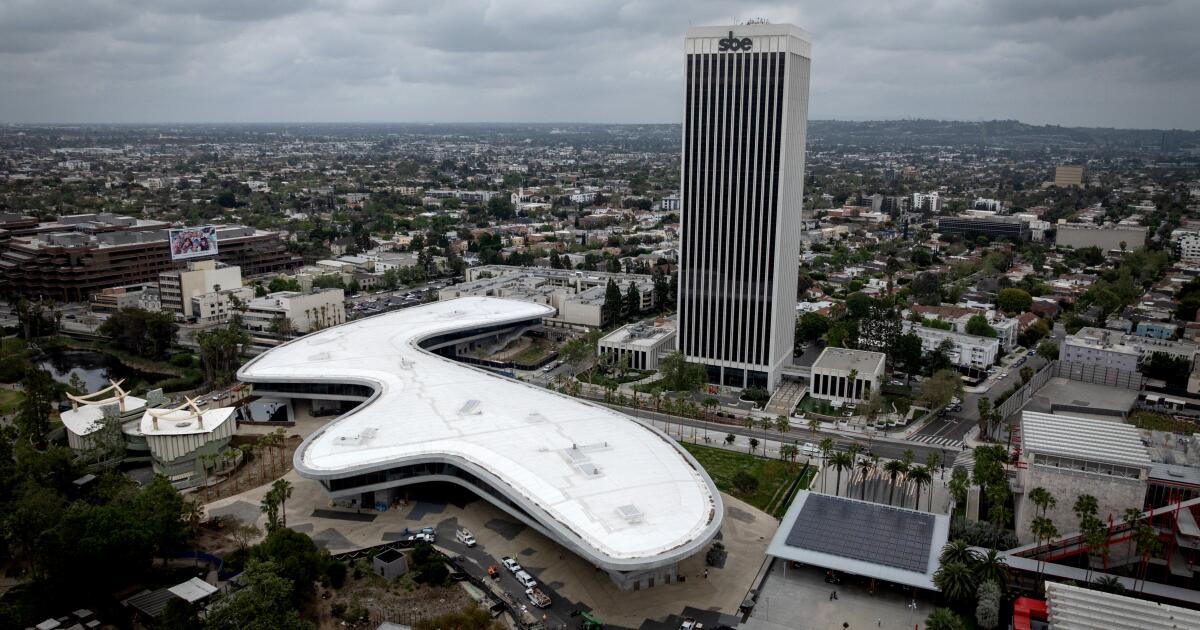
The Swiss architect Peter Zumthor's new $724 million building for the Los Angeles County Museum of Art (Lacma), now called the David Geffen Galleries, has opened after nearly two decades of anticipation. The swooping concrete-and-glass structure is praised for its harnessing of natural light and horizontality, creating a stunning showcase for antiquities and inviting the city inside with floor-to-ceiling windows offering views of the La Brea Tar Pits and Wilshire Boulevard. The building performs best with sculpture and decorative objects, with standout works including Liz Glynn's "The Futility of Conquest" (2023) and Manjunath Kamath's "Vikatonarva" (2024).

Michael Armitage in Venice, monumental and disturbing. What the exhibition at Palazzo Grassi looks like

Michael Armitage is the subject of a major solo retrospective at Palazzo Grassi in Venice, marking his largest exhibition in Europe to date. Organized by the Pinault Collection, the show features monumental paintings that blend African identity, local Kenyan chronicles, and mythological narratives. Armitage’s work is noted for its physical scale and its ability to transform the chaos of human affairs into a syncretic epic, utilizing traditional materials like Lubugo bark cloth to ground his contemporary subjects.

art los angeles fall openings review

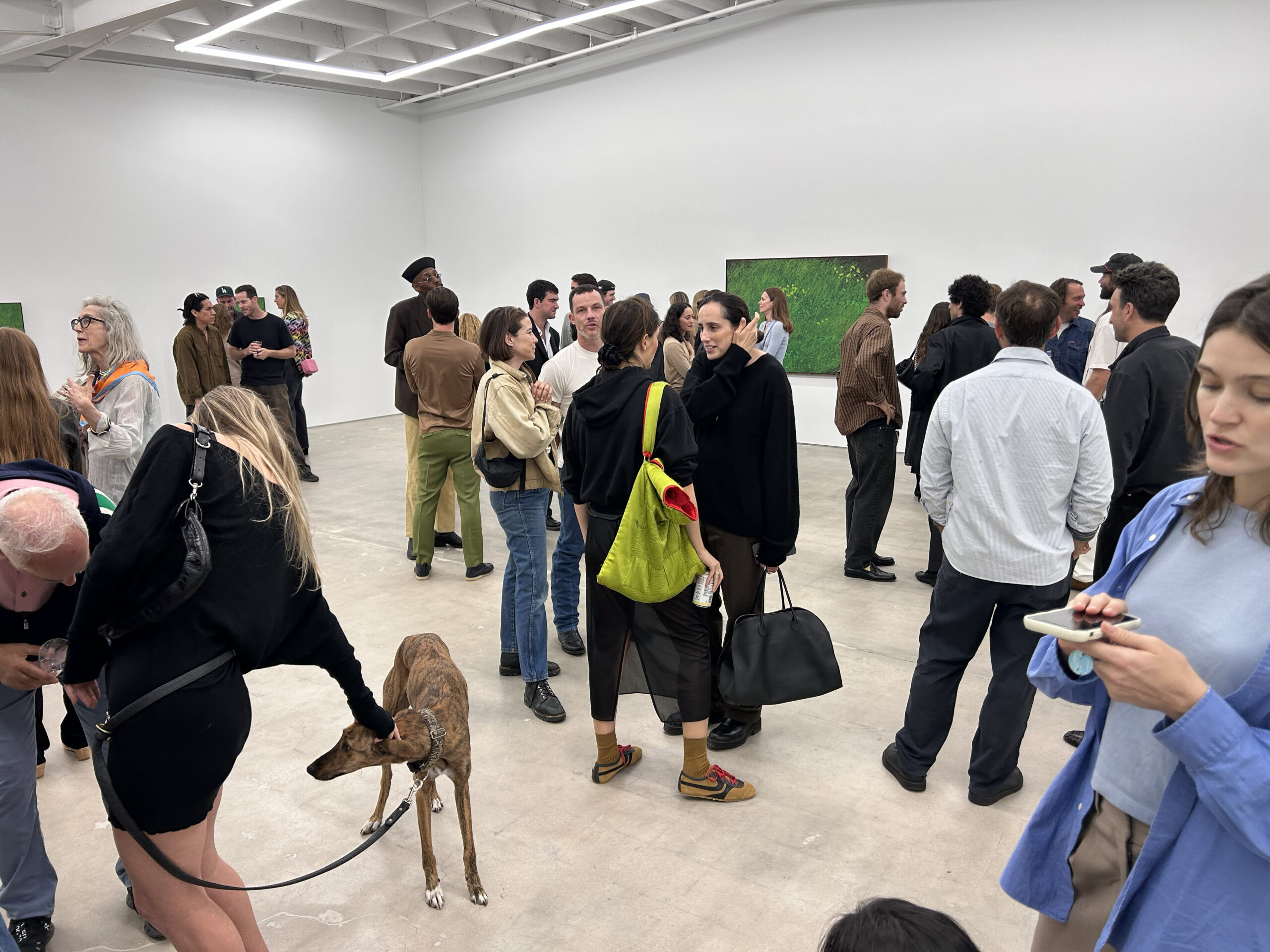
The article is a review of fall art openings in Los Angeles, written by Juliana Halpert for her Critics’ Table debut. Halpert surveys a range of exhibitions, including Calvin Marcus's show at Karma, Stanya Kahn's solo presentation, the Hammer Museum's "Made in L.A." biennial and its scrappier counterpart "Made in HelLA," Josh Smith's grim reaper paintings at David Zwirner, and Adam Alessi's show at Hoffman Donahue. She also recounts attending the Poetic Research Bureau's 25th anniversary party and fundraiser at 2220 Arts + Archives, where musician Jack Skelley performed. The review weaves a thematic thread of mortality and the macabre, noting how many shows this season engage with death, from fake blood and skulls to sinister landscapes.

Zineb Sedira review: A chic ode to revolutionary cinema, brainy boozers – and exceptional berets

Zineb Sedira's exhibition at Tate Britain presents a cinematic and sculptural homage to La Cinémathèque Algérienne, the Algerian film archive founded in 1965 that became a hub for leftist African filmmakers. The show recreates a 1970s Algerian cafe in Paris, complete with a jukebox, books on revolutionary cinema, and a model movie theater screening a documentary about the archive's director, Boudjemaâ Karèche. Sedira, born in Paris to Algerian parents and based in London, weaves personal and political narratives to explore identity, diaspora, and the role of art in social change.

hot girl feminism chloe wise ambera wellmann sasha gordon

A wave of paintings by women depicting women dominated New York galleries this fall, sparking a critical examination of contemporary feminist figuration. Artists like Emily Coan and Anna Weyant create images of idealized, often sexualized femininity, framing their work as a reclamation of beauty and personal expression.

cubism at the met modern art that looks tragically antique

The Metropolitan Museum of Art's current "Cubism" exhibition showcases masterpieces from the Leonard A. Lauder Cubist Collection, featuring works by Pablo Picasso, Georges Braque, Juan Gris, and Fernand Léger. The show spans six galleries and presents some of the finest examples of Cubist art, including iconic pieces like Braque's *The Castle of La Roche-Guyon* (1909) and Picasso's *The Oil Mill* (1909). The exhibition is essentially a curated display of Lauder's promised gift to the Met, highlighting the "Four Horsemen" of Cubism while omitting the broader context of the movement's other pioneers, such as the Salon Cubists.

Alex Heilbron at as-is

Artist Alex Heilbron presents a solo exhibition at the Los Angeles gallery as-is. The show is featured as a lead review in the February 2026 issue of Contemporary Art Review LA, highlighting Heilbron's continued exploration of painting and visual language within the Southern California art scene.

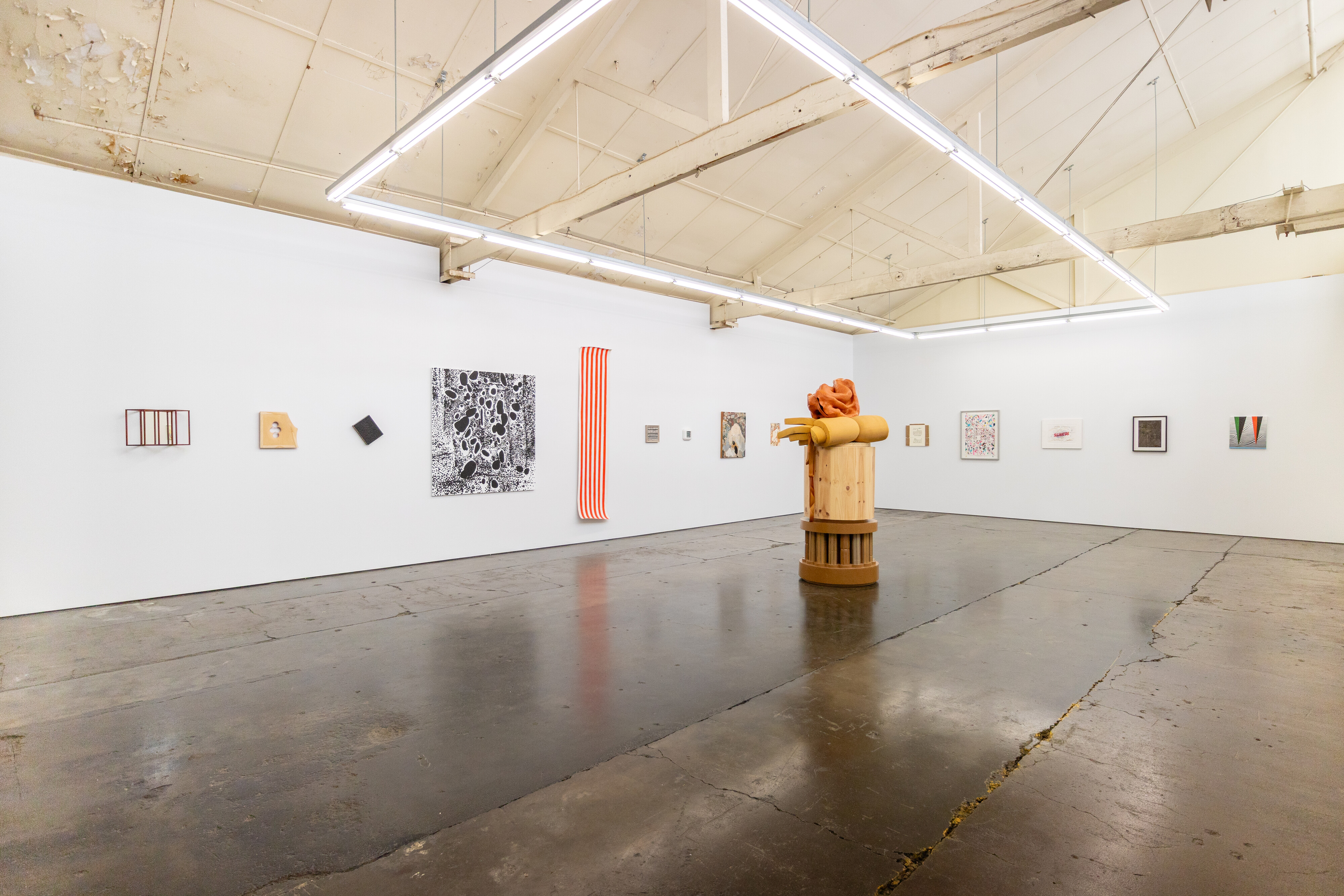
Review: “50th Anniversary Exhibition Part I” at Moody Gallery, Houston

Moody Gallery in Houston opened “50th Anniversary Exhibition Part I” on September 13, showcasing 38 artworks by gallery-affiliated artists. The show is deliberately non-chronological and non-comprehensive, featuring works ranging from 2006 to 2025, including pieces by Melissa Miller, William “Bill” Steffy, Michael Kennaugh, Dan Sutherland, Pat Colville, Tracye Wear, Al Souza, and the collaborative MANUAL (Ed Hill & Suzanne Bloom). The exhibition spans three spaces and highlights the gallery’s eclectic, open-minded approach and its commitment to promoting Texas-based artists.

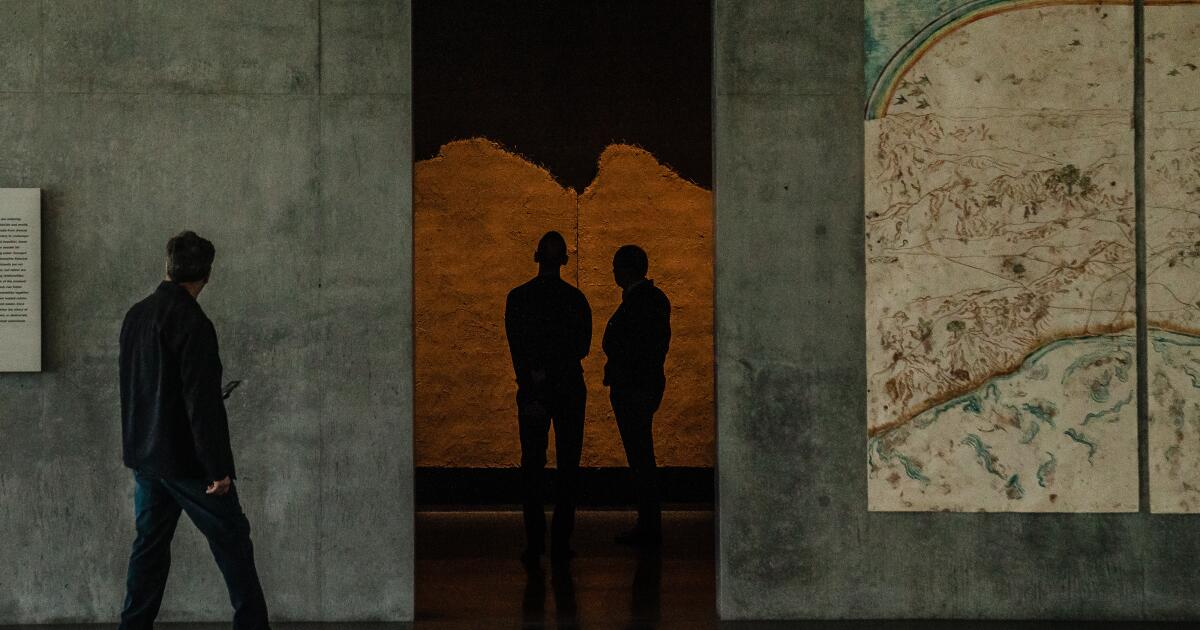
Inside LACMA’s Eye-Popping New Home, How Do You Find the Art?

The Los Angeles County Museum of Art (LACMA) has opened its new David Geffen Galleries building, a major architectural project designed to be a glamorous cultural beacon. The building itself is a striking landmark, but the exhibition spaces within present significant challenges for the display of art, creating a complex, maze-like environment for visitors.

Art for Our Age of Chaos

The article reviews two major New York exhibitions opening in 2026: the Whitney Biennial at the Whitney Museum of American Art, featuring over fifty artists, and "New Humans: Memories of the Future" at the newly expanded New Museum, with over a hundred artists. Both shows are described as enormous and defiant, responding to a distracted public and financial pressures. The reviewer notes that both exhibitions juxtapose large-scale immersive works with tiny, intimate pieces, and finds the Whitney Biennial lacking urgency, while preferring the New Museum's historical narrative about technology and modernity.

An Analog Tether

A new wave of gallery exhibitions is championing analog physicality and personal intimacy as a direct counter-response to the rise of AI-generated imagery. Artists like Ben Wolf Noam and Joseph Geagan are utilizing traditional mediums such as charcoal, lithography, and oil paint to capture spontaneous, sentimental moments of human connection, from family dinners to portraits of friends. These works emphasize the "hospitable mess" of real life, prioritizing the recognizable faces and tangible textures that AI often flattens.

Review: The new LACMA is divisive. It’s also ambitious, disorienting — and radically alive

The Los Angeles County Museum of Art (LACMA) has unveiled its $724-million David Geffen Galleries, a massive concrete structure designed by Swiss architect Peter Zumthor that spans Wilshire Boulevard. Replacing several older pavilions, the new building rejects traditional museum conventions like white-cube galleries and encyclopedic organization in favor of a sinuous, organic form that emphasizes light, atmosphere, and a visceral connection to the surrounding landscape.

Column: The new LACMA is sleek, splotchy, powerful, jarring, monotonous, appealing and absurd

The Los Angeles County Museum of Art (LACMA) is nearing completion of its new Brutalist building designed by Swiss architect Peter Zumthor, known as the David Geffen Galleries. Museum members will get a sneak peek at the empty interior spaces starting July 3, though the fully finished project with art installed won't open until April 2026. The poured-in-place concrete structure spans 347,500 square feet, including 110,000 square feet of exhibition space across 90 galleries, elevated 30 feet above ground on seven massive piers crossing Wilshire Boulevard. The article offers a critical preview of the building's aesthetics, noting the overwhelming monotony of concrete across floors, walls, and ceilings, while acknowledging some appealing views and powerful visual impact.

Review: Alex Da Corte’s colorful, pop-inspired art show in Fort Worth

Alex Da Corte's exhibition "The Whale" at the Modern Art Museum of Fort Worth is the first museum show to focus on his relationship to painting, though it defies traditional definitions. The show features a variety of works including "puffy paintings," "slatwall paintings," and "reverse glass paintings," alongside a video where Da Corte portrays Marcel Duchamp. Curated by Alison Hearst, the exhibition also integrates some of Da Corte's works into the museum's permanent collection galleries, a first for the institution.

Blank Spaces. Sung Tieu by Sarah Johanna Theurer

Sung Tieu's installations, characterized by austere, bureaucratic surfaces, explore the hidden architectures of power embedded in everyday systems. The article examines her series of works that deconstruct administrative forms used in asylum procedures, reducing them to blank spaces and quantified grids to expose how institutional power operates through seemingly neutral documents. Her exhibition "In Cold Print" at Nottingham Contemporary physically manifests these themes by using steel fences to control viewer movement, drawing direct parallels between minimalist sculpture and the dehumanizing design of border controls.

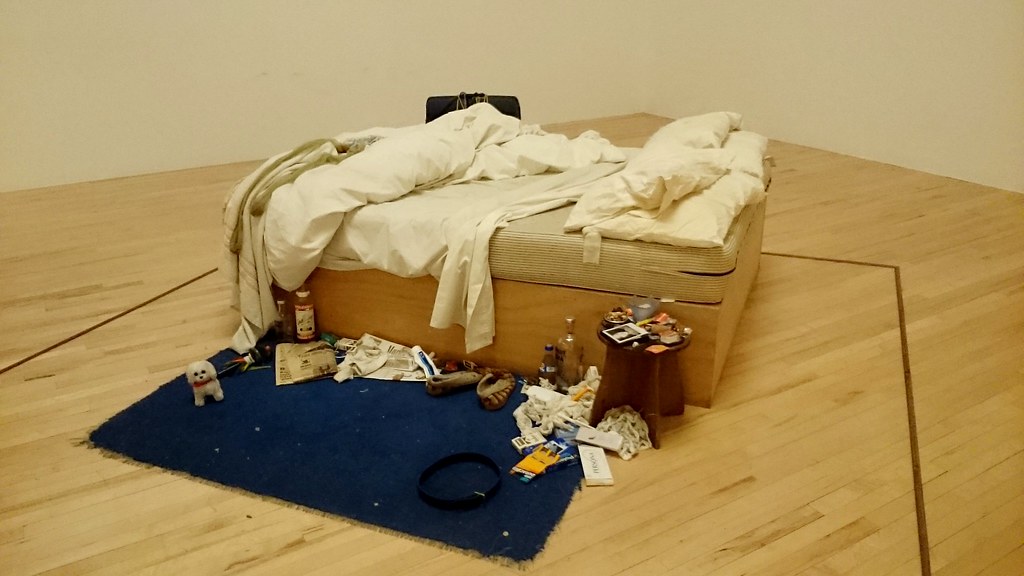
What I learned from Tracey Emin about regeneration

The article reviews Tracey Emin's exhibition "A Second Life" at Tate Modern, describing the author's initial lack of aesthetic connection to the artworks—finding the paintings derivative and neon signs tacky—but ultimately being moved by the exhibition's emotional force and the artist's refusal to disguise pain, humiliation, and grief. The author notes the crowded galleries, the predominantly female audience responding with visceral emotion, and highlights the film "How It Feels" as the most impactful piece, in which Emin discusses her traumatic abortion and its effect on her self-perception.

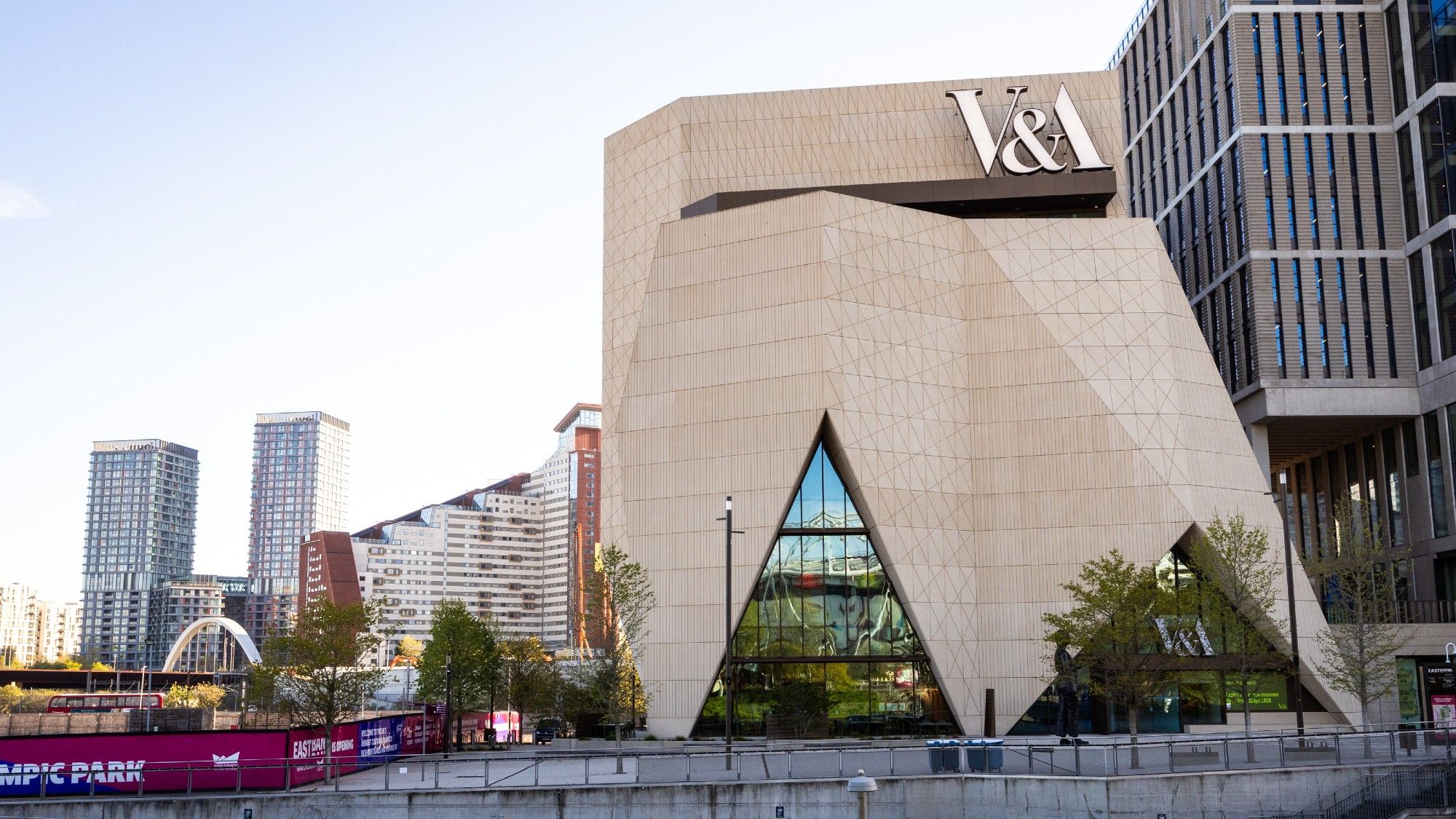
The new London museum that looks like a ‘reconstructed Toblerone’

The V&A has opened a new outpost in east London's Lower Lea Valley, a former industrial area transformed into a cultural quarter after the 2012 Olympics. The museum, described as looking like a 'reconstructed Toblerone', is the latest addition to the 'Olympicopolis' vision, which aimed to create a cultural legacy akin to west London's Albertopolis. The article, written by Catherine Slessor in The Guardian, offers a mixed review: praising the beauty and craftsmanship of the galleries while criticizing overuse of trendy phrases like 'lived experience' and 'transcultural identities'.

Review: Getting lost in the art is the best part of LACMA’s new revisionist fever dream of a museum

The Los Angeles County Museum of Art (LACMA) has opened its new David Geffen Galleries, a radical reinvention of the museum experience. The installation, conceived by director Michael Govan and architect Peter Zumthor, abandons traditional chronological and departmental silos, instead creating a continuous, curving flow of art from across time, place, and medium. Visitors are encouraged to wander and get lost, forging their own connections between works.

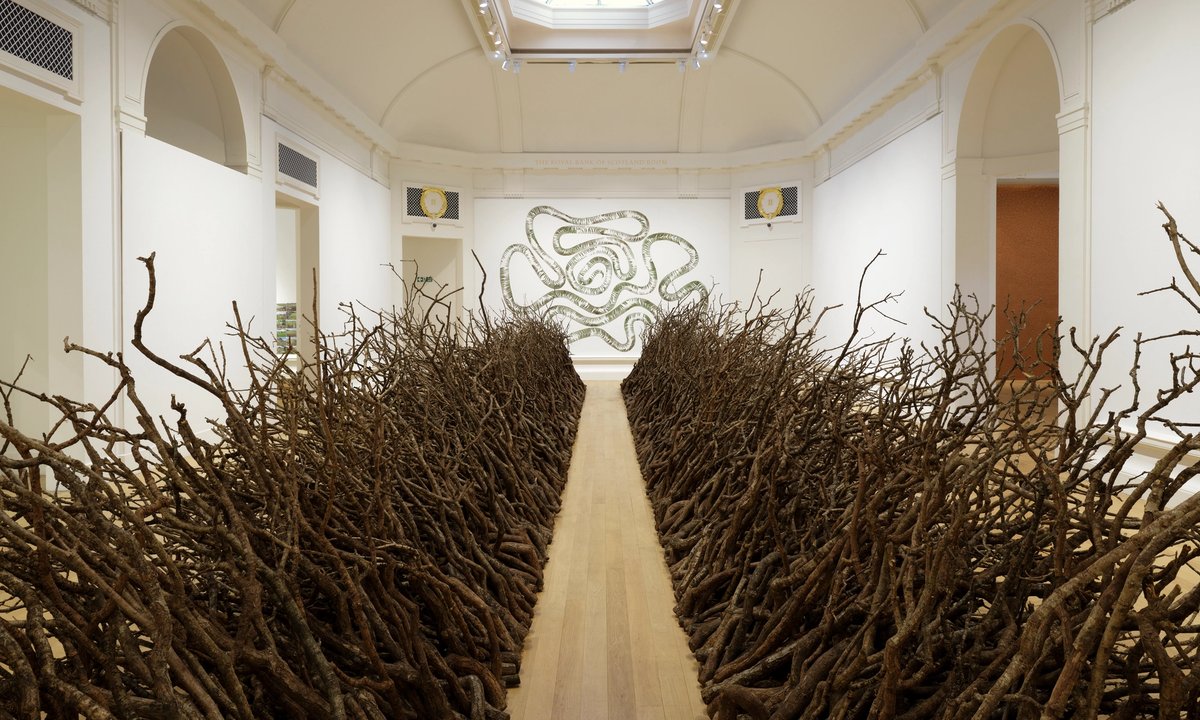
Comment | I used to think it wasn’t cool to like Andy Goldsworthy—now I see how he helps us appreciate the natural world

Mia maxima culpa. For many years I felt it wasn’t cool to like Andy Goldsworthy. The British artist’s interventions in and workings with nature, while highly skilful and often very beautiful, seemed out of kilter with an increasingly hardcore, conceptually underpinned and urban-orientated art world. It also didn’t help that most of his work could only be experienced at one remove. Books and photographs were the only record of the ephemeral pieces he’d created from ice, leaves, sticks and stones; as well as of the more lasting installations—walls, sheepfolds, cairn paths and giant arches—he’d make in situ, usually in remote locations across the world.

“Feeling Color” at The Modern Art Museum of Fort Worth

The article reviews "Feeling Color: Aubrey Williams and Frank Bowling" at the Modern Art Museum of Fort Worth, an exhibition that pairs works by two artists from Guyana who worked in London in the late 20th century. Both explore abstraction, materials, and sociopolitical themes, with Bowling's color field paintings and Williams' geometric, Pre-Columbian-inspired works displayed in alternating galleries. The reviewer describes the show as dense and vibrant, noting the sensory experience of the paintings and the subtle dialogue between the artists.

National Pavilions Review: Who’s Afraid of Meaning?

Andrew Durbin reviews national pavilions at a major biennial, contrasting a vacuous US presentation with incisive and moving installations from Britain and Germany. The review critiques the lack of meaningful content in the US pavilion while praising the depth and emotional resonance of the British and German contributions.

Black.2; Family Values; Studio Exhibition

Amelia Winata reviews three concurrent group exhibitions in Melbourne galleries: 'Black.2' at Void_Melbourne (15 Nov–20 Dec 2025), 'Family Values' at Futures (6 Dec–20 Dec 2025), and 'Studio Exhibition' at Haydens (6 Dec 2025). The article opens with a metaphor comparing the gallery-goer's experience to the rescue ship Carpathia navigating icebergs, reflecting the glut of end-of-year group shows in Melbourne's commercial spaces. Winata visits each space, describing the deco-chic building housing Void_, the formalist black-themed works by artists like Nick Devlin, Elvis Richardson, Sarah Goffman, and Suzie Idiens, and the broader context of Melbourne's gallery scene.

Review: “The Things We Carry” at Un Grito Gallery

The exhibition "The Things We Carry" at Un Grito Gallery serves as the centerpiece for the 2026 Contemporary Art Month (CAM) Perennial in San Antonio. Curated by Casie Lomeli and Leslie Moody Castro, the show features eight artists including Matt Rebholz, whose vibrant, alien-like landscapes subvert traditional Western imagery, and Tina Linville, who presents tactile sculptures composed of salvaged materials and concrete. The exhibition is part of a larger city-wide initiative spread across five artist-run spaces.

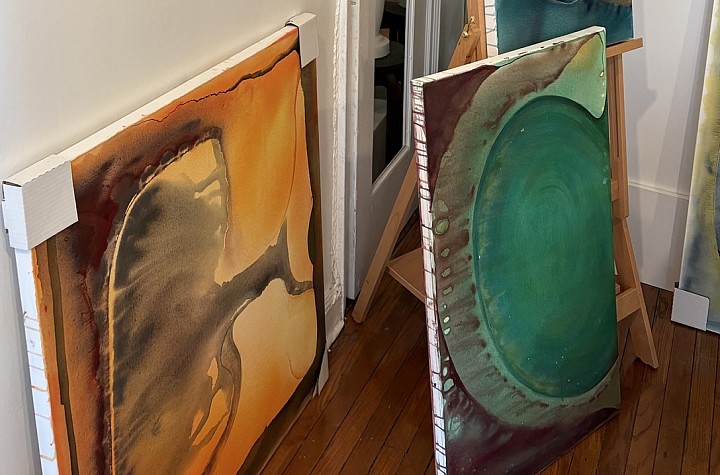
Exhibition Review and Studio Visit Feature: Contemporary Color Field Painter Vanessa Johansson

Contemporary painter Vanessa Johansson recently debuted her solo exhibition at the Sky Garden Penthouse in Gramercy Park, New York. Curated by Jenny Mushkin Goldman of Agency Esta, the show featured Johansson’s large-scale acrylic on canvas works, which utilize fluid, transparent layers to evoke the spiritual and visual language of mid-20th-century Color Field abstraction. Pieces such as the triptych 'Windows' and the diptych 'Flow State' demonstrate her intuitive approach to motion, buoyancy, and orbital forms.

Jule Korneffel Captures the Weight of the Pre-Dawn Sky at Spencer Brownstone Gallery, NYC

Jule Korneffel's third solo exhibition at Spencer Brownstone Gallery in New York, titled 'In Search of Lost Light,' presents a series of paintings that capture the quiet, liminal moments just before dawn. Using artist-mixed natural pigments, Korneffel shifts from her previous twilight-focused work to explore the anticipation of daylight, with pieces like the titular painting (2025) standing out for its playful, musical composition. The show also includes a mural in the gallery's back patio that blends colors into a grey neutral tone reminiscent of early-morning skies.

Emerging painter shows what it means to be a Maine artist | Column - Portland Press Herald

Dean McCrillis, an emerging painter from Rumford, Maine, is the subject of a solo exhibition titled "Dog Years" at Cove Street Arts in Portland, running through January 17. The show features oil paintings that depict distinctly Maine activities—hunting, fishing, camping—while employing layered, translucent brushstrokes to evoke the ephemerality of time and experience. McCrillis, who also works as a framer at Greenhut Galleries, uses a bright, saturated palette and techniques that make his images appear to simultaneously emerge and dissolve, capturing fleeting moments in the state's rugged landscape.