filter_list Showing 51 results for "He Museum" close Clear
search
dashboard All 3352 museum exhibitions 1917article news 472article local 257person people 167article policy 166trending_up market 111article culture 93gavel restitution 74rate_review review 51candle obituary 40article event 2article museum 2
date_range Range Today This Week This Month All
Subscribe

the worst art we saw in 2025

Artnet News editors and writers compiled a list of the worst art of 2025, calling out works they found lazy, cynical, overhyped, or ethically dubious. Highlights include Flora Yukhnovich's site-specific painting installation at the Frick Collection, which critics deemed middling and out of place among the museum's historic masterpieces; Jeff Koons's eight-foot-tall Hulk (Tubas) sculpture, sold for $3 million at Frieze New York and described as an obnoxious trophy piece; and actor Adrien Brody's interactive gum wall installation, which invited visitors to stick chewed gum onto a canvas.

ruth asawa retrospective sfmoma review

Ruth Asawa's first retrospective at the San Francisco Museum of Modern Art in 1973 featured a communal "dough-in" where children made art from baker's clay, a practice that drew skepticism from some onlookers. Now in 2025, SFMOMA presents a larger retrospective of Asawa's work, showcasing her wire sculptures, drawings, and playful, community-oriented art. The exhibition, organized by SFMOMA's Janet Bishop and MoMA's Cara Manes, will travel to the Museum of Modern Art in New York, the Guggenheim Bilbao, and the Fondation Beyeler.

The Robots Were Never the Problem

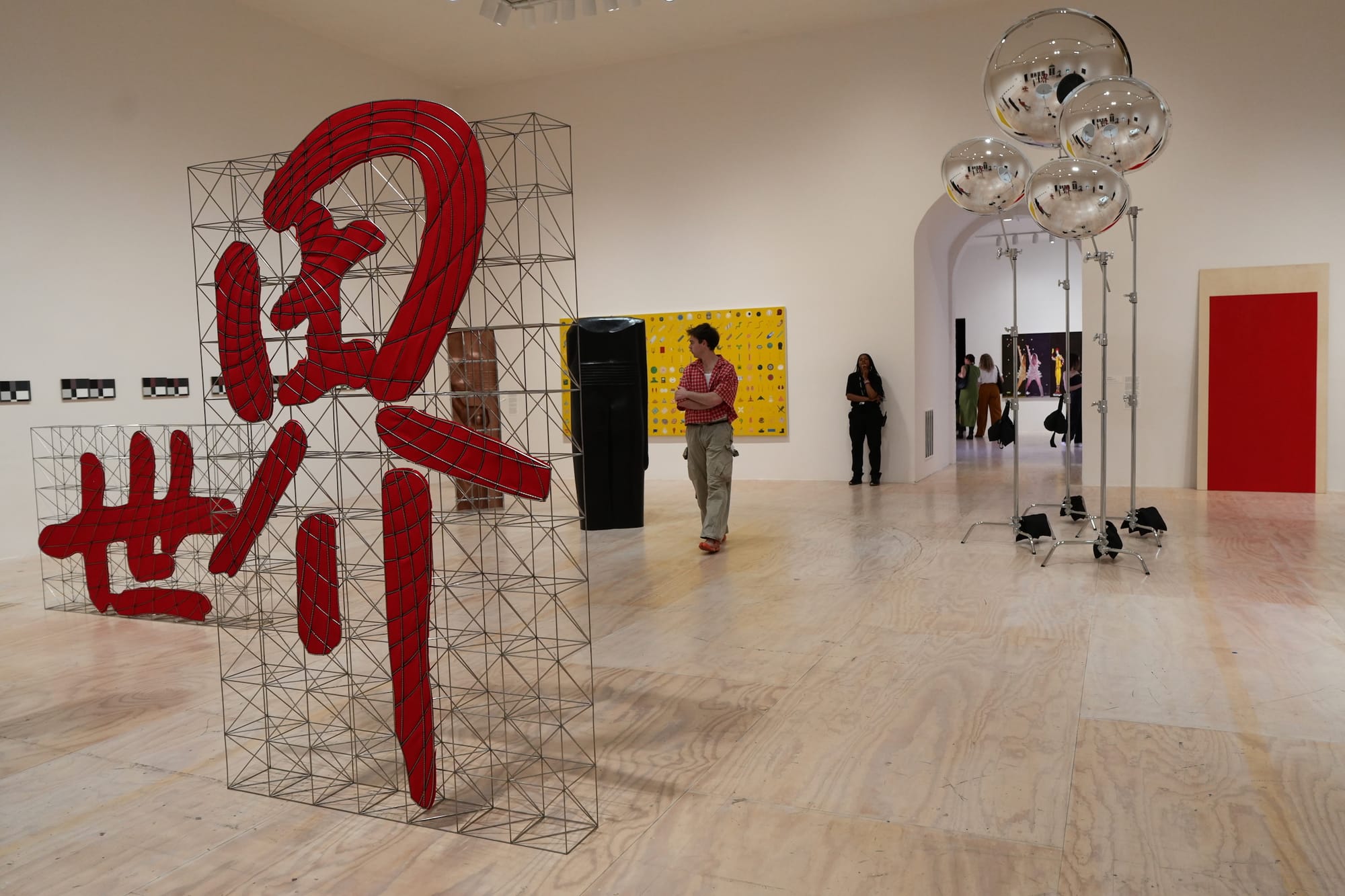
The New Museum has reopened with 'New Humans: Memories of the Future,' a massive survey featuring over 150 contributors including Hito Steyerl, Precious Okoyomon, and H.R. Giger. Spanning 13 sections across the museum's new 5,500 square-meter extension, the exhibition traces the intersection of art, technology, and the human body from the early 20th century to the present. It juxtaposes interwar European works, such as Hannah Höch’s photomontages and Bauhaus ballets, with contemporary installations like Simon Denny’s sculpture of an Amazon worker's cage.

What ‘Costume Art’ Gets Wrong About the Body

The Metropolitan Museum of Art's Costume Institute spring exhibition, featuring nearly 400 objects, pairs garments and ensembles with Western figurative artworks from the museum's permanent collection in dyadic, associative displays. The show eschews traditional art-historical timelines and context in favor of visual and thematic parallels—comparing, for example, Rudi Gernreich's Pubikini with an Egyptian statuette, or Ying Gao's sound-responsive dress with a David Hockney drawing. The exhibition is sponsored by Jeff and Lauren Sánchez Bezos.

Desperate, Scared, But Social at UC Irvine Langson Orange County Museum of Art

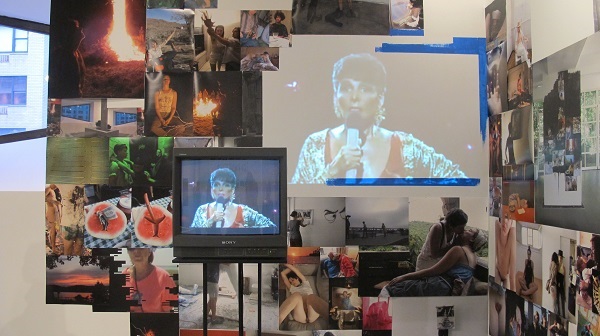
The group exhibition "Desperate, Scared, But Social" at the UC Irvine Langson Orange County Museum of Art (Langson IMCA) explores the complexities of contemporary social dynamics and collective anxiety. The show brings together diverse artistic perspectives to examine how individuals navigate a landscape defined by political instability, environmental concerns, and the pervasive influence of digital connectivity.

Are We Too Reverent of Marcel Duchamp?

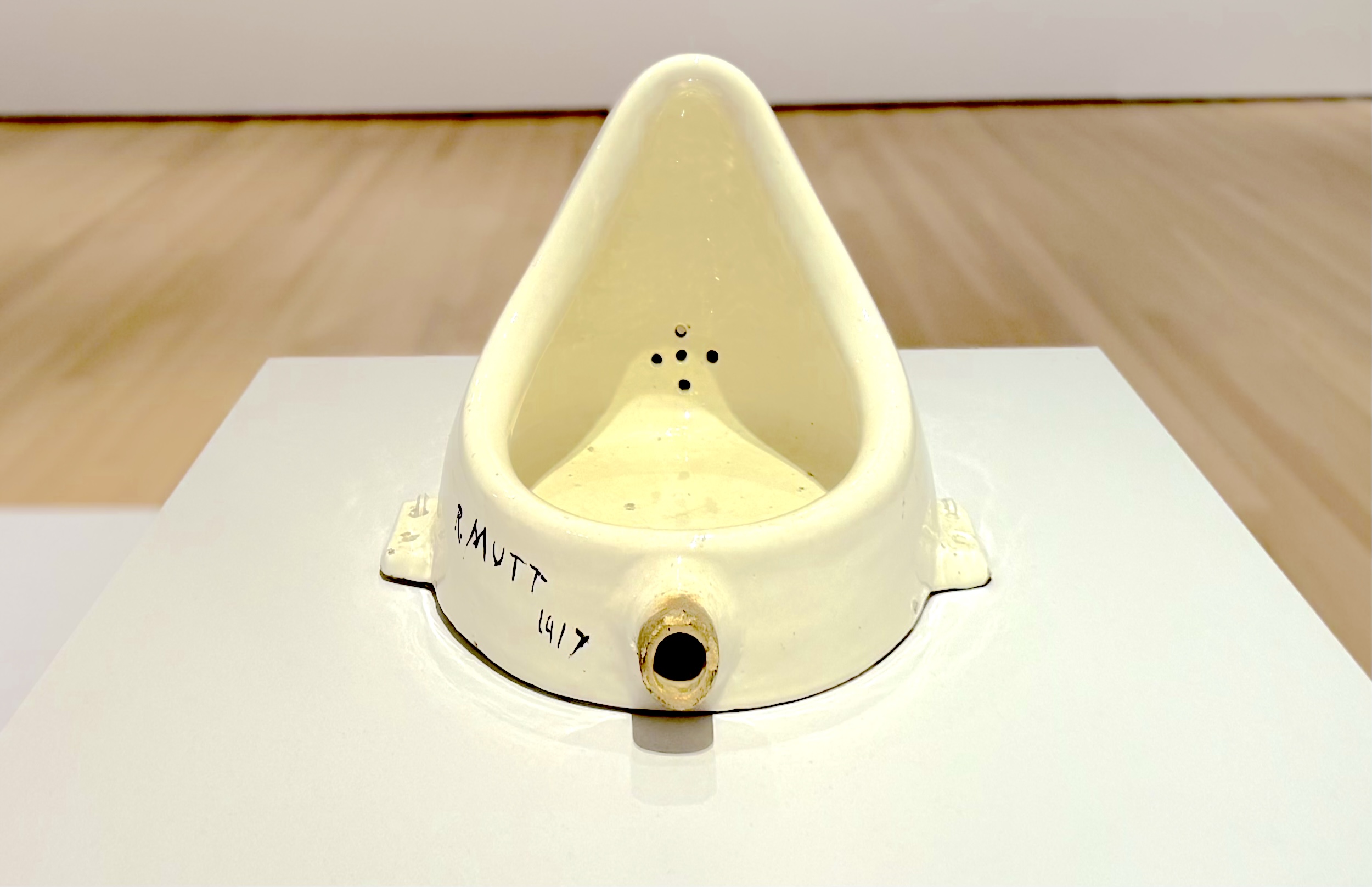
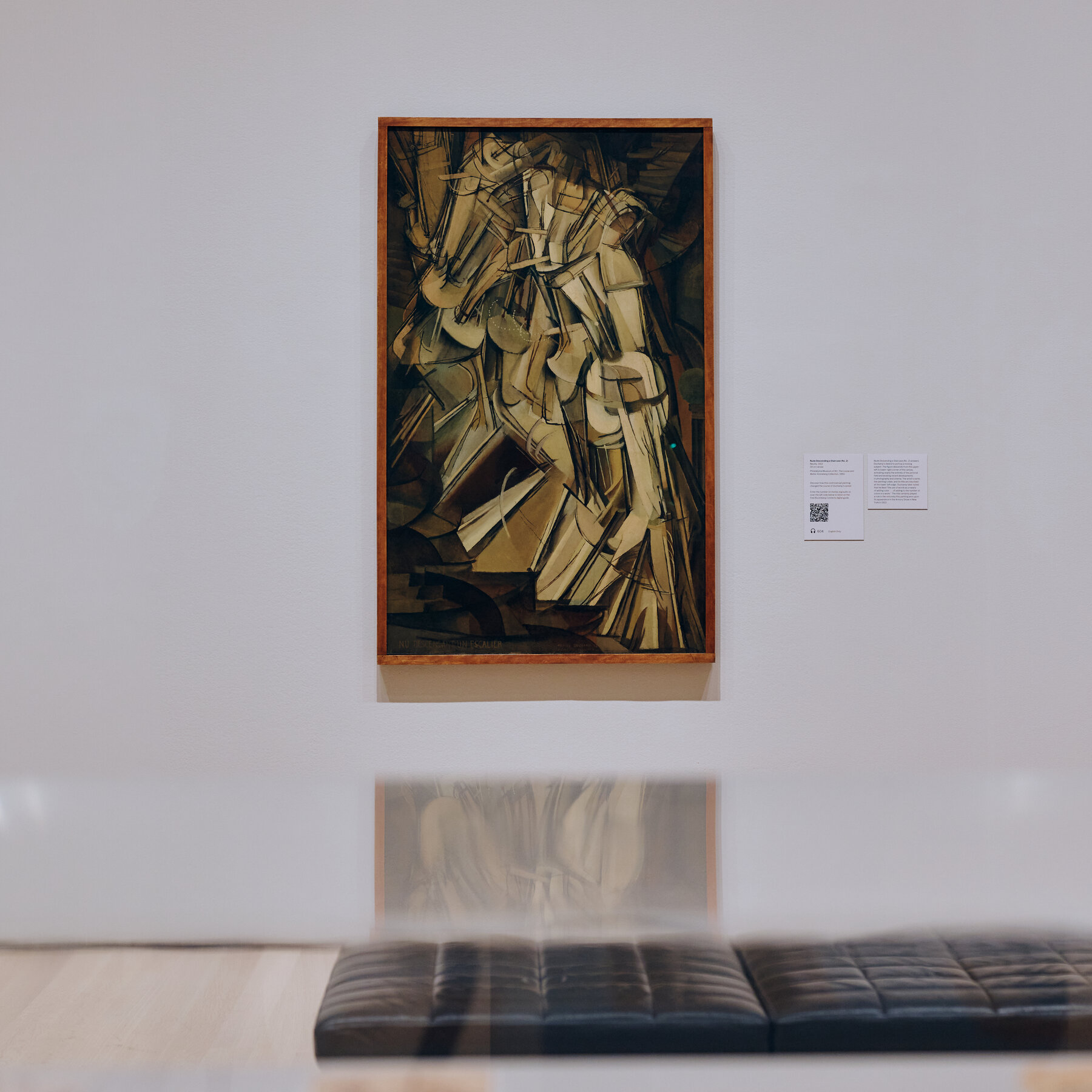
The Museum of Modern Art has launched a major retrospective of Marcel Duchamp, co-organized with the Philadelphia Museum of Art. The exhibition tracks the artist's evolution from his early Cubist experiments and the scandal of 'Nude Descending a Staircase' to his radical invention of the readymade, exemplified by the infamous urinal, 'Fountain'. The show presents a comprehensive look at 'The Duch' through a reverential, church-like atmosphere, concluding with his later years as a dapper, enigmatic figure of the avant-garde.

future of the art world andras szanto review

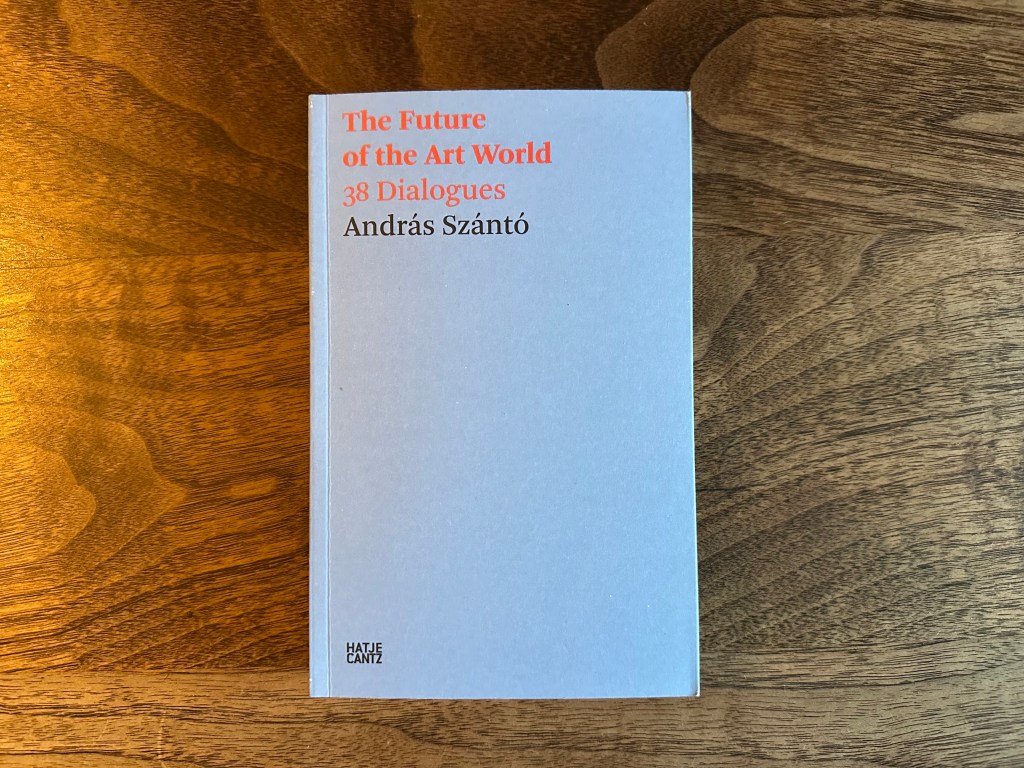
András Szántó has published the third volume of his trilogy on the future of museums and the art world, titled "The Future of the Art World." The book compiles 38 interviews conducted between April 2024 and June 2025 with a wide range of art-world stakeholders, including artists, curators, collectors, dealers, auctioneers, art fair directors, sociologists, philosophers, and policymakers. Unlike his previous books, which focused on museum directors and architects, this volume gives significant voice to artists, who offer provocative critiques and predictions about the future of museums, art education, and digital art.

art yuji agematsu judd foundation review

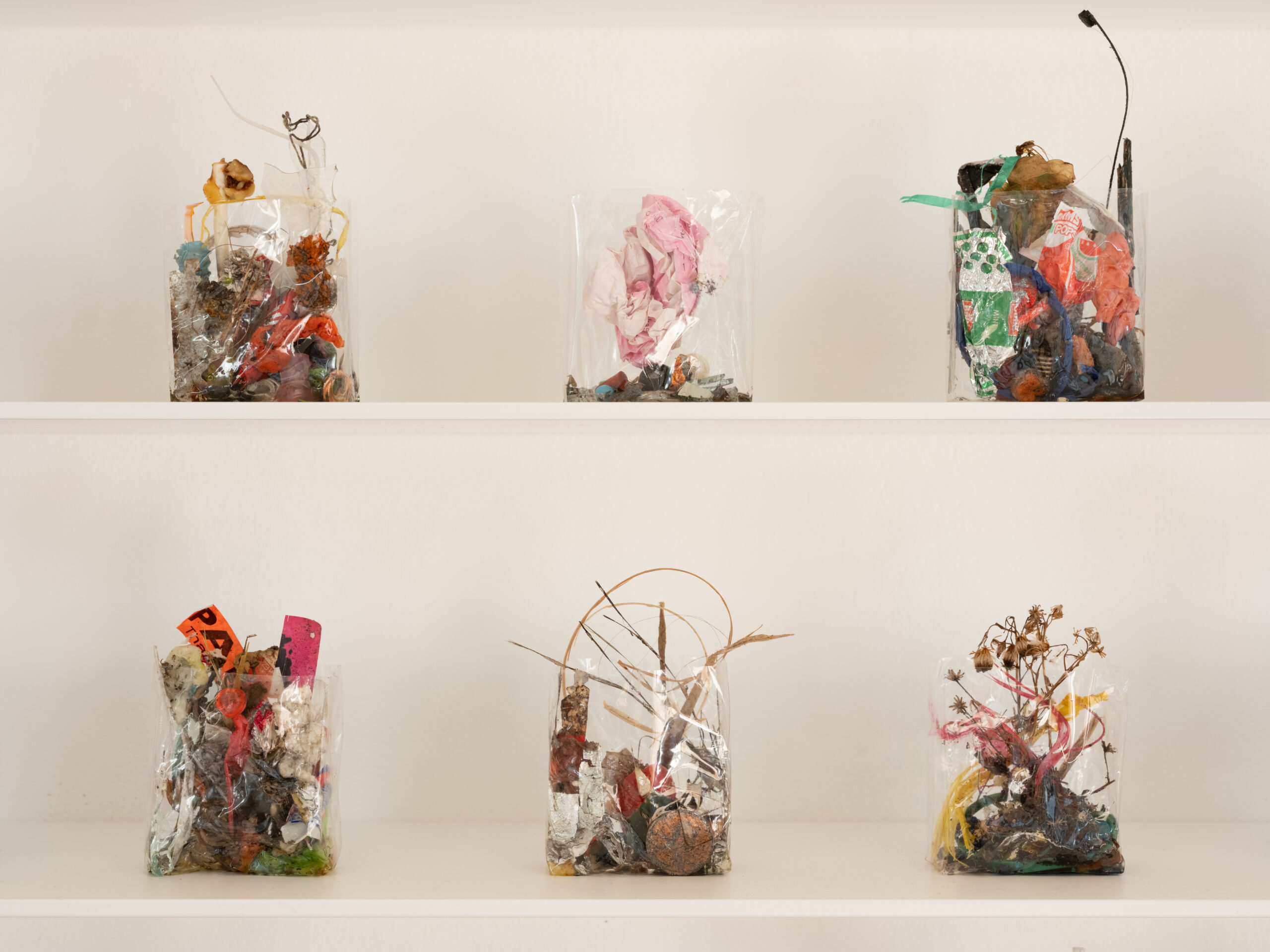
The article reviews Yuji Agematsu's exhibition at the Judd Foundation in New York, where 366 of his "zips"—small assemblages of found objects collected during daily walks and arranged in cigarette cellophane sleeves—were displayed on open aluminum shelves in grids representing each day of 2024. The show ran through August 30, 2025, and marked a departure from previous presentations of Agematsu's work, which had been enclosed in acrylic cases; here, the zips were left exposed, with a fan causing plant matter to sway, making the work feel more alive and immediate.

Martin Parr: Global Warning review – the great photographer in all his gluttonous, giddy glory

A major retrospective exhibition of photographer Martin Parr's work, titled 'Global Warning,' has opened at the Jeu de Paume museum in Paris. The show, which Parr helped plan before his death in December 2023, is on track to become the museum's most visited exhibition, showcasing his signature saturated, ironic, and unflinching observations of global tourism and consumerism.

carol bove guggenheim museum retrospective review

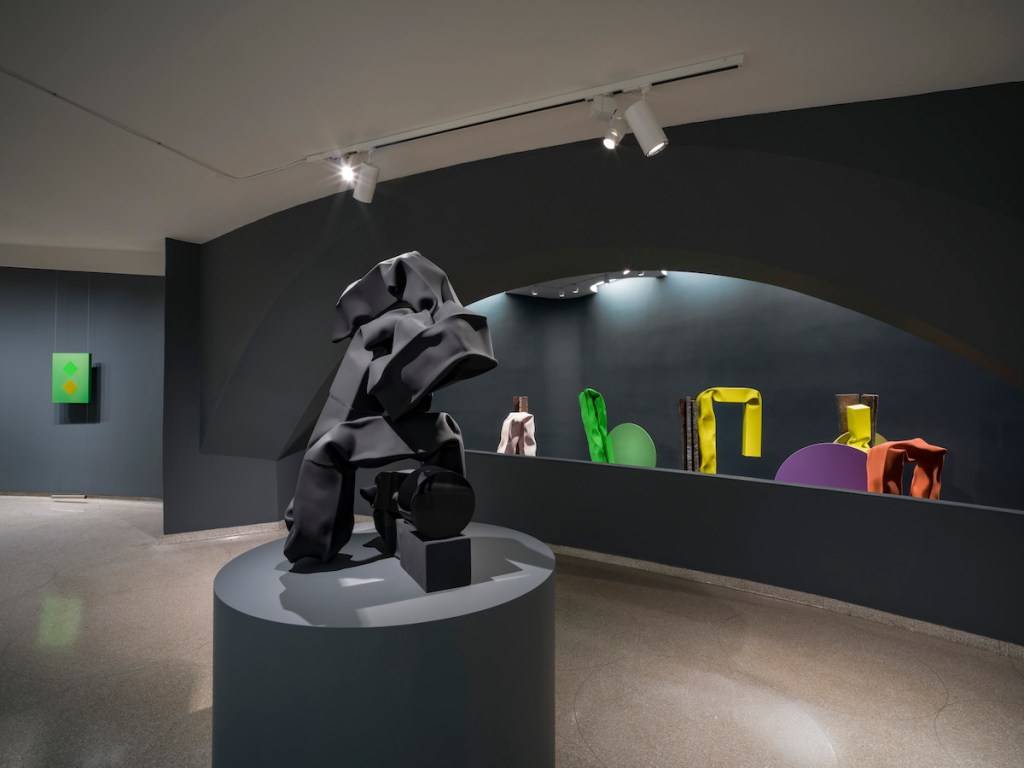
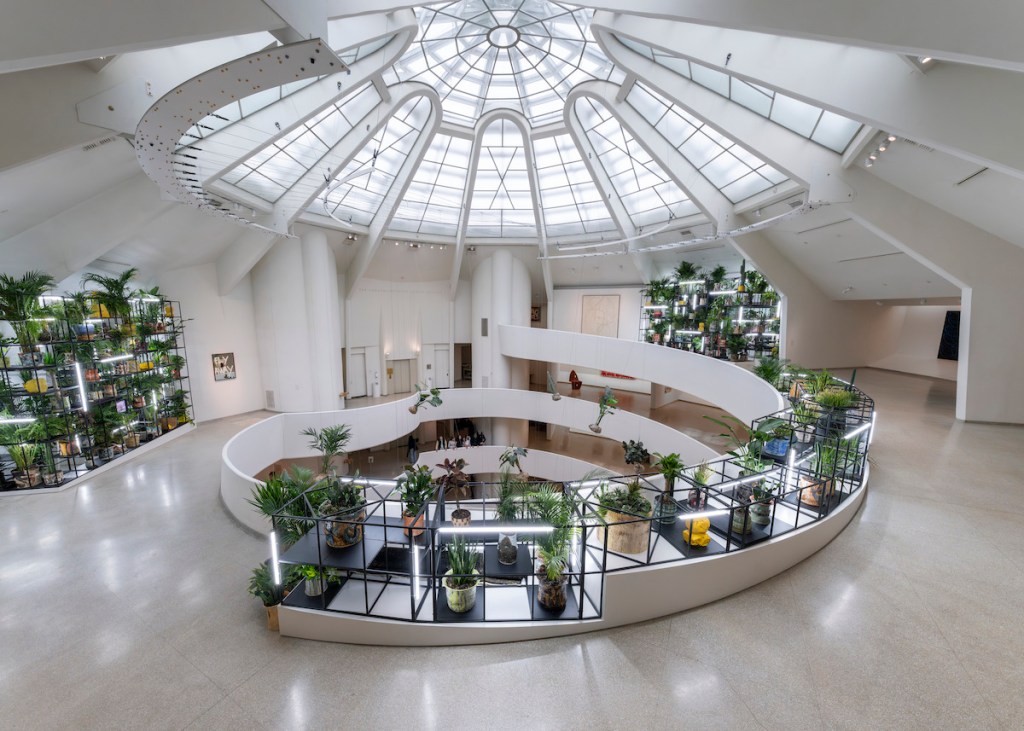
The Solomon R. Guggenheim Museum has launched a major retrospective of Carol Bove, filling the iconic Frank Lloyd Wright rotunda with approximately 100 works spanning her career. The exhibition showcases Bove’s evolution from her early assemblages of driftwood, peacock feathers, and vintage books to her more recent large-scale, brightly colored steel sculptures. A defining feature of the show is Bove’s inclusion of "para-artworks"—pieces by other artists such as Lionel Ziprin, Agnes Martin, and Arnaldo Pomodoro—integrated into her own installations to highlight the influences and histories that inform her practice.

critical reduction the 2014 whitney biennial 5409

The 2014 Whitney Biennial has debuted with a controversial three-curator structure, tasking Michelle Grabner, Stuart Comer, and Anthony Elms with organizing separate floors of the museum. This meta-review aggregates the initial critical reception from major publications, noting that the fragmented format has forced critics to evaluate the exhibition as three distinct shows rather than a unified vision.

martin puryear mfa boston review

Martin Puryear's 1978 sculpture *Self* opens a survey of his work at the Museum of Fine Arts, Boston, titled “Martin Puryear: Nexus,” which runs through Sunday before traveling to the Cleveland Museum of Art in April. Curated by Emily Liebert, Reto Thüring, and Ian Alteveer, the exhibition argues that Puryear's abstract, craft-intensive sculptures—like *A Column for Sally Hemings* (2021)—are not merely formalist exercises but carry political and historical meanings that are deliberately withheld, challenging viewers to read beyond elegant surfaces.

artists resisted fascism comrades in art andy friend

A group of British artists, frustrated by the Great Depression and inspired by socialist ideologies, founded the Artists International Association (AIA) in the early 1930s. Initially a Communist-inflected agit-prop group, it rebranded in 1935 to broaden its anti-fascist coalition, a move that sparked internal debates about ideological purity. The article, reviewing Andy Friend's book *Comrades in Art: Artists Against Fascism, 1933–1943*, highlights key episodes such as the AIA's 1940 exhibition 'The Face of Britain,' which opened amid the Blitz after bombs damaged the gallery.

stephen shore early work mack

The article reviews Stephen Shore's book *Early Work*, which collects photographs he took between the ages of 13 and 18, from 1960 to 1965. Despite his youth, the images display remarkable sophistication, a feat Shore attributes to an atypical childhood that included early access to cameras and a copy of Walker Evans's *American Photographs*. The book includes a "pre-history" essay in which Shore reflects on his formative influences, including time spent at Andy Warhol's Factory and a friendship with headmaster William Dexter, who deepened his interest in photography. The earliest image in the book is a portrait of Dexter taking a photograph, which Shore describes as a metanarrative of a photographer photographing a photographer.

jack whittens 9 11 01 moma

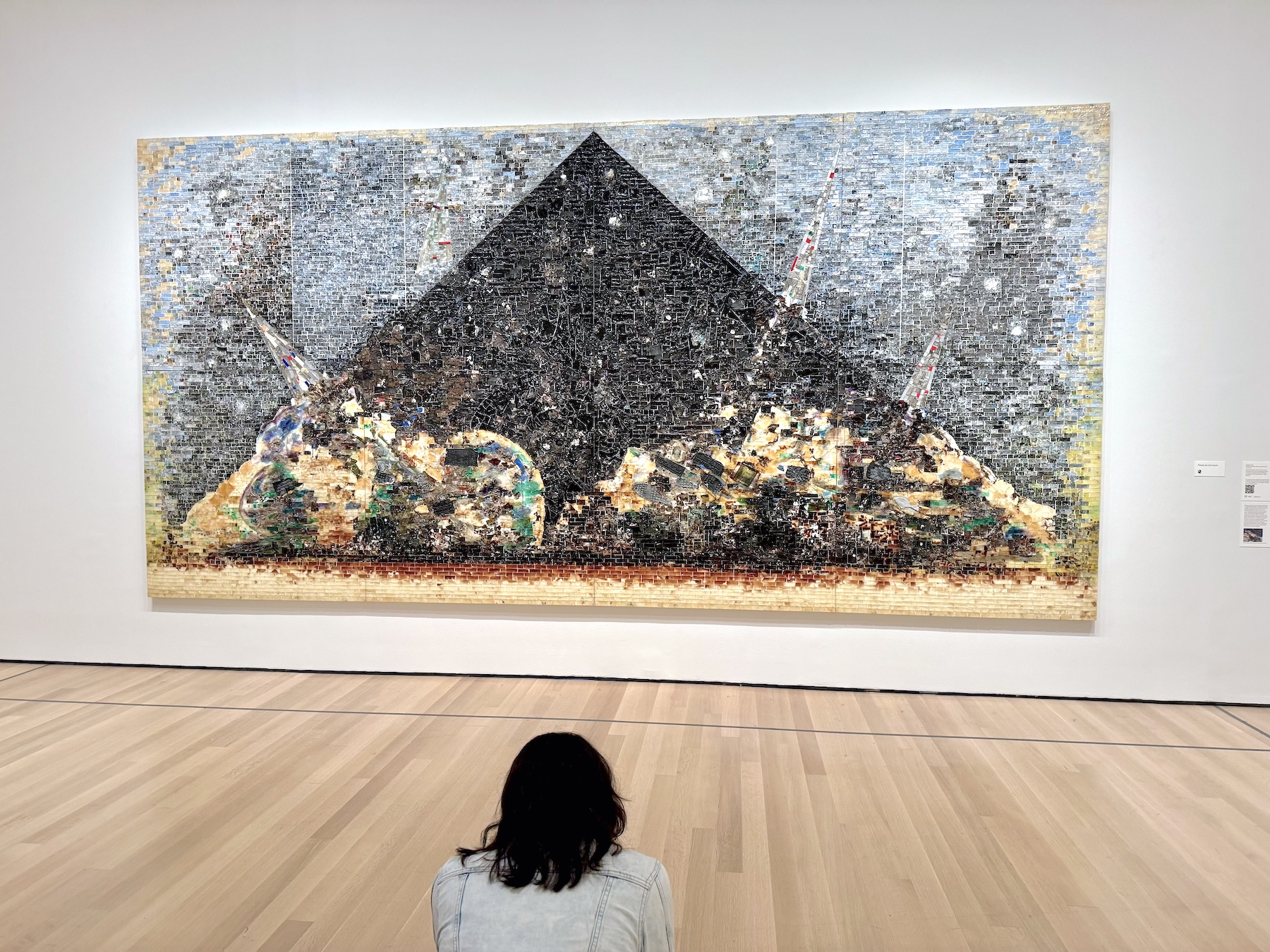
Jack Whitten's monumental mosaic-painting "9.11.01" (2006) is the focus of this article, which examines the work on view at the Museum of Modern Art. The painting, created in response to the September 11 attacks, uses abstract forms—a cracked black pyramid with dagger-like spines and bootprints—to evoke the trauma of that day. Whitten, who witnessed the first plane strike from his studio in Manhattan, embedded ash and wreckage fragments into the surface, blending abstraction with historical memory.

rashid johnson guggenheim museum retrospective review

Rashid Johnson's mid-career retrospective, "Rashid Johnson: A Poem for Deep Thinkers," has opened at the Solomon R. Guggenheim Museum in New York, filling the rotunda with paintings, sculptures, photographs, and films. Curated by Naomi Beckwith and Andrea Karnes, with Faith Hunter, the exhibition includes Johnson's well-known "Anxious Men" works alongside lesser-seen films like *Threeness* (2005), which challenge viewers' expectations. The show features recurring target motifs, as seen in the outdoor sculpture *Black Steel in the Hour of Chaos* (2008), and explores themes of looking, being looked at, and the fluidity of Black identity.

MoMA Survey Shows How Marcel Duchamp Changed the Art Game

The Museum of Modern Art (MoMA) has launched a comprehensive survey of Marcel Duchamp’s work, highlighting the artist's revolutionary impact on the definition of art. The exhibition traces Duchamp's transition from traditional painting to his radical 'readymades,' which prioritized intellectual concepts over aesthetic craftsmanship.

The Whitney Biennial Is for the Faint-Hearted

A critical review of the 2026 Whitney Biennial argues that the exhibition is timid and fails to directly confront the urgent political crises of the moment, including domestic authoritarianism, state violence, and immigration policies. The reviewer finds the show somber, fearful, and overly focused on mood and introspection, suggesting it represents a retreat from meaningful political engagement.

An Unlikely Friendship Between Artist and Forger

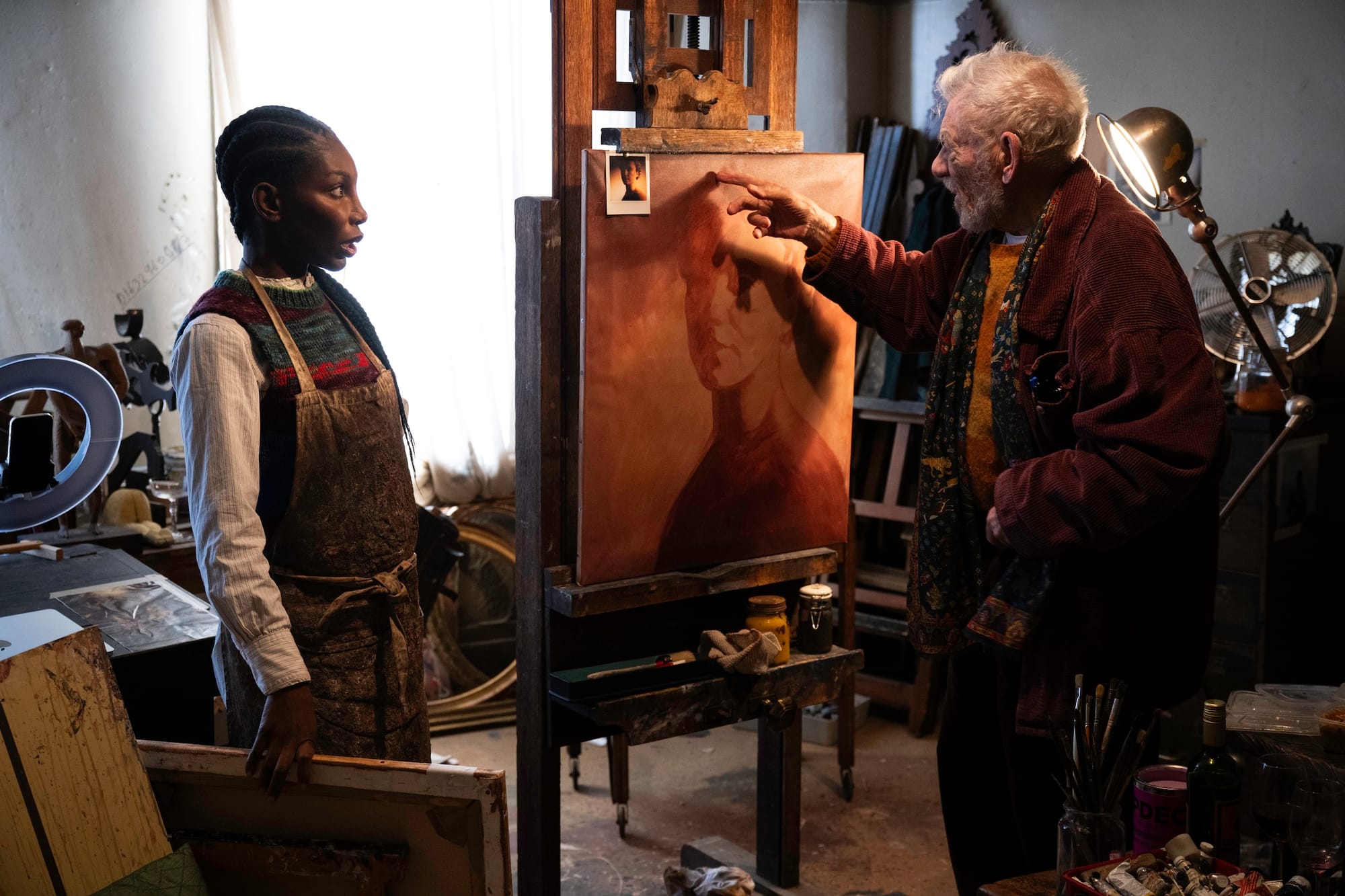
The article reviews Steven Soderbergh's 2026 film "The Christophers," which follows an unlikely friendship between two painters in London: Julian Sklar (Ian McKellen), an older artist facing cancellation, and Lori Butler (Michaela Coel), a young painter who restores and forges artworks. The film explores themes of attention, artistic legacy, and the purpose of art, contrasting with darker narratives like "Tár" by offering a comedic yet profound take on these issues.

The Carnegie International Looks Back at Itself

The 58th Carnegie International at the Carnegie Museum of Art in Pittsburgh looks back at its own 130-year history, featuring a gallery dedicated to past iterations. The exhibition includes Chris Ofili's "The Adoration of Captain Shit and the Legend of the Black Stars" (1998), which was originally shown in the 53rd International in 1999, the same year Ofili's more notorious "The Holy Virgin Mary" sparked controversy at the Brooklyn Museum. The article reviews how the current iteration captures the excitement of earlier exhibitions while providing commentary on authoritarianism and militarism.

I’ve Got the Post-Duchamp Blues

The article is a review of the Marcel Duchamp retrospective at the Museum of Modern Art (MoMA) in New York, the first such show since 1973. Featuring around 300 works from Duchamp's six-decade career, the exhibition includes his iconic readymades like "Fountain" (1917) and early paintings such as "Nude Descending a Staircase, No. 2" (1912). Co-curated by MoMA's Ann Temkin and Michelle Kuo along with Matthew Affron of the Philadelphia Museum of Art, the show runs through August 22, 2026, before traveling to Philadelphia.

A Blockbuster Take on Ovid’s “Metamorphosis”

The Rijksmuseum in Amsterdam has opened a major exhibition titled 'Metamorphoses,' inspired by Ovid's poem. The show brings together Renaissance masterpieces, antiquities, and contemporary works, grouping them by the myths they depict to explore themes of transformation, desire, and gender through striking visual juxtapositions.

Frida-Mania Hits MoMA

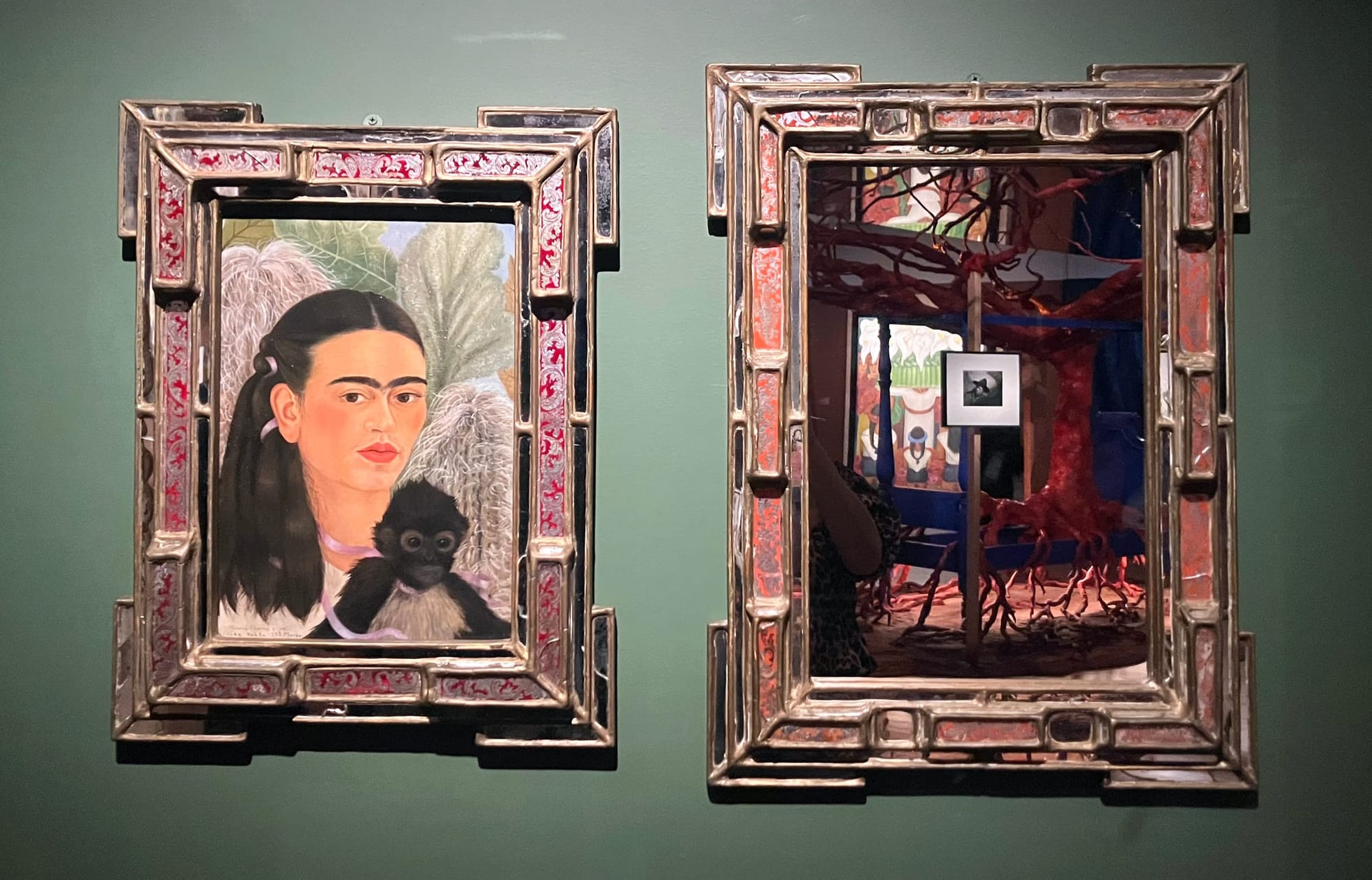
The Museum of Modern Art (MoMA) has opened the exhibition 'Frida and Diego: The Last Dream,' a collaboration with the Metropolitan Opera tied to its upcoming production of the opera 'El Último Sueño de Frida y Diego.' The show, designed by stage and costume designer Jon Bausor, transplants theatrical elements like a tree-of-life set model and blue tarp drapes into the gallery, alongside a reshuffling of key Kahlo and Rivera works from MoMA's collection.

What’s Left to Learn from Marcel Duchamp?

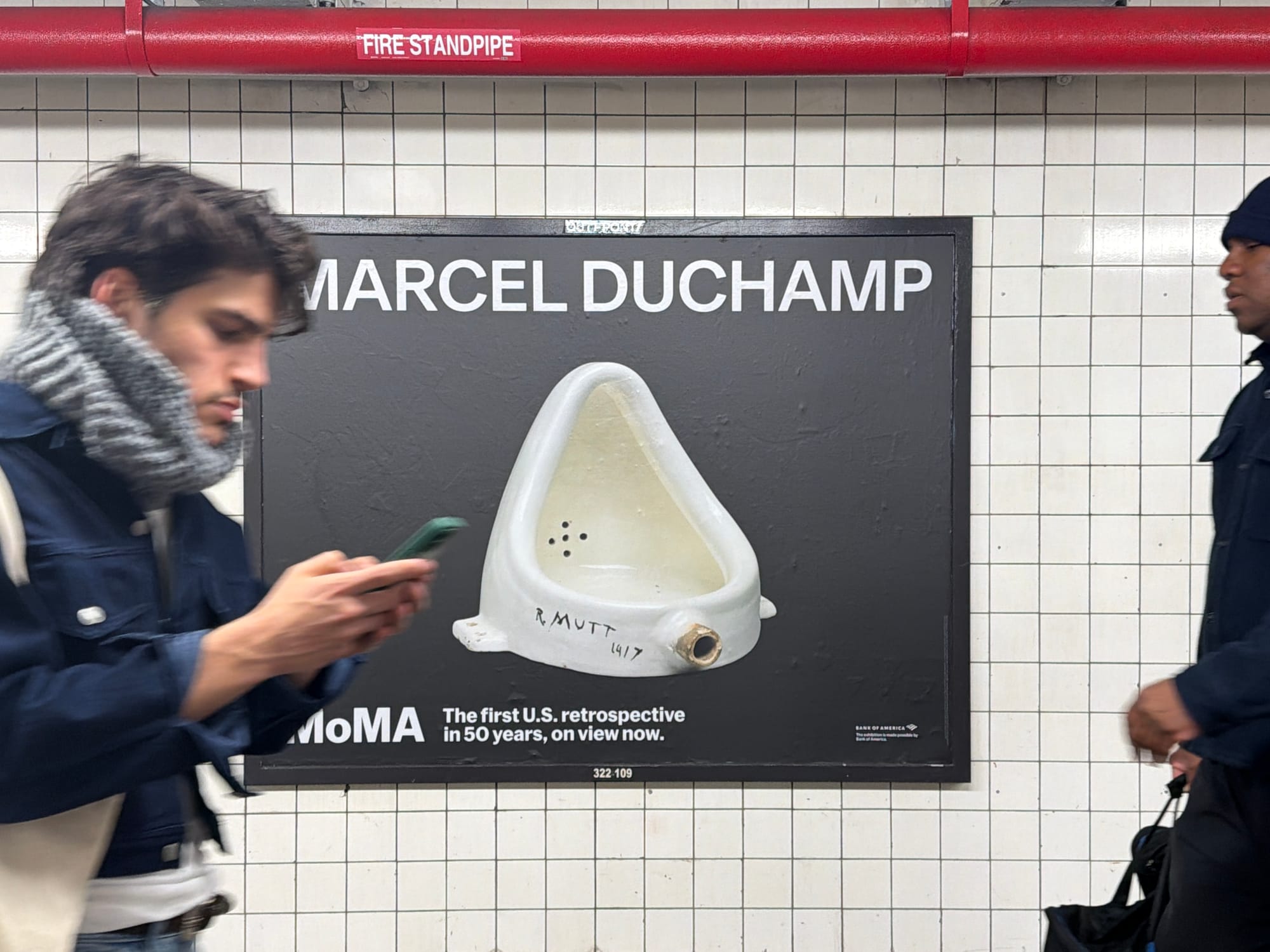
The article examines Marcel Duchamp's enduring influence on contemporary art, focusing on his readymades such as "Fountain" (1917) and "Bicycle Wheel" (1913/1951). It notes that a major survey co-organized by the Museum of Modern Art and the Philadelphia Museum of Art, 70 years after Duchamp predicted his true public would emerge in 50 to 100 years, reaffirms his status as the most influential artist of the past century. The piece discusses how Duchamp's practice of selecting and presenting ordinary objects as art—from a urinal to a snow shovel—once shocked the art world but now seems quaint compared to later works like Maurizio Cattelan's taped banana.

Review: Alex Da Corte’s colorful, pop-inspired art show in Fort Worth

Alex Da Corte's exhibition "The Whale" at the Modern Art Museum of Fort Worth is the first museum show to focus on his relationship to painting, though it defies traditional definitions. The show features a variety of works including "puffy paintings," "slatwall paintings," and "reverse glass paintings," alongside a video where Da Corte portrays Marcel Duchamp. Curated by Alison Hearst, the exhibition also integrates some of Da Corte's works into the museum's permanent collection galleries, a first for the institution.

The Black American Artists Who Dazzled Post-War Paris

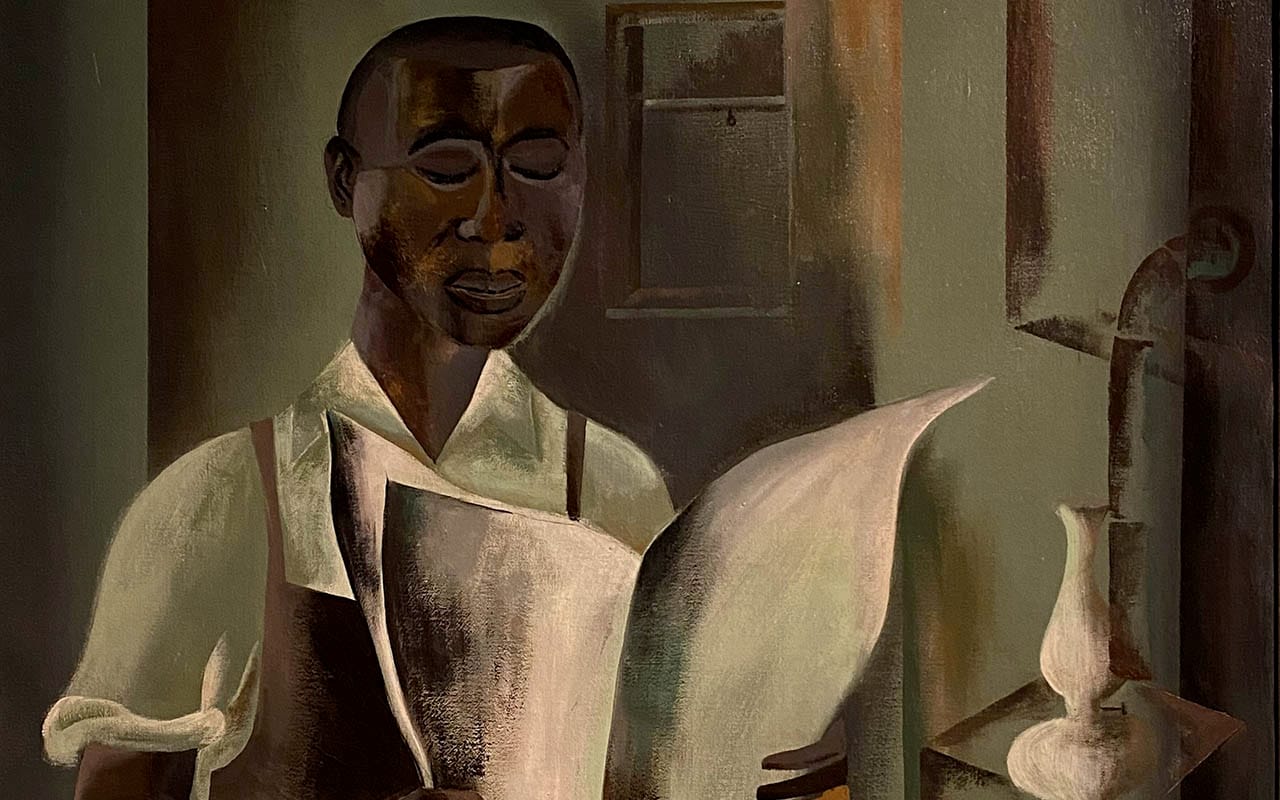
An exhibition titled "Paris in Black: Internationalism and the Black Renaissance" at the DuSable Black History Museum and Education Center in Chicago celebrates the Black American artists, writers, and performers who moved to Paris after World War II to escape American racism. Curated by Danny Dunson, the show features over 100 artworks from the museum's permanent collection, including paintings by Archibald J. Motley Jr., sculptures by Richmond Barthé, Augusta Savage, and William Artis, and ephemera related to Josephine Baker. It traces the global influence of the Harlem Renaissance and the cross-pollination between Paris and U.S. cities like Chicago.

MoMA PS1’s “Greater New York” Is Gritty, Stunning, and Gutting

MoMA PS1 has launched the sixth edition of "Greater New York," a quinquennial survey featuring over 50 artists living and working in the city. Coinciding with the museum’s 50th anniversary, the 2026 iteration focuses on artists in the formative stages of their careers, emphasizing a gritty, raw aesthetic over the polished, market-driven surfaces often found in major biennials. The exhibition highlights photography and installation work that reflects the city's complex immigrant narratives and evolving urban identity.

Losing Frida Kahlo in "The Making of an Icon"

The article critiques the Museum of Fine Arts, Houston's (MFAH) exhibition "Frida: The Making of an Icon," arguing that it perpetuates a fetishized, commercialized view of Frida Kahlo by focusing on her biography—her marriage to Diego Rivera, her affairs, her accident—rather than her artistic skill. The author contrasts this with a visit to the Museo de Arte Moderno (MAM) in Mexico City, where the exhibition "Relatos modernos. Obras emblemáticas de la Colección Gelman Santander" presents Kahlo's work alongside other Mexican masters in a quiet, understated manner that allows viewers to appreciate her technical abilities without overwhelming narrative.

The Many Forms of Marcel Duchamp

The New Yorker's Hilton Als reviews "Marcel Duchamp," a major retrospective at the Museum of Modern Art (MoMA) in New York, running through August 22, 2026. Curated by Matthew Affron, Michelle Kuo, and Ann Temkin, it is the first North American retrospective of Duchamp's work since 1973, organized in collaboration with the Philadelphia Museum of Art. The exhibition spans MoMA's entire sixth floor, showcasing Duchamp's shape-shifting practice—from iconic works like "Nude Descending a Staircase (No. 2)" (1912) and "Bicycle Wheel" (1951) to his readymades and conceptual pieces—emphasizing his rejection of commodification and embrace of intellectual freedom, play, and queer sensibilities.

The new London museum that looks like a ‘reconstructed Toblerone’

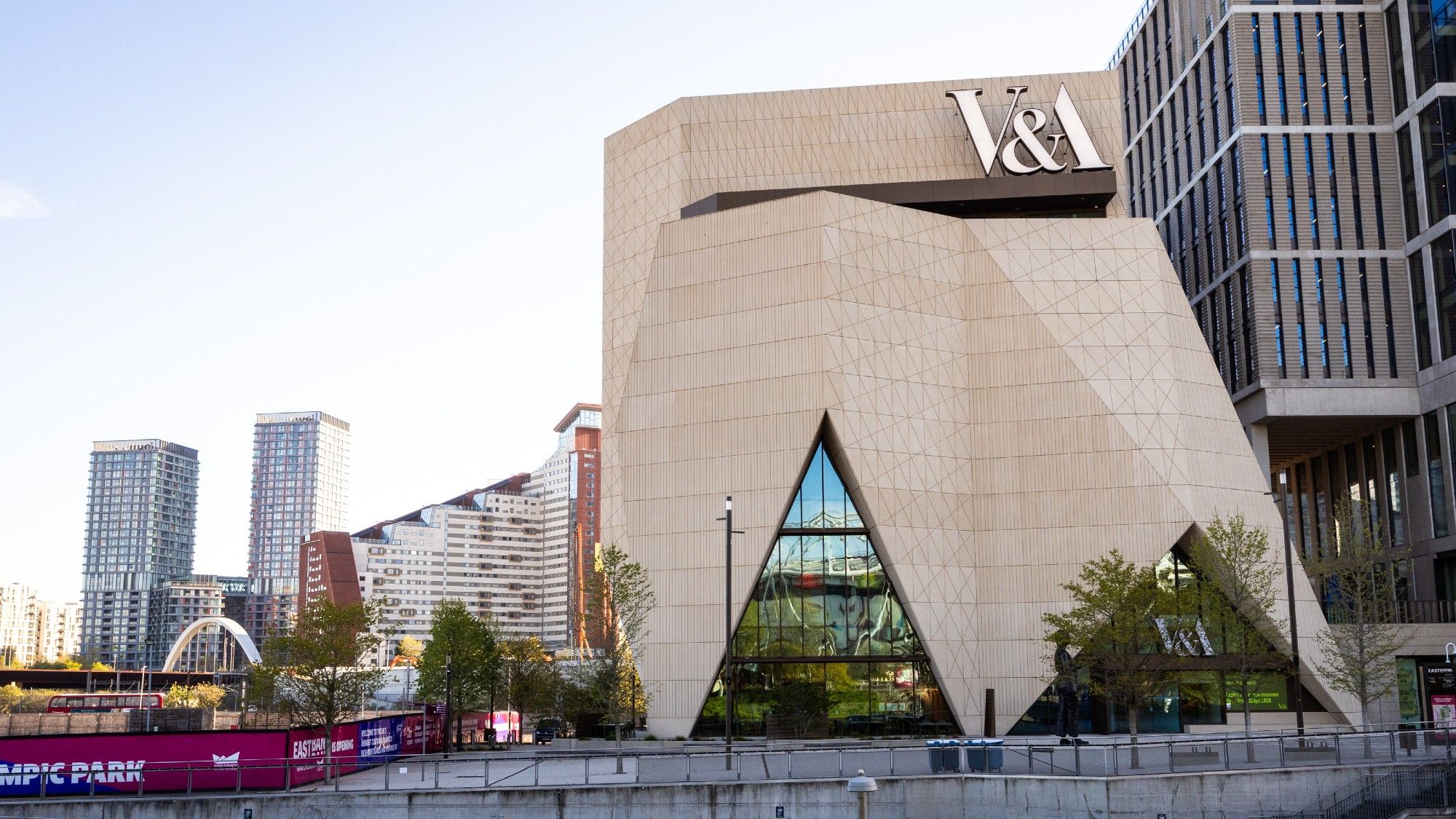
The V&A has opened a new outpost in east London's Lower Lea Valley, a former industrial area transformed into a cultural quarter after the 2012 Olympics. The museum, described as looking like a 'reconstructed Toblerone', is the latest addition to the 'Olympicopolis' vision, which aimed to create a cultural legacy akin to west London's Albertopolis. The article, written by Catherine Slessor in The Guardian, offers a mixed review: praising the beauty and craftsmanship of the galleries while criticizing overuse of trendy phrases like 'lived experience' and 'transcultural identities'.