filter_list Showing 7 results for "ISIS" close Clear
search
dashboard All 159 museum exhibitions 68article news 45article culture 21article local 7article policy 7rate_review review 7trending_up market 2person people 2
date_range Range Today This Week This Month All
Subscribe

Big Crisis, Small Gestures

Große Krise, kleine Gesten

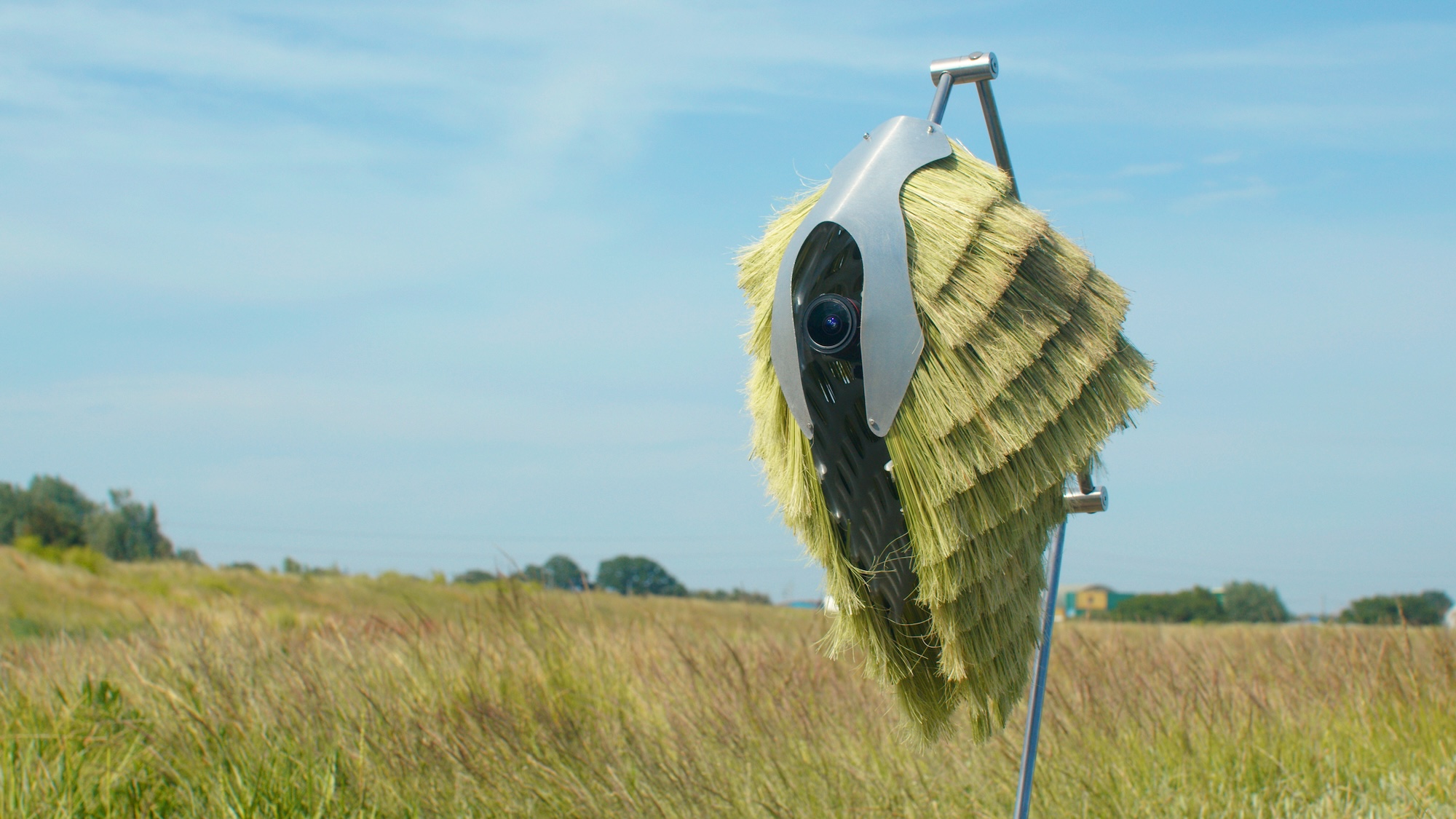
The article reviews the second edition of the Klima Biennale Wien, which opened in early April in Vienna. It notes that while the biennale aims to address the urgent triple crisis of climate change, biodiversity loss, and pollution, its execution falls short. The exhibition features symbolic works such as a beached whale, a broken boat, and a compostable SUV sculpture, but these motifs feel repetitive and lack the necessary impact. The author contrasts these with historical precedents like Menashe Kadishman's 1978 Venice Biennale installation and Joseph Beuys' "7000 Eichen" (1982), arguing that the themes of nature and sustainability are not new, only the urgency has intensified.
Hulda Guzmán review – lizards and ghosts gather for an art freakout in the rainforest

Hulda Guzmán's first institutional exhibition in Europe, "Please Awake – Asked Nature Kindly," is on view at Turner Contemporary in Margate, UK. The show features the Dominican artist's ultra-colorful, psychedelic jungle paintings that blend art historical references—from Japanese ukiyo-e prints to pointillism and symbolism—with personal mythology, demons, spirits, and lush tropical landscapes. The works are drawn from her life in the Dominican rainforest, where she lives and works in a studio built by her architect father.

What does a woman swimming in urine tell us about the state of the world? Lots! – Venice Biennale review

The 2026 Venice Biennale, curated by the late Koyo Kouoh under the theme "In Minor Keys," has been plagued by months of turmoil including countries withdrawing, artists being fired, exhibitions cancelled, funding pulled, and protests during the preview. A five-person curatorial team took over after Kouoh's death, resulting in what the critic describes as a disjointed, committee-driven exhibition that prioritizes quiet contemplation and healing over direct political engagement. The central shows in the Giardini and Arsenale feature a vast, poorly explained array of art from the global south, with installations of ceramics, textiles, slide projectors, and serene natural scenes that the critic finds anachronistic and dull.

Art for Our Age of Chaos

The article reviews two major New York exhibitions opening in 2026: the Whitney Biennial at the Whitney Museum of American Art, featuring over fifty artists, and "New Humans: Memories of the Future" at the newly expanded New Museum, with over a hundred artists. Both shows are described as enormous and defiant, responding to a distracted public and financial pressures. The reviewer notes that both exhibitions juxtapose large-scale immersive works with tiny, intimate pieces, and finds the Whitney Biennial lacking urgency, while preferring the New Museum's historical narrative about technology and modernity.

Ruminations on Rashid Johnson’s “A Poem for Deep Thinkers”

The article is a reflective review of Rashid Johnson's exhibition "A Poem for Deep Thinkers" at the Modern Art Museum of Fort Worth. The author describes standing before Johnson's work "Falling Man" (2016), a piece incorporating broken mirrors, burned wood, and personal objects like a copy of Harry Haywood's "Black Bolshevik" and shea butter, which prompts meditations on visibility, identity, and Frantz Fanon's "Black Skin, White Masks." The review also examines Johnson's large-scale installation "Antoine's Organ" (2016/2026), which fills a gallery typically reserved for Ellsworth Kelly's minimalist canvases, transforming the space with scaffolding, plants, books, and video monitors.

Queer Saints, Big Egos

Queere Heilige, große Egos

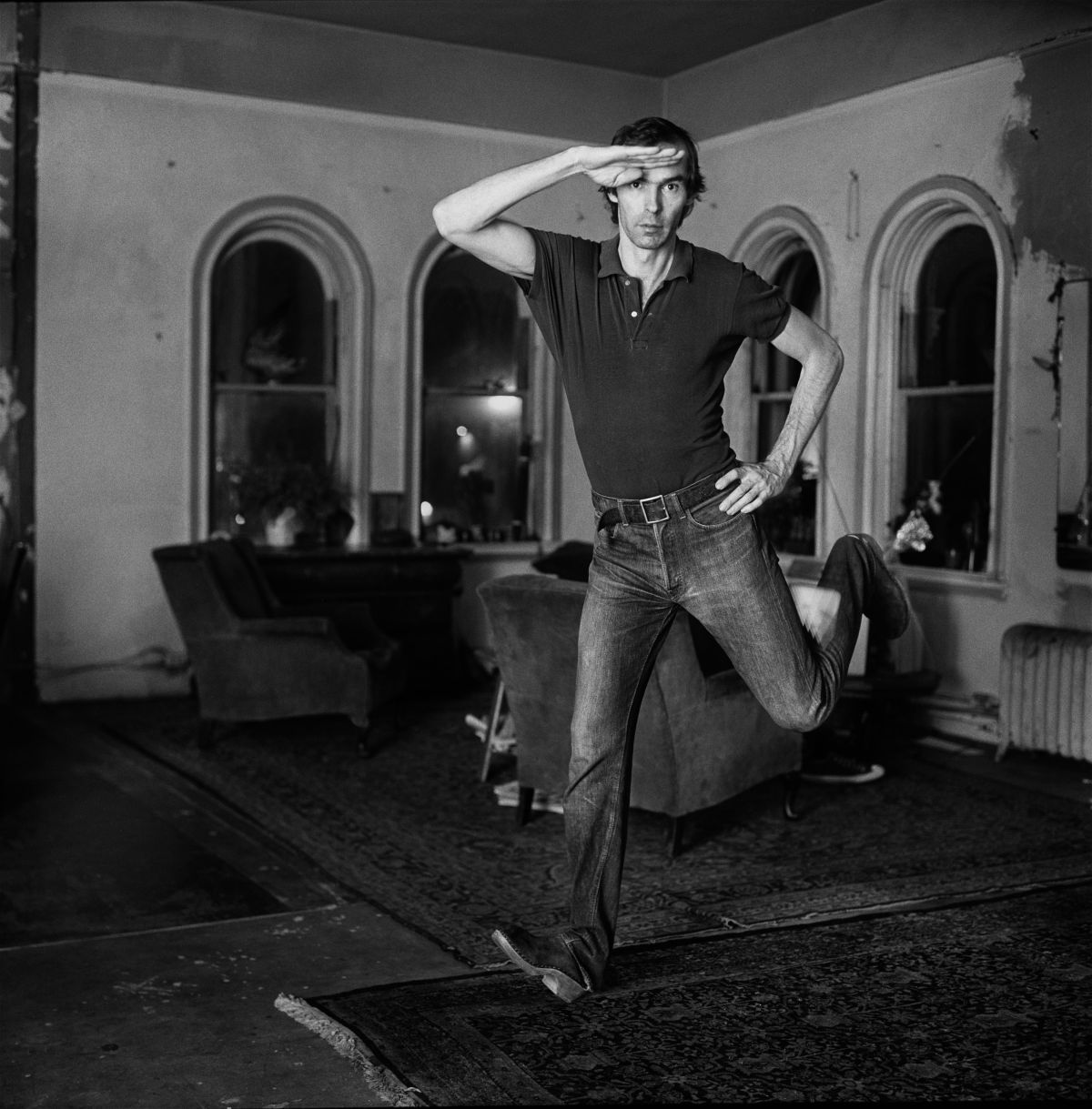
Andrew Durbin's new biography examines the intertwined lives of artists Peter Hujar and Paul Thek, focusing on their art, desire, and self-staging. The review notes that while the book covers their creative circles—including figures like David Wojnarowicz, Divine, John Waters, and Susan Sontag—it loses sight of the urgent political and social context that animated their work, particularly the AIDS crisis and Reagan-era repression.

‘My Year in Paris with Gertrude Stein’ by Deborah Levy, Reviewed

Deborah Levy’s latest novel, *My Year in Paris with Gertrude Stein*, follows a first-person narrator who travels to Paris to research the American writer and collector Gertrude Stein. The narrative slips between the early twentieth century and the autumn of Donald Trump’s 2024 reelection, using stream-of-consciousness prose and liquid metaphors to blur past and present. The narrator’s research into Stein’s role in shaping modernity becomes a vehicle for exploring her own sense of helplessness and lack of agency in a hyperconnected, war-weary present.