filter_list Showing 6 results for "Medici" close Clear
search
dashboard All 165 museum exhibitions 65trending_up market 23article news 20article culture 17article local 16person people 11rate_review review 6article policy 3gavel restitution 3candle obituary 1
date_range Range Today This Week This Month All
Subscribe

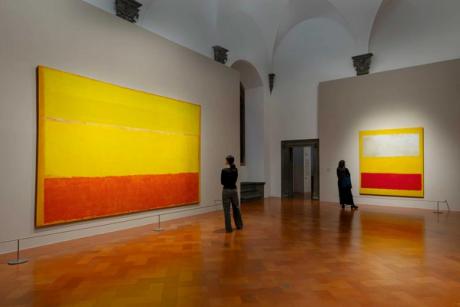
The Big Review: Rothko in Florence ★★★★★

The Palazzo Strozzi in Florence has launched a major exhibition exploring the profound influence of the Italian Renaissance on Mark Rothko. Co-curated by the artist's son, Christopher Rothko, the show spans three historic locations: the Palazzo Strozzi, the Museo di San Marco, and the Biblioteca Medicea Laurenziana. By placing Rothko’s abstract canvases in direct dialogue with Fra Angelico’s frescoes and Michelangelo’s architecture, the exhibition highlights how the artist’s visits to Italy in the 1950s and 60s shaped his spatial thinking and spiritual intensity.
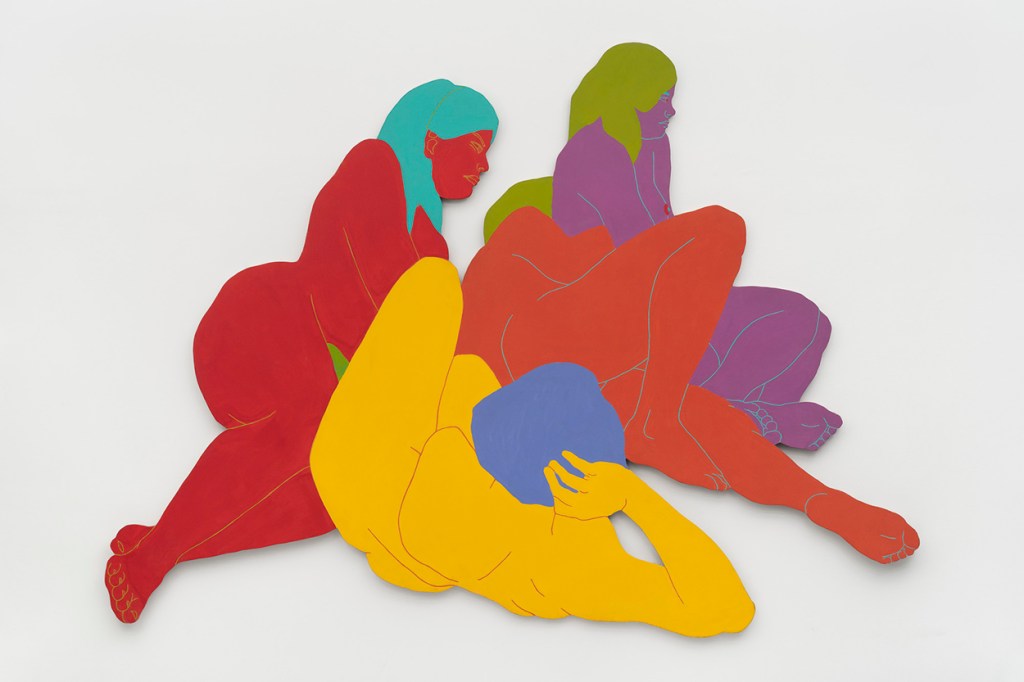
whitney biennial 2026 systems infrastructure andrea fraser carmen de monteflores emilie gossiaux david johnson

The 2026 Whitney Biennial, curated by Marcela Guerrero and Drew Sawyer, moves beyond the traditional geographic borders of the United States to explore 'the greater United States.' Drawing inspiration from historian Daniel Immerwahr, the exhibition features artists from occupied territories, military outposts, and nations impacted by American intervention, including Okinawa, Chile, and Palestine. The show shifts the focus from identity politics to the material reality of infrastructure, examining how global systems of finance, energy, and empire operate and often fail.

These Ghosts. Clémentine Bruno  by Michela Ceruti

Clémentine Bruno’s artistic practice explores the tension between presence and absence, treating the canvas as a site of temporal layers rather than a flat surface for representation. Her work emphasizes the preparatory stages of painting—the laying of gesso and the construction of supports—allowing images to emerge reluctantly through processes of sanding, veiling, and partial erasure. Recent exhibitions, such as "Educational Complex" at Tonus and "Vision of Fading" at Mendes Wood DM, highlight her interest in how institutional structures and memory maps dictate what is retained and what is forgotten.

Review: Art museum’s big fall fashion show is captivating, sexy and fun, albeit with glitches

The Cleveland Museum of Art has opened a major fall exhibition titled "Renaissance to Runway: The Enduring Italian Houses," featuring roughly 80 garments and accessories from top Italian fashion houses such as Gucci, Pucci, Armani, Versace, Valentino, Ferragamo, Max Mara, and Missoni. The show juxtaposes these modern and contemporary designs with over 40 Renaissance, Mannerist, and Baroque artworks from the museum's collection, exploring how Italian couture has drawn inspiration from art history. A digital video installation by filmmaker Francesco Carrozzini and photographer Henry Hargreaves, using AI technology, humorously depicts models "invading" the museum, underscoring fashion's disruptive cultural power. Despite some pacing and spatial choreography issues, the exhibition makes a compelling case for fashion as high art.

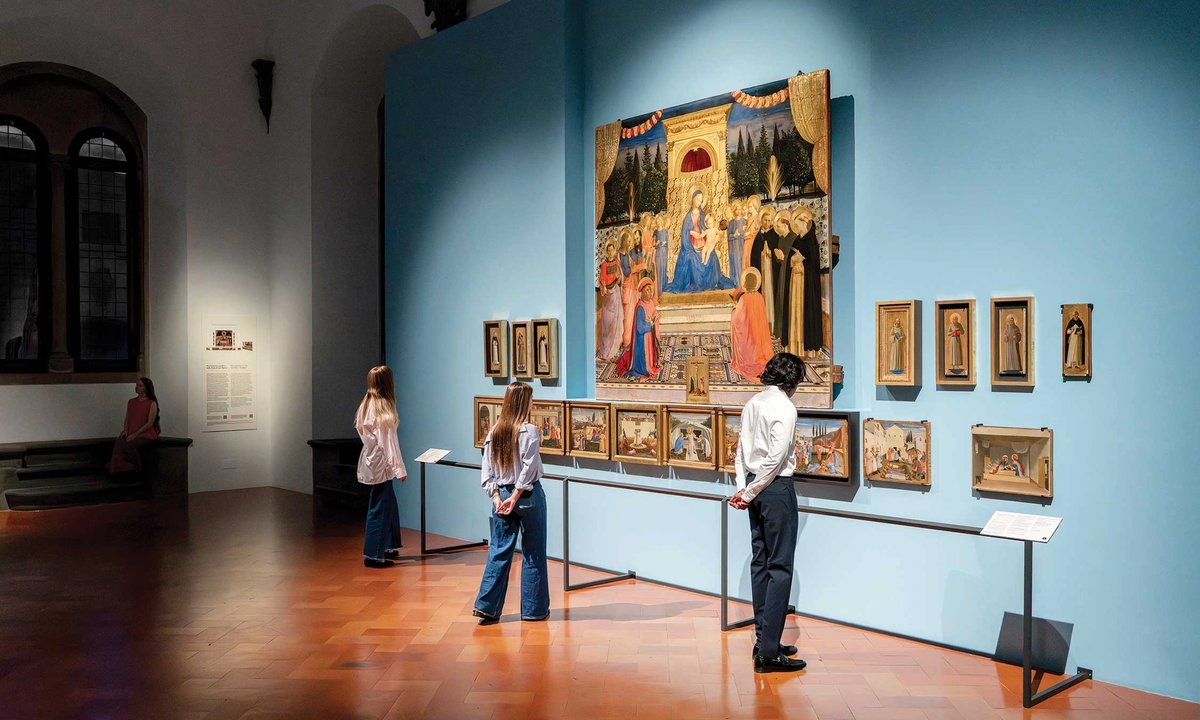
The Big Review | Fra Angelico at Palazzo Strozzi and Museo di San Marco, Florence ★★★★★

A major two-venue exhibition dedicated to early Renaissance master Fra Angelico (c. 1395-1455) has opened at Palazzo Strozzi and Museo di San Marco in Florence. The show, four years in the making, features unprecedented loans from over 70 museums and 28 newly conserved works, including the Fiesole Altarpiece (c. 1420-23) and the San Marco Altarpiece (1438-43). It reunites dispersed predella panels and decorative components looted during the Napoleonic era, presenting the most complete picture of Fra Angelico to date while challenging the notion that his work was archaic.

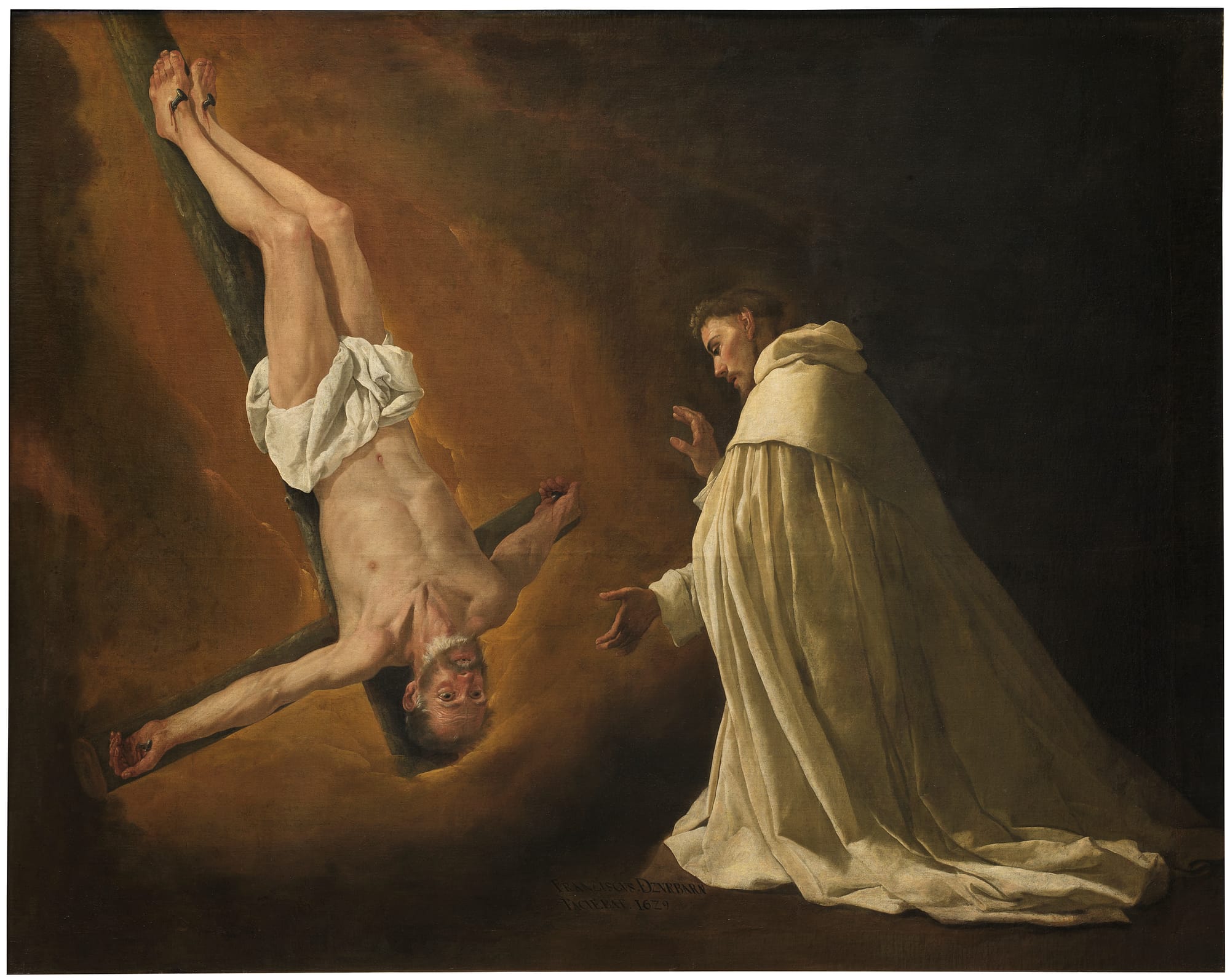
Did Zurbarán Believe What He Painted?

An exhibition of Francisco de Zurbarán's 17th-century religious paintings at London's National Gallery prompts a critic to question whether the artist's personal faith influenced his artistic skill. The show features monumental works from Spanish churches and monasteries, displayed dramatically against black walls, including crucifixion scenes, monks, and saints. The critic notes that no personal records of Zurbarán survive—only contracts—leaving his beliefs unknown, and compares him to Agnolo Bronzino, who painted pious scenes but wrote obscene verses. A small painting of a crucified Christ with a painter, possibly a self-portrait of Bronzino, is presented as ambiguous evidence of faith.