filter_list Showing 4 results for "Method" close Clear
dashboard All 214 museum exhibitions 93article news 33article culture 31article local 20person people 16trending_up market 6rate_review review 4gavel restitution 4article policy 3candle obituary 3article events 1
date_range Range Today This Week This Month All
Subscribe

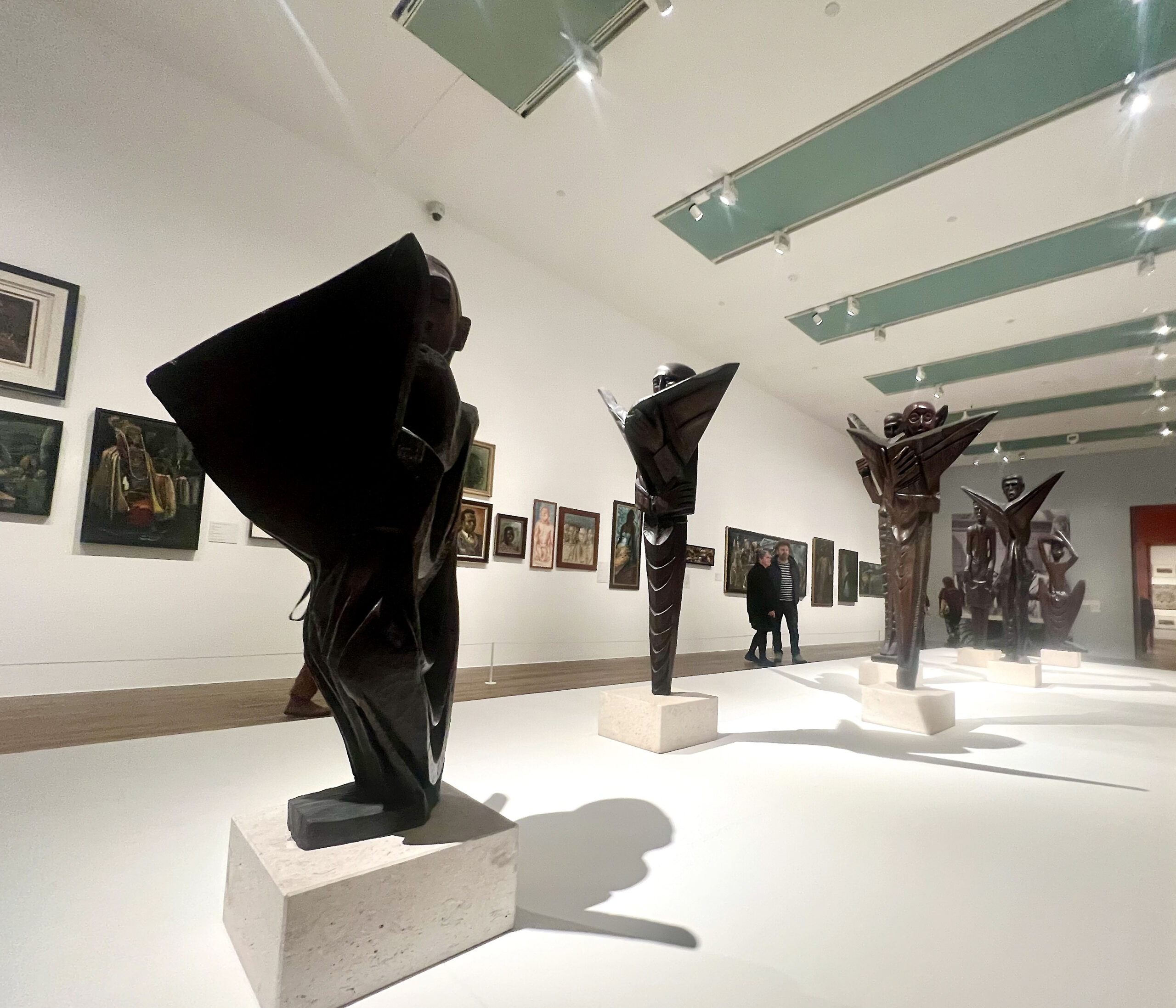
Post-Mortemism: An Autopsy of “Nigerian Modernism: Art and Independence” at Tate Modern.

A critical essay by Ayọ̀ Akínwándé performs a forensic 'autopsy' of the Tate Modern exhibition 'Nigerian Modernism: Art and Independence.' The review dissects the show's structure, arguing it fails in its curatorial framework by isolating Nigerian artists within a regional category, using ethnographic display methods, relying on incomplete research, and excluding key artists and historical context.

These Ghosts. Clémentine Bruno  by Michela Ceruti

Clémentine Bruno’s artistic practice explores the tension between presence and absence, treating the canvas as a site of temporal layers rather than a flat surface for representation. Her work emphasizes the preparatory stages of painting—the laying of gesso and the construction of supports—allowing images to emerge reluctantly through processes of sanding, veiling, and partial erasure. Recent exhibitions, such as "Educational Complex" at Tonus and "Vision of Fading" at Mendes Wood DM, highlight her interest in how institutional structures and memory maps dictate what is retained and what is forgotten.

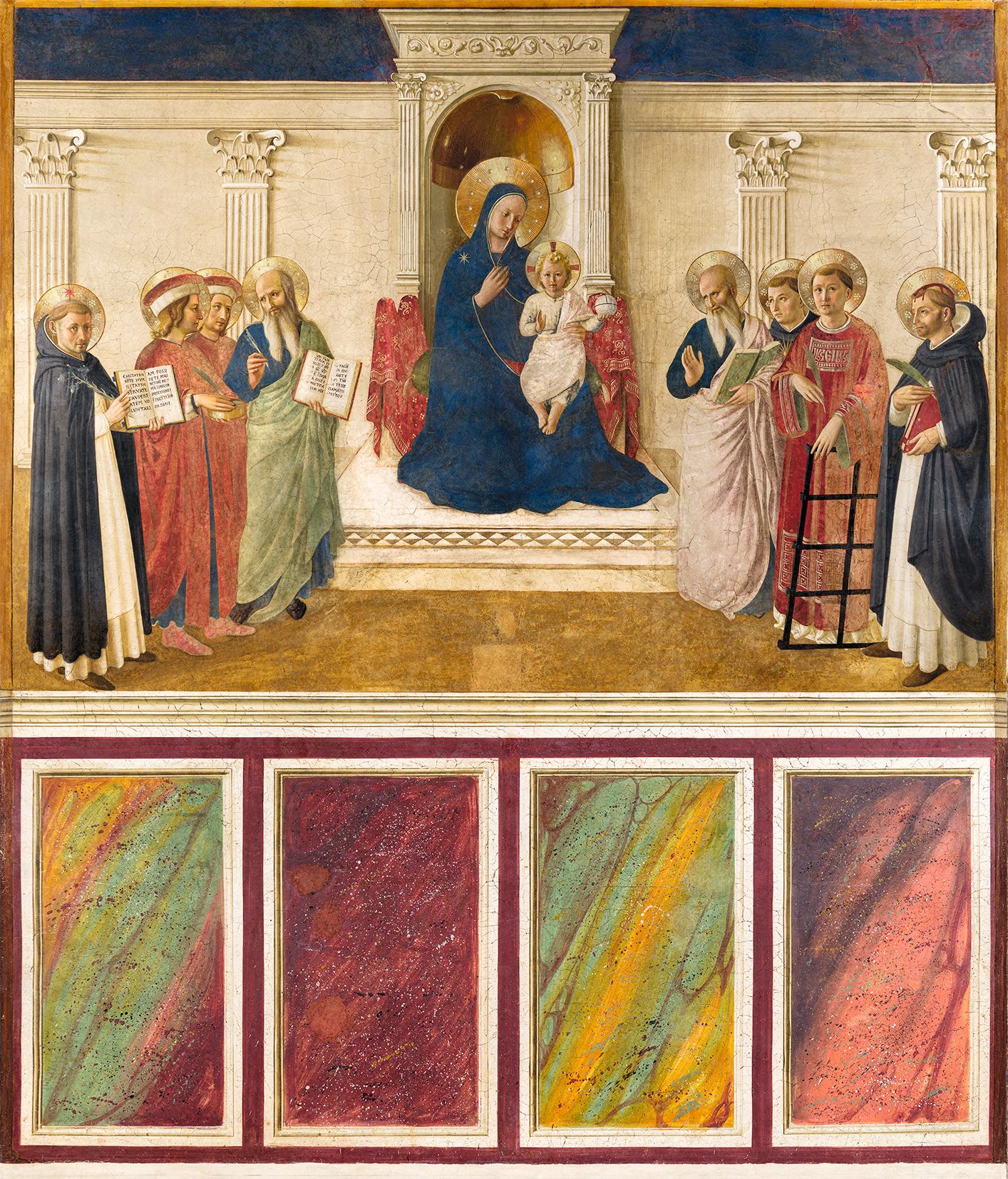
Special Interest: Marble

Spezialinteresse: Marmor

Karl Kolbitz has published a new book focusing on the depiction of marble in Early Renaissance paintings. He explores how artists used the fictional representation of marble to visualize the divine, drawing inspiration from art historian Georges Didi-Huberman and employing modern imaging techniques to reveal previously hidden details.

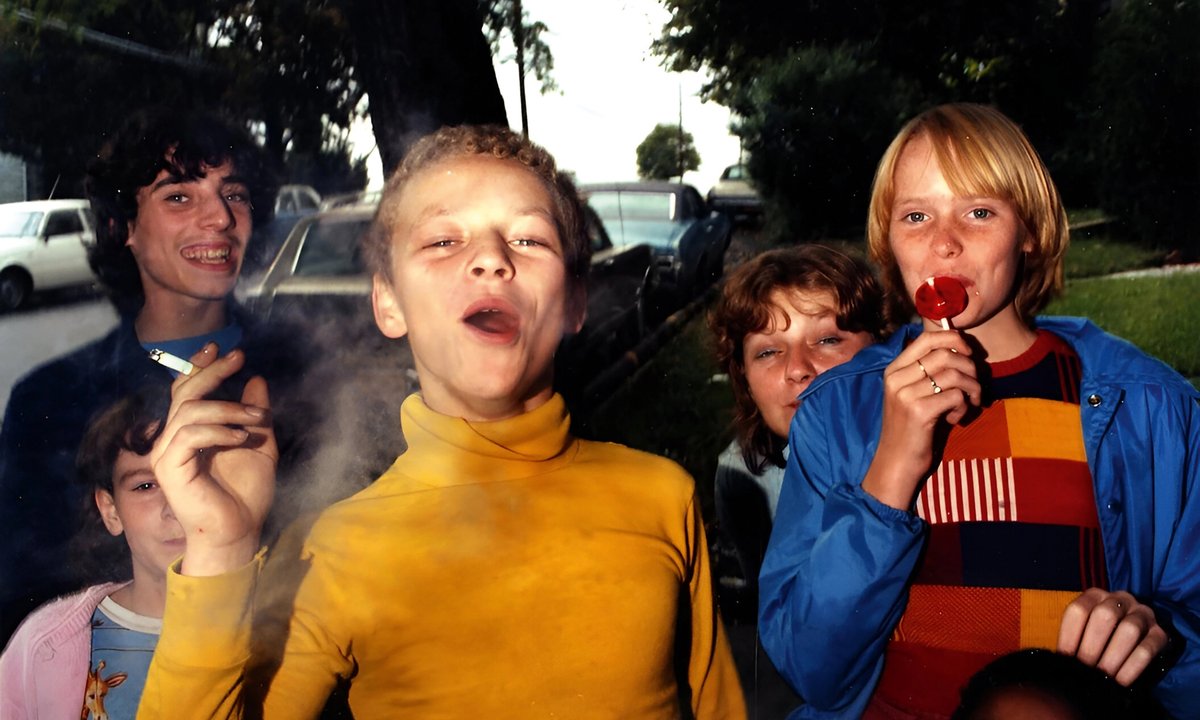
‘I had all kinds of altercations’: the photographer who captures humanity at close quarters

A new book titled 'Trespass' introduces the work of photographer Mark Cohen, known for his invasive, close-quarters street photography primarily in Wilkes-Barre, Pennsylvania. Cohen's method involved using flash and fast color film to capture unsuspecting subjects, often leading to physical altercations, and his images are characterized by extreme blur and sudden points of sharp focus.