search
dashboard All 276 museum exhibitions 147article local 41article culture 27article news 24trending_up market 10rate_review review 9person people 7candle obituary 6article policy 4gavel restitution 1
date_range Range Today This Week This Month All
Subscribe

Danielle Mckinney's Portraits of Black Women at Rest

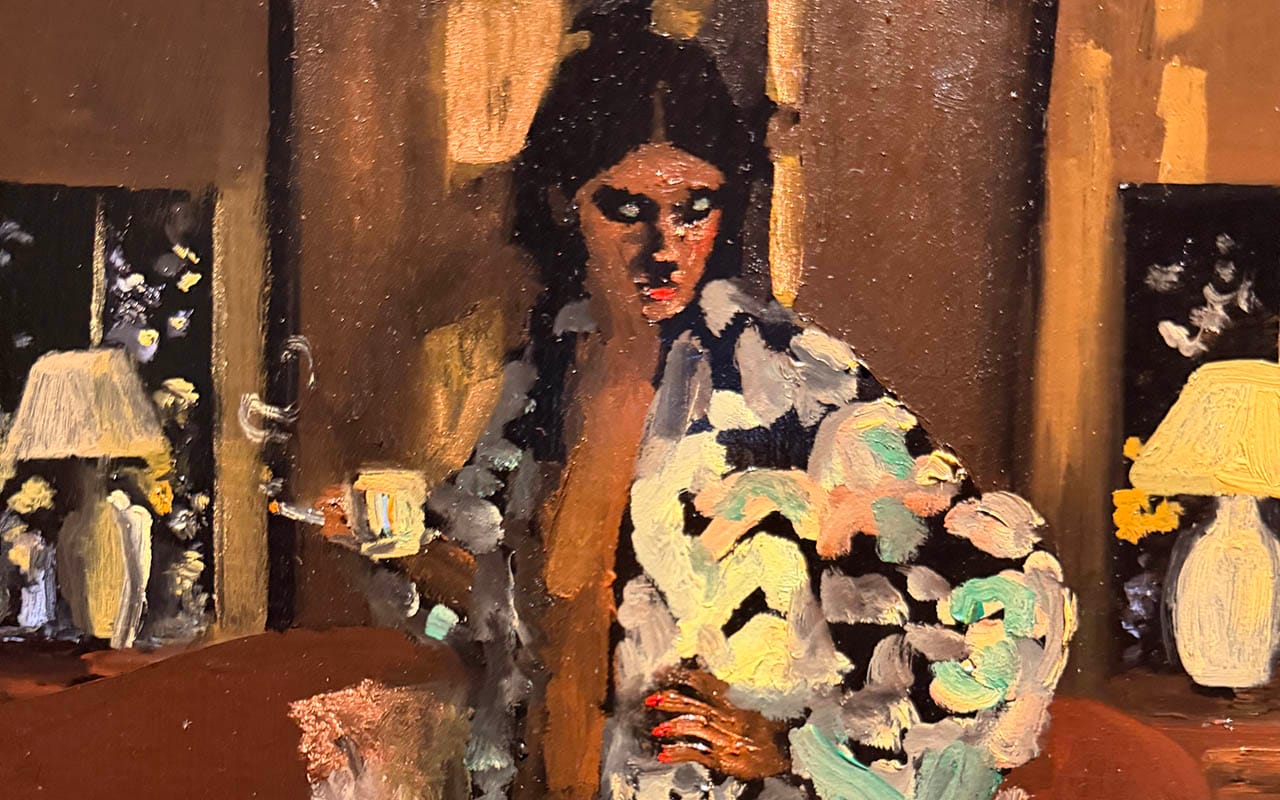
Danielle Mckinney's exhibition "Forest for the Trees" at Marianne Boesky Gallery in Chelsea presents portraits of solitary Black women in states of leisure and repose, rendered in both watercolor and oil. The works feature recurring motifs like red nails, metallic eye accents, and cigarette smoke, creating intimate scenes of private domestic space. The exhibition coincides with a survey of Mckinney's work at the Norton Museum of Art, running through October 4.
Sanford Wurmfeld’s Unstable Geometry

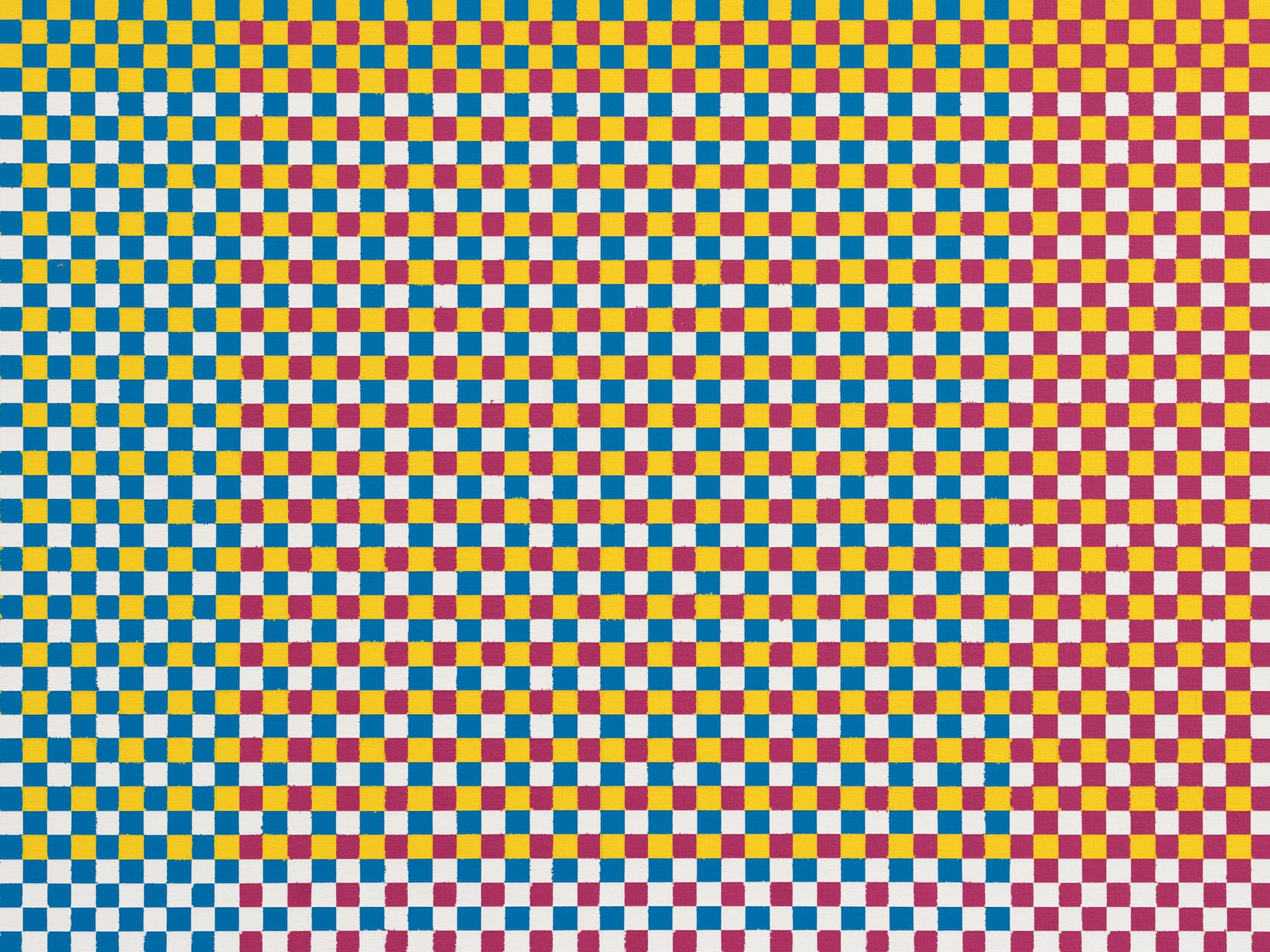
Hyperallergic reviews Sanford Wurmfeld's exhibition "Squares 1971–74" at Ceysson & Bénétière in New York, featuring six paintings and one study from 1971 to 1974. The show highlights Wurmfeld's methodical exploration of color through gridded compositions of one-inch squares, using a limited palette of four hues to create optical interactions that shift as the viewer looks. Wurmfeld, who was the youngest artist in MoMA's 1968 "Art of the Real" exhibition, has long operated under the radar of the New York art world.

Cats, flowers and Harry Hill’s car on fire – RA Summer Exhibition review

The 2024 Royal Academy Summer Exhibition, coordinated by conceptual artist Ryan Gander, is reviewed as being less awful than usual. Gander introduces strangeness to the historic open-submission show, including a video of Bowie karaoke and a disembodied corpse in a living-room installation. The exhibition features thousands of works, from amateur flower drawings to pieces by Tracey Emin, Antony Gormley, and Sean Scully, alongside standout contributions from Harry Hill (paintings of cars on fire), Harriet Porter, and Glen Pudvine. The review notes the show's overwhelming density and its function as a buying opportunity for the public.

Project a Black Planet review: spits out dreary academic theory where it should sing

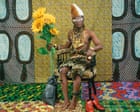
The Guardian reviews the Barbican's exhibition "Project a Black Planet," which explores Panafricanism and Négritude in art and culture. The show features works by artists including Lynette Yiadom-Boakye, El Anatsui, Abdias Nascimento, and Marlene Dumas, with Yiadom-Boakye's new paintings of fictional figures and ancestral elders singled out as a highlight. The exhibition is organized around theoretical concepts from figures like Aimé Césaire and Stuart Hall, aiming to conjure a utopian "Panafrica."

My Queasy, Forest-Scented Stroll Through LA’s New AI Art Museum

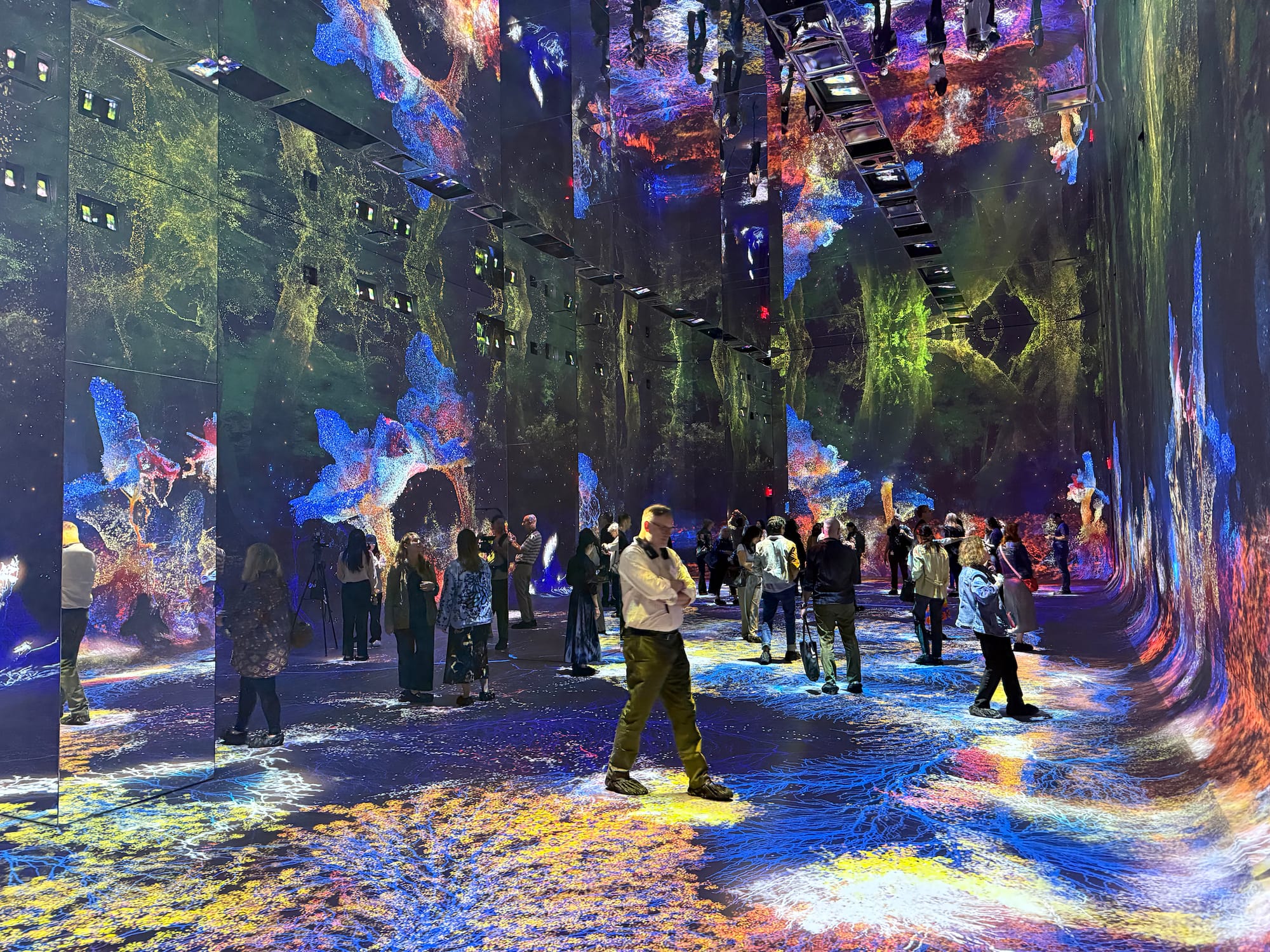
Hyperallergic critic Matt Stromberg reviews Dataland, a new AI art museum in Los Angeles co-founded by media artist Refik Anadol and Efsun Erkılıç, opening to the public on June 20. The inaugural exhibition, "Machine Dreams: Rainforest," is an immersive audio-visual-olfactory experience synthesizing 1.2 billion data points about the natural world, using a "Large Nature Model" trained on datasets from partners including the Smithsonian Institution and the Cornell Lab of Ornithology. Visitors wear a scent-dispensing device and receive a Data.Token wristband as they navigate a 25,000-square-foot space in the Frank Gehry-designed Grand LA tower, with ticket prices ranging from $49 to $129.

The World That Held Peter Hujar and Paul Thek

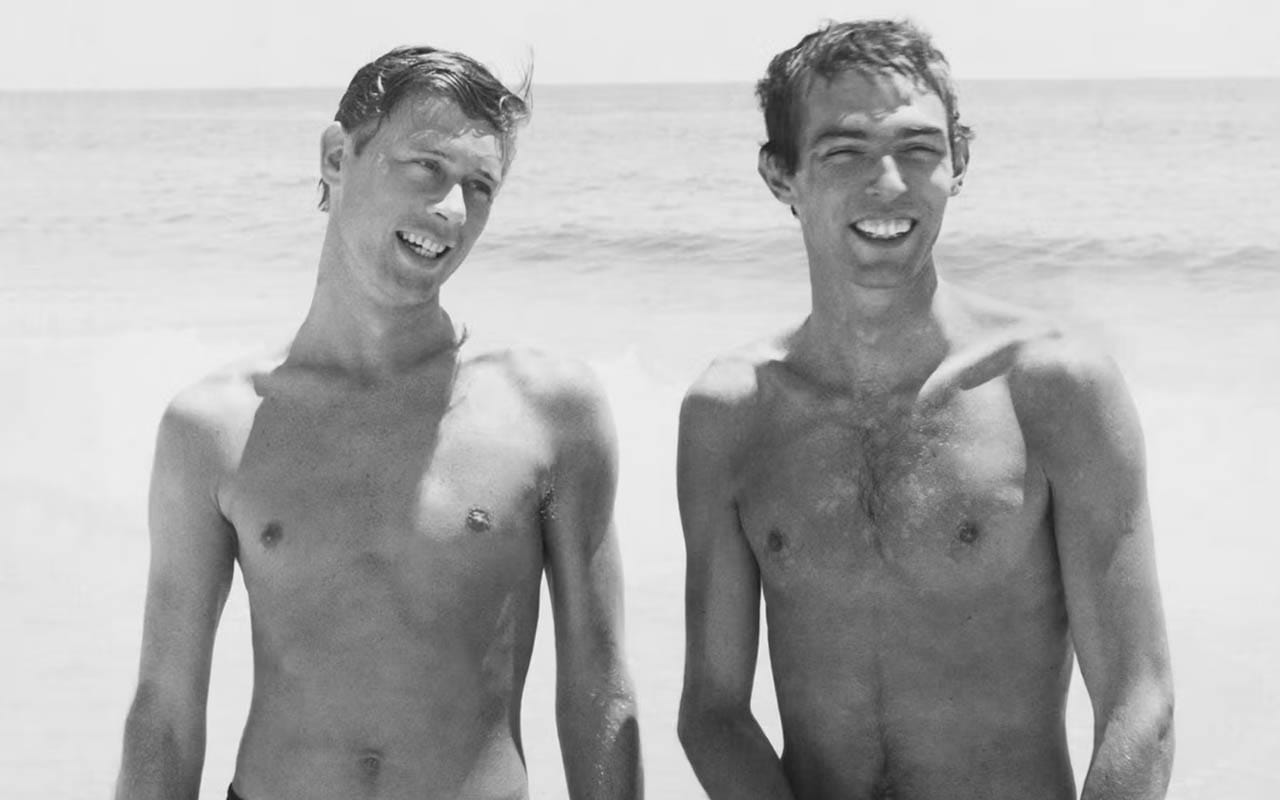
Andrew Durbin's new dual biography, *The Wonderful World That Almost Was: A Life of Peter Hujar and Paul Thek* (2026), explores the intertwined lives of photographer Peter Hujar and visual artist Paul Thek. The book traces their relationship from their first meeting in Florida in their early 20s through their artistic development, shifting from lovers and confidantes to a more complex bond marked by longing and resentment, ending with both dying of AIDS in the late 1980s. The review highlights a renewed interest in the artists, citing recent exhibitions and a film.

Duchamp after Duchamp. The Venice Biennale curated by Koyo Kouoh is an expanded ready-made

Duchamp dopo Duchamp. La Biennale di Venezia curata da Koyo Kouoh è un ready-made espanso

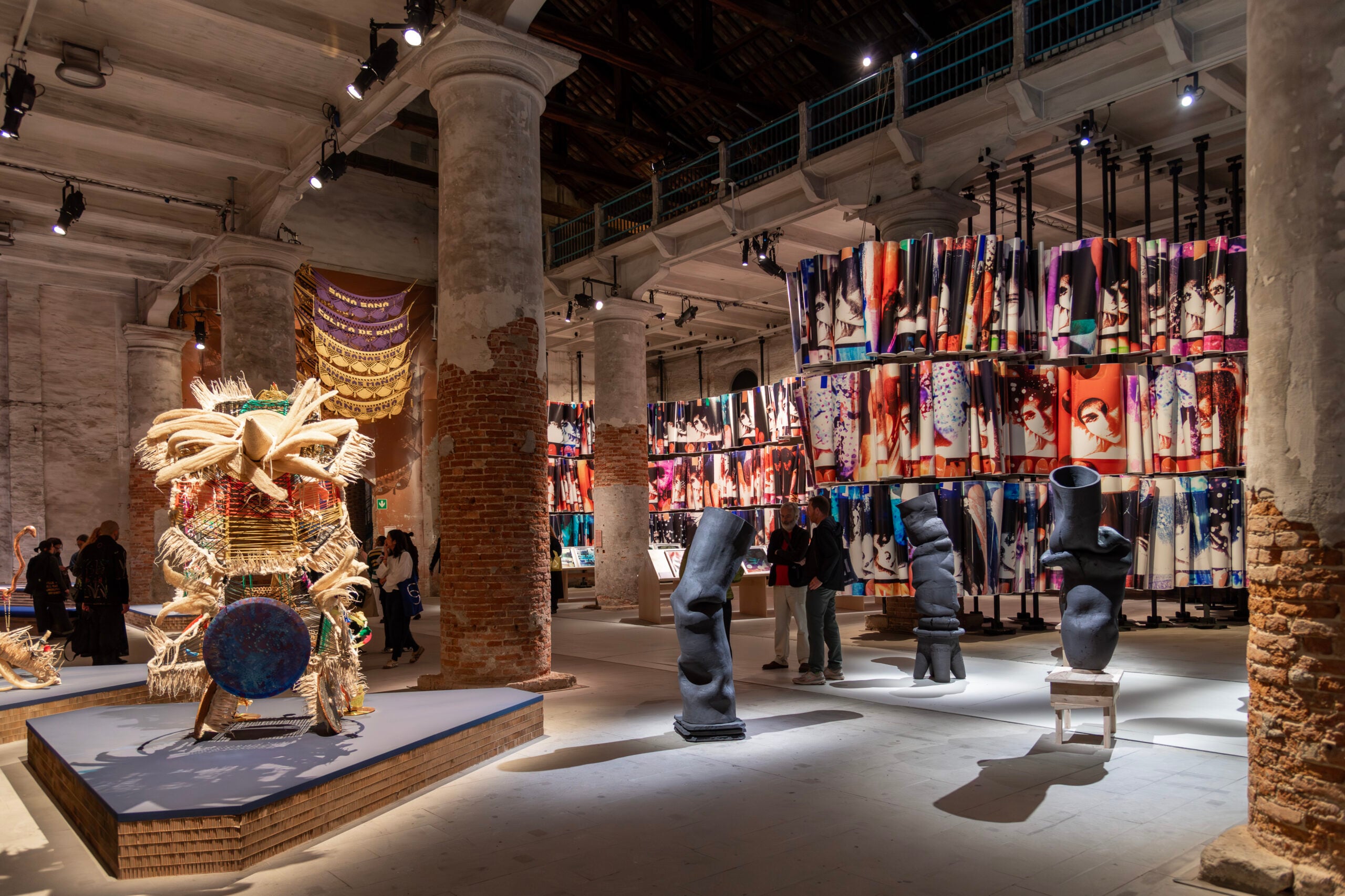
The article analyzes the 61st Venice Biennale, curated by Koyo Kouoh, and the concurrent exhibition "Helter Skelter" at Fondazione Prada, arguing that Marcel Duchamp's concept of the ready-made has undergone a profound transformation. Rather than applying to industrial objects as in Duchamp's original gesture, the ready-made now operates on subjects, communities, minorities, vernacular traditions, and cultural archives, which are repositioned within the exhibition space to generate meaning. The author sees this shift as a curatorial strategy that extends the reach of the institution, turning any presence—material or immaterial—into an exposable element.

Antonia Lucy Gehnrich: Das Parfum

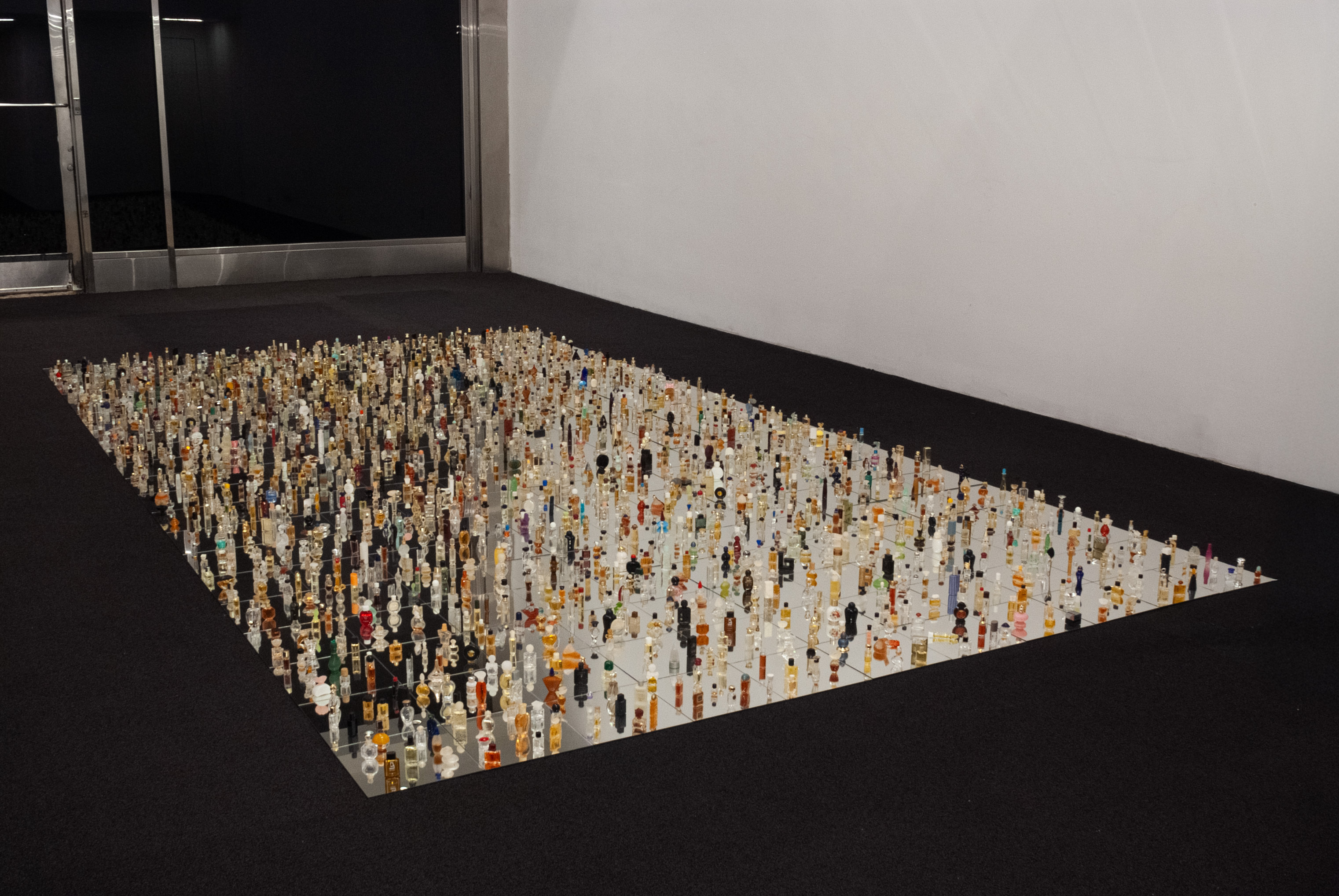
Antonia Lucy Gehnrich's solo exhibition "Das Parfum" at Alex Berns gallery in New York features a single large-scale installation, *Variable Floor Sculpture (Das Parfum)* (2026), comprising 231 glass mirrors arranged in a rectangle on a black carpet, topped with 2,000 vintage perfume bottles. The work, on view from May 15 to June 13, 2026, creates a dazzling, reflective field that challenges visual perception. Critic Bryan Martin praises the piece as one of the strongest gallery shows by a living artist this spring, but finds its conceptual framework lacking, arguing that comparisons to Robert Smithson and Rob Pruitt are inapt and that the work's meaning remains superficial despite its formal allure.

Georg Baselitz review – a final, furious, chaotic reckoning with death

The article reviews Georg Baselitz's final body of work, created shortly before his death at age 88. Painted from a wheeled office chair due to physical frailty, the works depict falling bodies, upside-down nudes, and frantic insectile forms, grappling with mortality. The exhibition includes golden canvases that canonize Baselitz and his wife Elke, alongside recurring eagle motifs from his youth in postwar Germany.