filter_list Showing 21 results for "Offering" close Clear
search
dashboard All 831 museum exhibitions 504article local 181article culture 43trending_up market 42article news 24rate_review review 21person people 9article policy 3candle obituary 3gavel restitution 1
date_range Range Today This Week This Month All
Subscribe

The Big Review | Lacma's David Geffen Galleries ★★★★

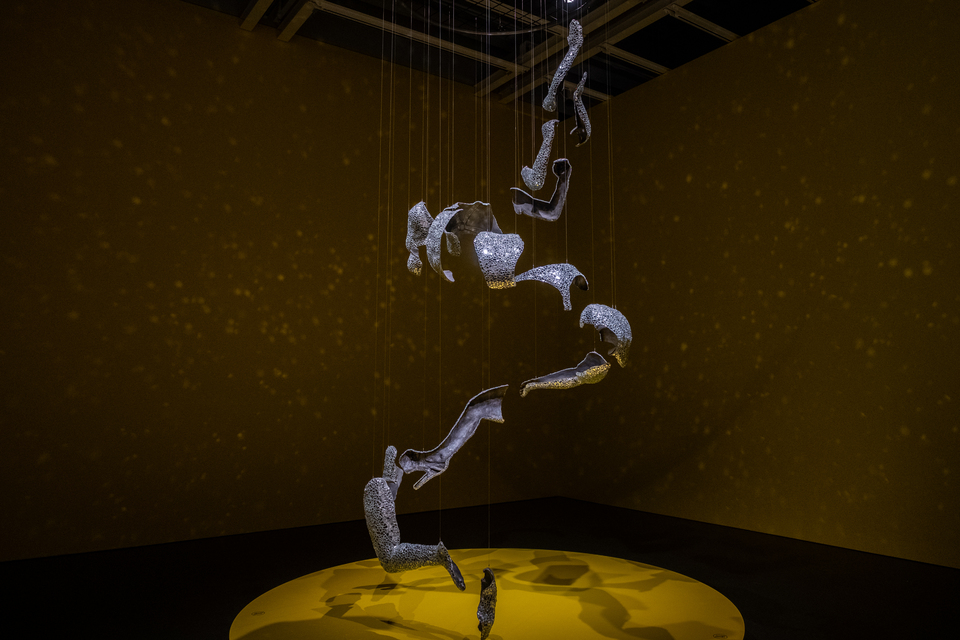
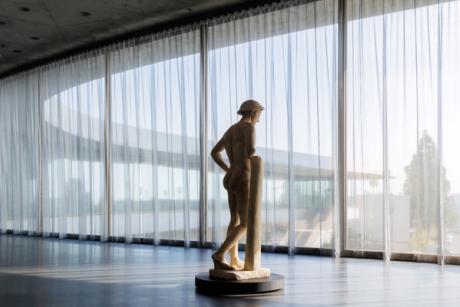
The Swiss architect Peter Zumthor's new $724 million building for the Los Angeles County Museum of Art (Lacma), now called the David Geffen Galleries, has opened after nearly two decades of anticipation. The swooping concrete-and-glass structure is praised for its harnessing of natural light and horizontality, creating a stunning showcase for antiquities and inviting the city inside with floor-to-ceiling windows offering views of the La Brea Tar Pits and Wilshire Boulevard. The building performs best with sculpture and decorative objects, with standout works including Liz Glynn's "The Futility of Conquest" (2023) and Manjunath Kamath's "Vikatonarva" (2024).
Winston Churchill: The Painter review – We will daub them on the beaches

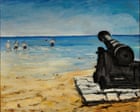
The Guardian reviews "Winston Churchill: The Painter," an exhibition of nearly 60 paintings by the former British prime minister, curated by Xavier Bray and Lucy Davis. The show assembles works from across the UK and private collections, depicting scenes from Churchill's travels, stately homes, and leisure moments, painted as an amateur Sunday painter for stress relief rather than artistic acclaim. The review notes Churchill's use of techniques borrowed from Walter Sickert, including projectors and monochrome underlayers, and describes his style as charmingly amateurish with a vivacity in seascapes but weakness in figures and architectural luminosity.

Zurbarán review – ecstatic visions, primitive surrealism … and the finest loincloths ever painted

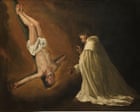
The Guardian reviews a major exhibition of 17th-century Spanish painter Francisco de Zurbarán, highlighting his visionary and surrealist qualities. The show features works such as "The Apparition of Saint Peter to Saint Peter Nolasco" (1629), newly attributed paintings including a giant mask, and iconic pieces like "The Crucified Christ" and "Saint Serapion," all drawn from collections including the Prado and the National Gallery, London. The review emphasizes Zurbarán's ability to paint supernatural subjects with naturalistic conviction, his exquisite rendering of fabrics—especially loincloths—and his influence on modern artists like Salvador Dalí.

The National Gallery of Art’s Dear America Needs a Postscript

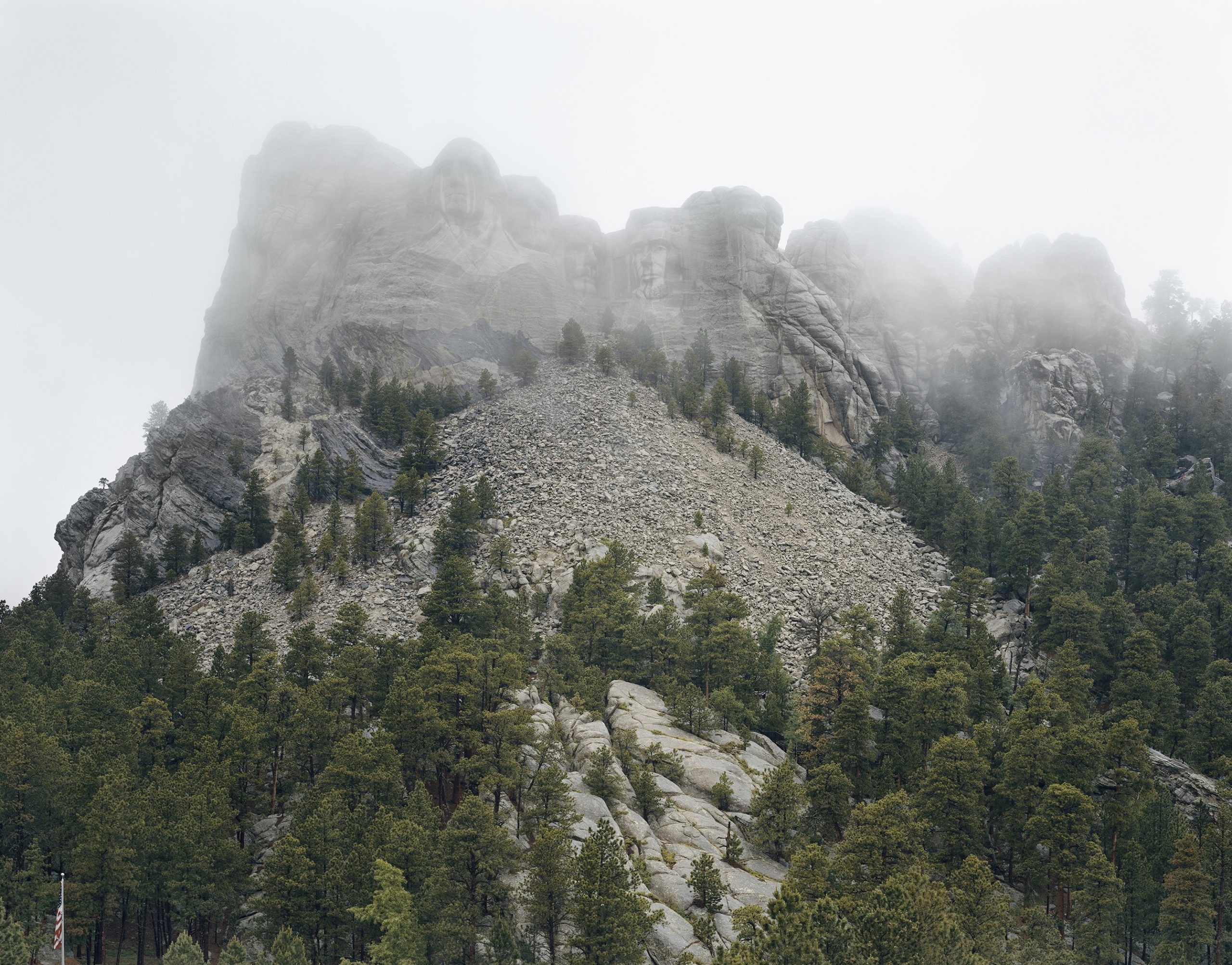
The National Gallery of Art in Washington, D.C. has opened "Dear America," an exhibition organized around the themes of "Land," "Community," and "Freedom" that attempts to survey the entire history of the United States through its collection. The show features works by artists including Mitch Epstein, Victoria Sambunaris, Sedrick E. Huckaby, and Nancy Andrews, with sections on the American landscape, industrialization, and diverse communities. However, the review notes that the exhibition feels overly literal, with American flags prominently featured and a sense of ticking off boxes rather than offering a challenging or intellectually rigorous presentation.

Sophia Rivera’s Mythology of Everyday New York

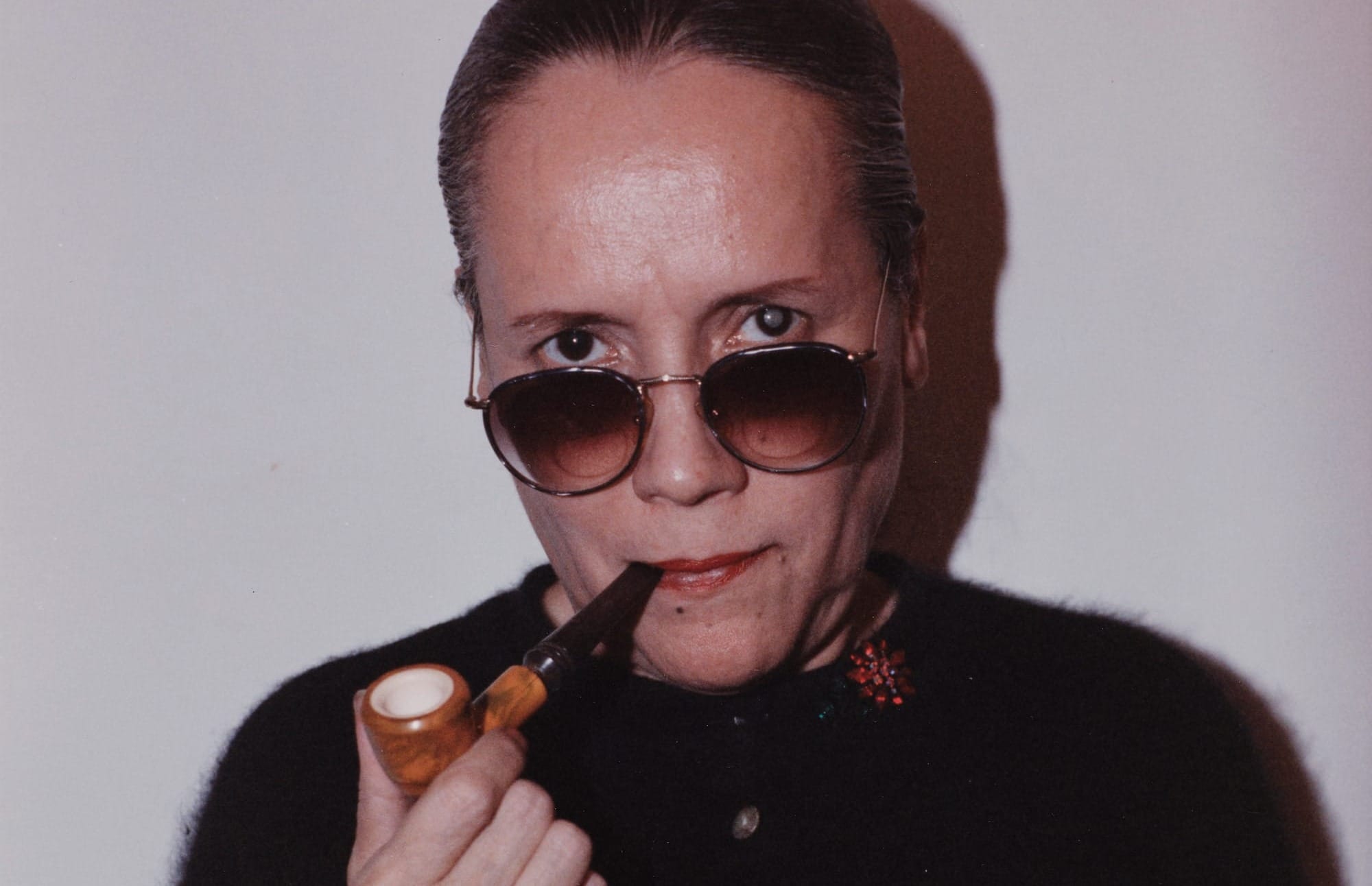
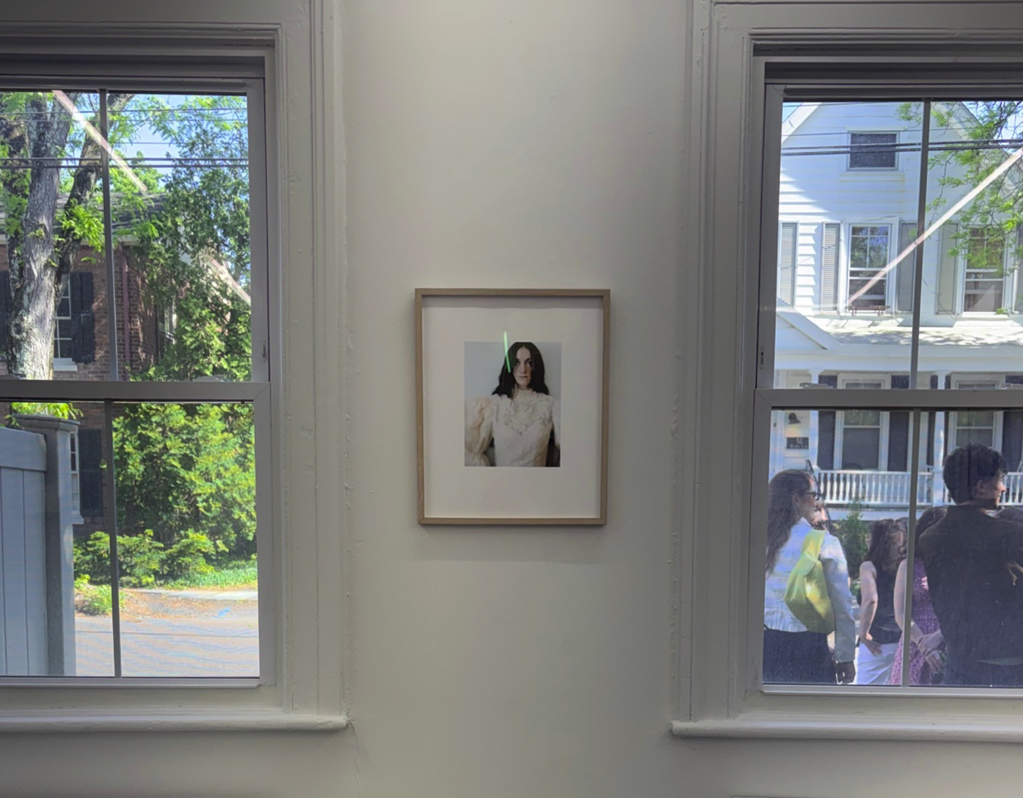
The article reviews "Sophie Rivera: Double Exposures" at El Museo del Barrio, the first survey of the late Nuyorican photographer Sophie Rivera, who died in 2021. The exhibition spans her career, including her feminist conceptual series "Rouge et Noir" and "Bowl Study" (c. 1976–78), which depict intimate bodily waste like used tampons and feces, and her socially engaged "Latino Portraits" series from the late 1970s, which countered negative media stereotypes of Puerto Ricans with affectionate, mythologizing portraits. The review highlights a moment where the critic misidentifies abstract toilet photographs as pinhole or double exposures before learning their true subject.

An Unlikely Friendship Between Artist and Forger

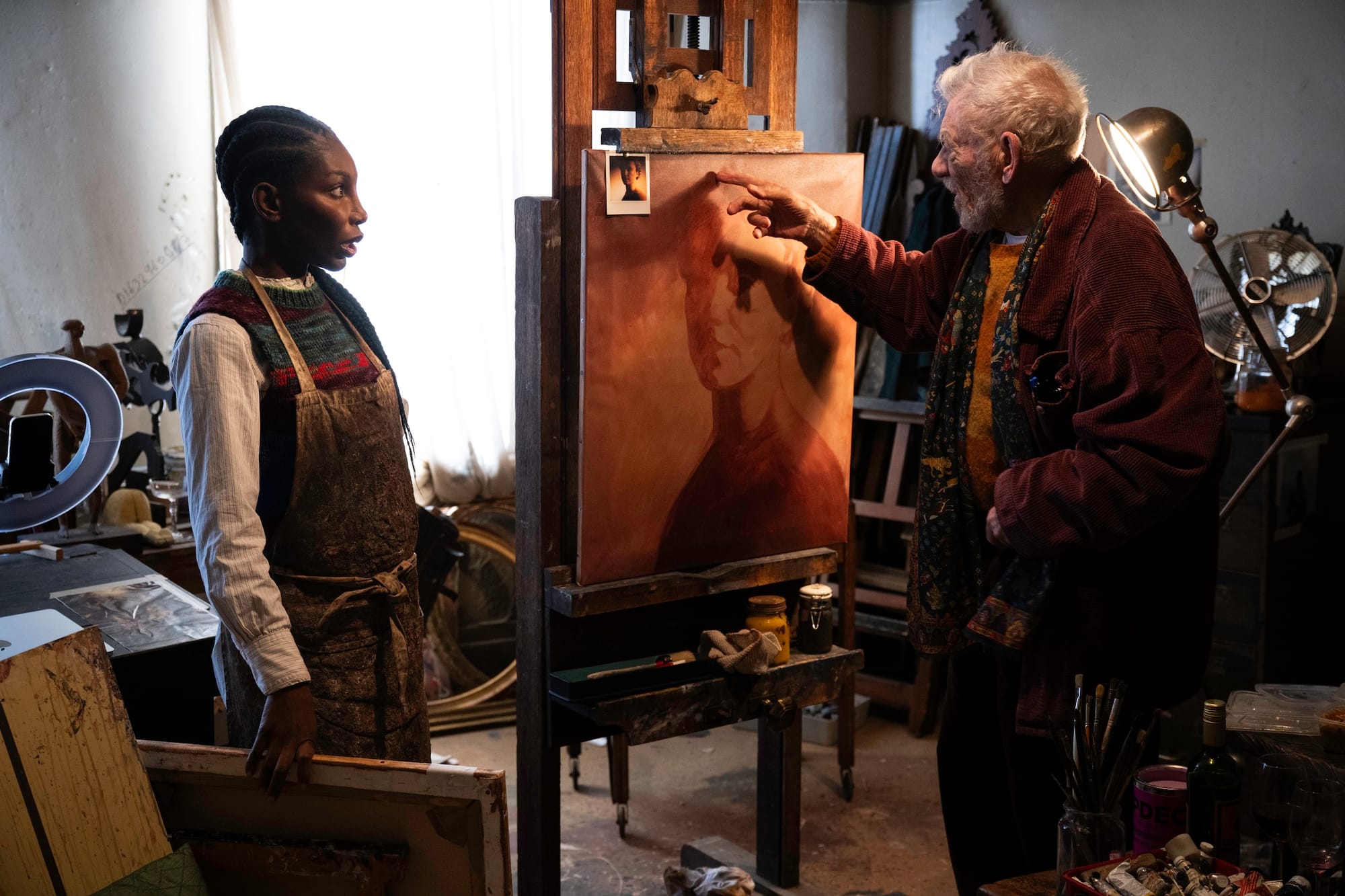
The article reviews Steven Soderbergh's 2026 film "The Christophers," which follows an unlikely friendship between two painters in London: Julian Sklar (Ian McKellen), an older artist facing cancellation, and Lori Butler (Michaela Coel), a young painter who restores and forges artworks. The film explores themes of attention, artistic legacy, and the purpose of art, contrasting with darker narratives like "Tár" by offering a comedic yet profound take on these issues.

The Carnegie International Looks Back at Itself

The 58th Carnegie International at the Carnegie Museum of Art in Pittsburgh looks back at its own 130-year history, featuring a gallery dedicated to past iterations. The exhibition includes Chris Ofili's "The Adoration of Captain Shit and the Legend of the Black Stars" (1998), which was originally shown in the 53rd International in 1999, the same year Ofili's more notorious "The Holy Virgin Mary" sparked controversy at the Brooklyn Museum. The article reviews how the current iteration captures the excitement of earlier exhibitions while providing commentary on authoritarianism and militarism.

How Former Fashion Designer Emma Safir Turns Fabric into Beguiling Paintings

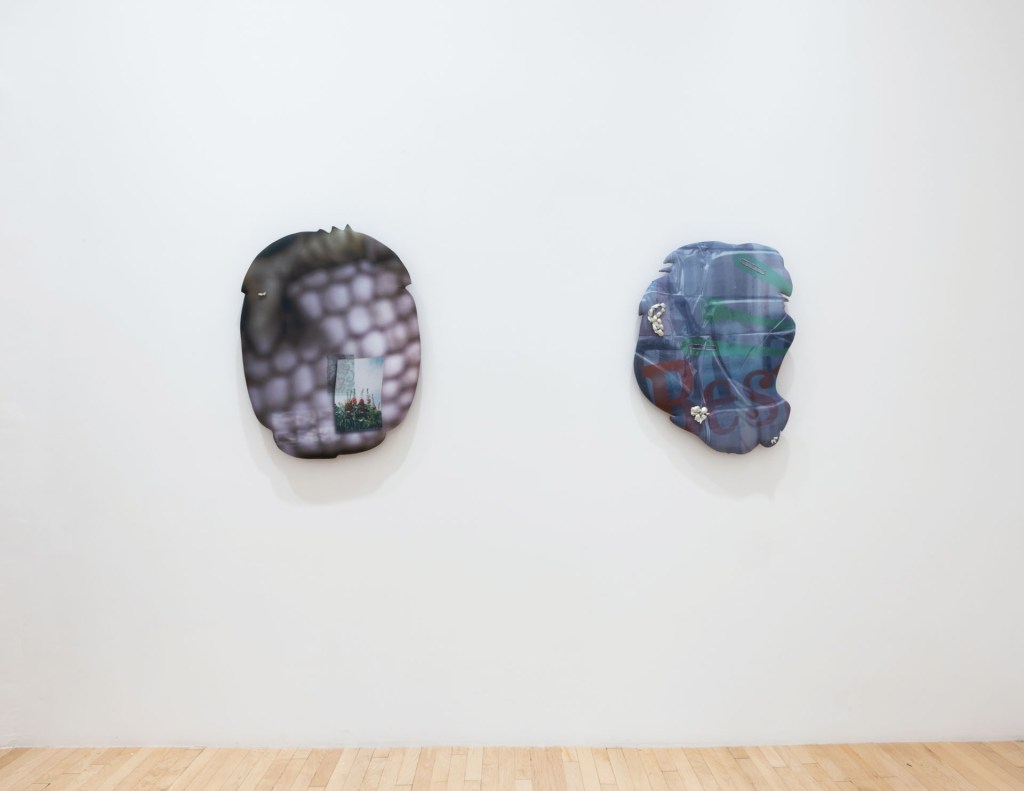
Emma Safir, a former fashion designer and printmaker, creates beguiling paintings and tapestries that blend textiles, digital printing, and traditional embroidery techniques. Her works, such as "APRICOT SILK" (2025) and "BABY DARLING" (2025), use smocking, glass beads, and shells to produce organic, jewel-toned surfaces that resist easy reflection or entry, challenging viewers to engage with layered material hierarchies.

Between Tropes and Treats at NADA New York

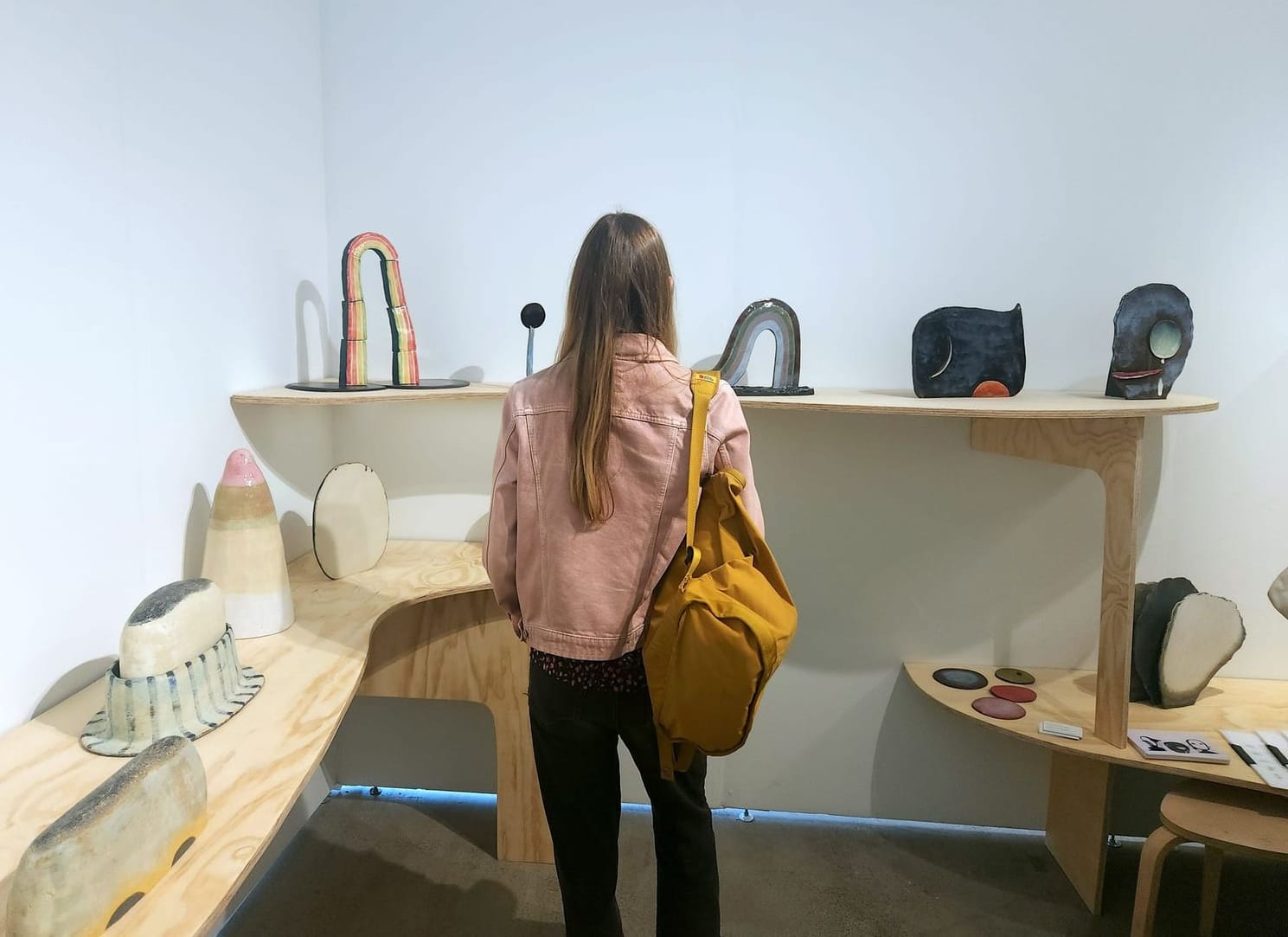
The 12th annual New Art Dealers Alliance (NADA) fair opened at the Starrett-Lehigh Building in Manhattan, featuring a wide array of contemporary works. Critic Rhea Nayyar notes that while many booths felt interchangeable due to prevalent trends like zany sculptures, shiny materials, and kitschy vibrancy, several standout pieces offered genuine engagement. Highlights include Elena Roznovan's maternal ephemera embedded in concrete with bondage tape, Kelly Tapia-Chuning's deconstructed serapes addressing colonial violence, and Niniko Morbedadze's folkloric illustrations.

WeWork (oralmoral)

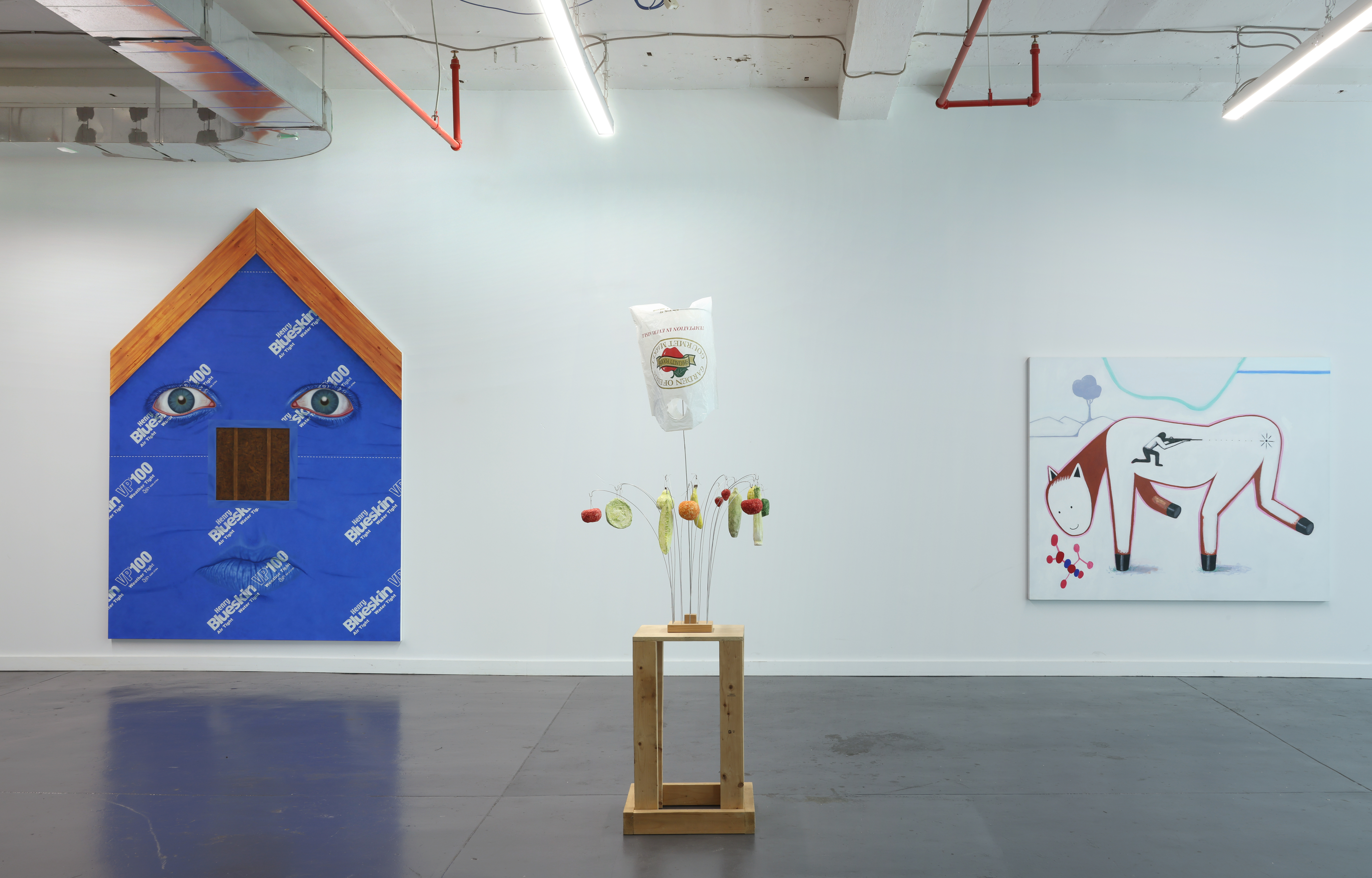
The article reviews "WeWork (oralmoral)," a temporary exhibition at The Gallery in Crown Heights, Brooklyn, curated by artist-turned-curator Florian Meisenberg. The show transforms a former office space into a free-form, non-hierarchical environment where works by over a dozen artists are placed unpredictably—in trash bins, closets, ventilation shafts, and on whiteboards left by the previous tenant. Artists span three generations, from Post-Minimal figures like B. Wurtz and David Humphrey to younger digital-savvy artists such as Lucas Blalock and Anna K.E., whose sound piece "Tamada" greets visitors. The exhibition runs from April 10 to May 18, 2026.

The Many Forms of Marcel Duchamp

The New Yorker's Hilton Als reviews "Marcel Duchamp," a major retrospective at the Museum of Modern Art (MoMA) in New York, running through August 22, 2026. Curated by Matthew Affron, Michelle Kuo, and Ann Temkin, it is the first North American retrospective of Duchamp's work since 1973, organized in collaboration with the Philadelphia Museum of Art. The exhibition spans MoMA's entire sixth floor, showcasing Duchamp's shape-shifting practice—from iconic works like "Nude Descending a Staircase (No. 2)" (1912) and "Bicycle Wheel" (1951) to his readymades and conceptual pieces—emphasizing his rejection of commodification and embrace of intellectual freedom, play, and queer sensibilities.

Venice Biennale Diary: An Editor on the Ground

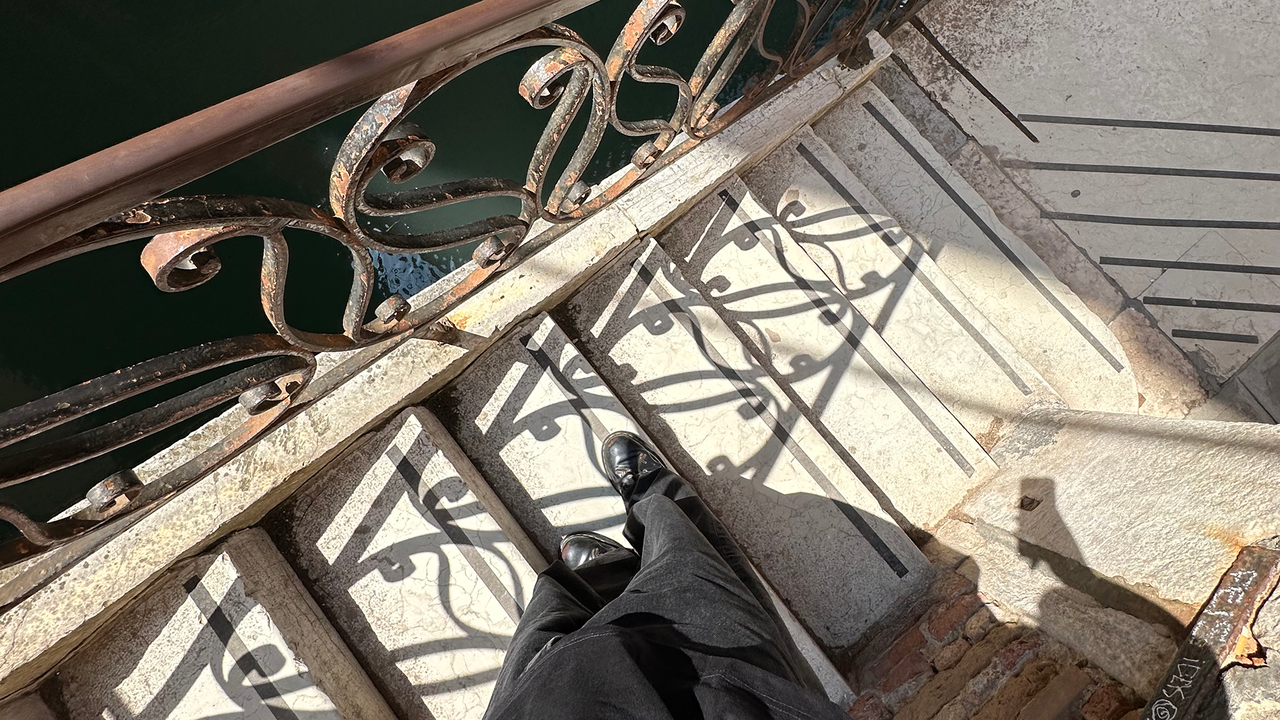
Andrew Durbin reviews national pavilions at the Venice Biennale, contrasting a vacuous US presentation with incisive and moving installations from Britain and Germany. The article is part of Frieze's Critic's Guides series, published on May 6, 2026.

How to Have the Perfect Day at Frieze New York 2026

Andrew Durbin reviews the national pavilions at Frieze New York 2026, contrasting a vacuous US presentation with incisive and moving installations from Britain and Germany. The review highlights the disparity in conceptual depth and emotional resonance among the three pavilions, with the US offering little meaning while the British and German contributions engage seriously with contemporary issues.

The Ukrainian Pavilion’s Deer Seen Around the World

Zhanna Kadyrova's concrete sculpture "The Origami Deer" (2019) is prominently displayed at the entrance to the Giardini during the 61st Venice Biennale, part of her project "Security Guarantees" in the Ukrainian Pavilion. Originally installed in Pokrovsk, eastern Ukraine, the work was removed in 2024 as Russian forces advanced, then traveled through Vienna, Warsaw, Prague, Berlin, and Paris before reaching Venice—a journey mirroring the displacement of millions of Ukrainians. The sculpture, shaped like a deer and evoking folded paper, references the 1994 Budapest Memorandum, in which Russia, the UK, and US guaranteed Ukraine's security in exchange for its nuclear disarmament—guarantees that proved worthless after Russia's invasions.

Carole Harris’ Origin Story in “This Side of the River” at MOCAD

The article reviews Carole Harris's solo exhibition "This Side of the River" at the Museum of Contemporary Art Detroit (MOCAD), curated by Abel Gonzalez Fernandez. The show features twenty fiber pieces and archival materials spanning from 1966 to the present, tracing Harris's creative evolution and her responses to Detroit's social and urban changes. It highlights early works like "Potpourri" (1976) and "Black Jack" (1976) from her 1977 debut at Gallery 7, a Black Power-era space founded by Charles McGee, and later pieces such as "Down the Road a Piece" (2003) that mark her shift toward improvisational, abstract compositions.

Frieze New Writers Pick Vienna’s Must-See Exhibitions

Andrew Durbin reviews national pavilions at a major art event, contrasting a vacuous US presentation with incisive and moving installations from Britain and Germany. The piece is part of Frieze's 'Critic's Guides' series, offering a pointed critique of the US pavilion's lack of meaning against the strength of its European counterparts.

In an exhibition in Naples it is possible to get lost without urgency in an unstable balance. The review

In una mostra a Napoli è possibile perdersi senza urgenza in un equilibrio instabile. La recensione

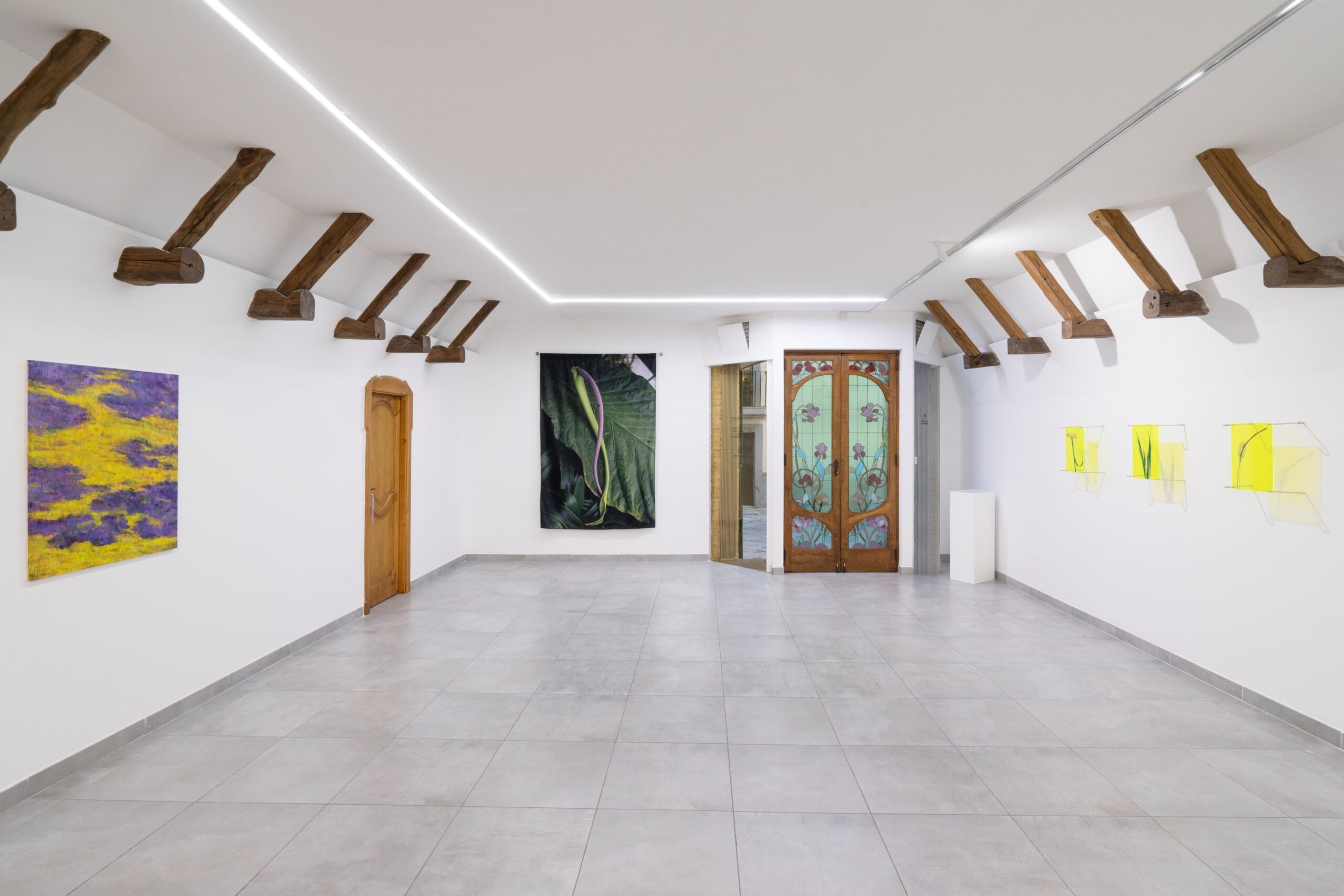
The exhibition "A Gentle Collapse," curated by Marta Ferrara at Andrea Nuovo Home Gallery in Naples, explores the contemporary psychic state through a spatial and perceptual construction. Featuring works in photography, painting, engraving, and installation, the show creates a sense of instability, with meaning emerging gradually through shifts between familiar and altered forms. Artists include Dorottya Vékony, Matteo Silverii, Flora Villaumié, and Zoë Pelikan, whose works engage with themes of genetic engineering, serial accumulation, and subtle disorientation across two gallery levels.

Review: The 82nd Whitney Biennial is weird, provocative, and leaves viewers wanting more

The 82nd Whitney Biennial has opened, drawing attention for its weird, provocative nature that leaves viewers wanting more. The exhibition, held at the Whitney Museum of American Art, features a range of contemporary works that challenge conventional boundaries and spark dialogue.

Art Review: "The Rip in Her Sleeve" and "Iliana Arocho: Drawings" at Maiden Lane Gallery in Kingston

Maiden Lane Gallery in Kingston is hosting two concurrent exhibitions curated by Matt Moment: "The Rip in Her Sleeve," featuring pigment print photographs by Alicia Schirrmeister and Ruth Lauer Manenti, and "Iliana Arocho: Drawings," a solo show of ethereal drawings and metalpoint works by Iliana Arocho. The shows occupy two floors of a brick building that serves as an outpost for Headstone Gallery, run by Lauren Aitken and Chase Folsom, marking Moment's first collaboration with the gallery as a guest curator.

Beyond the body: Jess Self’s emotive power at the Marietta Cobb Museum of Art

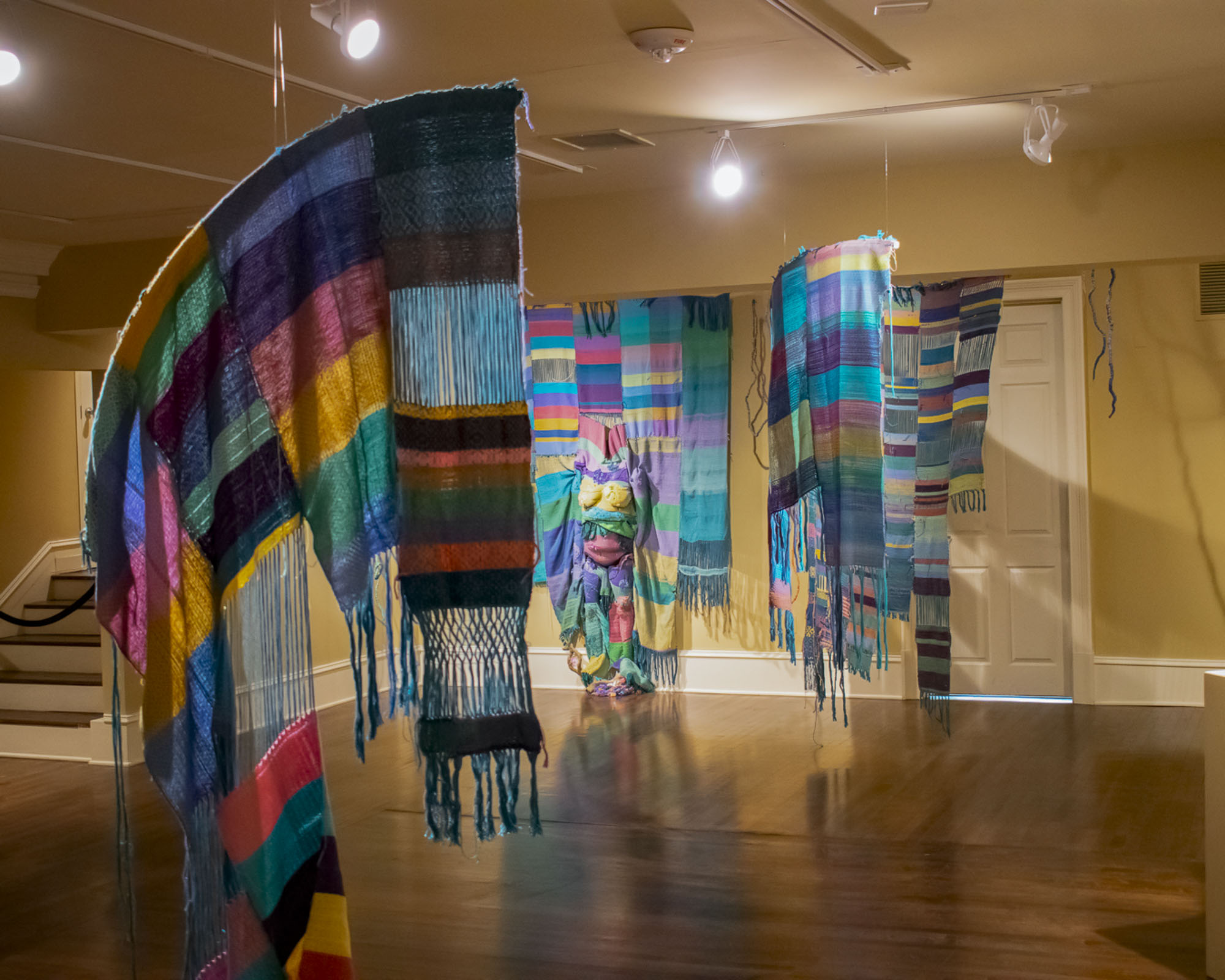
Jess Self, a Decatur-based sculptor and educator, presents *Celestial Perspectives* at the Marietta Cobb Museum of Art, an immersive textile environment that explores autobiography through figurative form. The exhibition features works in resin, plaster, felted wool, fiber, and rope, including the large-scale installation *The Veil* and the compelling *She Who Ties Magic Knots*, a resin and plaster cast of the artist's pregnant torso. Self's practice draws on Jungian archetypes and spiritual traditions, and the show communicates themes of connectivity, motherhood, bodily experience, and transcendence without relying on wall text.

Comrades in Art: Artists Against Fascism review — eye-opening show sets the record straight

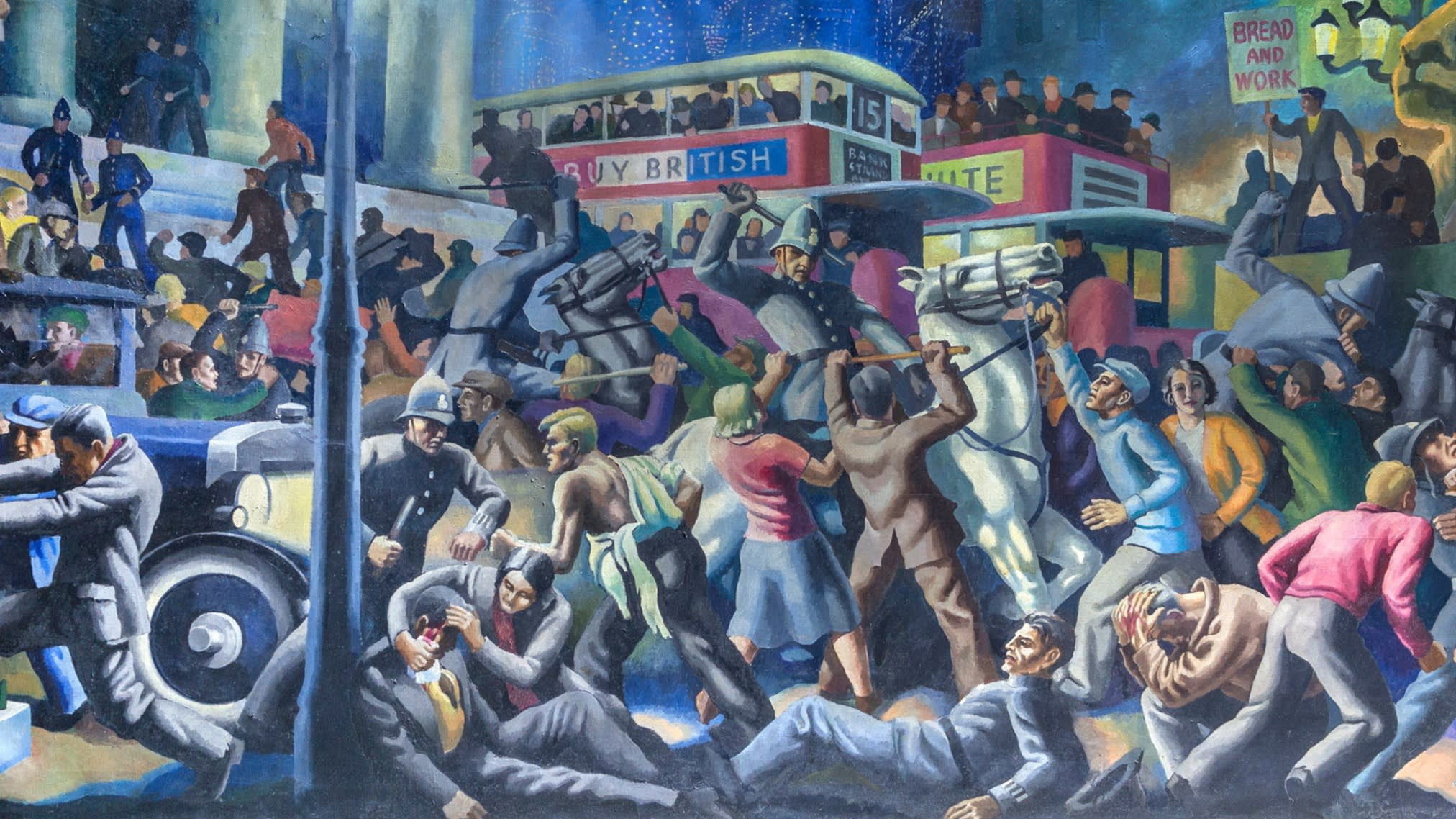
The article reviews the exhibition "Comrades in Art: Artists Against Fascism," which presents a historical survey of artists who actively resisted fascist regimes through their work. The show features a range of pieces from the early 20th century to the present, highlighting lesser-known figures and movements that opposed authoritarianism. It aims to correct oversimplified narratives about art and politics during periods of fascist rule.