
filter_list Showing 3 results for "Small" close Clear
dashboard All 85 museum exhibitions 41article local 30article culture 4rate_review review 3trending_up market 3article news 2person people 1article policy 1
date_range Range Today This Week This Month All
Subscribe

V&A Rising Voices review – can decades of stunning global art really be squished into three rooms?

The V&A Museum in London has mounted an exhibition titled "Rising Voices" that attempts to summarize three decades of the Asia Pacific Triennial, a vast survey of contemporary art from Asia, Australia, and the Pacific organized by Queensland Art Gallery. The show crams works from multiple continents, island nations, and Indigenous cultures into just three rooms, featuring bark cloth paintings from Papua New Guinea, Indigenous Australian abstracts, shark sculptures from the Torres Strait, and Tahitian textiles. Many works address colonialism, political oppression, and tyranny, with artists like Elisabet Kauage, Pala Pothupitiye, and Svay Ken using art as resistance. The exhibition includes pieces by Maryam Ayeen, Abbas Shahsavar, Lila Warrimou, Pennyrose Sosa, Aline Amaru, Brenda V Fajardo, and Heri Dono.
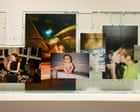
Mounting Rene Matić’s snapshots in Perspex isn’t really enough to make them interesting | Charlotte Jansen

Rene Matić, at 29, became the youngest winner of the £30,000 Deutsche Börse Photography Foundation prize, nominated for their solo exhibition "As Opposed to the Truth" at CCA Berlin. A smaller version of that show is now at the Photographers’ Gallery in London. Matić was also the youngest Turner Prize nominee last year. The article critiques Matić's work, praising their 2022 piece "Upon This Rock" for exploring masculinity, fatherhood, and British identity, but dismissing much of their other output—like the snapshot installation "Feelings Wheel"—as immature, mediocre, and reliant on display gimmicks rather than photographic substance.

Did Zurbarán Believe What He Painted?

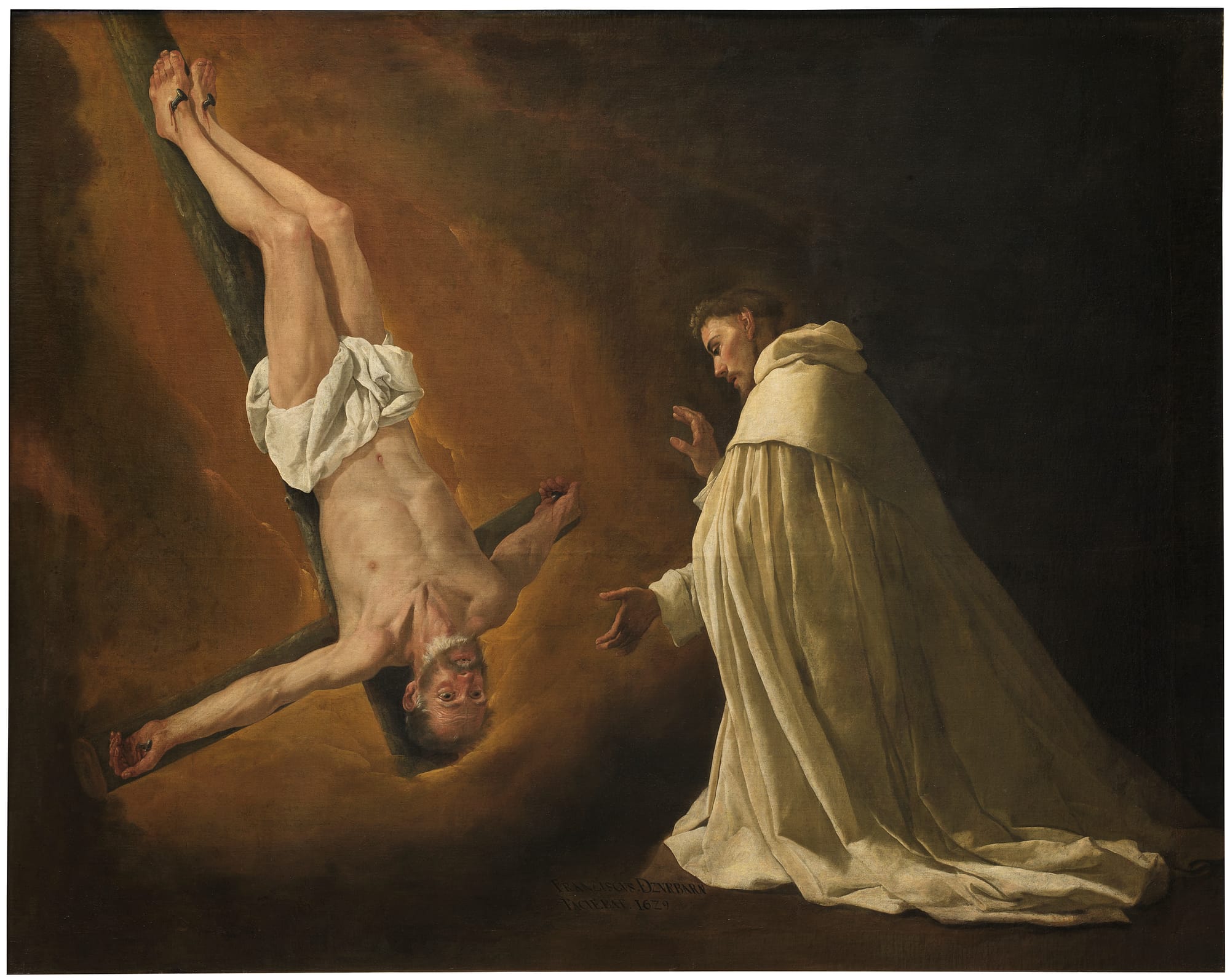
An exhibition of Francisco de Zurbarán's 17th-century religious paintings at London's National Gallery prompts a critic to question whether the artist's personal faith influenced his artistic skill. The show features monumental works from Spanish churches and monasteries, displayed dramatically against black walls, including crucifixion scenes, monks, and saints. The critic notes that no personal records of Zurbarán survive—only contracts—leaving his beliefs unknown, and compares him to Agnolo Bronzino, who painted pious scenes but wrote obscene verses. A small painting of a crucified Christ with a painter, possibly a self-portrait of Bronzino, is presented as ambiguous evidence of faith.