filter_list Showing 22 results for "The Works" close Clear
search
dashboard All 550 museum exhibitions 331trending_up market 61article local 40article news 40gavel restitution 35rate_review review 22article culture 13person people 4article policy 2candle obituary 2
date_range Range Today This Week This Month All
Subscribe

raymond saunders carnegie museum retrospective review

Raymond Saunders's first retrospective, a small but potent exhibition at the Carnegie Museum of Art in Pittsburgh, surveys 35 of his bewitching paintings. The works, described as elusive and Rauschenbergian, feature messy scrawls, collected trinkets, and media clippings, with pieces like *Passages: East, West 1* (1987) layering chess boards, paint strokes, and appropriated still lifes. Saunders, who joined Andrew Kreps and David Zwirner last year, has never before received a retrospective, despite his influential 1967 essay "Black Is a Color" and steady institutional acquisitions.
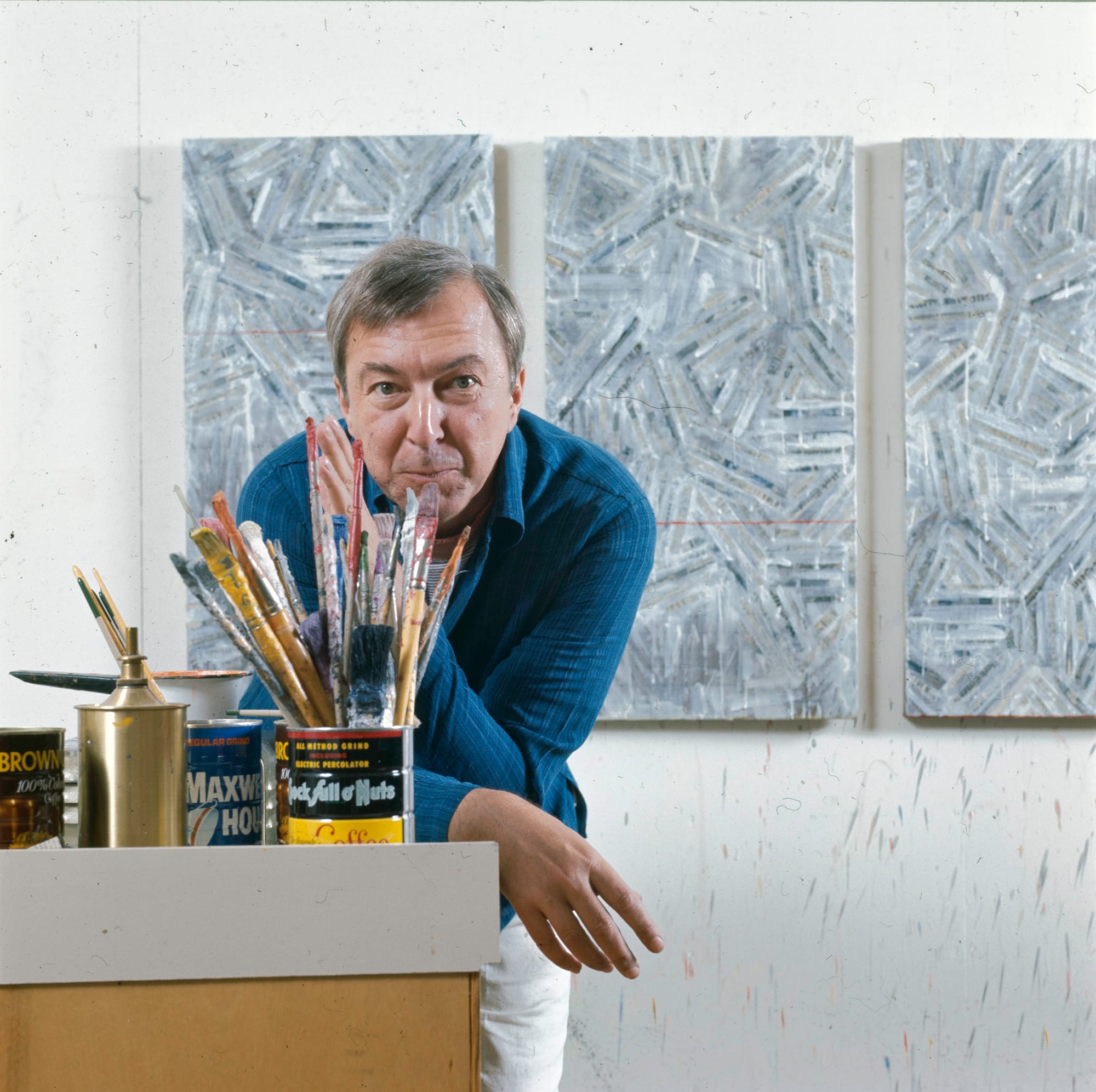
Jasper Johns Keeps Looking

Jasper Johns’s latest exhibition at Gagosian, 'Between the Clock and the Bed,' serves as a profound meditation on the artist's career-long investigation into the 'things the mind already knows.' By revisiting his signature motifs—including flags, targets, and crosshatch patterns—the show highlights Johns’s rejection of Abstract Expressionist spontaneity in favor of a deliberate, analytical process using encaustic and collage. The works document a transformation where familiar symbols are rendered into a complex visual language that bridges the gap between memory and physical presence.

Wilhelm Sasnal review – his wild juxtapositions are almost obscene

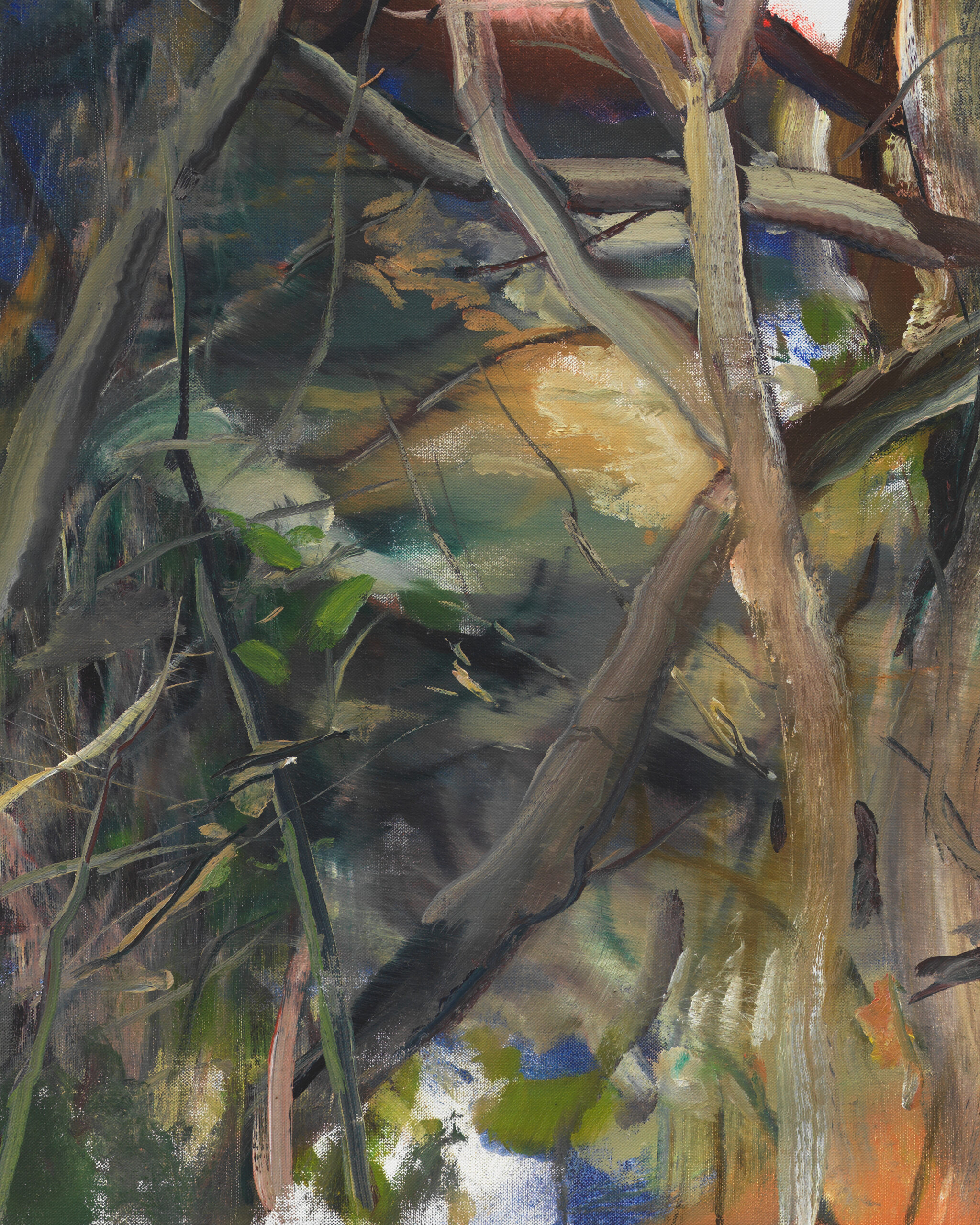
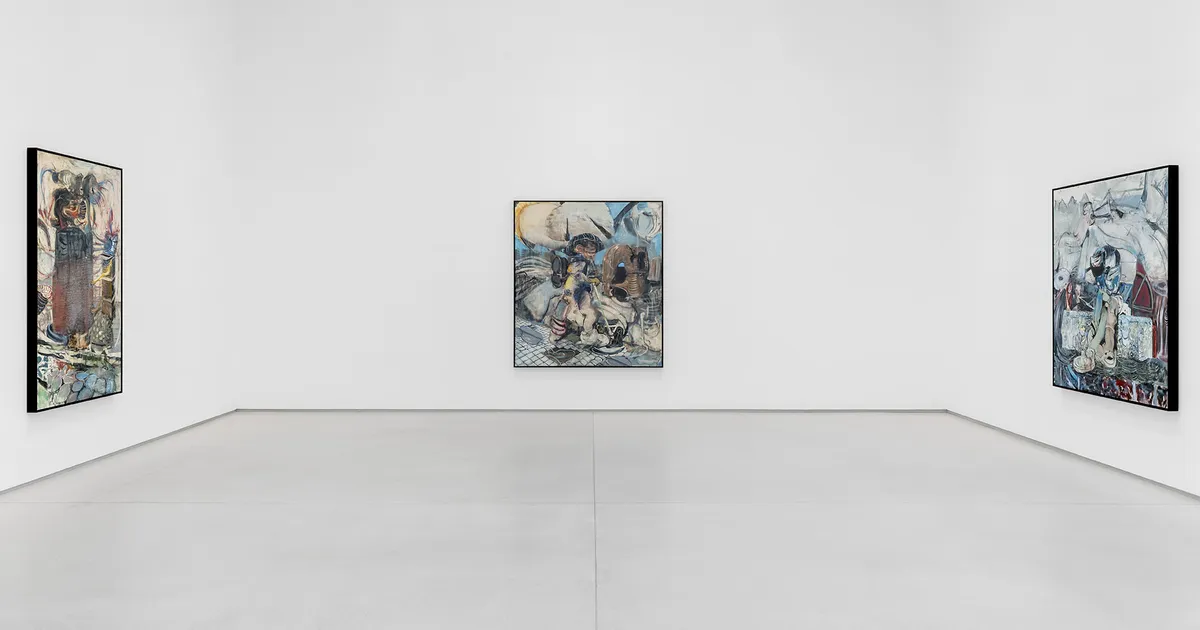
Polish artist Wilhelm Sasnal's new exhibition at Sadie Coles HQ in London presents a disorienting array of paintings. The works juxtapose disparate and often disturbing images, including a grotesque depiction of the Oval Office, portraits of his family, album art for the industrial band Throbbing Gristle, and a forest scene linked to the Holocaust, creating a deliberate sense of fragmentation and broken connections.

adrien brody art eden gallery

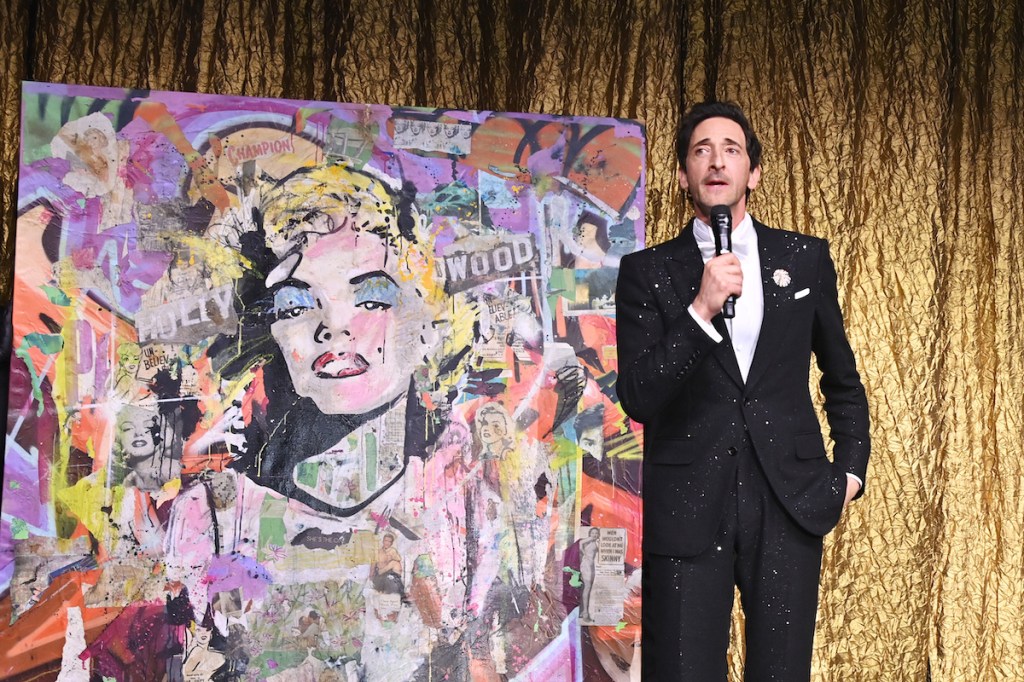
Actor Adrien Brody debuted a new exhibition titled "Made in America" at Eden Gallery in New York, featuring paintings that incorporate pop culture icons like Mickey Mouse, Donald Duck, and Marilyn Monroe alongside collage elements and text. The show has garnered significant media attention, including a profile in the New York Times and praise from Cultured and Interview magazine, partly fueled by the sale of one of Brody's paintings for $425,000 at the amfAR Cannes Gala. However, the art press, including Artnet News, has been highly critical, with ARTnews reviewer Alex Greenberger describing the works as ugly, derivative, and lacking nuance.

Hulda Guzmán review – lizards and ghosts gather for an art freakout in the rainforest

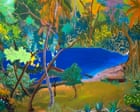
Hulda Guzmán's first institutional exhibition in Europe, "Please Awake – Asked Nature Kindly," is on view at Turner Contemporary in Margate, UK. The show features the Dominican artist's ultra-colorful, psychedelic jungle paintings that blend art historical references—from Japanese ukiyo-e prints to pointillism and symbolism—with personal mythology, demons, spirits, and lush tropical landscapes. The works are drawn from her life in the Dominican rainforest, where she lives and works in a studio built by her architect father.

jeff koons gagosian porcelain series review

Jeff Koons's latest exhibition at Gagosian Gallery in New York features his new series of large-scale porcelain and stainless-steel sculptures, including the centerpiece *Aphrodite* (2016–21), an eight-and-a-half-foot-tall nude. The show marks Koons's first solo presentation in New York in seven years and follows a turbulent period in his career, including record auction sales, a move to Pace Gallery and back to Gagosian, and two lawsuits. Critic Christopher Garcia Valle panned the works as unstimulating and banal, arguing they fail to awe viewers despite their technical ambition and massive scale.

Veronica Ryan review – the seeds are sensational but the detritus is distracting

A major retrospective of Turner Prize-winning artist Veronica Ryan has opened, showcasing her career-long exploration of organic forms and repurposed materials. The exhibition features new works made from plastic bottles, bandages, and avocado trays, alongside earlier sculptures in bronze and lead that reference seed pods and fruit.

sam gilliam sculpture textile fiber dublin ireland imma

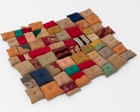
The article reviews an exhibition of Sam Gilliam's work at the Irish Museum of Modern Art (IMMA) in Dublin, focusing on 23 works from the 1990s that highlight his use of sewing and stitching. Gilliam, a relentless experimenter who died in 2022, is known for moving from hard-edged stripe paintings to draped, unstretched canvases that blurred painting and sculpture. This show reveals a lesser-known aspect of his practice: patchwork-like assemblages of painted and printed canvas pieces held together by visible machine stitching, often incorporating photographic imagery of botanical forms. The works originated from a 1993 residency in Ballinglen, County Mayo, where Gilliam shipped pre-painted canvases from Washington, D.C., and had a seamstress sew them together.

Alice Tippit’s Mischievous Erotics

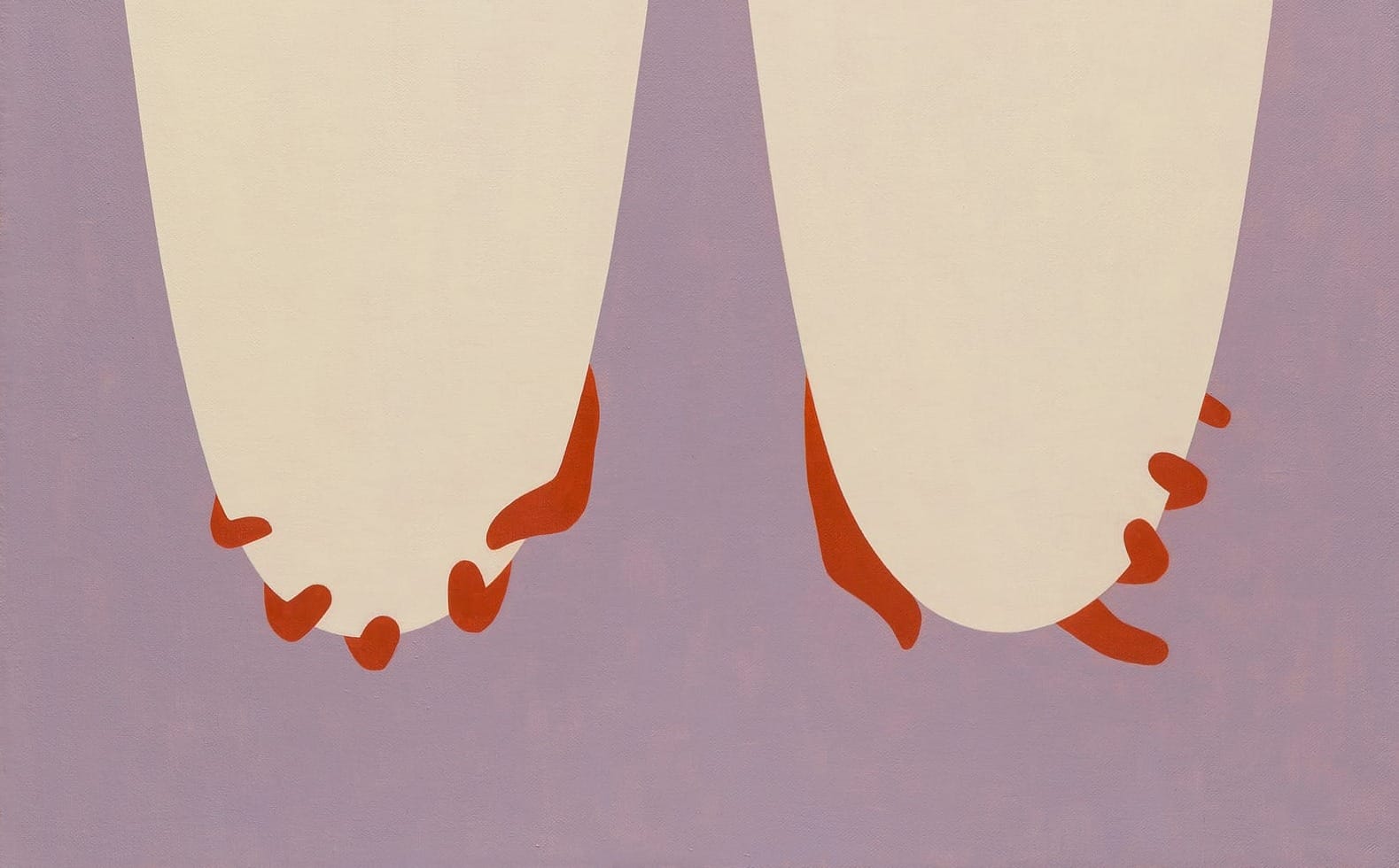
Alice Tippit's solo exhibition "Rose Obsolete" at the DePaul Art Museum in Chicago features 23 small oil paintings, three murals, a neon sign, word drawings, and a series of 46 notepad drawings. The works toggle between multiple interpretations—snakes and smiles, blouses and pears, curtains and bodies—inviting viewers to see shifting forms like a psychological test. Tippit, born in 1975 near Kansas City and based in Chicago since 2006, paints each oil work in a single day without tape, achieving sharp edges and subtle layering that reward close looking.

Roses and Thorns of Greater New York

The article is a digest of recent art news, with a primary focus on critical reviews of the 2026 "Greater New York" exhibition at MoMA PS1. Hyperallergic's editorial team provides mixed assessments of the works in the massive quinquennial survey of local artists. The piece also covers American-French sculptor Barbara Chase-Riboud's decision to decline an invitation to represent the United States at the 61st Venice Biennale, citing the problematic nature of the pavilion's commissioning entity.

The Unbearable Strangeness of Being

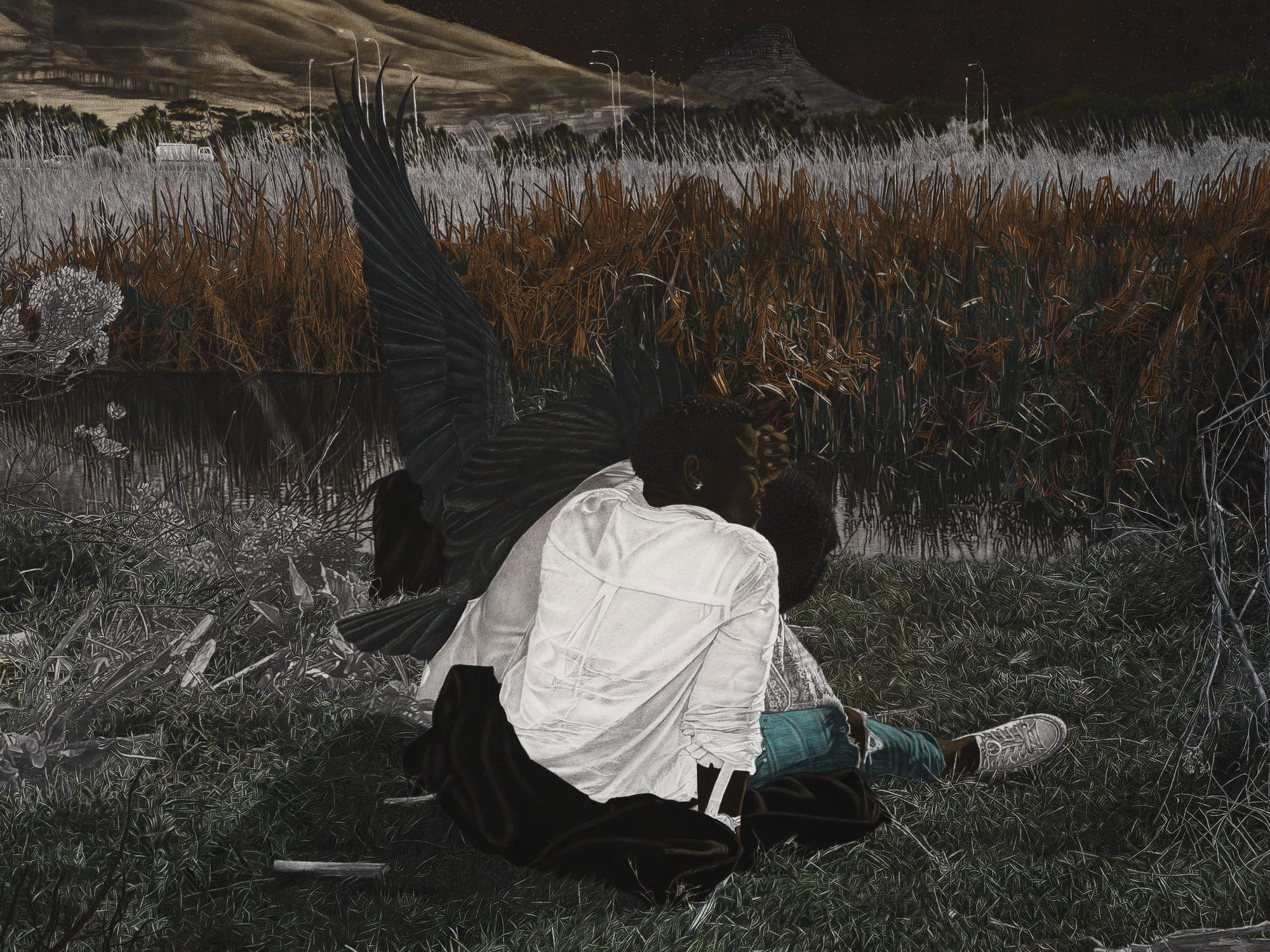
South African artist Cinga Samson makes his New York debut at White Cube with "Ukuphuthelwa," an exhibition of haunting, large-scale oil paintings. The works feature figures with distinctive white pupils engaged in enigmatic rituals within dark, crepuscular landscapes. Drawing from the isiXhosa concept of spiritual alertness during sleeplessness, Samson’s compositions blend the palpable with the unearthly, often depicting scenes that feel choreographed yet remain stubbornly illegible to the Western gaze.

Yu Ji’s Democratic Play

Yu Ji's solo exhibition at PPOW, New York, titled "Origin of the Tiger," presents sculptures and collages created after a residency she organized in Phnom Penh that offered art education to children. The show features works like reed mats with snail shells, a Sony Trinitron looping video, collaged drawings incorporating Cambodian children's art, and composite sculptures such as chairs with concrete knee casts and a figure inspired by a misattributed sixth-century Krishna statue. The exhibition draws on a Khmer folktale about transformation and includes audio of children reciting the story, though the children appear more as muses than collaborators.

art doron langberg paintings israel

The article reviews Doron Langberg's exhibition "Landscapes" at Jeffrey Deitch in New York, featuring large-scale oil-on-linen paintings that reflect on the artist's identity as a Jewish Israeli painter after October 7, 2023, and the subsequent conflict in Gaza. The works depict three personally significant locations: Yokneam in Israel, Drohobych in Ukraine (where the artist's father survived the Holocaust), and a queer beach community on Fire Island. Langberg's accompanying statement asserts that Palestinians deserve justice and liberation, framing painting as a means to confront atrocity.

Angela de la Cruz review – wonky chairs and busted pianos are monuments to resilience

Angela de la Cruz's solo exhibition "Upright" at Birmingham's Ikon gallery presents a collection of broken and mended artworks. Her canvases are crumpled, folded, and snapped, while sculptures are assembled from precarious junk like a three-legged chair on a stool and a piano stacked atop another. The works, though appearing on the verge of collapse, are all repaired and propped back up, reflecting a state of post-collapse resilience.

Anselm Kiefer’s Rustbelt Romanticism | Exhibition review at St Louis Art Museum

German artist Anselm Kiefer's first major U.S. museum exhibition in 20 years, "Anselm Kiefer: Becoming the Sea," has opened at the Saint Louis Art Museum. The show features 40 works from the past half century, including five towering site-specific canvases in the museum's 1904 Sculpture Hall, with about half the works created in the last five years. Kiefer's Neo-Expressionist pieces blend nostalgia for the Rhine River with homages to the Mississippi, incorporating references to Indigenous Anishinaabe and Wabanaki spirits, Wagner's "Rhinemaidens," and poets Paul Celan and Gregory Corso.

In ‘A Natural History of the Studio,’ Many William Kentridges Add Up to One

William Kentridge's latest exhibition, 'A Natural History of the Studio,' at Hauser & Wirth in New York presents over 70 drawings from his nine-part film series 'Self-Portrait as a Coffee-Pot,' alongside new sculptures. The works, created during the pandemic, explore self-portraiture through charcoal, pastel, and collage, often featuring doppelgängers that argue and disagree, reflecting the artist's engagement with theater and the materiality of his forms.

Review: Thomias Radin, Echoes of KA at Esther Schipper, Berlin

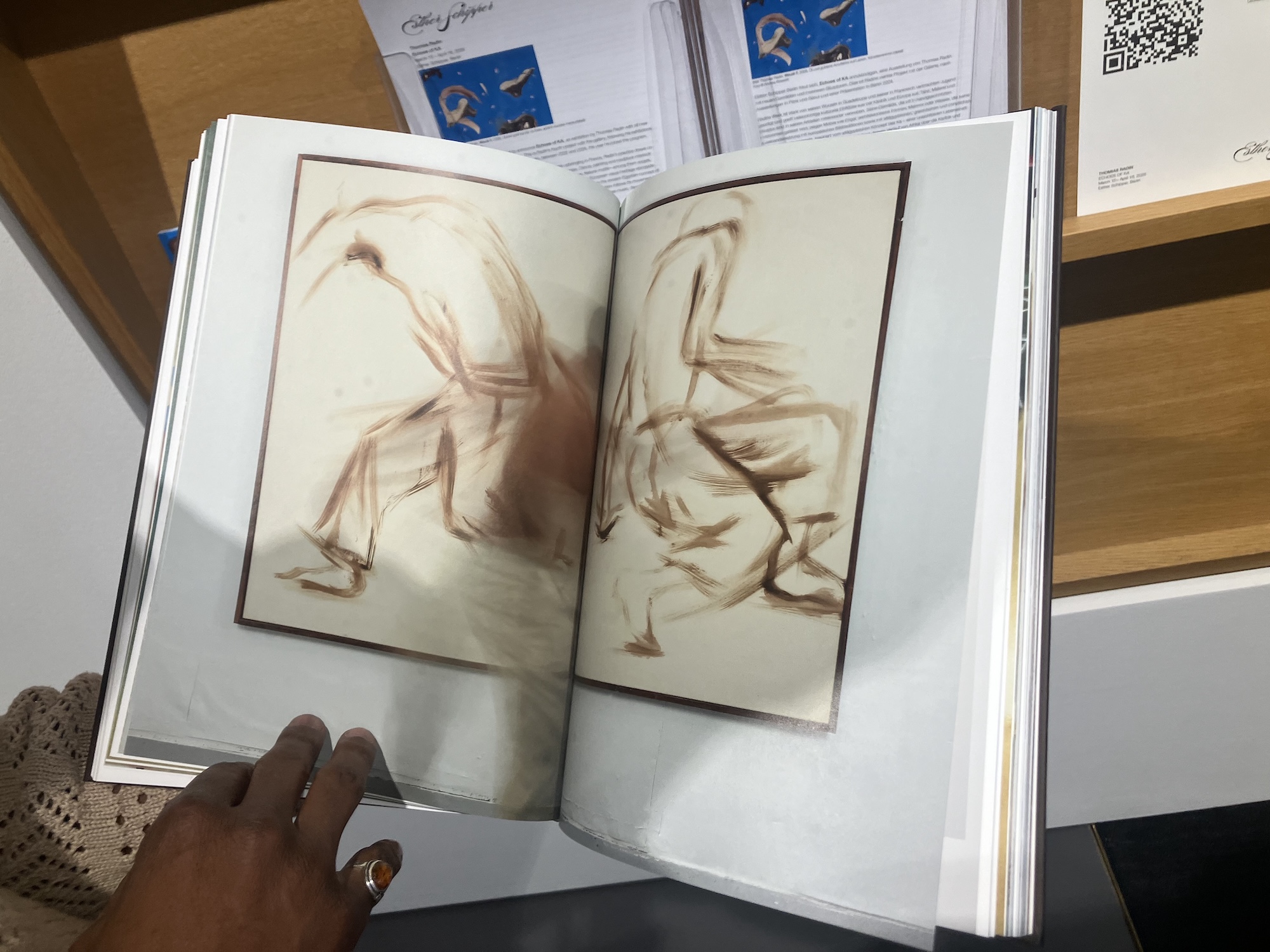
Thomias Radin’s fourth solo exhibition at Esther Schipper in Berlin, titled "Echoes of Ka," presents a multidisciplinary environment blending painting, woodwork, and installation. The Guadeloupe-born artist draws heavily from Caribbean embodied knowledge, dance philosophy, and the ancient Egyptian concept of 'Ka'—a vital life force—to transform the gallery into a choreographed 'secret garden.' The works, characterized by vibrant colors and gestural oil paintings on raw linen, are informed by Radin’s collaboration with dance scholar Léna Blou and his own practice of improvisation.

Adrian Ghenie: Roman Campagna | Exhibition review

Adrian Ghenie's exhibition "Roman Campagna" at a Paris gallery presents a series of paintings and charcoal drawings that subvert the romantic cliché of an artist's transformative encounter with Rome. Ghenie populates landscapes inspired by the Appian Way with grotesque, alien-headed figures hunched over smartphones, urinating on monuments, or weeping at sunsets, using brown and grey tones punctuated by bright colors. The works reference Francis Bacon and William S. Burroughs, and include direct allusions to Bacon's reinterpretation of van Gogh's self-portrait, as well as a copy of a Pompeii mosaic. The show also features large charcoal drawings on paper that reveal Ghenie's process of constructing his contemporary, alienated figures.

Review: “Boris Lurie: Nothing To Do But To Try” at the Holocaust Museum Houston

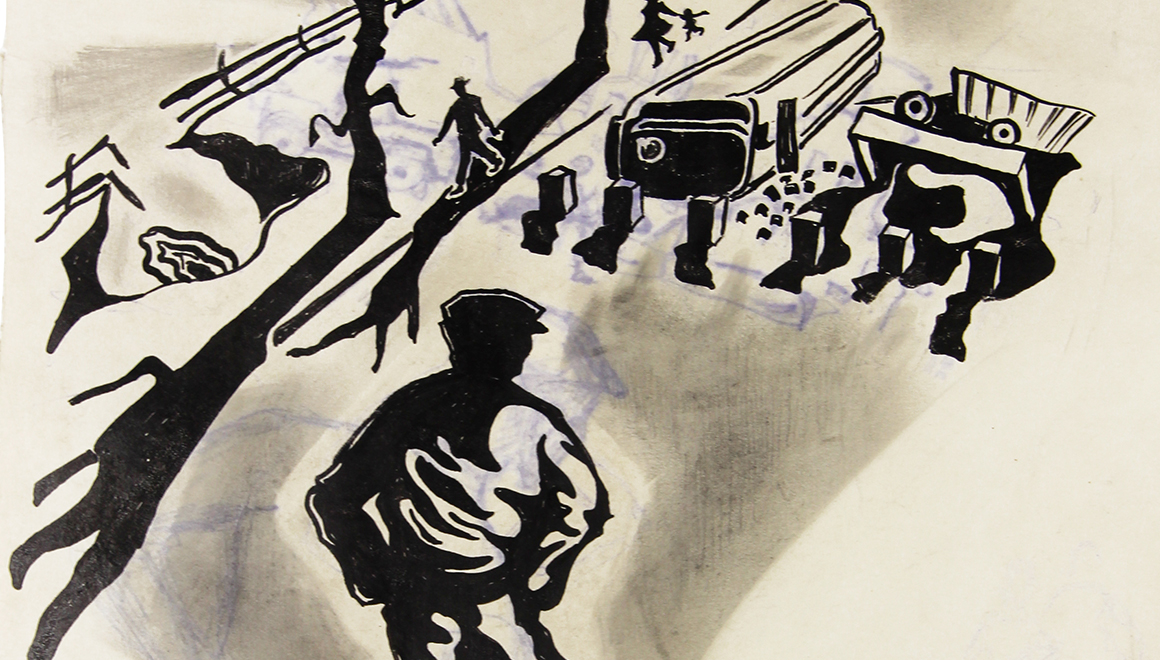
The Holocaust Museum Houston is currently hosting "Boris Lurie: Nothing To Do But To Try," an exhibition focusing on the early works of the Holocaust survivor and NO!art movement founder. Organized by the Museum of Jewish Heritage, the show highlights Lurie’s "War Series," featuring paintings, drawings, and never-before-seen ephemera created as a means of processing the trauma of his imprisonment in camps like Buchenwald. The works, ranging from the immediate post-war period to decades later, serve as a visceral record of memory and loss, including tributes to his family members murdered in the Rumbula Forest massacre.

Review: “Mark Me, Too: Five Artists” at Hyde Park Art Center

The Hyde Park Art Center in Chicago presents “Mark Me, Too: Five Artists,” a group exhibition curated by Dr. Rikki Byrd, the center’s inaugural Radicle Curatorial Resident. The show features works by Lisa DeAbreu, Lex Marie, Natasha Moustache, Lola Ayisha Ogbara, and Ciarra K. Walters, each exploring mark-making as a conceptual and material practice. Highlights include Walters’ video “Eileen’s Daughters,” which uses fragile eggshell-covered suits to evoke familial intimacy and vulnerability; DeAbreu’s textile works that transform household items into visual heirlooms; Ogbara’s sculptural piece “Hopscotch (A Safe Space to Land),” combining bronze and soil to address Black beauty and West African heritage; and Marie’s reimagined American flags made from hospital blankets and beads, critiquing the nation’s relationship with Black maternity and childhood.

Book offers fresh perspectives on why Cubism came into being

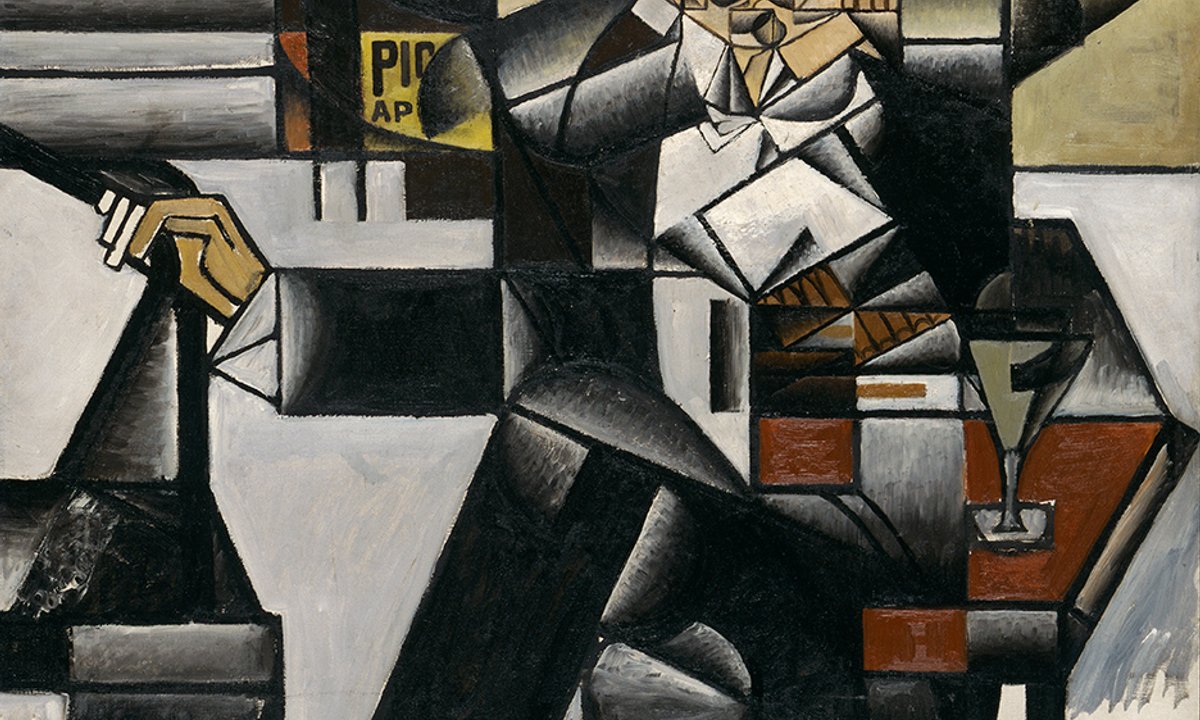
Christopher Green, a leading scholar of Cubism, has published a new book titled *Cubism and Reality*, which reexamines the origins and intentions of early Cubism through the works of Georges Braque, Pablo Picasso, and Juan Gris. The book focuses on the years immediately before World War I, arguing that Cubism was not a step toward abstraction but a deliberate reinvention of reality based on lived visual experience. Green draws on decades of research, including his own earlier works and the foundational 1959 study by John Golding, and contrasts the movement with mass-produced imagery in chapters on Roy Lichtenstein and Francis Picabia.

Artistic discs

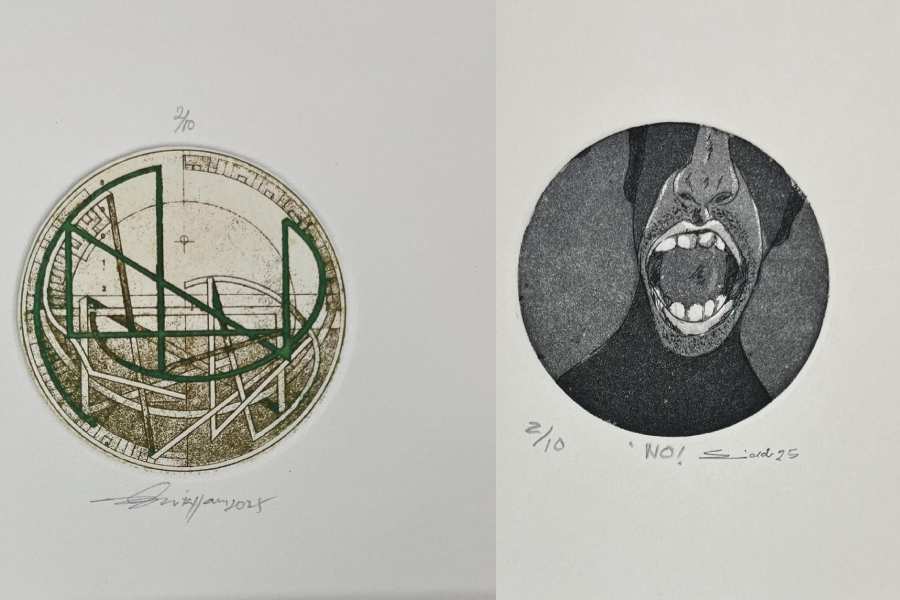
Kolkata Ink Studio presented a group exhibition of graphic art at Gallery Charubasona, featuring 18 artists who each contributed two disc-shaped copperplates and matching prints. The works ranged from Manik Kumar Ghosh's clever double-disc brassiere to Partha Pratim Deb's absurd clownish figures, Laxma Goud's restrained goddess imagery, and Rm. Palaniappan's three-dimensional illusions. Other highlights included Siddhartha Ghosh's identity-less human figures, Sukla Poddar's environmental themes, and Swapnesh Vaigankar's archaeological inspirations. The exhibition was described as neat but lacking in challenge, with most works in monochrome and only faint touches of color.