filter_list Showing 10 results for "Trump" close Clear
search
dashboard All 749 article policy 215article news 176museum exhibitions 142trending_up market 78article culture 72person people 30article local 16rate_review review 10candle obituary 6gavel restitution 3article satire 1
date_range Range Today This Week This Month All
Subscribe

Alma Allen’s US Pavilion Is One of the Emptiest Shows at the Venice Biennale

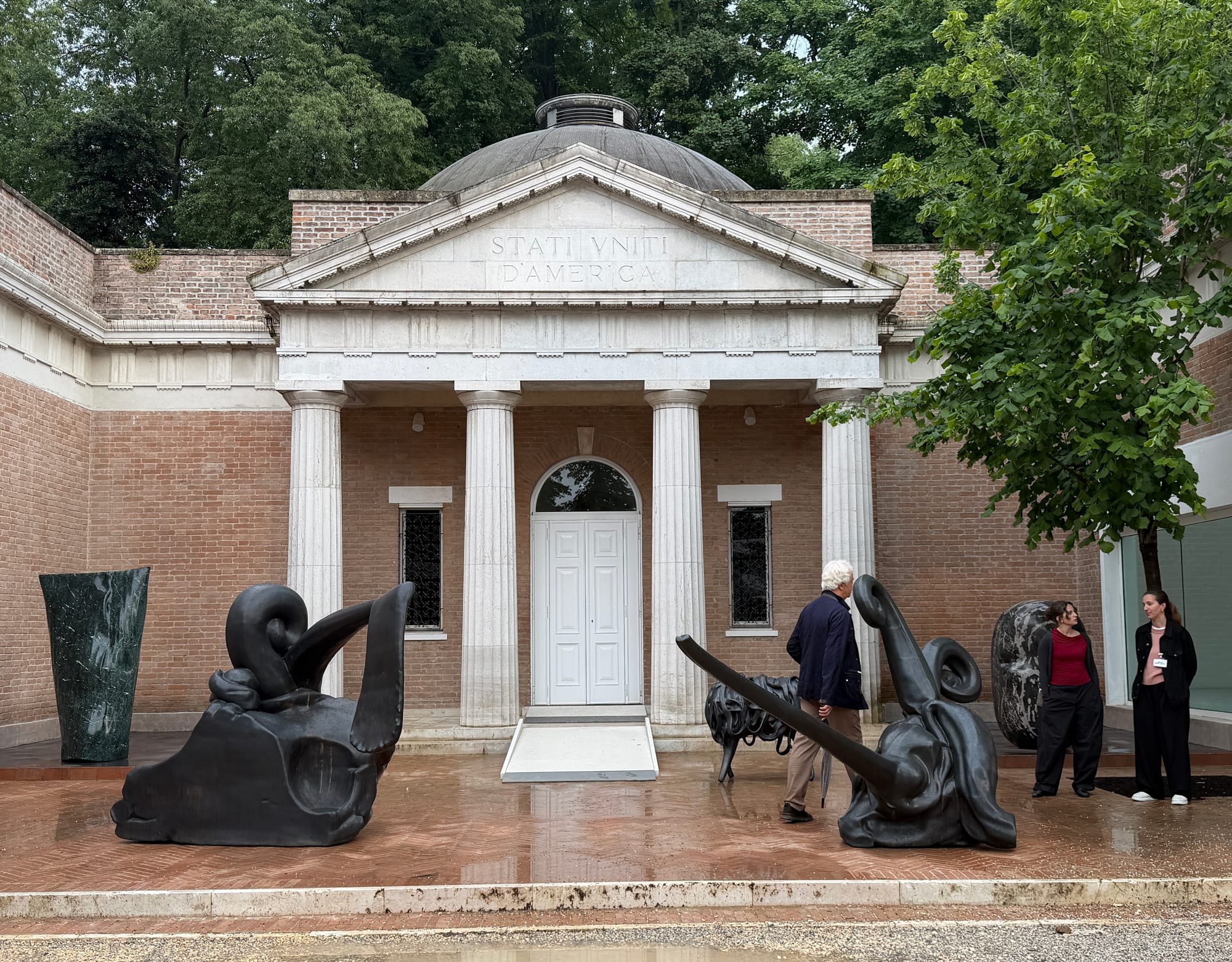
Alma Allen represents the United States at the 2026 Venice Biennale with a subdued, apolitical exhibition inside the US Pavilion. The show features roughly 25 sculptures—mostly in bronze, wood, and stone—many titled "Not Yet Titled," and deliberately avoids overt political messaging. This marks a stark departure from the previous two US pavilions, curated by Simone Leigh (2022) and Jeffrey Gibson (2024), which directly confronted colonialism and empire. The Trump administration’s call for proposals explicitly asked for work that "reflects and promotes American values," and Allen’s presentation has been criticized as safe, unremarkable, and lacking the incisive edge of contemporary American art.
The National Gallery of Art’s Dear America Needs a Postscript

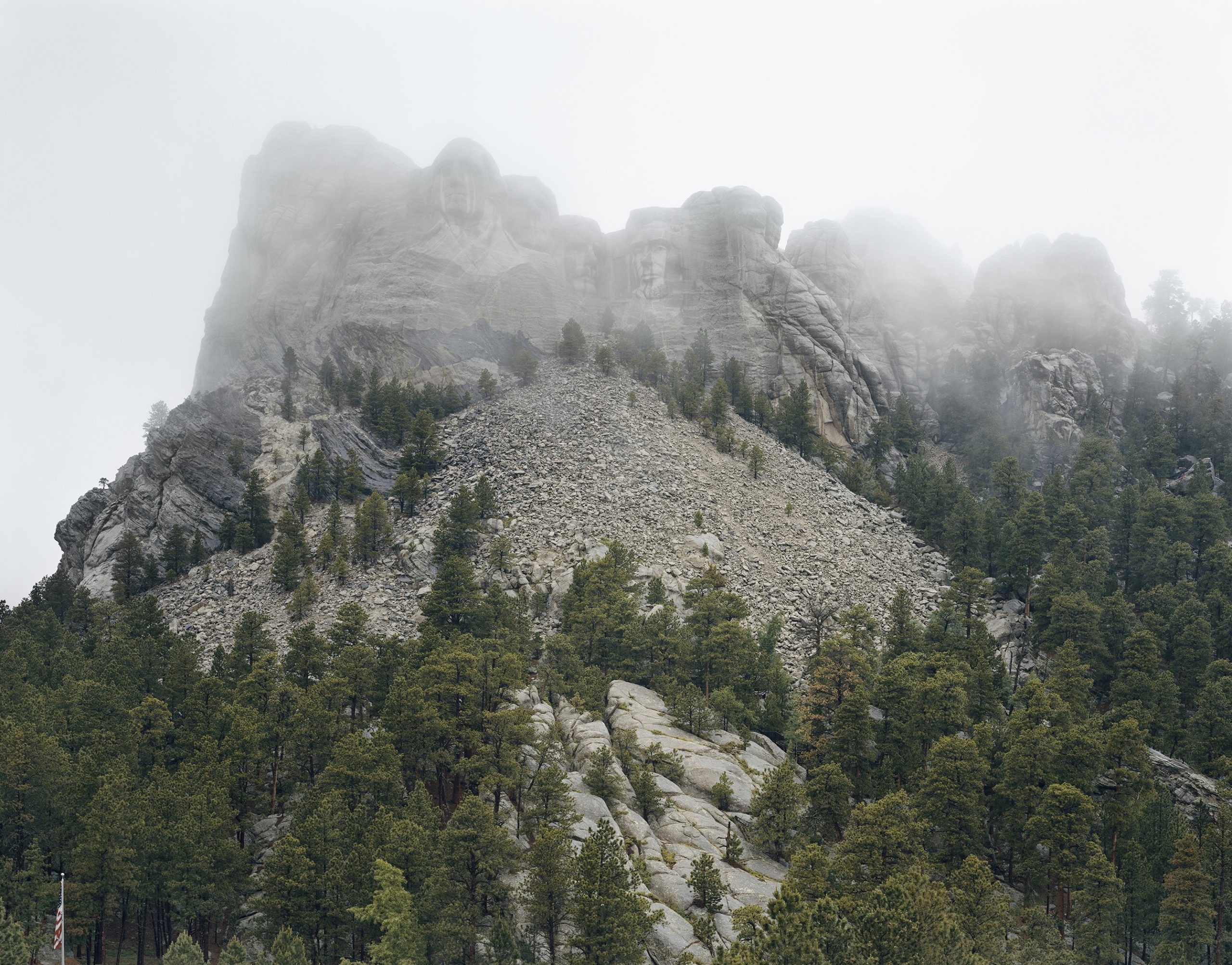
The National Gallery of Art in Washington, D.C. has opened "Dear America," an exhibition organized around the themes of "Land," "Community," and "Freedom" that attempts to survey the entire history of the United States through its collection. The show features works by artists including Mitch Epstein, Victoria Sambunaris, Sedrick E. Huckaby, and Nancy Andrews, with sections on the American landscape, industrialization, and diverse communities. However, the review notes that the exhibition feels overly literal, with American flags prominently featured and a sense of ticking off boxes rather than offering a challenging or intellectually rigorous presentation.

The Carnegie International Looks Back at Itself

The 58th Carnegie International at the Carnegie Museum of Art in Pittsburgh looks back at its own 130-year history, featuring a gallery dedicated to past iterations. The exhibition includes Chris Ofili's "The Adoration of Captain Shit and the Legend of the Black Stars" (1998), which was originally shown in the 53rd International in 1999, the same year Ofili's more notorious "The Holy Virgin Mary" sparked controversy at the Brooklyn Museum. The article reviews how the current iteration captures the excitement of earlier exhibitions while providing commentary on authoritarianism and militarism.

Is This What “Made in America” Looks Like?

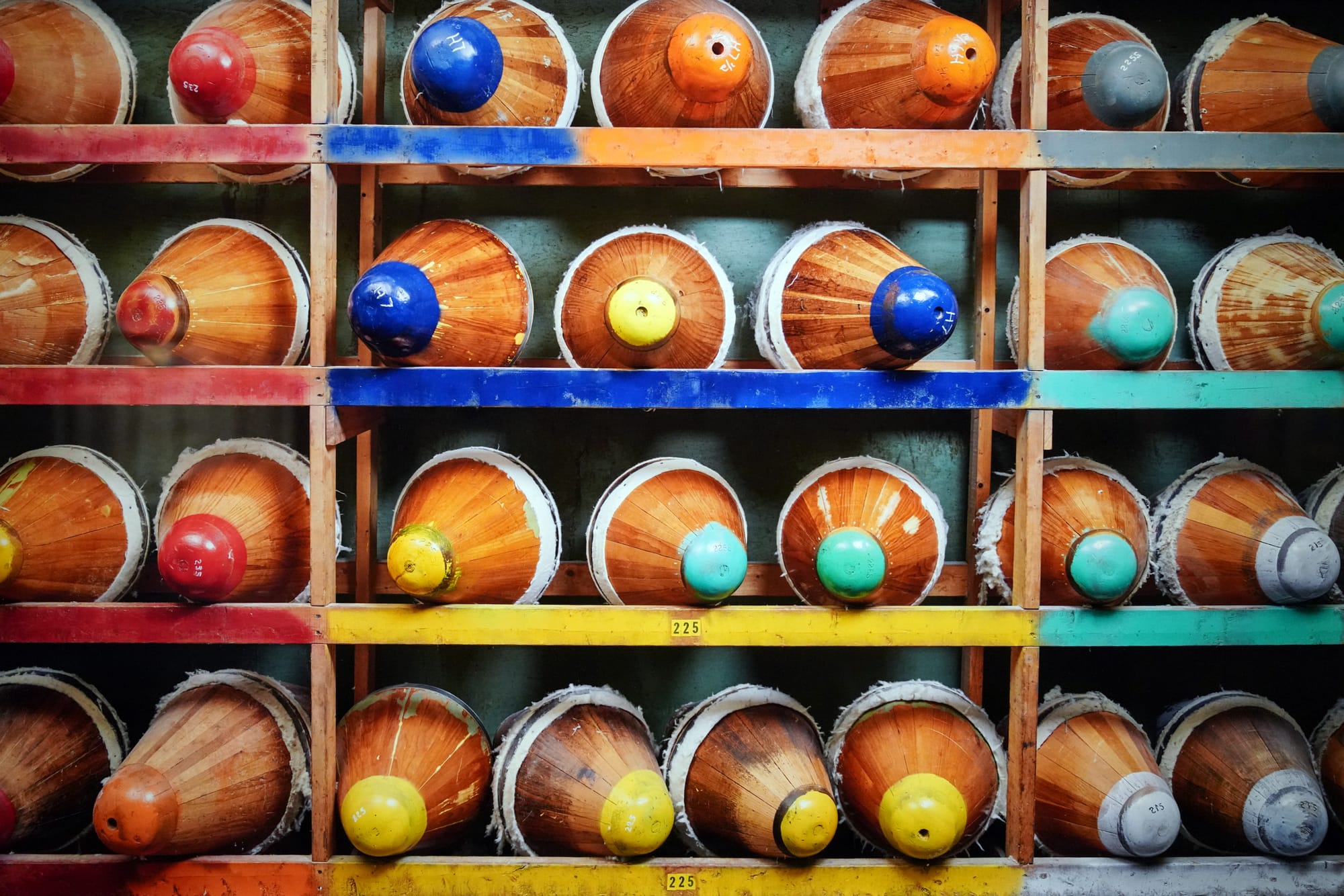
Christopher Payne's exhibition "Made in America: The Industrial Photography of Christopher Payne" at the Cooper Hewitt, Smithsonian Design Museum showcases 72 large-format photographs documenting active American factories and manufacturing processes. The trained architect turned photographer spent a decade visiting dozens of production sites across the United States, from the New York Times printing plant in Queens to the Bollman Hat Company in Pennsylvania, capturing workers' craftsmanship and the intricate steps involved in making everything from Peeps candies to jet engines. The exhibition is organized into three sections—traditional handcraft, large-scale production, and cutting-edge technologies—and coincides with the Smithsonian's celebration of the nation's 250th anniversary.

art cady noland thomas eggerer jochen klein

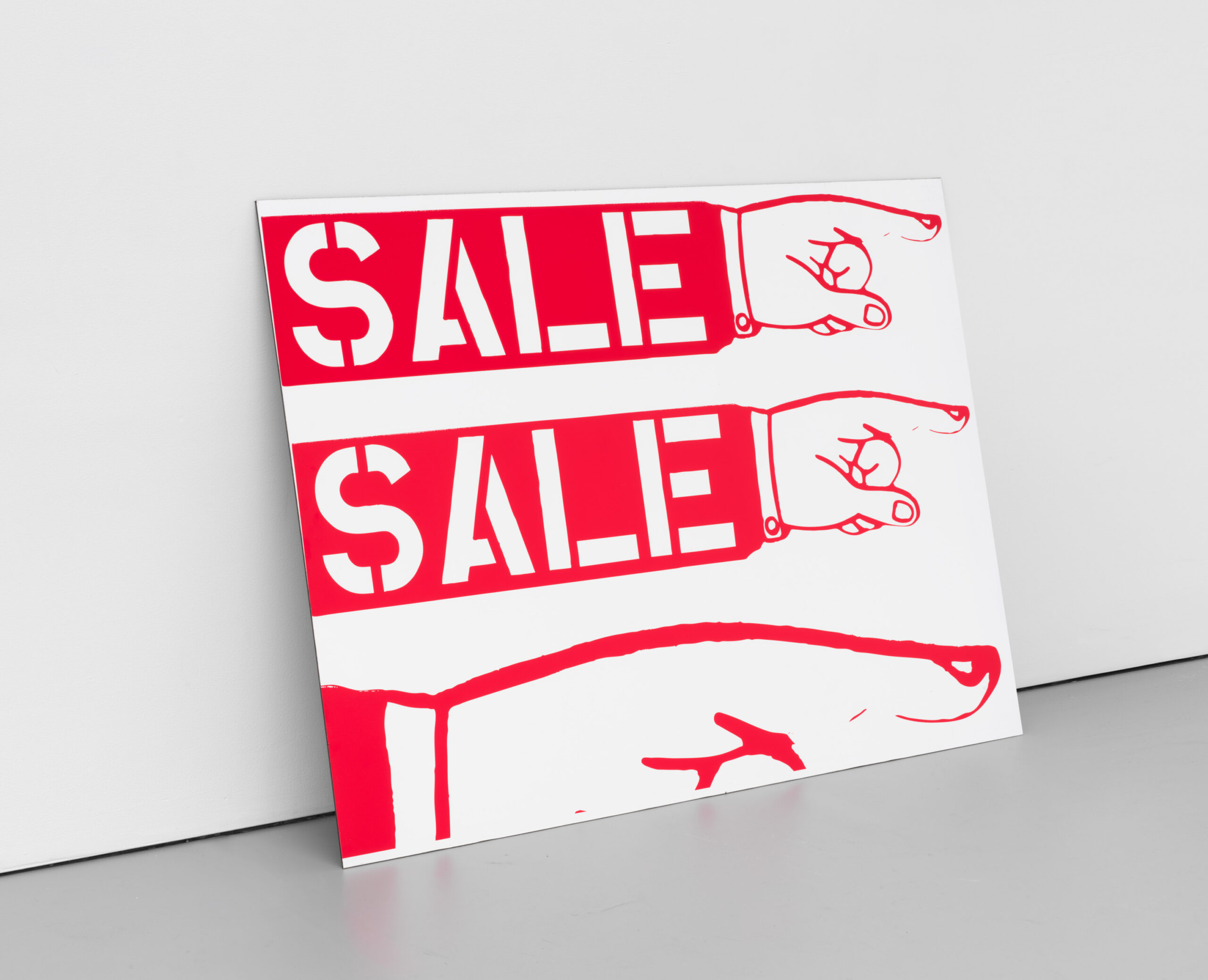
Cultured magazine reviews Cady Noland's 2025 exhibition at Gagosian Gallery's 24th Street location in New York, running through October 18. The show features the artist's signature objects—Budweiser cans, shotgun shells, barricades, and images of Patty Hearst and Lee Harvey Oswald—arranged in a fragmented, almost sale-like display. The review notes the inclusion of Steven Parrino's works alongside Noland's, referencing their collaboration at White Columns in 1988, and highlights new elements like "SALE" signs with manicule illustrations. The critic describes the exhibition as a "fascinating mess" rather than a straightforward success.

‘Transcription’ by Ben Lerner Review: No Phones

Ben Lerner’s latest novel, Transcription, marks a departure from his previous sprawling autofiction like The Topeka School, opting instead for a spare, three-part structure set during the COVID-19 pandemic. The narrative unfolds through three pivotal conversations involving the protagonist, his aging mentor Thomas, a curator, and Thomas’s son Max. Central to the plot is the protagonist’s failure to record a final interview with Thomas due to a broken phone, forcing a reliance on fallible memory and reconstruction.

sanya kantarovsky chloe dzubilo rosemarie trockel

Two new art critics join the fold at Cultured, with Johanna Fateman reviewing Sanya Kantarovsky's first New York solo show since 2019, "Scarecrow," at Michael Werner Gallery's two Upper East Side locations. The exhibition features paintings, monotypes, and a glazed stoneware vase centered on Hera, a whippet belonging to artists Mark Dion and Dana Sherwood, alongside works like *Stage (Watteau)* that engage with historical painting. Mary Simpson covers Rosemarie Trockel's acerbic conceptualism, and Jeanette Bisschops reviews a posthumous exhibition of Chloe Dzubilo's intimate and irate drawings, "The Prince George Drawings," at Participant Inc., curated by Alex Fleming and Nia Nottage.

A Whole Lot of Nothing at the US Pavilion

The US Pavilion at the 2026 Venice Biennale features sculptor Alma Allen's exhibition "Call Me the Breeze," curated by Jeffrey Uslip. The show presents untitled, amorphous sculptures in bronze, wood, and stone, including Colorado Yule marble. The selection process was controversial: after the Trump administration excluded the National Endowment for the Arts, the State Department initially picked artist Robert Lazzarini and curator John Ravenal, but that plan collapsed. The American Arts Conservancy, a new nonprofit led by Jenni Parido (a former pet food store operator with Mar-a-Lago ties), then took over, hiring Uslip, who approached Barbara Chase-Riboud and William Eggleston before settling on Allen. Donors include businessman John Phelan and fashion designer Tommy Hilfiger.

‘My Year in Paris with Gertrude Stein’ by Deborah Levy, Reviewed

Deborah Levy’s latest novel, *My Year in Paris with Gertrude Stein*, follows a first-person narrator who travels to Paris to research the American writer and collector Gertrude Stein. The narrative slips between the early twentieth century and the autumn of Donald Trump’s 2024 reelection, using stream-of-consciousness prose and liquid metaphors to blur past and present. The narrator’s research into Stein’s role in shaping modernity becomes a vehicle for exploring her own sense of helplessness and lack of agency in a hyperconnected, war-weary present.

Review | A sprawling survey highlights the women making art around D.C.

A survey exhibition titled "Women Artists of the DMV: A Survey Exhibition" at the American University Museum in Washington, D.C., showcases 63 works by women artists from the region. The show, reviewed by Mark Jenkins, features depictions of women as everyday people, archetypes, allegorical figures, and goddesses, alongside some abstract pieces, with a preference for representational art.