filter_list Showing 8 results for "UCC" close Clear
search
dashboard All 299 museum exhibitions 129article local 33trending_up market 32article culture 31person people 26article news 20article policy 11rate_review review 8candle obituary 7gavel restitution 2
date_range Range Today This Week This Month All
Subscribe

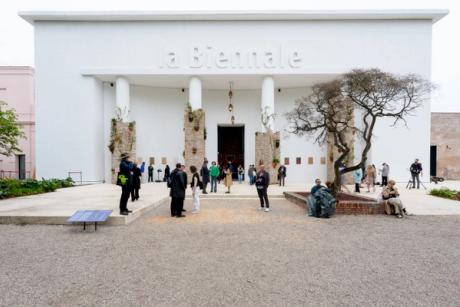
The Big Review | Venice Biennale 2026: In Minor Keys ★★★½

The Venice Biennale 2026, titled "In Minor Keys," was curated posthumously following the death of artistic director Koyo Kouoh in May 2025. A team of five curators and advisors—Gabe Beckhurst Feijoo, Marie Hélène Pereira, Rasha Salti, Siddhartha Mitter, and Rory Tsapayi—executed her vision across the Giardini and Arsenale venues. The exhibition features 110 artists, with a strong emphasis on new commissions, and is structured around themes of procession, resistance, and joy. Key works include Big Chief Demond Melancon's "Amistad Takeover" (2026), Nick Cave's "Amalgam (Origin)" (2025), and Otobong Nkanga's rewilded columns at the Central Pavilion.
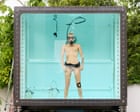
What does a woman swimming in urine tell us about the state of the world? Lots! – Venice Biennale review

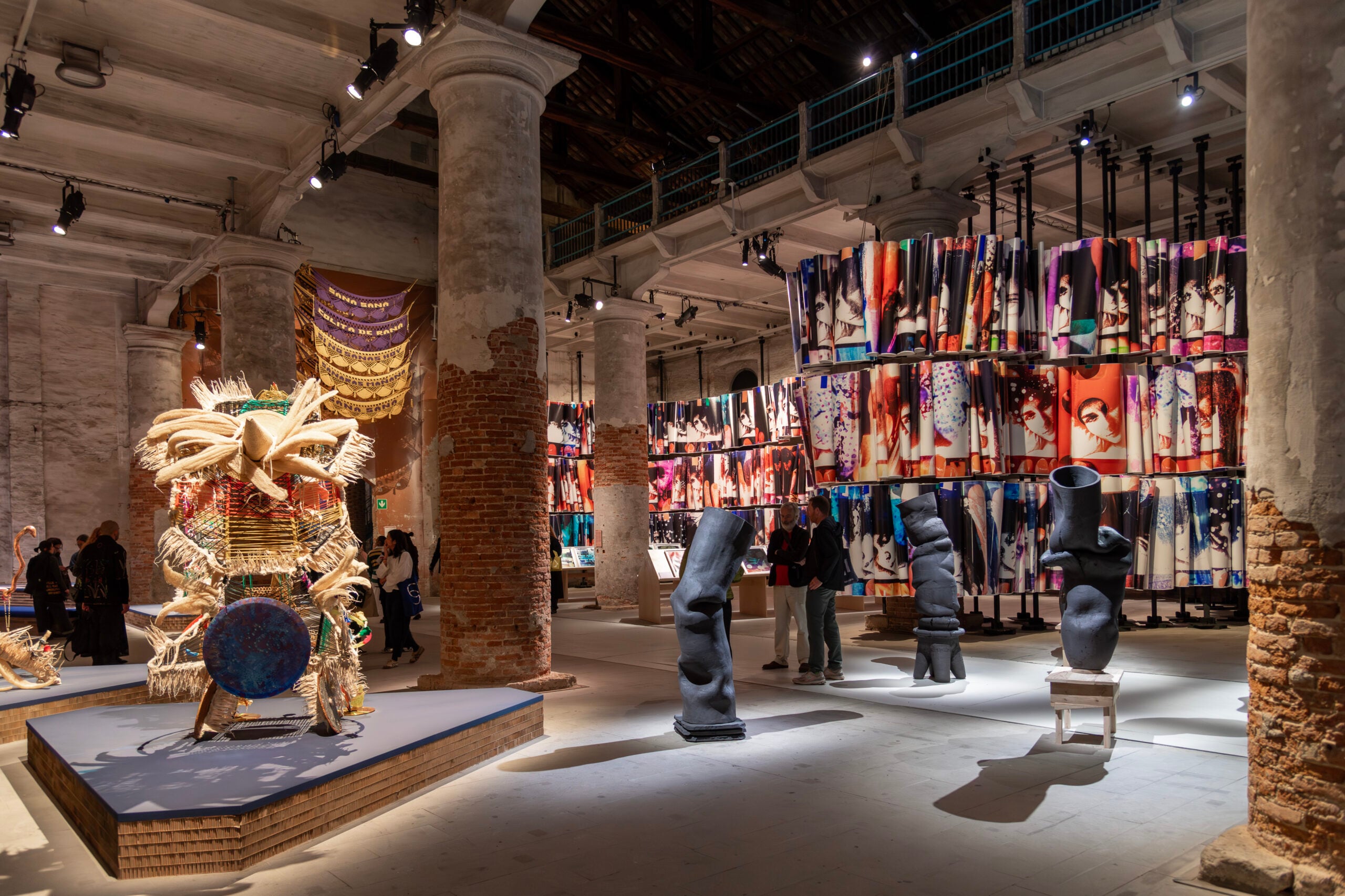
The 2026 Venice Biennale, curated by the late Koyo Kouoh under the theme "In Minor Keys," has been plagued by months of turmoil including countries withdrawing, artists being fired, exhibitions cancelled, funding pulled, and protests during the preview. A five-person curatorial team took over after Kouoh's death, resulting in what the critic describes as a disjointed, committee-driven exhibition that prioritizes quiet contemplation and healing over direct political engagement. The central shows in the Giardini and Arsenale feature a vast, poorly explained array of art from the global south, with installations of ceramics, textiles, slide projectors, and serene natural scenes that the critic finds anachronistic and dull.

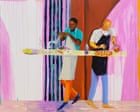
Lubaina Himid’s British pavilion at the Venice Biennale review – alienation in a green and pleasant land

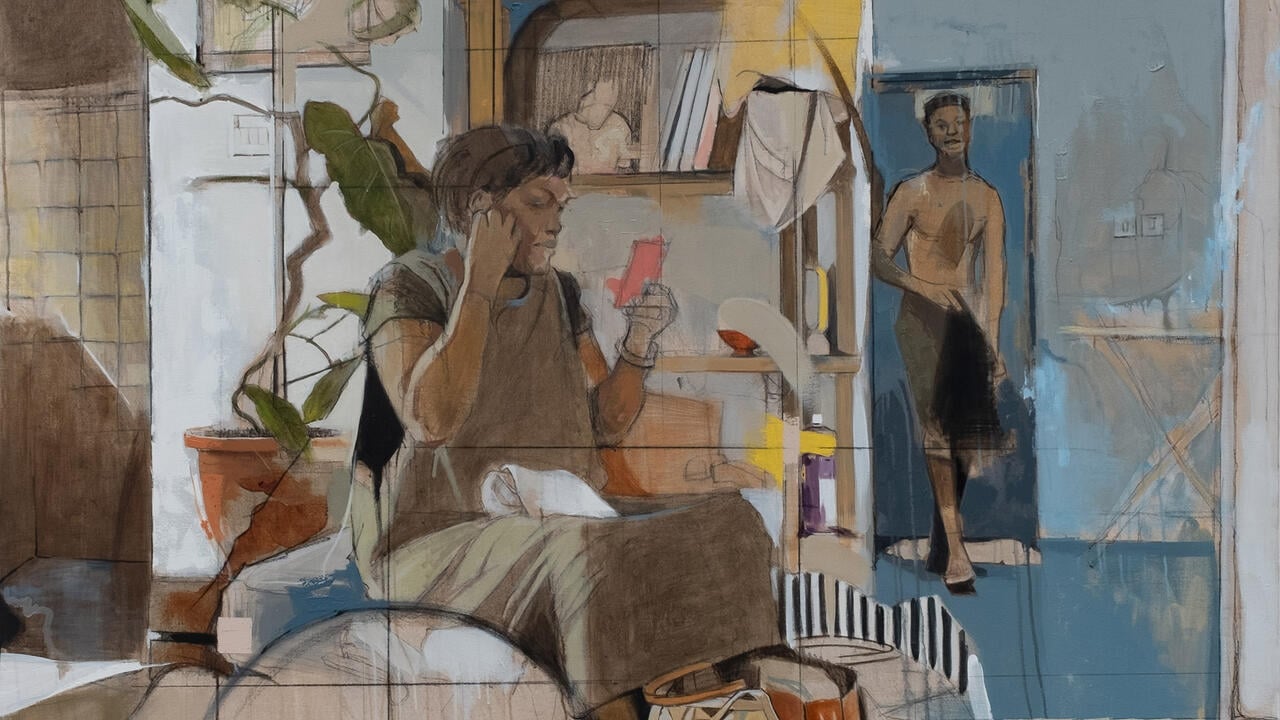
Lubaina Himid's installation at the British pavilion of the Venice Biennale presents monumental paintings and a wall of painted oars depicting tailors, cooks, architects, gardeners, and sailors—figures who shape Britain. The work is accompanied by an audio piece of bucolic country sounds, but the black figures in the paintings exchange sideways glances of discomfort, questioning whether they truly belong. The exhibition is anchored by 26 philosophical questions on the wall, such as "Can flies settle here?" and "Can poison taste delicious?"

What I learned from Tracey Emin about regeneration

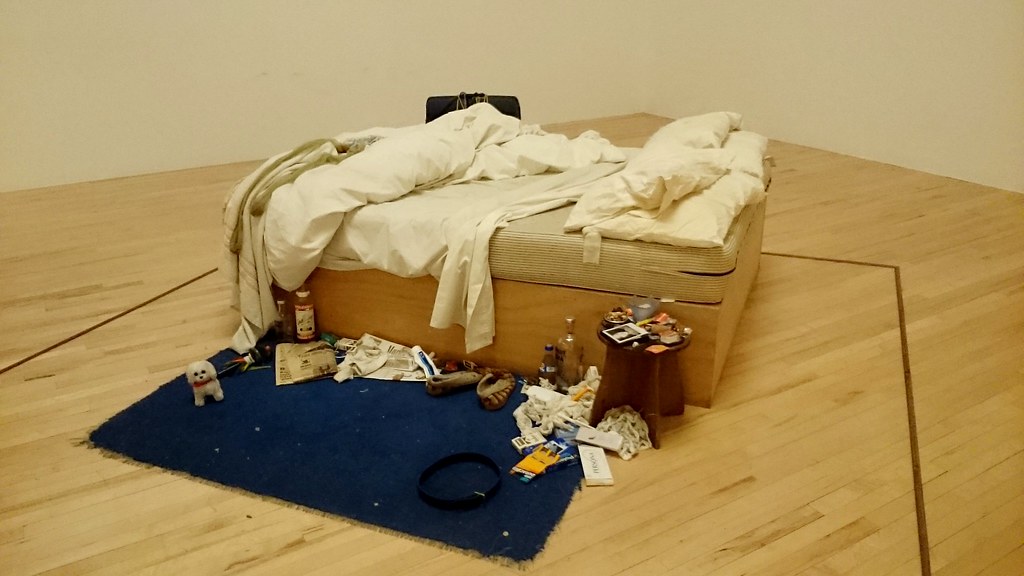
The article reviews Tracey Emin's exhibition "A Second Life" at Tate Modern, describing the author's initial lack of aesthetic connection to the artworks—finding the paintings derivative and neon signs tacky—but ultimately being moved by the exhibition's emotional force and the artist's refusal to disguise pain, humiliation, and grief. The author notes the crowded galleries, the predominantly female audience responding with visceral emotion, and highlights the film "How It Feels" as the most impactful piece, in which Emin discusses her traumatic abortion and its effect on her self-perception.

Fight Club Denounces the System From Within the System

Cameroonian artist Pascale Marthine Tayou's first major institutional exhibition in Brazil, "Knockout!," has opened at the Pinacoteca de São Paulo's Pina Luz building. The show spans over 25 years of Tayou's career, featuring installations, sculptures, and paintings across seven rooms. Each room is themed around a historical international conference—including the Berlin Conference of 1884, Yalta, San Francisco, Rome, Rio de Janeiro, Bandung, and a fictional Avignon conference—using these as political and historical axes to critique colonial power structures and global inequality.

‘YBA & BEYOND’ Exports British Cool

Frieze critic Andrew Durbin reviews the national pavilions at the Venice Biennale, contrasting a vacuous US presentation with incisive and moving installations from Britain and Germany. The British pavilion, titled 'YBA & BEYOND,' exports British cool by showcasing works from Young British Artists and their successors, while the German pavilion offers a deeply resonant experience. The US pavilion is criticized for lacking meaningful content, raising questions about curatorial direction and national representation.

Ayotunde Ojo Maps Interiority Under the Public Gaze

The article, a critic's guide review by Andrew Durbin, contrasts the US national pavilion presentation at an unspecified biennial with those of Britain and Germany. The US presentation is described as vacuous and lacking in meaning, while the British and German installations are praised for being incisive and moving. The review critically examines the thematic and conceptual approaches of each national pavilion, highlighting a disparity in artistic depth and engagement.

A review of the 2026 Venice Biennale without naming a single artist

Una recensione della Biennale di Venezia 2026 senza nominare neppure un artista

This review of the 2026 Venice Biennale describes an exhibition that overcame dire circumstances—the death of curator Koyo Kouoh early in preparations, losses of key artists, and international political controversies—to deliver a surprisingly joyful and engaging show. Titled "In Minor Keys," the Biennale features a well-conceived, flowing presentation across the Giardini and Arsenale that prioritizes beauty, craftsmanship, and hope over a punitive or documentary tone.