filter_list Showing 36 results for "White" close Clear
search
dashboard All 1674 museum exhibitions 796trending_up market 256article culture 143article news 141article local 123article policy 83person people 60rate_review review 36candle obituary 27gavel restitution 5article event 3article gallery 1
date_range Range Today This Week This Month All
Subscribe

independent picks

The article reviews the Independent art fair, highlighting its curated approach that results in a visually cohesive and easeful experience compared to other fairs. It notes the prevalence of neo-bucolic landscapes and animal paintings by artists like Sameen Agha, Tim Braden, and Lisa Sanditz, as well as delicate abstractions and small ceramic works. Standout pieces include Pope.L's provocative paint-scribbled underwear at Mitchell-Innes and Nash, Rosa Barba's kinetic painting at Vistamare, Ibrahim El-Salahi's silkscreen painting at Vigo Gallery, and works by emerging artists such as Constanza Camila Kramer Garfias and Ada Friedman at Kendra Jayne Patrick Gallery.


Notes from New York: The World in a Convex Mirror

The article reviews the sixth edition of MoMA PS1's quinquennial survey 'Greater New York 2026,' which coincides with the institution's 50th anniversary. It highlights works by artists such as Covey Gong, Win McCarthy, Mekko Harjo, and Sophie Friedman-Pappas, noting how the exhibition's themeless structure and use of reflective surfaces create a hall of distorted reflections. The show includes 53 emerging and midcareer artists, mostly millennials, and is accompanied by a block party and gala rather than a dedicated commemorative exhibition like FORTY (2016).

worst artworks we saw around the world in 2022

Artnet News editors compiled a list of the worst artworks they encountered in 2022, including a chaotic performance by Poncili Creación at NADA Miami, an overproduced Danish Pavilion installation by Uffe Isolotto at the Venice Biennale, and a Paul Cézanne painting at the Barnes Foundation that disappointed a critic. The article offers subjective, critical takes on these works, describing the NADA performance as bizarre and jolting, the Danish pavilion as graphic and lacking a powerful message, and the Cézanne as a disappointment within an otherwise memorable museum visit.

Michael Armitage in Venice, monumental and disturbing. What the exhibition at Palazzo Grassi looks like

Michael Armitage is the subject of a major solo retrospective at Palazzo Grassi in Venice, marking his largest exhibition in Europe to date. Organized by the Pinault Collection, the show features monumental paintings that blend African identity, local Kenyan chronicles, and mythological narratives. Armitage’s work is noted for its physical scale and its ability to transform the chaos of human affairs into a syncretic epic, utilizing traditional materials like Lubugo bark cloth to ground his contemporary subjects.

Veronica Ryan review – the seeds are sensational but the detritus is distracting

A major retrospective of Turner Prize-winning artist Veronica Ryan has opened, showcasing her career-long exploration of organic forms and repurposed materials. The exhibition features new works made from plastic bottles, bandages, and avocado trays, alongside earlier sculptures in bronze and lead that reference seed pods and fruit.

Fantastic visions and cosmic rhythms: how Whistler is making me see – and hear – differently

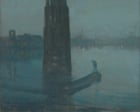
The article explores how the James McNeill Whistler exhibition at Tate in London prompts a reconsideration of the relationship between music and visual art. Whistler titled his works using musical terms like "Arrangement," "Symphony," and "Nocturne," arguing that painting should be abstract and independent of narrative, much like instrumental music. The exhibition, reviewed by Jonathan Jones, highlights Whistler's radical art-for-art's-sake philosophy, which influenced composer Claude Debussy, whose orchestral Nocturnes were directly inspired by Whistler's paintings of light and atmosphere.

James McNeill Whistler review – a luscious, seductive blockbuster for the painter who scandalised Britain

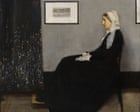
Tate Britain has opened a major retrospective dedicated to James McNeill Whistler, the American painter who scandalized Victorian Britain. The exhibition centers on his iconic work *Arrangement in Grey and Black No. 1* (commonly known as *Whistler's Mother*), lent by the Musée d'Orsay, and traces his evolution from raw realist scenes of London's docks to radical, abstract celebrations of color and pattern. It includes a reconstruction of *The Peacock Room* and highlights his rivalry with critic John Ruskin, who accused him of 'flinging a pot of paint in the public's face.'

Handpicked review – delightful dancing dahlias and petals so pillowy you can feel them

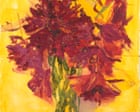
The Guardian reviews "Handpicked," an exhibition at Kettle's Yard in Cambridge that brings together over 40 artists from the 20th century to the present, all sharing a floral passion. The show features works by Rory McEwen, Vanessa Bell, Cedric Morris, Christopher Wood, Tirzah Garwood, Celia Paul, Gluck, and Caroline Walker, among others, displayed on white and leaf-green walls inspired by the fresh flowers and floral paintings in the neighboring house. The review highlights specific pieces, such as McEwen's exquisite tulip watercolor and Garwood's poignant painting from the last year of her life, noting the technical variety and emotional depth across the exhibition.

joseph beuys daniel spaulding honigpumpe

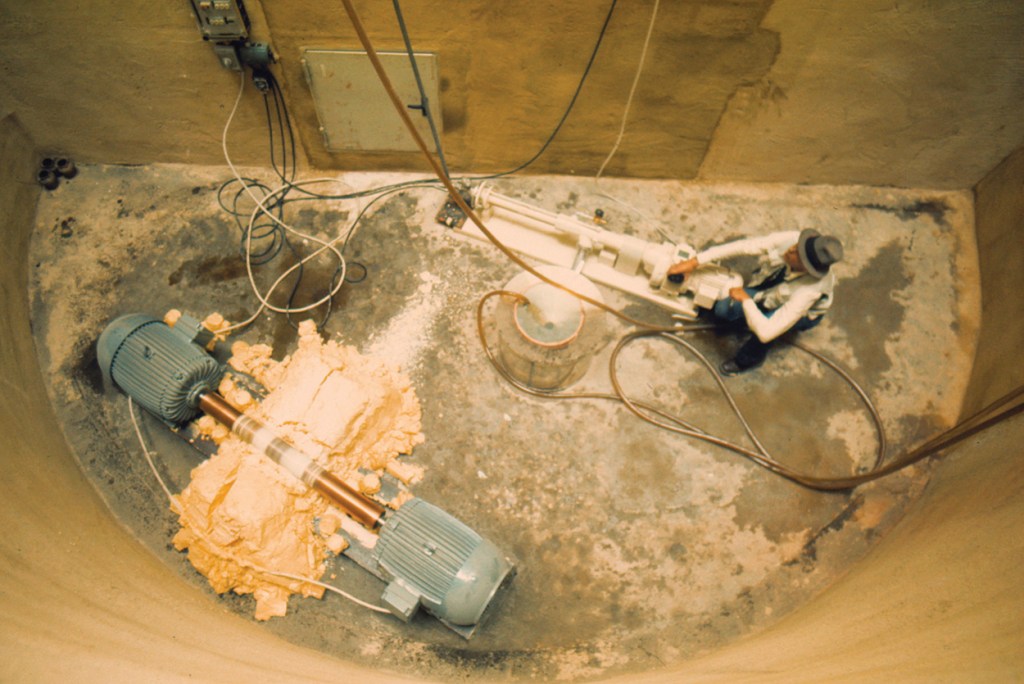
Joseph Beuys remains one of the most polarizing figures in 20th-century art, a former Nazi soldier who reinvented himself as a shamanic healer and a founding member of the Green Party. A new monographic study by art historian Daniel Spaulding, 'Joseph Beuys and History', re-evaluates the artist's legacy by confronting his refusal to apologize for his wartime past and his use of ambiguous materials like fat and felt. Spaulding argues that Beuys’s work should be read through the lens of 'bad faith,' where his utopian slogans masked a deep, unresolved engagement with the horrors of the Holocaust.

Joseph Grigely's 'Otherhow' Primary Information on Disability Arts and Being Deaf

joseph grigely primary information otherhow disability arts deaf

Artist and writer Joseph Grigely has published a new essay collection, 'Otherhow: Essays and Documents on Art and Disability 1985–2024.' The book compiles decades of his work, blending art, autobiography, and advocacy through ephemera like postcards, emails, and legal documents to chronicle his experiences navigating the art world as a deaf man.

stan douglas bard museum survey review

Stan Douglas's survey at Bard College's Hessel Museum of Art features a new video installation titled "Birth of a Nation" (2025), which reworks a racist sequence from D.W. Griffith's 1915 film of the same name. The installation presents the original footage alongside four new videos from different character perspectives, shot in black and white without sound, and ends with a blue screen left bare to suggest the mutability of historical images. The survey also includes earlier works like "Hors-Champs" (1992), which critiques televisual representation through a staged free jazz performance.

25th Biennale of Sydney Review: From the Margins

The 25th Biennale of Sydney, titled "Rememory" and curated by Hoor Al Qasimi, features 143 works by 83 artists and collectives from 37 countries across five venues. The exhibition explores marginalized, fragmented, and repressed histories, drawing on Toni Morrison's concept of 'rememory' as a space between remembering and forgetting. Key works include Tuan Andrew Nguyen's film on Vietnam War trauma, Basel Abbas and Ruanne Abou-Rahme's immersive installation on Palestinian displacement, Khalid Albaih's photographs of Sudan, and Massinissa Selmani's drawings on Algerian socialist building projects.

Salon review – like getting to know fascinating guests at a fabulous party

The article reviews a salon-style exhibition curated by Matthew Higgs, director of New York's White Columns gallery, at an unnamed gallery space. The show features 43 paintings by a diverse group of artists including Denzil Forrester, Andrew Cranston, Kaye Donachie, Merlin James, Margot Bergman, Gillian Carnegie, Bill Lynch, and Adam Keay, arranged around mismatched chairs facing white windows painted on the walls. The reviewer describes moving through the space, engaging with individual works, and highlights the eclectic, unthemed curation that prioritizes personal taste and conversation over academic or political messaging.

Comment | Perhaps artists do have only ‘ten good years’—but they can happen at any time in their career

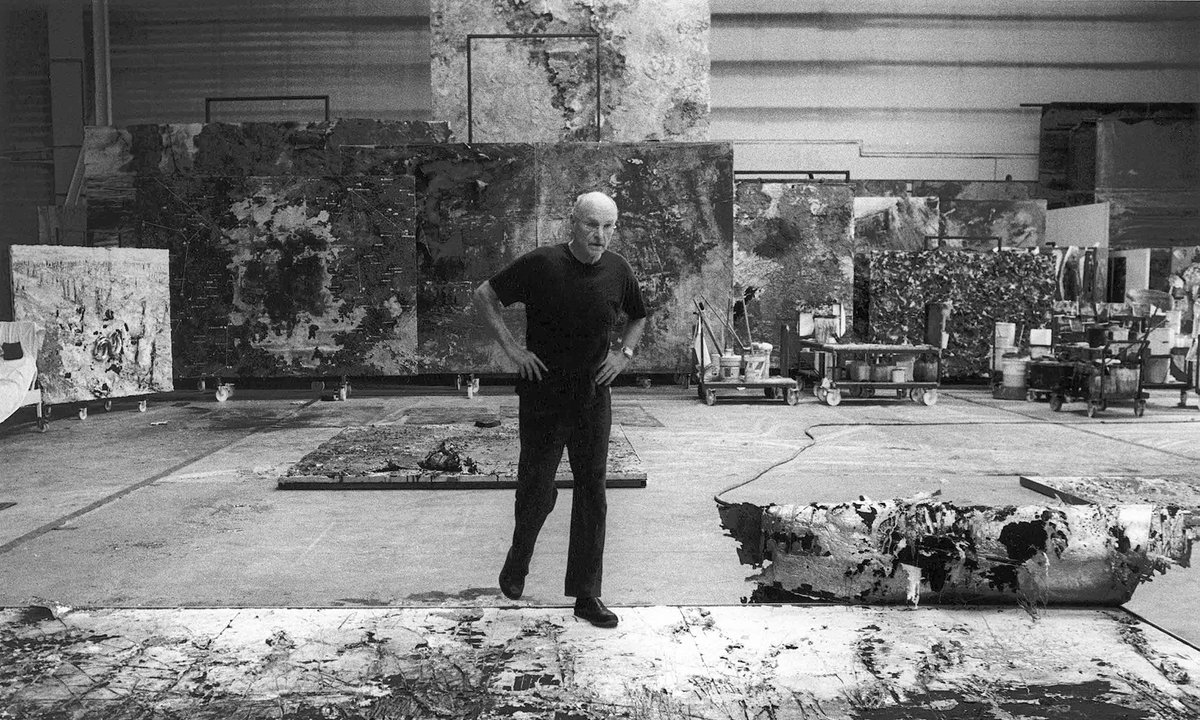
The article reflects on the idea that artists may have only 'ten good years' of peak creativity, prompted by a visit to the exhibition "Anselm Kiefer: Early Works" at the Ashmolean Museum in Oxford. The author contrasts the young Kiefer's deft, emotionally intimate works from 1969–1982 with his later, more grandiose output, arguing that Kiefer's early period surpasses anything he has achieved since. The piece also revisits critic Douglas Cooper's harsh dismissal of late Picasso and former Tate director Alan Bowness's theory of artistic prime.

minnie evans legacy high museum whitney

The article reflects on the responsibility of critical art writing in the Southeast, sparked by the announcement that Art Papers, an international art magazine based in Atlanta, will sunset in 2026 after 50 years. The author recounts a debate among local art workers about reviewing the forthcoming Minnie Evans retrospective organized by the High Museum of Art and traveling to the Whitney Museum, which he initially declined due to a conflict of interest with curator Katherine Jentleson. He ultimately agrees to write, emphasizing the need for Black scholars to engage with self-taught Black artists. The piece examines how Evans's narrative has been mediated through the lens of white photographer and art historian Nina Howell Starr, questioning the power dynamics and what remains unknown about Evans's own agency.

Is This What “Made in America” Looks Like?

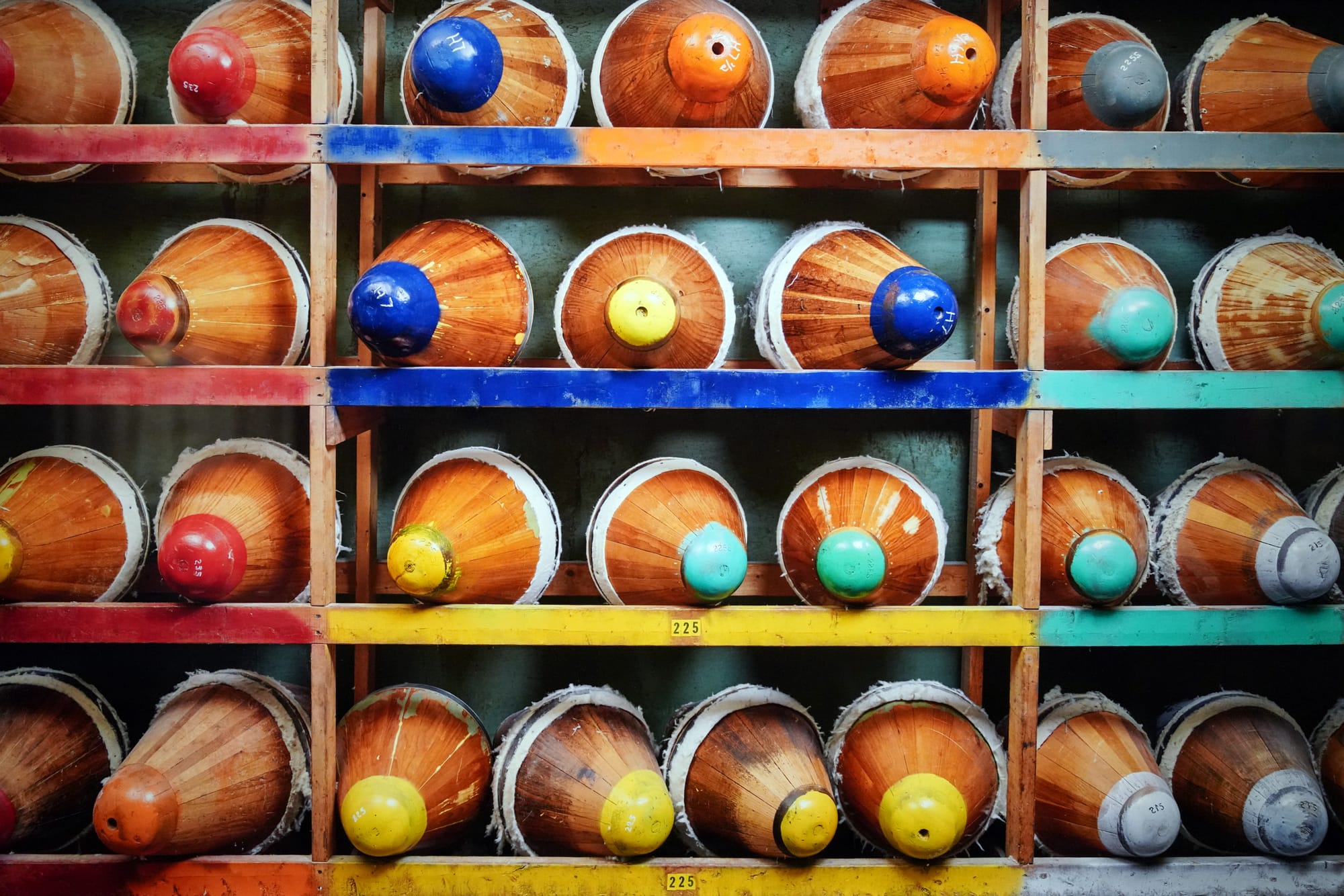
Christopher Payne's exhibition "Made in America: The Industrial Photography of Christopher Payne" at the Cooper Hewitt, Smithsonian Design Museum showcases 72 large-format photographs documenting active American factories and manufacturing processes. The trained architect turned photographer spent a decade visiting dozens of production sites across the United States, from the New York Times printing plant in Queens to the Bollman Hat Company in Pennsylvania, capturing workers' craftsmanship and the intricate steps involved in making everything from Peeps candies to jet engines. The exhibition is organized into three sections—traditional handcraft, large-scale production, and cutting-edge technologies—and coincides with the Smithsonian's celebration of the nation's 250th anniversary.

The Unbearable Strangeness of Being

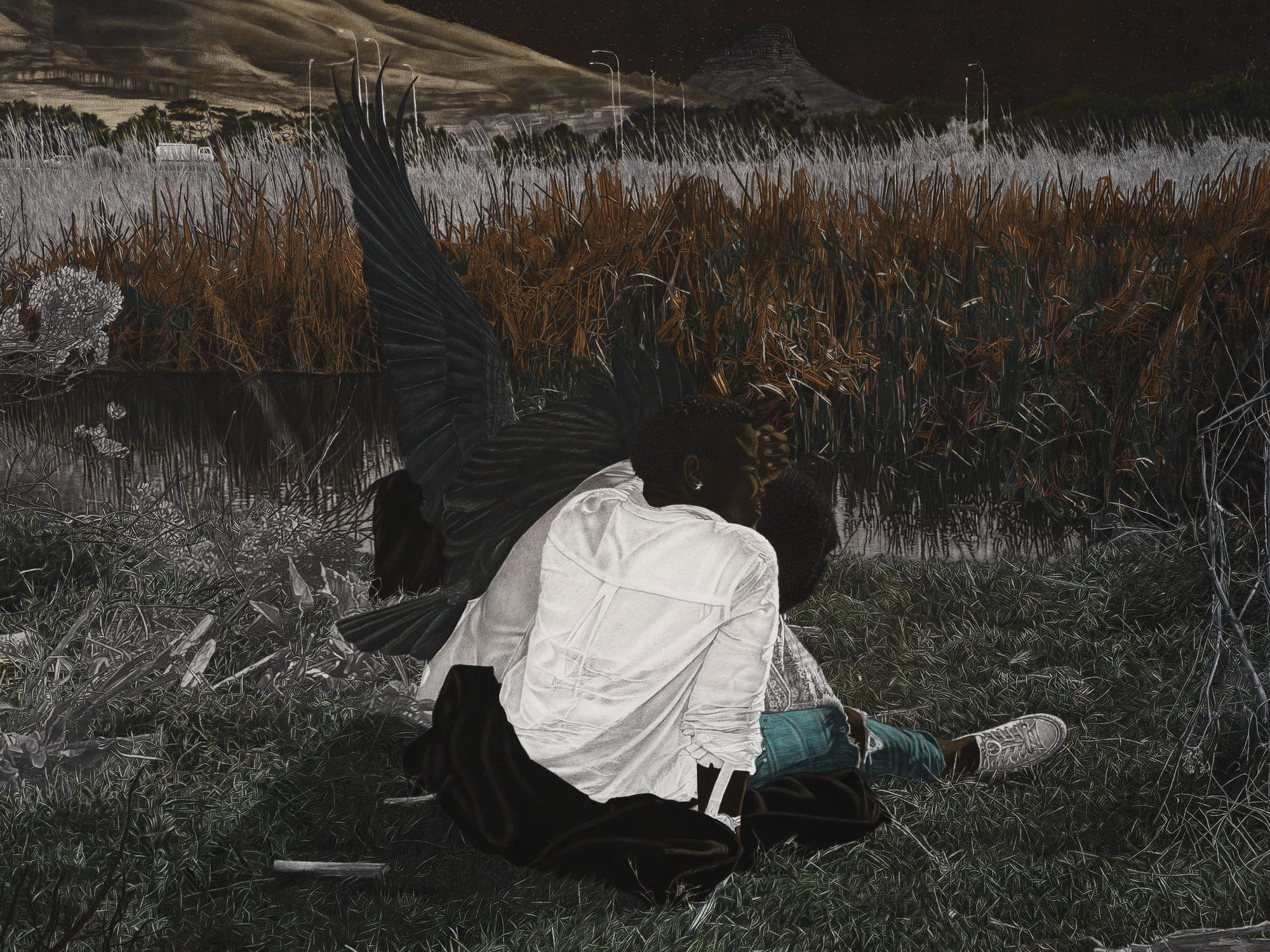
South African artist Cinga Samson makes his New York debut at White Cube with "Ukuphuthelwa," an exhibition of haunting, large-scale oil paintings. The works feature figures with distinctive white pupils engaged in enigmatic rituals within dark, crepuscular landscapes. Drawing from the isiXhosa concept of spiritual alertness during sleeplessness, Samson’s compositions blend the palpable with the unearthly, often depicting scenes that feel choreographed yet remain stubbornly illegible to the Western gaze.

This Liminal Moment

The article reviews the exhibition "MONUMENTS" at the Geffen Contemporary at MOCA and the Brick in Los Angeles, which addresses the legacy of Confederate monuments through contemporary art. It highlights Cauleen Smith's installation "The Warden" (2025), which features a live-feed of the decommissioned Confederate sculpture "Vindicatrix" (also known as "Miss Confederacy") by Edward V. Valentine, originally atop the Jefferson Davis Memorial in Richmond, Virginia. The exhibition is curated by Hamza Walker, Kara Walker, and Bennett Simpson.

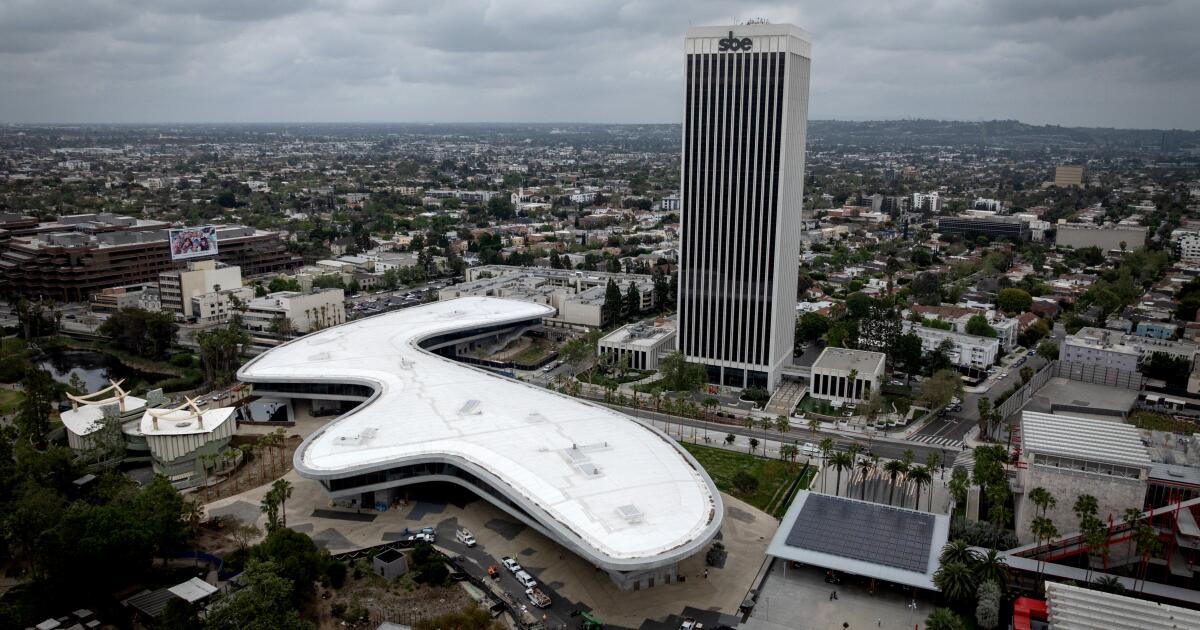
Review: The new LACMA is divisive. It’s also ambitious, disorienting — and radically alive

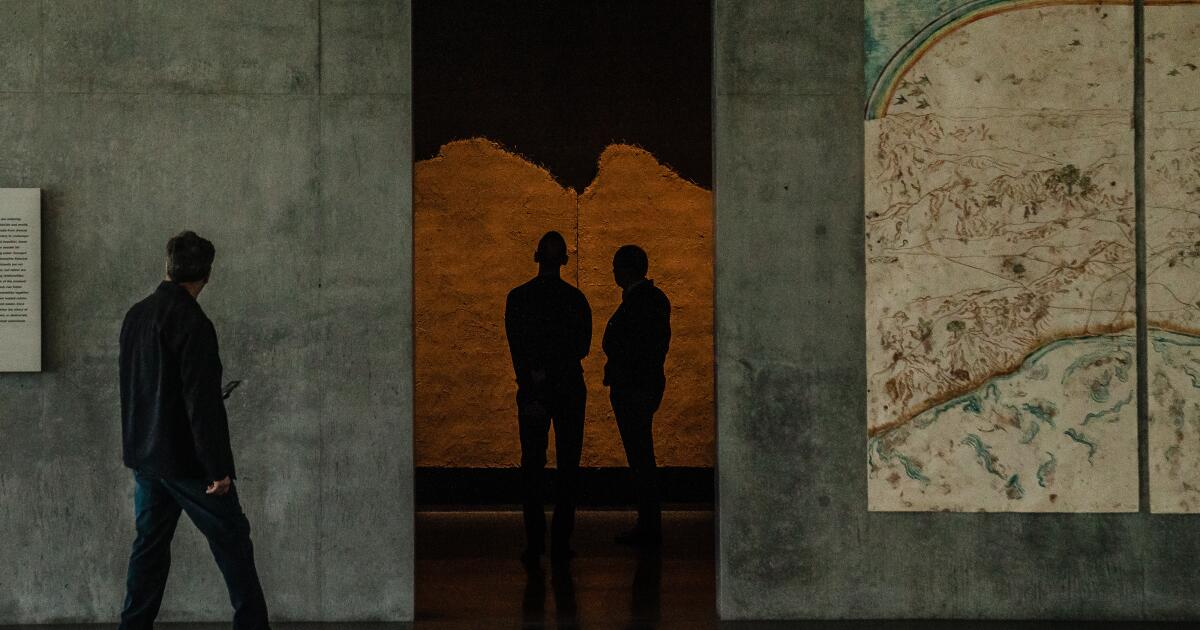
The Los Angeles County Museum of Art (LACMA) has unveiled its $724-million David Geffen Galleries, a massive concrete structure designed by Swiss architect Peter Zumthor that spans Wilshire Boulevard. Replacing several older pavilions, the new building rejects traditional museum conventions like white-cube galleries and encyclopedic organization in favor of a sinuous, organic form that emphasizes light, atmosphere, and a visceral connection to the surrounding landscape.

Ruminations on Rashid Johnson’s “A Poem for Deep Thinkers”

The article is a reflective review of Rashid Johnson's exhibition "A Poem for Deep Thinkers" at the Modern Art Museum of Fort Worth. The author describes standing before Johnson's work "Falling Man" (2016), a piece incorporating broken mirrors, burned wood, and personal objects like a copy of Harry Haywood's "Black Bolshevik" and shea butter, which prompts meditations on visibility, identity, and Frantz Fanon's "Black Skin, White Masks." The review also examines Johnson's large-scale installation "Antoine's Organ" (2016/2026), which fills a gallery typically reserved for Ellsworth Kelly's minimalist canvases, transforming the space with scaffolding, plants, books, and video monitors.

art cady noland thomas eggerer jochen klein

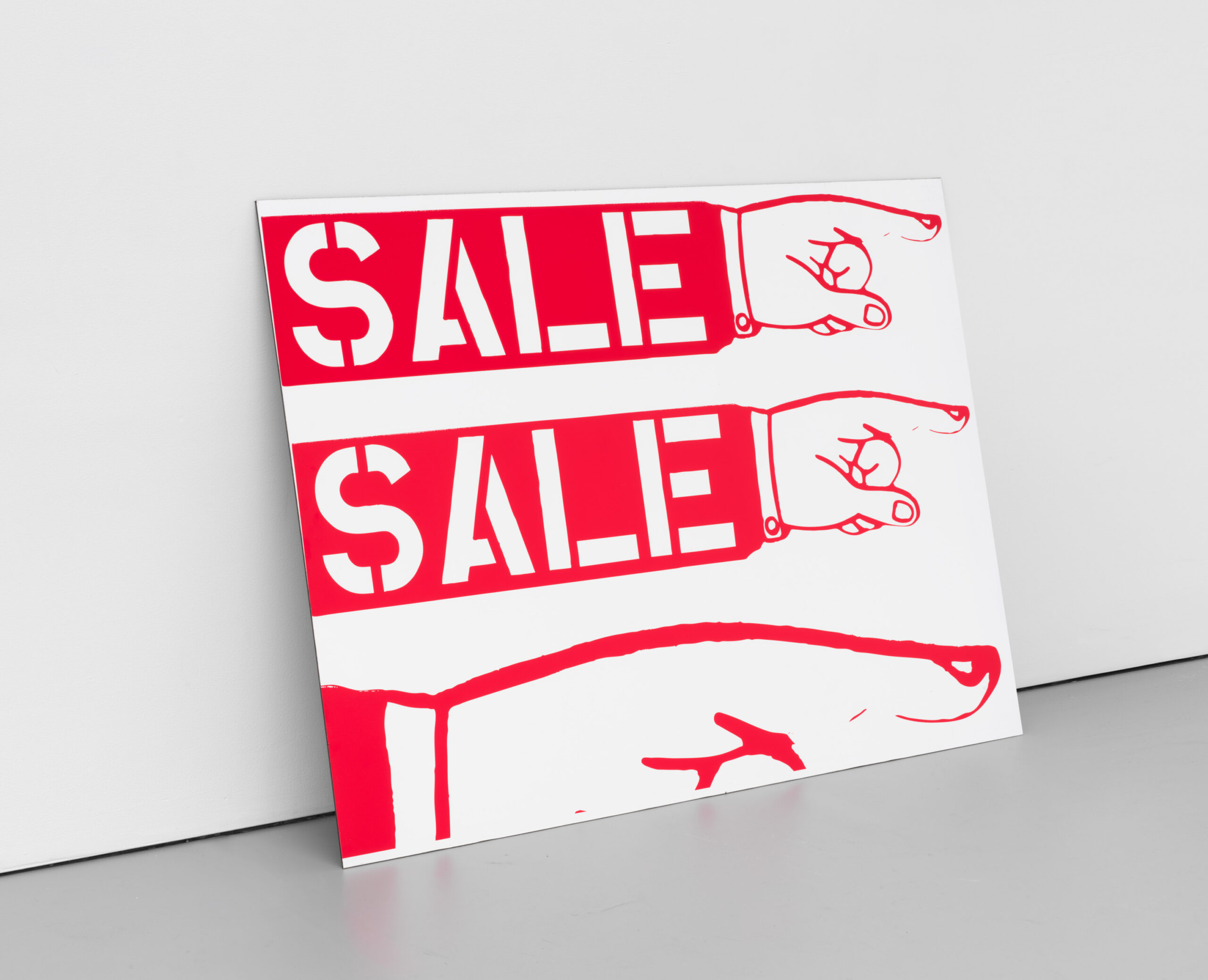
Cultured magazine reviews Cady Noland's 2025 exhibition at Gagosian Gallery's 24th Street location in New York, running through October 18. The show features the artist's signature objects—Budweiser cans, shotgun shells, barricades, and images of Patty Hearst and Lee Harvey Oswald—arranged in a fragmented, almost sale-like display. The review notes the inclusion of Steven Parrino's works alongside Noland's, referencing their collaboration at White Columns in 1988, and highlights new elements like "SALE" signs with manicule illustrations. The critic describes the exhibition as a "fascinating mess" rather than a straightforward success.

david rimanelli willem de kooning cosey fanni tutti

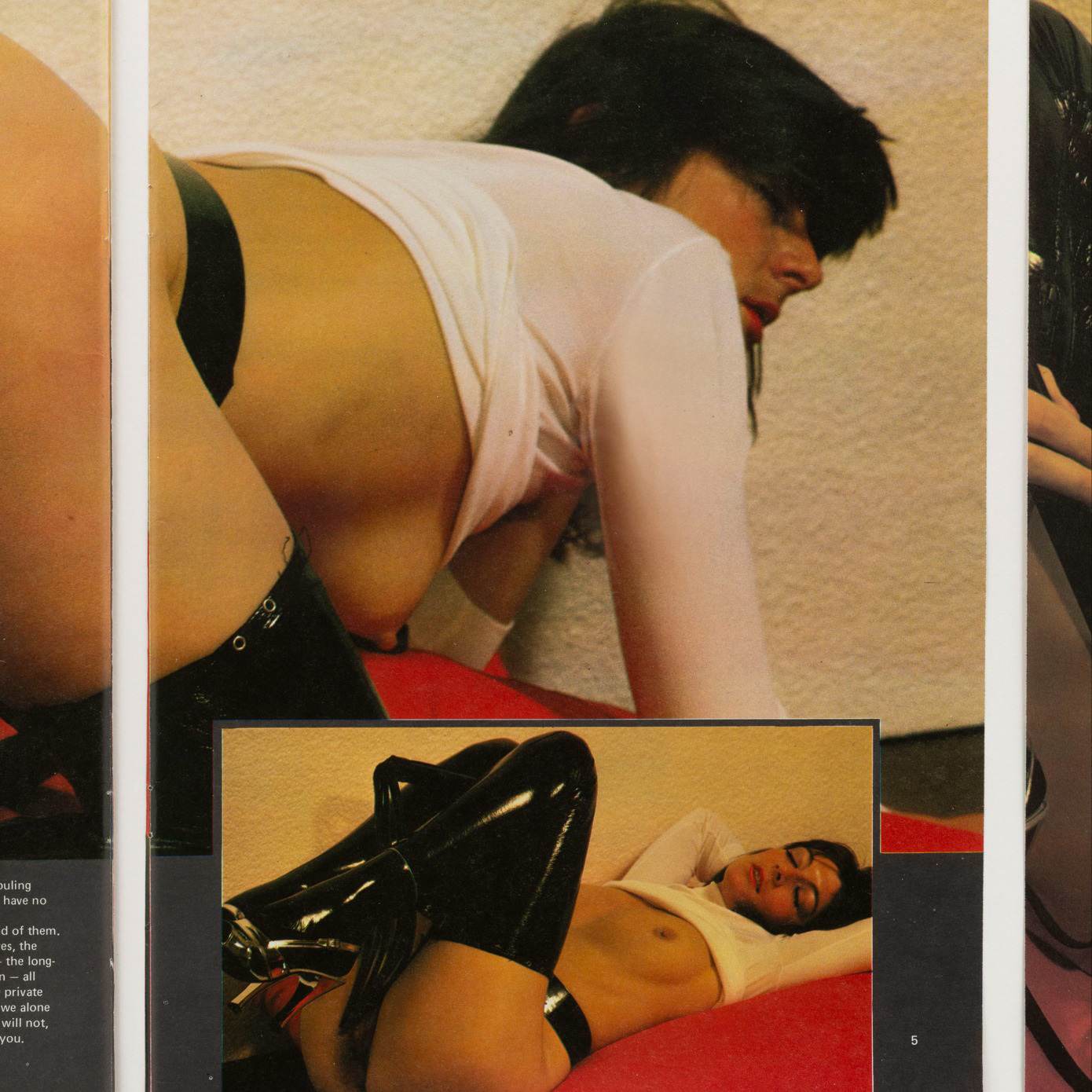
Art critic David Rimanelli reviews Willem de Kooning's exhibition "Endless Painting" at Gagosian's 555 West 24th Street location, curated by Cecilia Alemani, running through June 24, 2025. The show spans de Kooning's career from 1944 to his final phase, though notably omits his black-and-white oil-and-enamel paintings from the late 1940s. Rimanelli expresses ambivalence, finding the show dreary and pointless despite the high caliber of individual works, and critiques the press release's focus on fragmented body parts. Separately, Johanna Fateman reviews Cosey Fanni Tutti's exhibition at Maxwell Graham, highlighting her controversial 1970s series "Magazine Actions" (1972–80), on view through June 28, 2025.

Review: June Leaf retrospective at Oberlin College is a revelation

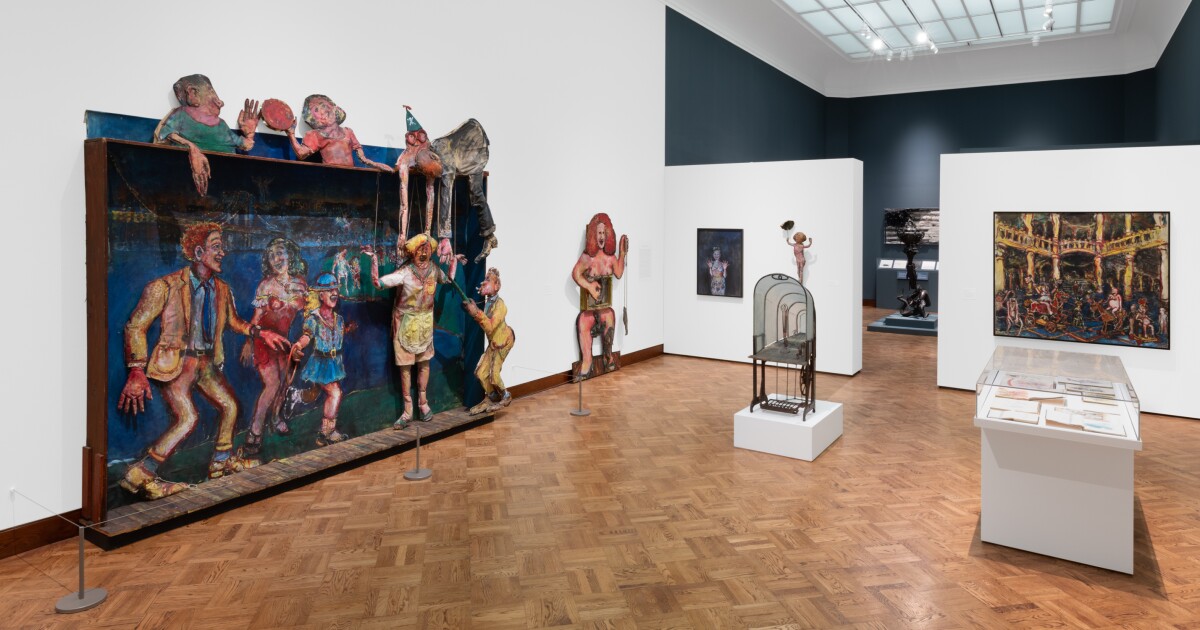
The Allen Memorial Art Museum at Oberlin College is hosting a major retrospective of the late American artist June Leaf, featuring over 100 works spanning 75 years. The exhibition, which originated at the Addison Gallery of American Art, showcases Leaf’s unique figurative style and her roots in Chicago’s "Monster Roster" group. The show aims to provide art historical justice to an artist who often worked in the shadow of her husband, the legendary photographer Robert Frank.

art david rimanelli alex katz matthew barney

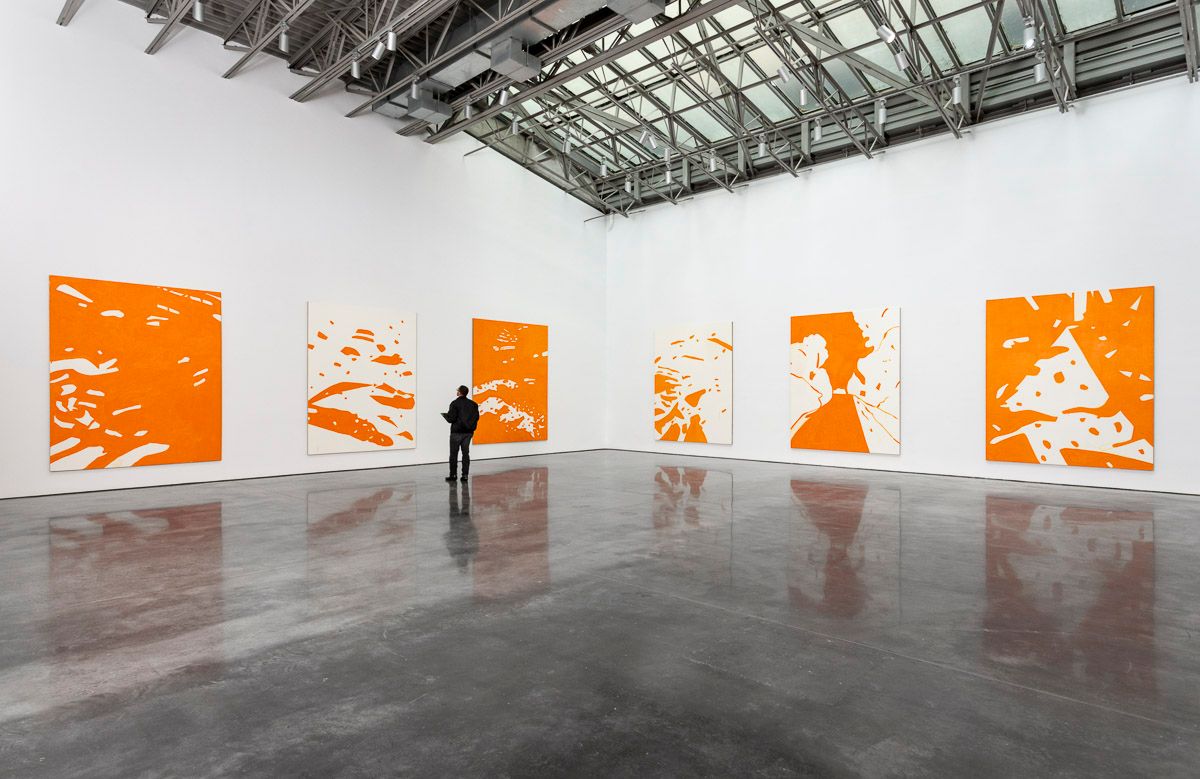
The article reviews Alex Katz's latest exhibition at Gladstone Gallery in New York, featuring 11 large orange-and-white canvases depicting the road to his Maine home, alongside Matthew Barney's three-channel video work "DRAWING RESTRAINT 28" showing Katz at work on a ladder. The show, on view through December 20, 2025, pairs Katz's new paintings with Barney's video, continuing a collaboration first seen at O'Flaherty's gallery. Katz, now 98, reflects on his artistic evolution, citing Matisse's "The Red Studio" as inspiration while asserting his move away from literal representation.

WeWork (oralmoral)

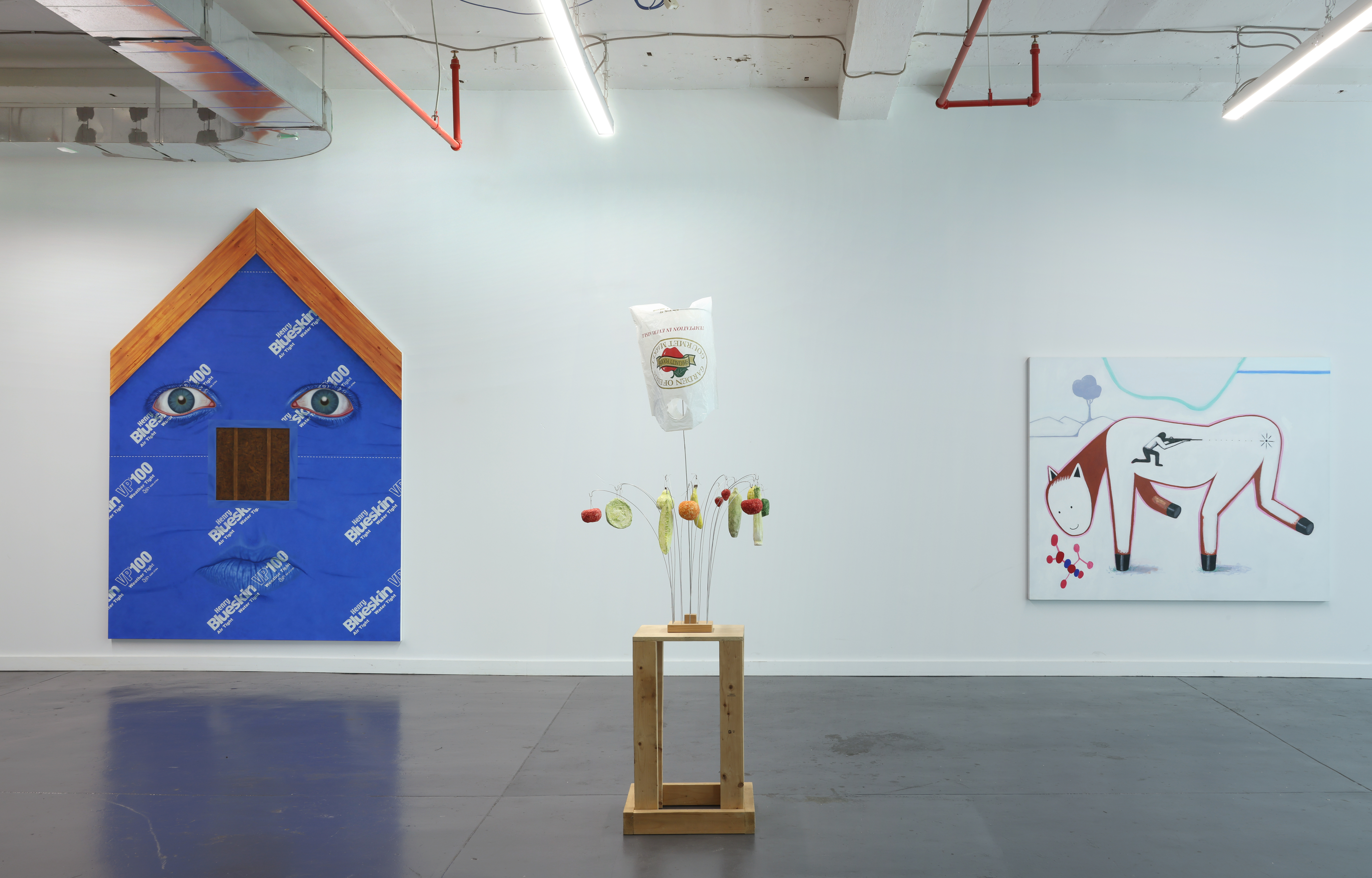
The article reviews "WeWork (oralmoral)," a temporary exhibition at The Gallery in Crown Heights, Brooklyn, curated by artist-turned-curator Florian Meisenberg. The show transforms a former office space into a free-form, non-hierarchical environment where works by over a dozen artists are placed unpredictably—in trash bins, closets, ventilation shafts, and on whiteboards left by the previous tenant. Artists span three generations, from Post-Minimal figures like B. Wurtz and David Humphrey to younger digital-savvy artists such as Lucas Blalock and Anna K.E., whose sound piece "Tamada" greets visitors. The exhibition runs from April 10 to May 18, 2026.

Review: Getting lost in the art is the best part of LACMA’s new revisionist fever dream of a museum

The Los Angeles County Museum of Art (LACMA) has opened its new David Geffen Galleries, a radical reinvention of the museum experience. The installation, conceived by director Michael Govan and architect Peter Zumthor, abandons traditional chronological and departmental silos, instead creating a continuous, curving flow of art from across time, place, and medium. Visitors are encouraged to wander and get lost, forging their own connections between works.

Highs and Lows at Princeton’s New Art Museum

Brian T. Allen reviews the newly opened Princeton University Art Museum, praising its architectural design while questioning the curatorial direction. He contrasts the new building's impressive appearance with his concerns about the museum's exhibition choices, recalling past successful shows like the Berlin Painter exhibition and a Clarence White photography show that he found more intellectually rigorous.

White Girls and the Global South

The article is a curated list of art books for spring reading, featuring a diverse range of subjects. It highlights two main critical reviews: one critiques a new novel, *Flat Earth* by Anika Jade Levy, as another navel-gazing story about disaffected white women, while the other praises a scholarly work, *Non-Aligned: Art, Decolonization and the Third World Project in India* by Atreyee Gupta, which examines the international solidarity networks of Indian modernist painters long before the term "Global South" became popular.

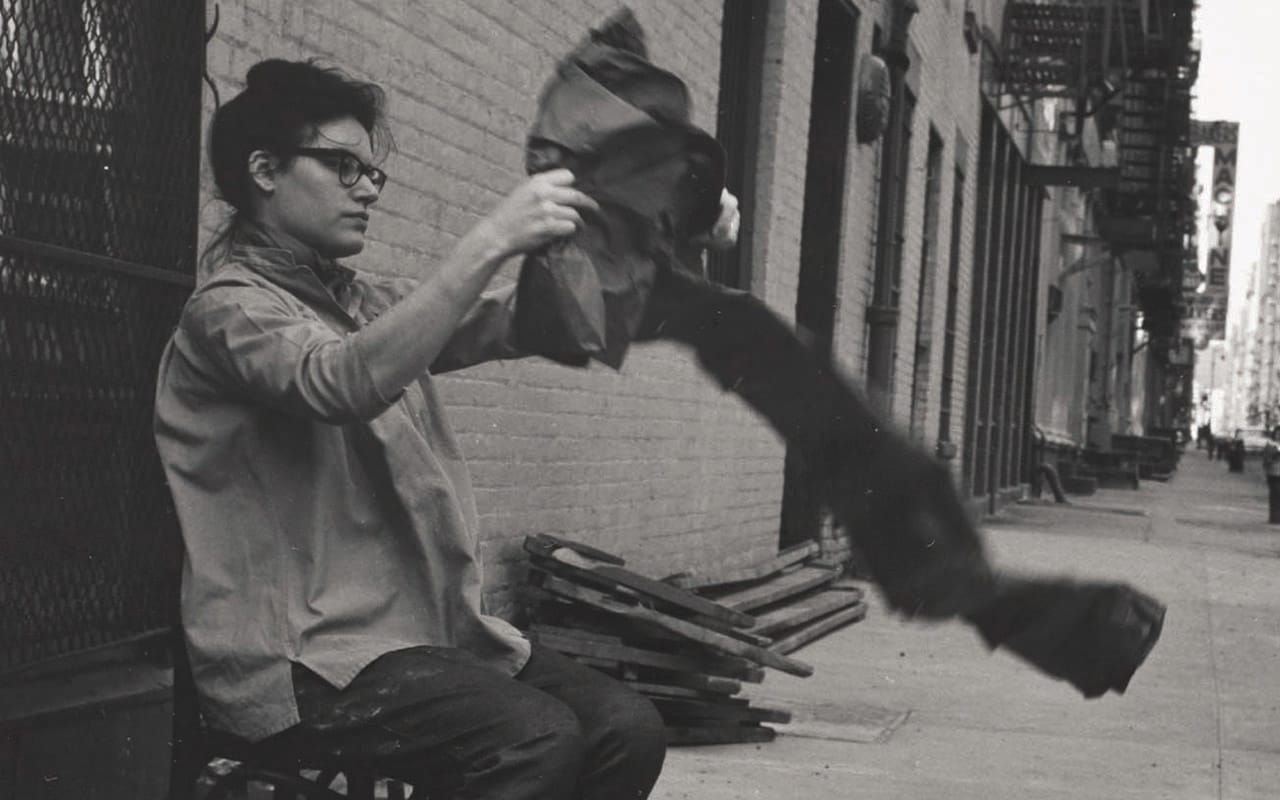
The Mysterious Life of Fluxus Dame Alison Knowles

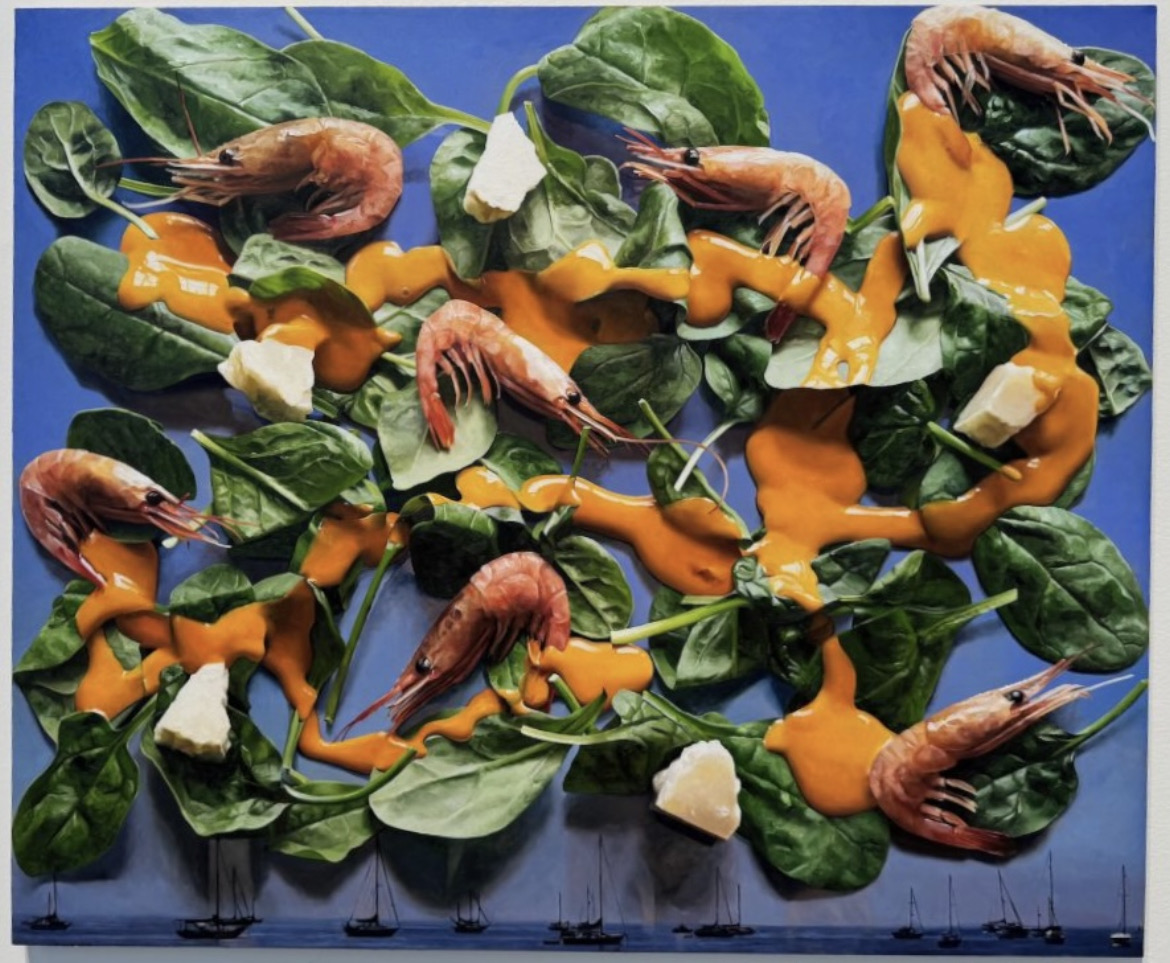
A new book, "Performing Chance: The Art of Alison Knowles In/Out of Fluxus" by art historian Nicole L. Woods, is the first major study of the late Fluxus artist Alison Knowles, who died last fall at age 92. The book focuses on the first two decades of her career (1958–1975), analyzing key works such as her 1962 performance "Proposition #2: Make a Salad" at London's Institute of Contemporary Arts, and her shift from painting to experimental, ephemeral art after being exiled to a basement by Josef Albers at Syracuse University.

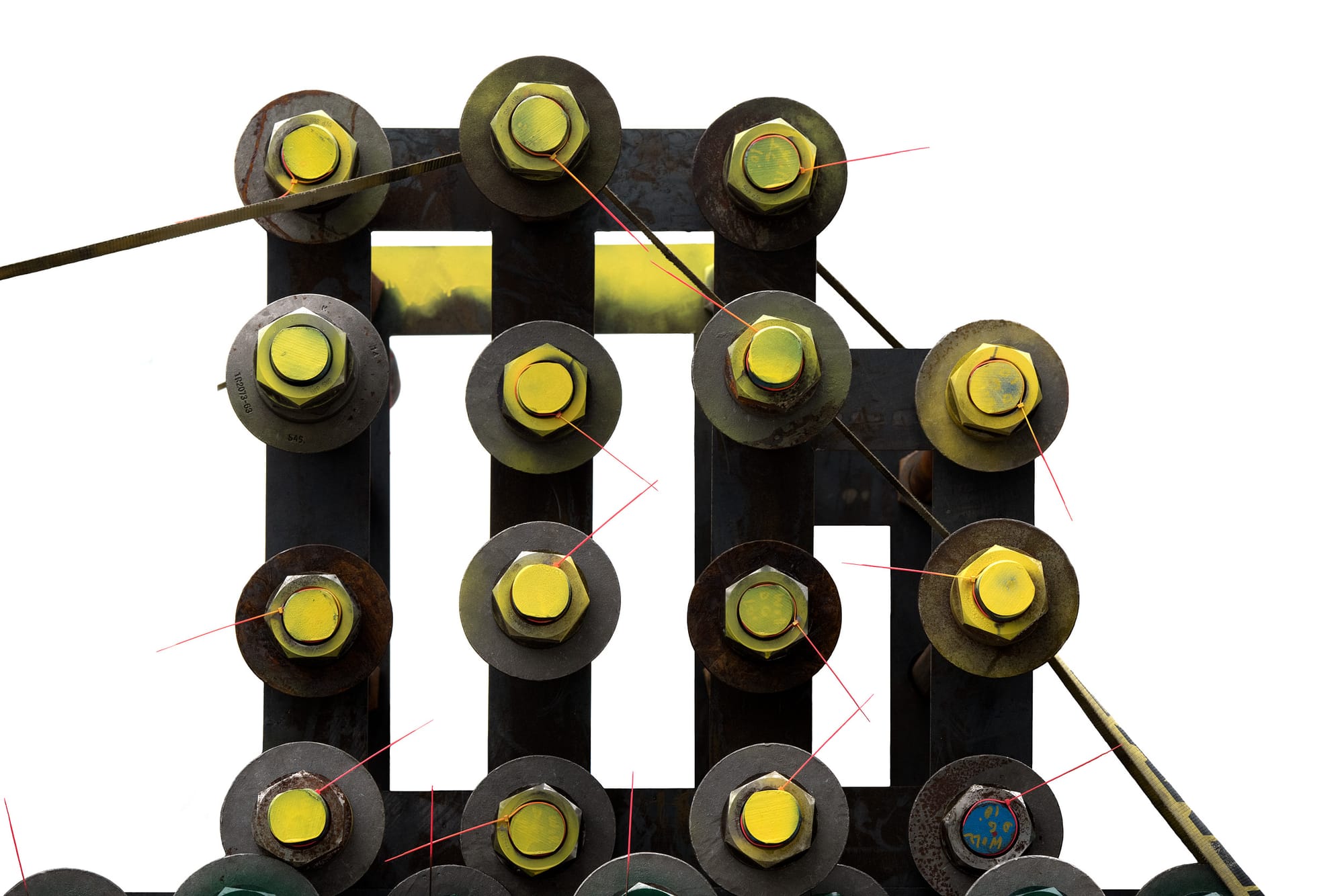
Jan Staller Photographs the Nuts and Bolts of Manhattan's Urban Symphony

Photographer Jan Staller has released a new book titled "Manhattan Project," featuring photographs of construction materials—pipes, beams, rebar, and drill bits—suspended midair against white skies. The book marks a shift from his earlier moody night photography to a hard-edged focus on utilitarian objects, transforming New York City's construction sites into otherworldly, readymade-like visions. The book includes a foreword by Neil deGrasse Tyson and an essay by curator Brett Littman, with images spanning locations across the Upper West Side.