filter_list Showing 7 results for "curator" close Clear
dashboard All 178 museum exhibitions 113article news 19person people 18rate_review review 7article local 7trending_up market 6article culture 5candle obituary 1article event 1article policy 1
date_range Range Today This Week This Month All
Subscribe

Art for Our Age of Chaos

The article reviews two major New York exhibitions opening in 2026: the Whitney Biennial at the Whitney Museum of American Art, featuring over fifty artists, and "New Humans: Memories of the Future" at the newly expanded New Museum, with over a hundred artists. Both shows are described as enormous and defiant, responding to a distracted public and financial pressures. The reviewer notes that both exhibitions juxtapose large-scale immersive works with tiny, intimate pieces, and finds the Whitney Biennial lacking urgency, while preferring the New Museum's historical narrative about technology and modernity.
Jan Staller Photographs the Nuts and Bolts of Manhattan's Urban Symphony

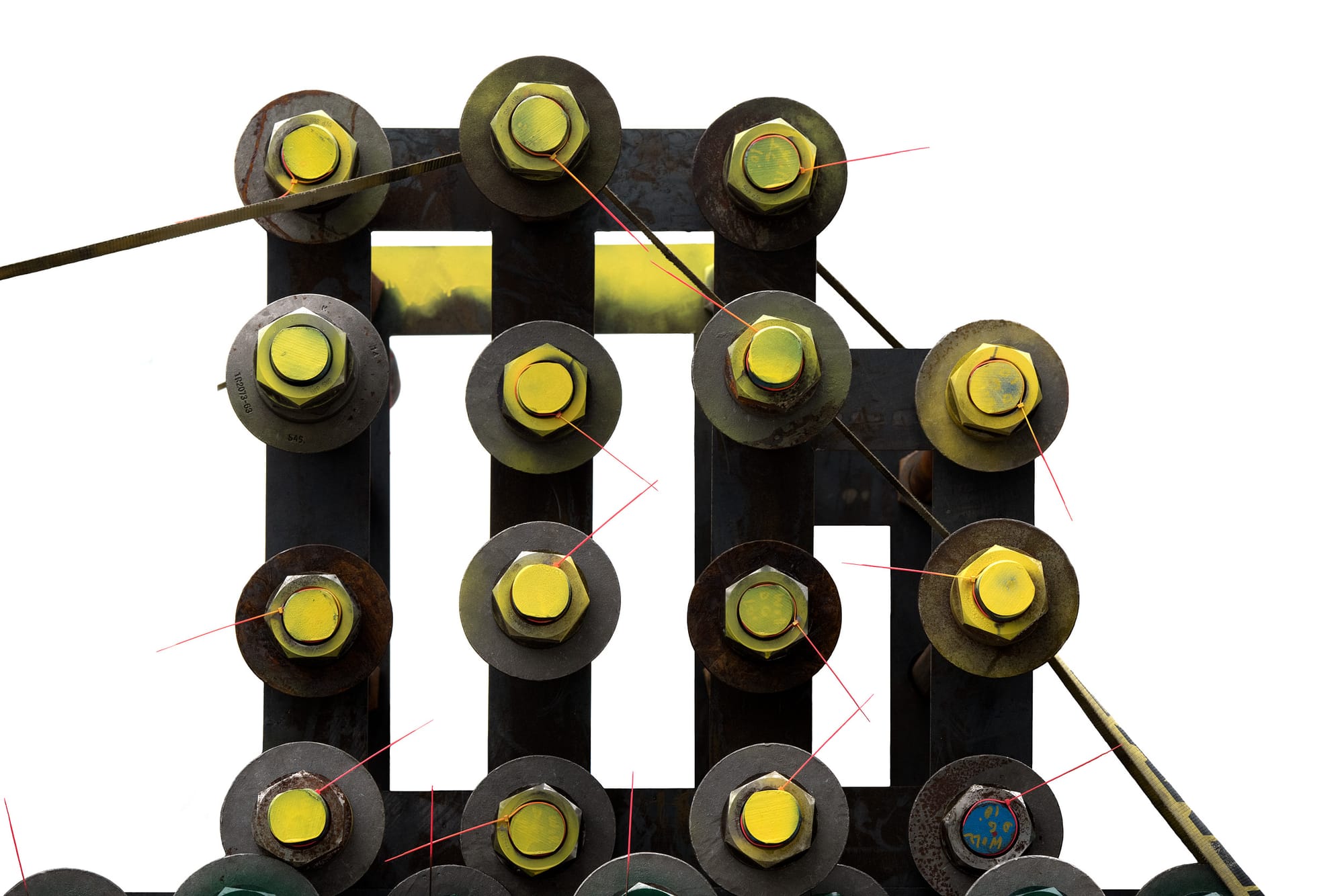
Photographer Jan Staller has released a new book titled "Manhattan Project," featuring photographs of construction materials—pipes, beams, rebar, and drill bits—suspended midair against white skies. The book marks a shift from his earlier moody night photography to a hard-edged focus on utilitarian objects, transforming New York City's construction sites into otherworldly, readymade-like visions. The book includes a foreword by Neil deGrasse Tyson and an essay by curator Brett Littman, with images spanning locations across the Upper West Side.

Patchwork Lost – A Critique of the Princeton University Art Museum’s American Art Wing

The article critiques the newly opened American art wing at the Princeton University Art Museum, arguing that its curatorial approach prioritizes contemporary social justice narratives over historical accuracy and national pride. The author contends that the exhibition presents a fragmented, politicized view of American history, highlighting slavery and racial injustice while omitting or minimizing the contributions of Princeton alumni to the nation's founding, such as James Madison and John Witherspoon. Specific examples include the inclusion of a 2022 revisionist painting of the Signing of the Constitution and selective signage that emphasizes marginalized figures while ignoring male patriots.

I wanted to hate the new LACMA. Then I went back

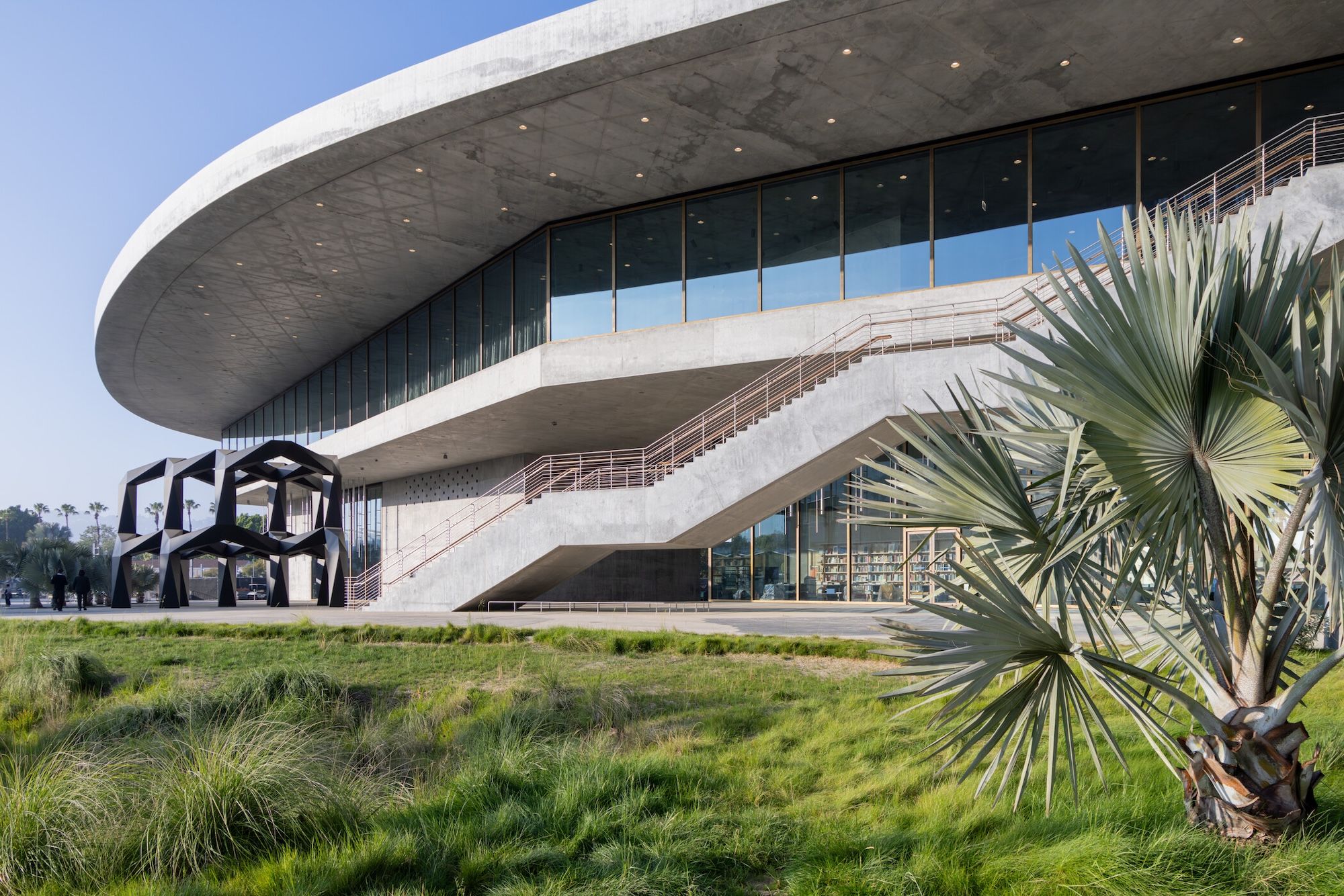
The article describes the author's evolving impression of the newly opened David Geffen wing at the Los Angeles County Museum of Art (LACMA), designed by architect Peter Zumthor. Initially visiting at 11am, the author found the $724 million, 110,000 sq ft building to be a "dismal, dated, inelegant brute," with thick bronze windows, dark concrete slabs, and bunker-like galleries. However, returning at 4pm, the author experienced a transformation: golden afternoon light warmed the concrete, illuminated the interiors, and revealed the building as a "brilliant innovation and true gift to the city." The article details the building's 20-year design evolution, challenges including fossil discoveries on site, and Zumthor's public frustrations with the compromised details.

A Baroque Too Baroque: Reflections on the Colossal Exhibition in Forlì

Un Barocco troppo barocco. Riflessioni sulla colossale mostra di Forlì

A massive exhibition titled "Barocco: il gran teatro delle idee" (Baroque: The Grand Theater of Ideas) is on view at the Museo Civico San Domenico in Forlì, Italy. The show, curated by a committee of six, ambitiously attempts to define the Baroque across the 17th and 18th centuries, extending its scope to include France and Spain, and even suggesting its echoes in the 20th century. It features approximately 300 works, including paintings, sculptures, and decorative arts.

In "Dancing the Revolution," Puerto Rico Pushes Back

The article reviews "Dancing the Revolution," a multi-genre collective exhibition at the Museum of Contemporary Art Chicago that explores the music of dancehall and reggaetón, their roots, history, and evolution, and their inextricable link to colonial oppression. The show is inspired by the massive 2019 protests in Puerto Rico against then-Governor Ricardo Rosselló, where music and dance were used as forms of resistance, drawing on centuries of Black Atlantic protest in the Caribbean.

The Many Forms of Marcel Duchamp

The New Yorker's Hilton Als reviews "Marcel Duchamp," a major retrospective at the Museum of Modern Art (MoMA) in New York, running through August 22, 2026. Curated by Matthew Affron, Michelle Kuo, and Ann Temkin, it is the first North American retrospective of Duchamp's work since 1973, organized in collaboration with the Philadelphia Museum of Art. The exhibition spans MoMA's entire sixth floor, showcasing Duchamp's shape-shifting practice—from iconic works like "Nude Descending a Staircase (No. 2)" (1912) and "Bicycle Wheel" (1951) to his readymades and conceptual pieces—emphasizing his rejection of commodification and embrace of intellectual freedom, play, and queer sensibilities.