filter_list Showing 7 results for "hyperallergic" close Clear
dashboard All 39 museum exhibitions 11article news 9rate_review review 7article culture 5article local 2candle obituary 2trending_up market 1person people 1article policy 1
date_range Range Today This Week This Month All
Subscribe

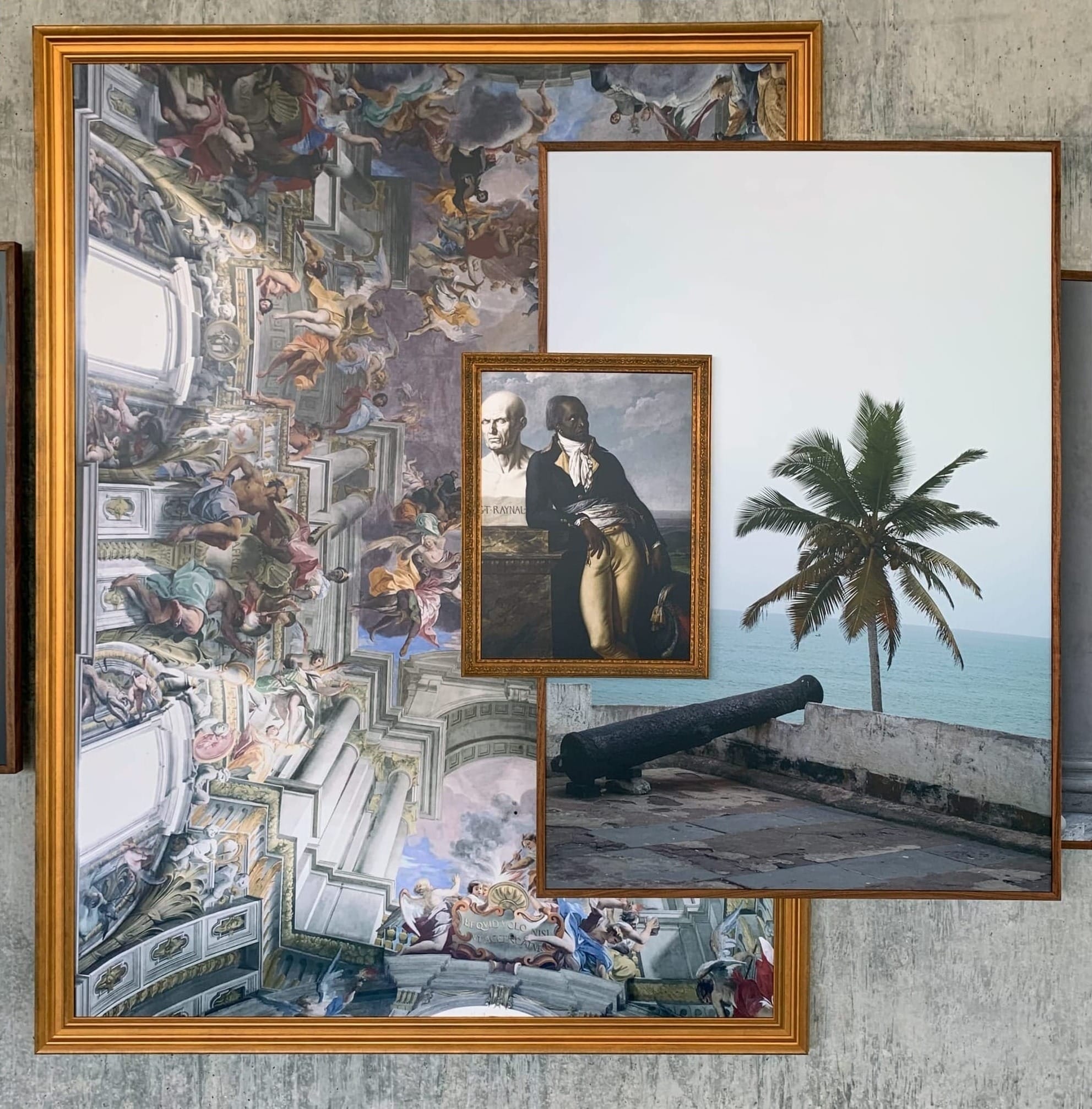
Todd Gray Reframes Black Diasporic History

Todd Gray's exhibition "Portals" at Perrotin in Los Angeles features multi-paneled photo assemblages that juxtapose images of slavery with European art, architecture, and formal gardens, exploring the evolution of Black history and identity. The show coincides with the opening of his commissioned installation "Octavia's Gaze" (2025) at the new David Geffen Galleries of the Los Angeles County Museum of Art. Gray's works incorporate his own photographs alongside sources like Hubble Space Telescope imagery, creating layered visual puzzles that invite viewers to find connections and ask questions about African diasporic identity.
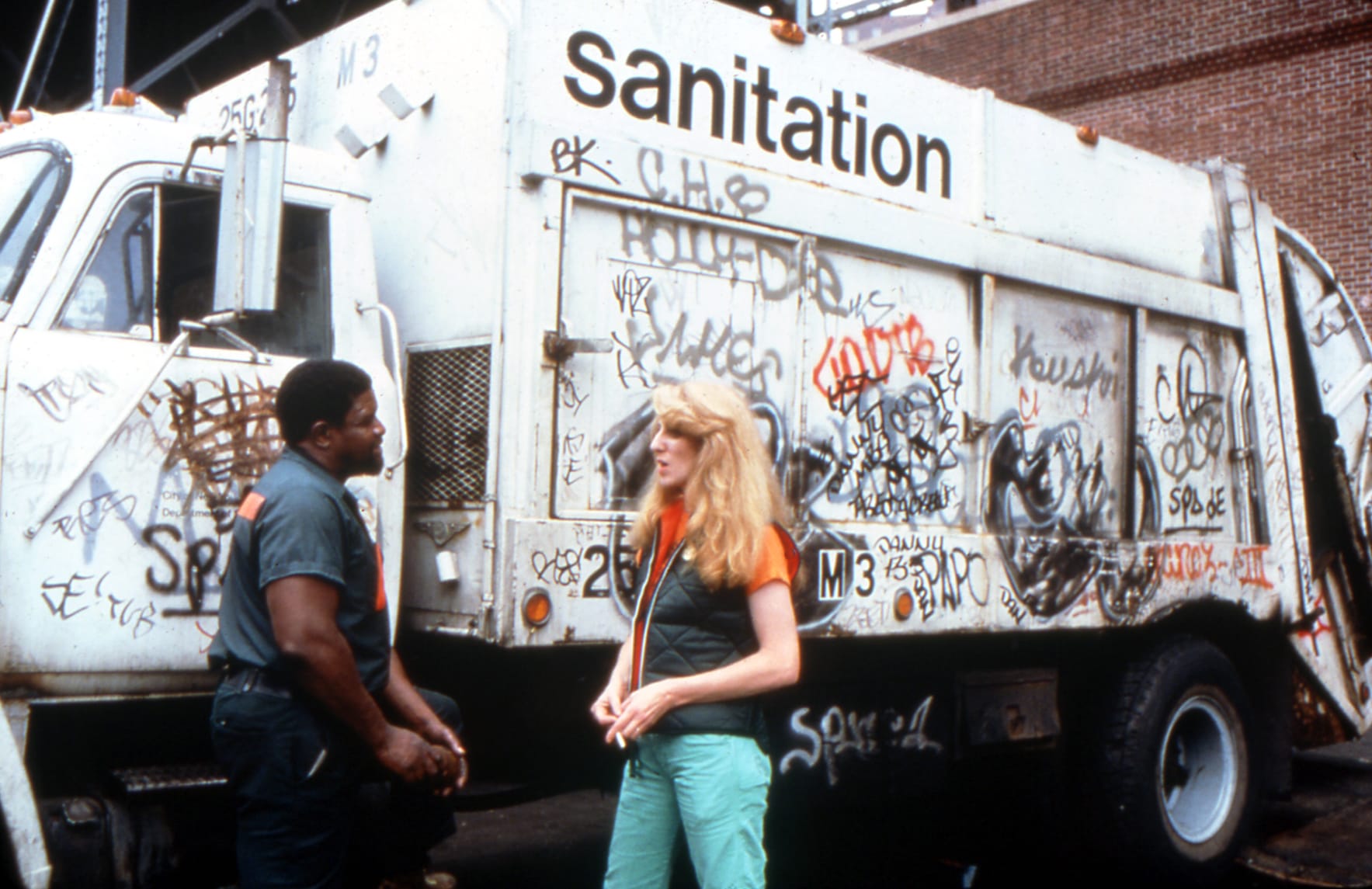
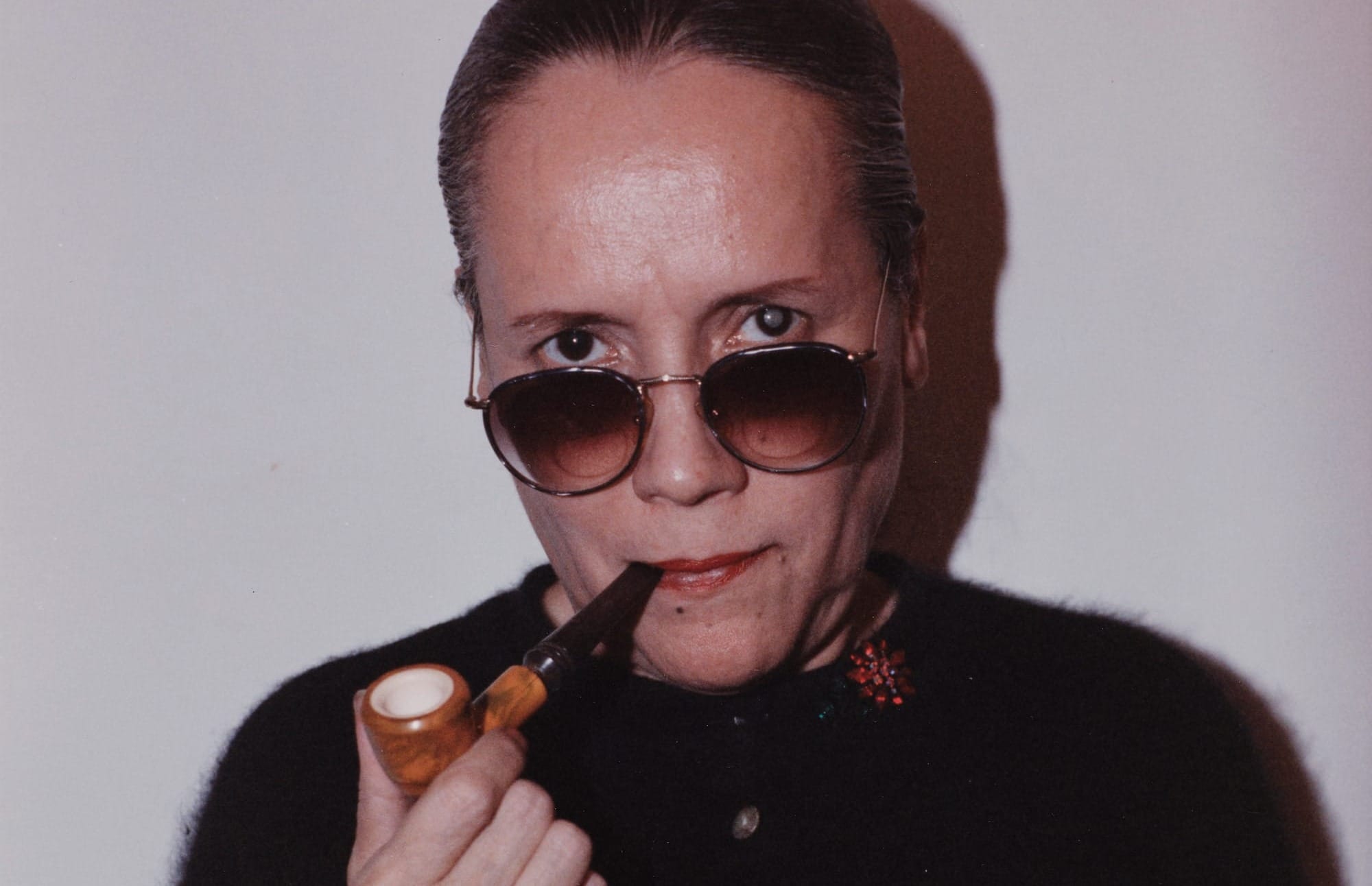
The Making of a Maintenance Artist

A new documentary titled "Maintenance Artist" (2025) traces the decades-long practice of Mierle Laderman Ukeles, a pioneering artist who focused on marginal, unpaid, and feminine labor. The film covers her career from her 1969 "CARE" manifesto, through her role as artist-in-residence at the New York City Department of Sanitation, to her first retrospective at the Queens Museum in 2017. It highlights her critique of art-world gender biases and her efforts to recognize discounted labor in all fields.

Sophia Rivera’s Mythology of Everyday New York

The article reviews "Sophie Rivera: Double Exposures" at El Museo del Barrio, the first survey of the late Nuyorican photographer Sophie Rivera, who died in 2021. The exhibition spans her career, including her feminist conceptual series "Rouge et Noir" and "Bowl Study" (c. 1976–78), which depict intimate bodily waste like used tampons and feces, and her socially engaged "Latino Portraits" series from the late 1970s, which countered negative media stereotypes of Puerto Ricans with affectionate, mythologizing portraits. The review highlights a moment where the critic misidentifies abstract toilet photographs as pinhole or double exposures before learning their true subject.

Mary Frank Creates Her Own Pantheon

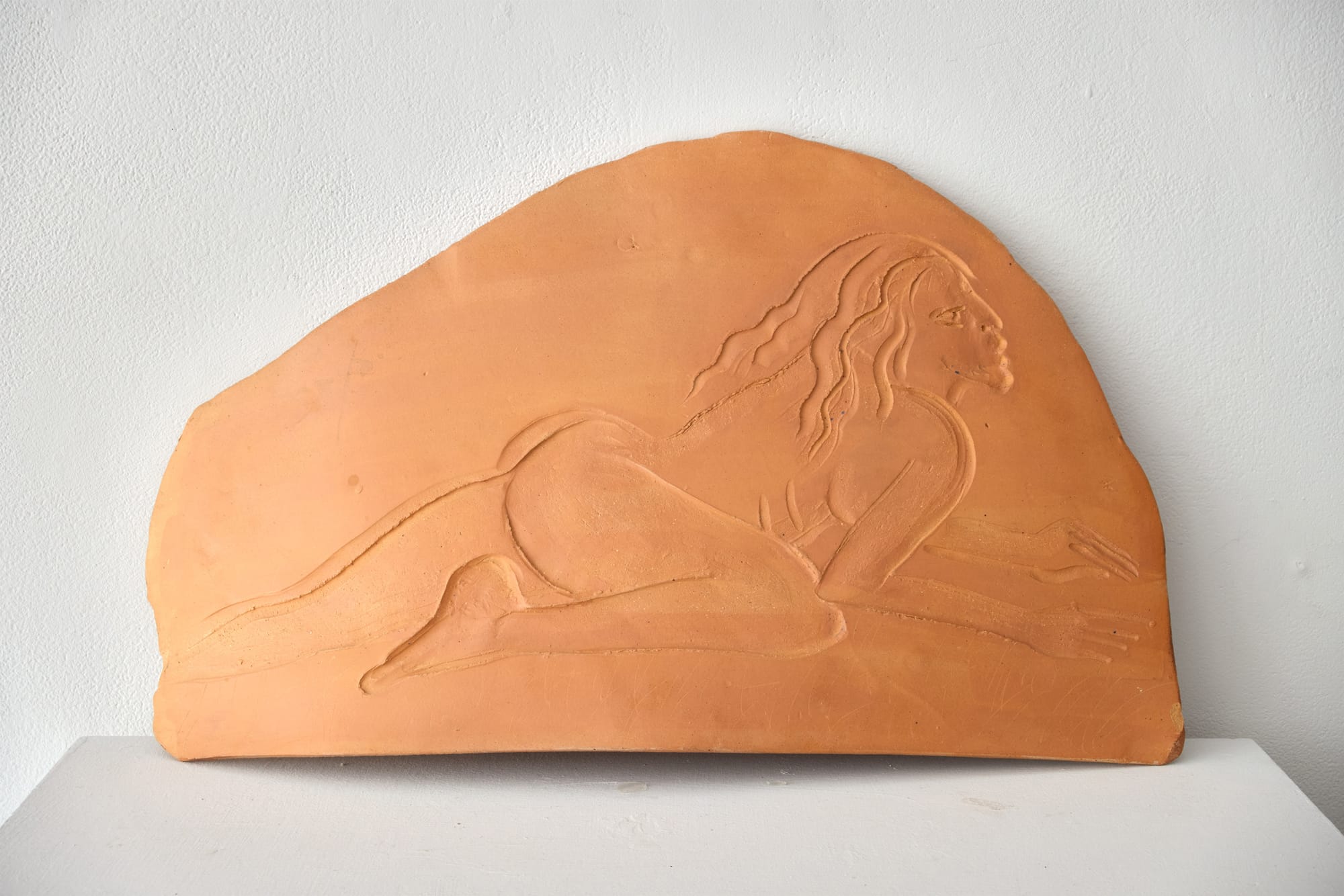
Mary Frank, an artist in her early 90s known for mythologically rooted sculpture and works on paper, is the subject of a focused exhibition at Steven Harvey Fine Art Projects in New York. Curated by Steven Harvey, the show presents 11 sculptures in wood, bronze, and ceramic from 1958 to 1985, alongside five works on paper, including a monotype and an oil-on-paper piece. Frank’s work, influenced by her study with Martha Graham, centers on self-sustaining female figures that embody agency, tenderness, and survival, often rendered in ceramic slabs or carved wood.

Between Tropes and Treats at NADA New York

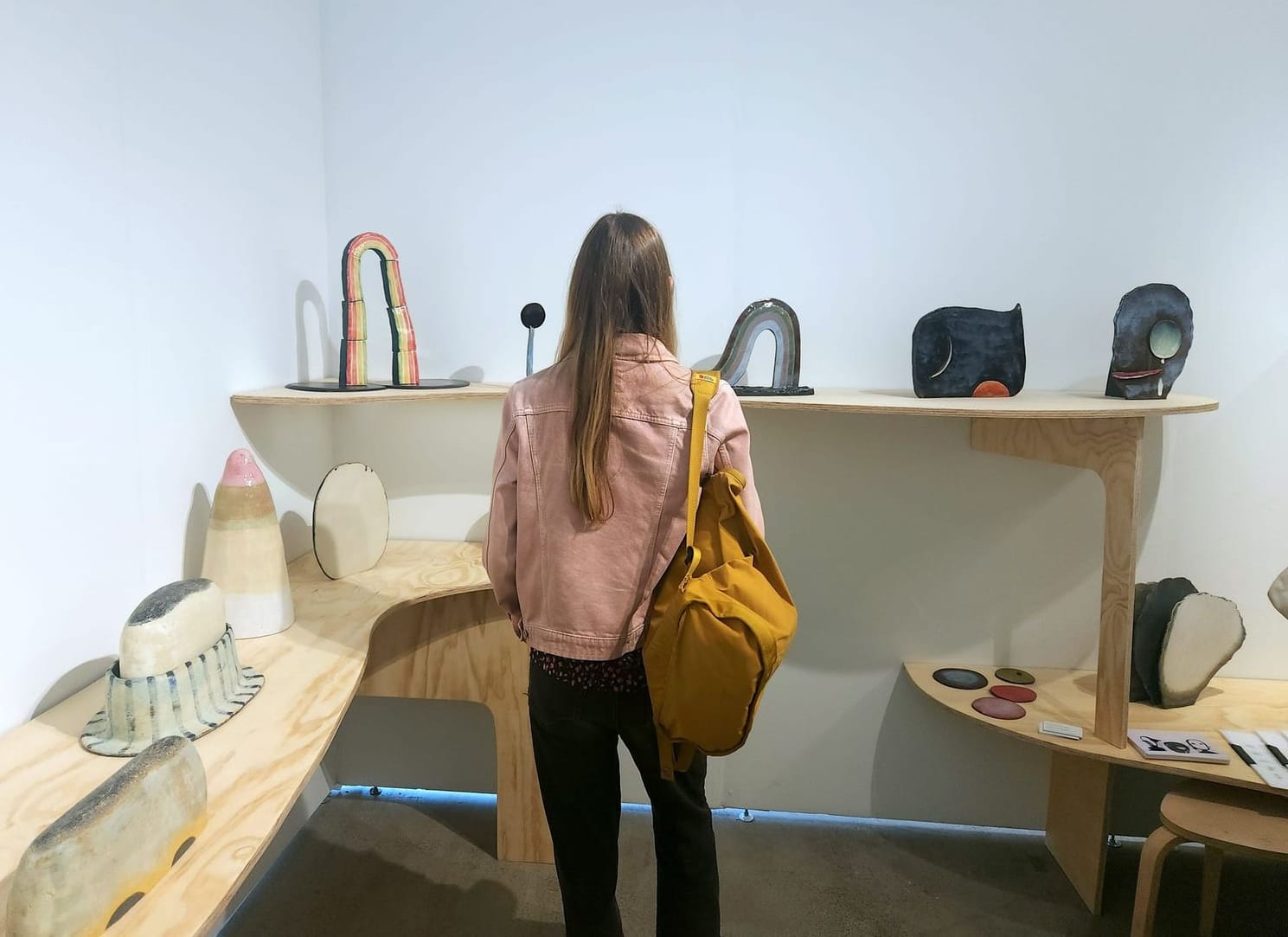
The 12th annual New Art Dealers Alliance (NADA) fair opened at the Starrett-Lehigh Building in Manhattan, featuring a wide array of contemporary works. Critic Rhea Nayyar notes that while many booths felt interchangeable due to prevalent trends like zany sculptures, shiny materials, and kitschy vibrancy, several standout pieces offered genuine engagement. Highlights include Elena Roznovan's maternal ephemera embedded in concrete with bondage tape, Kelly Tapia-Chuning's deconstructed serapes addressing colonial violence, and Niniko Morbedadze's folkloric illustrations.

The Ukrainian Pavilion’s Deer Seen Around the World

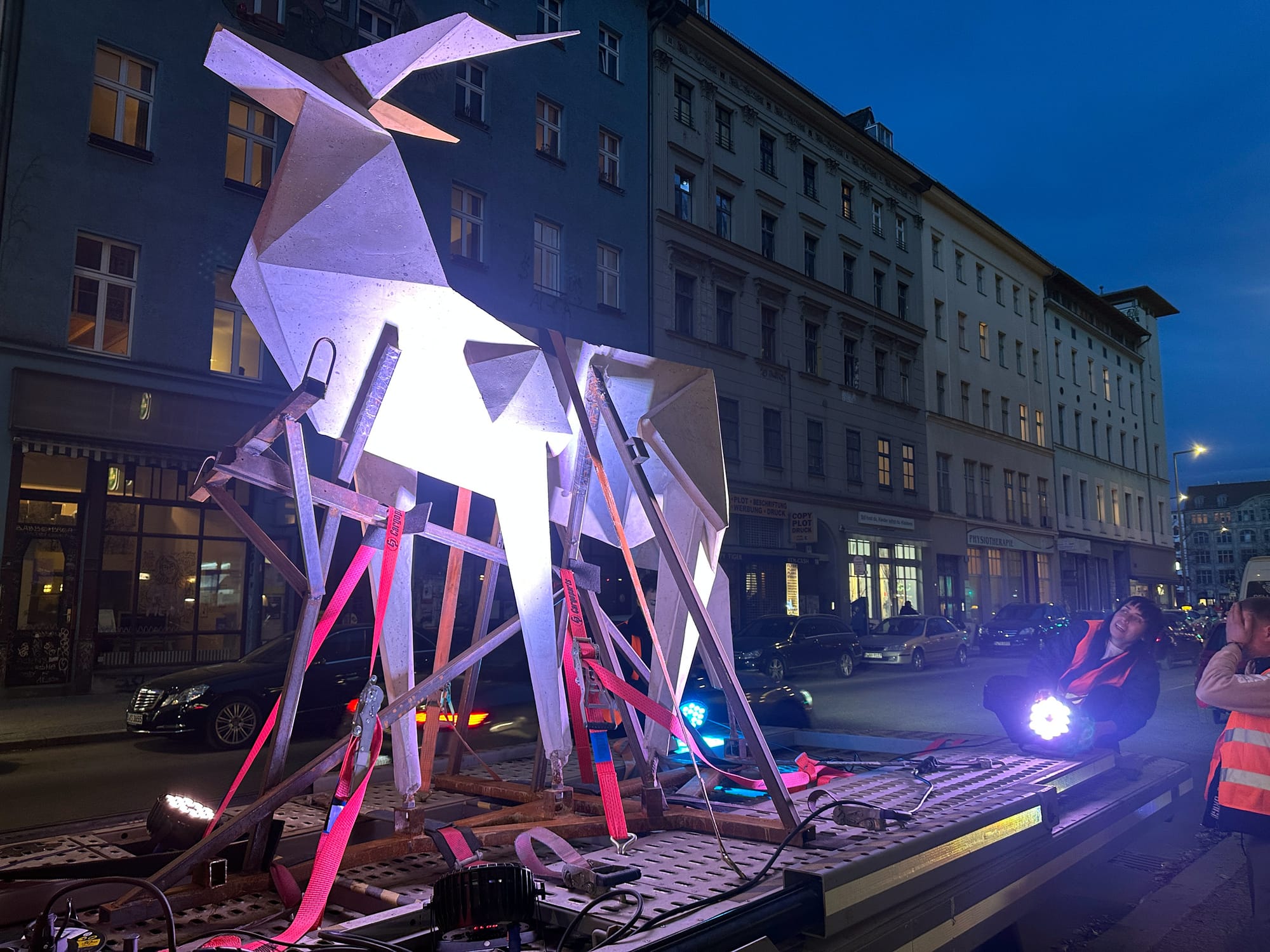
Zhanna Kadyrova's concrete sculpture "The Origami Deer" (2019) is prominently displayed at the entrance to the Giardini during the 61st Venice Biennale, part of her project "Security Guarantees" in the Ukrainian Pavilion. Originally installed in Pokrovsk, eastern Ukraine, the work was removed in 2024 as Russian forces advanced, then traveled through Vienna, Warsaw, Prague, Berlin, and Paris before reaching Venice—a journey mirroring the displacement of millions of Ukrainians. The sculpture, shaped like a deer and evoking folded paper, references the 1994 Budapest Memorandum, in which Russia, the UK, and US guaranteed Ukraine's security in exchange for its nuclear disarmament—guarantees that proved worthless after Russia's invasions.

Did Zurbarán Believe What He Painted?

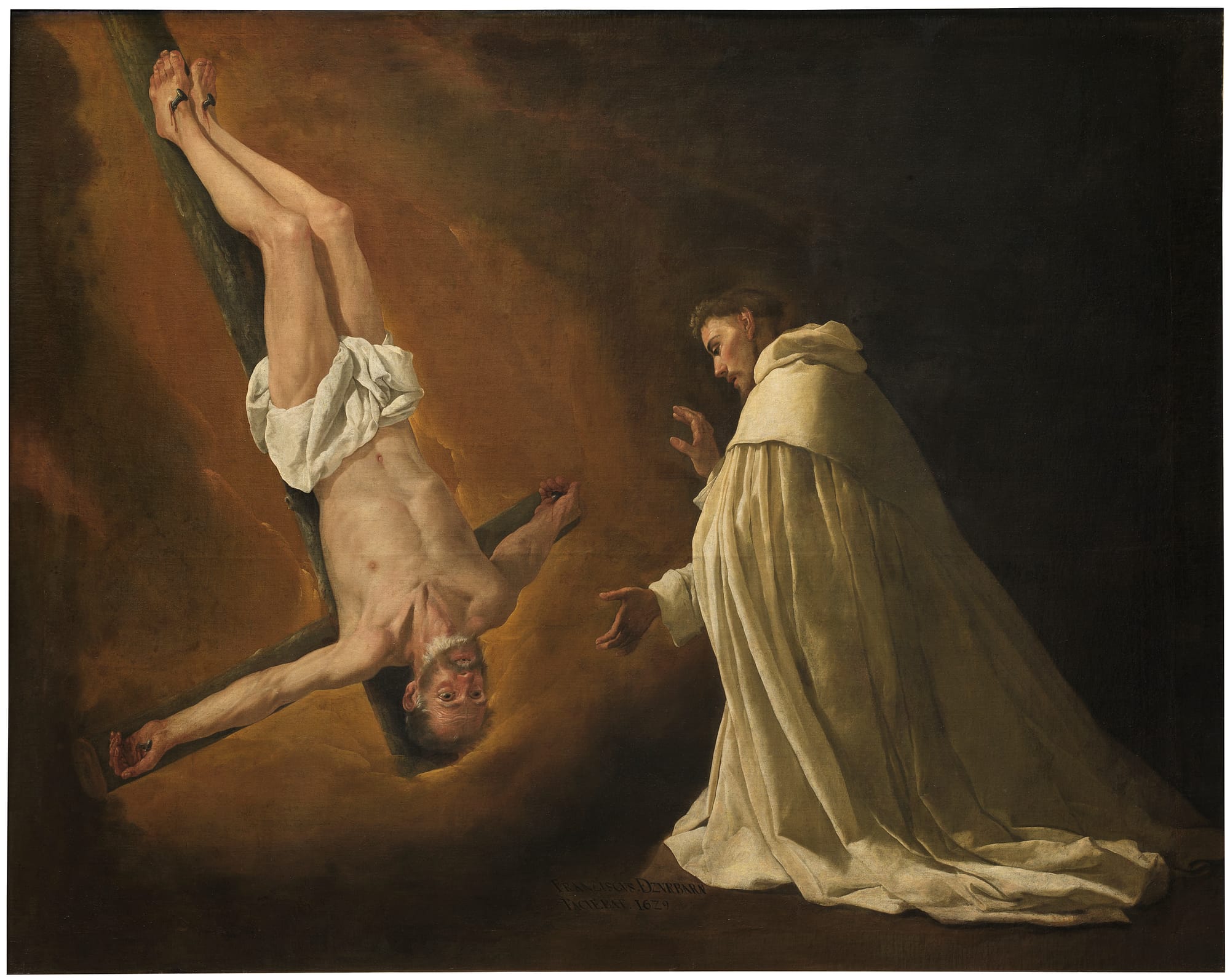
An exhibition of Francisco de Zurbarán's 17th-century religious paintings at London's National Gallery prompts a critic to question whether the artist's personal faith influenced his artistic skill. The show features monumental works from Spanish churches and monasteries, displayed dramatically against black walls, including crucifixion scenes, monks, and saints. The critic notes that no personal records of Zurbarán survive—only contracts—leaving his beliefs unknown, and compares him to Agnolo Bronzino, who painted pious scenes but wrote obscene verses. A small painting of a crucified Christ with a painter, possibly a self-portrait of Bronzino, is presented as ambiguous evidence of faith.