filter_list Showing 40 results for "representation" close Clear
search
dashboard All 1048 museum exhibitions 532article news 131trending_up market 96person people 77article local 68article culture 58rate_review review 40candle obituary 22article policy 22article event 2
date_range Range Today This Week This Month All
Subscribe

robert longo pace gallery review 1234752550

Artist Robert Longo presents a new exhibition at Pace Gallery, featuring his signature large-scale, hyperrealistic drawings that address themes of brutality, conflict, and protest. The show is a revised version of a 2023 exhibition at the Milwaukee Art Museum, with works based on media images of events such as the war in Ukraine, Black Lives Matter protests, and migrant crises. The article critically examines several pieces, including "Untitled (Ferguson Police, August 13, 2014)" and "Untitled (Refugees at Mediterranean Sea, Sub-Saharan Migrants, July 25, 2017)," arguing that Longo's manipulations of source photographs result in melodramatic and dishonest representations.

what are the 10 best works of art in new york museums let the debate begin 253472

Artnet News critic Christian Viveros-Fauné has published a personal list of the ten best works of art in New York museums, sparking debate among readers. The selection includes iconic pieces such as Giovanni Bellini's *St. Francis in the Desert* at the Frick Collection, Gerhard Richter's *October 18, 1977* at MoMA, Paul Cézanne's *The Card Players* at the Metropolitan Museum of Art, James Rosenquist's *F-111* at MoMA, Diego Velázquez's *Juan de Pareja* at the Met, and Pablo Picasso's *Les Demoiselles d'Avignon* at MoMA, among others.

alex da corte modern art museum of fort worth review 1234749431

Alex Da Corte's mid-career survey, "The Whale," is on view at the Modern Art Museum of Fort Worth, featuring works that repurpose pop-cultural icons like Disney villains and Mariah Carey to explore themes of erasure and violence. The exhibition includes pieces such as *A Time to Kill* (2016), which obliquely references the 2016 Pulse nightclub shooting through an inverted Elsa standee, and *The Great Pretender* (2021), which removes Lily Tomlin from a TIME magazine cover to comment on queer erasure.

What does a woman swimming in urine tell us about the state of the world? Lots! – Venice Biennale review

The 2026 Venice Biennale, curated by the late Koyo Kouoh under the theme "In Minor Keys," has been plagued by months of turmoil including countries withdrawing, artists being fired, exhibitions cancelled, funding pulled, and protests during the preview. A five-person curatorial team took over after Kouoh's death, resulting in what the critic describes as a disjointed, committee-driven exhibition that prioritizes quiet contemplation and healing over direct political engagement. The central shows in the Giardini and Arsenale feature a vast, poorly explained array of art from the global south, with installations of ceramics, textiles, slide projectors, and serene natural scenes that the critic finds anachronistic and dull.

Two Museums Take on Performative Masculinity, Looksmaxxing, Incels, and Other Macho Buzzwords That Don’t Belong There.

The Stedelijk Museum and Kunstmuseum St. Gallen have co-organized an exhibition titled "Beyond the Manosphere: Masculinities Today," which aims to critically examine contemporary masculinity and its online manifestations such as incels, looksmaxxing, and pickup artists. The show features works by artists including Reba Maybury and Richard Serra, and is curated by Melanie Bühler, with directors Rein Wolfs and Gianni Jetzer overseeing the project. The exhibition will travel from the Stedelijk to the Kunstmuseum St. Gallen later this year.

What We Miss When We Talk About Giacometti

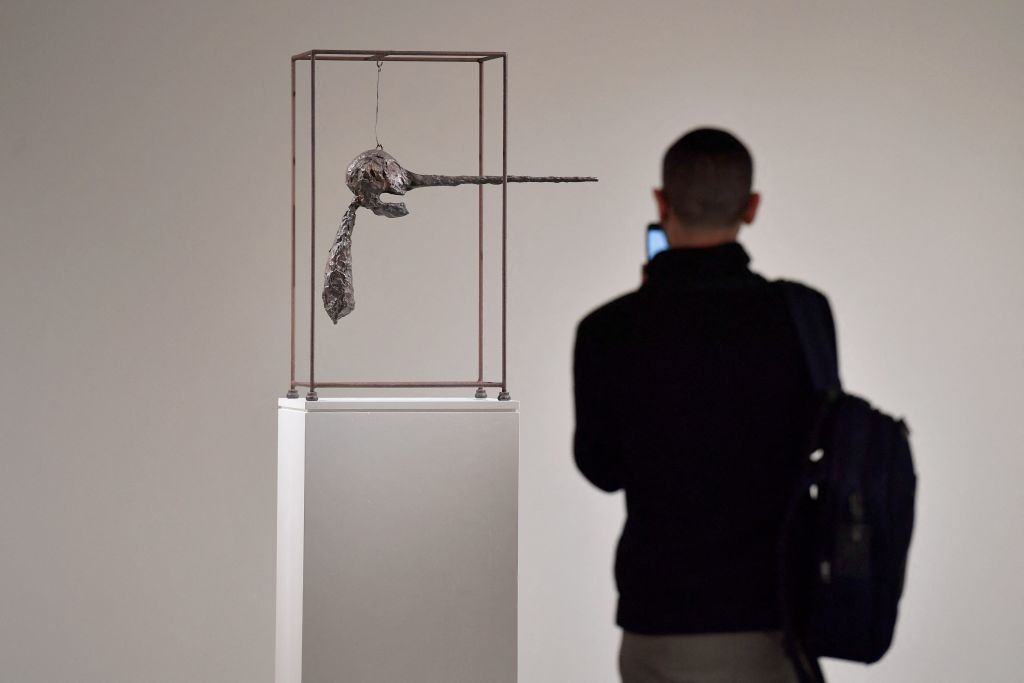
This article explores a critical reevaluation of Alberto Giacometti’s career, specifically focusing on the decade between 1935 and 1945. While Giacometti is globally recognized for his spindly, post-war 'Existentialist' figures, art historian Joanna Fiduccia’s new book, *Figures of Crisis*, argues that his mid-career departure from Surrealism to study human likeness was not a mere transition but a profound response to the political crises and nationalism of interwar France.

stan douglas bard museum survey review 1234748685

Stan Douglas's survey at Bard College's Hessel Museum of Art features a new video installation titled "Birth of a Nation" (2025), which reworks a racist sequence from D.W. Griffith's 1915 film of the same name. The installation presents the original footage alongside four new videos from different character perspectives, shot in black and white without sound, and ends with a blue screen left bare to suggest the mutability of historical images. The survey also includes earlier works like "Hors-Champs" (1992), which critiques televisual representation through a staged free jazz performance.

sam mckinniss jeffrey deitch review 1234756098

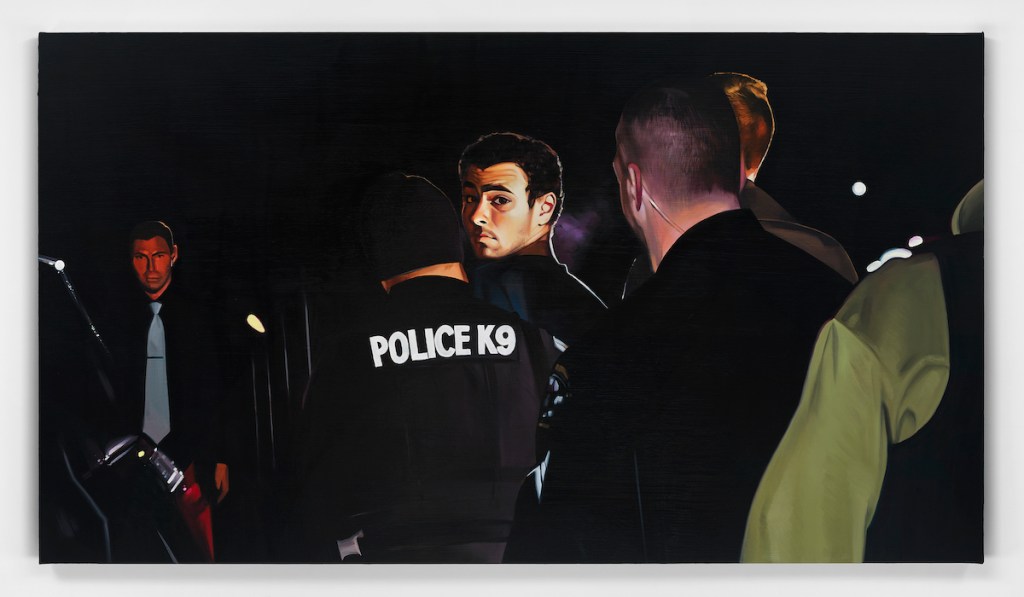
Sam McKinniss's new exhibition "Law and Order" at Jeffrey Deitch in New York presents paintings of viral and iconic figures, including Jeremy Meeks, Luigi Mangione, Chuck Bass from Gossip Girl, and riderless horses running through urban streets. The show explores how social media blurs the lines between advertising, entertainment, and politics, capturing the experience of scrolling through online content. The article, part of ARTnews's Link Rot column by Shanti Escalante-De Mattei, examines McKinniss's attempt to illustrate the feeling of living in contemporary America through curated images of law enforcers and law breakers.

Gardar Eide Einarsson Leaves You in the Dark

Gardar Eide Einarsson’s latest exhibition at Maureen Paley’s East London space presents a haunting exploration of dissociation and coded information. The show features two distinct series: 'Closed Caption,' a collection of monochrome black gouache paintings featuring isolated subtitles from films, and 'Incendiary Test Area,' a set of hyperrealistic woodblock prints created in collaboration with master Shoichi Kitamura. These prints depict the interiors of mock 'Japanese' houses built by the US Army for fire-bombing tests during World War II.

Craig Jun Li: Scrapping the Camera

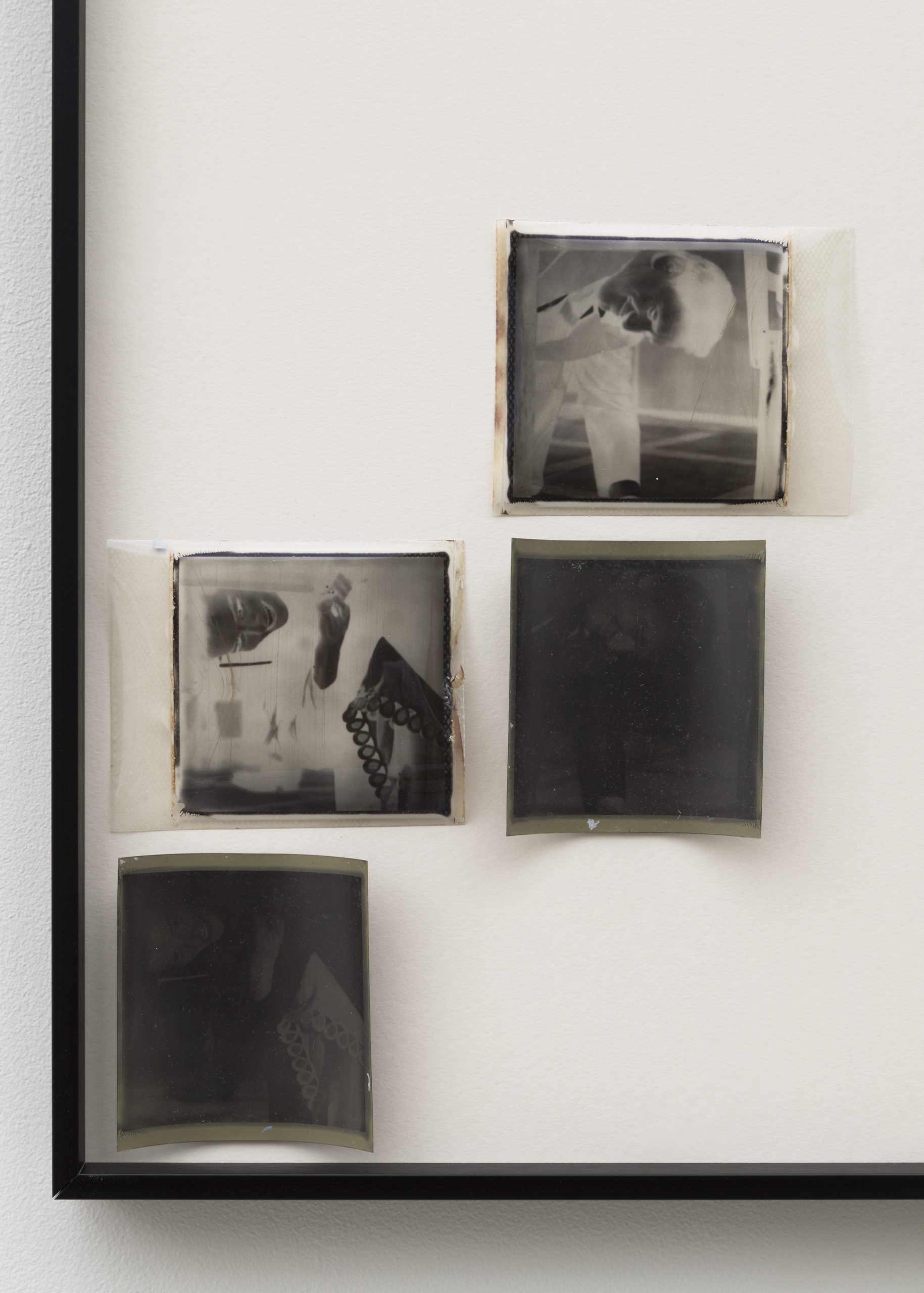
Artist Craig Jun Li's solo exhibition features collagist wall-works and installations that deconstruct photographic technology. Works like the 2025 silicone sheets incorporate altered dye-transfer prints, Polaroids, and actual camera parts like SX-70 film cartridge springs, redirecting focus from pictorial representation to the mechanical apparatus of image-making.

Sophia Rivera’s Mythology of Everyday New York

The article reviews "Sophie Rivera: Double Exposures" at El Museo del Barrio, the first survey of the late Nuyorican photographer Sophie Rivera, who died in 2021. The exhibition spans her career, including her feminist conceptual series "Rouge et Noir" and "Bowl Study" (c. 1976–78), which depict intimate bodily waste like used tampons and feces, and her socially engaged "Latino Portraits" series from the late 1970s, which countered negative media stereotypes of Puerto Ricans with affectionate, mythologizing portraits. The review highlights a moment where the critic misidentifies abstract toilet photographs as pinhole or double exposures before learning their true subject.

An Unlikely Friendship Between Artist and Forger

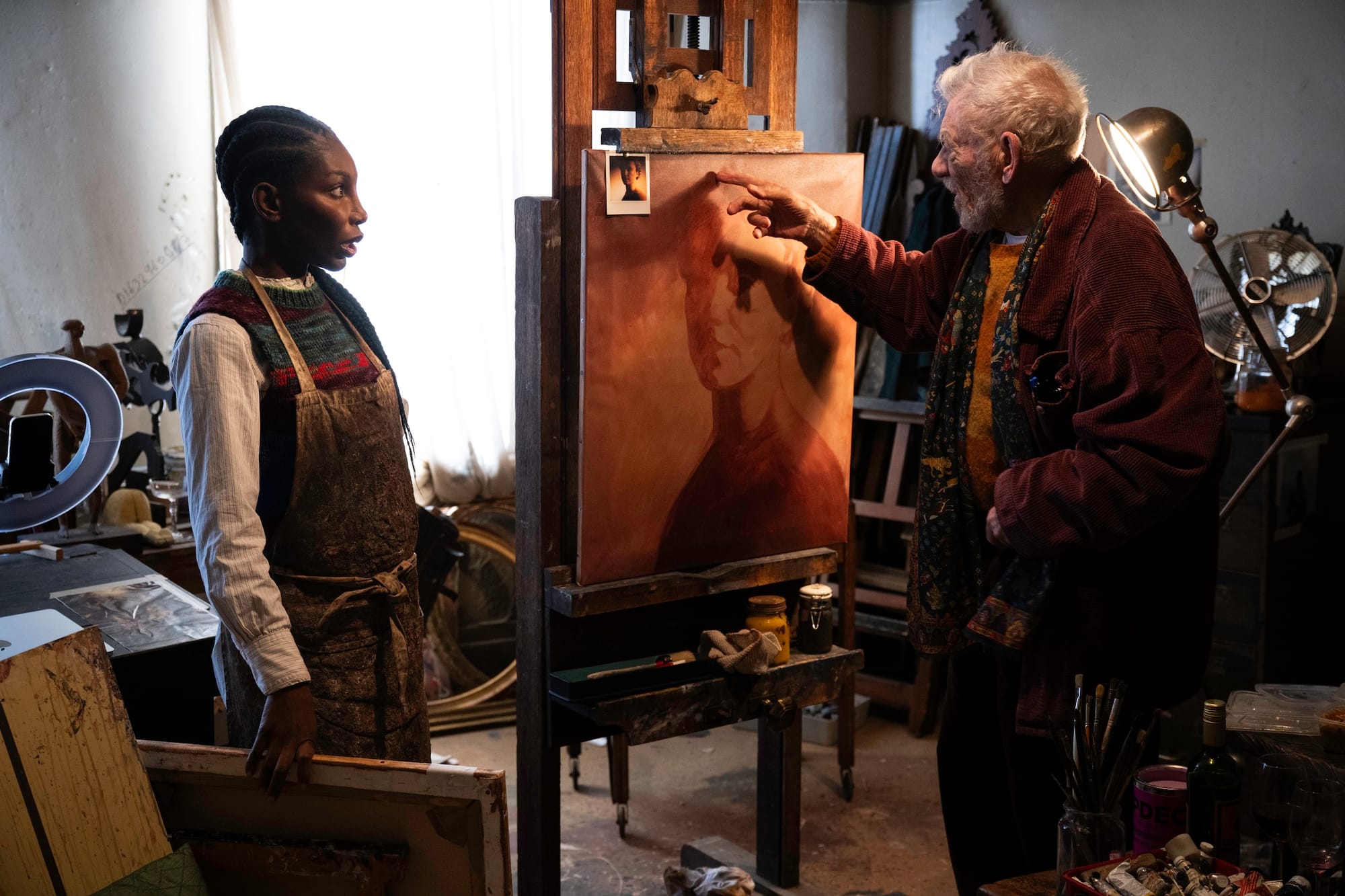
The article reviews Steven Soderbergh's 2026 film "The Christophers," which follows an unlikely friendship between two painters in London: Julian Sklar (Ian McKellen), an older artist facing cancellation, and Lori Butler (Michaela Coel), a young painter who restores and forges artworks. The film explores themes of attention, artistic legacy, and the purpose of art, contrasting with darker narratives like "Tár" by offering a comedic yet profound take on these issues.

These Ghosts. Clémentine Bruno  by Michela Ceruti

Clémentine Bruno’s artistic practice explores the tension between presence and absence, treating the canvas as a site of temporal layers rather than a flat surface for representation. Her work emphasizes the preparatory stages of painting—the laying of gesso and the construction of supports—allowing images to emerge reluctantly through processes of sanding, veiling, and partial erasure. Recent exhibitions, such as "Educational Complex" at Tonus and "Vision of Fading" at Mendes Wood DM, highlight her interest in how institutional structures and memory maps dictate what is retained and what is forgotten.

Hans Holbein Painted the Human

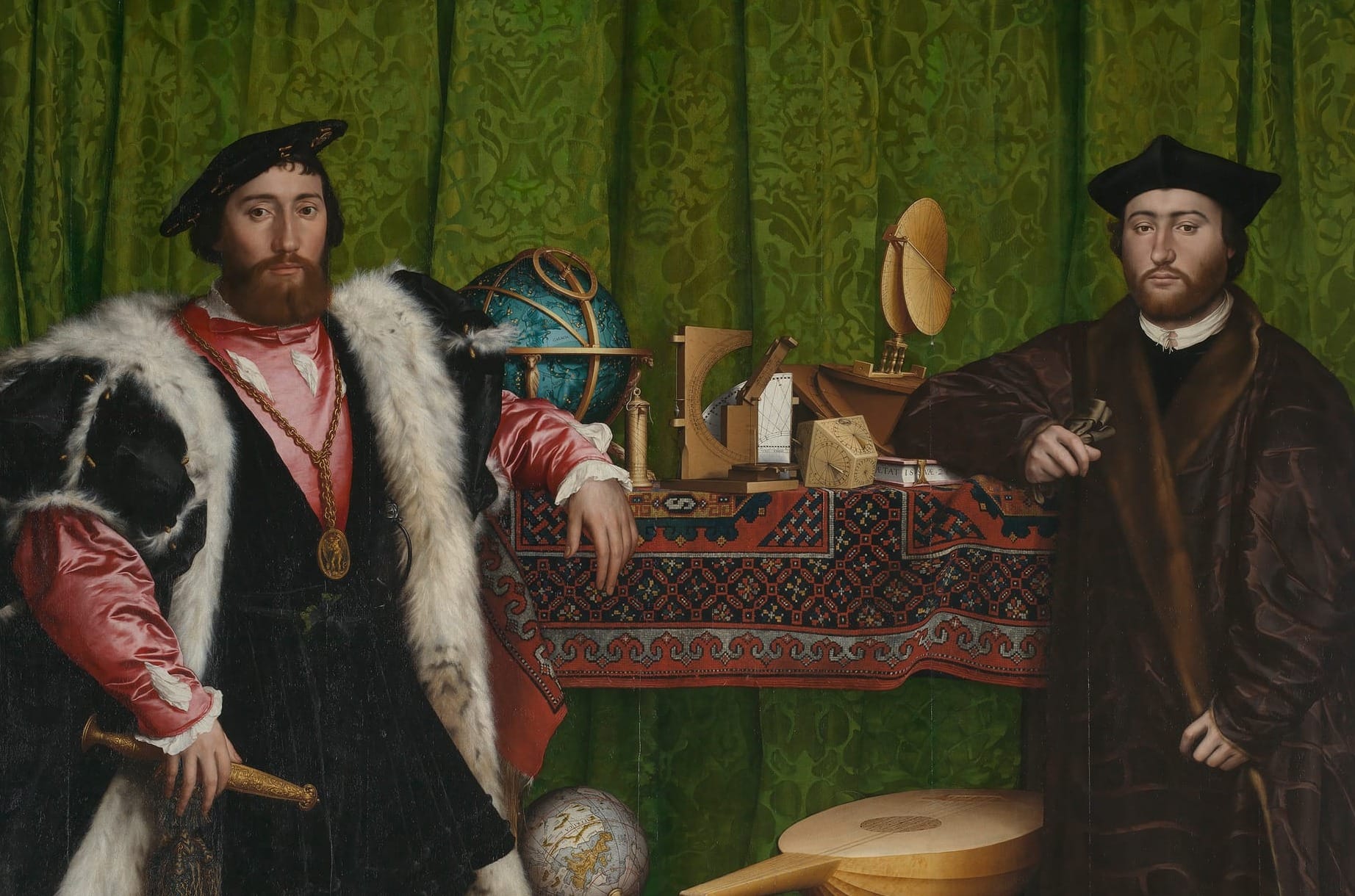
A new book, 'Holbein: Renaissance Master' by Elizabeth Goldring, published by Yale University Press and the Paul Mellon Centre, offers a comprehensive scholarly examination of the 16th-century German painter Hans Holbein the Younger. The review focuses on Holbein's masterful portraiture, particularly his depictions of opposing Tudor-era figures like Sir Thomas More and Thomas Cromwell, which are highlighted as embodying the era's complex political and religious tensions through their visual presentation at the Frick Collection in New York.

art david rimanelli alex katz matthew barney

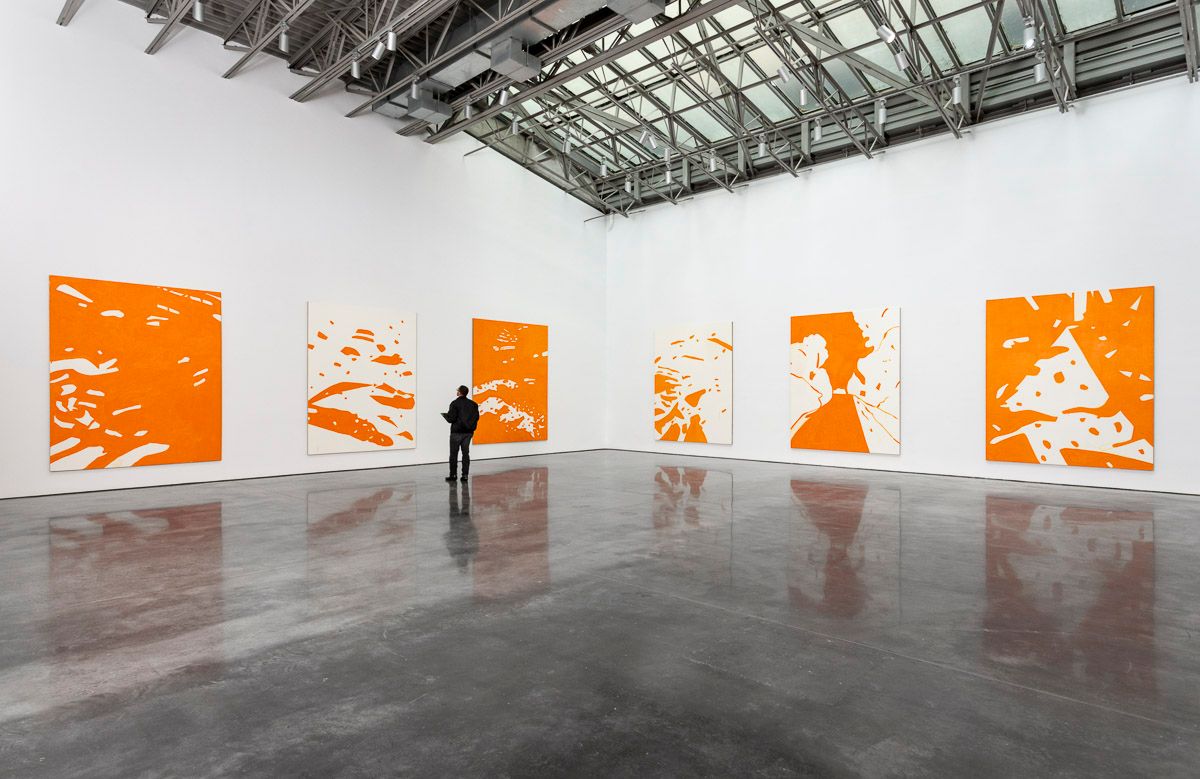
The article reviews Alex Katz's latest exhibition at Gladstone Gallery in New York, featuring 11 large orange-and-white canvases depicting the road to his Maine home, alongside Matthew Barney's three-channel video work "DRAWING RESTRAINT 28" showing Katz at work on a ladder. The show, on view through December 20, 2025, pairs Katz's new paintings with Barney's video, continuing a collaboration first seen at O'Flaherty's gallery. Katz, now 98, reflects on his artistic evolution, citing Matisse's "The Red Studio" as inspiration while asserting his move away from literal representation.

Surprised by Jack: A Review of “Jack Whitten: The Messenger” at MoMA in New York

The Museum of Modern Art in New York is hosting "Jack Whitten: The Messenger," the largest survey ever mounted of the late abstract artist Jack Whitten, who died in 2018. The exhibition features 175 works spanning his sixty-year career, from early quasi-representational pieces to his innovative "slab" paintings made with a custom squeegee device and his later "tesserae" works that mimic glass tiles using acrylic paint. The show includes archival audio of Whitten discussing his creative process, which blended philosophy, craft, and science, and is curated by MoMA's Michelle Kuo, who knew Whitten personally.

Mark Milroy Sees, Remembers, and Imagines at Once

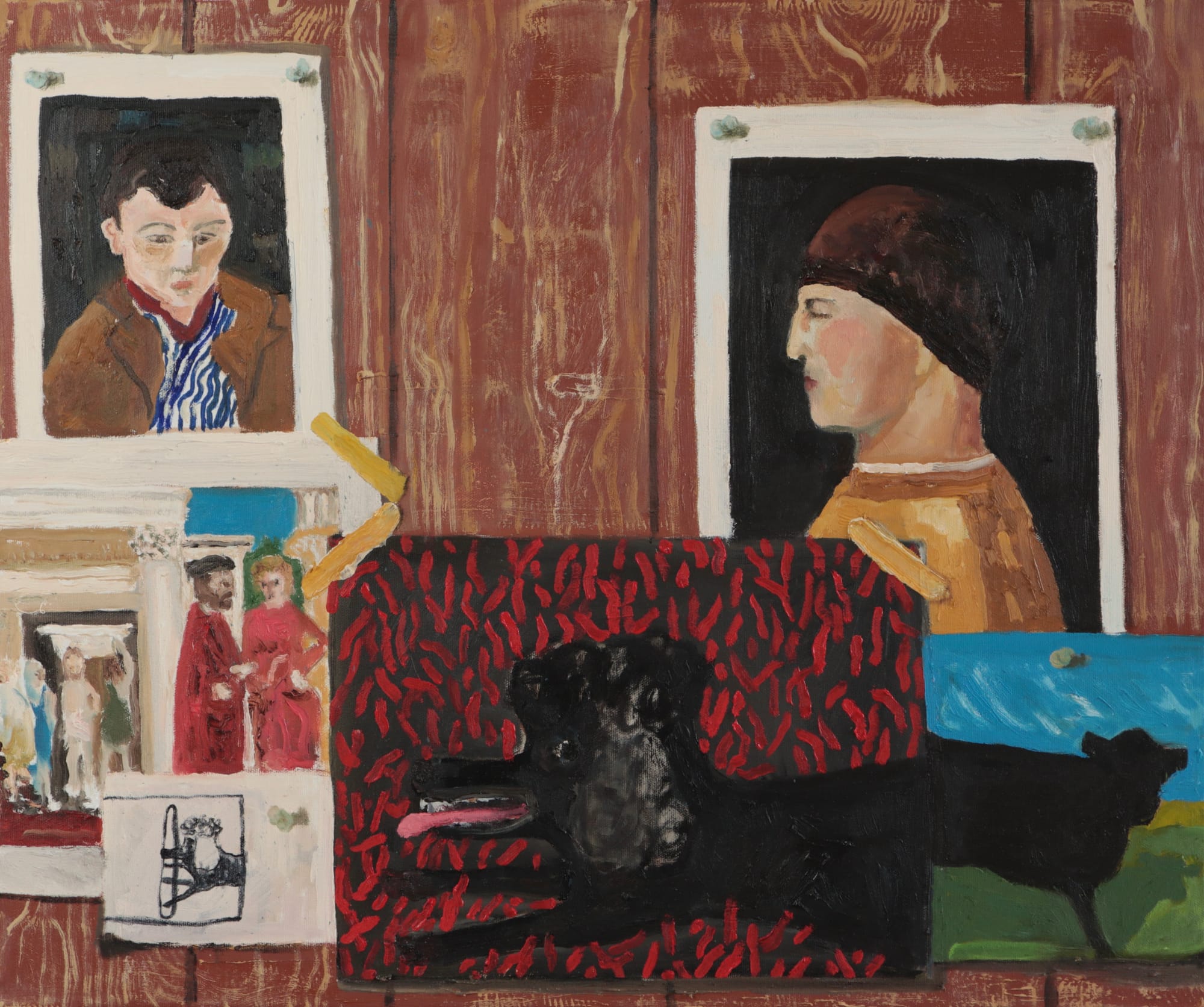
Artist Mark Milroy, an observational painter in his mid-50s who gained a following during the pandemic through Instagram and online shows at Nancy Margolis Gallery, is now holding his debut New York exhibition, "Jumbo," at JJ Murphy gallery through May 16. The show features 18 oil paintings and 12 colored pencil drawings, with subjects ranging from still lifes and portraits to a titular painting referencing the famous P.T. Barnum elephant killed in Milroy's hometown of St. Thomas, Ontario, in 1885. Milroy's work blends personal memory, art historical insight, and a deliberate gaze, drawing influences from Cedric Morris and 15th-century Florentine painting.

Review: Thomias Radin, Echoes of KA at Esther Schipper, Berlin

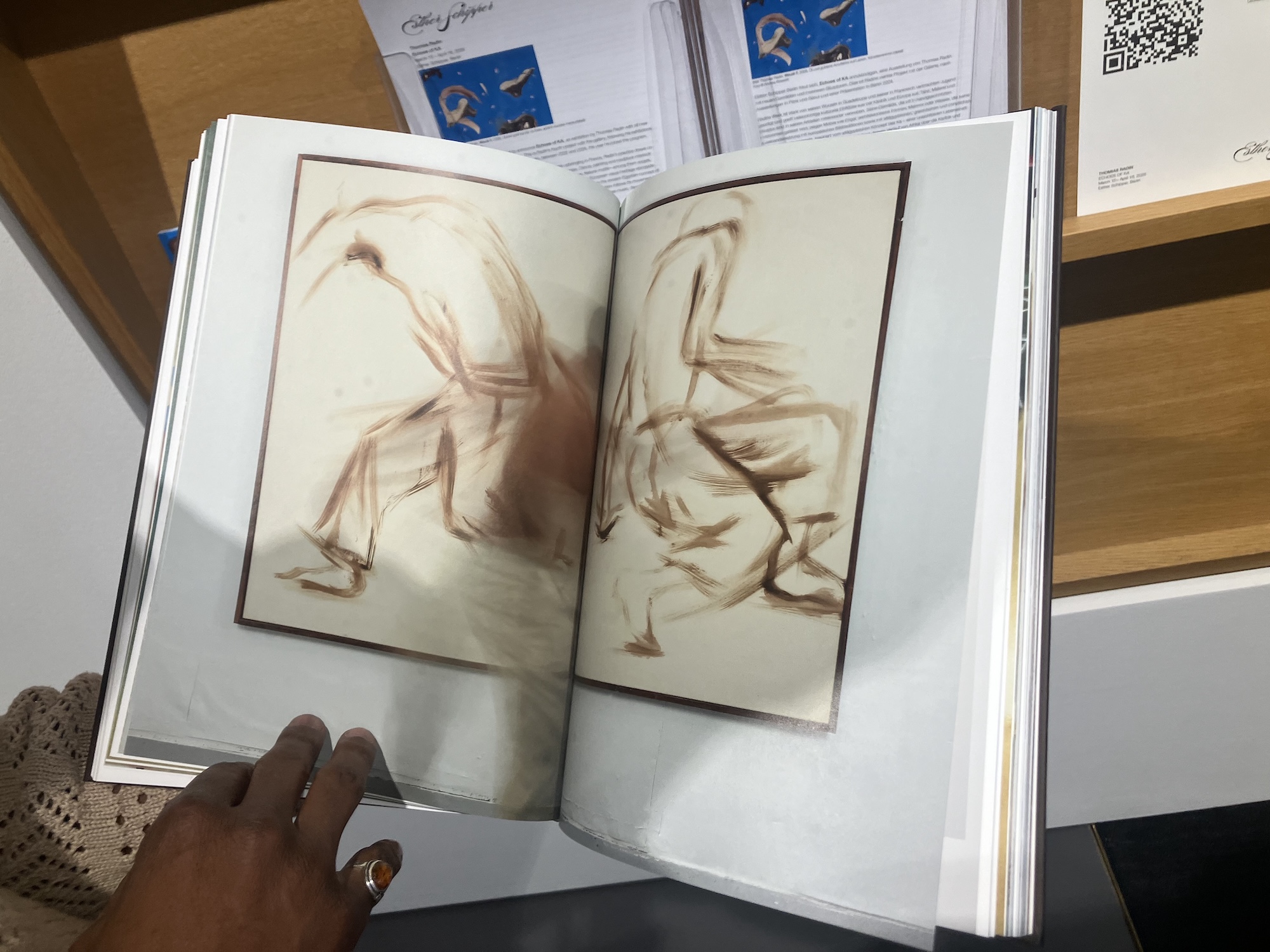
Thomias Radin’s fourth solo exhibition at Esther Schipper in Berlin, titled "Echoes of Ka," presents a multidisciplinary environment blending painting, woodwork, and installation. The Guadeloupe-born artist draws heavily from Caribbean embodied knowledge, dance philosophy, and the ancient Egyptian concept of 'Ka'—a vital life force—to transform the gallery into a choreographed 'secret garden.' The works, characterized by vibrant colors and gestural oil paintings on raw linen, are informed by Radin’s collaboration with dance scholar Léna Blou and his own practice of improvisation.

Special Interest: Marble

Spezialinteresse: Marmor

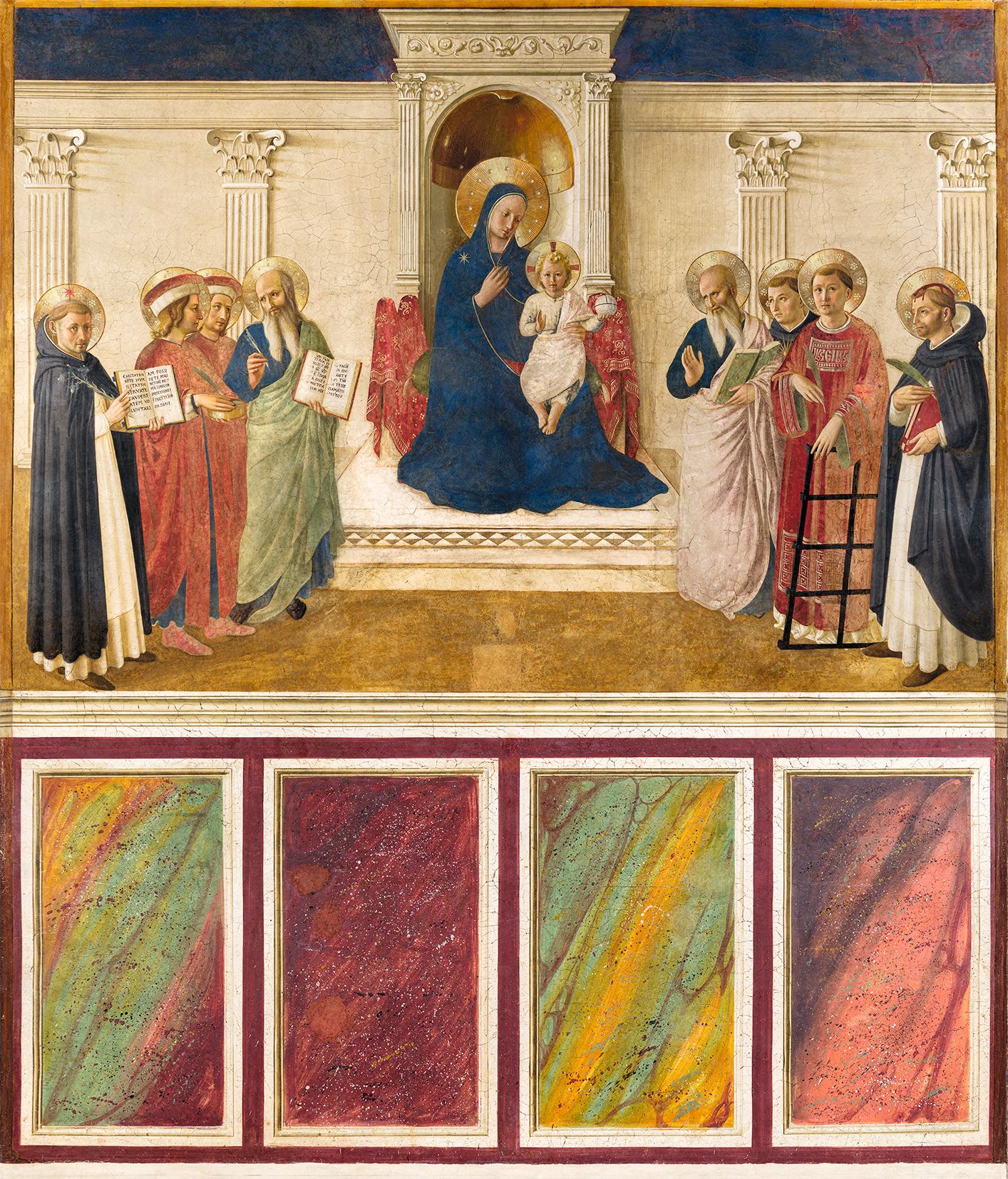
Karl Kolbitz has published a new book focusing on the depiction of marble in Early Renaissance paintings. He explores how artists used the fictional representation of marble to visualize the divine, drawing inspiration from art historian Georges Didi-Huberman and employing modern imaging techniques to reveal previously hidden details.

Ayotunde Ojo Maps Interiority Under the Public Gaze

The article, a critic's guide review by Andrew Durbin, contrasts the US national pavilion presentation at an unspecified biennial with those of Britain and Germany. The US presentation is described as vacuous and lacking in meaning, while the British and German installations are praised for being incisive and moving. The review critically examines the thematic and conceptual approaches of each national pavilion, highlighting a disparity in artistic depth and engagement.

How to Have the Perfect Day at Frieze New York 2026

Andrew Durbin reviews the national pavilions at Frieze New York 2026, contrasting a vacuous US presentation with incisive and moving installations from Britain and Germany. The review highlights the disparity in conceptual depth and emotional resonance among the three pavilions, with the US offering little meaning while the British and German contributions engage seriously with contemporary issues.

Jerald Cooper’s Top Picks from Frieze New York 2026

Andrew Durbin reviews the national pavilions at the 2026 Venice Biennale, contrasting a vacuous US presentation with incisive and moving installations from Britain and Germany. The article critiques the lack of meaning in the American pavilion while praising the depth and emotional resonance of the British and German contributions.

Alison Roman’s Top Picks from the Frieze Viewing Room

Andrew Durbin reviews the national pavilions at the Venice Biennale, contrasting a vacuous US presentation with incisive and moving installations from Britain and Germany. The review highlights the thematic and emotional depth of the British and German pavilions while critiquing the lack of meaning in the US entry.

Frieze’s Christine Messineo Takes a Tour of Chelsea

Andrew Durbin reviews national pavilions at the Venice Biennale, contrasting a vacuous US presentation with incisive and moving installations from Britain and Germany. The review highlights the disparity in thematic depth and emotional resonance among the three pavilions.

‘Afterimages’: What Does It Mean to See Through Overload?

Andrew Durbin reviews the national pavilions at the Venice Biennale, contrasting a vacuous US presentation with incisive and moving installations from Britain and Germany. The article critiques the lack of meaningful engagement in the US pavilion while praising the depth and emotional resonance of the British and German contributions.

‘In Minor Keys’ Review: Its Best Moments Live in the Institutions Koyo Kouoh Built

Andrew Durbin reviews the national pavilions at the 2026 Venice Biennale, contrasting a vacuous US presentation with incisive and moving installations from Britain and Germany. The review highlights how the best moments of the exhibition live in the institutions built by curator Koyo Kouoh, who organized the Biennale's main exhibition.

What’s Showing in Chelsea During Frieze Week New York

This article is a critic's guide reviewing national pavilions during Frieze Week New York. Andrew Durbin contrasts a vacuous US presentation with incisive and moving installations from Britain and Germany, questioning the meaning and depth of the American contribution.

Seba Calfuqueo and the Colonized Body

Andrew Durbin reviews national pavilions at the 2026 Venice Biennale, critiquing the US presentation as vacuous while praising incisive and moving installations from Britain and Germany. The review highlights Seba Calfuqueo's work in the context of colonized bodies, though the article's main focus is on the comparative quality of the pavilions.

Sung Tieu and the Art of Difficulty

Sung Tieu, a Vietnamese-born German artist, is the subject of a critical feature in Frieze that examines her work's engagement with difficulty—both in terms of the complex political and historical themes she tackles and the challenging formal qualities of her installations. The article highlights her recent projects, including works shown at the Venice Biennale, which address issues of surveillance, migration, and Cold War legacies through meticulous research and unconventional materials.

National Pavilions Review: Who’s Afraid of Meaning?

Andrew Durbin reviews national pavilions at a major biennial, contrasting a vacuous US presentation with incisive and moving installations from Britain and Germany. The review critiques the lack of meaningful content in the US pavilion while praising the depth and emotional resonance of the British and German contributions.