
filter_list Showing 3 results for "tapestry" close Clear
search
dashboard All 116 museum exhibitions 67article news 13article culture 8trending_up market 7gavel restitution 7article local 4person people 4article policy 3rate_review review 3
date_range Range Today This Week This Month All
Subscribe

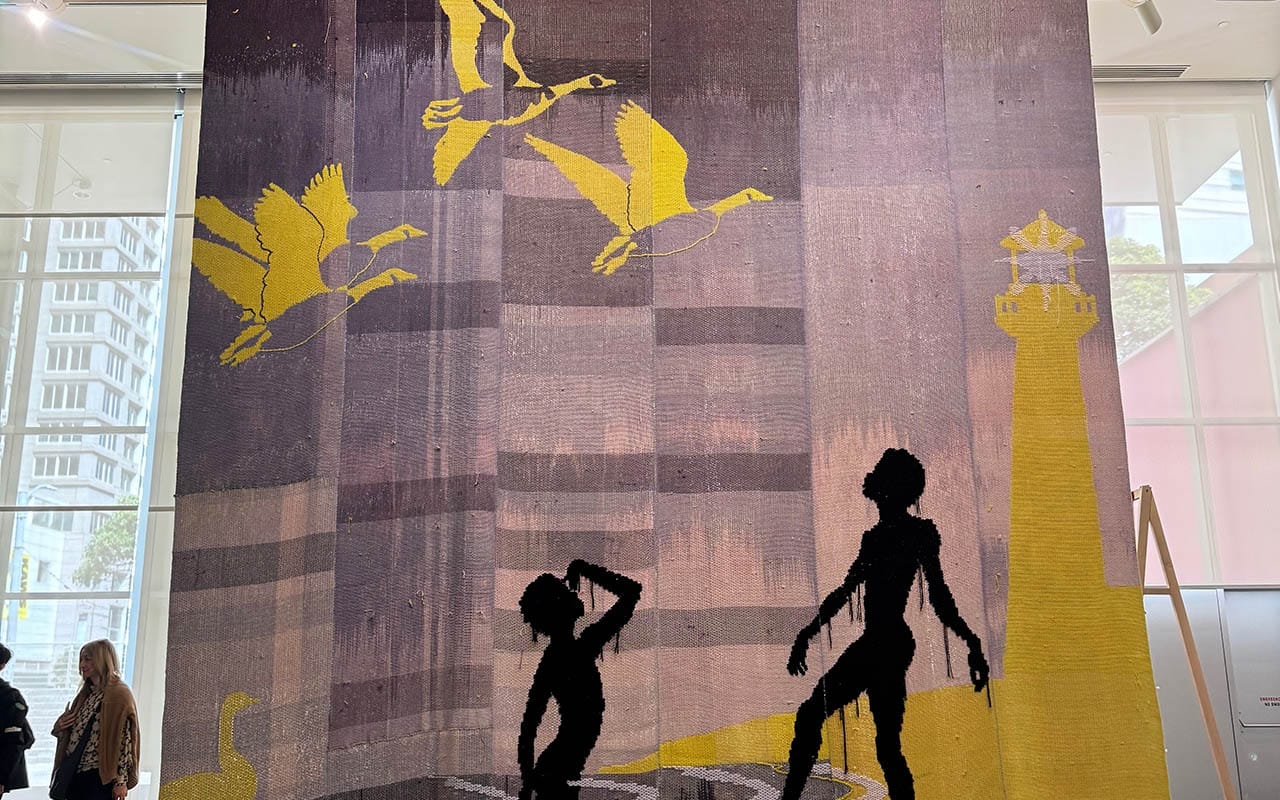
Diedrick Brackens’s Tapestries Beckon the Light of Freedom

Diedrick Brackens presents his first solo exhibition in the Bay Area, "gather tender night," at Yerba Buena Center for the Arts in San Francisco. Guest-curated by Eungie Joo, the show features 15 tapestries from 2020 onward and three new works from 2026, including the immersive installation "clearing (2026)." Brackens, a Black queer artist and CCA professor, uses hand-dyed cotton and acrylic yarn to weave narratives of personal memory, myth, and the natural world, drawing from West African weaving, California fiber art, European tapestry, and Gee's Bend quilting. His approach, influenced by the "sloppy craft" ethos of his mentor Josh Faught, embraces unfinished edges and visible process as acts of refusal against polished traditions.

william holman hunt the awakening of conscience 2656479

The article analyzes William Holman Hunt's 1853 painting *The Awakening Conscience*, which depicts a woman in a Victorian parlor rising from the lap of a man, her gaze fixed on a sunlit garden glimpsed in a mirror. Hunt, a member of the Pre-Raphaelite Brotherhood alongside John Everett Millais and Dante Gabriel Rossetti, filled the work with dense symbolism—such as the woman's ringless left hand, a discarded glove, and sheet music by Edward Lear and Thomas Moore—to reveal that the scene is not a married couple but a mistress and her lover, trapped in a gilded cage.

The Revolutionary Tapestry of Nigerian Modernism

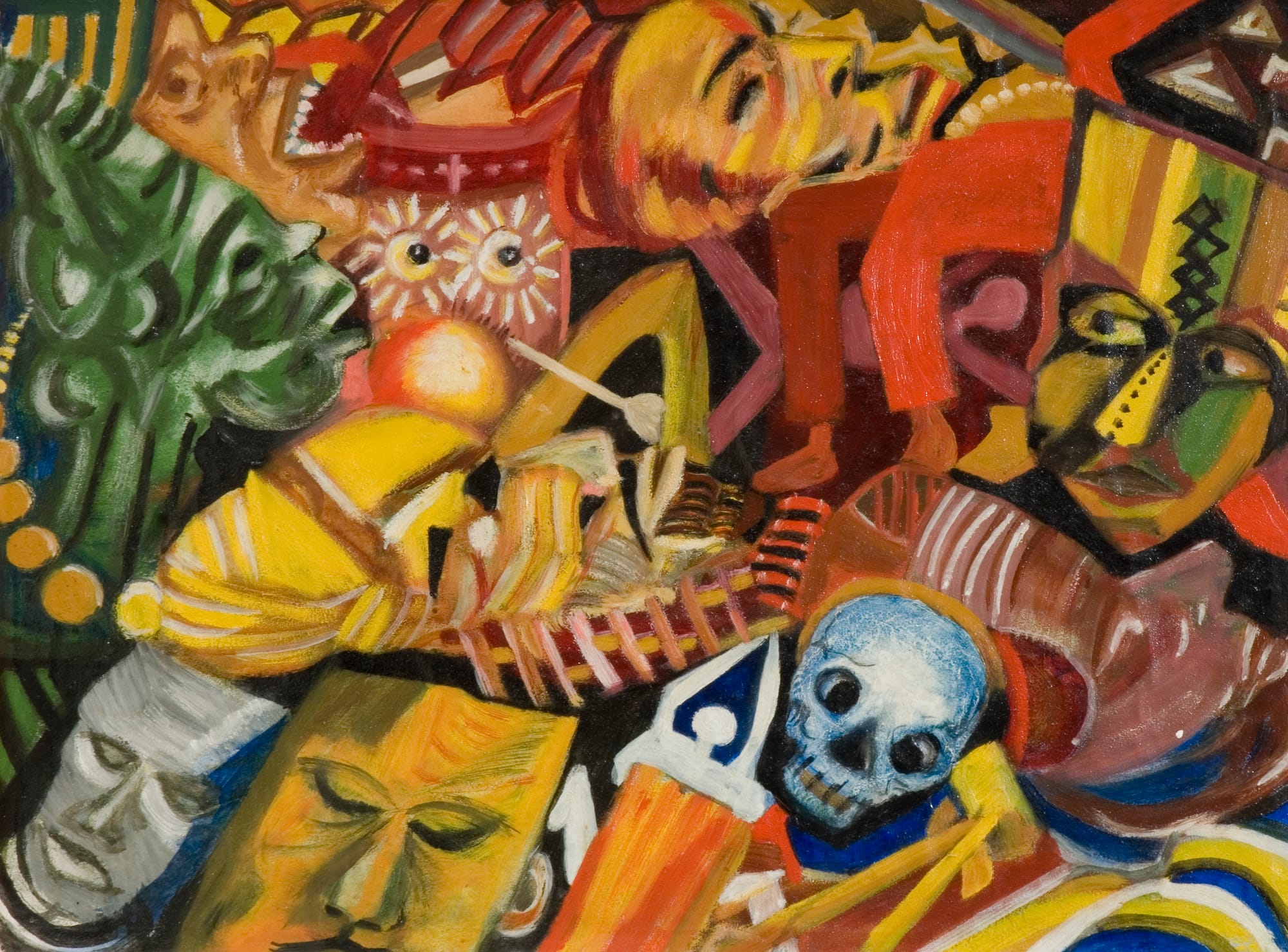
The exhibition "Nigerian Modernism" at Tate Modern in London is the first show of its kind in the UK, surveying how Nigerian artists forged a postcolonial identity across the 20th century. It features works by pioneers such as Aina Onabolu, Benedict Enwonwu, and members of the radical Zaria Art Society, including Uche Okeke, Jimo Akolo, and Clara Etso Ugbodaga-Ngu, highlighting their break from British artistic traditions and embrace of local visual heritage.