filter_list Showing 10 results for "tapestry" close Clear
search
dashboard All 138 museum exhibitions 80article news 15article culture 10trending_up market 8article local 7gavel restitution 7person people 4article policy 4rate_review review 3
date_range Range Today This Week This Month All
Subscribe

Meet the Woman Who Curated the Art on Miranda Priestly’s Walls

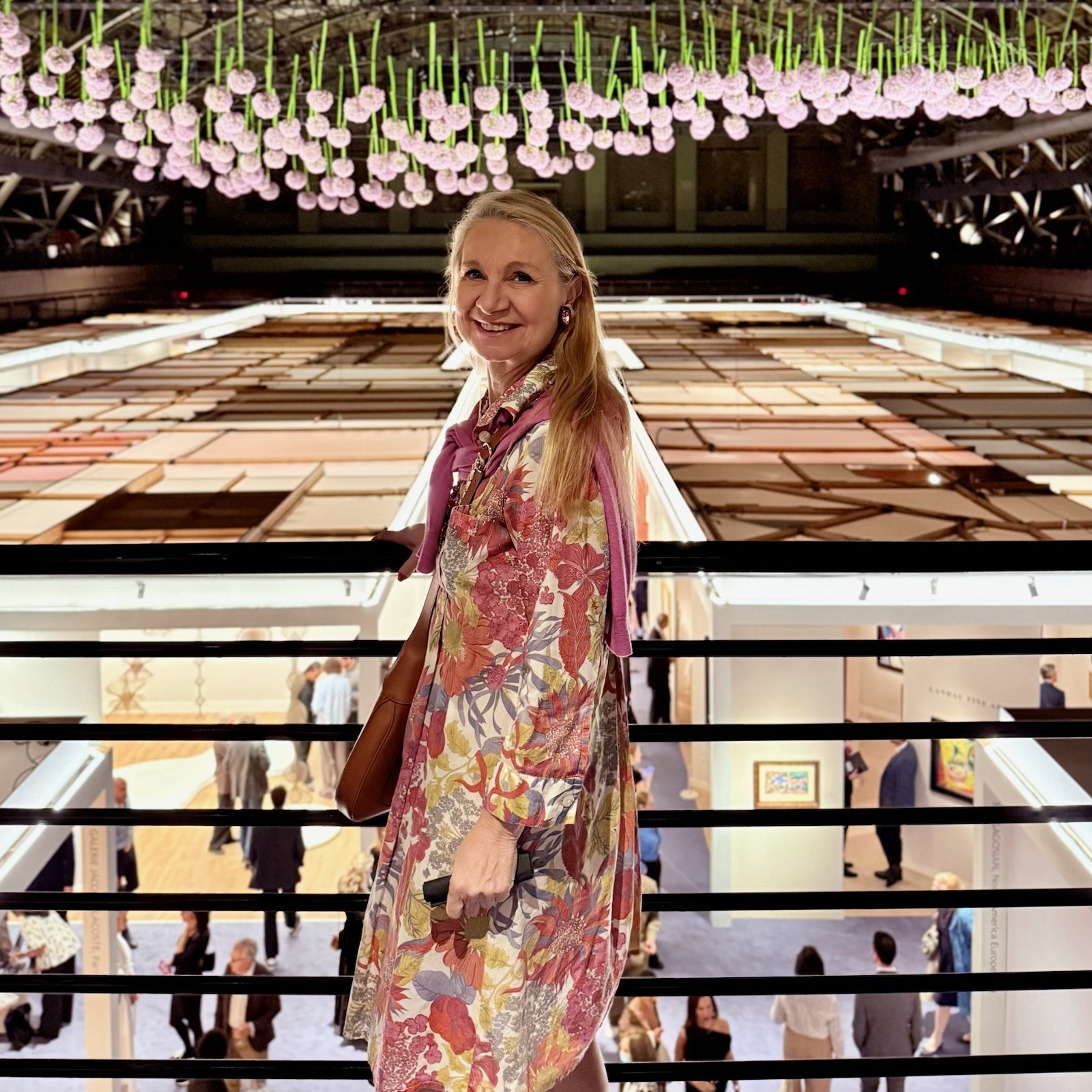
Fanny Pereire, an art advisor specializing in film and television, curates the art seen on the walls of fictional characters like Miranda Priestly in *The Devil Wears Prada 2*, Logan Roy in *Succession*, and Bobby Axelrod in *Billions*. She works as a fine art coordinator, sourcing reproductions and original works to match character personalities and socioeconomic status, often overseeing the destruction of replicas after filming. Her role, created by producer Scott Rudin in 1999, involves clearing copyrights for every artwork shown on screen, from children's drawings to high-end pieces by artists like Wayne Thiebaud and Alex Katz.

celebrities art crossover interviews 2025

Artnet News compiled a roundup of 2025 interviews with celebrities whose creative work intersects with the visual art world. Sharon Stone turned to portrait painting after her mother's death, creating a series of works channeling historical and personal figures. Adrien Brody exhibited new works at Eden Gallery in New York, discussing how his acting career supported his art practice. Director Yorgos Lanthimos held his first photography exhibition at Webber Gallery in Los Angeles, while Alejandro Iñárritu created a multisensory installation at Mexico's LagoAlgo to mark the 25th anniversary of his film *Amores Perros*. Actor Lili Taylor performed in an artist lecture by Suzanne Bocanegra centered on a Renaissance tapestry from the Metropolitan Museum of Art.

re air how textiles took over the art world

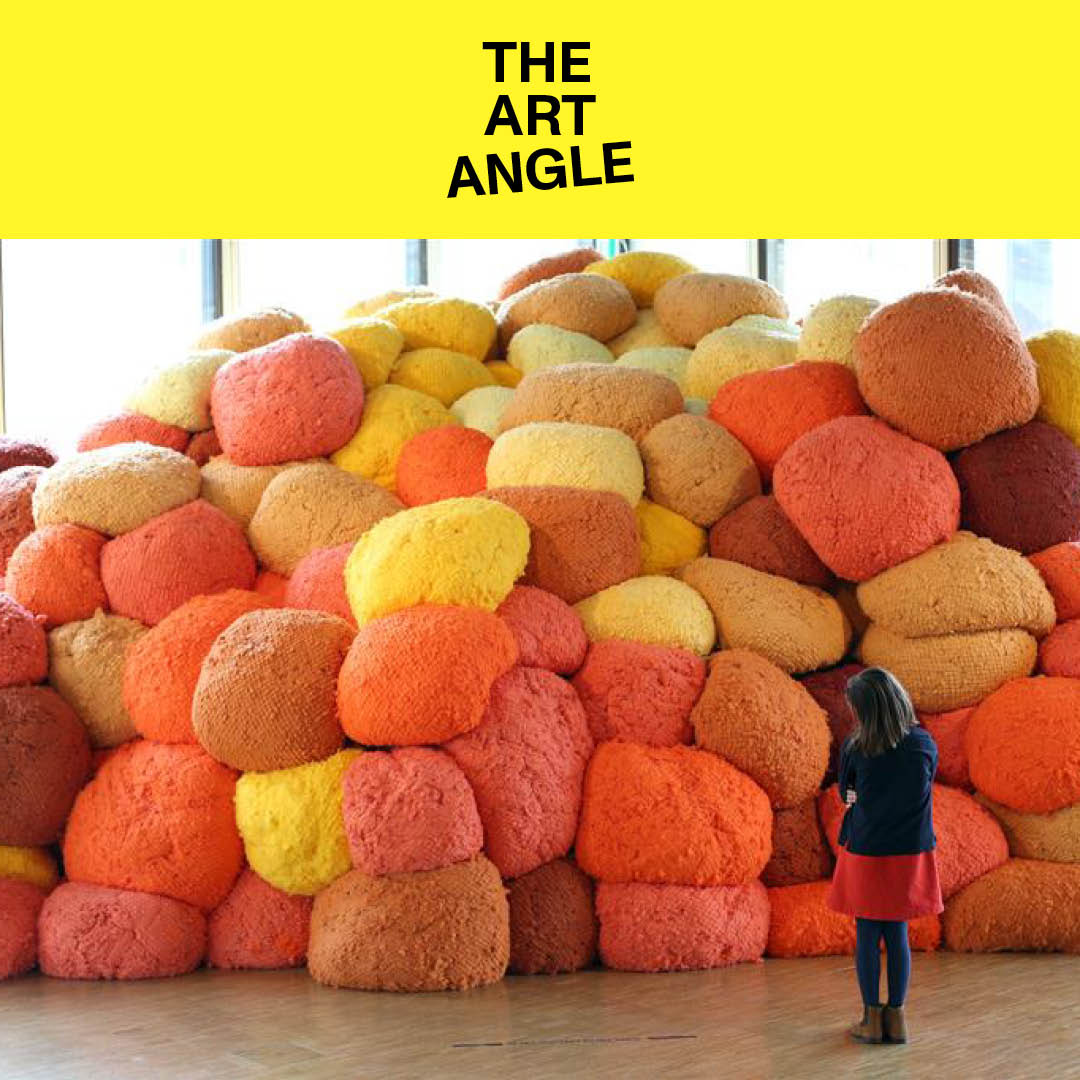
This episode of Artnet News's podcast "The Art Angle" re-airs an interview between host Ben Davis and curator and writer Elissa Auther, author of "String Felt, Thread: The Hierarchy of Art and Craft in American Art." They discuss the recent surge in interest in fiber art, from textile-based works at the Venice Biennale to the major traveling exhibition "Woven Histories: Textiles and Modern Abstraction," which has just opened at the Museum of Modern Art in New York. Auther, chief curator at the Museum of Arts and Design, provides historical context on how tapestry was once as revered as painting and explains the factors driving the current boom.

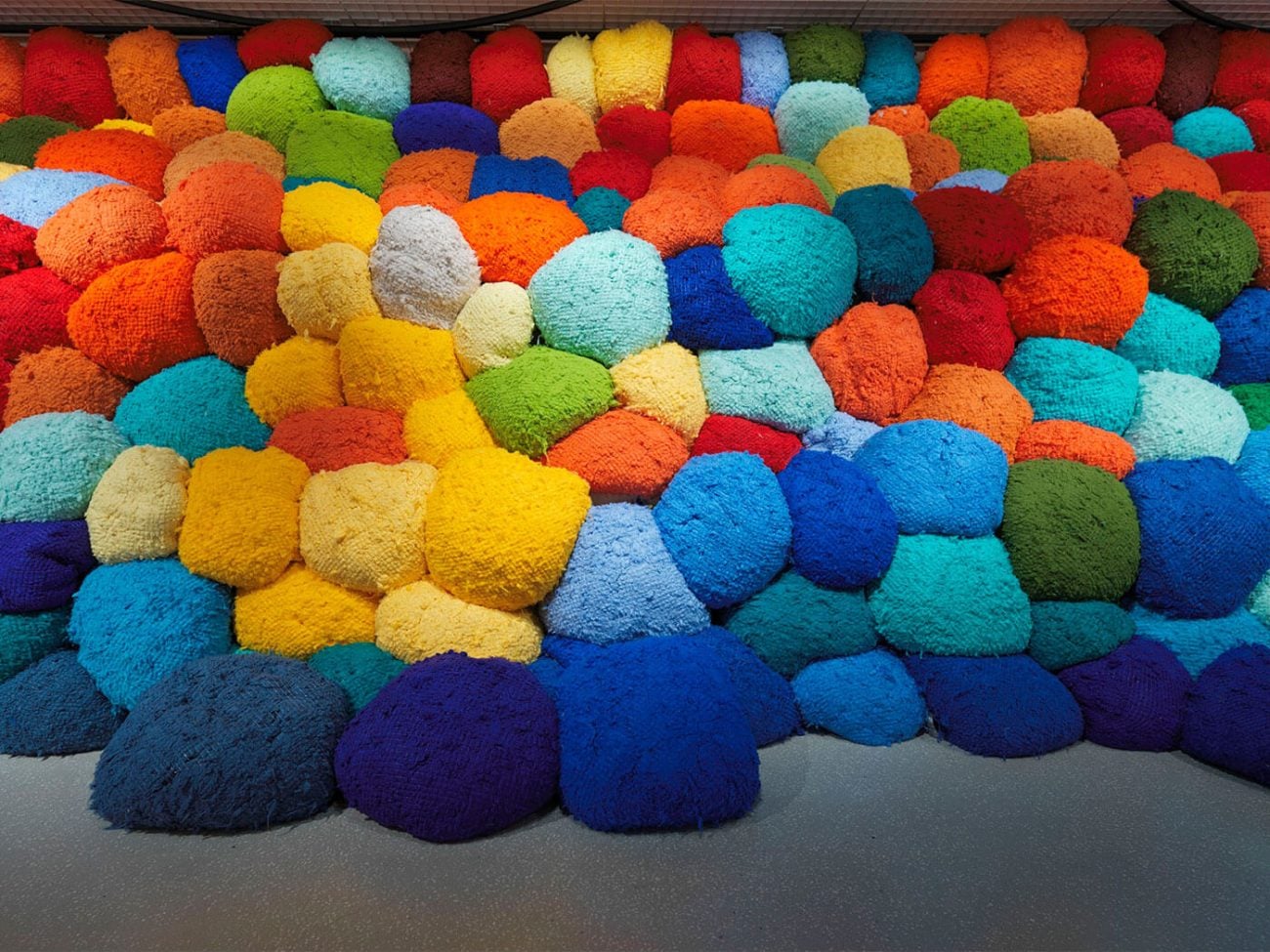
Sheila Hicks en 2 minutes

Sheila Hicks, the American textile artist born in 1934, is profiled in a concise overview of her career. The article traces her journey from studying under Josef Albers at Yale and learning weaving from Andean artisans in Chile, to establishing her studio in Mexico and later Paris. It highlights her monumental commissions for hotels, embassies, and public spaces, as well as her intimate "Minimes" works. Key milestones include her 2014 piece "Pillar of Inquiry/Supple Column" at the Whitney Biennial, her 2017 installation at the Venice Biennale, and a major retrospective at the Centre Pompidou in 2018.

Grayson Perry’s life story to be told in ‘outrageous’ musical

Grayson Perry’s life story is being adapted into a stage musical titled *Grayson the Musical*, co-created with Richard Thomas, composer of *Jerry Springer: The Opera*. The show follows Perry from his childhood in Chelmsford to his rise as a Turner Prize-winning ceramicist and tapestry-maker, featuring his iconic dresses and his teddy bear Alan Measles. Perry wrote the lyrics, with a book by screenwriter Sara-Ella Ozbek and direction by Sean Foley. A workshop production will run for five performances in July at Soho Theatre Walthamstow, the east London borough where Perry once kept a studio and which inspired his famous work *The Walthamstow Tapestry*.

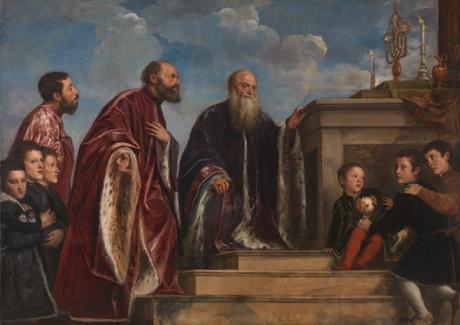
How the adoption of canvas in Venice changed the way artists painted

Art historian Cleo Nisse has published a new book, *Venetian Canvas and the Transformation of Painting*, examining how 16th-century Venetian painters such as Titian, Veronese, and Tintoretto pioneered the use of canvas as a painting support. Nisse reveals that canvas was not a uniform material—artists experimented with different weaves, including tabby and herringbone patterns, and even repurposed sailcloth and tablecloth-quality fabrics to achieve specific visual effects. The book argues that canvas was already familiar in the late Middle Ages for banners and alternatives to tapestry, and that Vittore Carpaccio was the first master of the medium, varying canvas types for expressive purposes in his *Legend of St Ursula* series.

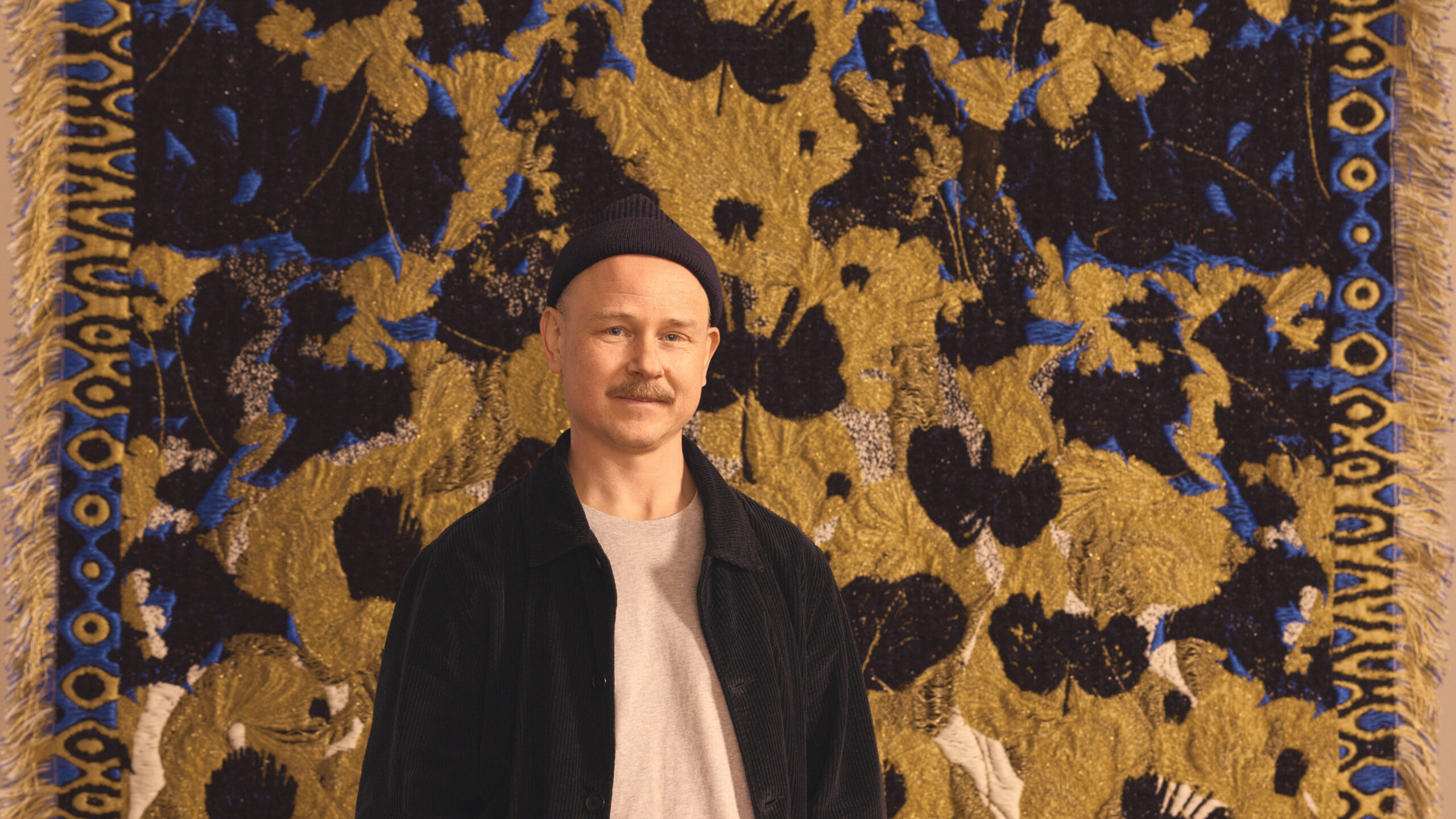
beauty kustaa saksi tapestry oribe

Artist Kustaa Saksi, known for tapestries inspired by the visual auras of his migraines, has created a new work titled "Golden Threads" in collaboration with luxury hair-care brand Oribe. The tapestry, woven at the TextielMuseum’s TextielLab in Tilburg, took six months and over 180 pounds of thread, and is an abstract homage to the Norse goddess Sif. It is part of Oribe’s annual artist program, now in its eighth year, which invites creatives to reinterpret the brand’s visual language for limited-edition holiday packaging. Past participants include photographer Thandiwe Muriu, digital painter Kohei Kyomori, and clay artist Rowan Harrison.

design coolwater childs estate connecticut

The article profiles Coolwater, a historic estate in Norfolk, Connecticut, owned by the Childs family for over a century. Originally a colonial farmhouse built around 1803, it was purchased by Starling Winston Childs in 1909. The property features a later addition designed by architect Alfredo Taylor, a prolific local designer who created over 50 buildings in the area. The estate is filled with family heirlooms, including Currier & Ives lithographs, a Jubilee-era tapestry, and eclectic decor that blends Adirondack lodge style with Colonial Revival elements. Siblings Starling Winston Childs and Elisabeth Gill, now the family elders, share stories of the house's quirks, such as its poor insulation and a subterranean basketball court.

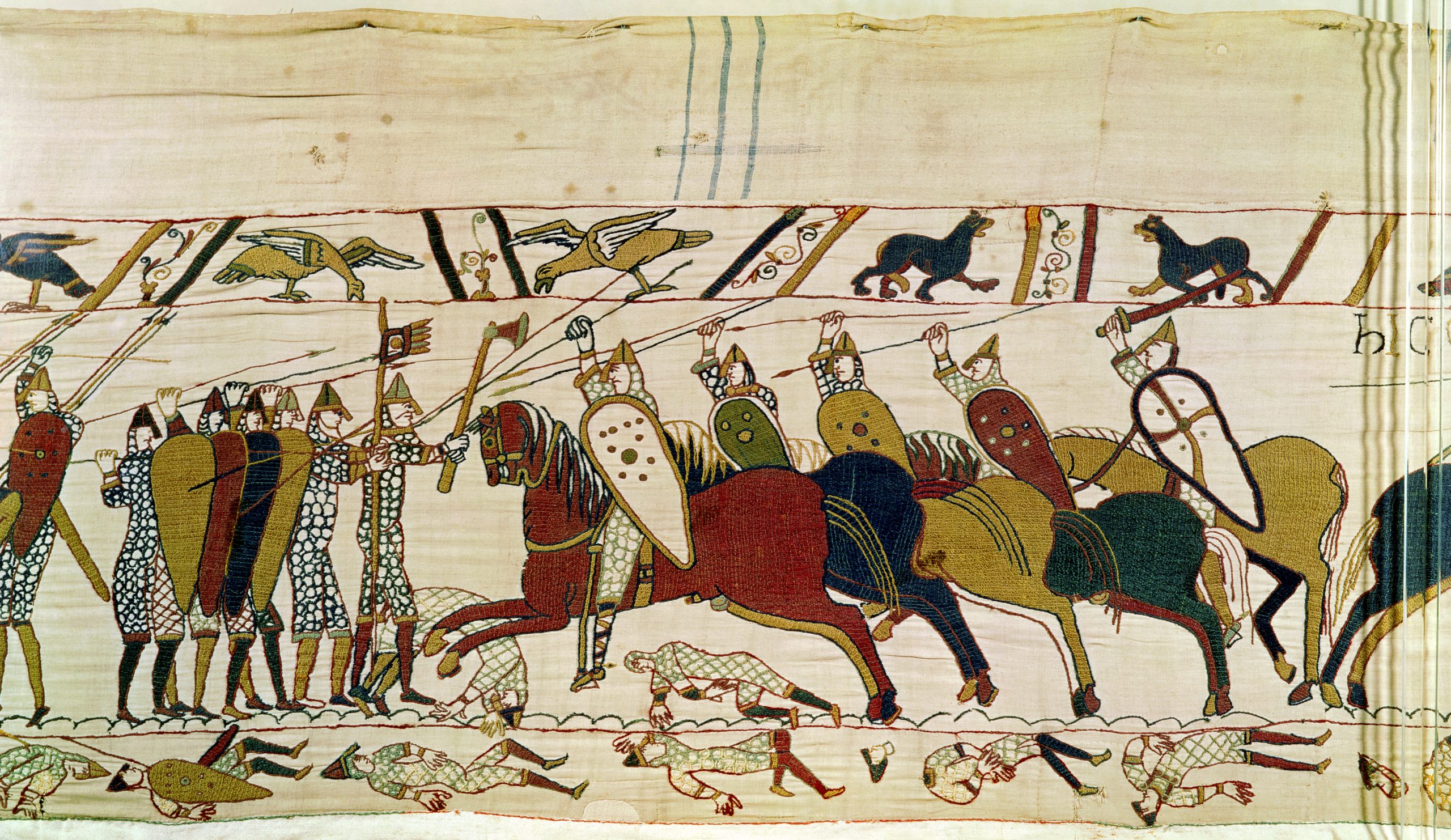
bayeux tapestry 93 penises offer clues

The article examines historian George Garnett's analysis of the 93 penises depicted in the Bayeux Tapestry, a 225-foot-long embroidery chronicling the Norman conquest of England in 1066. Garnett, a professor of Medieval history at Oxford University, argues that the size and placement of these genitalia—88 on horses and five on men—offer clues about the tapestry's meaning. He notes that the largest equine phallus belongs to Duke William's stallion, followed by those of Harold Godwinson and Odo of Bayeux, suggesting a hierarchy of importance. More significantly, Garnett interprets four penises attached to men in the tapestry's border as references to Aesop's fables, indicating themes of deceit, shame, and illicit sex, which he believes challenge the traditional attribution of the tapestry's commission to Odo of Bayeux.

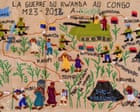
Stitches in time: the artist chronicling the DRC’s blood-soaked history in tapestry

Lucie Kamusekera, an 82-year-old artist in Goma, Democratic Republic of the Congo, creates embroidered tapestries on tobacco sacks that chronicle the country's violent history. Born in 1944 and taught sewing by Italian nuns, she began documenting contemporary conflicts after witnessing a military truck filled with corpses. Her more than 70 works depict events from the colonial Belgian Congo era to the 1961 assassination of Patrice Lumumba and the second Congo war, as well as personal tragedies including her husband's murder by rebels. Despite ongoing danger from rebel offensives, she continues to stitch from her home studio, training her children and great-granddaughter to carry on her work.