filter_list Showing 15 results for "traces" close Clear
search
dashboard All 411 museum exhibitions 284article culture 60trending_up market 17rate_review review 15article news 11person people 11candle obituary 6article local 6article policy 1
date_range Range Today This Week This Month All
Subscribe

The Robots Were Never the Problem

The New Museum has reopened with 'New Humans: Memories of the Future,' a massive survey featuring over 150 contributors including Hito Steyerl, Precious Okoyomon, and H.R. Giger. Spanning 13 sections across the museum's new 5,500 square-meter extension, the exhibition traces the intersection of art, technology, and the human body from the early 20th century to the present. It juxtaposes interwar European works, such as Hannah Höch’s photomontages and Bauhaus ballets, with contemporary installations like Simon Denny’s sculpture of an Amazon worker's cage.
James McNeill Whistler review – a luscious, seductive blockbuster for the painter who scandalised Britain

Tate Britain has opened a major retrospective dedicated to James McNeill Whistler, the American painter who scandalized Victorian Britain. The exhibition centers on his iconic work *Arrangement in Grey and Black No. 1* (commonly known as *Whistler's Mother*), lent by the Musée d'Orsay, and traces his evolution from raw realist scenes of London's docks to radical, abstract celebrations of color and pattern. It includes a reconstruction of *The Peacock Room* and highlights his rivalry with critic John Ruskin, who accused him of 'flinging a pot of paint in the public's face.'

MoMA Survey Shows How Marcel Duchamp Changed the Art Game

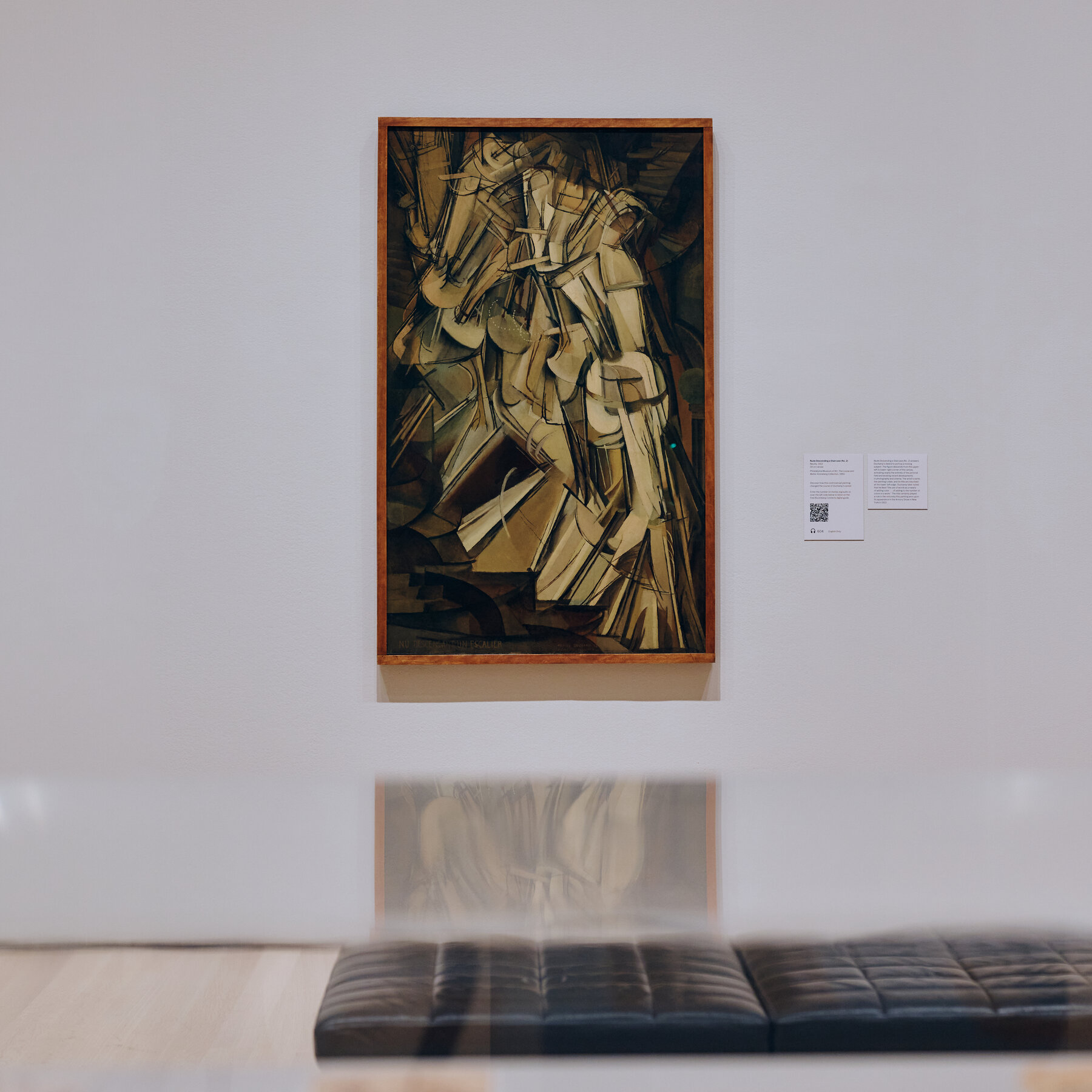
The Museum of Modern Art (MoMA) has launched a comprehensive survey of Marcel Duchamp’s work, highlighting the artist's revolutionary impact on the definition of art. The exhibition traces Duchamp's transition from traditional painting to his radical 'readymades,' which prioritized intellectual concepts over aesthetic craftsmanship.

The Making of a Maintenance Artist

A new documentary titled "Maintenance Artist" (2025) traces the decades-long practice of Mierle Laderman Ukeles, a pioneering artist who focused on marginal, unpaid, and feminine labor. The film covers her career from her 1969 "CARE" manifesto, through her role as artist-in-residence at the New York City Department of Sanitation, to her first retrospective at the Queens Museum in 2017. It highlights her critique of art-world gender biases and her efforts to recognize discounted labor in all fields.

hito steyerl medium hot images heat verso

Artist Hito Steyerl has published a new book, *Medium Hot: Images in the Age of Heat*, through Verso, continuing her long-running exploration of how images, technology, and politics intersect. The article traces her intellectual evolution from earlier works like *The Wretched of the Screen* (2013) and *Duty Free Art* (2017), highlighting key essays and video works such as *How Not to Be Seen: A Fucking Didactic Educational .MOV File* (2013), which satirizes surveillance culture. It notes that Steyerl topped ArtReview’s 2017 Power List as the most influential person in the art world, and that her latest book addresses war and violent conflict in the context of Web3, with a more decisive tone.

Anni Albers Wasn’t Afraid to Start From Zero

Nicholas Fox Weber's new biography, *Anni Albers: A Life*, draws on his nearly 25-year friendship with the artist to offer an intimate, nuanced portrait of the pioneering textile artist. The book traces Albers's journey from her birth in Berlin in 1899, through her studies and teaching at the Bauhaus and Black Mountain College, her escape from Nazi Germany in 1933, and her later years in Connecticut. Weber, who serves as executive director of the Josef & Anni Albers Foundation, fills the biography with lively anecdotes—from her love of Kentucky Fried Chicken to her sharp wit—while correcting the "stock stories" she often repeated, revealing her personality and artistic dedication with rare depth.

« L’Angélus » de Millet : une notification à l’humanité hors sol ?

Beaux Arts Magazine publishes a detailed visual analysis of Jean-François Millet's painting "L'Angélus" (1857–1859), housed at the Musée d'Orsay in Paris. The article describes the scene of two peasants pausing their potato harvest to pray at dusk, examining the composition, color, and spiritual resonance of the work. It also traces Millet's biography—from his peasant origins in the Cotentin region to his training under Langlois and Paul Delaroche, and his early career painting portraits and nudes before turning to rural subjects.

The Black American Artists Who Dazzled Post-War Paris

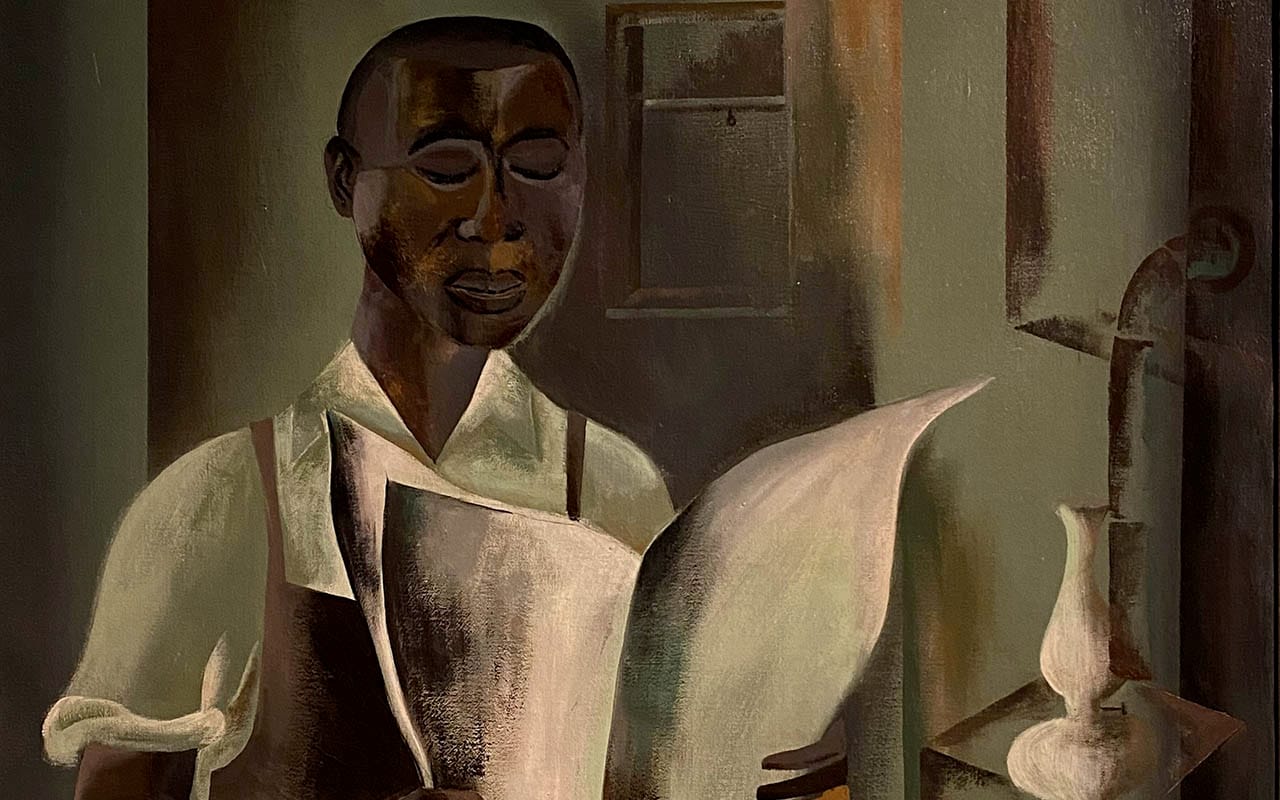
An exhibition titled "Paris in Black: Internationalism and the Black Renaissance" at the DuSable Black History Museum and Education Center in Chicago celebrates the Black American artists, writers, and performers who moved to Paris after World War II to escape American racism. Curated by Danny Dunson, the show features over 100 artworks from the museum's permanent collection, including paintings by Archibald J. Motley Jr., sculptures by Richmond Barthé, Augusta Savage, and William Artis, and ephemera related to Josephine Baker. It traces the global influence of the Harlem Renaissance and the cross-pollination between Paris and U.S. cities like Chicago.

Frank Bowling: Seeking the Sublime review – shipwrecked Ophelia points the path to freedom

A new exhibition of Frank Bowling's work traces the artist's early struggle to find his voice within the rigid artistic categories of the 1960s. The show features paintings from his student days in London, where he grappled with expectations to be either a political 'Black artist' or a formalist 'artist' free from identity constraints, resulting in works that felt derivative of figures like Francis Bacon.

New biography offers well-crafted story of Louise Bourgeois’s rich life

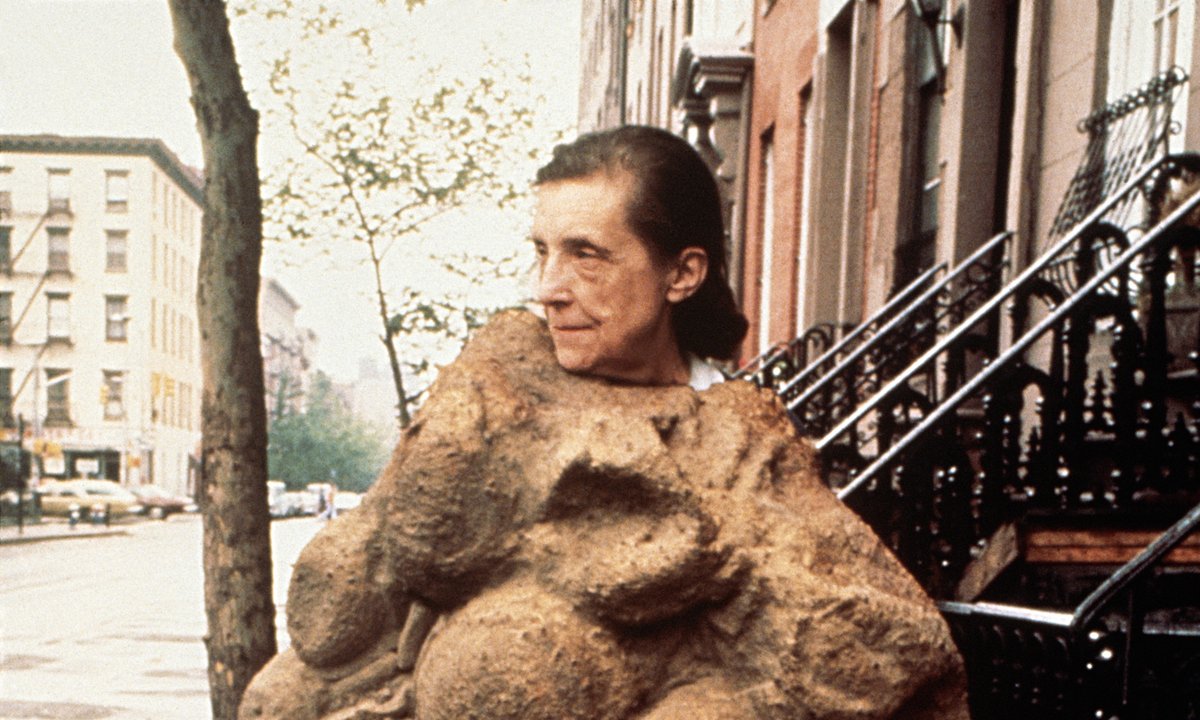
Marie-Laure Bernadac’s new biography, 'Knife-Woman: The Life of Louise Bourgeois', provides a comprehensive look at the French-American artist’s prolific career and traumatic upbringing. The book explores how Bourgeois transformed childhood wounds—specifically her father’s infidelity and psychological cruelty—into a radical body of work spanning sculpture, installation, and textiles. From her early encouragement by Fernand Léger to her late-career fame with the 'Maman' spider sculptures, the biography traces her evolution from a painter to a boundary-defying sculptor who utilized materials ranging from latex to marble.

Review: “Toshiko Takaezu: Worlds Within” at the Museum of Fine Arts, Houston

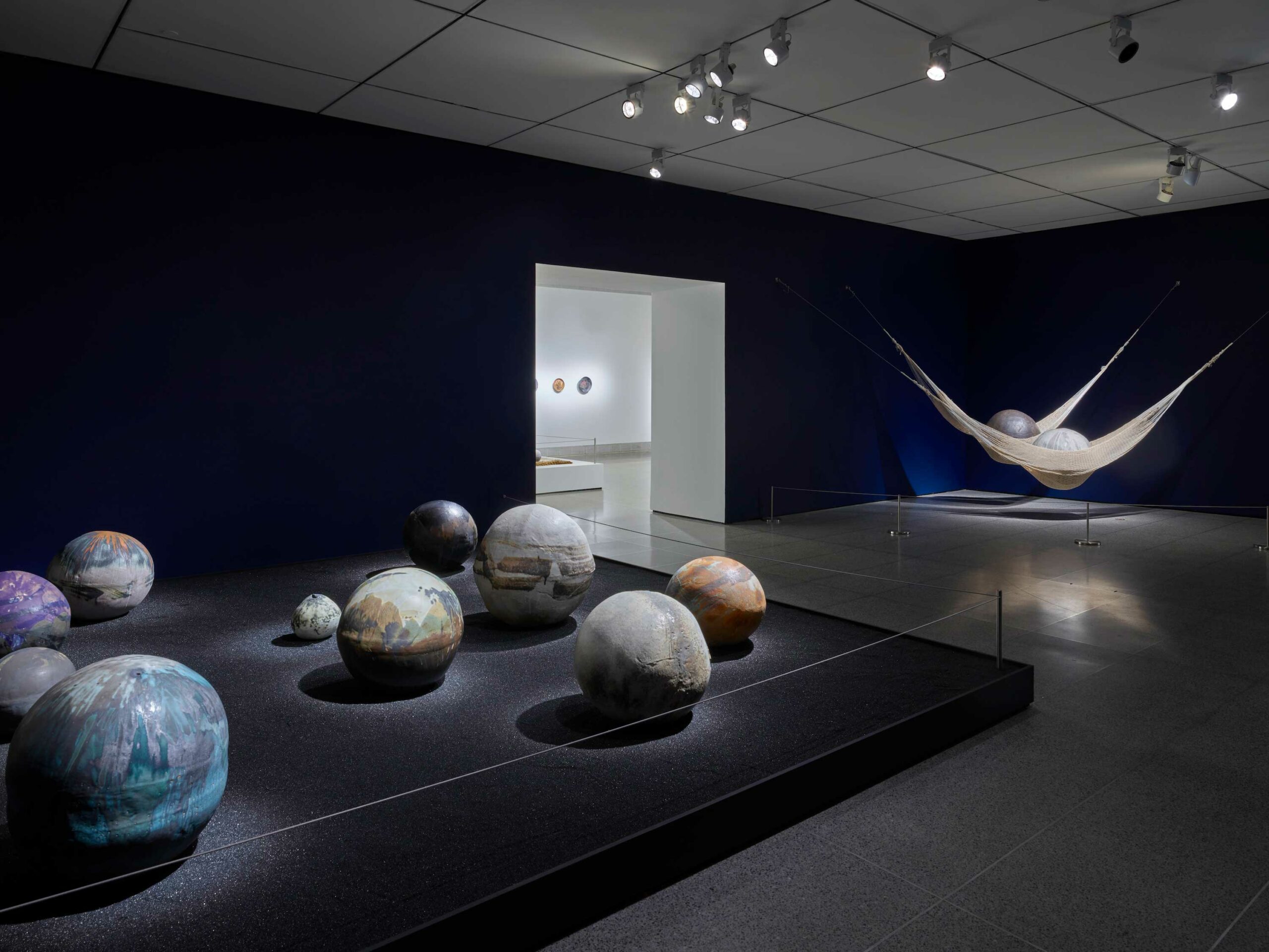
The article reviews "Toshiko Takaezu: Worlds Within" at the Museum of Fine Arts, Houston, the artist's first nationally touring retrospective in 20 years. Organized by the Isamu Noguchi Foundation and Garden Museum, the exhibition features some 100 artworks from the 1950s until her death in 2011, including large-scale ceramics, weavings, and paintings. It traces Takaezu's journey from her childhood on a Maui watercress plantation to her transformative studies at Cranbrook Academy of Art and a pivotal trip to Japan, where she studied Zen Buddhism and worked under various ceramicists.

An expansive monograph of Celia Paul paints a portrait of a single-minded, singular artist

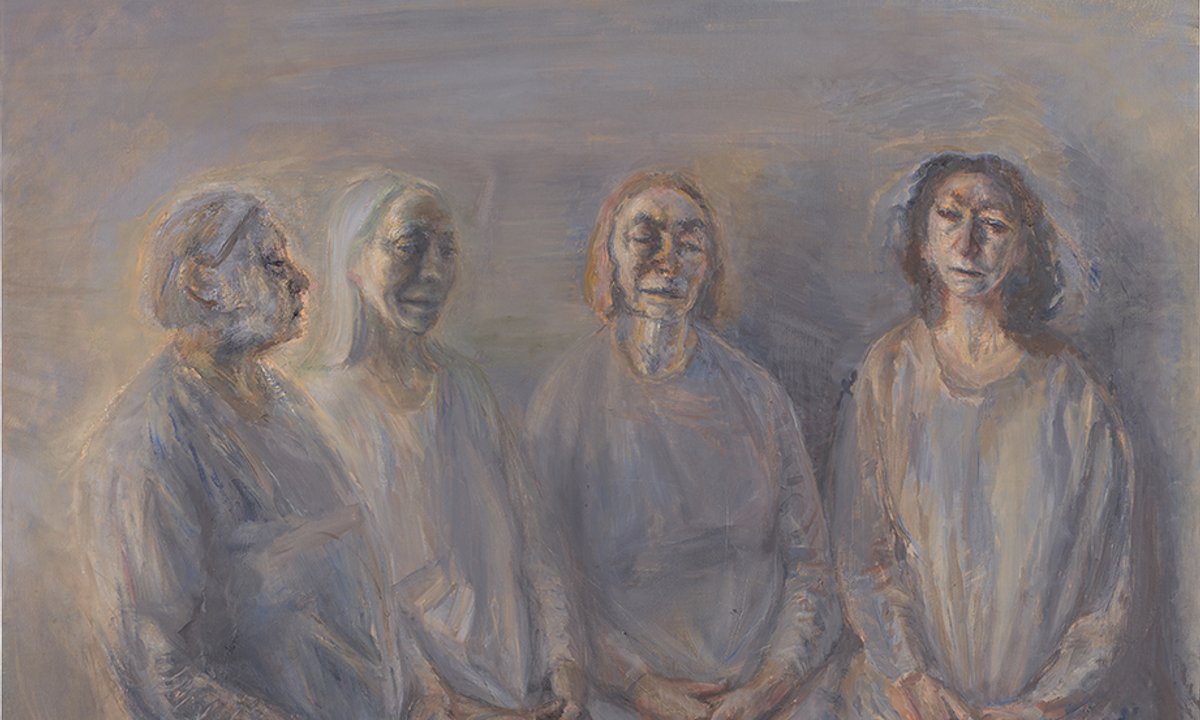
A new monograph on Indian-born British painter Celia Paul (b. 1959) presents an expansive survey of her career, featuring over 500 color reproductions and essays by Hilton Als, Clare Carlisle, Karl Ove Knausgaard, Edmund de Waal, and Rowan Williams, alongside contributions from the artist herself. The book traces Paul's trajectory from her training at the Slade School of Fine Art and her decade-long relationship with Lucian Freud to her recent solo exhibition *Colony of Ghosts* at Victoria Miro in London, positioning her as a singular figure distinct from the shadow of Freud and the School of London painters.

The Fantasy of the Femme Fatale

Le fantasme de la femme fatale

A documentary titled "Le fantasme de la femme fatale" (The Fantasy of the Femme Fatale), directed by Susanne Brand, is available on Arte.tv. The film traces the visual history of the femme fatale, a seductive and dangerous figure prevalent in centuries of figurative painting by male artists like Gustave Moreau and Franz Von Stuck, often depicted as Salome or languid nymphs.

The Spiritual Ear: On Daniel Heller-Roazen’s Far Calls

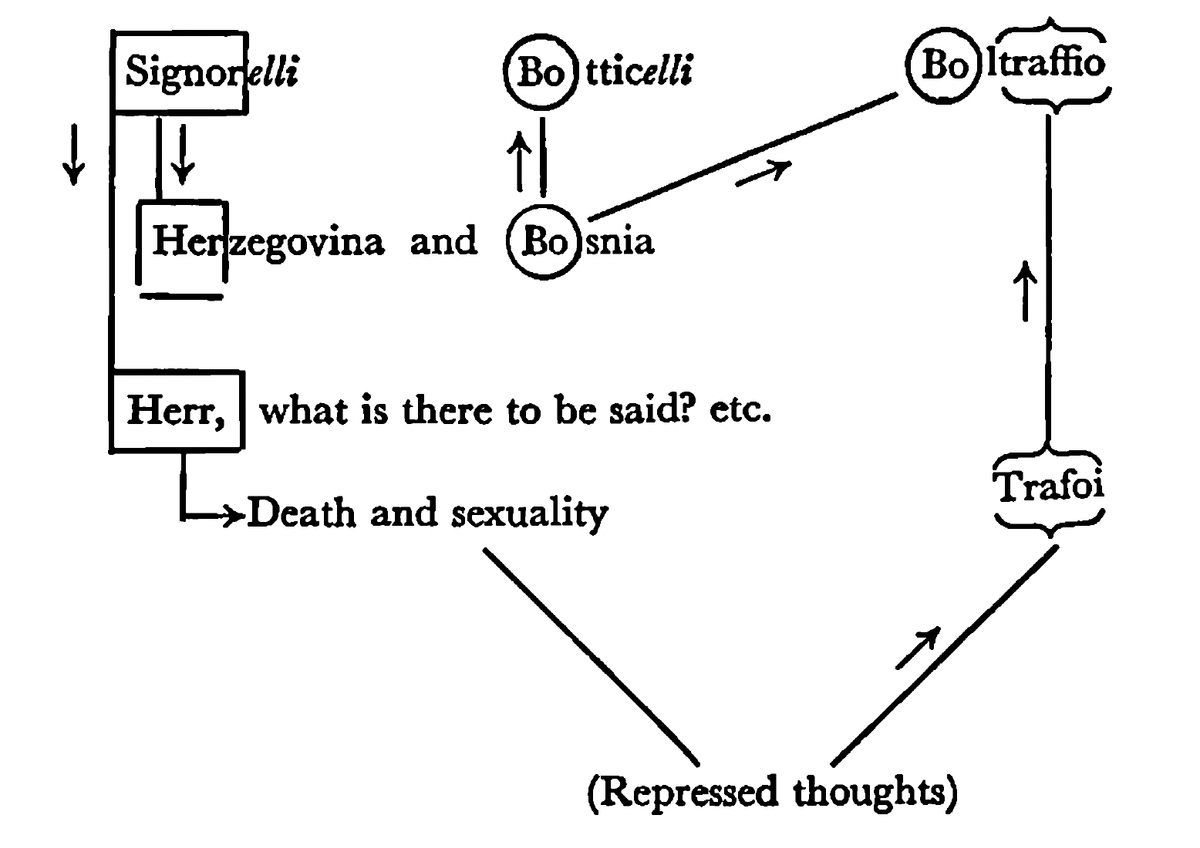
The article is a critical review of Daniel Heller-Roazen's new book, 'Far Calls: On Omens, Slips, & Epiphanies.' It examines the book's central thesis, which explores the historical and philosophical concept of a 'spiritual ear'—the interval between speaking and hearing where language escapes its intended meaning, giving rise to omens, slips of the tongue, and epiphanies. The review traces Heller-Roazen's genealogical investigation from ancient divinatory practices to modern psychoanalysis, highlighting his argument that linguistic accidents hold prophetic potential.

‘The Bed Trick’ by Izabella Scott, Reviewed

Izabella Scott's book *The Bed Trick* examines a British rape case in which Gayle Newland was convicted for pretending to be a man named Kai during a two-year relationship with a woman identified as Miss X. Drawing on court transcripts, Scott explores the legal concept of 'fraud vitiates consent' and traces the historical bed-trick trope from medieval folktales to *The Rocky Horror Picture Show*, questioning how much deception invalidates sexual consent.