
filter_list Showing 3 results for "turner and constable" close Clear
search
dashboard All 19 museum exhibitions 7article culture 4rate_review review 3trending_up market 2article news 2person people 1
date_range Range Today This Week This Month All
Subscribe

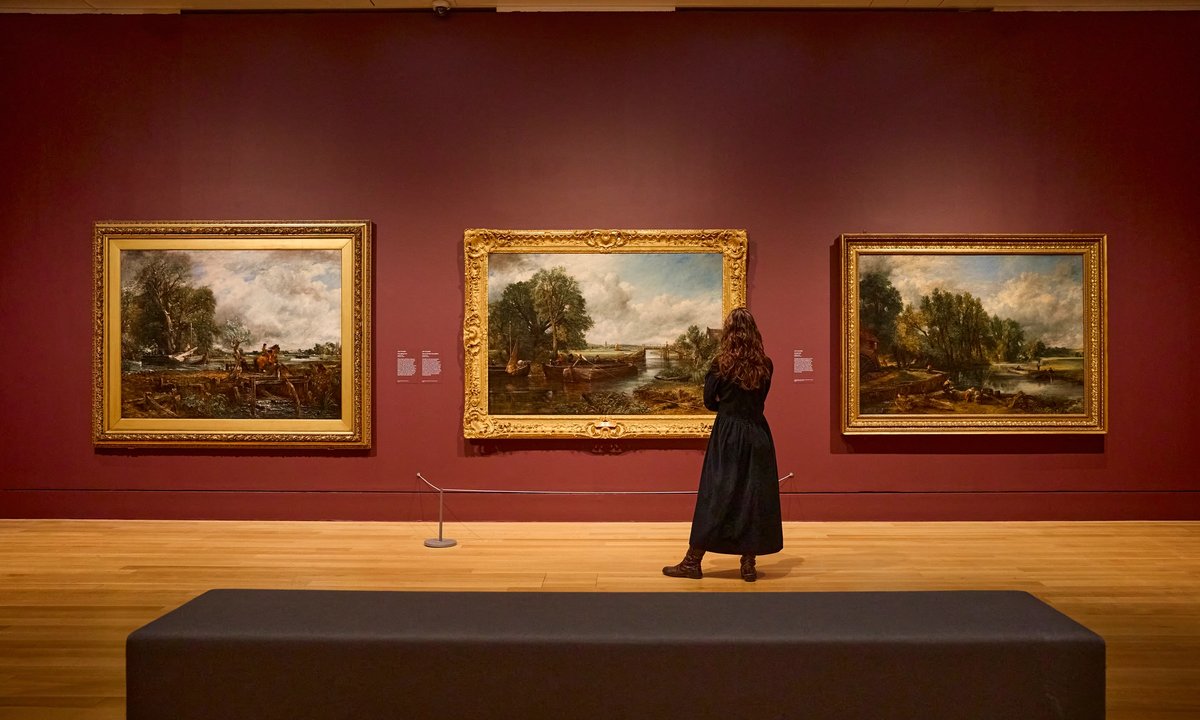
Comment | Tate Britain’s Turner and Constable show got me thinking about Marxist art history

The author recounts traveling from Scotland to London to see Tate Britain's exhibition "Turner and Constable: Rivals and Originals," despite costly and slow train travel. The article also covers the Old Master sales at Sotheby's, Christie's, and Bonhams, noting mixed results: a Flemish triptych sold for £5.7m, a Hans Eworth portrait set a record at £3.2m, and a Gerrit Dou fetched £3.8m, while a Panini capriccio lost value since 2005.
Comment | Turner gets all the kudos, but it was Constable who was the truly radical painter

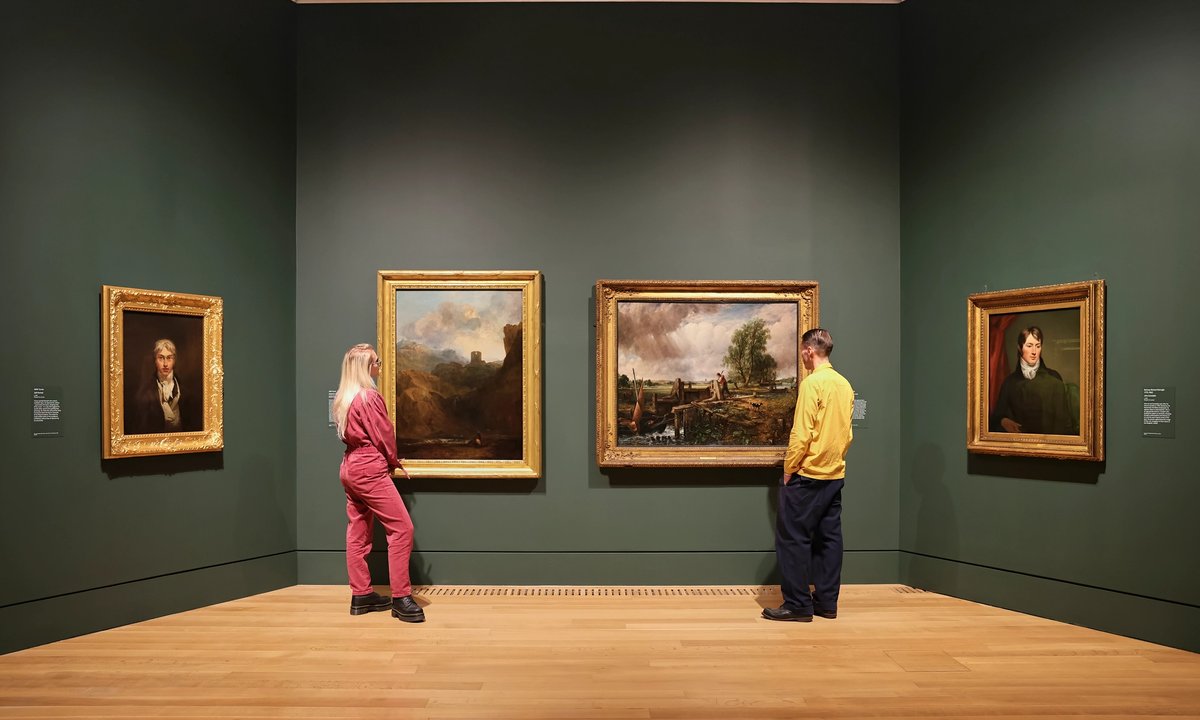
A commentary argues that John Constable, not J.M.W. Turner, was the truly radical painter, despite Turner receiving far greater public recognition through a museum, a prize, and a place on the £20 note. The article highlights a new exhibition, "Turner and Constable," opening at Tate Britain (until 12 April 2026), which recreates their 1831 Royal Academy display and contrasts Constable's English pastoral scenes with Turner's dramatic, un-British visions. It contends that Constable's full-size oil sketches, such as those at the Victoria and Albert Museum, had a deeper and more lasting effect on modern painting than Turner's work.

Turner vs Constable: is it time for art historians to choose?

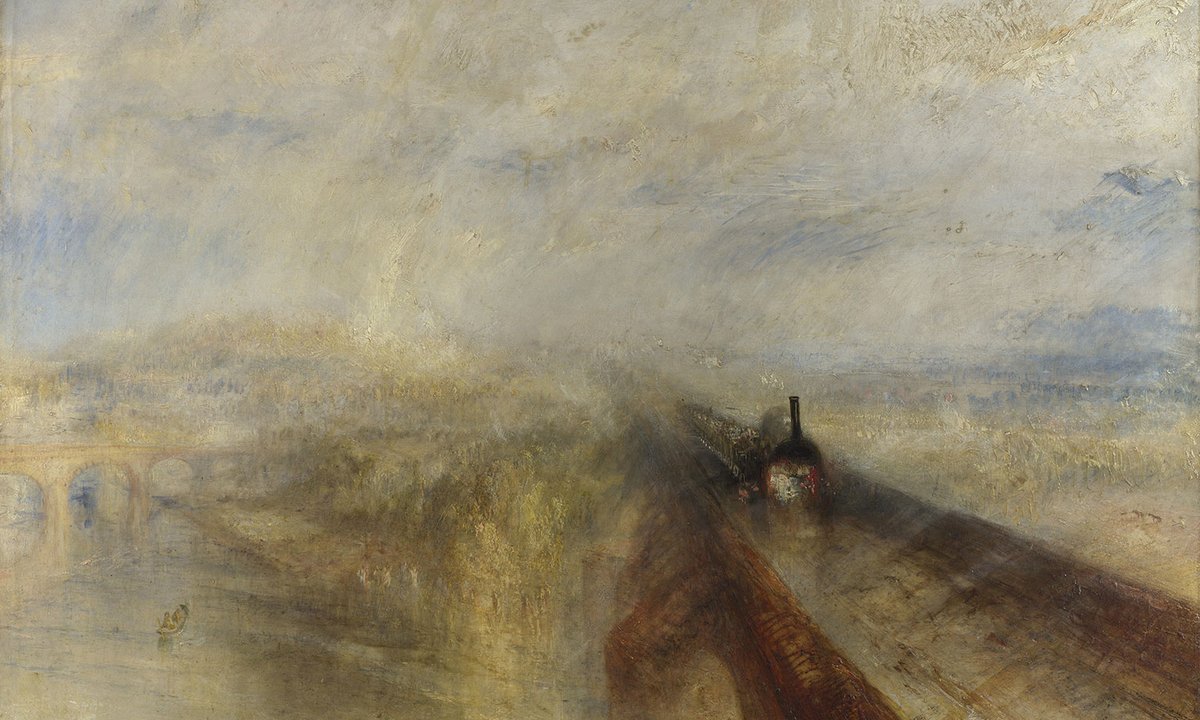
Art historian and author James Hall, writing in The Art Newspaper, reviews Nicola Moorby's new book "Turner and Constable: Art, Life, Landscape" and uses it as a springboard to argue that art historians should not shy away from making value judgments about artists. He compares the legacies of J.M.W. Turner and John Constable, noting that Turner currently dominates popular and institutional esteem—appearing on banknotes, celebrated by Tate Britain as the greatest British artist, and fitting modern conceptions of the artist as a rebellious, eccentric genius. Hall contrasts this with Constable's more conservative image and declining presence in commercial culture.