filter_list Showing 67 results for "Ukraine" close Clear
dashboard All 67 article news 32museum exhibitions 16article policy 12article culture 5person people 2
date_range Range Today This Week This Month All
Subscribe

Advocates Try to Save Brutalist Fountain in San Francisco, José Aparicio Painting Returns to Prado Museum: Morning Links for April 30, 2026

This ARTnews Morning Links roundup covers multiple art-world stories from April 30, 2026. A new Banksy sculpture appeared in London's Waterloo Place, depicting a suited man marching off a plinth with a flag covering his face, though Banksy had not confirmed the work. Italian Culture Minister Alessandro Giuli ordered inspectors to the Venice Biennale headquarters amid intensifying scrutiny over Russia's participation, following internal emails suggesting sanctions were circumvented. Obituaries note the deaths of German 'total artist' Timm Ulrichs at 86 and Japanese sculptor Shigeo Toya at 78. A José Aparicio painting, 'The Year of the Famine in Madrid' (1818), returned to the Prado Museum after 150 years. In San Francisco, a group called Friends of the Plaza filed an appeal to block dismantling of the Vaillancourt Fountain. A feature in Cultured Magazine explores Bucharest's ambitions as a global arts hub through the Romanian Art Dealers fair.

Time Magazine’s 100 Most Influential List Includes Artist Cao Fei and Photojournalist Lynsey Addario

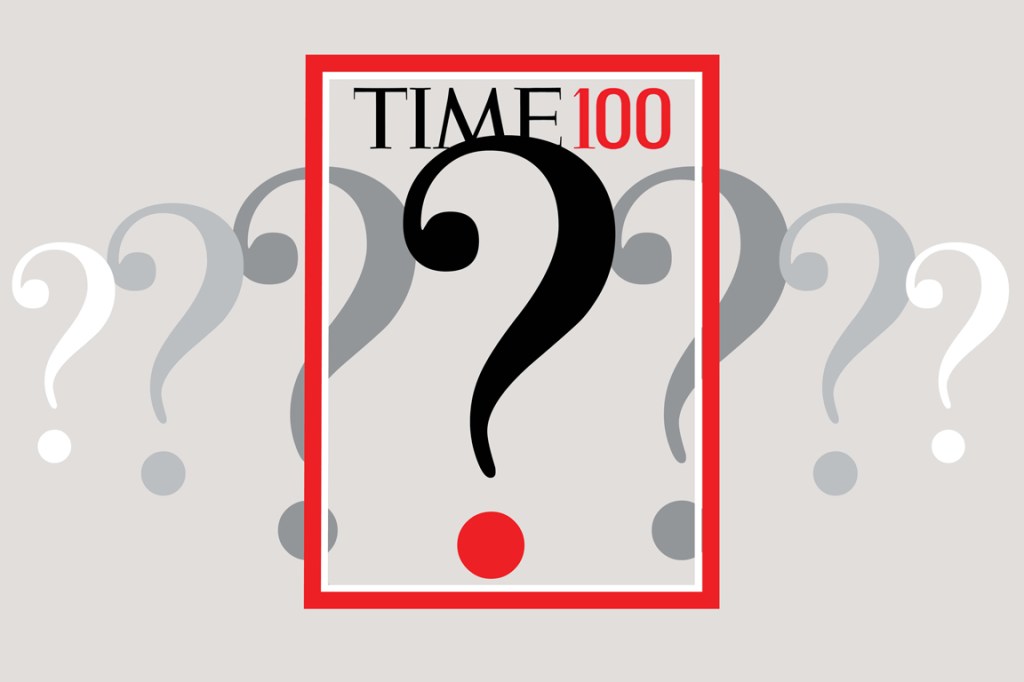
Time magazine has named artist Cao Fei and photojournalist Lynsey Addario to its 2026 list of the 100 most influential people in the world. Cao Fei is recognized for her multidisciplinary work exploring digital technology and modernity, while Addario is honored for her decades of courageous reporting from global conflict zones, including her Pulitzer Prize-winning coverage of the war in Ukraine. The list also acknowledges prominent art patrons Susan and Michael Dell.

There Has Never Been an Apolitical Venice Biennale

"Es hat niemals eine unpolitische Venedig-Biennale gegeben"

The Venice Biennale is embroiled in political controversy, with the US Pavilion's selection process criticized for bypassing traditional curatorial expertise in favor of a politically connected outsider. Simultaneously, a collective of artists and academics is protesting Russia's return to the Biennale, arguing it uses art as a political instrument to normalize its actions amid the war in Ukraine. An analysis in ArtReview contends the Biennale has never been apolitical, serving as a stage for geopolitical power plays since its inception.

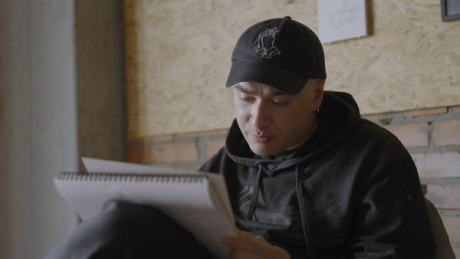
‘It’s essential for understanding what is going on in Ukraine’: new exhibition explores wartime limb loss

Prominent Ukrainian artist Nikita Kadan is launching a new exhibition titled 'A New Integrity' at Pavilion 13 in Kyiv. The installation features prostheses suspended in mid-air, accompanied by a soundscape of recorded testimonies from veterans who have experienced limb loss during the ongoing Russian invasion. The project, commissioned by the non-profit RIBBON International, uses these mechanical replacements to symbolize the broader losses of territory, people, and future perspectives that Ukraine has endured.

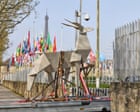
‘It has become a symbol of hope’: the epic journey of Ukraine’s origami deer to the Venice biennale

Ukrainian artist Zhanna Kadyrova's concrete origami deer sculpture, originally installed in Pokrovsk in 2018, has been evacuated from the war-torn Donetsk region and transported across Europe to become the centerpiece of Ukraine's national pavilion at the 2026 Venice Biennale. The sculpture, which replaced a Soviet fighter-bomber monument in a local park, was rescued in August 2024 by co-curator Leonid Marushchak amid intensifying Russian attacks, with the help of city authorities and museum staff.

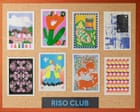
‘Even more beautiful than I imagined’: the nifty Japanese printing gadget uniting artists worldwide

Designer Gabriella Marcella has curated a new exhibition at Glasgow’s Glue Factory Galleries celebrating the global community of risograph printing. The show highlights work from her 'Riso Club' initiative, a non-profit program that distributes monthly sets of artist-designed postcards from cities ranging from Kyiv to Damascus. Originally developed in Japan in the 1980s as an affordable office tool, the risograph has been reclaimed by independent creatives for its unique soy-ink aesthetic and tactile, screenprint-like quality.

Venice Biennale 2026: What are the major trends that will mark the 99 national pavilions?

Biennale de Venise 2026 : quelles sont les grandes tendances qui vont marquer les 99 pavillons nationaux ?

The article previews the 2026 Venice Biennale, highlighting key trends across its 99 national pavilions. Major themes include the hybridization of theater, dance, and performance, particularly in pavilions from Austria, Luxembourg, Belgium, and Lithuania, where artists like Florentina Holzinger, Aline Bouvy, Miet Warlop, and Eglė Budvytytė use radical, body-centric works. Geopolitical engagement is also central, with the Ukrainian pavilion featuring Zhanna Kadyrova's work on resistance and the British pavilion exploring themes of exile and migration. Other notable pavilions include Spain's focus on imagery, a sound installation for the Vatican, a polyphonic piece for Romania, and a film on sign language song for Poland.

Ukrainian Dreamers from Kharkiv: photography exhibition of the Radvila Palace Museum of Art – on courage to dream and create

The Radvila Palace Museum of Art in Vilnius, Lithuania, has opened a major exhibition titled 'Ukrainian Dreamers: The Kharkiv School of Photography.' The show, created in collaboration with the Museum of Kharkiv School of Photography, presents the work of 33 artists and groups across four generations, featuring hundreds of photographs, videos, and archival objects. It traces the school's evolution from its rebellious origins in the 1970s under Soviet censorship through Ukraine's independence and up to the present day of ongoing Russian military aggression.

Russian Pavilion Will Be Closed to the Public During Venice Biennale: Report

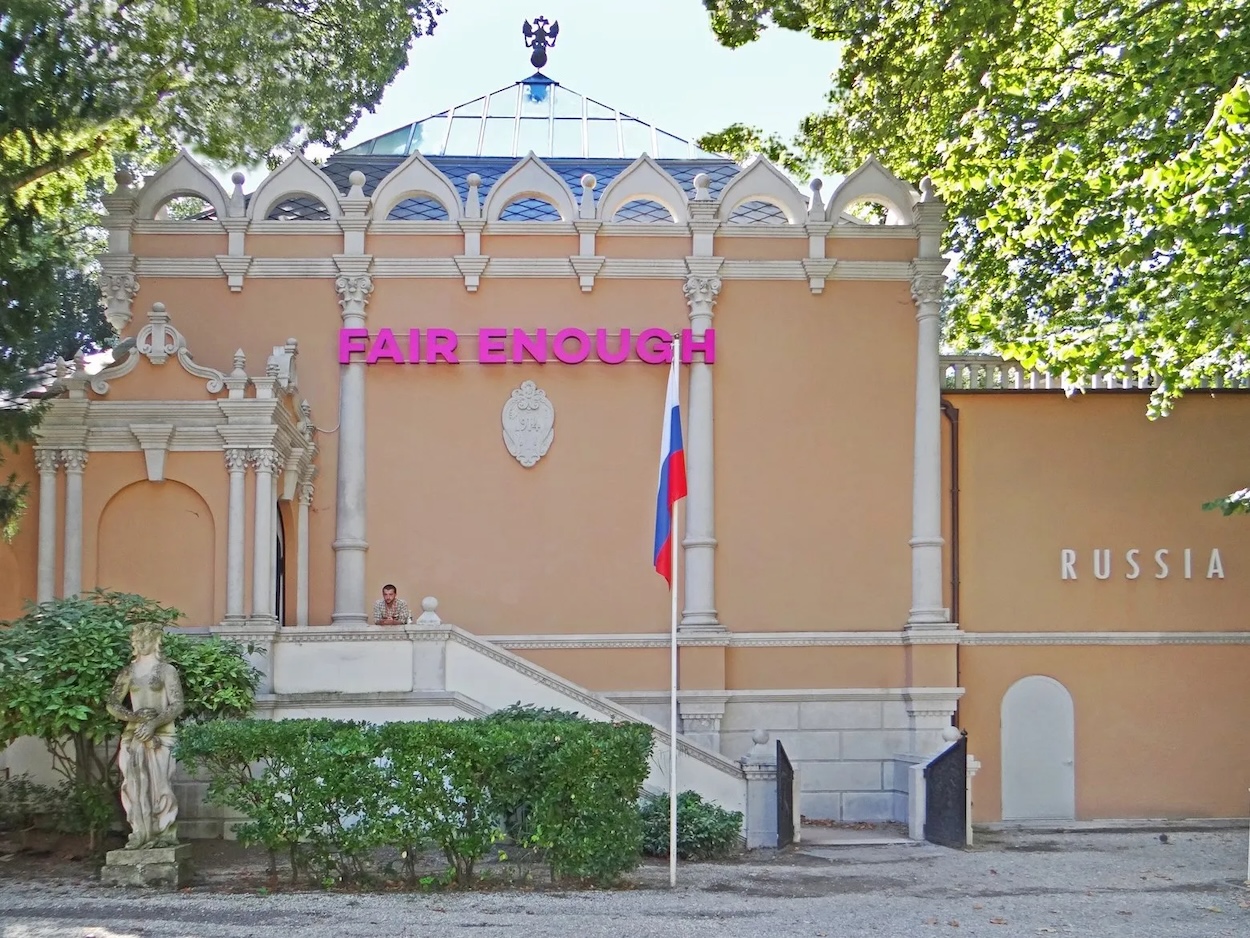
The Russian Pavilion will be closed to the public for most of the 2025 Venice Biennale, opening only during the pre-opening vernissage (May 5–8) for live performances tied to the exhibition “The Tree Is Rooted in the Sky.” After May 9, the pavilion will remain closed, with digital documentation displayed in the windows. The compromise follows weeks of pressure from European cultural and political figures—including Italy’s culture minister—to shutter the pavilion due to Russia’s ongoing war in Ukraine. Plans were confirmed via email correspondence between Biennale Foundation president Pietrangelo Buttafuoco, general director Andrea Del Mercato, and Russian Pavilion commissioner Anastasia Karneeva, as reported by Italian outlets Open and La Repubblica.

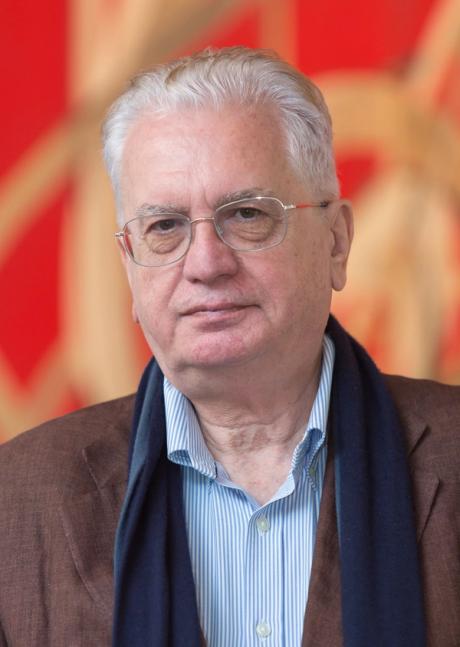
EU imposes sanctions on Mikhail Piotrovsky, director of Russia's State Hermitage Museum

The European Union has imposed sanctions on Mikhail Piotrovsky, the director of Russia's State Hermitage Museum, as part of its 20th sanctions package adopted on 23 April. Piotrovsky, a vocal supporter of Russia's full-scale invasion of Ukraine, is cited for being a close associate of Vladimir Putin and for actively supporting the war, including justifying Russian cultural policies that incorporate Ukrainian museum items into Russia's State Museum Fund and enabling unauthorized archaeological excavations in occupied Crimea. The sanctions also target three other cultural officials involved in the Crimean digs. Meanwhile, Hermitage archaeologist Alexander Butyagin, arrested in Poland in December 2025 at Ukraine's request, was released in a prisoner exchange on 28 April.

Israel’s foreign ministry accuses Venice Biennale's jury of ‘politicising’ exhibition

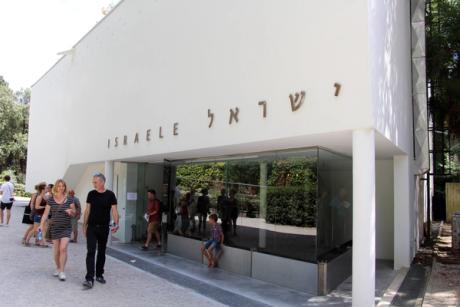
Israel’s foreign ministry has accused the Venice Biennale's jury of politicizing the exhibition after jurors announced they would not consider for prizes countries whose leaders face International Criminal Court charges for crimes against humanity. The jury’s statement, which did not name specific nations, is broadly understood to apply to Israel and Russia, both returning to the Biennale for the first time since the Gaza war and the Ukraine invasion, respectively. The Israeli ministry posted on X that the jury had decided to 'boycott' Israeli sculptor Belu-Simion Fainaru, calling it 'a contamination of the art world.' The Biennale distanced itself from the jury’s announcement, stating the jury acts autonomously, while the Russian pavilion is reportedly set to open only for a limited pre-opening period due to budget constraints amid sanctions.

Pavel Brǎila on Representing Moldova at the 61st Venice Biennale

Pavel Brǎila is representing Moldova at the 61st Venice Biennale with an installation titled "Echoes of Harmony and Silent Cries" (2026), featuring flying carpets that fill the pavilion space at Santa Veneranda. In an interview with ArtReview, Brǎila explains that the work was driven by the constant presence of war in the news—Ukraine, Israel and Gaza, and other conflicts—and evolved into a sound installation as the propellers of the carpets created a minor-key resonance. He describes his first visit to the Biennale 25 years ago as a festive art festival, but now sees the platform as a crucial opportunity to represent his country's voice and express his urgent feelings about the world.

EU confirms Venice Biennale funding cut over Russia feud

The European Union has confirmed it will cut its funding to the Venice Biennale following the event's decision to allow Russia's return to the exhibition. EU foreign policy chief Kaja Kallas announced the move, which was previously threatened, during a press conference focused on supporting Ukraine. Latvia and Finland have also stated they will not send government representatives if Russia's participation is maintained.

What You Need to Know About the Venice Biennale’s Russian Pavilion Controversy

The Russian pavilion is set to return to the Venice Biennale for the first time since the 2022 invasion of Ukraine, presenting an exhibition titled 'The tree is rooted in the sky.' This has sparked significant controversy, with artists, curators, and politicians from Ukraine and several European nations calling for the pavilion's exclusion, citing the ongoing war and sanctions. The Biennale organizers have refused to remove Russia, stating they lack the authority to exclude a state recognized by Italy and emphasizing the event's role as a neutral space for cultural dialogue.

Towering homage to Bamiyan Buddhas rises over Manhattan’s High Line

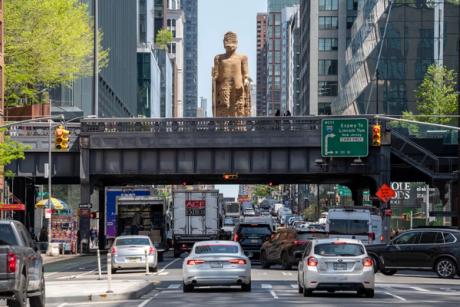
A new public sculpture by Vietnamese American artist Tuan Andrew Nguyen has been installed on the High Line Plinth at Hudson Yards in Manhattan. Titled "The Light That Shines Through the Universe" (2026), the 27-foot-tall sandstone monument pays homage to the Buddhas of Bamiyan, the 6th-century colossi destroyed by the Taliban in 2001. The work features carved sandstone forms with two monumental steel hands cast from melted-down artillery shells sourced from Afghanistan, making gestures of fearlessness and compassion. It will remain on view through autumn 2027 and is accompanied by monthly lectures and meditation sessions.

Venice Biennale Jury Bars Israel and Russia from Official Prizes

The international jury of the 61st Venice Biennale announced on April 23 that it will not consider the Israeli and Russian pavilions for official prizes, including the Golden Lion for national participation. The five-member, all-women panel—comprising Solange Farkas, Zoe Butt, Elvira Dyangani Ose, Marta Kuzma, and Giovanna Zapperi—said it would exclude countries whose leaders are currently charged with crimes against humanity by the International Criminal Court, a criterion that applies to Israel and Russia due to ICC arrest warrants for Benjamin Netanyahu and Vladimir Putin. The decision comes amid mounting controversy over the Biennale's decision to host both pavilions, with Russia returning after its artists withdrew in 2022 over the Ukraine invasion and Israel reopening after its 2024 pavilion remained closed pending a Gaza ceasefire. The European Commission had also threatened to suspend a €2 million grant over the Russian pavilion's reopening.

Nikita Kadan Questions Whether War Ever Ends

Ukrainian artist Nikita Kadan, in an interview with Frieze, reflects on his practice and the ongoing psychological and physical toll of war, questioning whether conflict ever truly ends. He discusses his recent works, which grapple with the persistent state of war in Ukraine, the transformation of urban spaces, and the collective trauma that outlasts active hostilities.

Treated as Cannon Fodder

"Als Kanonenfutter behandelt"

Artist Mario Pfeifer has created a new film, "Wutame / Caché," which portrays two men from Cameroon who fought for Russia in the war against Ukraine before deserting. The film is currently featured in the "Tirailleurs" exhibition at Berlin's Haus der Kulturen der Welt (HKW). Pfeifer's work focuses on the men's personal accounts of being deceived, poorly treated, and used as "cannon fodder," employing anonymized voices and altered imagery to protect their identities while allowing their stories to unfold.

'ART FROM WAR TO WAR: CHASING BUTTERFLIES OVER THE VERGE OF A CLIFF' at Beck & Eggeling International Fine Art, Düsseldorf, Germany on 28 May–15 Aug 2026

An exhibition titled 'ART FROM WAR TO WAR: CHASING BUTTERFLIES OVER THE VERGE OF A CLIFF' is on view at Beck & Eggeling International Fine Art in Düsseldorf, Germany, from 28 May to 15 August 2026. Curated by Antonio Geusa and Kay Heymer, the show features selected works from the Valeria Rodnianski collection, spanning artists from Germany and the Soviet/post-Soviet space. It is structured around two historical turning points—the construction of the Berlin Wall in 1961 and Russia's full-scale invasion of Ukraine in 2022—and organized into three thematic sections: Topos, Anthropos, and Logos, exploring place, human experience, and language.

Russia's 2026 Venice Biennale Will Not Open to the Public, and Other News.

Russia's pavilion at the 2026 Venice Biennale will be closed to the public for nearly the entire run of the exhibition (May 9–November 22), with access limited to a brief preview period for press and invited guests. Instead of physical access, visitors will experience the pavilion's project—titled 'The Tree Is Rooted in the Sky'—via video documentation displayed on exterior screens. The arrangement is widely seen as a compromise shaped by international sanctions and political backlash over Russia's return following its absence after the 2022 invasion of Ukraine. In other news, Matthieu Blazy unveiled his first Chanel cruise collection in Biarritz; San Francisco appointed Matthew Goudeau as its first-ever executive director of arts and culture; the Saudi Arabia Museum of Contemporary Art received a $490 million construction grant from Diriyah Company; and online auction sales grew 8 percent in 2025, generating $423.9 million.

The soap opera continues. Minister Giuli will boycott the inauguration of the Venice Biennale

La telenovela continua. Il Ministro Giuli diserterà l’inaugurazione della Biennale di Venezia

Alessandro Giuli, Italy's Minister of Culture, has announced he will boycott the pre-opening and inauguration ceremony of the 61st Venice Biennale on May 9, 2026, escalating a political and cultural crisis. The dispute began when Biennale president Pietrangelo Buttafuoco allowed the Russian pavilion to reopen, absent since 2022 due to the Ukraine invasion, citing artistic freedom. Giuli demanded the removal of ministry representative Tamara Gregoretti from the Biennale board for failing to oppose the decision. Tensions flared during the Italy Pavilion press conference, where journalists were confined to a separate streaming room and questions were restricted. The European Commission condemned the Russian pavilion's reopening, cutting €2 million in funding and issuing a 30-day ultimatum, while 22 European countries signed a letter pressuring the institution. The Biennale's international jury, led by Solange Oliveira Farkas, then excluded Russia and Israel from award consideration, citing ethical guidelines against countries whose leaders face International Criminal Court charges for crimes against humanity.

Pussy Riot Shows Art by Russia’s Prisoners in New Protest Exhibition

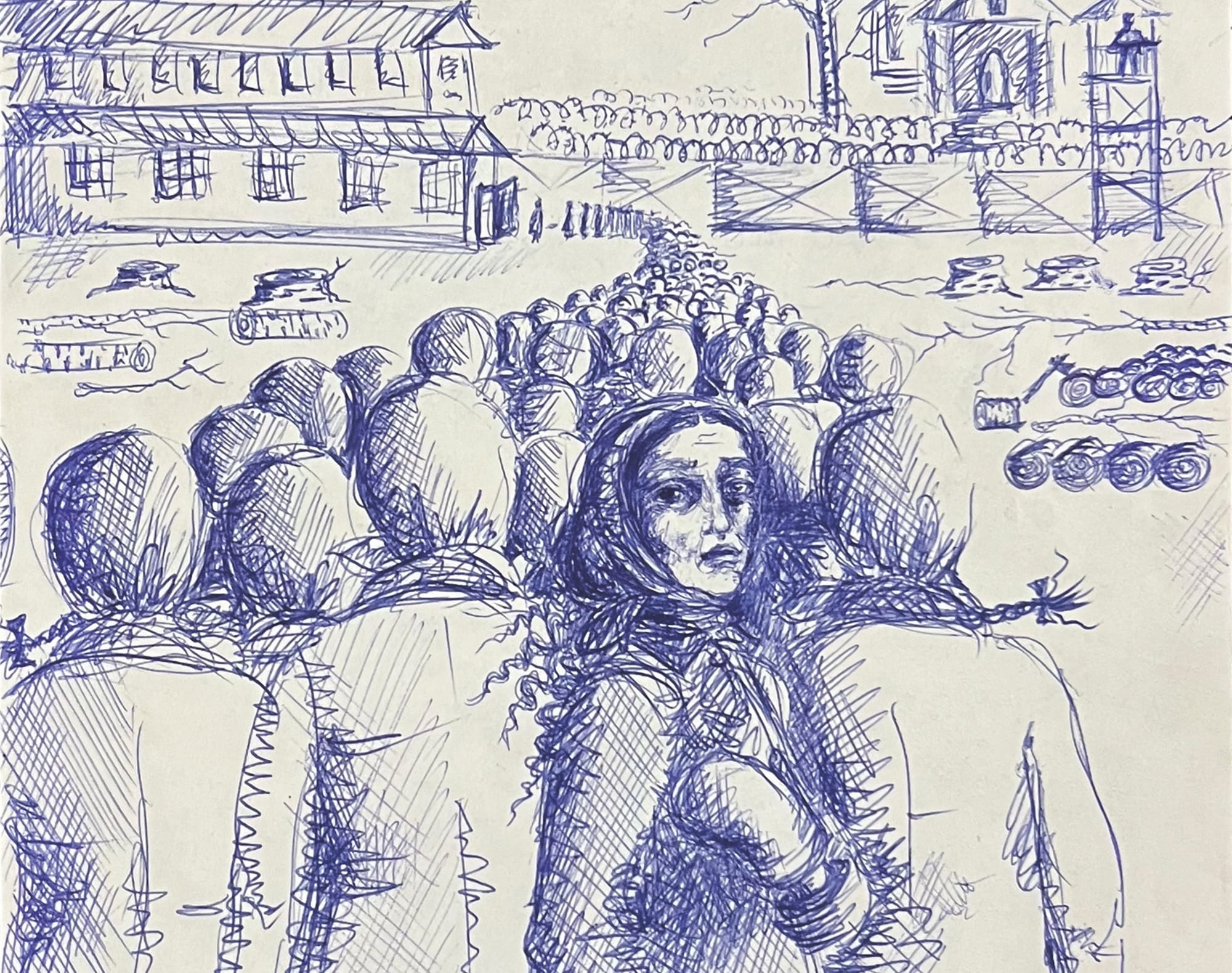
Pussy Riot founder Nadya Tolokonnikova co-curated "Resistance Imprisoned," a protest exhibition at Ritsch-Fisch Galerie in Strasbourg, France, featuring artwork created by people currently or formerly imprisoned in Russia, including Ukrainian civilians. The show opened April 19 and runs through May 31, timed to coincide with the first month of the Venice Biennale, which opens May 9. Works include a pen sketch by Lyudmila Razumova, a photojournalist arrested for anti-war graffiti in 2022 and serving a seven-year sentence, alongside pieces by other political prisoners and Ukrainian POWs. The exhibition aims to highlight the human cost of Russia's war and its participation in international cultural events.

Saving the Street Art of the Bombs: A True Story from Ukraine

Salvare la street art delle bombe: una storia vera dall’Ucraina

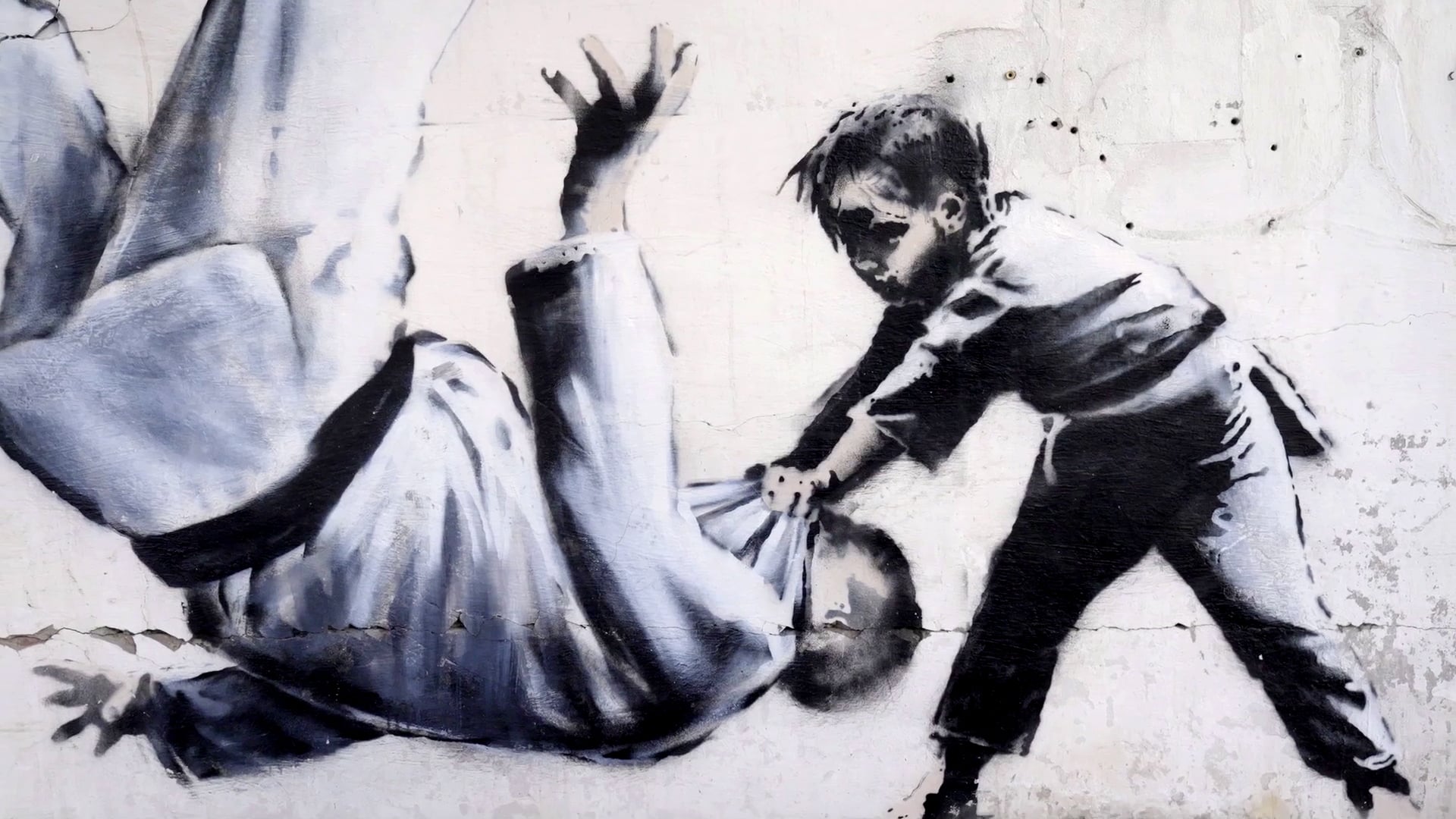
A documentary titled "Arte vs Guerra – Banksy e C215 a Borodyanka, Ucraina" will air on Sky Arte on April 26, recounting how street artists Banksy and C215 created murals in Borodyanka, Ukraine, shortly after the Russian invasion began in February 2022. The works include Banksy's "La Ginnasta" and "Davide e Golia," as well as C215's portraits of war victims like Dmytro Kotsiubaylo. The film also follows three Italian restorers—Paola Ciaccia, Alessandro Cini, and Maria Colonna—who risked their safety to preserve these murals from war damage and landmines.

A Delightful Short Film Highlights the Remarkable Self-Taught Art of George Voronovsky

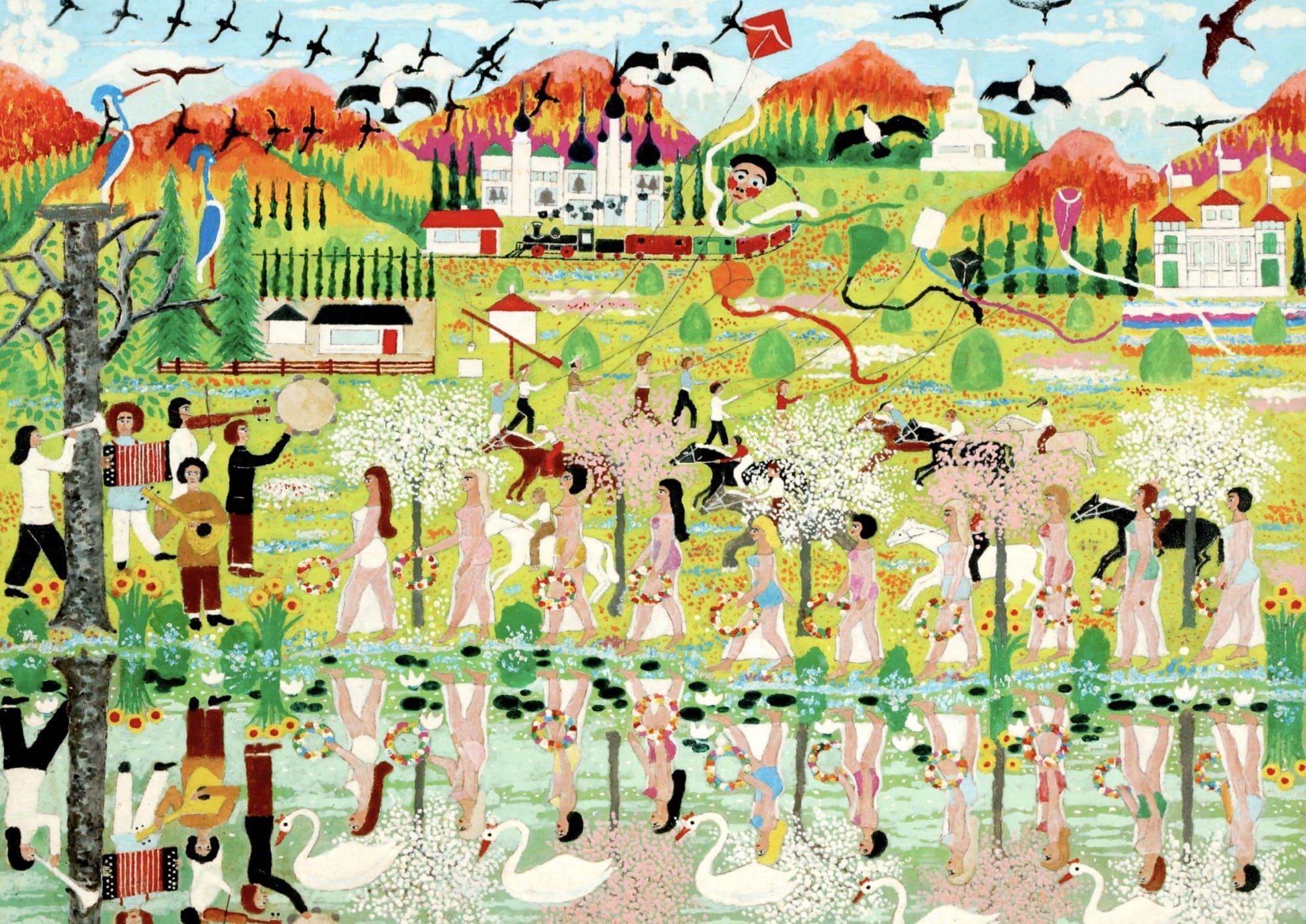
Ukrainian-born artist Jonko “George” Voronovsky transformed his modest retirement room at Miami’s Colony Hotel into a dense, vibrant sanctuary of over 5,000 artworks. After surviving the horrors of the Russian Revolution, Nazi labor camps, and permanent separation from his family, Voronovsky immigrated to the U.S. and spent his final years creating "memoryscapes." These works, crafted from found materials like pizza boxes and soda cans, depicted idyllic, colorful scenes of his youth in Ukraine, contrasting sharply with the trauma of his past.

Venice Biennale Jury Says It Won’t Consider Countries Charged with Crimes Against Humanity, Including Israel and Russia

The Venice Biennale's jury announced it will not consider nations whose leaders are charged with crimes against humanity by the International Criminal Court, effectively excluding Israel and Russia from competing for top honors. The jury, led by Videobrasil founder Solange Farkas, stated this decision aligns with curator Koyo Kouoh's vision and the Biennale's historical role as a platform connecting art to urgent issues. The ICC has issued arrest warrants for Israeli Prime Minister Benjamin Netanyahu and Russian President Vladimir Putin, while other indicted leaders like Sudan's Omar al-Bashir and Afghan officials lack Biennale pavilions.

How Pussy Riot Is Challenging Russia’s Return to the Venice Biennale

The feminist art collective Pussy Riot is campaigning to replace the official Russian exhibition at the 2024 Venice Biennale with their own show, "Resistance Imprisoned." The alternative exhibition features art created by nearly 30 current and former political prisoners in Russia, using improvised materials like envelopes, bedding, and blood. The collective's founder, Nadya Tolokonnikova, aims to expose the country's repressive system, drawing from her own experience in a penal colony.

Venice Biennale jury ‘will not award artists from countries facing war crimes charges’

The jury of the Venice Biennale has announced it will not award prizes to artists from countries whose leaders face charges of crimes against humanity by the International Criminal Court, a decision widely seen as targeting Russia and Israel. The five-member jury, appointed by the late curator Koyo Kouoh, stated its commitment to human rights and will exclude artists from nations whose governments are under ICC investigation when selecting winners of the Golden and Silver Lion awards for the 2026 edition, which opens on 9 May. The move follows controversy over Russia’s participation in the biennale, with the European Commission threatening to suspend a €2m grant due to Russia’s involvement, and Italy’s far-right government opposing the decision.

The Politics of Russia’s Return to the Venice Biennale

Russia has announced its intention to return to the Venice Biennale in 2026, marking its first participation since the full-scale invasion of Ukraine in 2022. The proposed pavilion, titled "The Tree is Rooted in the Sky," plans to feature 38 participants from Russia and several Global South nations. The announcement has sparked intense backlash from the European Commission and culture ministers across 22 countries, who argue that Russia’s presence undermines democratic values and serves as a tool for "dark cultural diplomacy."

EU Cuts Venice Biennale Funding Over Russia Involvement

The European Commission has withdrawn a $2.3 million grant from the Venice Biennale, following through on a threat made last week. The funding cut is a direct response to the Biennale's decision to readmit Russian artists as a government-funded delegation for its 2026 edition, which the EU argues violates sanctions and provides Russia a cultural platform during its war against Ukraine.

Hermitage Museum Director and Putin Ally Mikhail Piotrovsky Sanctioned by European Union

The European Union has sanctioned Mikhail Piotrovsky, the longtime director of the State Hermitage Museum in St. Petersburg, for his close association with Vladimir Putin and his active support of Russia's war against Ukraine. Announced on April 23, the sanctions are part of a broader package targeting over a hundred individuals and entities, including other cultural figures like Sergei Obryvalin, Igor Solonin, and Andrey Polyakov, for their roles in the seizure of Ukrainian cultural property and the spread of Russian propaganda in occupied regions.