filter_list Showing 128 results for "Ukraine" close Clear
search
dashboard All 128 article news 69museum exhibitions 35article policy 12article culture 6article local 4rate_review review 2
date_range Range Today This Week This Month All
Subscribe

Venice Biennale jury ‘will not award artists from countries facing war crimes charges’

The jury of the Venice Biennale has announced it will not award prizes to artists from countries whose leaders face charges of crimes against humanity by the International Criminal Court, a decision widely seen as targeting Russia and Israel. The five-member jury, appointed by the late curator Koyo Kouoh, stated its commitment to human rights and will exclude artists from nations whose governments are under ICC investigation when selecting winners of the Golden and Silver Lion awards for the 2026 edition, which opens on 9 May. The move follows controversy over Russia’s participation in the biennale, with the European Commission threatening to suspend a €2m grant due to Russia’s involvement, and Italy’s far-right government opposing the decision.

Pavel Brǎila on Representing Moldova at the 61st Venice Biennale

Pavel Brǎila is representing Moldova at the 61st Venice Biennale with an installation titled "Echoes of Harmony and Silent Cries" (2026), featuring flying carpets that fill the pavilion space at Santa Veneranda. In an interview with ArtReview, Brǎila explains that the work was driven by the constant presence of war in the news—Ukraine, Israel and Gaza, and other conflicts—and evolved into a sound installation as the propellers of the carpets created a minor-key resonance. He describes his first visit to the Biennale 25 years ago as a festive art festival, but now sees the platform as a crucial opportunity to represent his country's voice and express his urgent feelings about the world.

EU Cuts Venice Biennale Funding Over Russia Involvement

The European Commission has withdrawn a $2.3 million grant from the Venice Biennale, following through on a threat made last week. The funding cut is a direct response to the Biennale's decision to readmit Russian artists as a government-funded delegation for its 2026 edition, which the EU argues violates sanctions and provides Russia a cultural platform during its war against Ukraine.

Nikita Kadan Questions Whether War Ever Ends

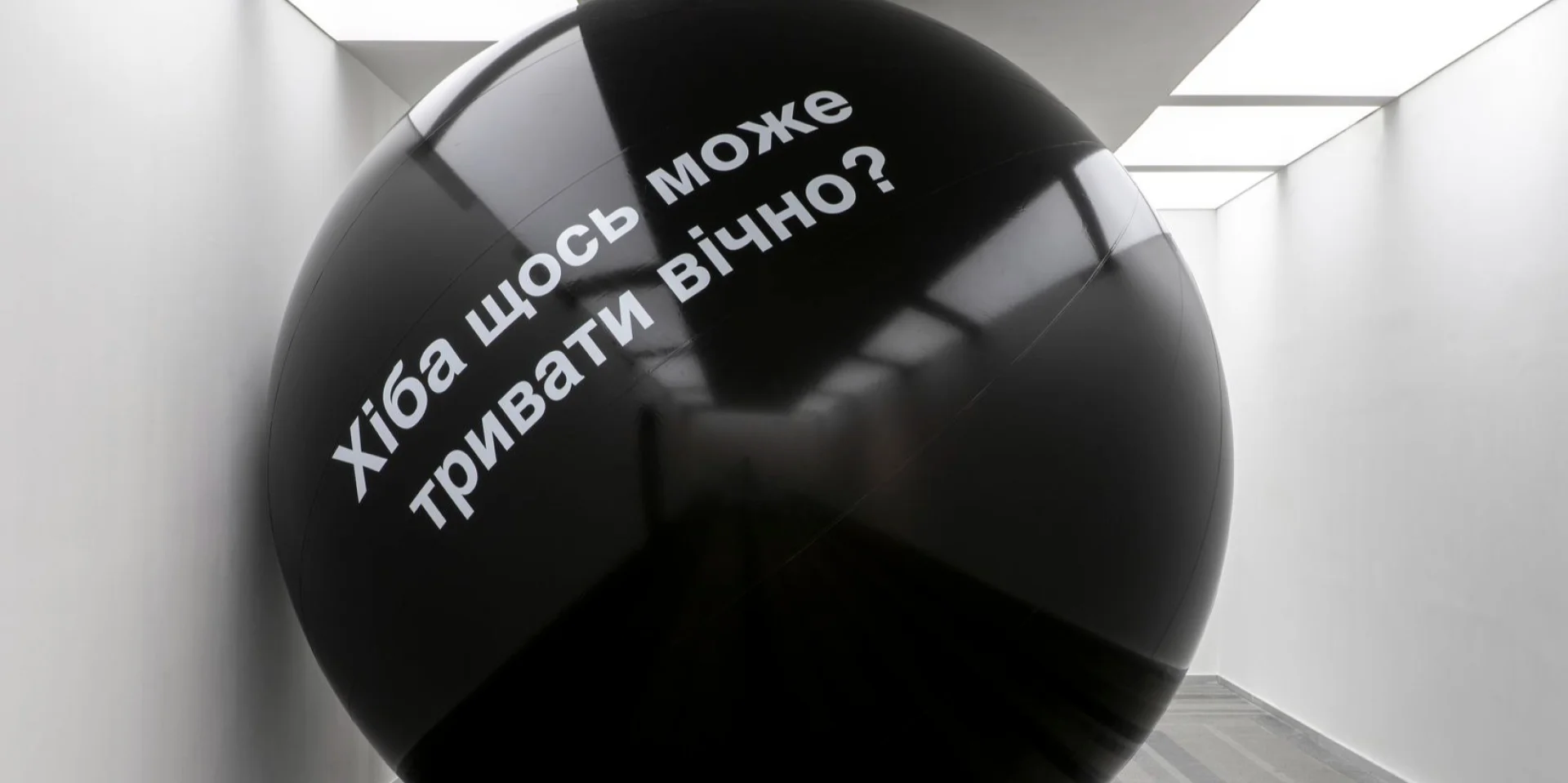
Ukrainian artist Nikita Kadan, in an interview with Frieze, reflects on his practice and the ongoing psychological and physical toll of war, questioning whether conflict ever truly ends. He discusses his recent works, which grapple with the persistent state of war in Ukraine, the transformation of urban spaces, and the collective trauma that outlasts active hostilities.

The Ukrainian Pavilion’s Deer Seen Around the World

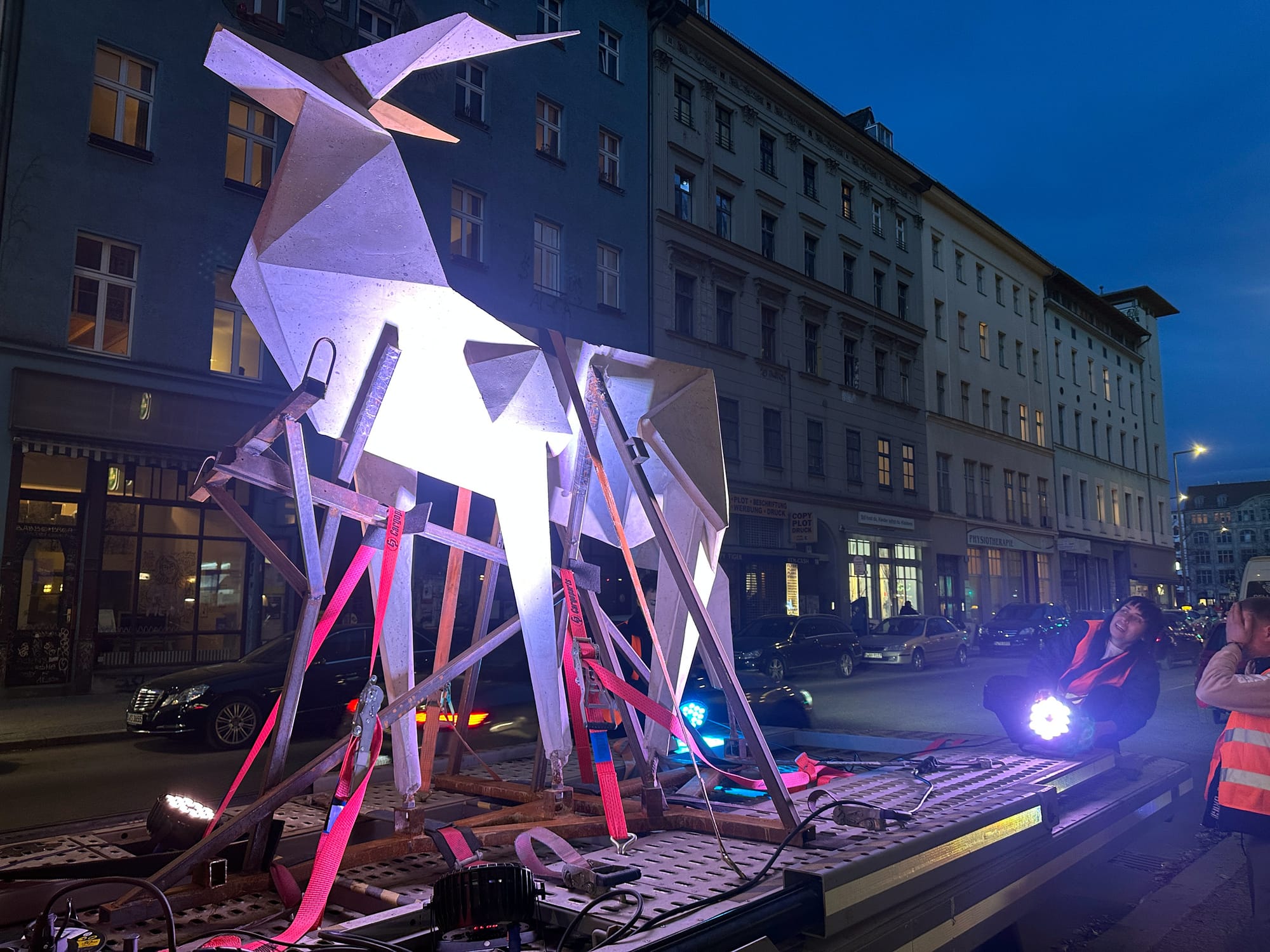
Zhanna Kadyrova's concrete sculpture "The Origami Deer" (2019) is prominently displayed at the entrance to the Giardini during the 61st Venice Biennale, part of her project "Security Guarantees" in the Ukrainian Pavilion. Originally installed in Pokrovsk, eastern Ukraine, the work was removed in 2024 as Russian forces advanced, then traveled through Vienna, Warsaw, Prague, Berlin, and Paris before reaching Venice—a journey mirroring the displacement of millions of Ukrainians. The sculpture, shaped like a deer and evoking folded paper, references the 1994 Budapest Memorandum, in which Russia, the UK, and US guaranteed Ukraine's security in exchange for its nuclear disarmament—guarantees that proved worthless after Russia's invasions.

Director of the Hermitage Museum Sanctioned by the European Union

Le directeur du Musée de l'Ermitage sanctionné par l'Union européenne

The European Union has imposed sanctions on Mikhail Piotrovsky, the 81-year-old director of the State Hermitage Museum in Saint Petersburg, as part of its 20th sanctions package against Russia. Piotrovsky was blacklisted for supporting the war in Ukraine and overseeing illegal archaeological excavations in occupied Crimea. The EU cited his use of Kremlin war rhetoric—calling the museum's exhibition policy a "cultural special operation"—and the Hermitage's role in incorporating Ukrainian cultural objects from occupied territories into Russia's state museum fund. Additionally, under his leadership, unauthorized digs were conducted at the ancient Greek site of Myrmekion in Crimea, led by Hermitage archaeologist Alexander Butyagin, who was arrested in Warsaw and later released in a prisoner exchange.

'ART FROM WAR TO WAR: CHASING BUTTERFLIES OVER THE VERGE OF A CLIFF' at Beck & Eggeling International Fine Art, Düsseldorf, Germany on 28 May–15 Aug 2026

An exhibition titled 'ART FROM WAR TO WAR: CHASING BUTTERFLIES OVER THE VERGE OF A CLIFF' is on view at Beck & Eggeling International Fine Art in Düsseldorf, Germany, from 28 May to 15 August 2026. Curated by Antonio Geusa and Kay Heymer, the show features selected works from the Valeria Rodnianski collection, spanning artists from Germany and the Soviet/post-Soviet space. It is structured around two historical turning points—the construction of the Berlin Wall in 1961 and Russia's full-scale invasion of Ukraine in 2022—and organized into three thematic sections: Topos, Anthropos, and Logos, exploring place, human experience, and language.

PinchukArtCentre opens new exhibition at the Venice Biennale

The PinchukArtCentre has opened a new exhibition titled "Still Joy — From Ukraine Into the World" as part of the official parallel program of the 61st Venice Biennale. The show, which opened on May 7 at Palazzo Contarini Polignac and runs through August 1, features works by over 20 international and Ukrainian artists exploring joy as an act of resilience and humanity. Central to the exhibition are testimonies from Hlib Stryzhko, a marine veteran who returned from Russian captivity, which are transformed into sculptural elements. Notable works include a protest performance by Yurii Hruzinov at the Russian pavilion, a video installation of Kyiv rave parties by Malashchuk and Khimei, and installations by Future Generation Art Prize laureates Ashfika Rahman and Zhanna Kadyrova.

Hermitage Museum Director and Putin Ally Mikhail Piotrovsky Sanctioned by European Union

The European Union has sanctioned Mikhail Piotrovsky, the longtime director of the State Hermitage Museum in St. Petersburg, for his close association with Vladimir Putin and his active support of Russia's war against Ukraine. Announced on April 23, the sanctions are part of a broader package targeting over a hundred individuals and entities, including other cultural figures like Sergei Obryvalin, Igor Solonin, and Andrey Polyakov, for their roles in the seizure of Ukrainian cultural property and the spread of Russian propaganda in occupied regions.

Oxford Festival Of The Arts brings world famous artists, free exhibitions and silent films to the city centre

The Oxford Festival of the Arts is bringing a major visual art component to its 2025 program, featuring free exhibitions by world-renowned artists across multiple venues in Oxford city centre. Highlights include James Gemmill's cinematic paintings at St John's College, a collaborative installation by Chinese artist Qu Lei Lei and Caroline Deane at OVADA examining humanity and geopolitics, a retrospective of Ukrainian artist Oleksandr Dubovyk's 'White Bouquet' series, and a charitable project supporting Ukrainian children through art. All exhibitions are free and require no booking.

Venice Biennale jury quits amid row over participation of Russia

The entire jury of the Venice Biennale resigned just days before the 61st international art exhibition's opening on May 9, following a dispute over the decision to allow Russia to participate. The five-member panel, led by Solange Farkas and including Zoe Butt, Elvira Dyangani Ose, Marta Kuzma, and Giovanna Zapperi, had previously stated it would not award prizes to artists from countries whose leaders face charges of crimes against humanity, a move seen as targeting Russia and Israel. The Biennale responded by postponing the award ceremony to November 22 and announcing it would give two awards, including one that could go to any national participation, citing its founding principles of openness and rejection of censorship.

Il fotoreport Andy Rocchelli morto nel Donbass nel 2014 ha un giardino a lui dedicato a Pavia

On May 24, the Collegio Ghislieri in Pavia inaugurated the Giardino della Ricerca, a garden dedicated to photojournalist Andy Rocchelli, who was killed in 2014 in the Donbas region of Ukraine alongside human rights activist Andrei Mironov. The garden, opened on the twelfth anniversary of his death, features a commemorative plaque and includes speeches by Gherardo Colombo and Michele Serra, as well as a podcast by Agostino Zappia and Enrico Rotondi. Italian courts have ruled that Rocchelli and Mironov were killed by Ukrainian army fire, but no one has been convicted.

Pussy Riot and FEMEN protest at the Russian Pavilion at the Venice Biennale. "Blood is the true language of Russia"

Le Pussy Riot e le FEMEN in protesta al Padiglione russo alla Biennale di Venezia. “Il sangue è il vero linguaggio della Russia”

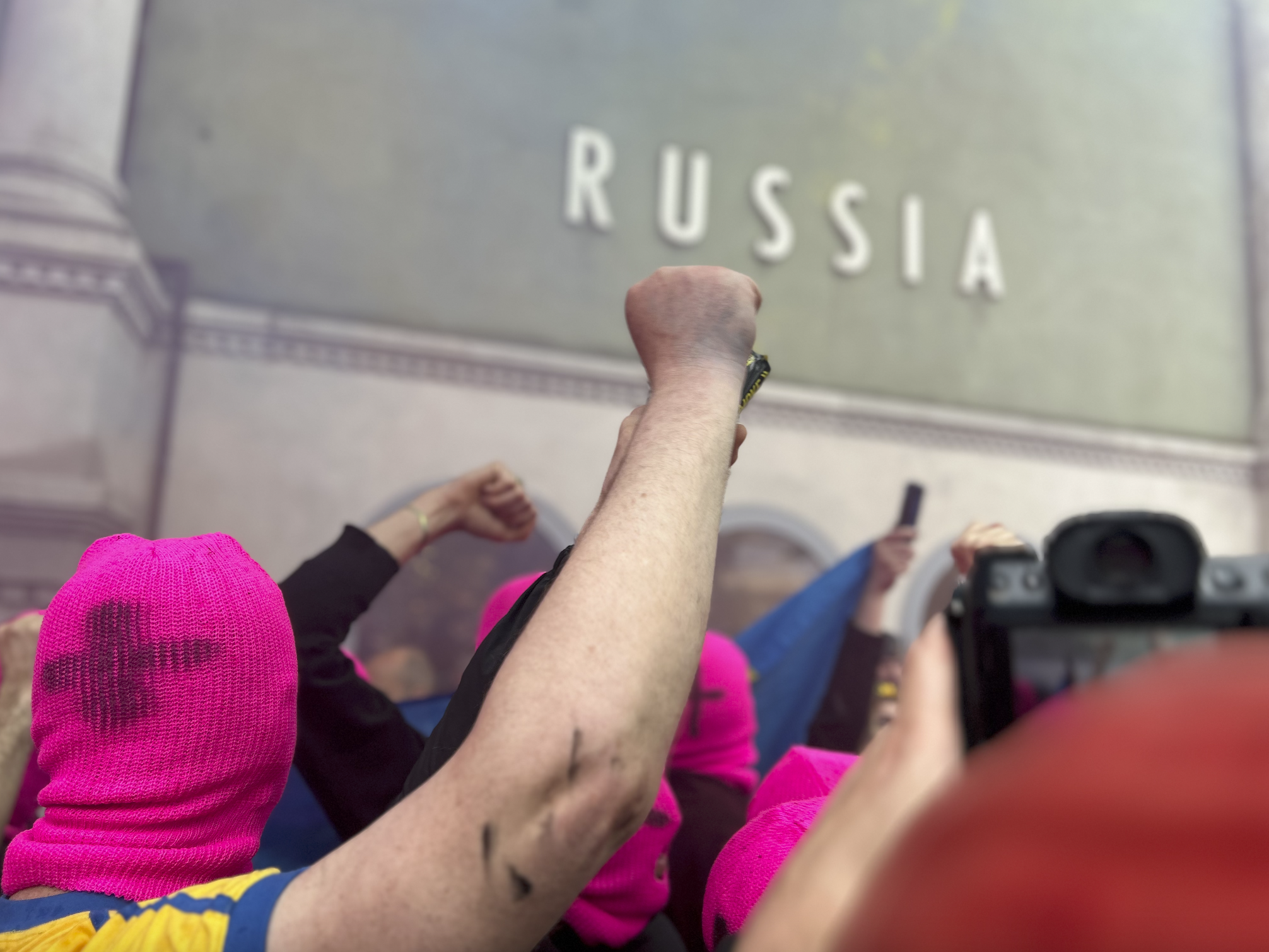
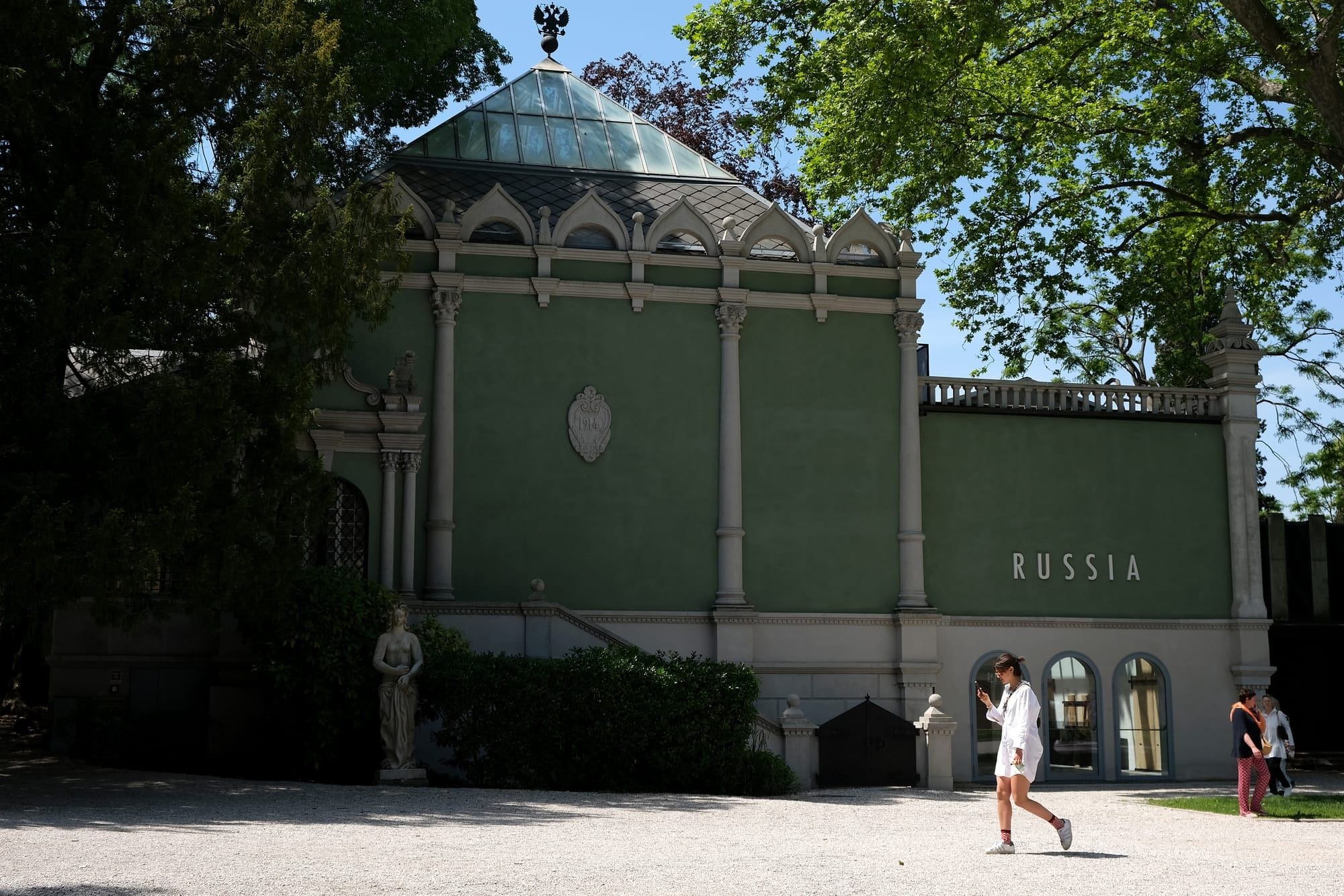
On May 6, 2026, during the preview days of the 61st Venice Biennale, Pussy Riot and FEMEN staged a joint protest outside the Russian Pavilion. Led by Nadya Tolokonnikova, the activists denounced Russia's participation in the Biennale as a form of political normalization while the war in Ukraine continues. The action included chants and slogans such as "Russia kills, Biennale exhibits. Blood is Russia's art," and targeted the Russian ambassador present inside the pavilion. The protest was unannounced and caught Biennale security off guard, drawing a crowd of journalists, visitors, and art professionals.

Saving the Street Art of the Bombs: A True Story from Ukraine

Salvare la street art delle bombe: una storia vera dall’Ucraina

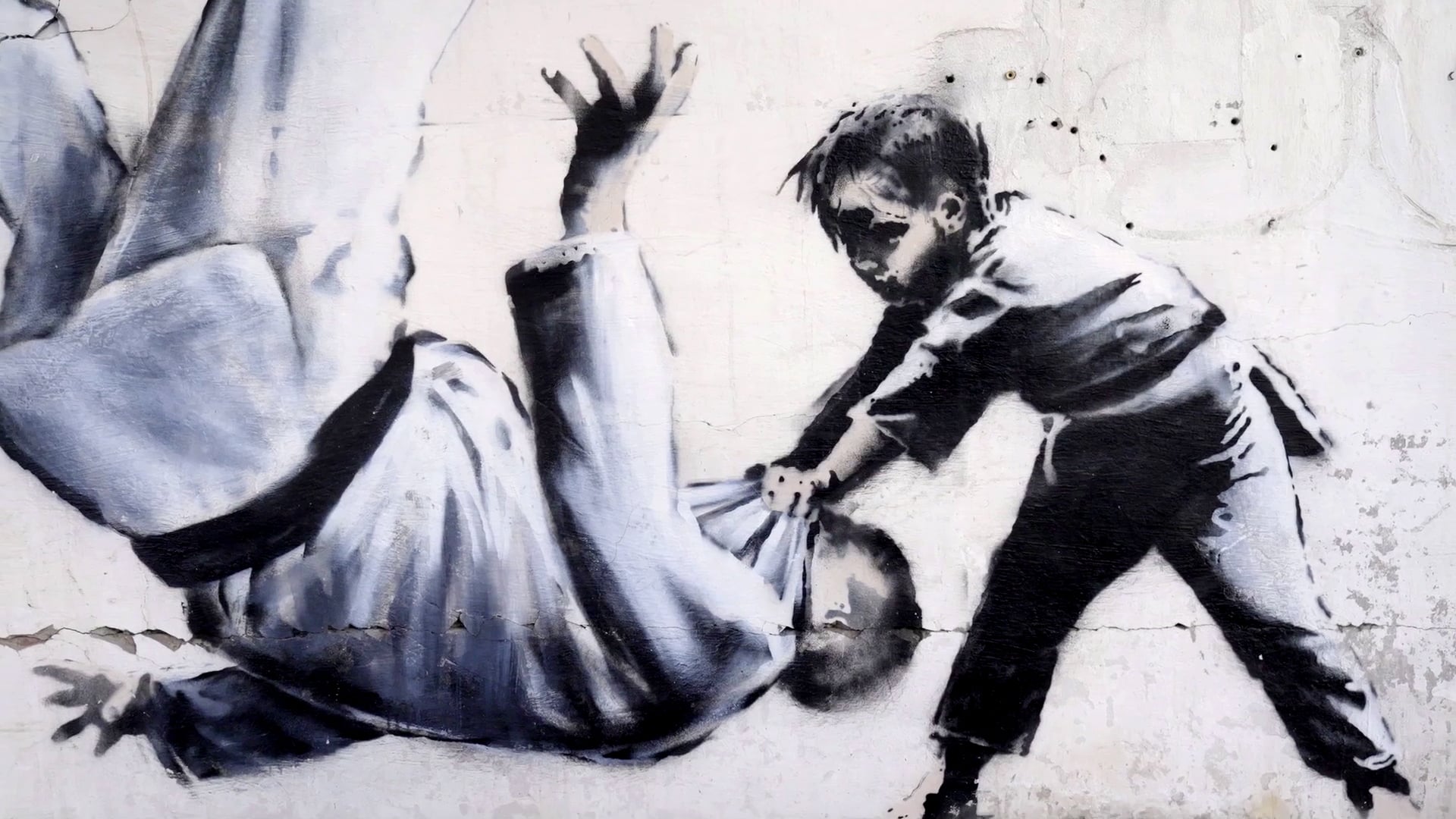
A documentary titled "Arte vs Guerra – Banksy e C215 a Borodyanka, Ucraina" will air on Sky Arte on April 26, recounting how street artists Banksy and C215 created murals in Borodyanka, Ukraine, shortly after the Russian invasion began in February 2022. The works include Banksy's "La Ginnasta" and "Davide e Golia," as well as C215's portraits of war victims like Dmytro Kotsiubaylo. The film also follows three Italian restorers—Paola Ciaccia, Alessandro Cini, and Maria Colonna—who risked their safety to preserve these murals from war damage and landmines.

Italian culture minister will not attend opening of Venice Biennale

Italian culture minister Alessandro Giuli has announced he will not attend the opening of the Venice Biennale next week, protesting Russia's involvement in the exhibition. Russia, which has a permanent pavilion in the Giardini, has been absent from the Biennale since 2022 but is returning this year, sparking widespread criticism. The European Union recently cut its €2 million grant to the Biennale following Russia's return, and Golden and Silver Lion jurors have stated they will not consider pavilions from countries whose leaders are charged with crimes against humanity by the International Criminal Court, effectively excluding Russia.

Venice Biennale Opens Amid Strikes, Protests and Institutional Rupture.

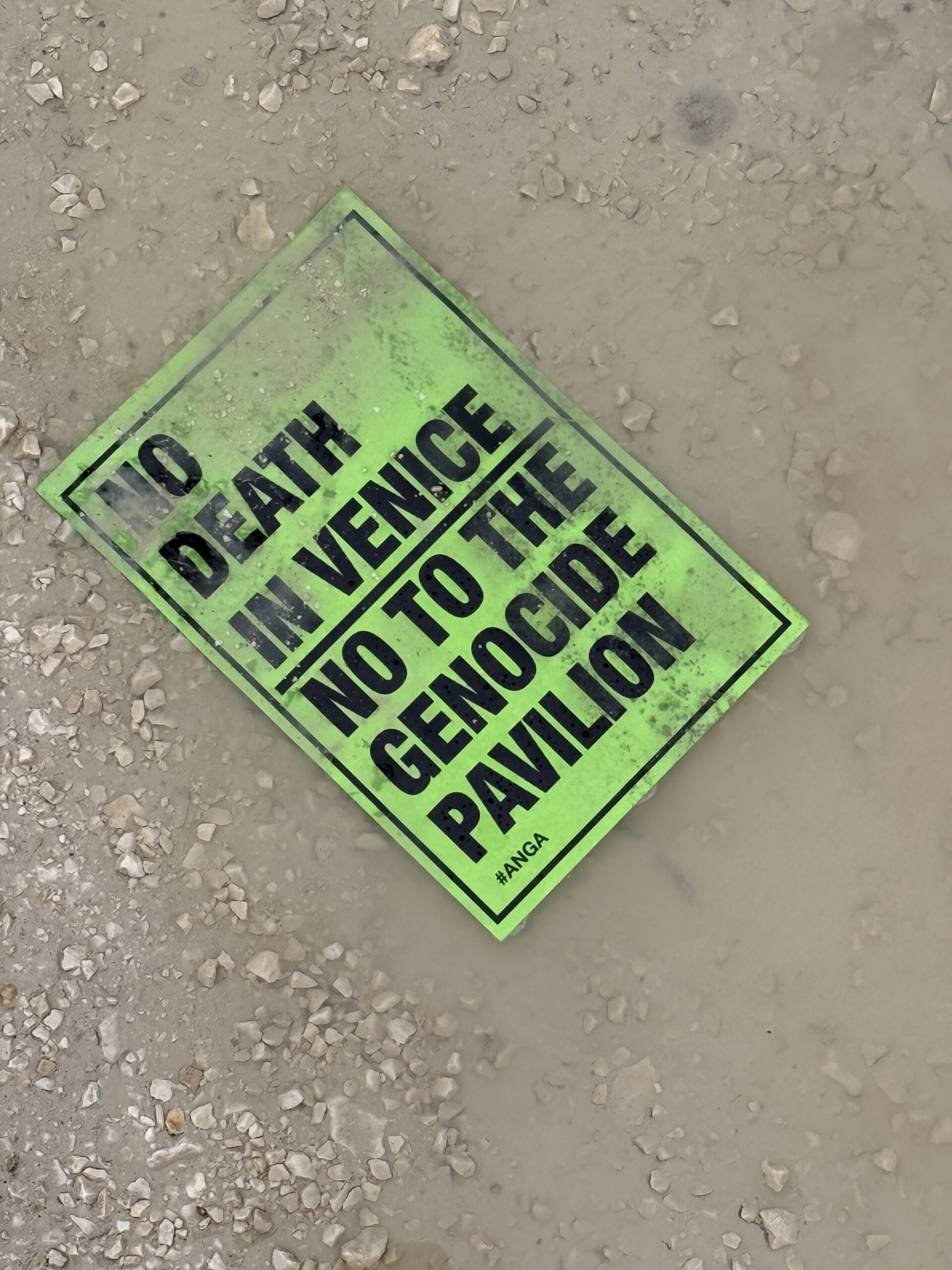
The 61st Venice Biennale opened in May 2026 amid strikes, protests, and political unrest, rather than celebration. Coordinated by Italian labor groups and transnational coalitions, demonstrators targeted the Biennale's decision to allow participation by Israel and Russia during the ongoing wars in Gaza and Ukraine. The Art Not Genocide Alliance (ANGA) led protests against Israel's participation, while Pussy Riot and FEMEN activists staged a protest outside the Russian pavilion. The Israeli pavilion's relocation from the Giardini to the Arsenale added symbolic weight, with critics viewing it as institutional endorsement. The late curator Koyo Kouoh's vision for the exhibition, titled "In Minor Keys," emphasized tenderness and complexity, contrasting with the volatile atmosphere.

Italian Culture Minister Launches Inspection of Venice Biennale’s Russian Pavilion

Italian Culture Minister Alessandro Giuli has launched an official inspection of the Russian Pavilion at the 61st Venice Biennale, just days before the exhibition opens. An inspector has been sent to Venice to review all documentation related to Russia's participation, focusing on potential irregularities such as visa issues for Russian artists and delegation members. The investigation follows the Biennale's international jury decision to exclude Russia and Israel from awards due to accusations of crimes against humanity. The Russian Pavilion will be open only during the pre-opening vernissage, after which it will close, with digital documentation displayed in its windows.

Row Over Russia’s Return to the Venice Biennale Deepens

Newly leaked emails reveal that the Venice Biennale has been secretly coordinating with Russia since last summer to facilitate its return to the 2025 edition, despite ongoing international sanctions. The correspondence, published by Italian outlets Open and La Repubblica, shows Biennale president Pietrangelo Buttafuoco, director Andrea Del Mercato, and Russian commissioner Anastasia Karneeva working together on visa issues, pavilion logistics, and a legal strategy to bypass E.U. sanctions prohibiting collaboration with state-backed Russian entities. Russia's pavilion will be open during preview days with performers activating the space, while footage will play for the public from a closed pavilion thereafter.

Russia's Venice Pavilion to Close to the Public in Compliance With Sanctions

Russia will return to the 61st Venice Biennale with its national pavilion, but the exhibition will only be physically open to the press and select guests during the vernissage dates of May 5–8. From May 9 onward, the pavilion will remain closed to the public, with multimedia documentation of performances displayed on screens at the windows. The arrangement follows leaked emails among Biennale Foundation President Pietrangelo Buttafuoco, General Director Andrea Del Mercato, and Russian Pavilion Commissioner Anastasia Karneeva, revealing efforts to comply with EU sanctions while still allowing Russia's participation after two consecutive absences since its invasion of Ukraine.

EU Says It ‘Intends’ to Cut Funding to Venice Biennale Because of Russian Pavilion

The European Union has declared its intention to cut its €2 million funding contribution to the Venice Biennale in response to the exhibition's decision to host a Russian national pavilion for the first time since Russia's 2022 invasion of Ukraine. EU foreign policy chief Kaja Kallas stated that allowing Russia to exhibit while it "bombs museums, destroys churches and seeks to erase Ukrainian culture" is morally wrong, marking the union's strongest condemnation to date.

‘Anger, curiosity and hope’: a planet of protest – in pictures

Matthew Connors' new photo book, *The Axe Will Survive the Master*, compiles 12 years of protest photography from Hong Kong, Cairo, New York, Kyiv, North Korea, and beyond. Published by MACK Books, the work weaves together images from the Occupy movement, the Egyptian revolution, Hong Kong's pro-democracy protests, the war in Ukraine, and other confrontations with authoritarian power, dissolving geographic boundaries into a single sequence drawn from an archive of 200,000 images.

From Eurovision to the Venice Biennale, culture contests are being overshadowed by politics

The Venice Biennale and Eurovision Song Contest are being overshadowed by political controversies rather than artistic merit. At the Venice Biennale, the Russian pavilion opened for press previews for the first time since the Ukraine invasion, a decision that may cost the festival €2m in EU funds. The Israeli pavilion will open despite protests from 200 artists and curators, while the South African pavilion will remain empty after its government blocked an artist's tribute to a Palestinian poet. The Iranian pavilion is also shut, and the awarding jury has resigned en masse, meaning no Golden or Silver Lion awards will be given for the first time in 40 years. Similarly, Eurovision's 70th anniversary is dominated by five countries boycotting over Israel's participation, with little focus on the music.

Reaching for the stars: enduring symbols of Soviet science – in pictures

Photographer Eric Lusito documents Soviet-era scientific institutes across former USSR states in his book "Soviet Scientific Institutes," published by FUEL. The photo essay captures decaying facilities and enduring equipment at locations including the Institute of Radio Astronomy in Kharkiv, Ukraine; the Byurakan astrophysical observatory in Armenia; the Andronikashvili Institute of Physics in Tbilisi, Georgia; and the Fesenkov Astrophysical Institute in Kazakhstan, among others.

Births, deaths and a first kiss: life near the frontline in Ukraine – in pictures

British-Iranian artist Aria Shahrokhshahi's long-term photographic project "Wet Ground" captures daily life in Ukraine during Russia's full-scale invasion, focusing on moments of youth, subculture, and fragile continuity rather than traditional war imagery. The series, developed through repeated stays and volunteering since 2019, includes scenes from teenage discos, hospital wards, a birth during a missile attack, and a first kiss near the frontline, all shot in stark black and white.

Finland’s political leadership to retract from Venice Biennale over Russian Pavilion

Finland's Minister of Science and Culture, Mari-Leena Talvitie, announced that the country's political leadership will not participate in the upcoming Venice Biennale if Russia's national pavilion is allowed to take part. This decision follows a joint letter signed by Talvitie and 21 other European ministers in March, which deemed Russia's return to the Biennale since its 2022 invasion of Ukraine as 'unacceptable'. Finnish public officials and cultural representatives, however, will still attend to support Finnish artists.

La Rocabella : une résidence d’artistes paradisiaque qui croise les disciplines près de Toulon

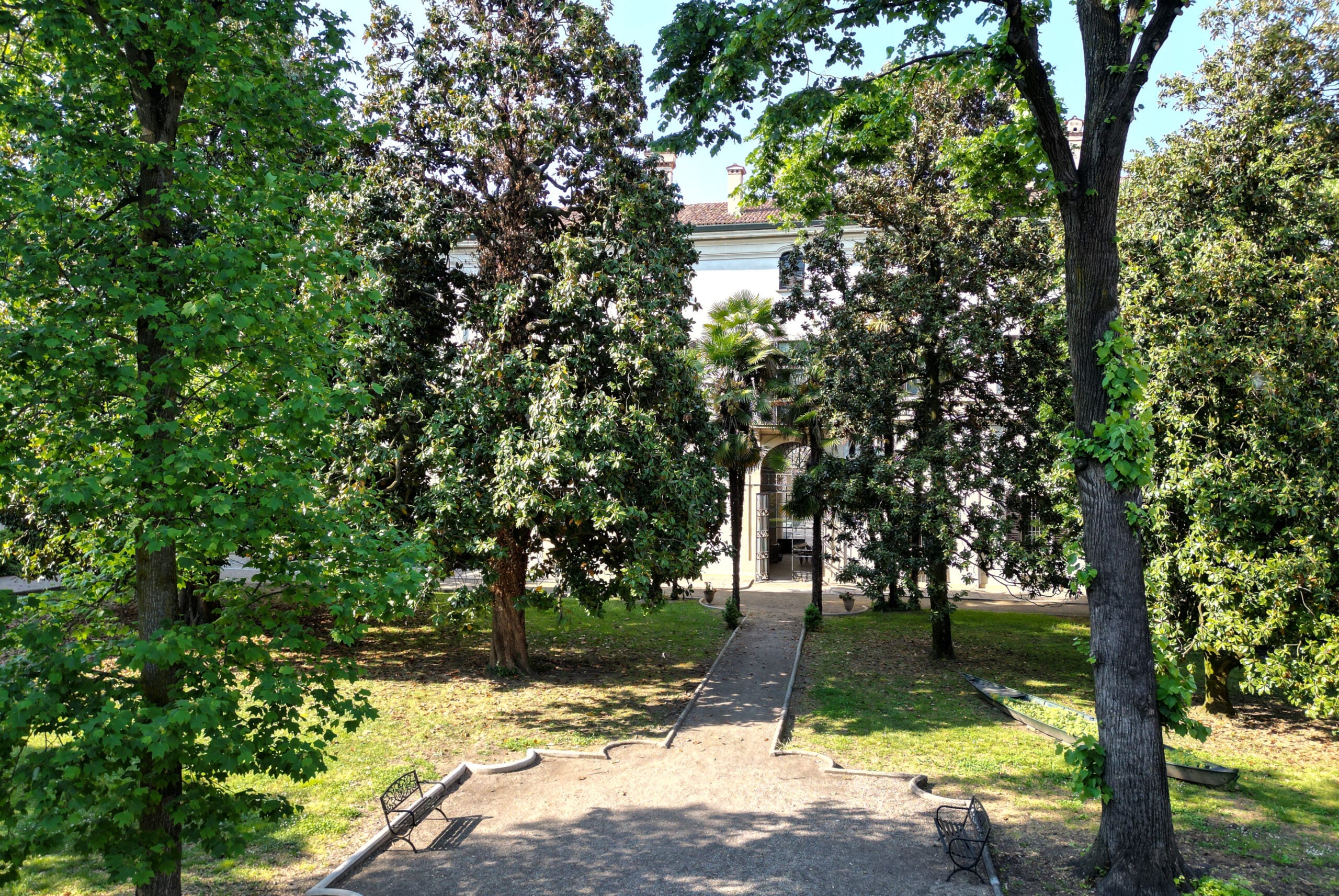
La Rocabella, a Belle Époque villa near Toulon, France, has been transformed into an interdisciplinary artist residency by Jean-Baptiste Rudelle, co-founder of Criteo. Built in 1898 by architect Hans-Georg Tersling, the estate now hosts ceramic sculptors, comic artists, documentary filmmakers, and musicians in two-month sessions, with themes like 'Les Gardiennes de la mer' linking their work. The residency, funded entirely by Rudelle, aims to foster cross-disciplinary collaboration in a serene Mediterranean setting.

Russia’s Venice Pavilion Will Be Closed to Public for Duration of Biennale

Russia's pavilion at the 2026 Venice Biennale will be closed to the public for the duration of the exhibition, from May 9 to November 22, following escalating controversy over the country's participation. The group show, titled “The tree is rooted in the sky,” will only be open to press and industry insiders during the preview days (May 5–8). The move comes after the International Criminal Court accused Russia of crimes against humanity, leading the Biennale to bar Russia and Israel from competing for awards. Italian culture minister Alessandro Giuli has also boycotted the preview and opening ceremony in protest.

Venice Biennale opens under shadow of protests over Russia and Israel

The 61st Venice Biennale opened under heavy protest as Russia returns to the event for the first time since its 2022 invasion of Ukraine. Ukrainian feminist collective Femen and Russian punk band Pussy Riot demonstrated outside the Russian pavilion, with activists accusing Russia of using art as a weapon in a hybrid war. Meanwhile, pro-Palestinian protesters gathered outside Israel's pavilion, holding banners reading 'No artwashing genocide' and demanding Israel's exclusion over the war in Gaza. The Biennale's international jury resigned last month, refusing to award prizes to countries led by figures subject to ICC arrest warrants, namely Vladimir Putin and Benjamin Netanyahu. EU foreign policy chief Kaja Kallas called Russia's participation 'morally wrong' and threatened to cut €2 million in funding, while culture ministers from 22 European countries urged organizers to reconsider.

Venice Biennale opens without a jury amid strife over Russian and Israeli participation

The Venice Biennale, one of the world's most prestigious contemporary art exhibitions, opens its most contested edition in memory without a jury after the jury resigned in protest over the participation of Israel and Russia, both under investigation by the International Criminal Court for human rights abuses. Protests have erupted outside the Israeli and Russian pavilions, with demonstrators clashing with police, while feminist groups from Ukraine and Russia converged on the Russian Pavilion and Palestinians remembered artists killed in Gaza. The Biennale has replaced the jury with a public vote via email, with winners announced at the close on November 22.

Jury for Venice Biennale's art prize resigns after refusing to recognise Israeli, Russian artists

The international jury of the 61st Venice Biennale art exhibition resigned just over a week before the May 9 prize ceremony, after announcing they would not consider artists from countries whose leaders face International Criminal Court charges—an apparent reference to Russia and Israel. The jury included president Solange Farkas, Zoe Butt, Elvira Dyangani Ose, Marta Kuzma, and Giovanna Zapperi. In response, the Biennale established two Visitors’ Lions to be awarded by ticket-holder vote, postponed the awards to November 22, and reaffirmed that all national participations remain eligible, effectively reinstating Russian and Israeli artists.