filter_list Showing 24 results for "minor keys" close Clear
search
dashboard All 24 museum exhibitions 16article culture 4article news 3trending_up market 1
date_range Range Today This Week This Month All
Subscribe

At the Venice Biennale, the Thrill of Victory, the Agony of Defeat

The article reports on the opening of the 61st Venice Biennale, highlighting the central exhibition "In Minor Keys" conceived by the late Koyo Kouoh, along with national pavilions and collateral events. It notes standout contributions from artists such as Alvaro Barrington, Kaloki Nyamai, Florentina Holzinger, Ei Arakawa-Nash, Li Yi-Fan, and Dries Verhoeven, while describing the American pavilion as lackluster and the overall commercial offerings as uneven. The text also covers performances and exhibitions featuring nudity and body horror, including Tino Sehgal's "The Kiss" and Maja Malou Lyse's video with the collective DIS.
No Attitude, Nowhere: Conviction, Zero Meaning

Keine Haltung, nirgends Gesinnung, null Bedeutung

The article critiques the current state of the art world and broader culture, arguing that right-wing calls for depoliticized art are intensifying while the progressive art establishment silently tolerates a culture war that restricts free expression. It uses the 2025 Met Gala as a prime example, describing the event as a heartless display of wealth and power aligned with Trump-era capitalism, where celebrities and artists perform progressive values while participating in a spectacle sponsored by anti-union figures like Jeff Bezos. The author draws on Hannah Arendt's ethics lectures to suggest that moral norms have collapsed overnight, and that the commercial art world now legitimizes anti-democratic tendencies through its silence.

The 5 Best Booths at Frieze New York 2026

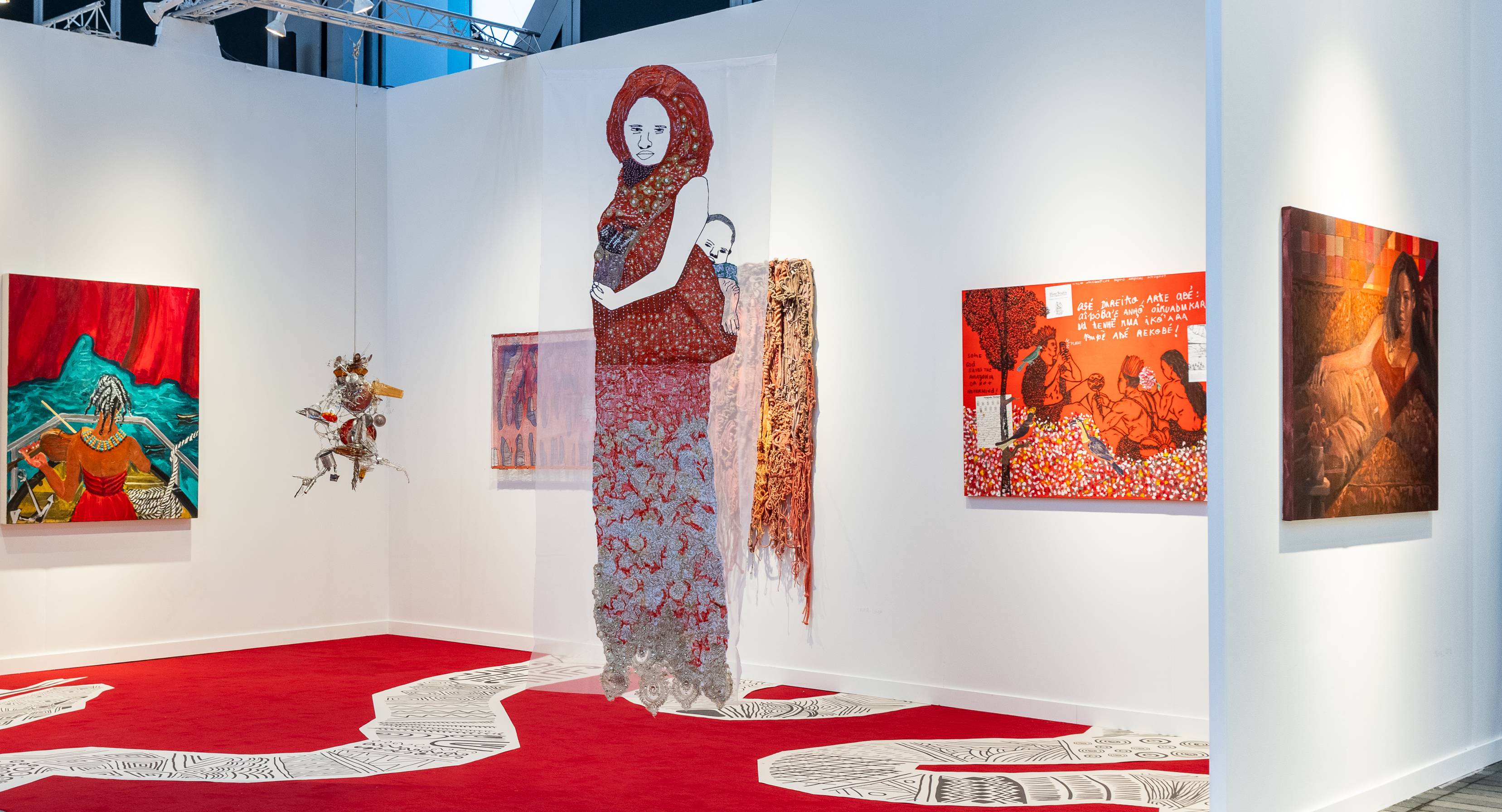
Frieze New York 2026 opened its VIP day at The Shed on May 13, following the Venice Biennale's opening week. Now in its 15th edition, the fair anchors New York Art Week, a series of concurrent fairs, gallery openings, auctions, and parties that take over the city each May. The article highlights the five best booths at the fair, curated by Artsy Editorial.

Frieze New York 2026 Sales Report & Contemporary Art Market Trends

Frieze New York 2026 concluded with significant sales activity, as galleries reported strong demand for blue-chip contemporary works. The fair featured a mix of established and emerging artists, with notable transactions including major paintings by living artists and secondary market pieces. Dealers noted a cautious but steady market, with collectors focusing on high-quality, investment-grade works.

The art of chaos

The 61st Venice International Art Biennale has opened in Venice, running until November, amid unprecedented turmoil. The main exhibition, "In Minor Keys," was curated by Koyo Kouoh, who died of cancer shortly after presenting her vision featuring 111 artists including Carsten Höller, Alvaro Barrington, and Laurie Anderson. Her death has eliminated the Lifetime Achievement Award this year. Additionally, the Biennale faces a funding crisis as the EU threatens to withdraw its €2 million subsidy over Russia's participation with 38 artists following the invasion of Ukraine. Iran, Nigeria, and Israel are absent from their pavilions, while the US Pavilion, now organized by the American Arts Conservancy under inexperienced leadership, features self-taught artist Alma Allen.

A True-to-Life Biennale

Hakim Bishara, editor-in-chief of Hyperallergic, reflects on the 61st Venice Biennale after returning to New York, describing it as historical, political, and thrilling. He counters critics who claimed the Biennale imploded due to boycotts and resignations, arguing it was more alive than ever. The late Koyo Kouoh's main exhibition "In Minor Keys" is praised for reflecting global woes and joys. The article also highlights a major strike by artists and cultural workers that disrupted the pre-opening, the first cultural strike in the Biennale's 131-year history, with 54 artists in the international exhibition and 22 national pavilion teams withdrawing from awards consideration in solidarity with the jury's resignation.

Bruno Birmanis and Mareunrol’s on Representing Latvia at the 61st Venice Biennale

Bruno Birmanis and the artist duo Mareunrol’s (Mārite Mastiņa-Pēterkopa and Rolands Pēterkops) will represent Latvia at the 61st Venice Biennale in 2026, with their pavilion located in the Arsenale. Their project draws on memories of Latvia in the 1990s, particularly the avant-garde fashion event The Untamed Fashion Assembly (UFA), conceived by Birmanis, which took place two months after Latvia regained independence from the Soviet Union. The installation is not a nostalgic archive but a space of dialogue and reflection, using the visual codes of a fashion show backstage to explore themes of memory, freedom, and utopian intentions.

There Is No Separation. In Conversation with Alice Maher   by Frank Wasser

Alice Maher, one of several Irish artists at the 61st Venice Biennale, presents three works in the Arsenale as part of the group exhibition “In Minor Keys,” curated by the late Koyo Kouoh. Her presentation includes a reconstructed 1996 installation *Les Filles d’Ouranos*, a new series of drawings and sculptures titled “The Sibyls” (2025), and a collaborative textile piece *The Map* (2021) made with Rachel Fallon. In a conversation with Frank Wasser, Maher discusses the political conditions surrounding this year’s Biennale, including institutional resignations, debates over national representation, and the inclusion of the Israeli and Russian pavilions.

Hong Kong Artists Bring Quiet Reflection to Venice

The 61st Venice Biennale, themed “In Minor Keys” by late curator Koyo Kouoh, emphasizes quiet reflection over spectacle. A collateral exhibition titled “Fermata: Hong Kong in Venice,” curated by the Hong Kong Museum of Art (HKMoA), runs through November 22, 2026, and features two Hong Kong-born artists: Kingsley Ng and Angel Hui. Ng’s installation *Laundry Nocturne* (2026) uses projections and sound to connect the shared laundry-drying traditions of Venice and Hong Kong, while Hui’s *I Would Like to Open a Window for You* (2026) incorporates wrought-iron window frames crafted with local metalsmiths. Both artists explore everyday experiences, memory, and quiet emotions, aligning with the Biennale’s call for a slower, more reflective engagement with art.

Boats and trains, not planes: reflections on a greener—but sometimes greenwashed—Venice Biennale

The article recounts the author's train journey from London to Venice for the 61st Venice Biennale, highlighting the environmental benefits and pleasant experience of traveling by rail versus flying, despite higher costs and longer duration. It then focuses on the Biennale's central exhibition "In Minor Keys" curated by the late Koyo Kouoh, which foregrounds environmental themes through works that engage with earth, nature, and ecological stakes, featuring artists like Otobong Nkanga, Célia Vasquez Yui, Theo Eshetu, Linda Goode Bryant, and Annalee Davis.

Chiara Camoni on Representing Italy at the 61st Venice Biennale

Chiara Camoni, the artist representing Italy at the 61st Venice Biennale, discusses her upcoming pavilion installation titled "Con te con tutto" in an interview with ArtReview. The single installation will fill the entire Italian Pavilion in the Arsenale, combining existing and new works that incorporate ceramic, stone, plant elements, industrial waste, plastics, and found objects. Camoni emphasizes the choral dimension of her practice, involving family, neighbors, friends, schools, and museum groups in the creative process, thereby expanding the concept of authorship. She notes that her project aligns with the Biennale's curatorial theme "In Minor Keys" by Koyo Kouoh, focusing on monumentality defined not by scale but by reiteration and presence.

In Minor Keys A Cacophony At 61st Venice Biennale – Miranda Carroll

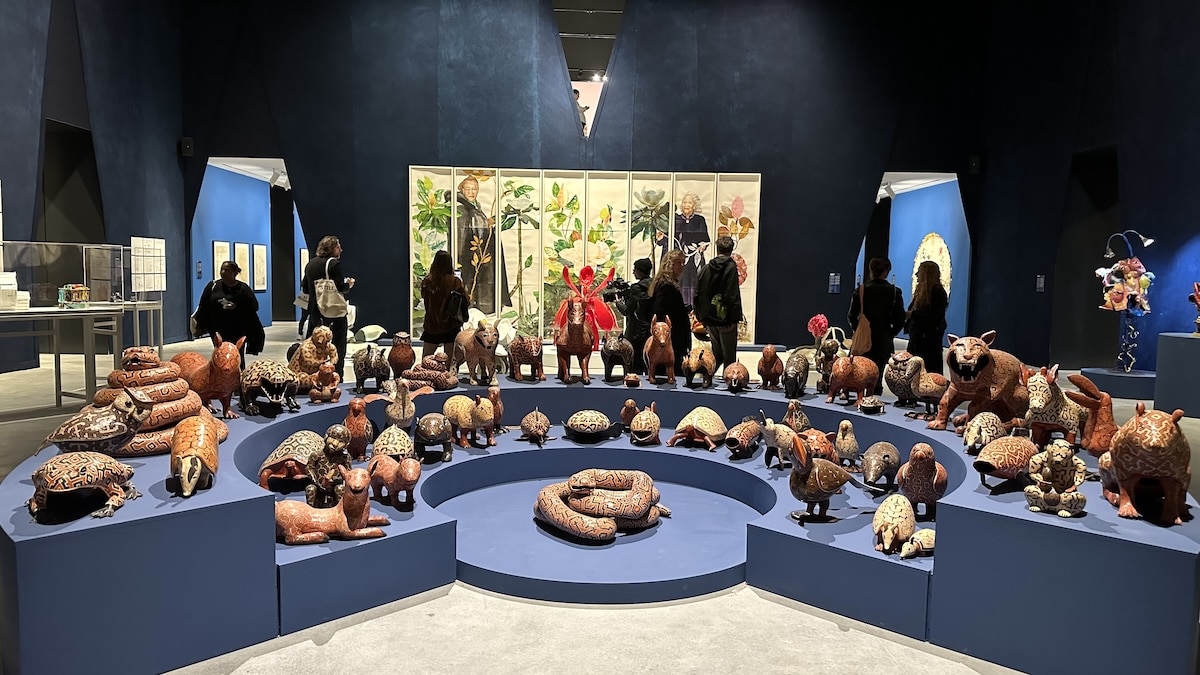
The 61st Venice Biennale, titled 'In Minor Keys,' opened with a central exhibition curated by the late Koyo Kouoh, who died in 2025. The show features 110 artists and collectives, realized by a team of five curators known as 'la squadra di Koyo.' The exhibition spans the Giardini and Arsenale venues, with works including Otobong Nkanga's living facade installation, Theo Eshetu's dying olive tree, and Nick Cave's vibrant sculptures. Poems and quotes by Refaat al-Areer, Etel Adnan, Toni Morrison, and Ben Okri punctuate the spaces, encouraging visitors to pause and reflect.

India pavilion returns to the Venice Art Biennale 2026 with a bang after seven-year hiatus

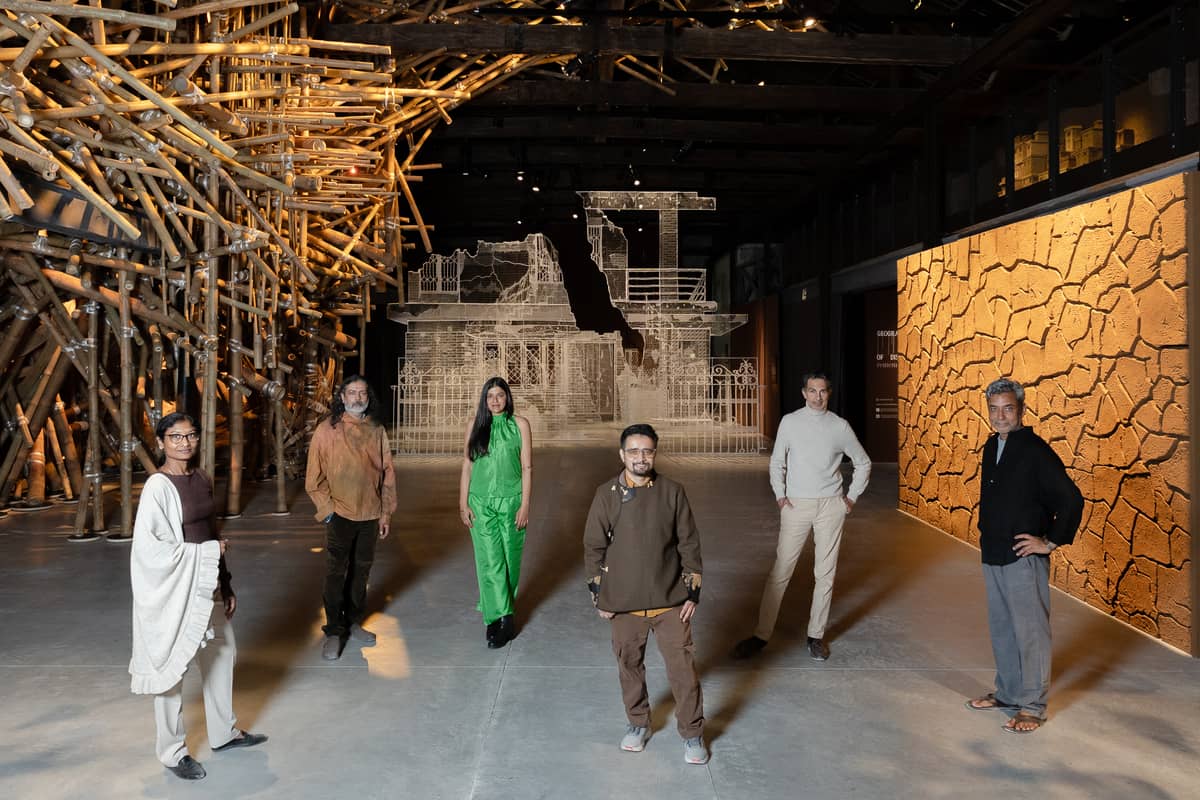
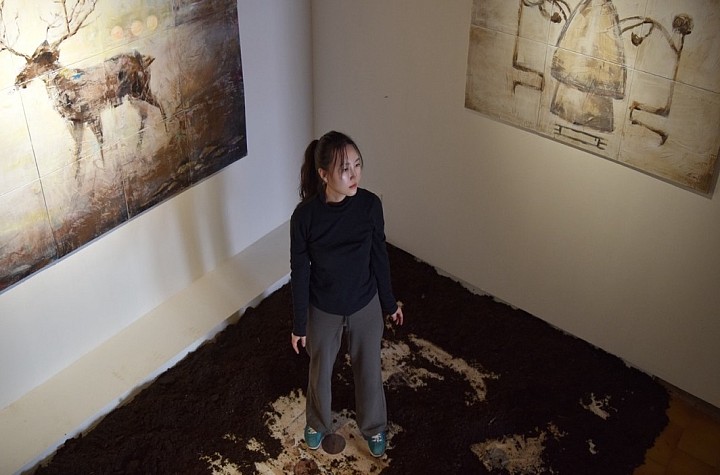
India has returned to the Venice Art Biennale with a national pavilion at the 61st International Art Exhibition, after a seven-year hiatus. The pavilion, titled "Geographies of Distance: Remembering Home," is presented by India's Ministry of Culture in partnership with the Nita Mukesh Ambani Cultural Centre and Serendipity Arts Foundation, curated by Amin Jaffer. It features five artists—Alwar Balasubramaniam, Sumakshi Singh, Ranjani Shettar, Skarma Sonam Tashi, and Asim Waqif—whose works explore themes of home, loss, displacement, and cultural memory through materials like soil, thread, bamboo, and clay.

At this year's Venice Biennale, a clash of politics and art exposes the need for a rethink

The 2026 Venice Biennale is plagued by controversy and structural issues. Curator Koyo Kouoh died of cancer in 2025, leaving her team to execute the main exhibition "In Minor Keys" without her. The Biennale's jury resigned after refusing to judge entries from countries charged with war crimes, and media coverage during preview week focused on protests against the Israeli and Russian pavilions rather than the art. The sprawling exhibition features 96 national pavilions and 110 artists, with works ranging from Daniel Lind-Ramos's found-material figures to María Magdalena Campos-Pons's tribute to Toni Morrison and Kouoh.

US SCULPTURES AMID CONTROVERSY AT THE VENICE BIENNALE

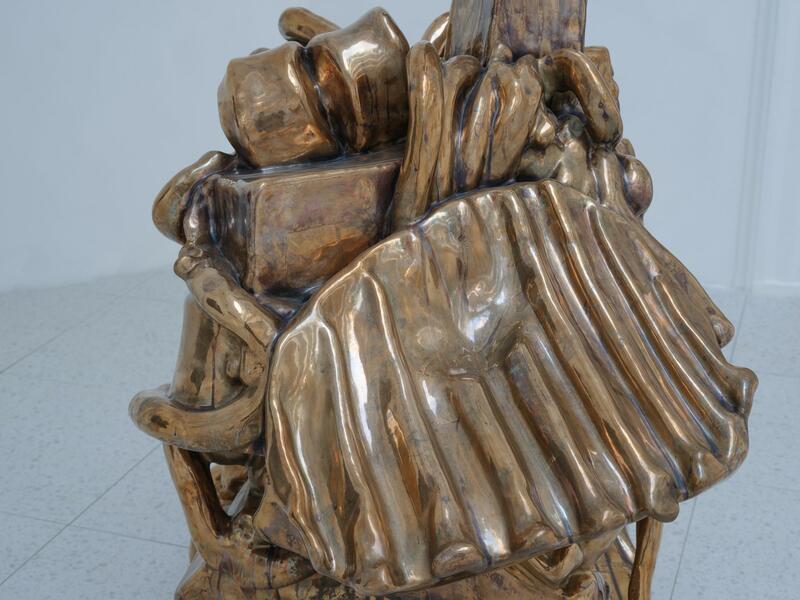
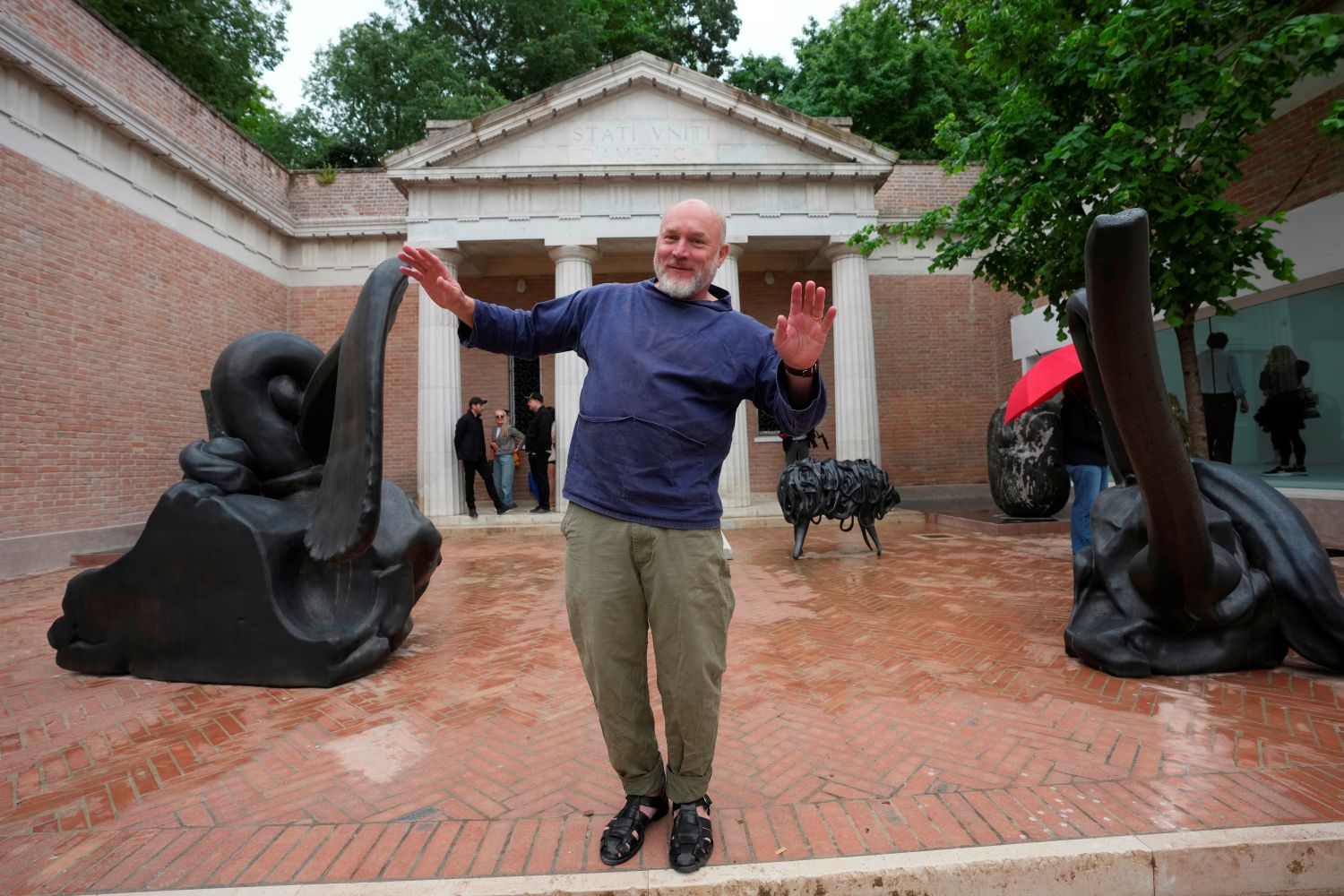
The United States Pavilion at the 61st Venice Biennale features sculptor Alma Allen's exhibition "Call Me the Breeze," which opened with no clear funding just ten days prior. Unlike previous pavilions supported by major foundations like Ford and Mellon, Allen's show relies on a $375,000 US government contribution and public donations via the American Arts Conservancy. The selection process was unconventional: the State Department, which took over after Trump's NEA budget cuts, imposed restrictions on DEI policies and required proposals promoting "American exceptionalism." Curator Jeffrey Uslip directly approached Allen without a formal proposal, leading the artist's two galleries—Olney Gleason and Mendes Wood DM—to drop him when he accepted the commission.

Artist appointed, axed then reinstated from Venice Biennale triumphs

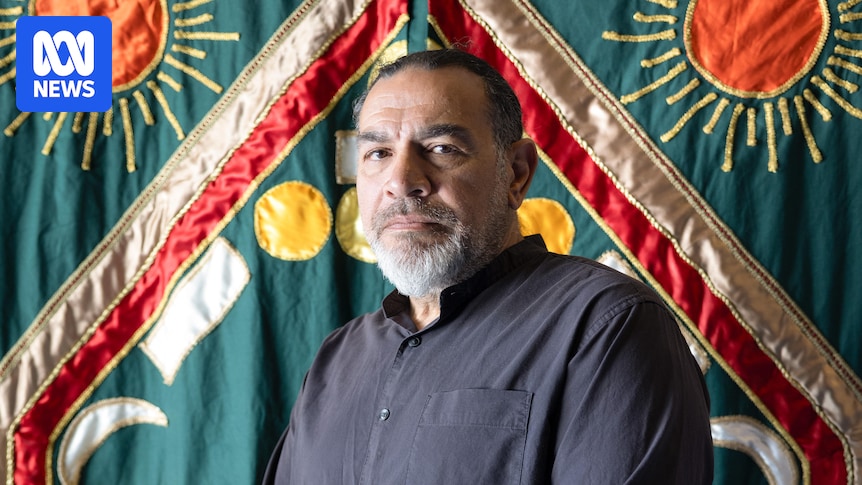
Khaled Sabsabi, a Lebanese Australian artist, presents his installation 'conference of one's self' at the Australia Pavilion of the Venice Biennale, alongside a second work 'khalil' in the main exhibition 'In Minor Keys' curated by Koyo Kouoh. His participation follows a tumultuous period in February 2025 when he was initially appointed to represent Australia, then controversially sacked by Creative Australia's board after a political dispute triggered by Senator Claire Chandler's comments, and later reinstated. Sabsabi is now one of only three artists in the Biennale's 131-year history to show in both a national pavilion and the main exhibition.

At the Venice Biennale, protests, self-mutilation and rage against Israel and Russia. Is anyone left to talk about the art?

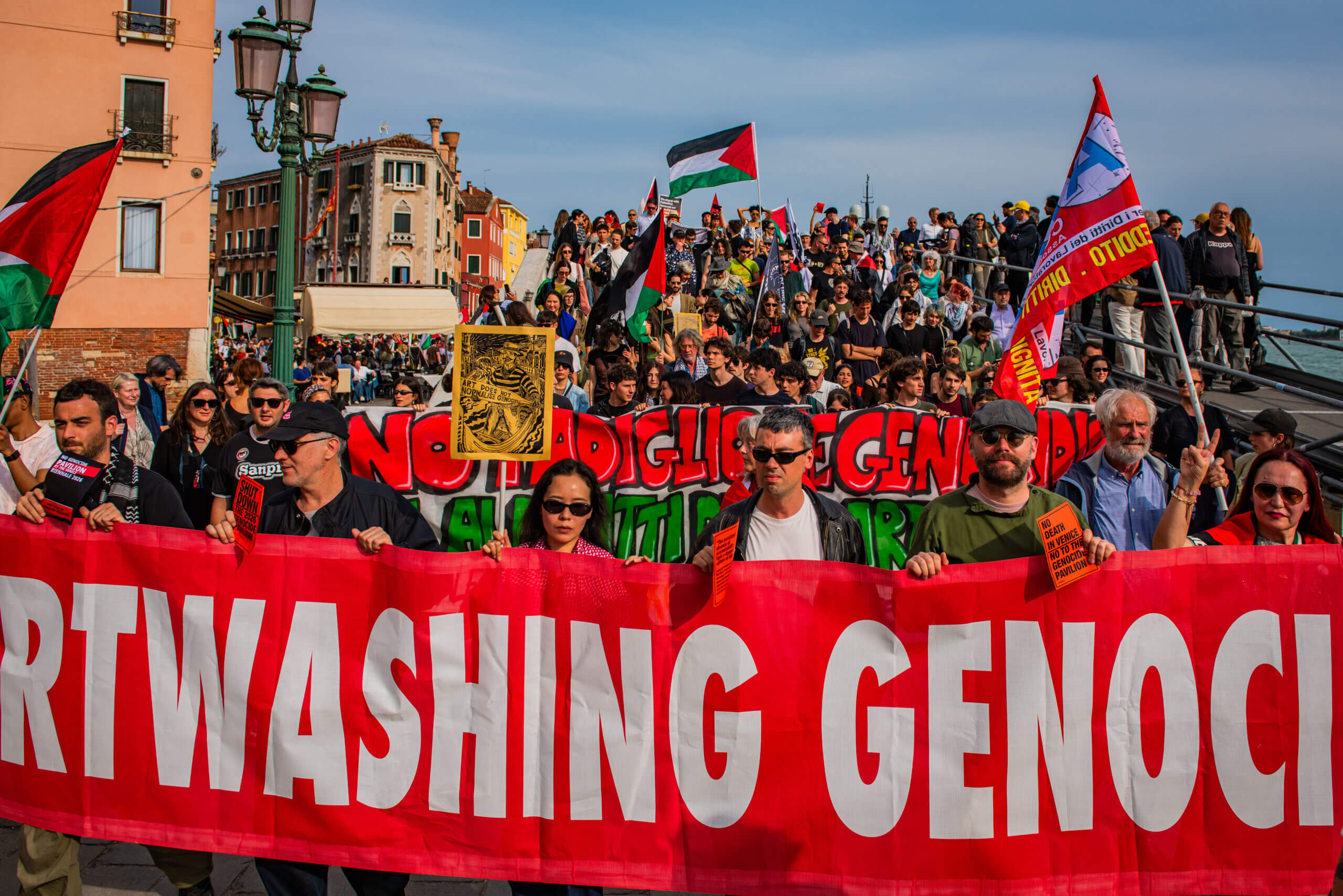
At the 61st Venice Biennale, protests and controversies have overshadowed the art itself. The Art Not Genocide Alliance (ANGA) demonstrated against the inclusion of Israel and Russia, while the Israeli Pavilion became a flashpoint. Artist Belu-Simion Fainaru, presenting his installation "Rose of Nothingness" in a temporary space, complained that he was forced to defend his art's right to exist amid questions about politics rather than his work. The Biennale also saw barricades, strikes, the resignation of the Golden Lion jury, Iran's last-minute withdrawal, and anger directed at the American pavilion over Trump administration policies. The central exhibition, "In Minor Keys," curated by the late Koyo Kouoh, was eclipsed by these events.

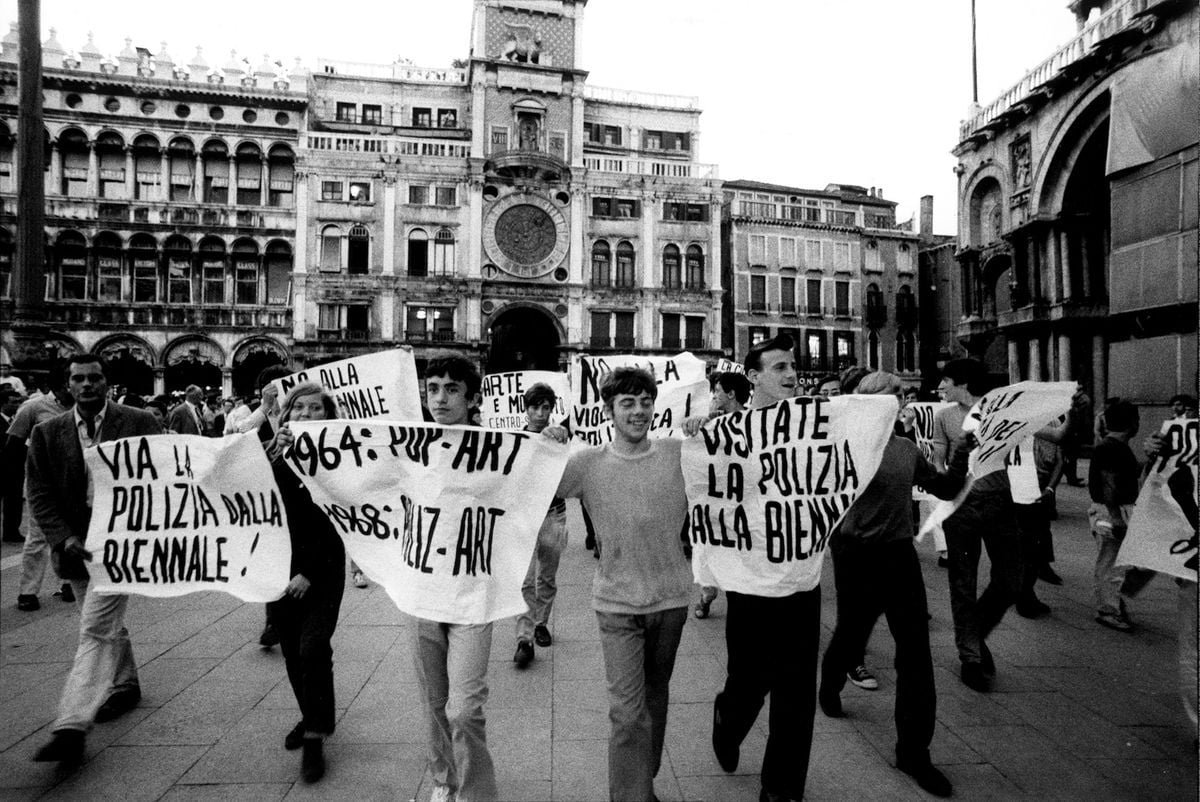
Since 1968, Protests Have Revealed the Real Impact of the Venice Biennale

The article recounts the 1968 protests at the Venice Biennale, where artists, students, and activists clashed with police over the event's perceived ties to bourgeois power and capitalist commodification. It draws parallels to the 2024 Biennale, where groups like Art Not Genocide Alliance, Pussy Riot, and Femen demonstrated against the participation of Russia and Israel, while artists staged strikes and performances like the Solidarity Drone Chorus to highlight the Gaza conflict.

This is fucking Disneyland

"Das ist fucking Disneyland"

The article surveys recent German cultural commentary, highlighting three main stories: art historian Bénédicte Savoy's warning in the FAZ about the physical decay of German universities, particularly the Technical University of Berlin, as a threat to democratic culture; Berlin artist Charlie Stein's essay on anxiety as a pervasive contemporary condition and art's role in making it visible; and critic Rachel Wetzler's harsh review of the Venice Biennale in Artforum, calling it an overwhelming 'theme park' version of the art world. Additionally, Nikolaus Bernau defends expert juries in the Tagesspiegel, using the Biennale's jury crisis as a case study.

Endre Koronczi on Representing Hungary at the 61st Venice Biennale

Endre Koronczi, the artist representing Hungary at the 61st Venice Biennale (2026), discusses his upcoming exhibition in the Giardini pavilion. His project, titled "Pneuma Cosmic," explores the movement of air as both a physical and metaphysical phenomenon, drawing on decades of research into invisible forces like wind and breath. The exhibition also references his long-term experimental zone, Ploubuter Park, inspired by drifting plastic bags. Koronczi notes a strong resonance with the Biennale's curatorial theme, "In Minor Keys" by Koyo Kouoh, describing it as a "cosmic zeitgeist."

Before Language: An Interview with Song E Yoon at Biennale Arte 2026

Song E Yoon's exhibition "Songs Across Time" at Spazio 996/A in Venice, presented as a Collateral Event of the 61st International Art Exhibition – La Biennale di Venezia, pairs her Song E Code with Frédéric Bruly Bouabré's Bété alphabet. In an interview with Kun Sok, Yoon discusses how her work uses dots, intervals, and repetition to create a visual language that exists before conventional meaning, emphasizing bodily encounter, sensation, and the productive role of misreading.

Cannes 2026 Dispatch, Part 1: Breaking False Unities

On May 8, during the pre-opening of the Venice Biennale, the independent collective ANGA (Art Not Genocide Alliance) organized a strike protesting genocide and precarity in the art world. Pro-Palestinian activists entered the Arsenale, where part of the exhibition "In Minor Keys" curated by the late Koyo Kouoh was installed, and hung posters on artworks calling for the liberation of Palestine and denouncing what they described as the Biennale's "art-washing" of Israel's reputation. The disruption blurred the line between activist intervention and the exhibition itself, as many works already addressed Palestine directly, including a poem by Refaat Alareer placed at the entrance.

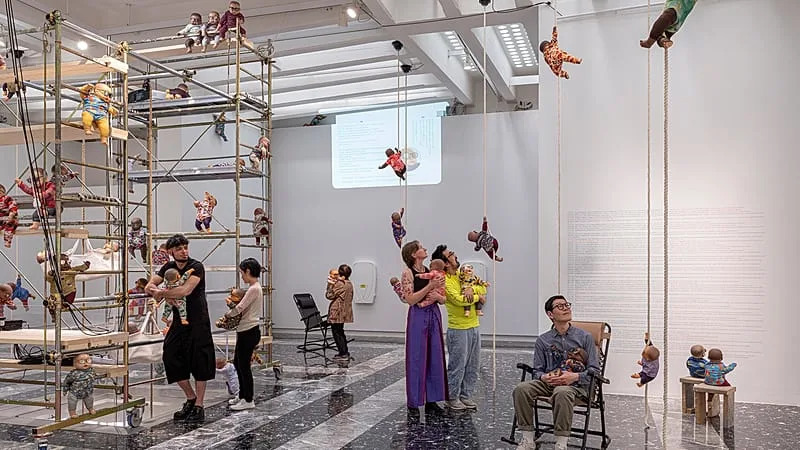
Baby dolls, whale songs and swimming in urine: The Venice Biennale’s must-see national pavilions

The 61st Venice Biennale, themed 'In Minor Keys' by late curator Koyo Kouoh, has been marked by political protests against Russia and Israel's participation, pavilion closures, and threats to funding. Despite this tense atmosphere, several national pavilions quietly embody Kouoh's vision of nurture, intimacy, and reflection. Highlights include the Japan Pavilion's 'Grass Babies, Moon Babies' by Ei Arakawa-Nash, where visitors carry and care for baby dolls, and the Polish Pavilion's 'Liquid Tongues' by Bogna Burska and Daniel Kotowski, an immersive sound installation exploring Deaf culture and marginalized communication.

SPAIN ORIOL VILANOVA AND THE ABOLITION OF THE MUSEUM AND THE ARCHIVE

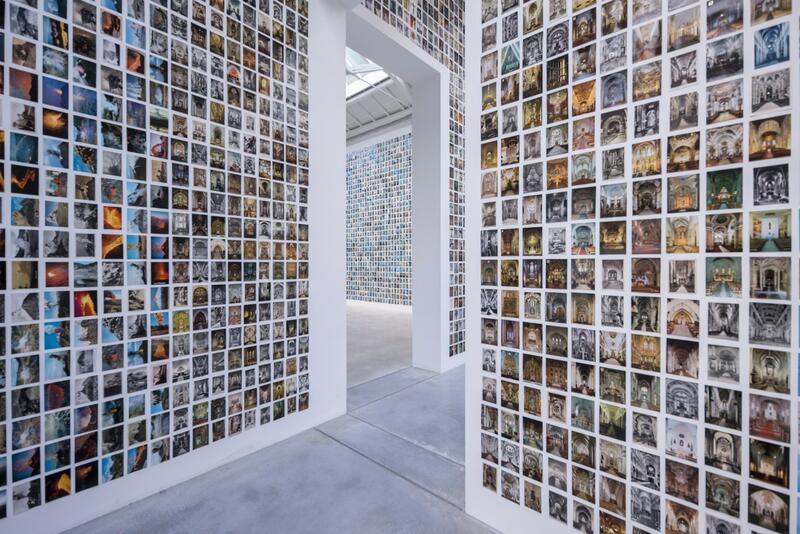
The Spanish Pavilion at the 61st Venice Biennale presents "Los restos," a project by Catalan artist Oriol Vilanova, curated by Carles Guerra. The installation transforms the pavilion into an anti-museum or pseudo-museum, featuring Vilanova's collection of postcards sourced from flea markets over more than twenty years. The work critiques traditional archival systems through accumulation, repetition, and fragmentation, and includes a publication and a performative action titled "El fantasma de la libertad" (2026), inspired by Luis Buñuel, which will take place across the Giardini and Arsenale.