filter_list Showing 41 results for "protests" close Clear
dashboard All 41 article news 25museum exhibitions 9article culture 5rate_review review 2
date_range Range Today This Week This Month All
Subscribe

Artists made their mark at 2026 Met Gala

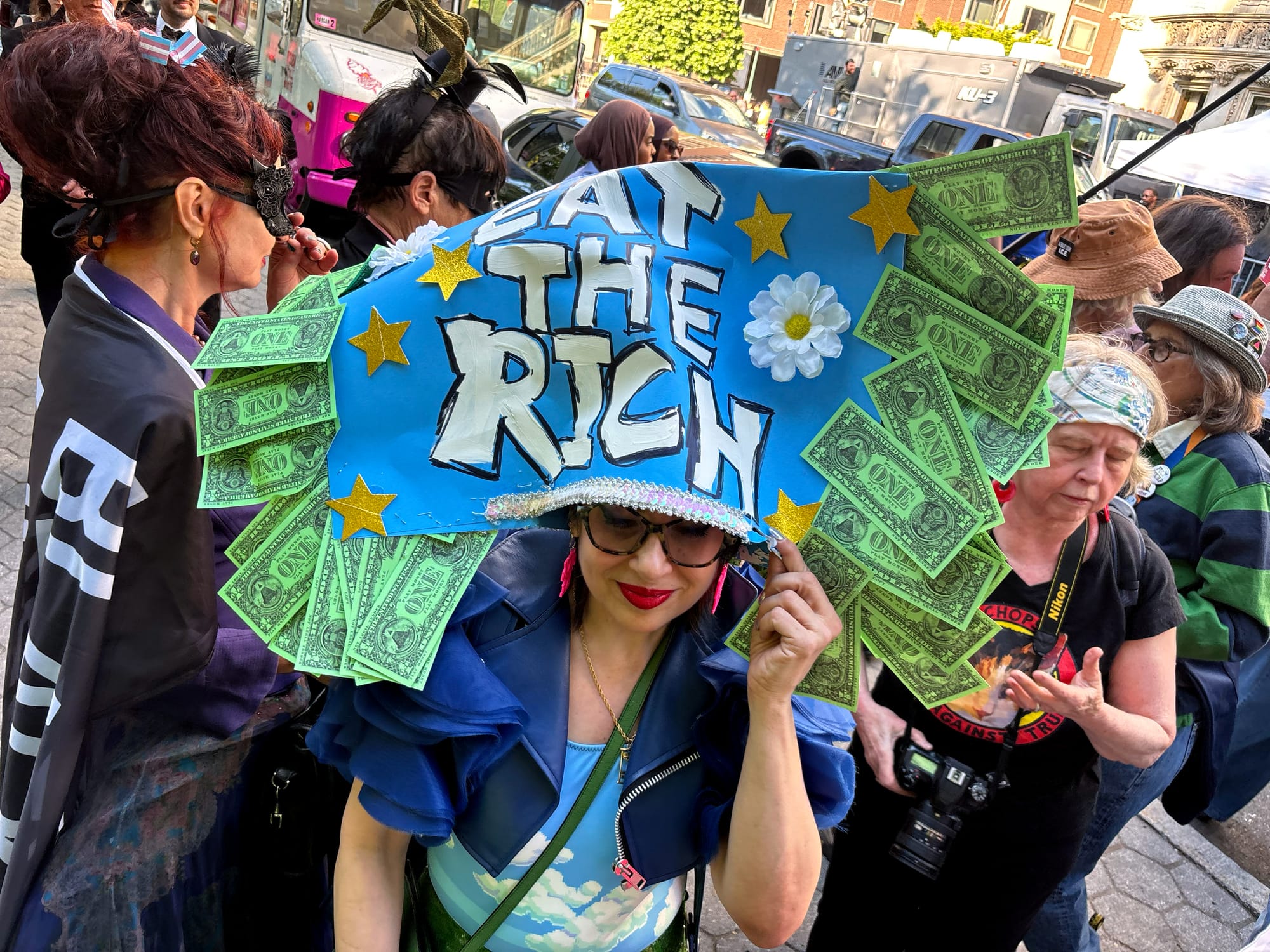
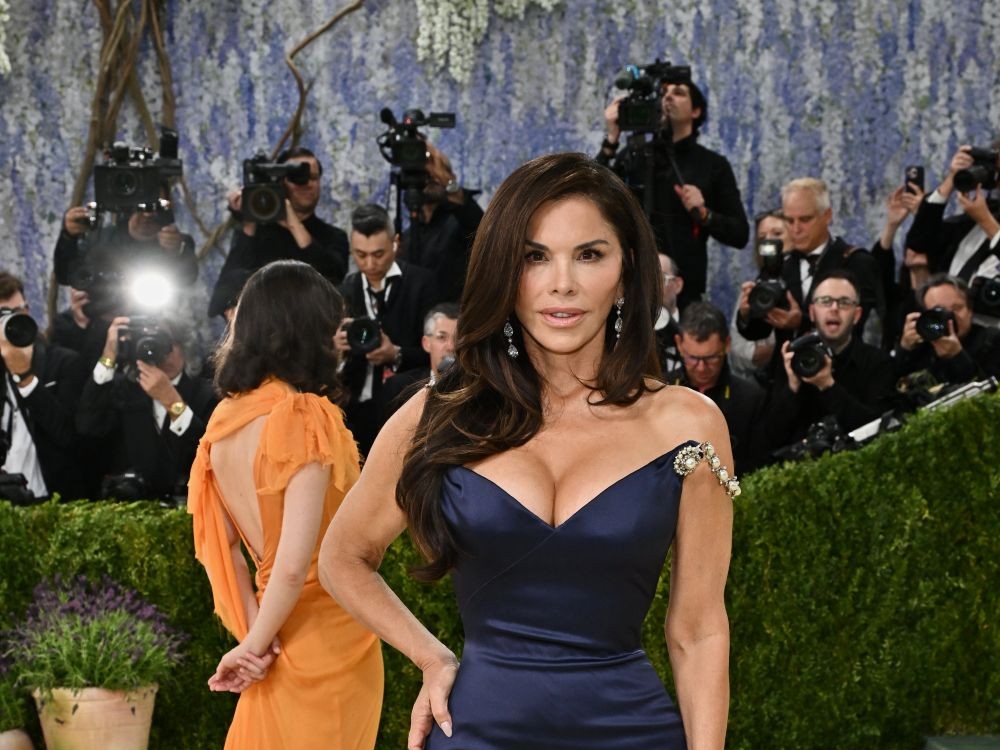
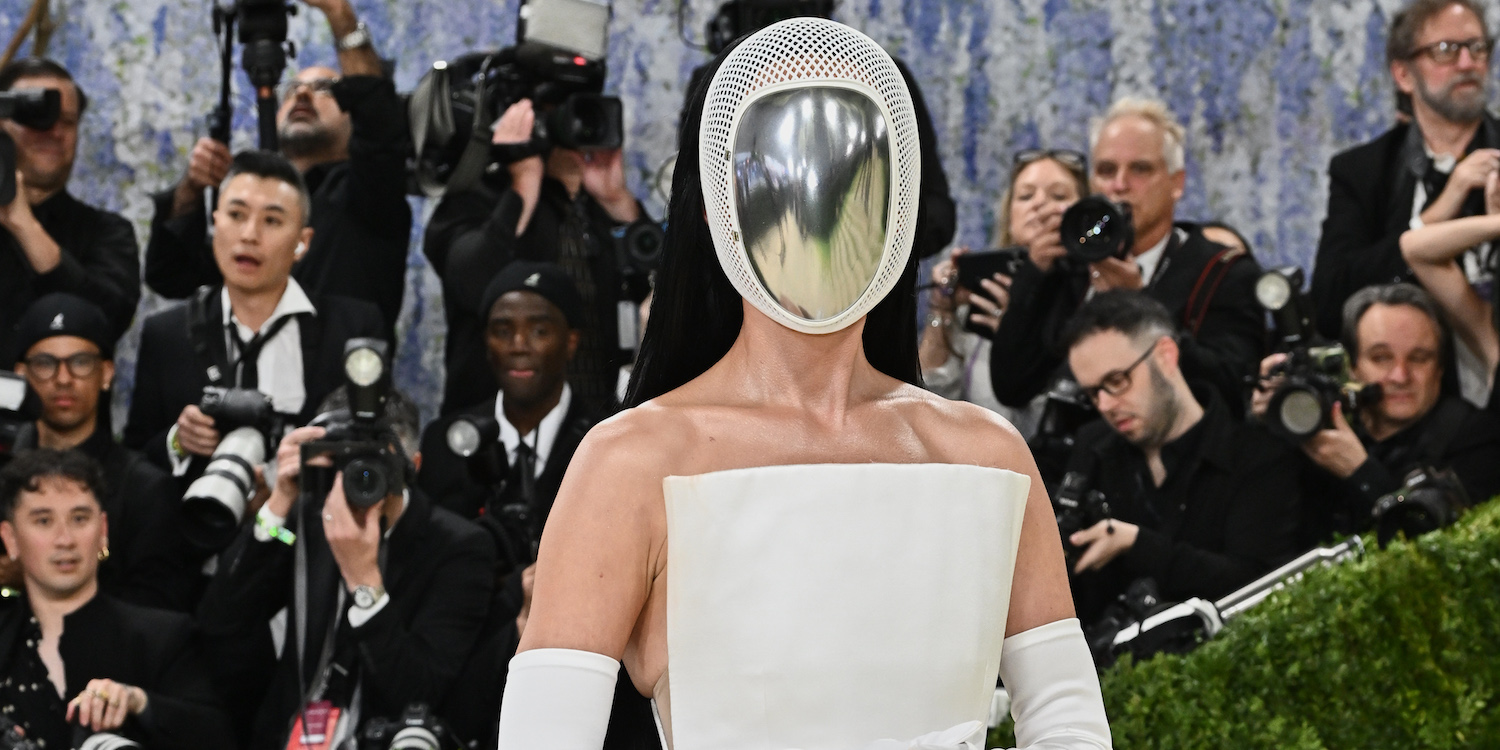
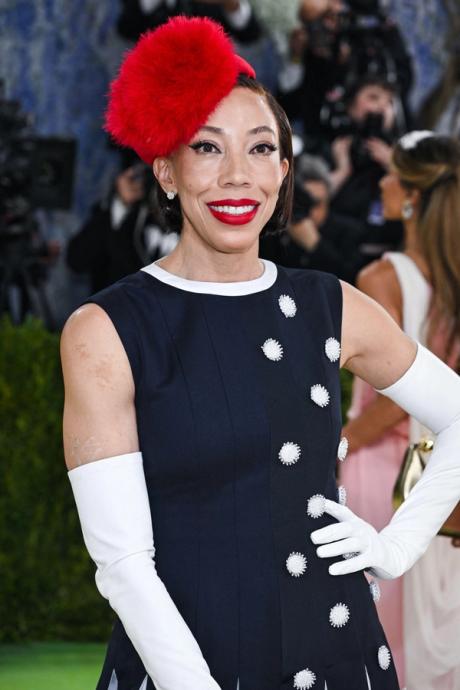
The 2026 Met Gala, held on May 4 at the Metropolitan Museum of Art, raised a record $42 million for the Costume Institute, surpassing last year's $31 million. Honorary chairs Jeff Bezos and Lauren Sanchez Bezos contributed at least $10 million, but their involvement sparked protests outside the event, with demonstrators holding signs like "Tax the Rich" and a group called Everyone Hates Elon leaving fake urine bottles labeled with Bezos's face. Inside, artists made a strong impression: Amy Sherald wore a Thom Browne look based on her painting; Jordan Roth donned a Robert Wun outfit inspired by a Met collection work; and Tschabalala Self collaborated with Brandon Blackwood on a gown evoking Degas's ballerina sculpture. The gala's dress code was "fashion is art," and the accompanying exhibition, "Costume Art" (May 10–January 10, 2027), debuts the Met's new 12,000-square-foot Condé M. Nast Galleries.
A Venice Biennale in Protest

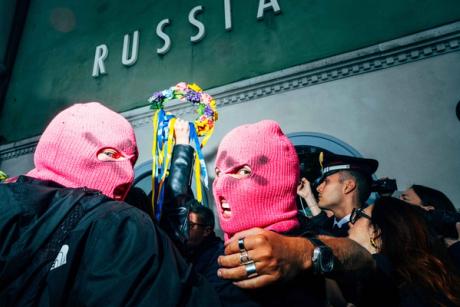
Hundreds of protesters, led by the Art Not Genocide Alliance, blocked the entrance to the Israeli pavilion at the Venice Biennale on May 6, waving Palestinian flags and accusing Israel of operating a "genocide pavilion." Activists from Pussy Riot and FEMEN also staged a pink smoke-filled protest against Russia's participation. Meanwhile, the Biennale jury suddenly resigned, and Israeli pavilion artist Belu-Simion Fainaru made legal threats against the Biennale alleging antisemitism and discrimination. The article also covers exhibitions in Upstate New York, a tribute to Beat Generation icon Jack Kerouac, and obituaries for performance art champion Steven Durland, artist Georg Baselitz, cartoonist Nicole Hollander, and arts patron Doris Fisher.

What does a woman swimming in urine tell us about the state of the world? Lots! – Venice Biennale review

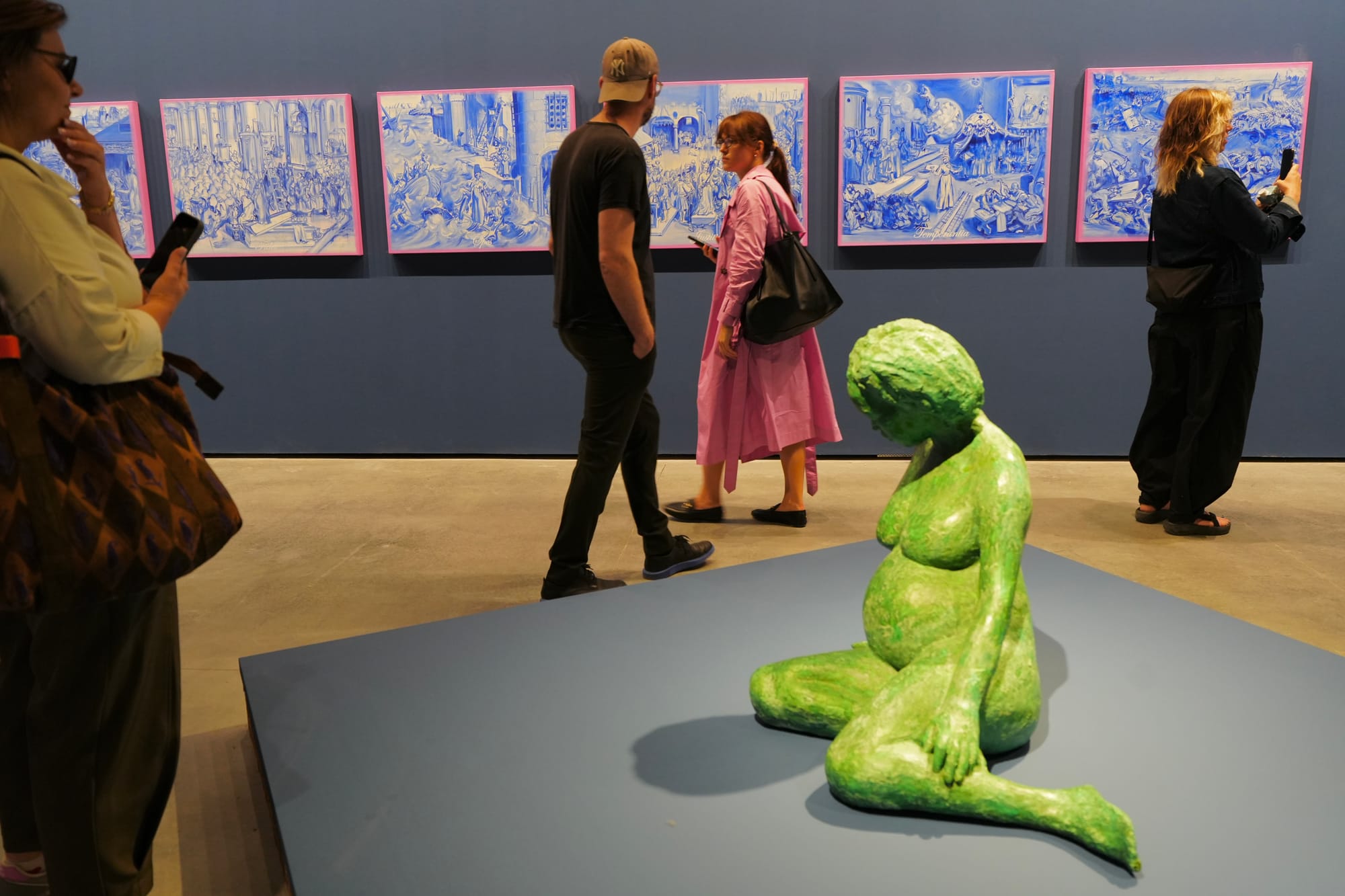
The 2026 Venice Biennale, curated by the late Koyo Kouoh under the theme "In Minor Keys," has been plagued by months of turmoil including countries withdrawing, artists being fired, exhibitions cancelled, funding pulled, and protests during the preview. A five-person curatorial team took over after Kouoh's death, resulting in what the critic describes as a disjointed, committee-driven exhibition that prioritizes quiet contemplation and healing over direct political engagement. The central shows in the Giardini and Arsenale feature a vast, poorly explained array of art from the global south, with installations of ceramics, textiles, slide projectors, and serene natural scenes that the critic finds anachronistic and dull.

See Some of the Most Outrageous, Stylish Looks at the 2026 Met Gala

The 2026 Met Gala raised $42 million for the Metropolitan Museum of Art's Costume Institute, surpassing last year's $31 million. The event, themed "Costume Art" with a dress code of "Fashion is Art," featured honorary chairs Jeff Bezos and Lauren Sánchez Bezos, whose involvement sparked protests. Co-chairs included Beyoncé, Nicole Kidman, Venus Williams, and Anna Wintour, with artists Anna Weyant, Tschabalala Self, and Amy Sherald on the host committee. The gala precedes the Costume Institute's spring exhibition, also titled "Costume Art," opening May 10.

We visited the 2026 Venice Art Biennale: the exhibitions and pavilions you shouldn’t miss

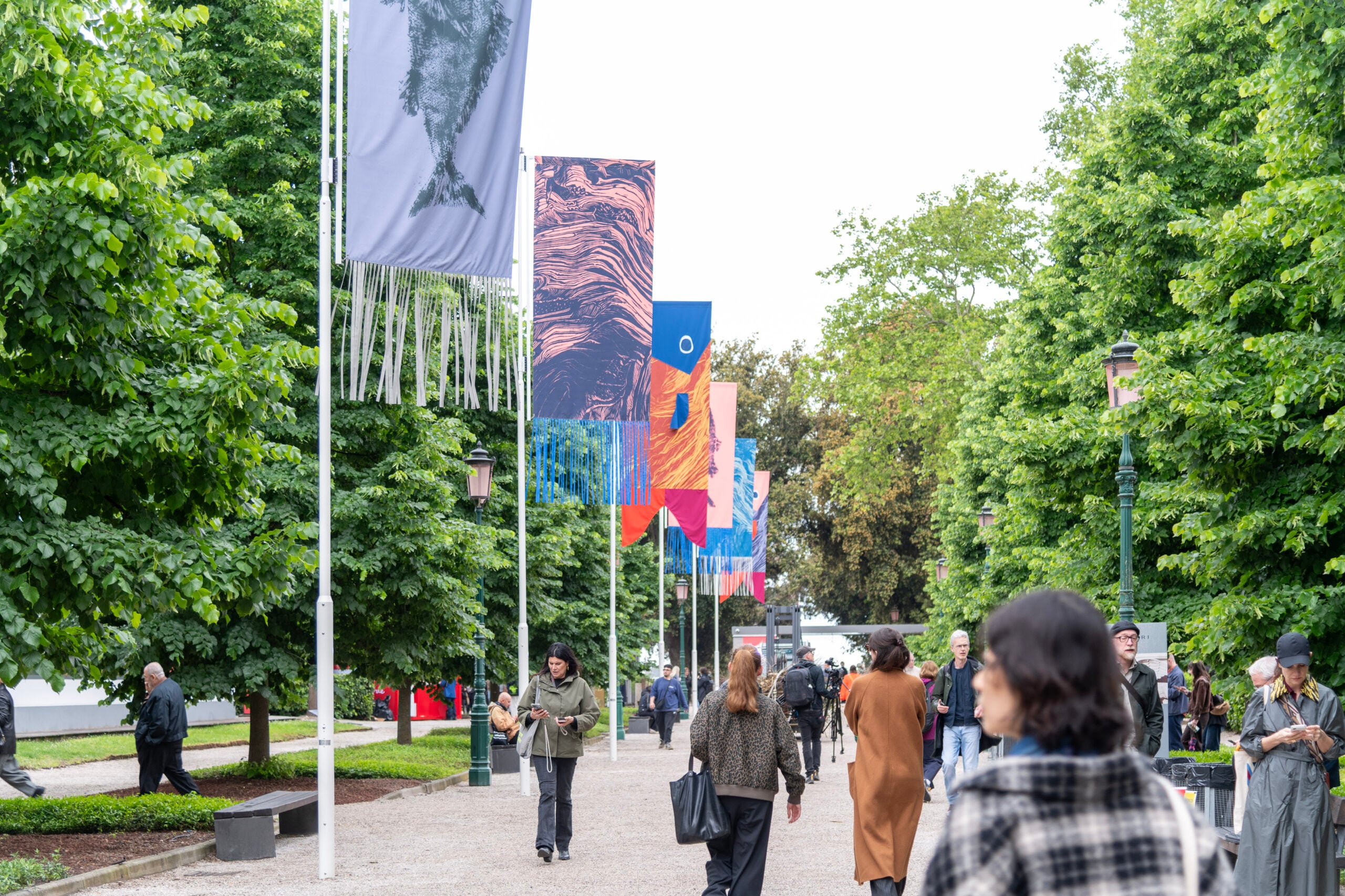
The 2026 Venice Art Biennale has opened across the Giardini, Arsenale, and venues throughout the city, with geopolitics, climate collapse, and national identities dominating the exhibitions. Notable pavilions include Austria's "Seaworld Venice" by Florentina Holzinger, the Czech and Slovak Pavilion's "Il Silenzio della Talpa" by Jakub Jansa and Selmeci Kocka Jusko, India's "Geographies of Distance: remembering home" featuring multiple artists, and the Taiwan Pavilion's "Screen Melancholy" by Li Yi-Fan. The Russian Pavilion has become a focal point of controversy, with guards and empty beer bottles outside, and the Pussy Riot collective staging a protest nearby.

Met Gala Memes That Ate the Rich and Left No Crumbs

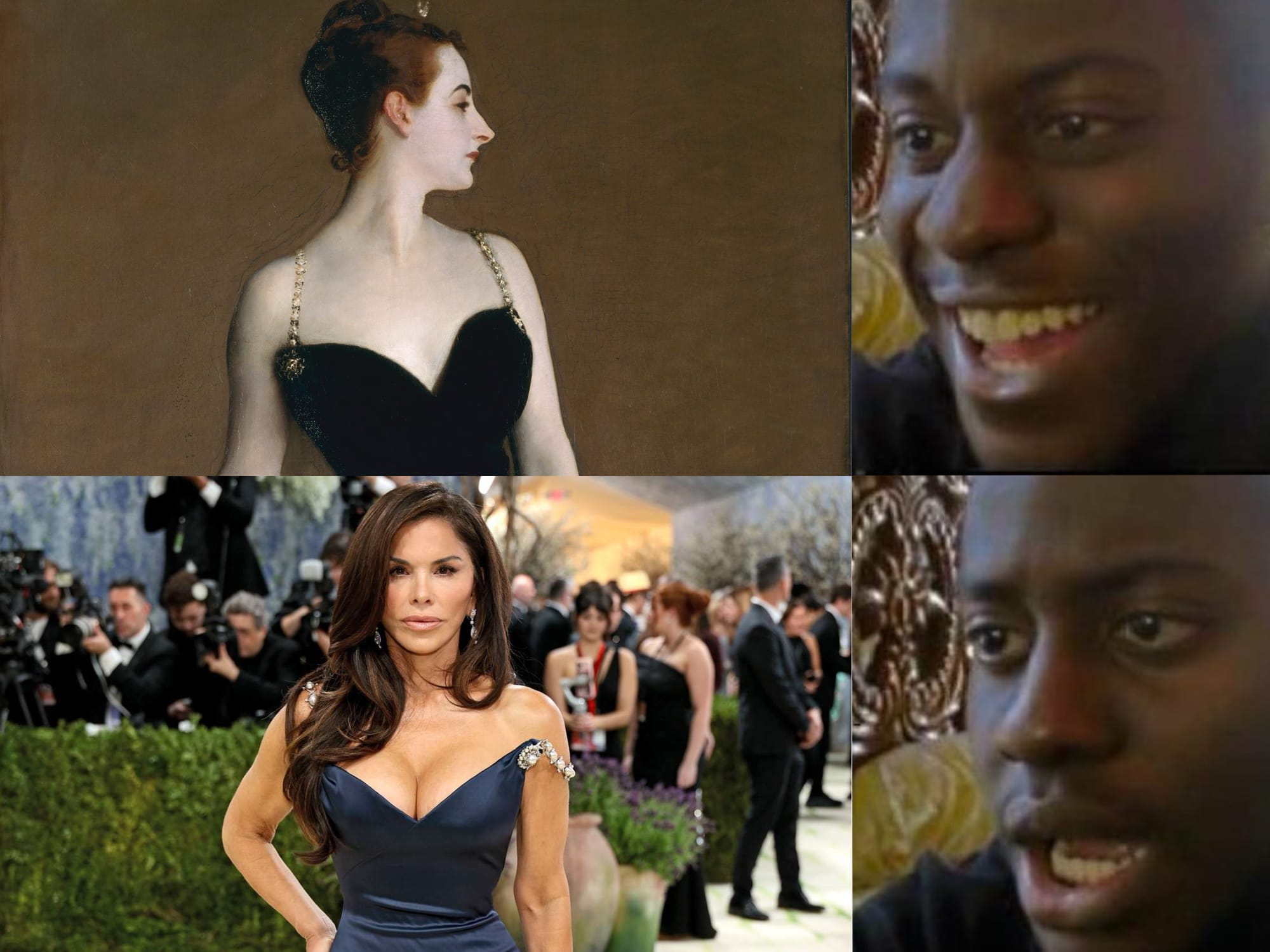
The article covers the 2026 Met Gala, sponsored by Jeff and Lauren Sánchez Bezos, and the intense online backlash it generated. Despite a dress code of "Fashion is Art," celebrities faced merciless mockery on social media for their looks, with particular scorn directed at Lauren Sánchez Bezos's Schiaparelli gown inspired by John Singer Sargent's "Madame X." The criticism was amplified by weeks-long protests against Amazon's labor practices and Bezos's involvement, as well as the museum's own unionized employees speaking out. The piece compiles the most inventive and cutting memes from X (formerly Twitter), targeting everything from fashion fails to political hypocrisy.

The Carnegie International Makes Its Mark

The 59th Carnegie International opens in Pittsburgh, featuring 61 artists from around the world in the oldest survey of its kind in the United States. Critic Ed Simon reviews the exhibition, noting it captures the excitement of earlier editions while providing vital commentary on authoritarianism and militarism. In other news, activists protested Jeff Bezos's co-chair role at the Met Gala with a costumed action and guerrilla projections on his penthouse; Iran withdrew from its national pavilion at the Venice Biennale; MoMA PS1 announced the first US survey of Mexican artist Teresa Margolles; and Hakim Bishara reflects on MoMA's Marcel Duchamp exhibition.

Rollicking Protest Against Bezos's Met Gala Erupts in Manhattan

On May 4, 2026, a small but spirited protest organized by the advocacy group Rise and Resist erupted near the Metropolitan Museum of Art during the Met Gala. Dozens of costumed demonstrators gathered on a makeshift "Resistance Runway" to denounce billionaire Jeff Bezos, who co-chaired the event with his wife Lauren Sánchez Bezos. Participants held signs addressing trans rights, fascism, and wealth inequality, and danced to ABBA's "Money, Money, Money." The protest highlighted Bezos's role as co-chair, with activists criticizing his company Amazon's profits from immigration crackdowns and layoffs at the Washington Post. Bezos reportedly did not attend the gala, while his wife walked the red carpet alone.

At the Venice Biennale I saw anger at Russia and Israel – and its leadership pretending everything was fine | Charlotte Higgins

At the 2024 Venice Biennale, the Russian pavilion returned with festive performances and prosecco deliveries, drawing sharp criticism from observers who saw it as a propaganda effort to distract from Russia's war in Ukraine. Meanwhile, Ukraine's Kramatorsk was bombed, and protests erupted, including a Pussy Riot intervention. Biennale president Pietrangelo Buttafuoco defended Russia's and Israel's participation, rejecting preemptive bans despite open letters and appeals. European Commission investigated potential sanctions breaches, and culture ministers from Ukraine, Poland, Estonia, and Baltic states boycotted or condemned the biennale's stance, accusing it of yielding to the aggressor.

How Tech Billionaires Turn Couture into Content

Wie Tech-Milliardäre Couture zu Content machen

The Met Gala, long considered the premier event for fashion and cultural influence, has become increasingly dominated by tech billionaires. This year, Jeff Bezos and Lauren Sánchez Bezos purchased their role as co-hosts, sparking protests in New York and raising questions about whether money alone now buys entry into the highest echelons of fashion. Individual tickets cost $10,000 and a table $350,000, with sponsors including OpenAI, Snapchat, and Meta. The event, organized by Anna Wintour to raise funds for the Costume Institute at the Metropolitan Museum of Art, raised $31 million last year but has transformed from a benefit into a spectacle optimized for viral moments and algorithmic appeal.

Selfie-Friendly Pedro Reyes Sculpture Sparks Controversy at LACMA

Nearly eighty Mexican cultural figures have signed an open letter condemning the installation of Pedro Reyes's sculpture 'Tlali' (2026) in the plaza of LACMA's new David Geffen Galleries. The work, described as a selfie-friendly monolithic face inspired by Olmec art, closely resembles a 2021 proposal for a Mexico City sculpture titled 'Tlalli' that was abandoned after protests from hundreds of cultural workers. Critics argue that Reyes, a male artist who does not identify as Indigenous, should not represent Indigenous womanhood, and that the new work perpetuates colonial stereotypes and nationalistic aesthetics. LACMA has defended the piece, claiming it is entirely different in purpose and meaning, while Reyes has not commented.

Art and politics clash at Venice Biennale, as world conflicts upstage exhibition's opening

The 61st Venice Biennale, the world's most prestigious art exhibition, opens under unprecedented turmoil. For the first time, its vision was shaped by the late Cameroonian curator Koyo Kouoh, who centered artists from Africa and its diaspora. However, political conflicts over Russia and Israel have overshadowed the art. All five jurors resigned after the Italian culture minister investigated their decision to withhold prizes from Russia and Israel over alleged crimes against humanity. Protests erupted at the Russian pavilion, with Pussy Riot activists denouncing Russia's participation, while the Israeli pavilion artist threatened legal action over the jury's snub. The Biennale will proceed without a jury, with visitors voting for two awards, and the fate of the Golden Lion remains uncertain.

Hundreds of ‘Piss Bottles’ Left at the Met Gala in Protest of Jeff Bezos

Hundreds of bottles filled with what appeared to be urine were discovered at the Metropolitan Museum of Art during the Met Gala on May 5, 2026, according to the New York Post. The protest was claimed by the anti-billionaire group Everybody Hates Elon, which targeted the event over Jeff Bezos serving as the gala's chair. The group left the bottles with signs labeling them a "Met Gala VIP toilet" and criticizing Bezos for alleged labor practices at Amazon, where workers reportedly feel forced to urinate in bottles due to lack of bathroom breaks. The group later clarified on Instagram that the bottles did not contain real urine.

Pussy Riot protest at Venice Biennale forces Russian pavilion to briefly close

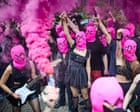
On the second day of the Venice Biennale preview, the activist group Pussy Riot staged a chaotic protest at the Russian pavilion, forcing it to temporarily close. Wearing pink balaclavas and carrying flares, about 40 activists—including members of Femen—gathered outside the pavilion, shouting slogans like "Blood is Russia's Art" and attempting to enter before being pushed back by police. Founding member Nadya Tolokonnikova led the protest, condemning Europe for allowing Russian participation despite the war in Ukraine. Separately, the Art Not Genocide Alliance (Anga) demonstrated outside the Israeli pavilion, which was locked from inside, over Israel's war in Gaza.

Dark clouds, protests and resignations dampen start of 61st Venice Biennale

The 61st Venice Biennale opened under grey skies and rain, with political tensions overshadowing the art world's premier event. The Russian pavilion, absent for two editions due to the Ukraine war, reappeared with a party atmosphere, though the Italian ministry of culture confirmed it would not be open to the public. The Ukrainian culture minister called Russia's symbolic presence powerful. The Iranian pavilion withdrew without explanation, and a protest by 60 artists from the In Minor Keys show marched through the Giardini humming in solidarity against Israel's participation. Over 200 artists, including Lubaina Himid and Alfredo Jaar, signed an open letter demanding the Israeli pavilion's cancellation. The event also proceeded without its curator, Koyo Kouoh, who died in May 2025; her curatorial team delivered the exhibition following her plans.

Anish Kapoor says US’s ‘politics of hate’ should exclude it from Venice Biennale

Anish Kapoor has called for the United States to be excluded from the Venice Biennale, citing the country's "abhorrent politics of hate" and "incessant warmongering." His comments follow the resignation of the five-member international jury, who stepped down in protest over the inclusion of Israel and Russia. Kapoor praised the jury's decision as "courageous" but argued they should have also targeted the US. The US pavilion, featuring artist Alma Allen and his exhibition "Call Me the Breeze," has faced scrutiny over perceived Trump administration interference and a delayed selection process. Meanwhile, the Israeli and Russian pavilions remain flashpoints, with over 200 participants signing a letter demanding the cancellation of the Israeli pavilion, and the Russian pavilion closed to the public but viewable through windows.

Met Gala Boycott Message Projected on Bezos’s Manhattan Penthouse

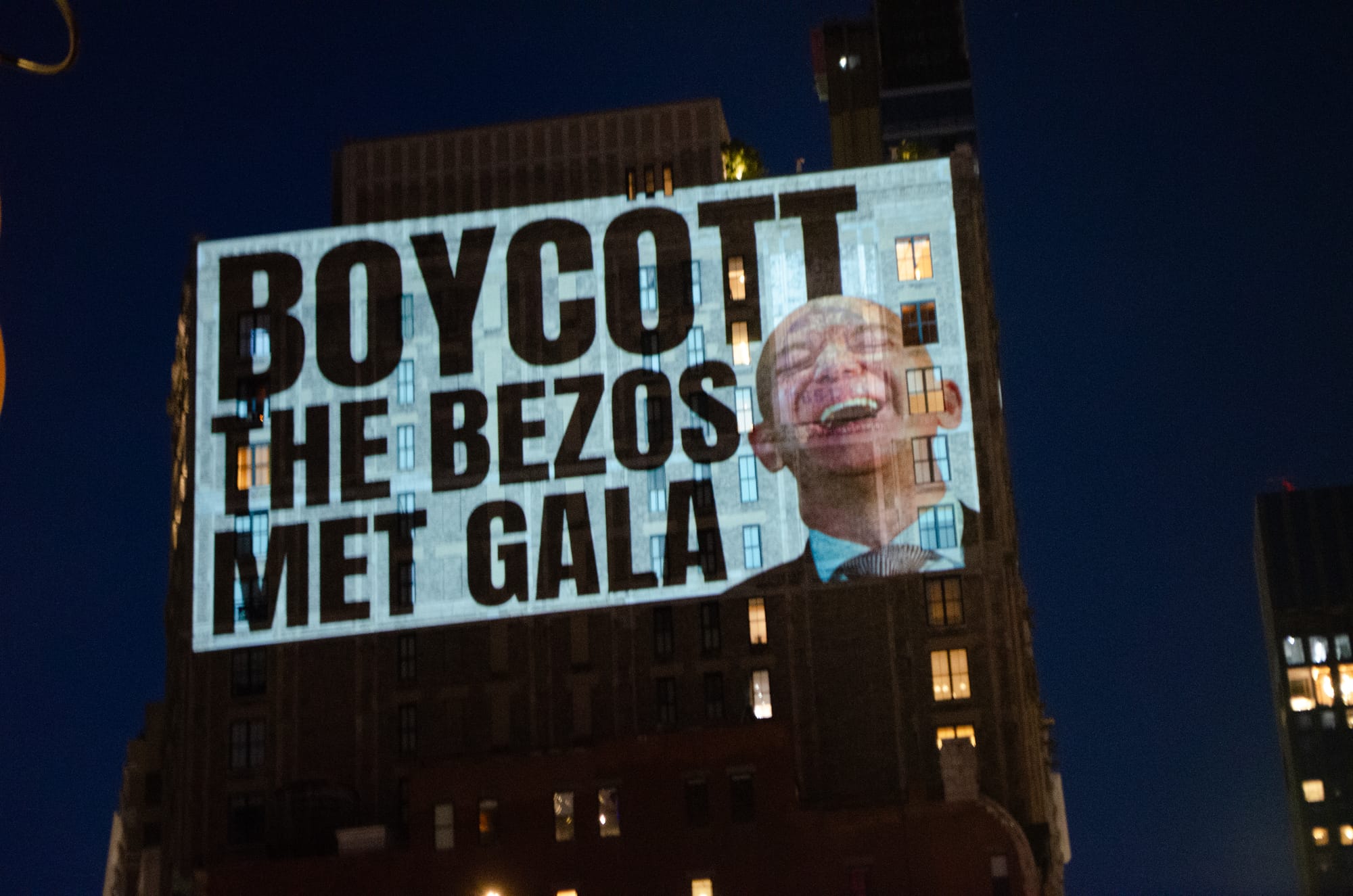
On May 3, 2026, the activist group Everyone Hates Elon projected messages condemning Jeff Bezos and Amazon onto Bezos's luxury penthouse in Manhattan's Madison Square Park, ahead of the Met Gala on May 4. The projections included a video testimony from Amazon warehouse worker Mary Hill, who called for honoring workers instead of billionaires, and slogans such as 'Boycott The Bezos Met Gala.' The group also projected onto the Chrysler and Empire State buildings. This action follows earlier protests, including littering the Met with fake urine bottles and wheatpasting posters across the city, all targeting Bezos's role as an honorary co-chair of the gala.

Stars feiern Mode und Kunst bei Met-Gala

The Met Gala, hosted by Anna Wintour at the Metropolitan Museum of Art in New York, raised millions for the museum's Costume Institute. This year's event featured celebrities like Beyoncé, Nicole Kidman, and Heidi Klum, with a dress code of "Fashion is Art." Beyoncé and Kidman brought their daughters for the first time, while Klum dressed as a stone statue. The gala opened the "Costume Art" exhibition and was co-sponsored by Jeff Bezos and Lauren Sánchez Bezos, drawing protests over Bezos's involvement.

"In Minor Keys" Hits All the Right Notes

The 61st Venice Biennale's international exhibition, titled "In Minor Keys," opened with a somber curatorial press conference, as artistic director Koyo Kouoh, who died in May 2024 at age 57, was not physically present. The exhibition features 110 invited participants across the Arsenale and Giardini, including works by Buhlebezwe Siwani, Johannes Phokela, Wangechi Mutu, Ebony G. Patterson, and Kambui Olujimi. Protests marked the opening, with gatherings at the temporary Israeli pavilion and Pussy Riot's presence at the Russian pavilion, while the exhibition itself asks viewers to look closer at overlooked forms of representation and consider innovative models of measuring the world.

The 10 best pavilions to see at the 2026 Venice Art Biennale. Artribune's top ten

I 10 migliori padiglioni da vedere alla Biennale d’Arte di Venezia 2026. La top ten di Artribune

Artribune presents its top ten must-see national pavilions at the 2026 Venice Biennale, which features a record 100 participating countries. The article highlights standout projects including Greece's escape room by Andreas Angelidakis critiquing nationalist populism, Belgium's participatory dance installation by Miet Warloop, and Canada's greenhouse-like pavilion by Abbas Akhavan exploring colonial botany. The Biennale, curated by Koyo Kouoh under the theme "In Minor Keys," is marked by last-minute jury resignations leading to public voting for the Golden Lions, as well as protests over the participation of Russia and Israel.

Lithuanian, Latvian, and Estonian Pavilions Stage Pro-Ukraine Procession During Venice Biennale

On May 6, 2026, the Lithuanian, Latvian, and Estonian pavilions at the Venice Biennale organized a procession in solidarity with Ukraine, walking approximately one and a half miles from the Lithuanian Pavilion in the Fucina del Futuro to the Estonian pavilion. The action honored Ukrainian cultural workers creating under war conditions and those who have died. It is one of several political protests at the contentious 2026 Biennale, including demonstrations by Pussy Riot and FEMEN at the Russian pavilion, a "Solidarity Drone Chorus" opposing Israel's inclusion, and a planned 24-hour strike by the Art Not Genocide Alliance.

The Biennale Isn’t a Court. Tell That to the Protesters.

Pietrangelo Buttafuoco, president of the Venice Biennale, defended the decision to allow Russia to reopen its pavilion for the first time since its 2022 invasion of Ukraine, stating that the Biennale is "not a court; it is a garden of peace." The move has sparked widespread backlash, including threats to pull €2.3 million in EU funding. Protests have erupted on the ground, with Pussy Riot and FEMEN staging a theatrical demonstration outside the Russian Pavilion, setting off smoke flares and chanting slogans. Separately, around 60 artists performed a "Solidarity Drone Chorus" to protest Israel's participation, and the Art Not Genocide Alliance has called for a 24-hour strike and rallies across Venice. The Russian Pavilion will be open only during press preview days due to EU sanctions, with video projections visible from outside for the rest of the Biennale's run.

‘Exclusion can only satisfy the ego’: Venice Biennale president hits out at critics amid Russia and Israel controversy

Venice Biennale president Pietrangelo Buttafuoco defended the institution against critics at a conference on May 6, three days before the public opening, amid controversy over Russia's return to the event for the first time since its 2022 invasion of Ukraine and ongoing disputes over Israel's participation. He accused critics of “narcissism” and “censorship,” while Italian culture minister Alessandro Giuli sent inspectors to investigate whether Russia's involvement breached sanctions; a report was submitted to Prime Minister Giorgia Meloni's office. Meanwhile, the Biennale faces legal threats from the artist representing Israel over alleged discrimination, and protests have erupted, including a demonstration by Art Not Genocide Alliance and a Pussy Riot action at the Russia pavilion.

Major protests take place at Venice Biennale previews

Major protests erupted during the preview days of the Venice Biennale, with multiple demonstrations targeting the Israeli and Russian pavilions. On Wednesday, the Art Not Genocide Alliance (ANGA) held a large protest outside the temporary Israeli pavilion in the Arsenale, attended by over 200 people calling for its closure. Separately, the Solidarity Drone Chorus performed a sound composition by Gazan artist Ahmed Muin, with 60 artists wearing T-shirts bearing names of artists from Gaza. Meanwhile, Pussy Riot and FEMEN protested Russian participation, forcing the Russian pavilion to shut its doors. These actions follow the resignation of the entire Golden Lion jury days before the opening, after they stated they would not consider pavilions from countries whose leaders are charged with crimes against humanity by the ICC—widely seen as a reference to Russia and Israel.

Several Venice Biennale pavilions shut in protest over inclusion of Israel

Several national pavilions at the 2026 Venice Biennale shut down during the final preview day in a strike organized by the Art Not Genocide Alliance (Anga) protesting Israel's inclusion due to its war in Gaza. Pavilions from Belgium, the Netherlands, Austria, Japan, Macedonia, and Korea closed entirely, while others like Britain, Spain, France, Egypt, Finland, and Luxembourg partially closed or reopened later. Artists in the main exhibition added Palestinian flags and posters reading "Palestine is the future of the world." The Israeli pavilion was closed for a private event, and earlier in the week Pussy Riot staged a protest at the Russian pavilion.

Venice Biennale opening marked by protests

The 2026 Venice Biennale opened for professionals on Tuesday amid a series of protests, with more planned throughout the week. Around 60 artists from the exhibition "In Minor Keys" gathered at the Giardini for a collective action called "Solidarity Drone Chorus," inspired by Gazan composer Ahmed Muin's "Drone Song," to draw attention to genocide and war in Palestine. The Art Not Genocide Alliance (ANGA) organized a 24-hour strike for Friday 8 May, protesting Israel's participation. Pussy Riot staged a protest outside the Russian pavilion, and the Latvian pavilion launched a campaign against Russia's involvement. The protests follow a highly politicized lead-up, including calls for boycotts of the Russian, Israeli, and US pavilions, EU funding cuts over Russia's participation, and the resignation of the Biennale jury.

Venice Biennale Swamped in Protests Ahead of Planned Strike

The Art Not Genocide Alliance (ANGA) has announced a 24-hour strike for Friday, May 8, coinciding with previews of the 2026 Venice Biennale, alongside a protest rally organized by local group Biennalocene and Italian trade unions. Earlier this week, sixty artists staged a sonic protest at the Giardini entrance to draw attention to the plight of those affected by genocide and war in Palestine and elsewhere. The Latvian pavilion has also encouraged attendees to wear a design by artist Krišs Salmanis reading “Death in Venice – Russia go home!” Meanwhile, dissident artists Pussy Riot stormed the Russian pavilion waving Ukrainian flags, and the entire 2026 Biennale jury resigned after the decision to exclude countries whose leaders are charged with crimes against humanity by the International Criminal Court from competing for top prizes.

The Bad Bunny chairs taking over the art world

Edra Soto, a Puerto Rican artist based in Chicago, has created a series of plastic lawn chairs upholstered with the face of reggaetón superstar Bad Bunny, now on view in the exhibition "Dancing the Revolution: From Dancehall to Reggaetón" at the Museum of Contemporary Art Chicago. The chairs, part of Soto's broader practice transforming everyday Puerto Rican objects into art, also appear at the Kemper Museum of Contemporary Art in Kansas City and were shown at EXPO Chicago. The exhibition explores the visual history and political power of Caribbean music, highlighting Bad Bunny's role in the 2019 protests that led to the resignation of Governor Ricardo Rosselló.

THE VENICE BIENNALE IN AN EDITION MARKED BY POLITICAL GAMES

The Venice Biennale's 2024 edition is embroiled in political controversy surrounding its national pavilions, particularly those of Russia, South Africa, and Israel. The Russian pavilion's readmission amid the war in Ukraine drew sharp criticism from the artistic community and led the European Union to withdraw approximately two million euros in funding. The Israeli pavilion, which remained empty in 2024 to protest hostage situations, now features a proposal by sculptor Belu-Simion Fainaru, prompting protests from the Art Not Genocide Alliance and over 200 artists demanding its exclusion. The curatorial team, appointed by the late curator Koyo Kouoh, resigned collectively nine days before the opening, and the Biennale's directorship canceled the opening ceremony, postponing awards to November. Demonstrations led by Art Not Genocide Alliance, Pussy Riot, and FEMEN surrounded the Russian pavilion during the press opening, and a strike by cultural workers is planned for May 8th.

Iran Abruptly Drops Out of Venice Biennale as US and Israel’s War Continues

Iran has abruptly withdrawn from the 61st Venice Biennale, scheduled for May 9–November 22, 2026, reducing the number of participating nations from 101 to 100. The Biennale confirmed the withdrawal in a statement but did not provide a reason; Iran is now the only country listed without any artist representatives, though Aydin Mahdizadeh Tehrani remains listed as the pavilion's commissioner. The announcement comes as the Biennale opens to press amid ongoing controversy over the participation of Israel and Russia, whose pavilions have drawn protests from artists and politicians.