filter_list Showing 462 results for "Russia" close Clear
search
dashboard All 462 article news 193museum exhibitions 133article policy 47article culture 25gavel restitution 18trending_up market 16candle obituary 10person people 7article local 6rate_review review 5article event 1article events 1
date_range Range Today This Week This Month All
Subscribe

Are These Lost Malevich Masterpieces—or $190 Million Fakes?

An exhibition at the National Museum of Contemporary Art in Bucharest (MNAC) features three purportedly long-lost paintings by Kazimir Malevich, valued between $160 million and $190 million. The works, loaned by Israeli businessman Yaniv Cohen, were allegedly stored under the mattress of his grandmother-in-law, Eva Levando, for decades. However, Ukrainian-American art historian Konstantin Akinsha has publicly questioned their authenticity, citing incomplete provenance and a lack of consensus from international experts. The museum has faced criticism for including the paintings without additional scholarly analysis in the show "Kazimir Malevich: Outliving History," curated by Mariana Dragu and sponsored by a dental clinic owned by Cohen.
Amid crackdowns on dissent, Russia’s private museums are threatened

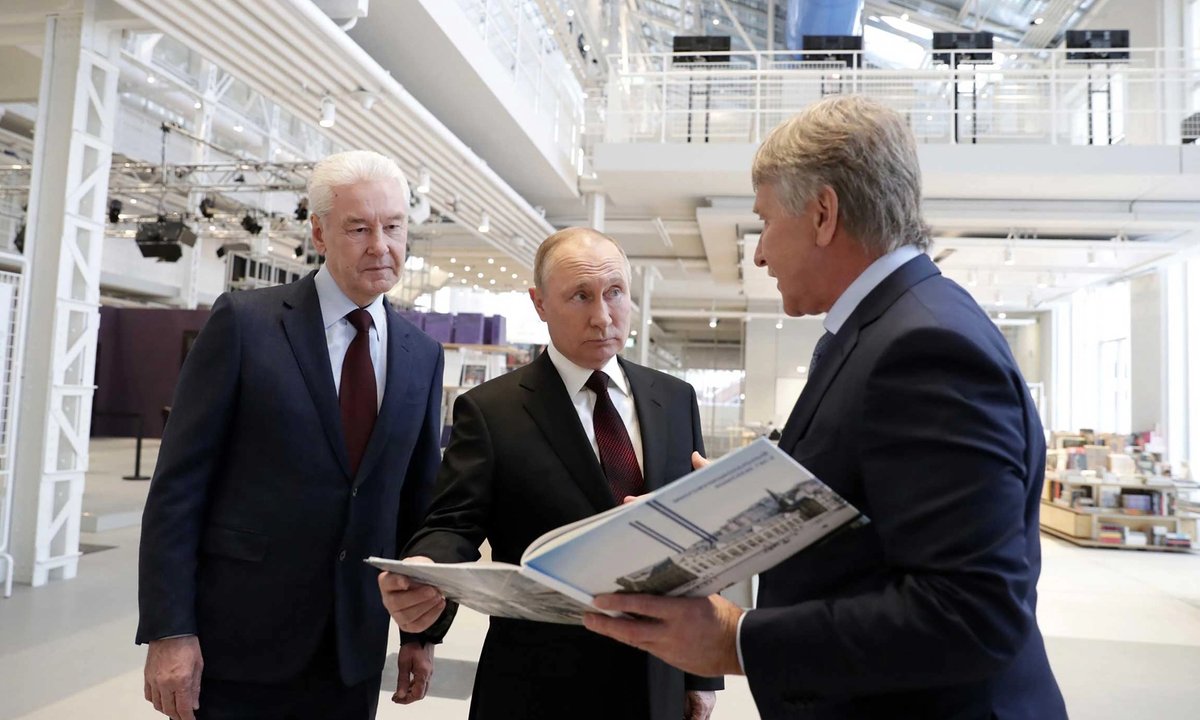
Russia's private art museums, once symbols of post-Soviet integration into Western elite culture, are now struggling to survive amid increasing state repression and the war in Ukraine. The Garage Museum of Contemporary Art, founded by Roman Abramovich and Dasha Zhukova, was raided by security services in 2024 and visited by right-wing activists demanding pro-war messaging; its founding director was replaced. Other institutions have closed entirely: the Institute of Russian Realist Art shut in 2019 after its founder Aleksei Ananyev fled embezzlement charges, and Art4.ru, Russia's first private contemporary art museum, closed in 2024 after a nationalist raid. The GES-2 House of Culture, financed by gas magnate Leonid Mikhelson, lost its visionary director shortly after opening and now operates under a lawyer.

Lesia Vasylchenko wins the PinchukArtCentre Prize

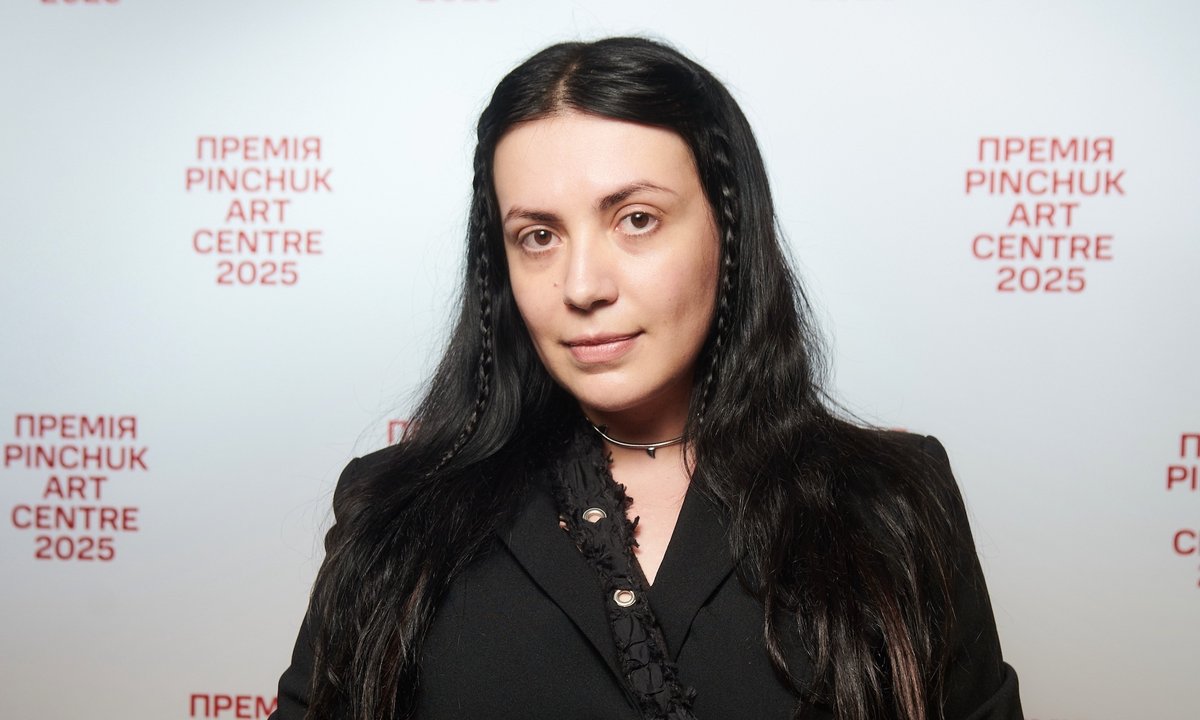
Lesia Vasylchenko, a Kyiv-born artist, has won the 2025 PinchukArtCentre Prize, receiving 400,000 Ukrainian hryvnia (about $10,000). Her winning installation includes two video works: one reflecting on the shelling during Russia's full-scale invasion of Ukraine, and another using AI to compress 30 years of sunrises into a single event. At the awards ceremony held on 18 June in Kyiv—a day after a deadly Russian drone attack killed at least 28 people—Vasylchenko announced she would donate the entire prize to support the Armed Forces of Ukraine. Special prizes were awarded to painter Kateryna Aliinyk and artist Yevhen Korshunov, each receiving 100,000 hryvnia and additional support.

Iran Will Not Participate in Venice Biennale, Organizers Say

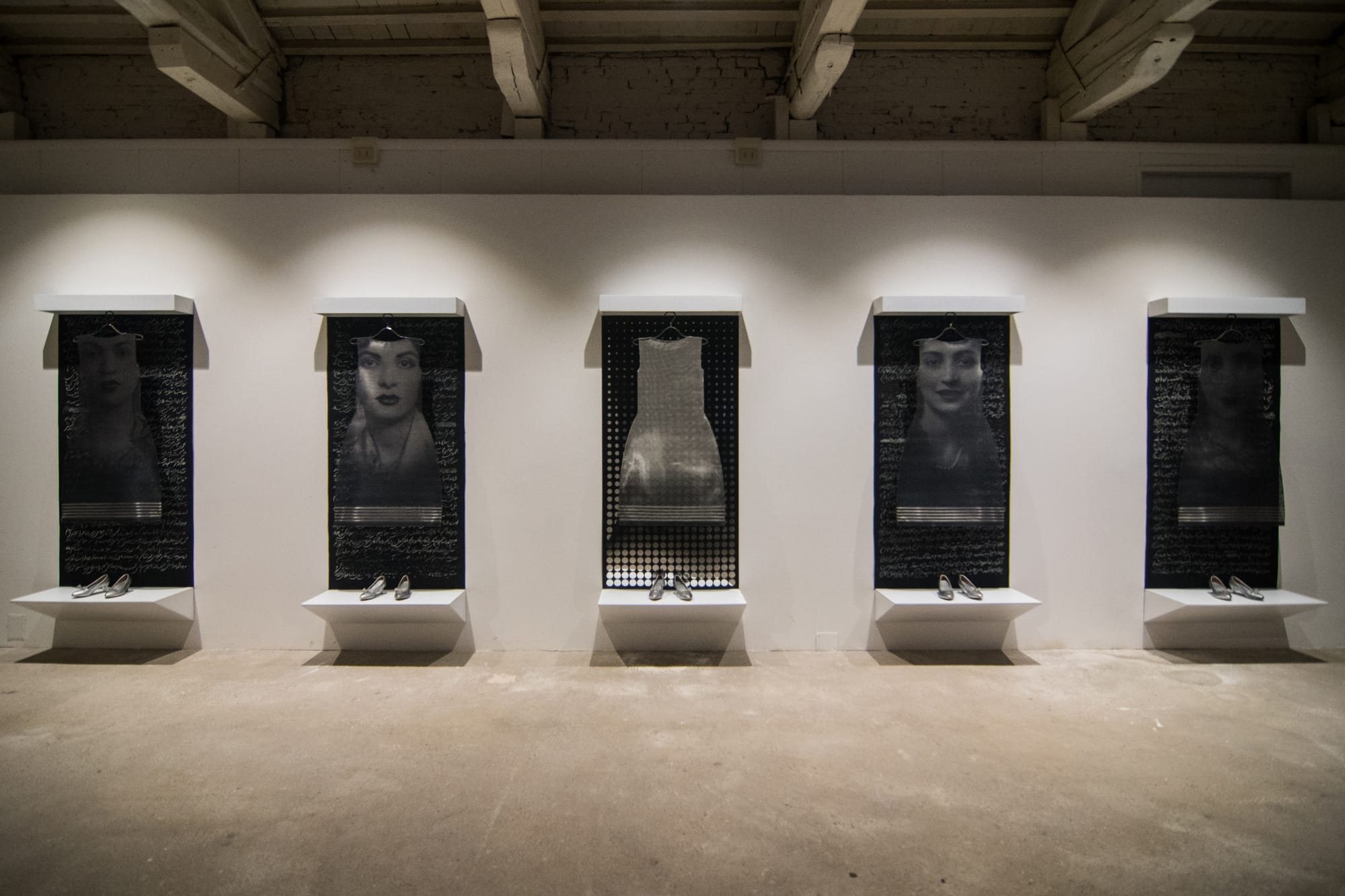
Iran will not participate in the 61st Venice Biennale, which opens for previews this week, the Biennale Foundation announced on May 4. The decision comes two months after the United States and Israel launched strikes across Iran, and amid renewed tensions along the Strait of Hormuz. The Iranian pavilion was to be commissioned by Aydin Mehdizadeh Tehrani, director general of the visual arts office in the Iranian Ministry of Culture. Iran has had inconsistent attendance at the Biennale since 1958, with a long absence between the 1960s and 2003, but has participated semi-consistently over the last two decades, most recently in 2024.

“Double Outsider”: in the London studio of artist Pavel Otdelnov

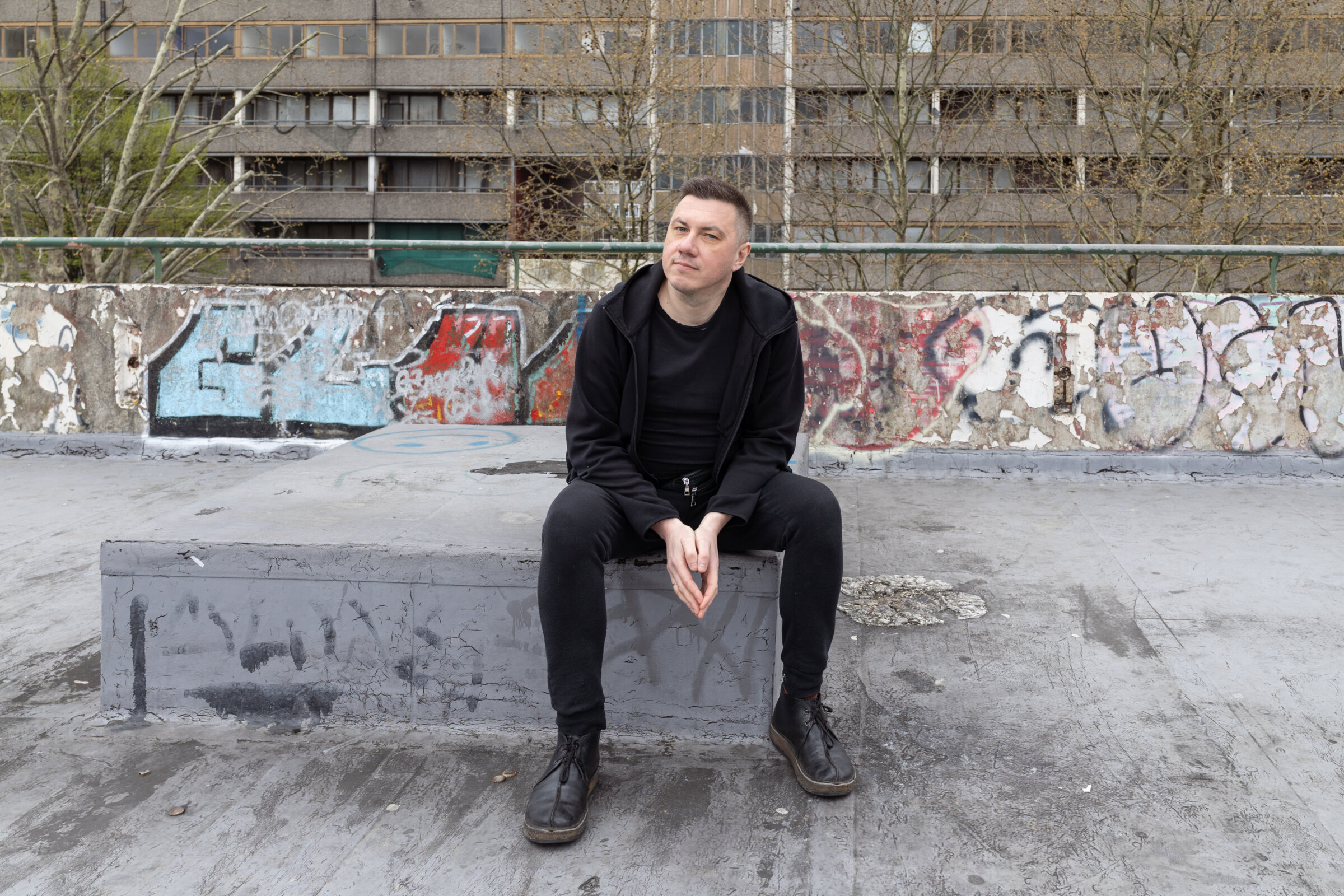
Russian contemporary artist Pavel Otdelnov has established a home studio in London, where his domestic environment serves as an extension of his artistic practice. Following his relocation in 2022, Otdelnov has integrated Soviet-era motifs—such as wall carpets and television color grids—into his English terraced house to explore themes of memory and the 'uncanny.' His recent works, including 'Unheimlich' and 'No Signal,' utilize these familiar objects to critique how nostalgia can be weaponized and how violence often hides within the mundane.

The Craziest Venice Biennale Ever: One Week Before Opening, the Jury Resigns (The Public Will Decide the Lions!)

La Biennale di Venezia più pazza di sempre: a una settimana dall’apertura si dimette la giuria (I Leoni li deciderà il pubblico!)

The entire international jury of the 61st Venice Biennale has resigned en masse just one week before the opening. The jury, chaired by Solange Oliveira Farkas and including Zoe Butt, Elvira Dyangani Ose, Marta Kuzma, and Giovanna Zapperi, had publicly announced they would not consider countries whose leaders are accused of crimes against humanity by the International Criminal Court—effectively excluding Russia and Israel from the Golden Lion competition. This decision came amid ongoing tensions between Italian Culture Minister Alessandro Giuli and Biennale President Pietrangelo Buttafuoco over Russia's participation, as well as controversy surrounding Israel's presence. After a meeting with Buttafuoco, the jury resigned, leaving the Biennale without a key body to award its top prizes.

Cultural workers at Venice Biennale to strike over Israel’s participation

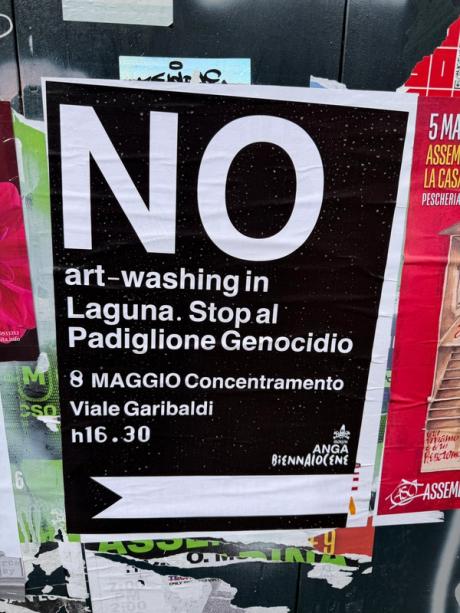
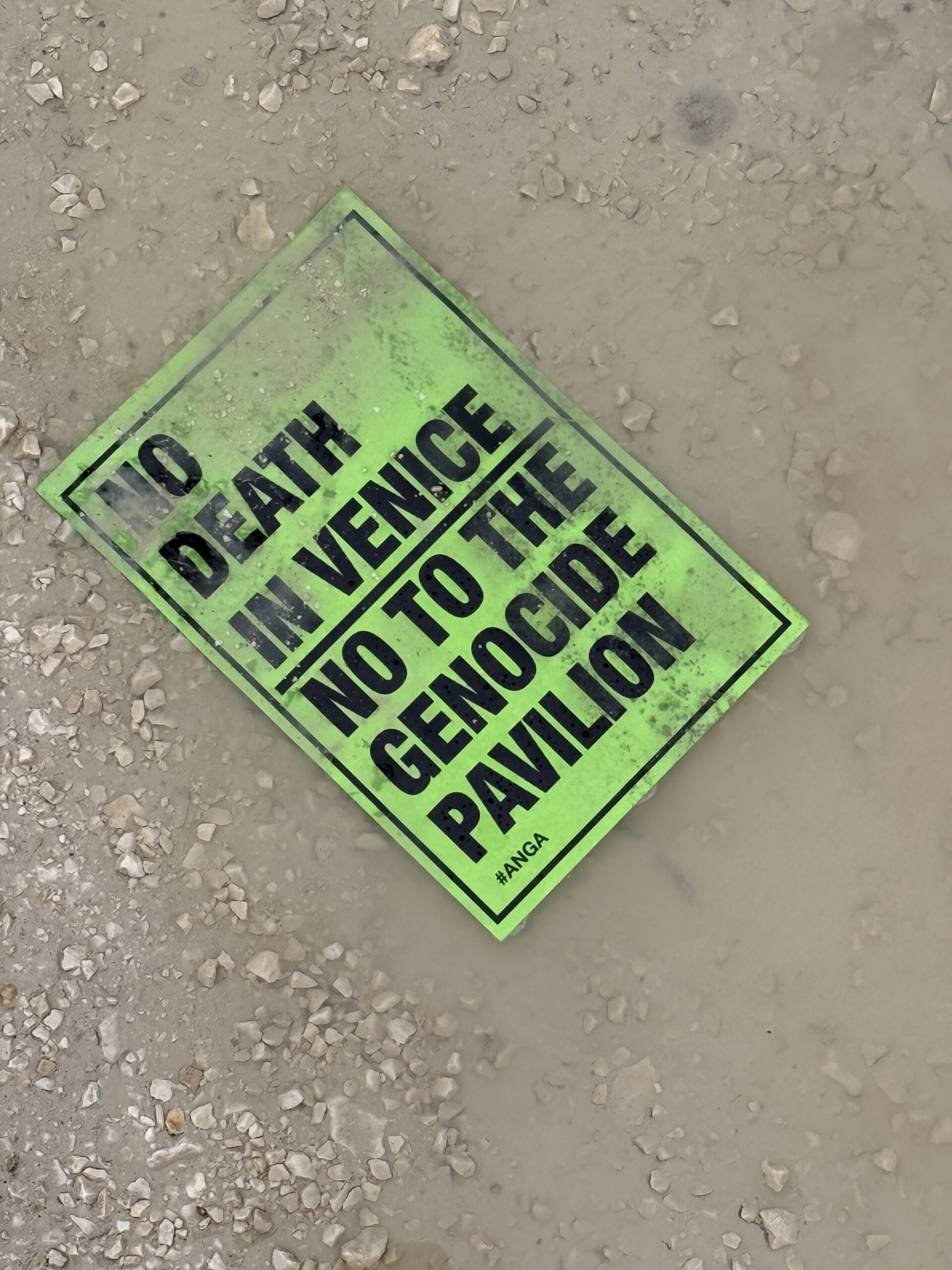
Cultural workers and participants at the Venice Biennale plan to strike on 8 May during the opening week of the 61st edition, protesting Israel’s participation in the event. The strike, organized by the Art Not Genocide Alliance (ANGA) and supported by Italian trade unions, includes a rally near the Arsenale site. ANGA previously sent a letter signed by over 230 artists and curators demanding the cancellation of the Israeli pavilion, citing opposition to "genocide normalisation in culture" and precarious labor conditions. Israel is represented this year by sculptor Belu-Simion Fainaru, who opposes cultural boycotts.

Venice Biennale jury quits amid row over participation of Russia

The entire jury of the Venice Biennale resigned just days before the 61st international art exhibition's opening on May 9, following a dispute over the decision to allow Russia to participate. The five-member panel, led by Solange Farkas and including Zoe Butt, Elvira Dyangani Ose, Marta Kuzma, and Giovanna Zapperi, had previously stated it would not award prizes to artists from countries whose leaders face charges of crimes against humanity, a move seen as targeting Russia and Israel. The Biennale responded by postponing the award ceremony to November 22 and announcing it would give two awards, including one that could go to any national participation, citing its founding principles of openness and rejection of censorship.

The week around the world in 20 pictures

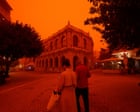
The Guardian's weekly photo feature presents a global visual summary of the past seven days, compiled by leading photojournalists. The selection includes powerful and sometimes distressing images covering major international events, from the ongoing crisis in the Middle East and a Russian drone attack in Kharkiv to a Saharan dust storm in Crete and the launch of NASA's Artemis II mission.

Unesco-protected monastery in Lviv damaged by Russian drone strike

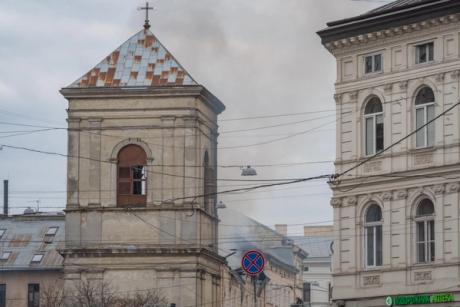
A Russian drone strike on the historic center of Lviv, Ukraine, on March 24 damaged multiple buildings, including the 17th-century Bernardine Monastery, a UNESCO World Heritage site. At least 27 people were injured in the attack, which saw drones hit the area of St. Andrew's Church, part of the monastery complex.

Il fotoreport Andy Rocchelli morto nel Donbass nel 2014 ha un giardino a lui dedicato a Pavia

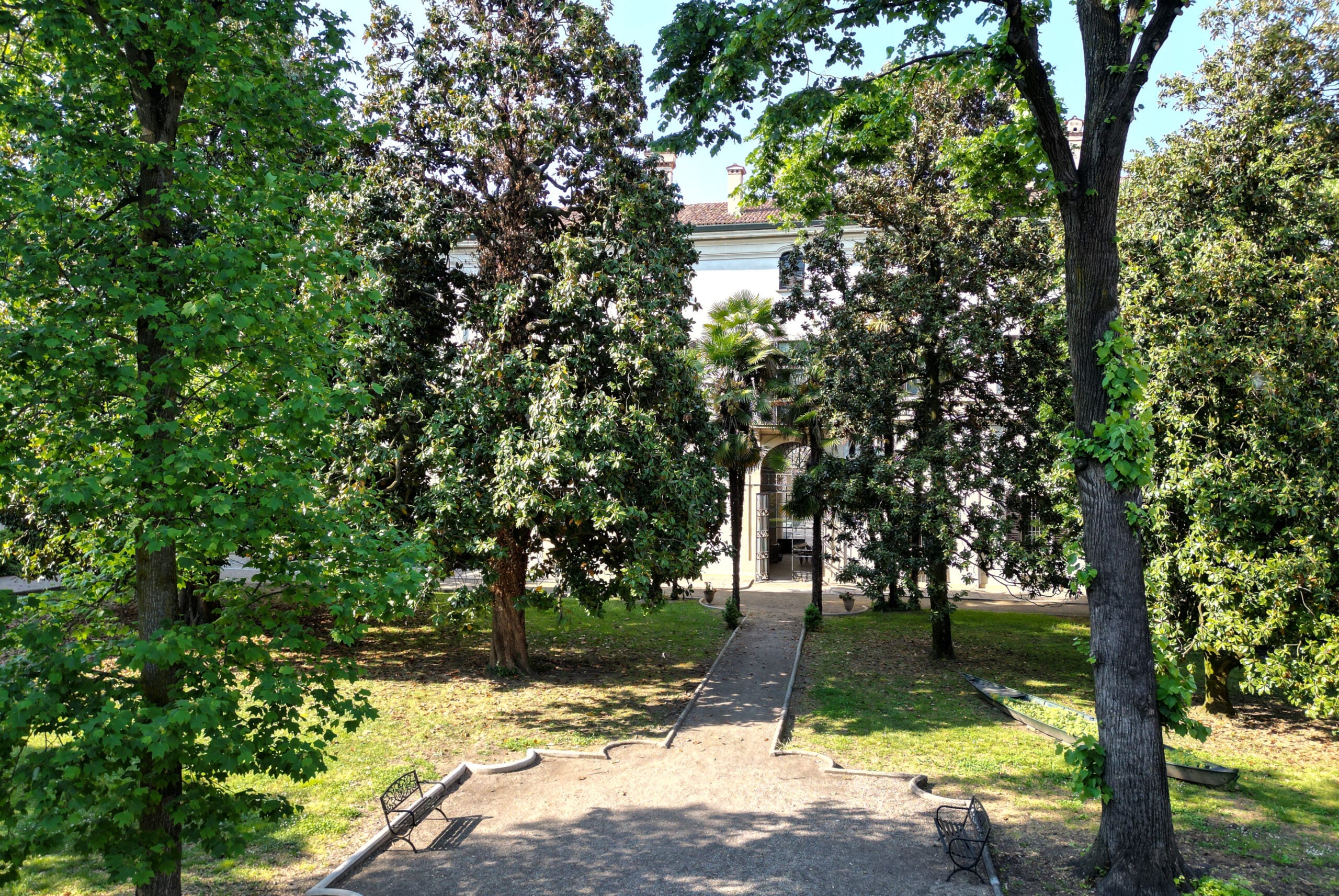
On May 24, the Collegio Ghislieri in Pavia inaugurated the Giardino della Ricerca, a garden dedicated to photojournalist Andy Rocchelli, who was killed in 2014 in the Donbas region of Ukraine alongside human rights activist Andrei Mironov. The garden, opened on the twelfth anniversary of his death, features a commemorative plaque and includes speeches by Gherardo Colombo and Michele Serra, as well as a podcast by Agostino Zappia and Enrico Rotondi. Italian courts have ruled that Rocchelli and Mironov were killed by Ukrainian army fire, but no one has been convicted.

There is an absent pavilion at the 2026 Venice Art Biennale that no one has talked about: Venezuela

C’è un padiglione assente alla Biennale d’Arte di Venezia 2026 di cui nessuno ha parlato: il Venezuela

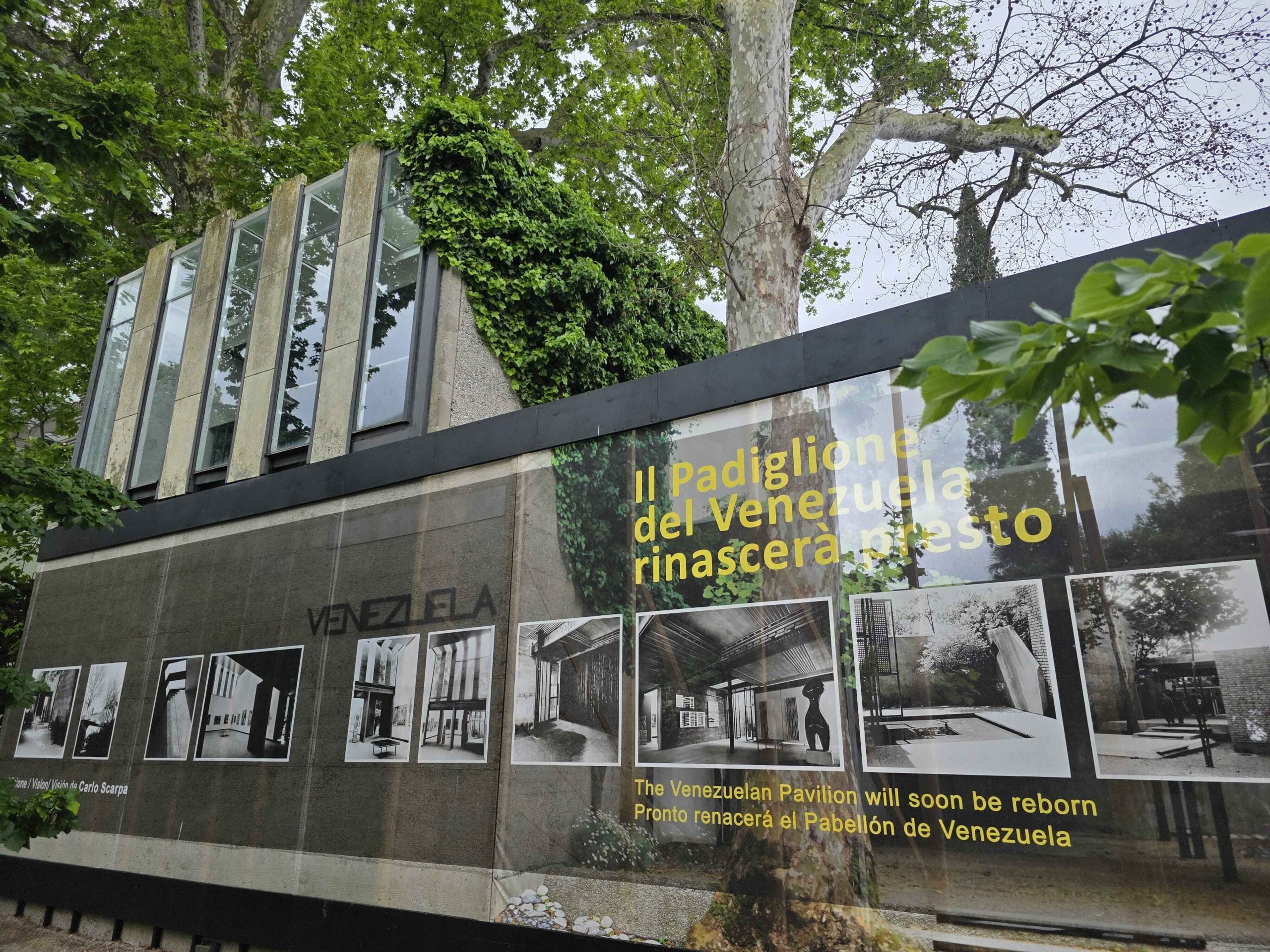
The Venezuelan pavilion at the 2026 Venice Art Biennale remains closed, an absence that has gone largely unnoticed amid other controversies surrounding the Russian, Israeli, South African, and Iranian pavilions. Designed by architect Carlo Scarpa and built between 1953 and 1956, the pavilion now displays a trilingual sign stating it will "rise again soon," reflecting the country's collapse after the kidnapping and imprisonment of President Nicolás Maduro by the United States and the installation of a fragile pro-American interim government.

At the 2026 Venice Biennale, pavilions shut down for pro-Palestine strike. The map of protests

Alla Biennale di Venezia 2026 serrata dei padiglioni per sciopero pro Palestina. La mappa delle proteste

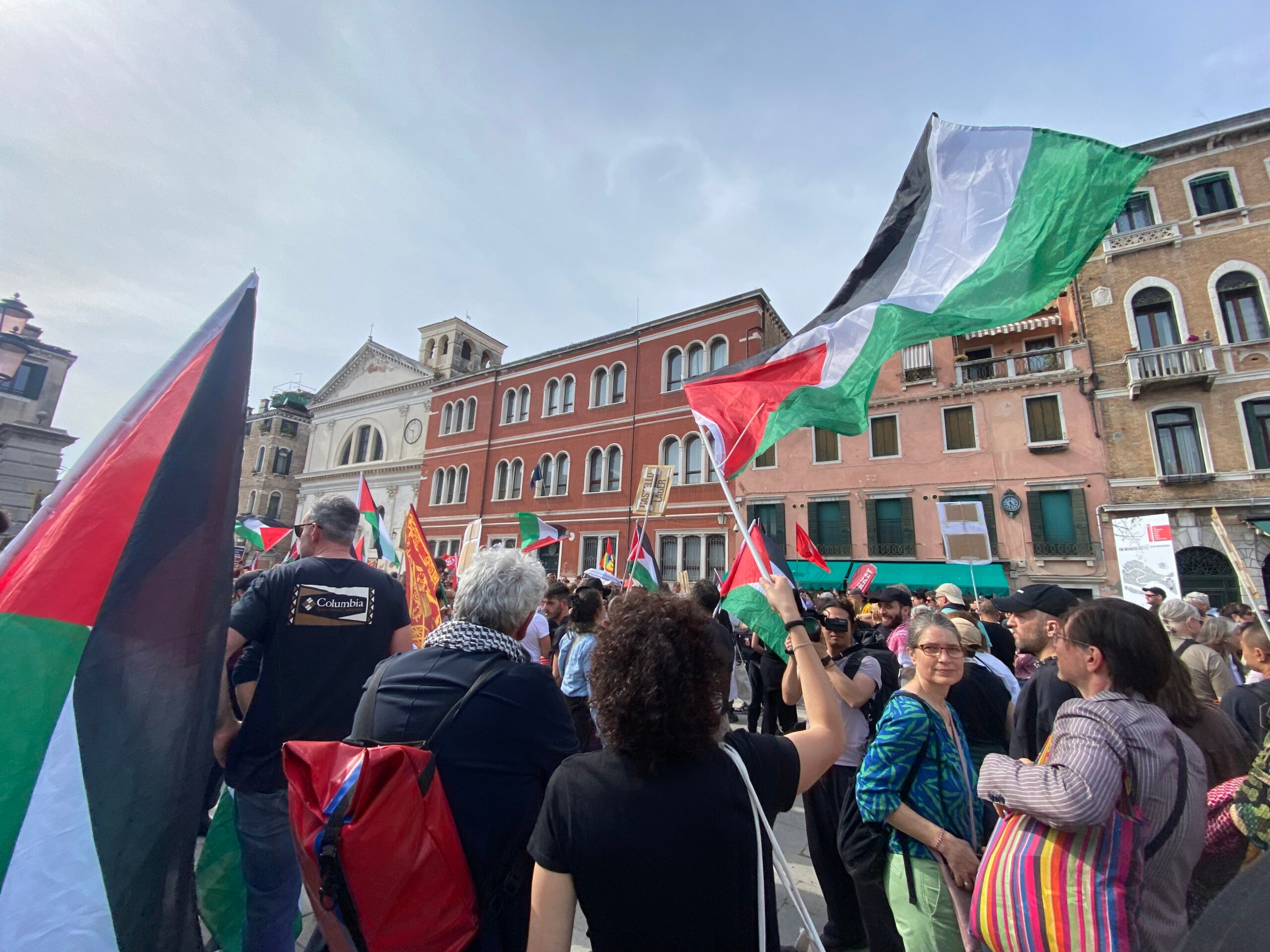
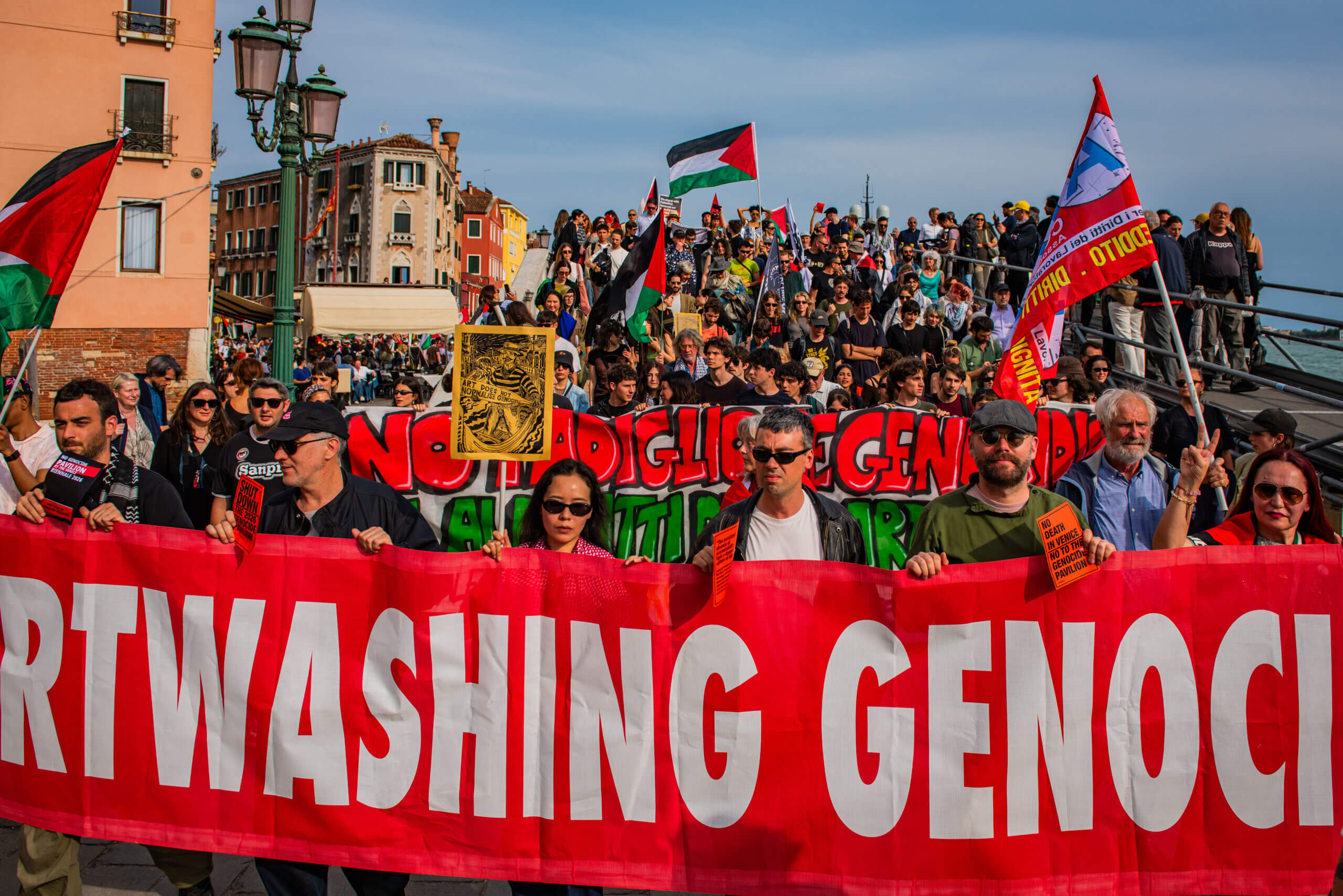
On May 8, 2026, the third VIP preview day of the 61st Venice Biennale, a massive strike shut down numerous national pavilions and disrupted the exhibition. Led by the Art Not Genocide Alliance (Anga), the protest demands Israel's exclusion from the Biennale over allegations of genocide in Palestine, and also targets poor labor conditions in the cultural sector. Pavilions closed one after another due to staff shortages, and protest posters appeared around artworks at the Giardini and Arsenale. The strike involved the Biennale Foundation itself, along with about twenty contractors managing services and national pavilions, with unions Adl Cobas, USB Lavoro privato, and Cub supporting the action. Tensions rose when the UK Pavilion reportedly replaced striking staff to remain open, and the Foundation issued a statement falsely denying that its employees were covered by the strike.

Art and politics: to take a stand or not? Nine artists and curators respond

Arte e politica: bisogna esporsi o no? Rispondono in 9 tra artisti e curatori

Nove tra artisti e curatori italiani rispondono alla domanda se l'arte debba esporsi politicamente, in un articolo pubblicato su Artribune. Marco Trulli, responsabile Cultura Arci e curatore, sostiene che l'arte non possa prescindere dal contesto storico e geopolitico, e che il mondo dell'arte debba mettere in discussione le connessioni tra istituzioni culturali, guerre e violenze sistemiche. Gabi Scardi, curatrice, rifiuta la categoria di 'arte politica' e invita gli artisti ad agire politicamente, citando esempi di padiglioni nazionali alla Biennale di Venezia (Turchia 2017, Israele 2015) come modelli di critica radicale dall'interno. Un altro contributo, legato al progetto 'Francesco 2026' per il Padiglione Internet a Venezia, propone una regola etica: l'arte deve minimizzare il danno alle persone più vulnerabili.

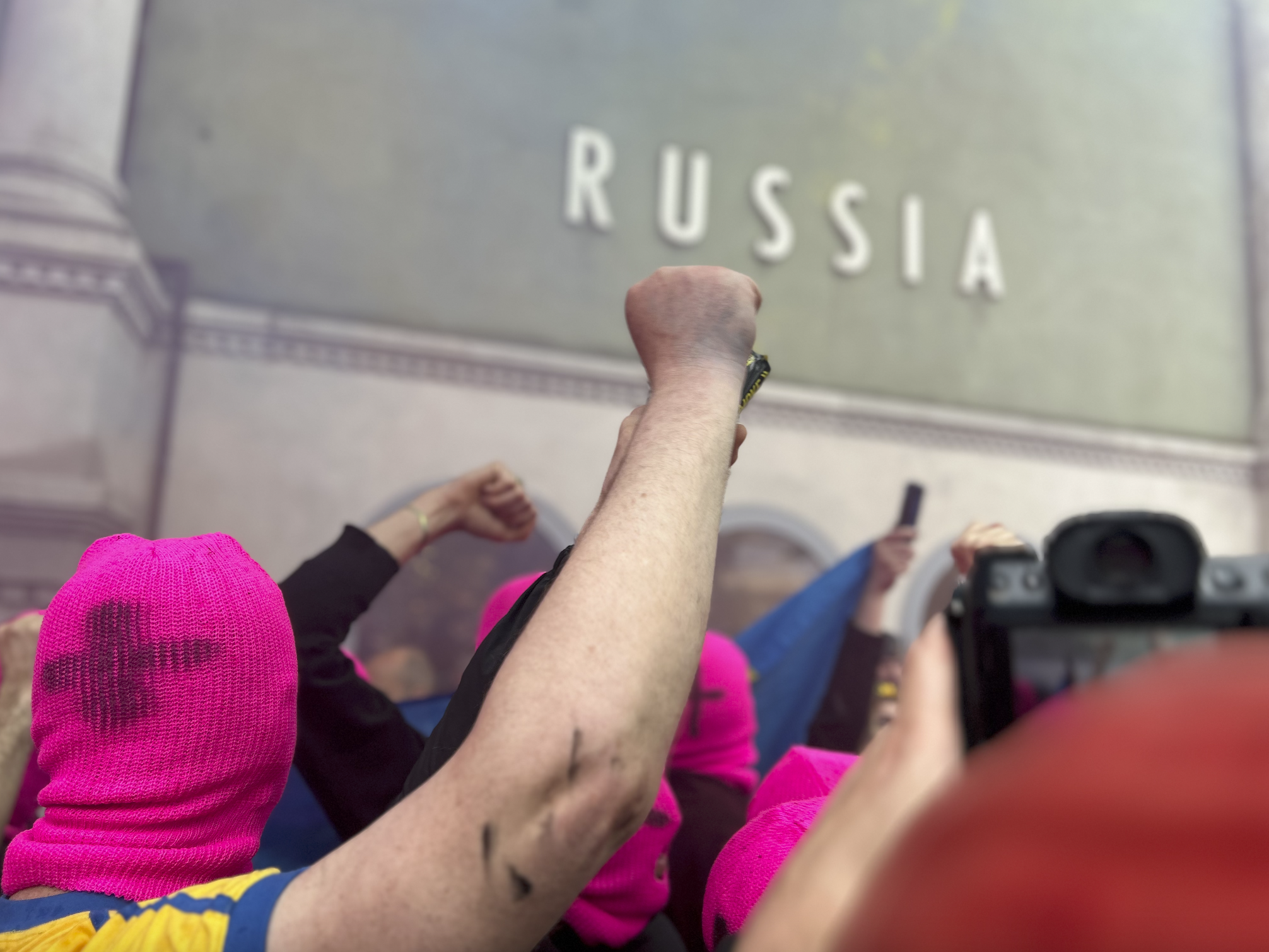
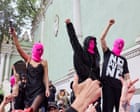
Pussy Riot and FEMEN protest at the Russian Pavilion at the Venice Biennale. "Blood is the true language of Russia"

Le Pussy Riot e le FEMEN in protesta al Padiglione russo alla Biennale di Venezia. “Il sangue è il vero linguaggio della Russia”

On May 6, 2026, during the preview days of the 61st Venice Biennale, Pussy Riot and FEMEN staged a joint protest outside the Russian Pavilion. Led by Nadya Tolokonnikova, the activists denounced Russia's participation in the Biennale as a form of political normalization while the war in Ukraine continues. The action included chants and slogans such as "Russia kills, Biennale exhibits. Blood is Russia's art," and targeted the Russian ambassador present inside the pavilion. The protest was unannounced and caught Biennale security off guard, drawing a crowd of journalists, visitors, and art professionals.

Italian culture minister will not attend opening of Venice Biennale

Italian culture minister Alessandro Giuli has announced he will not attend the opening of the Venice Biennale next week, protesting Russia's involvement in the exhibition. Russia, which has a permanent pavilion in the Giardini, has been absent from the Biennale since 2022 but is returning this year, sparking widespread criticism. The European Union recently cut its €2 million grant to the Biennale following Russia's return, and Golden and Silver Lion jurors have stated they will not consider pavilions from countries whose leaders are charged with crimes against humanity by the International Criminal Court, effectively excluding Russia.

Saving the Street Art of the Bombs: A True Story from Ukraine

Salvare la street art delle bombe: una storia vera dall’Ucraina

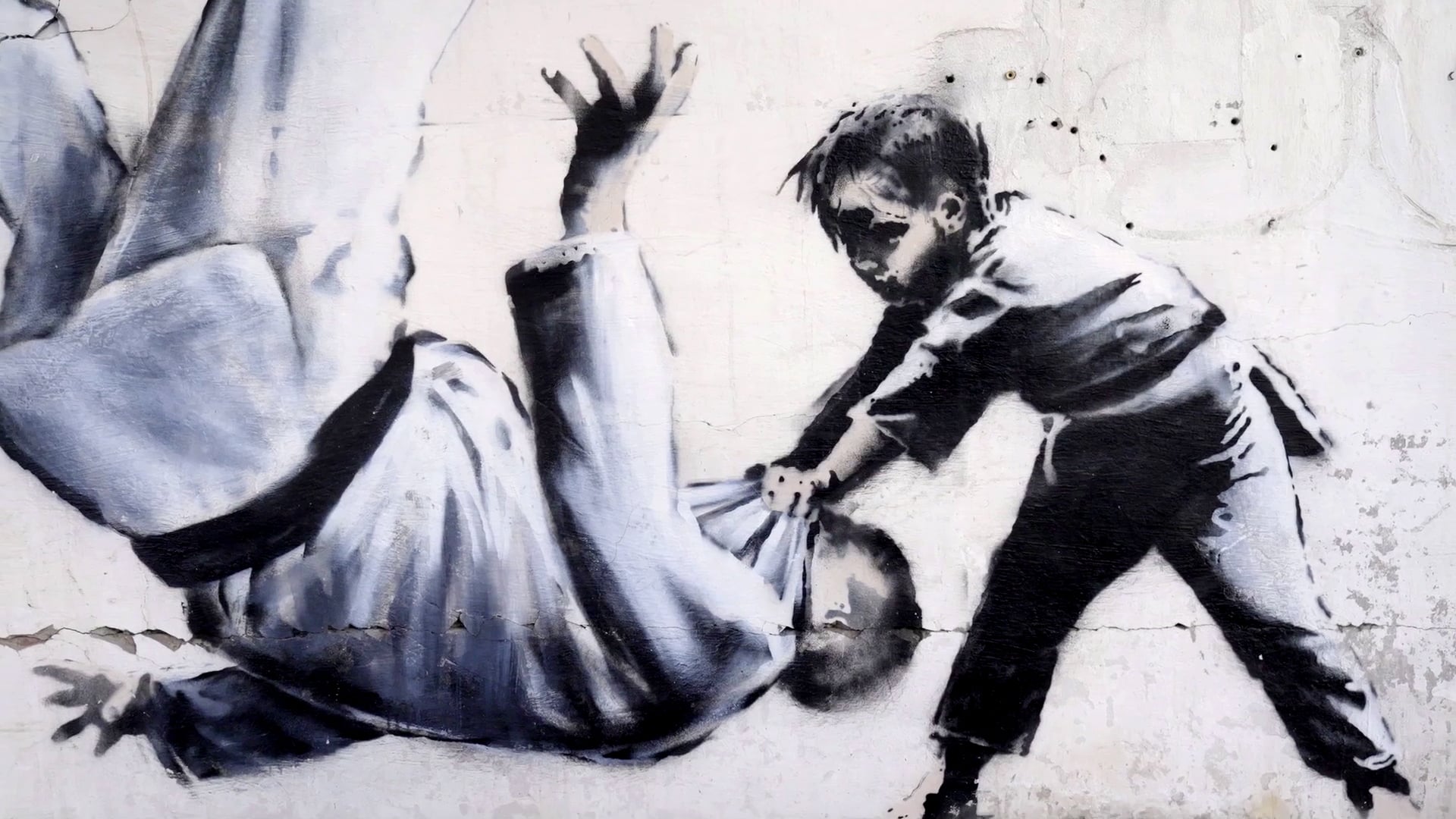
A documentary titled "Arte vs Guerra – Banksy e C215 a Borodyanka, Ucraina" will air on Sky Arte on April 26, recounting how street artists Banksy and C215 created murals in Borodyanka, Ukraine, shortly after the Russian invasion began in February 2022. The works include Banksy's "La Ginnasta" and "Davide e Golia," as well as C215's portraits of war victims like Dmytro Kotsiubaylo. The film also follows three Italian restorers—Paola Ciaccia, Alessandro Cini, and Maria Colonna—who risked their safety to preserve these murals from war damage and landmines.

Near Parma, the Timeless Elegance of Erté is on Display at Labirinto della Masone

Vicino a Parma c’è l’intramontabile eleganza di Erté in mostra al Labirinto della Masone

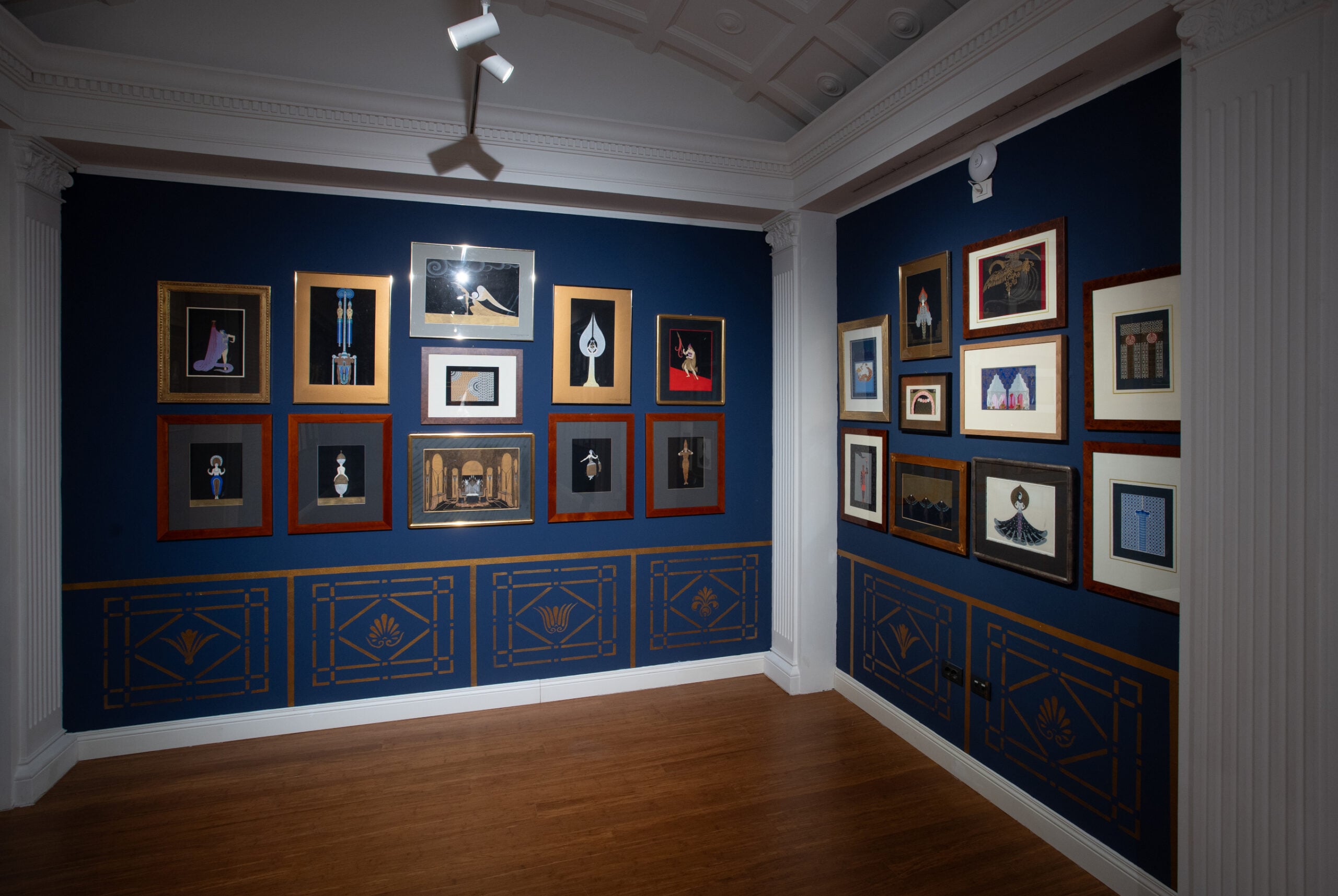
The Labirinto della Masone near Parma is hosting a comprehensive exhibition titled "Erté. Lo stile è tutto," showcasing the work of the Russian-born Art Déco master Romain de Tirtoff, known as Erté. The display features a diverse array of drawings, gouaches, models, and sketches, many of which were originally acquired by the late publisher Franco Maria Ricci. The exhibition traces Erté's journey from his aristocratic Russian roots to his rise in Paris as a collaborator of Paul Poiret and a visionary of theatrical and couture design.

At the Venice Biennale, protests, self-mutilation and rage against Israel and Russia. Is anyone left to talk about the art?

At the 61st Venice Biennale, protests and controversies have overshadowed the art itself. The Art Not Genocide Alliance (ANGA) demonstrated against the inclusion of Israel and Russia, while the Israeli Pavilion became a flashpoint. Artist Belu-Simion Fainaru, presenting his installation "Rose of Nothingness" in a temporary space, complained that he was forced to defend his art's right to exist amid questions about politics rather than his work. The Biennale also saw barricades, strikes, the resignation of the Golden Lion jury, Iran's last-minute withdrawal, and anger directed at the American pavilion over Trump administration policies. The central exhibition, "In Minor Keys," curated by the late Koyo Kouoh, was eclipsed by these events.

Since 1968, Protests Have Revealed the Real Impact of the Venice Biennale

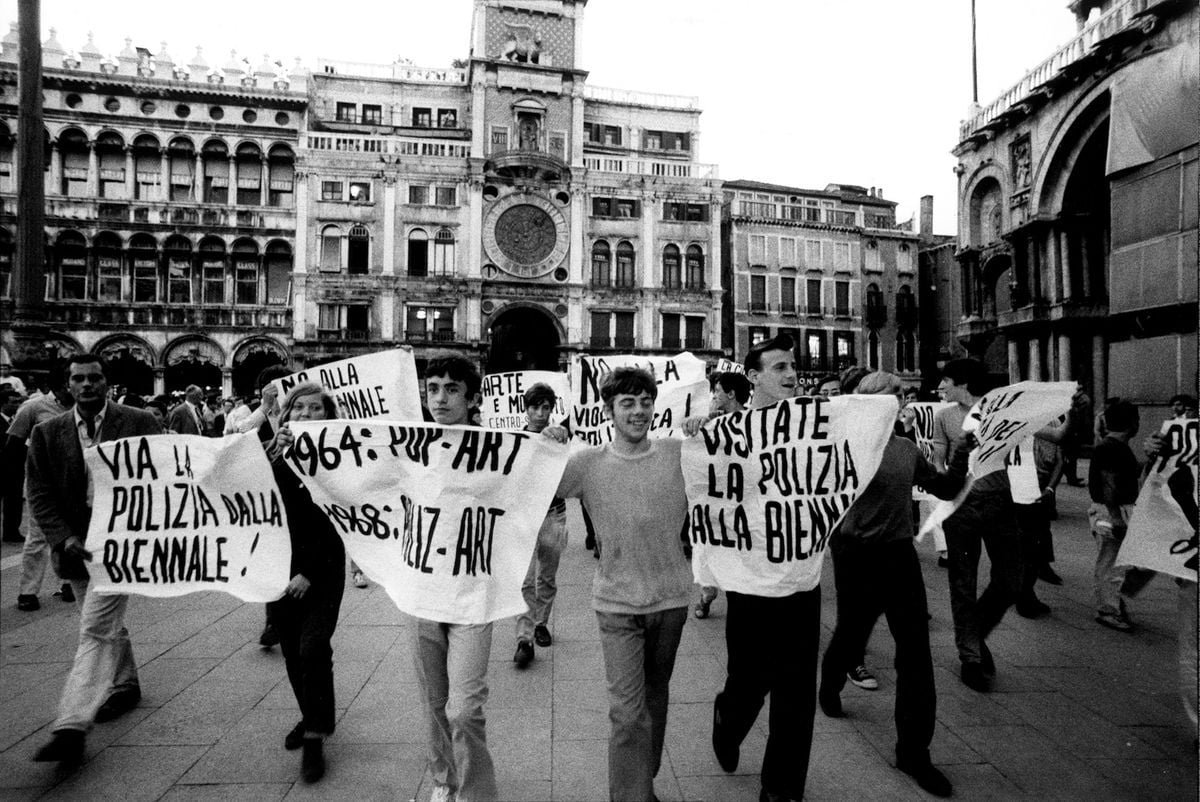
The article recounts the 1968 protests at the Venice Biennale, where artists, students, and activists clashed with police over the event's perceived ties to bourgeois power and capitalist commodification. It draws parallels to the 2024 Biennale, where groups like Art Not Genocide Alliance, Pussy Riot, and Femen demonstrated against the participation of Russia and Israel, while artists staged strikes and performances like the Solidarity Drone Chorus to highlight the Gaza conflict.

‘Africa in the Spotlight’ exhibition in Lisbon

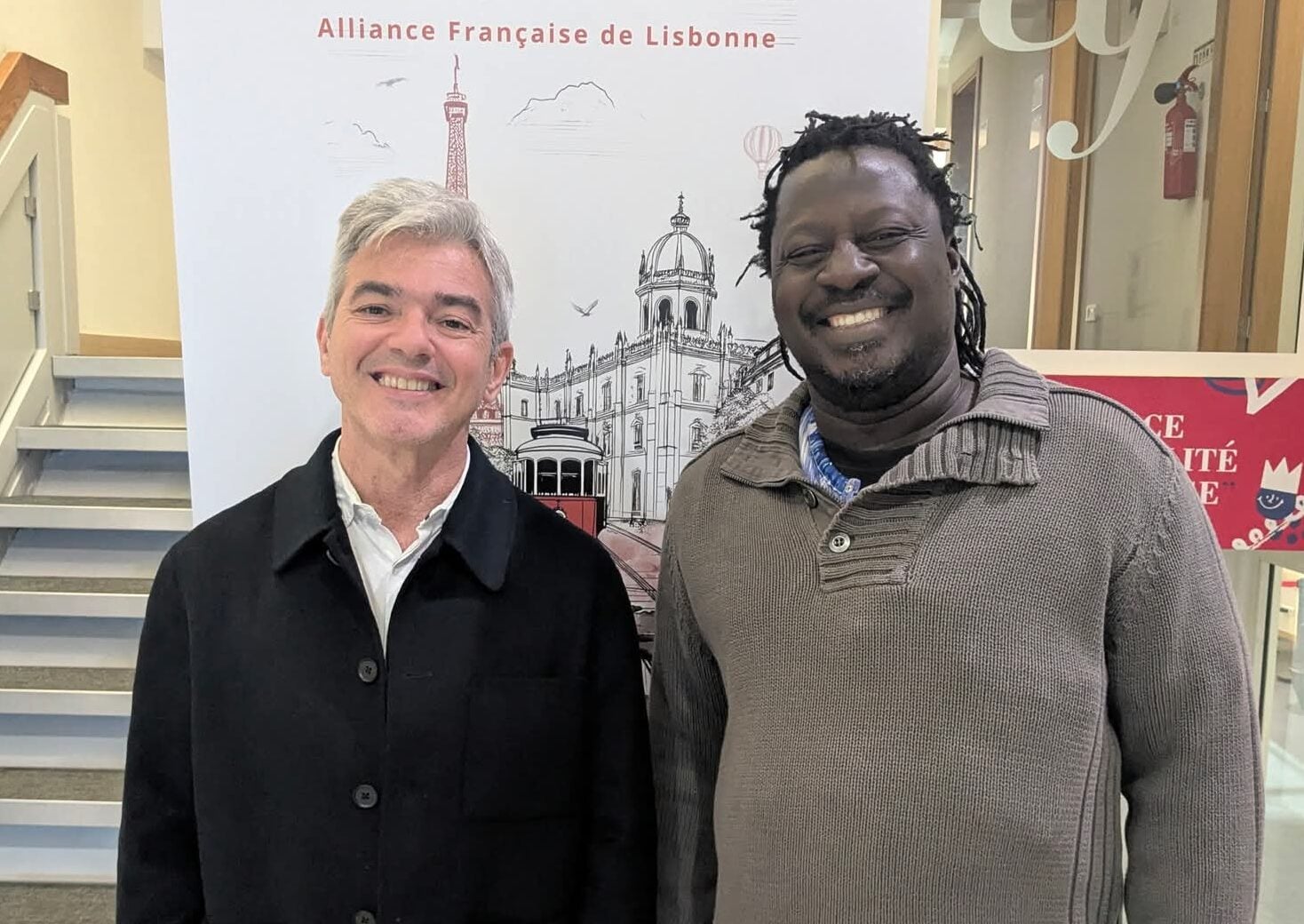
An exhibition titled 'Africa in the Spotlight' has opened at the Lisbon Alliance Française, curated by Tatyana Jolivet. The show features seven contemporary African artists from Burkina Faso, Angola, and São Tomé e Príncipe, including Casimir Bationo (CasziB), SDZabila, Flore Kaboré, and Valdemar Dória. Jolivet, a Russian-born curator based in Lisbon who runs the online Jolie Art Gallery, organized the exhibition to promote cultural diversity and dialogue, highlighting the deep-rooted African presence in Portugal dating back five centuries.

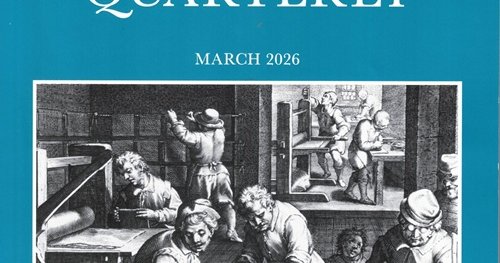
Print Quarterly Volume XLIII - Number 1 - March 2026

The March 2026 issue of the academic journal *Print Quarterly* has been published, featuring a collection of scholarly articles and reviews focused on the history of prints and printmaking. The contents include new research on artists ranging from Hans Burgkmair and Paul Gauguin to Hiroshige and Aubrey Beardsley, along with obituaries for notable scholars and reviews of recent publications and exhibitions.

Venice Biennale Opens Amid Strikes, Protests and Institutional Rupture.

The 61st Venice Biennale opened in May 2026 amid strikes, protests, and political unrest, rather than celebration. Coordinated by Italian labor groups and transnational coalitions, demonstrators targeted the Biennale's decision to allow participation by Israel and Russia during the ongoing wars in Gaza and Ukraine. The Art Not Genocide Alliance (ANGA) led protests against Israel's participation, while Pussy Riot and FEMEN activists staged a protest outside the Russian pavilion. The Israeli pavilion's relocation from the Giardini to the Arsenale added symbolic weight, with critics viewing it as institutional endorsement. The late curator Koyo Kouoh's vision for the exhibition, titled "In Minor Keys," emphasized tenderness and complexity, contrasting with the volatile atmosphere.

Israel’s Artist Reportedly Pressured Venice Biennale Before Jury’s Resignation

Artist Belu-Simion Fainaru, Israel’s representative at the Venice Biennale, reportedly pressured the exhibition’s organizers before the five-person jury abruptly resigned last week. The jury, tasked with selecting Golden Lion winners, had stated it would not consider nations charged with crimes against humanity by the International Criminal Court—applying to Israel and Russia. According to Italian news agency Adnkronos, Fainaru alleged “racial discrimination” and “antisemitism,” threatened to take his claims to the European Court of Human Rights, and the Biennale warned jury members they could be held personally liable for damages. Hyperallergic confirmed the threats of legal action, and a Biennale spokesperson acknowledged the reports were true.

From Eurovision to the Venice Biennale, culture contests are being overshadowed by politics

The Venice Biennale and Eurovision Song Contest are being overshadowed by political controversies rather than artistic merit. At the Venice Biennale, the Russian pavilion opened for press previews for the first time since the Ukraine invasion, a decision that may cost the festival €2m in EU funds. The Israeli pavilion will open despite protests from 200 artists and curators, while the South African pavilion will remain empty after its government blocked an artist's tribute to a Palestinian poet. The Iranian pavilion is also shut, and the awarding jury has resigned en masse, meaning no Golden or Silver Lion awards will be given for the first time in 40 years. Similarly, Eurovision's 70th anniversary is dominated by five countries boycotting over Israel's participation, with little focus on the music.

Iran Abruptly Drops Out of Venice Biennale as US and Israel’s War Continues

Iran has abruptly withdrawn from the 61st Venice Biennale, scheduled for May 9–November 22, 2026, reducing the number of participating nations from 101 to 100. The Biennale confirmed the withdrawal in a statement but did not provide a reason; Iran is now the only country listed without any artist representatives, though Aydin Mahdizadeh Tehrani remains listed as the pavilion's commissioner. The announcement comes as the Biennale opens to press amid ongoing controversy over the participation of Israel and Russia, whose pavilions have drawn protests from artists and politicians.

Italian Culture Minister Launches Inspection of Venice Biennale’s Russian Pavilion

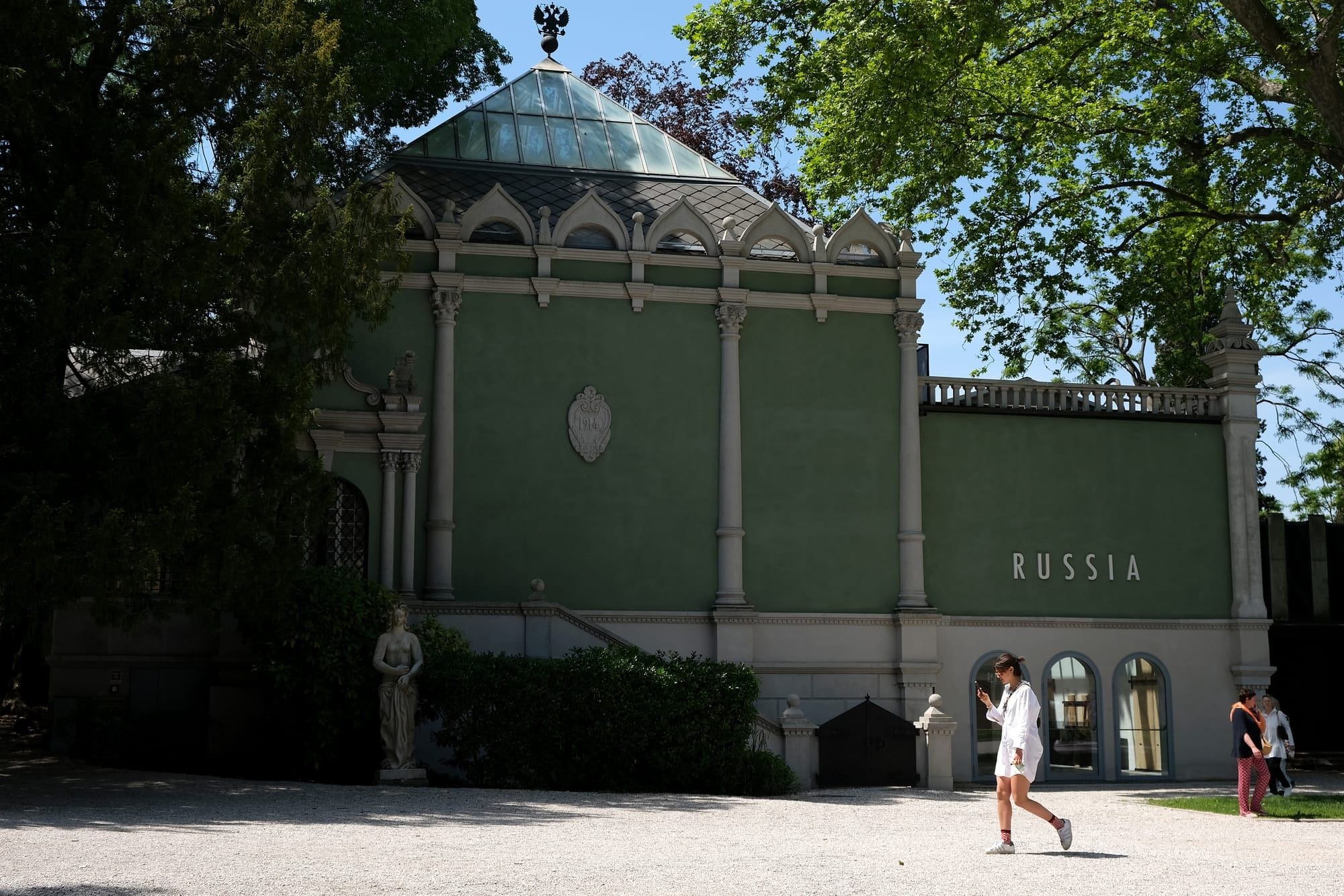
Italian Culture Minister Alessandro Giuli has launched an official inspection of the Russian Pavilion at the 61st Venice Biennale, just days before the exhibition opens. An inspector has been sent to Venice to review all documentation related to Russia's participation, focusing on potential irregularities such as visa issues for Russian artists and delegation members. The investigation follows the Biennale's international jury decision to exclude Russia and Israel from awards due to accusations of crimes against humanity. The Russian Pavilion will be open only during the pre-opening vernissage, after which it will close, with digital documentation displayed in its windows.

A Theatre Group of Exiled Belarusian Artists Arrive in Venice, With an Exhibition That Shows What Repression Feels Like

The Belarus Free Theatre, an exiled underground theater group, will stage its first official collateral exhibition at the 61st Venice Biennale, titled “Official. Unofficial. Belarus.” The show, held in the historic La Chiesa di San Giovanni Evangelista di Venezia, features site-specific paintings, a sound installation, and large-scale sculptures that aim to immerse visitors in the experience of repression under authoritarian rule. This marks only the fifth time Belarus has been present at the Biennale, and the first time it appears not as a state but as a self-governing cultural body, challenging the official narratives of nations like Russia.

Row Over Russia’s Return to the Venice Biennale Deepens

Newly leaked emails reveal that the Venice Biennale has been secretly coordinating with Russia since last summer to facilitate its return to the 2025 edition, despite ongoing international sanctions. The correspondence, published by Italian outlets Open and La Repubblica, shows Biennale president Pietrangelo Buttafuoco, director Andrea Del Mercato, and Russian commissioner Anastasia Karneeva working together on visa issues, pavilion logistics, and a legal strategy to bypass E.U. sanctions prohibiting collaboration with state-backed Russian entities. Russia's pavilion will be open during preview days with performers activating the space, while footage will play for the public from a closed pavilion thereafter.

Russia's Venice Pavilion to Close to the Public in Compliance With Sanctions

Russia will return to the 61st Venice Biennale with its national pavilion, but the exhibition will only be physically open to the press and select guests during the vernissage dates of May 5–8. From May 9 onward, the pavilion will remain closed to the public, with multimedia documentation of performances displayed on screens at the windows. The arrangement follows leaked emails among Biennale Foundation President Pietrangelo Buttafuoco, General Director Andrea Del Mercato, and Russian Pavilion Commissioner Anastasia Karneeva, revealing efforts to comply with EU sanctions while still allowing Russia's participation after two consecutive absences since its invasion of Ukraine.