filter_list Showing 2461 results for "DIS" close Clear
search
dashboard All 2461 museum exhibitions 1354article local 356article news 231article culture 177trending_up market 94rate_review review 66person people 65article policy 45candle obituary 37gavel restitution 34article gallery 1article event 1
date_range Range Today This Week This Month All
Subscribe

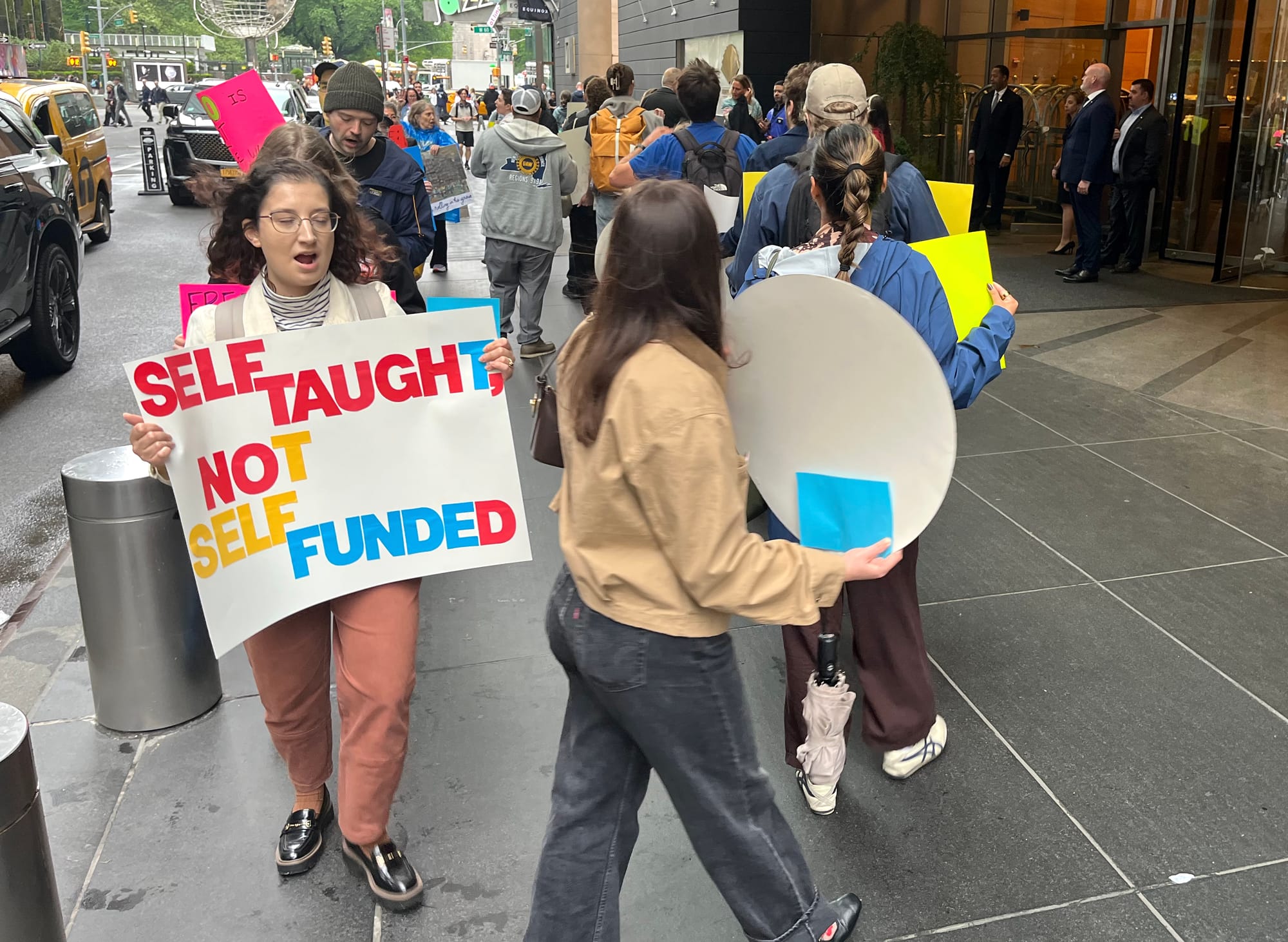
American Folk Art Museum Workers Picket Gala, Calling for Higher Wages

Workers at the American Folk Art Museum in New York City, represented by UAW Local 2110, picketed the museum's annual gala at the Mandarin Oriental in Manhattan on May 6, 2026. They demanded higher wages and better benefits after contract negotiations stalled for nearly two years. Frontline workers earn $19 per hour, about $12,000 below the city's living wage, while the museum's CEO Jason Busch earned $321,882 in 2024. The union requested a three-year contract raising wages to $30 per hour, but management offered only $21.50 and refused to guarantee existing benefits, leading to the protest.
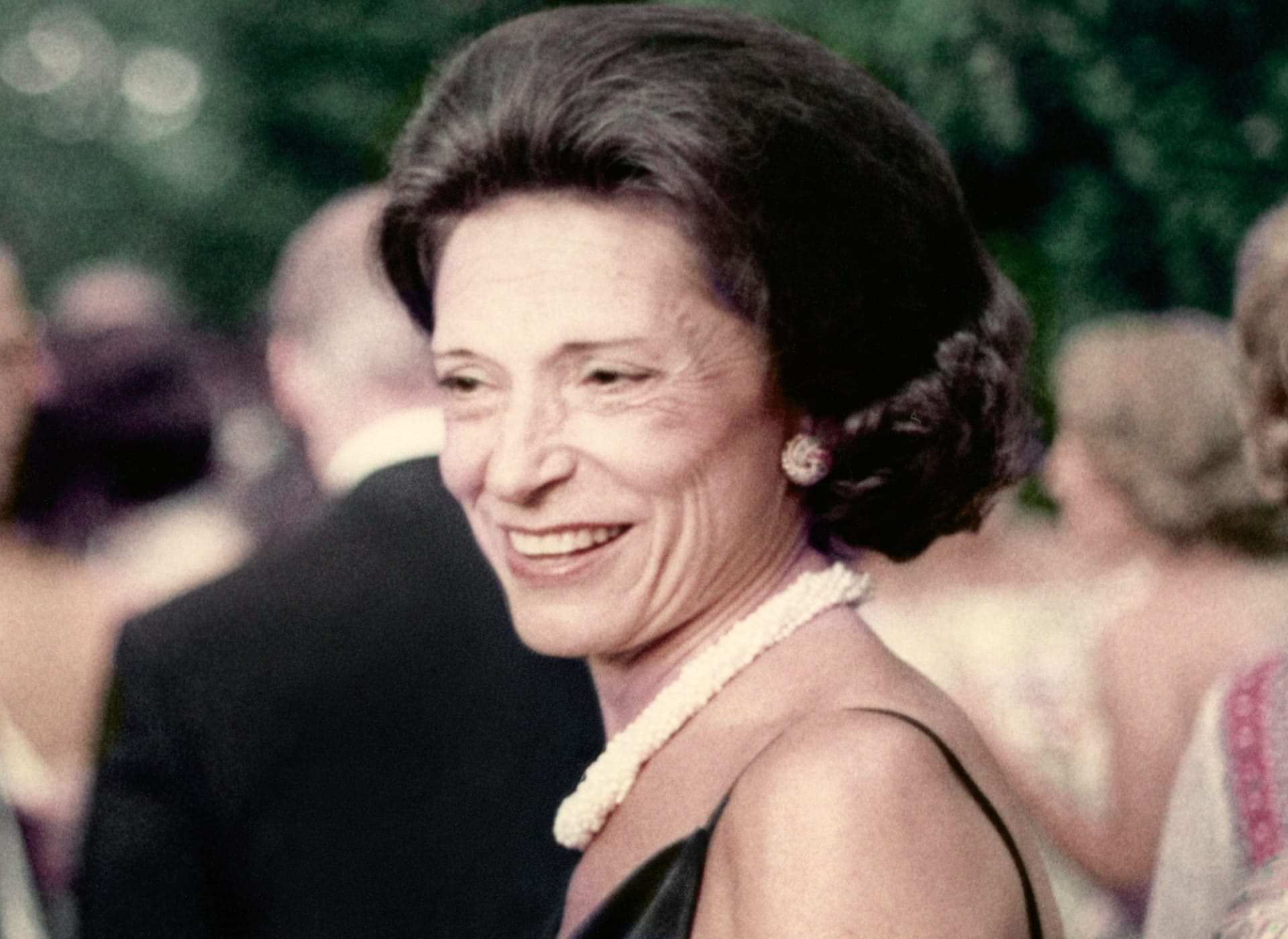
Remembering Georg Baselitz, Nicole Hollander, and Doris Fisher

Hyperallergic's weekly 'In Memoriam' column honors seven figures from the art world who recently passed away, including German Neo-Expressionist painter Georg Baselitz, feminist cartoonist Nicole Hollander, and arts patron Doris F. Fisher, co-founder of The Gap. Other notable figures remembered are photographer Stephanie Chernikowski, West Coast assemblage artist George Herms, Spanish artist and designer José María Cruz Novillo, and Bay Area muralist Dan Fontes. The article provides brief biographies and highlights of their contributions to visual art, photography, comics, and public art.

The Carnegie International Looks Back at Itself

The 58th Carnegie International at the Carnegie Museum of Art in Pittsburgh looks back at its own 130-year history, featuring a gallery dedicated to past iterations. The exhibition includes Chris Ofili's "The Adoration of Captain Shit and the Legend of the Black Stars" (1998), which was originally shown in the 53rd International in 1999, the same year Ofili's more notorious "The Holy Virgin Mary" sparked controversy at the Brooklyn Museum. The article reviews how the current iteration captures the excitement of earlier exhibitions while providing commentary on authoritarianism and militarism.

The Enigma of Alison Knowles

Lauren Moya Ford reviews the only book dedicated to Fluxus artist Alison Knowles, who died six months ago. The book, "Performing Chance: The Art of Alison Knowles In/Out of Fluxus" by Nicole L. Woods (2026), attempts to illuminate Knowles's life and work, but Ford notes that much of her personal life remains mysterious despite the author's efforts. The article is part of a broader books newsletter that also features new tomes on Hans Holbein’s portraits, Jan Staller’s photographs of Manhattan construction sites, and a discussion of a Black Panther family album at the Studio Museum in Harlem.

Opportunities in May 2026

Hyperallergic's May 2026 Opportunities Listings compile residencies, fellowships, grants, and open calls for artists, writers, and art workers. Featured opportunities include the Center for Craft's Craft Archive Fellowship, the Oak Spring Garden Foundation's Fellowship for Distinction in Fine Crafts and Design, the Provincetown Art Association and Museum's Robert Motherwell & Renate Ponsold Fellowship, the Bennett Prize for women figurative realist painters, the Pine Meadow Ranch Center for Arts & Agriculture residency, the Wassaic Project's Haunted Barn Open Call, the Jonathan and Barbara Silver Foundation's Grant for Writing on Sculpture, the Academy of American Poets' James Laughlin Award, and VIA Art Fund's Artistic Production Grants.

Tania Bruguera on Why Today’s Art Must Be Political

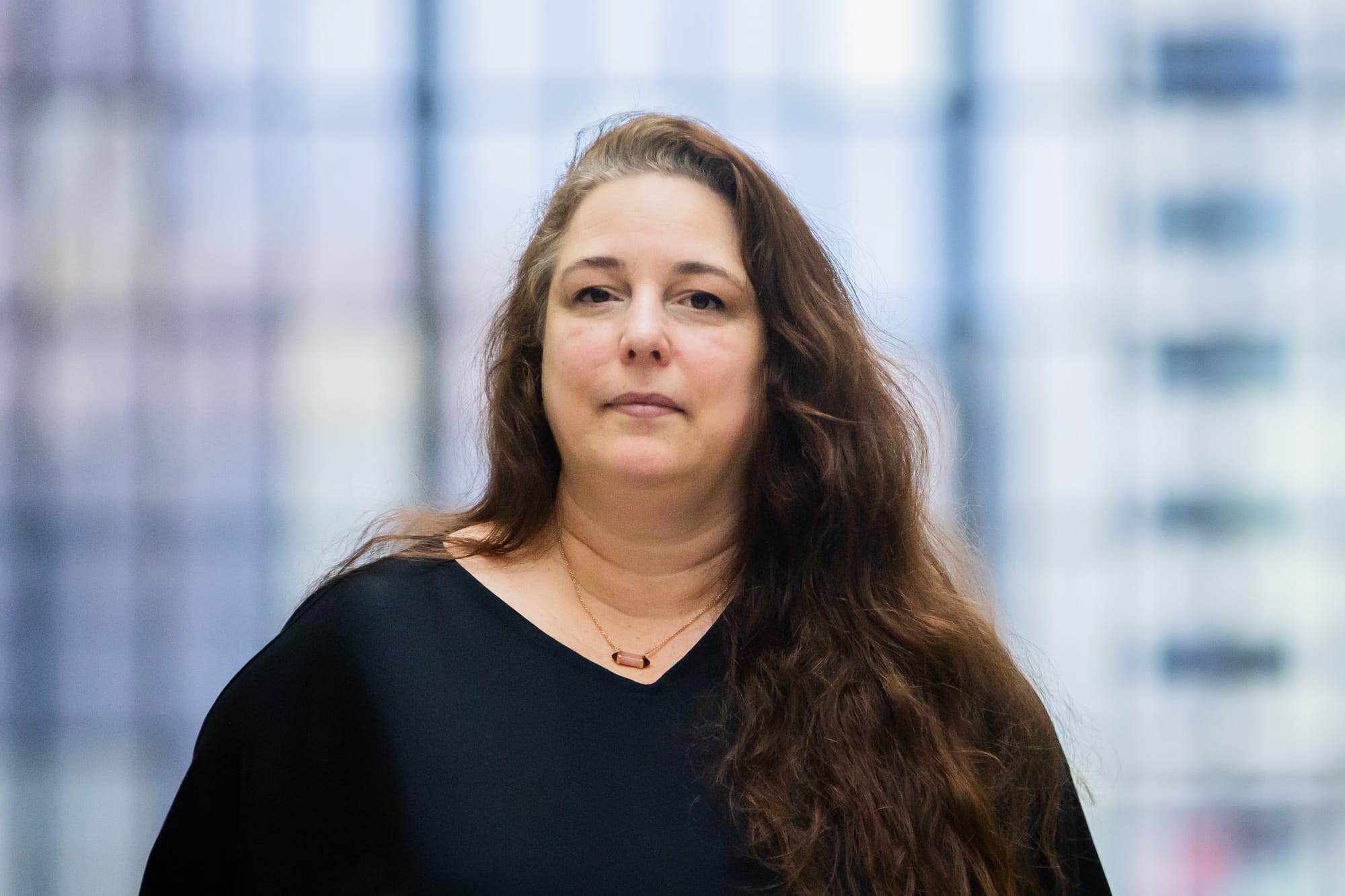
Cuban artist and activist Tania Bruguera will stage her performance "Tatlin’s Whisper #6" in Times Square on May 1, International Workers' Day. Originally created for the 2009 Havana Biennial, the work invites participants to speak freely on a platform for one minute, highlighting the conditional nature of free expression under authoritarian rule. Bruguera discusses the performance's relevance amid rising authoritarianism in both Cuba and the United States, noting that when she attempted to restage the work in Havana, she and other participants were arrested.

Édouard Glissant’s Museum-as-Archipelago

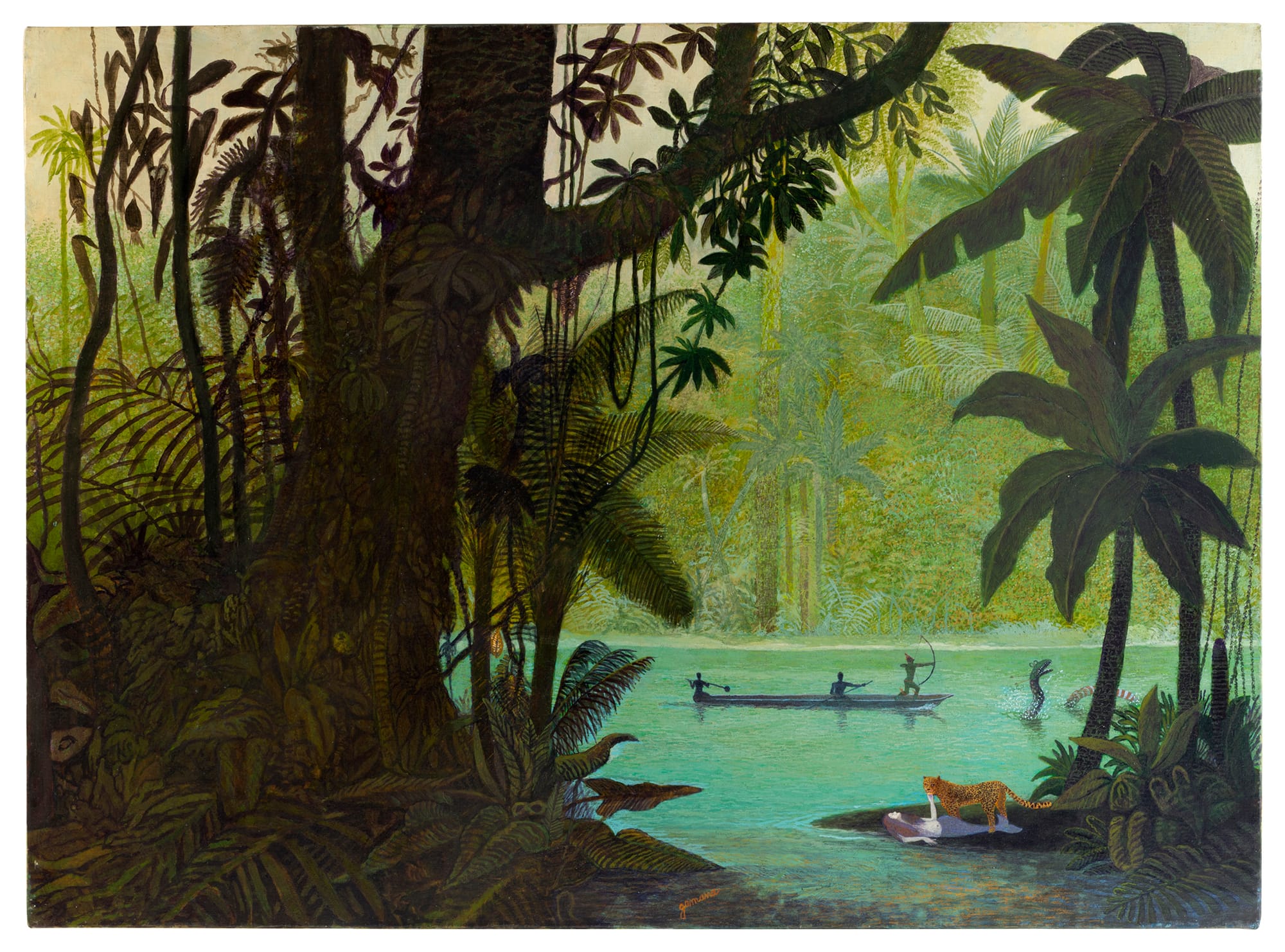
The article reviews the exhibition "The Earth, the Fire, the Water, and the Winds: For a Museum of Errantry with Édouard Glissant" at the Center for Art, Research and Alliances (CARA) in New York, the first U.S. showing of works from the personal collection of Martinician philosopher and writer Édouard Glissant. Curated from his archive, the exhibition features artists such as Roberto Matta, Wifredo Lam, Etel Adnan, Irving Petlin, Antonio Seguí, Öyvind Fahlström, Jack Whitten, and Mel Edwards, reflecting Glissant's friendships and intellectual exchanges across Europe, Africa, and the Americas. Highlights include Antonio Seguí's large pastel works from his Titanic series.

Reclaiming the Self-Taught Artist’s Creative Identity

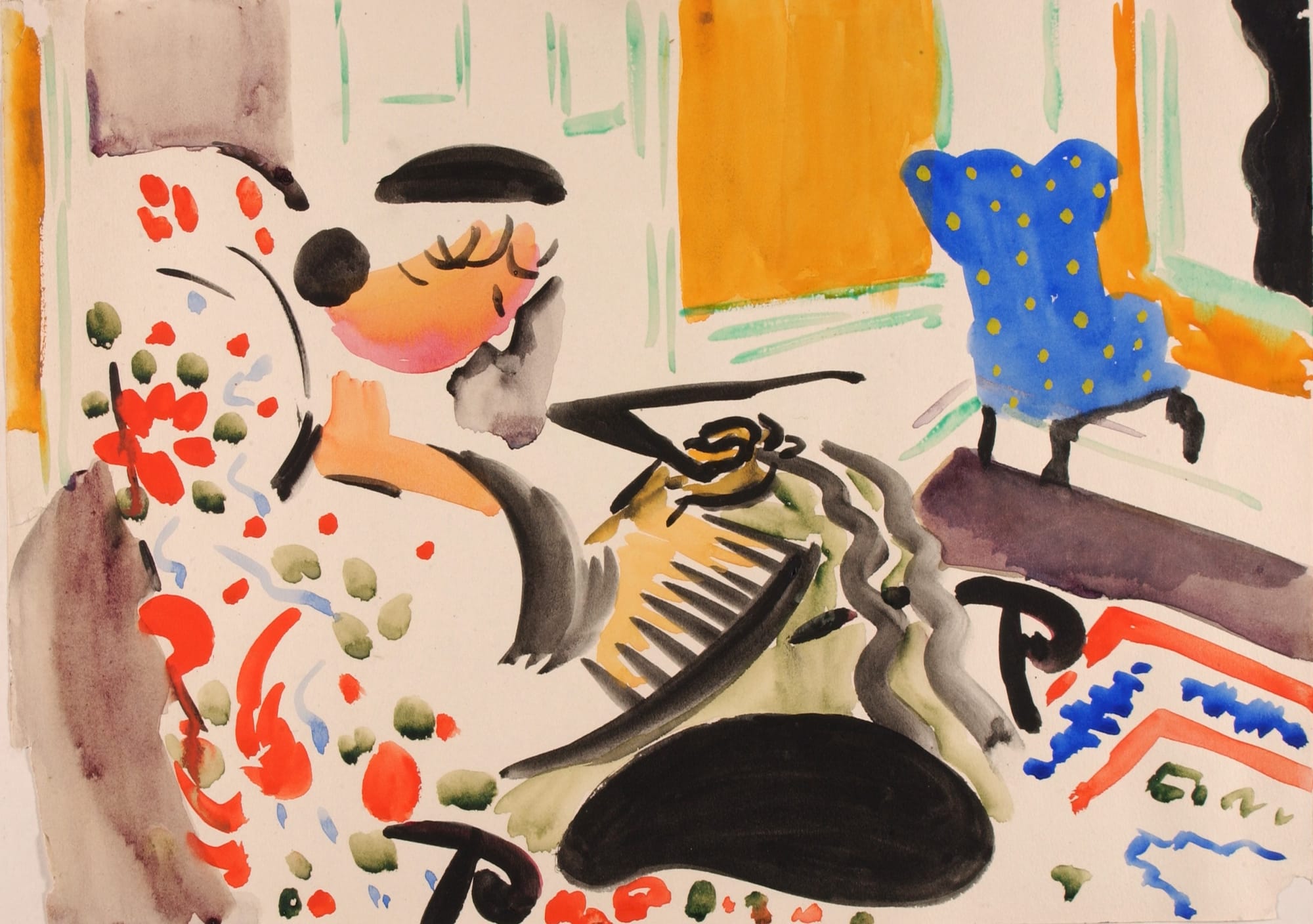
The American Folk Art Museum (AFAM) in New York will present "Self-Made: A Century of Inventing Artists" this spring, a major exhibition examining the historical definition of the "self-taught artist" through authorship, agency, and self-representation. Featuring over 90 works spanning the early 20th century to today, the show is organized around three strategies—self-portraiture, alter egos, and autobiography—and includes pieces by Henry Darger, Clémentine Hunter, Martín Ramírez, Aloïse Corbaz, Adolf Wölfli, Nicole Appel, Susan Janow, and Joe Coleman, many on view for the first time.

The Revolutionary Tapestry of Nigerian Modernism

The exhibition "Nigerian Modernism" at Tate Modern in London is the first show of its kind in the UK, surveying how Nigerian artists forged a postcolonial identity across the 20th century. It features works by pioneers such as Aina Onabolu, Benedict Enwonwu, and members of the radical Zaria Art Society, including Uche Okeke, Jimo Akolo, and Clara Etso Ugbodaga-Ngu, highlighting their break from British artistic traditions and embrace of local visual heritage.

Vincenzo Trione's new book aims to redefine the concept of the avant-garde (reviews by his students)

Il nuovo libro di Vincenzo Trione vuole ridefinire il concetto di avanguardia (le recensioni dei suoi allievi)

On March 9, 2026, at IULM University in Milan, Vincenzo Trione presented his new book *Rifare il mondo. Le età dell’avanguardia* (Einaudi, 2025). The event was part of the cultural program *Leonardo alla IULM*, which also featured pages from the Codex Atlanticus on loan from the Biblioteca Ambrosiana. Trione, a professor at IULM, discussed the book with four of his students: Anna Luigia De Simone, Vincenzo Di Rosa, Anna Calise, and Alessia Scaparra Seneca. The talk, titled "Nessuna parola caratterizza l’arte contemporanea più di avanguardia," explored the concept of the avant-garde, its historical legacy, and its contemporary reactivation through movements, manifestos, collectives, and cultural phenomena.

Roses and Thorns of Greater New York

The article is a digest of recent art news, with a primary focus on critical reviews of the 2026 "Greater New York" exhibition at MoMA PS1. Hyperallergic's editorial team provides mixed assessments of the works in the massive quinquennial survey of local artists. The piece also covers American-French sculptor Barbara Chase-Riboud's decision to decline an invitation to represent the United States at the 61st Venice Biennale, citing the problematic nature of the pavilion's commissioning entity.

A Blockbuster Take on Ovid’s “Metamorphosis”

The Rijksmuseum in Amsterdam has opened a major exhibition titled 'Metamorphoses,' inspired by Ovid's poem. The show brings together Renaissance masterpieces, antiquities, and contemporary works, grouping them by the myths they depict to explore themes of transformation, desire, and gender through striking visual juxtapositions.

‘Her crotchless trousers are etched in my brain for ever’: Valie Export remembered by the artists she influenced

Valie Export, the pioneering Austrian feminist artist known for provocative performances like *Tapp-und-Tastkino* (1968) and *Genital Panic* (1969), is remembered by four artists she influenced: Peaches, Florentina Holzinger, Joan Jonas, and Candice Breitz. Each shares personal reflections on Export's radical use of the female body as a political weapon, her confrontational public interventions, and her legacy of civil disobedience against patriarchal structures.

Künstler Harald Metzkes ist tot

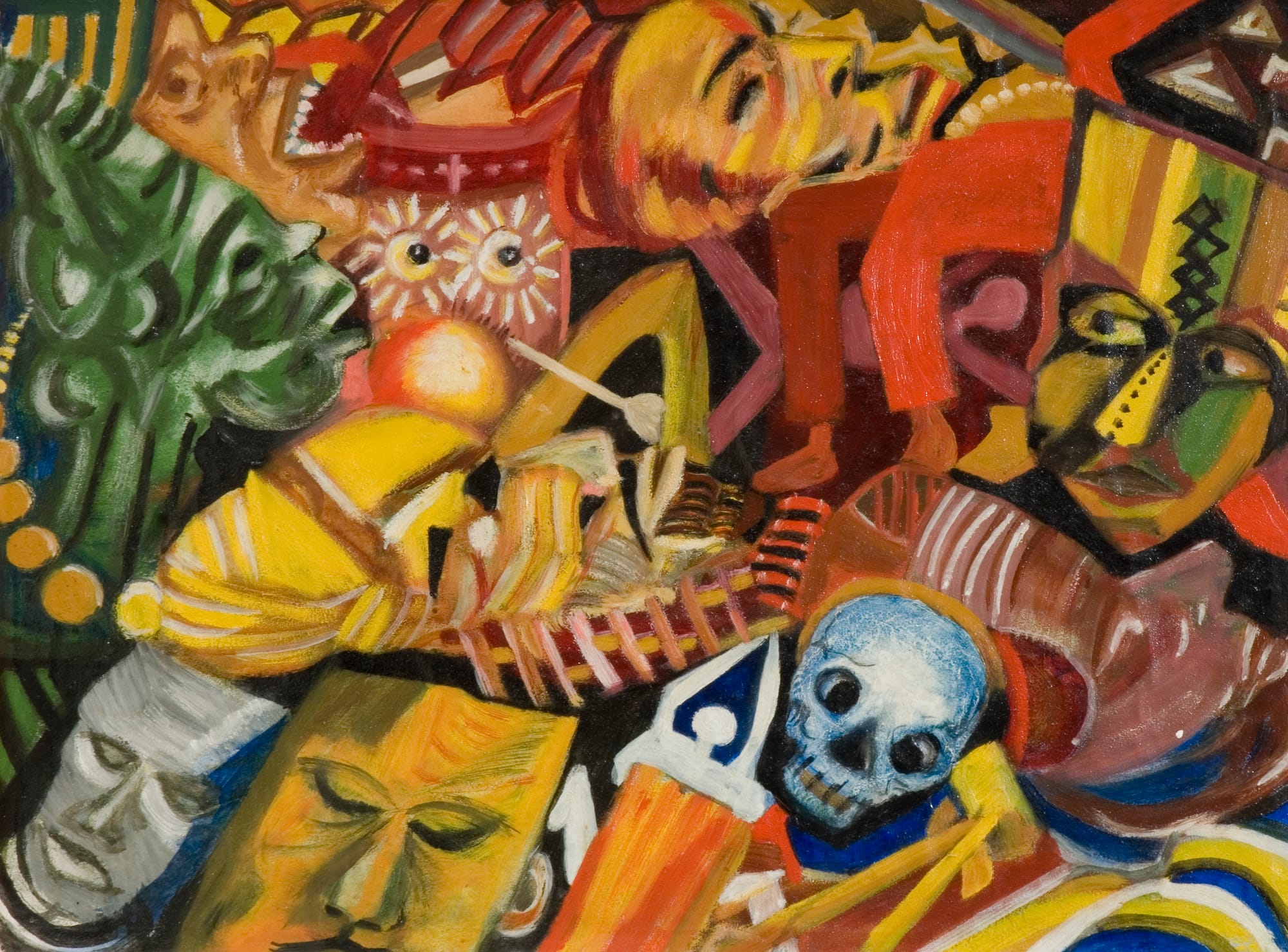
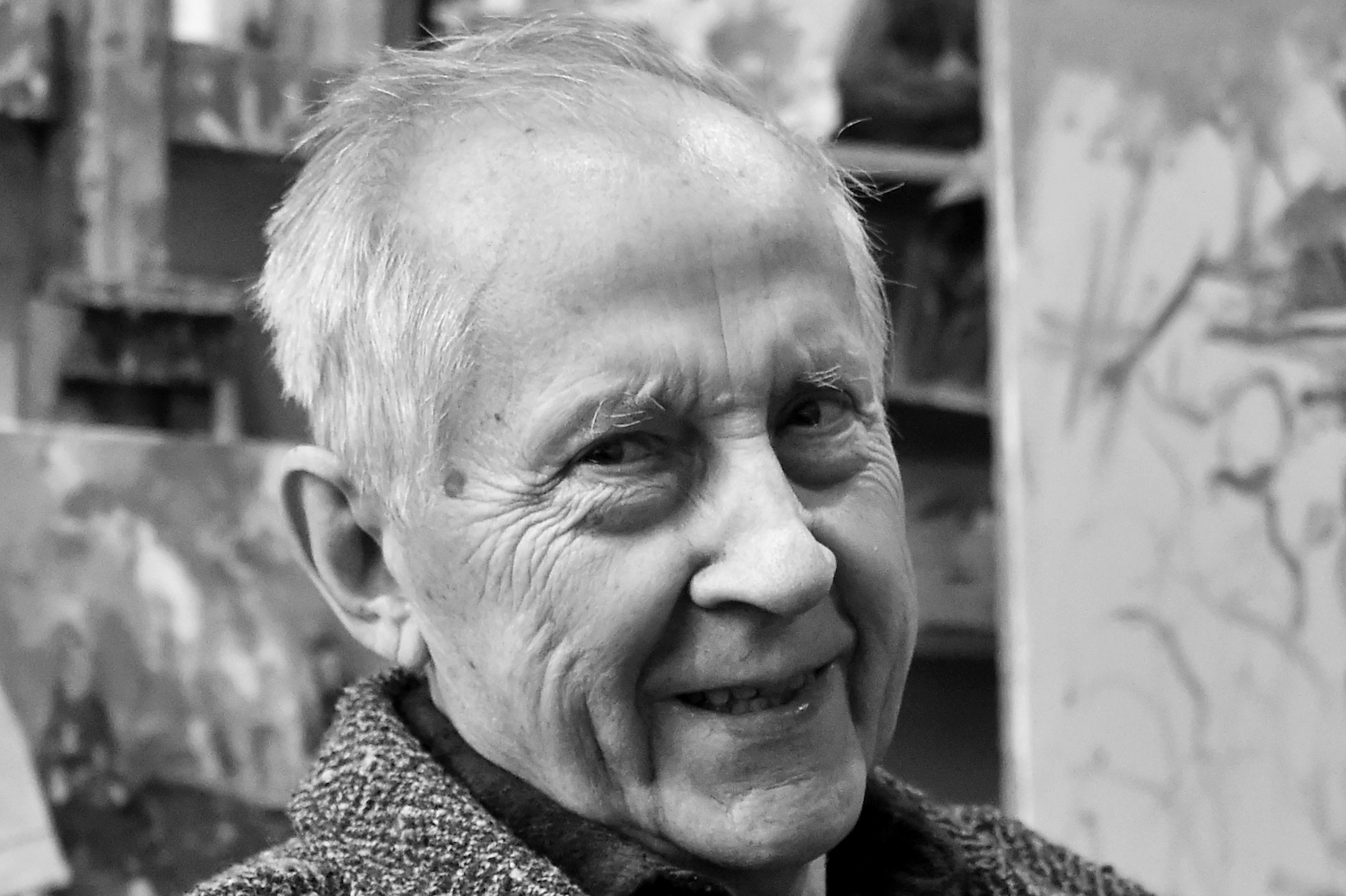
German painter Harald Metzkes has died at the age of 97 in Wegendorf, Brandenburg, surrounded by his family. His son, sculptor Robert Metzkes, confirmed the news to the German Press Agency. Metzkes, who grew up in East Germany, was a leading figure of the Berlin School of painting and resisted the official doctrine of socialist realism, instead creating a personal "world theatre" of harlequins, circus scenes, and theatrical figures inspired by Rembrandt, Velázquez, and Paul Cézanne. His best-known work includes "Der Abtransport der sechsarmigen Göttin." After training as a stonemason and studying at the Dresden Academy of Fine Arts, he worked as a freelance artist in Berlin, supporting himself with book illustrations. His work gained international attention when one of his paintings was sent to the Venice Biennale in 1984, and after the fall of the Berlin Wall he built connections with Western collectors.

Stühle, die zum Reden zwingen

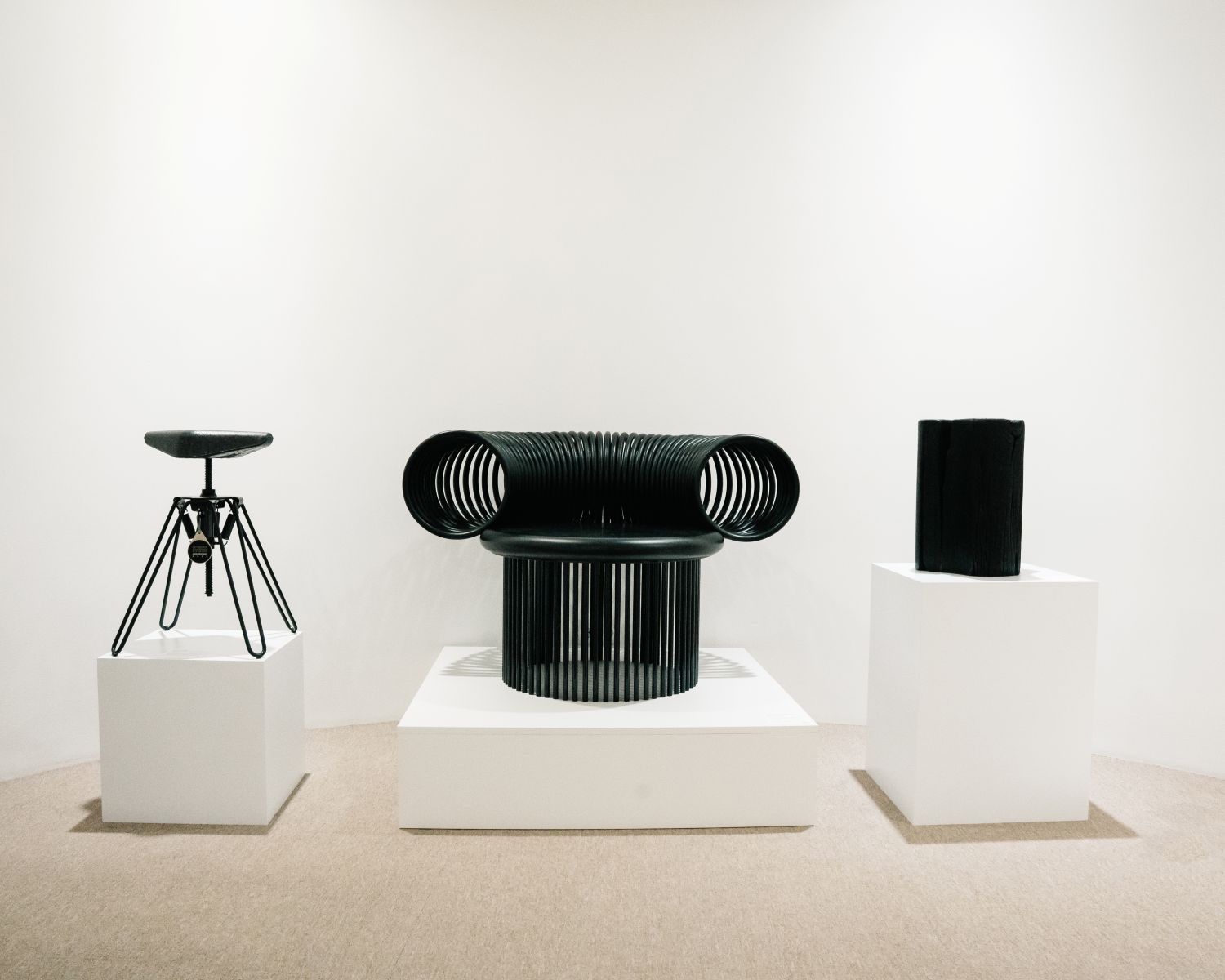
The article examines a peculiar three-seat sofa called the "Indiscret" on display in the Louvre, designed in 19th-century France under Napoleon III to force conversation among sitters. This "Conversation Chair" reflects an era when furniture was deliberately crafted to create social intimacy and control guest behavior, in stark contrast to modern public seating that often discourages lingering through hostile architecture.

Free tickets now available for temporary exhibition at Bellevue Palace

Ab sofort kostenlose Karten für temporäre Schau im Schloss Bellevue

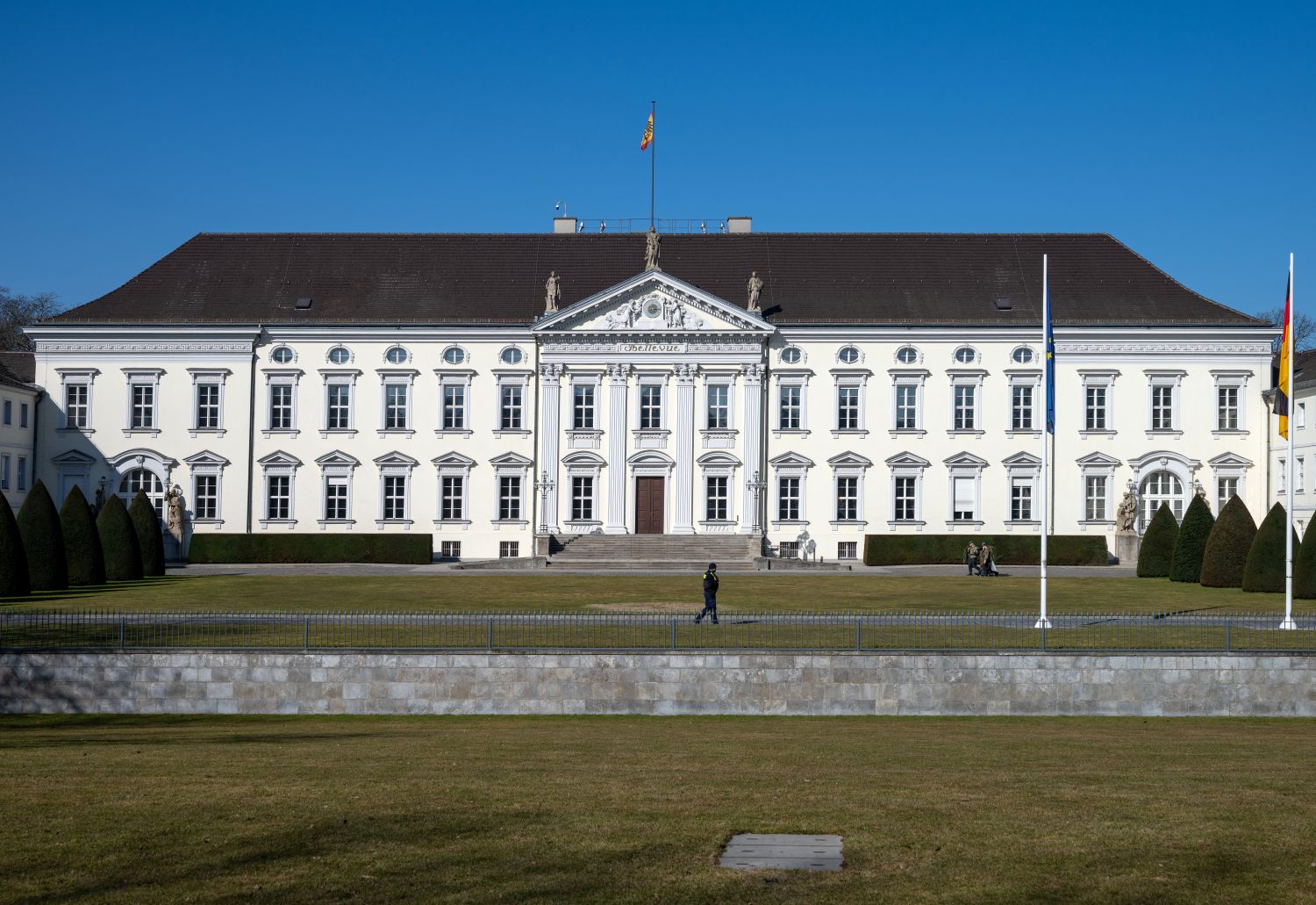
Berlin's Bellevue Palace, the official residence of German President Frank-Walter Steinmeier, will transform into a pop-up gallery for two weeks from June 13 to 28. Free timed-entry tickets become available from 3:00 PM on the website of the Akademie der Künste. The exhibition will feature works by artists including Katharina Grosse, Wolfgang Tillmans, and Monica Bonvicini, displayed in rooms emptied ahead of a multi-year renovation.

Watching the Great Form Shatter

Der großen Form beim Zerbrechen zuschauen

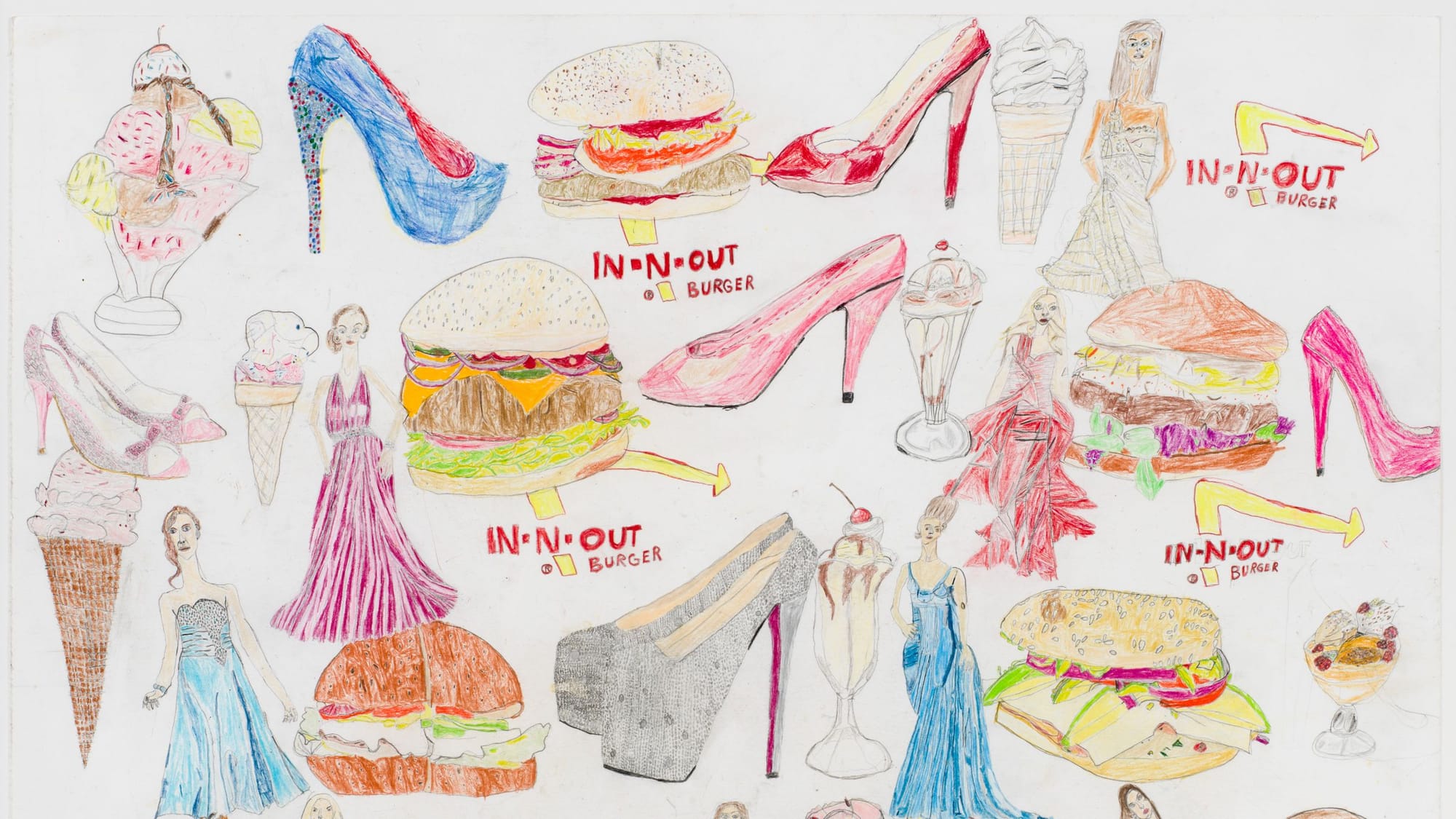
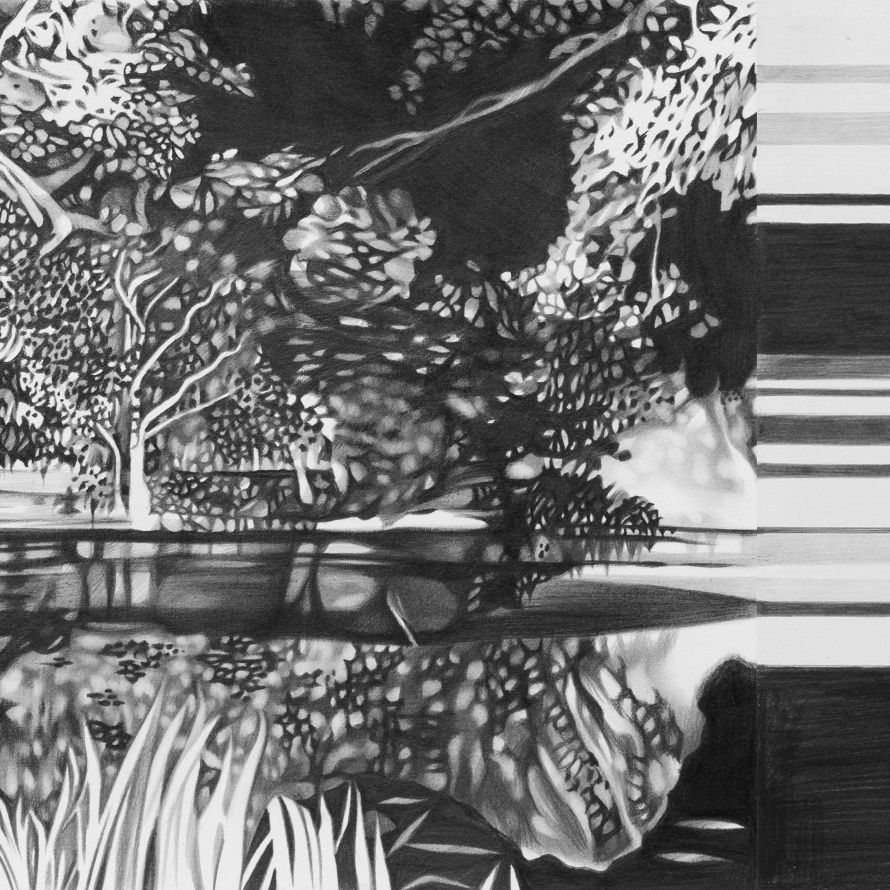
Marc Brandenburg, a Berlin-based artist born in 1965, is the subject of a comprehensive survey exhibition titled "20th Century Debris" at the Berlinische Galerie. The show presents his meticulous pencil drawings on paper, which invert light and dark and are viewed under blacklight to create ghostly, dissolving images. Brandenburg's works fragment urban spaces, faces, and everyday objects into shimmering, unstable forms, drawing on photography and photocopying to produce a sense of eerie stillness and motion. The exhibition also includes his first films, tracing his stylistic evolution from early 1990s fragmented portraits to large-scale panoramic works with metallic surfaces.

Some cry censorship, others cry antisemitism

"Die einen schreien Zensur, die anderen Antisemitismus"

A constitutional law scholar, Christoph Möllers, warns in an interview with Die Zeit about the dangerous escalation of cultural policy conflicts, sparked by Documenta 15, where accusations of censorship and antisemitism collide. In Poland, Adam Budak was removed as director of MOCAK in Krakow after just a few months, facing 79 allegations including mobbing and problematic leadership. Meanwhile, the New York spring auctions have launched, and Jason Farago's review of the Venice Biennale in the New York Times criticizes the shift from aesthetic innovation toward identity-driven art. Robin Pogrebin also reports on the merger of the Met and the Neue Galerie, described as a rare convergence of two museum models.

Was in den Museen läuft

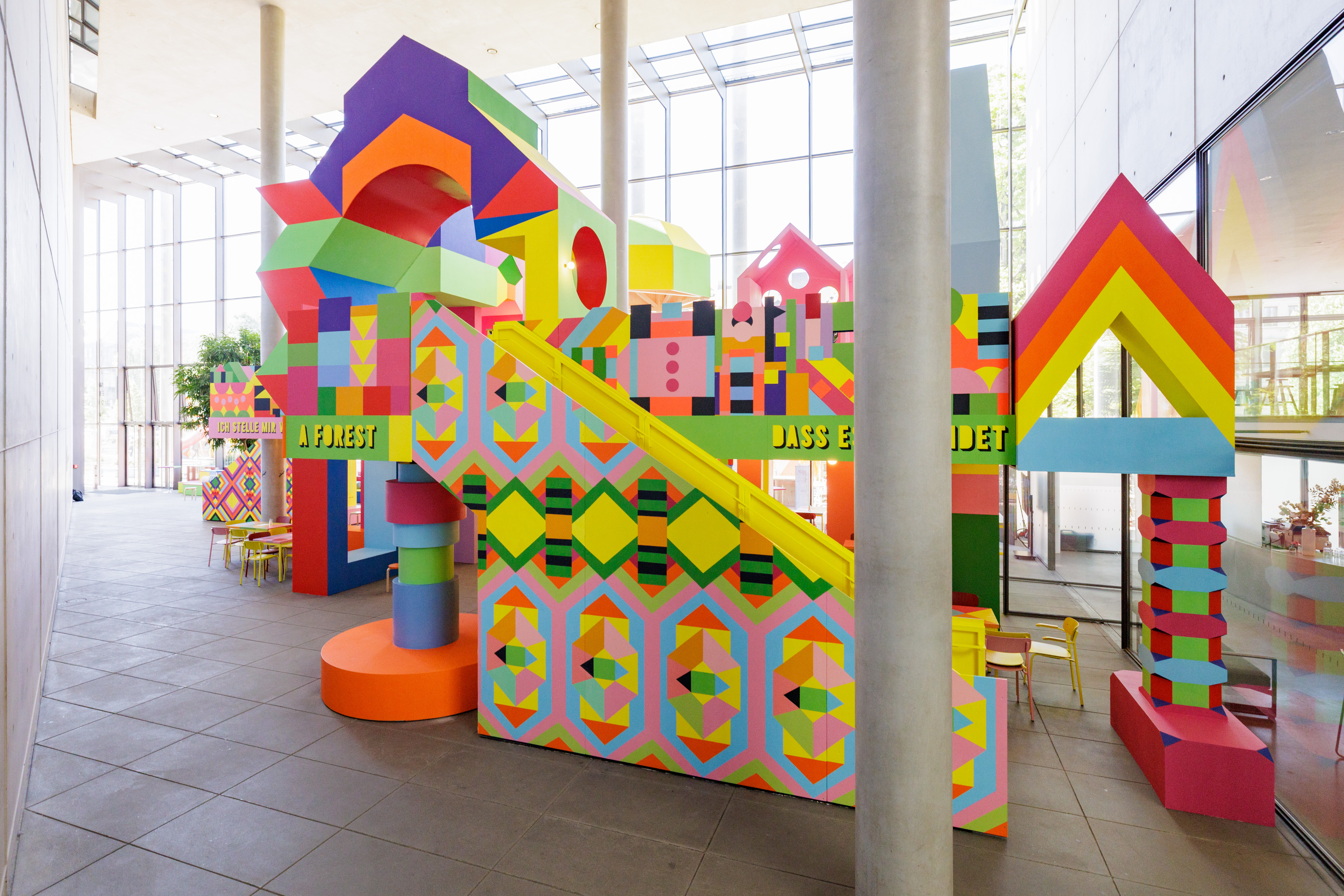
Munich's art festival "Various Others" kicks off this week with major city museums participating. The Pinakothek der Moderne presents "Reflexion," a group show of 100 works across fine art, architecture, graphic design, and design by artists including Isa Genzken, Ludwig Mies van der Rohe, Piet Zwart, and Ettore Sottsass. The Alexander-Tutsek-Stiftung celebrates its 25th anniversary with a glass-focused exhibition featuring Monica Bonvicini, Tony Cragg, and Laure Prouvost. The Villa Stuck reopens after renovation with four shows: Philipp Messner's sculptures, Ilit Azoulay's macro-film installation, a returning Franz von Stuck painting, and Delschad Numan Khorschid and Jan-Hendrik Pelz's migration-themed "Zehn Leben." The Lenbachhaus presents "Ein Ferngespräch. Szenen aus der Weimarer Republik" with works by Jeanne Mammen, Gabriele Münter, and Christian Schad. Museum Brandhorst's "Carrying" addresses the history of the Maxvorstadt art district, once site of a military barracks built by Ottoman prisoners. The Eres Stiftung continues "Seeing the Unseen" on quantum physics. The Flux meeting space, designed by Morag Myerscough, moves indoors at the Pinakothek der Moderne.

"Man besitzt Kunst nicht, man ist nur ihr Verwalter"

The 61st Venice Biennale opened on Saturday without ceremony or an opening celebration, amid political turmoil over the participation of Russia and Israel. Italy's Culture Minister Alessandro Giuli criticized Biennale director Pietrangelo Buttafuoco for not informing the government about Russia's participation request, suggesting it could have been used as leverage for a ceasefire in Ukraine. The entire jury resigned after attempting to exclude both Russia and Israel from prize awards, leading to the cancellation of the traditional jury decision in favor of a public vote, which over 70 participating artists have protested by withdrawing from this year's prizes. Separately, a rare photograph from the early 1940s has surfaced showing Lucas Cranach the Elder's painting "Venus with Cupid as Honey Thief" in Adolf Hitler's Munich apartment, raising unresolved questions about whether the work was looted from Jewish owners before 1935.

10 Highlights You Shouldn't Miss in Venice

10 Highlights, die Sie in Venedig nicht verpassen sollten

The article presents ten must-see highlights of the 61st Venice Biennale, curated by the editors of Monopol magazine. It covers the main exhibition at the Arsenale, national pavilions, and collateral events, including Sandra Knecht's beehouse installation, Isabel Nolan's Irish Pavilion exploring dreams and late medieval humanism, Chiara Camoni's Italian Pavilion blending ceramics and found materials, and Asim Waqif's bamboo construction in the Indian Pavilion. Other featured works include a church filled with surveillance cameras and the new Fondazione Dries Van Noten.

Here You Have the Feeling That Reality Is a Different One

"Man hat hier das Gefühl, dass die Realität eine andere ist"

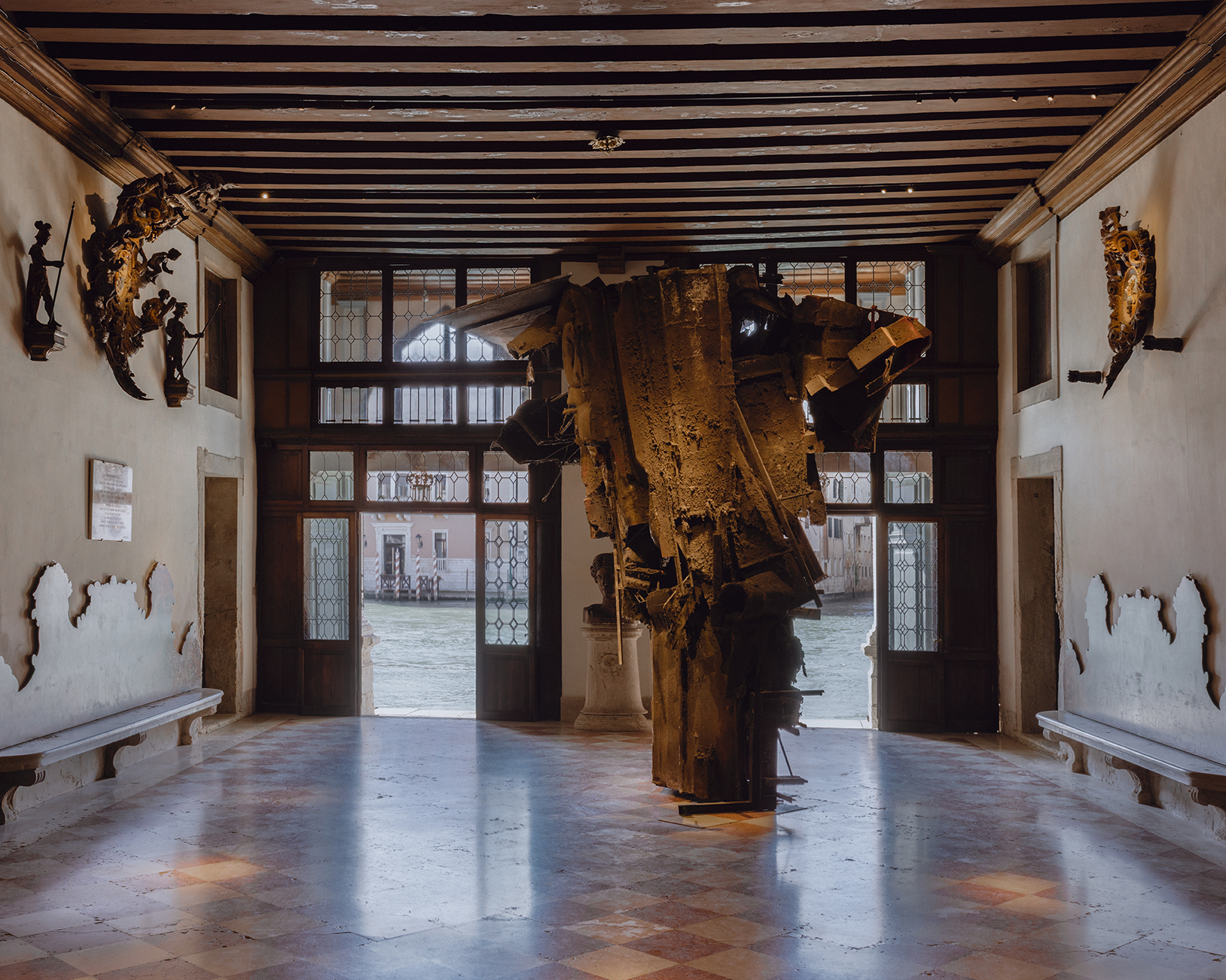
Austrian artist Erwin Wurm discusses his exhibition at the Museo Fortuny in Venice, where he confronts the overwhelming collection of the 19th-century polymath Mariano Fortuny. In an interview, Wurm describes the venue as a historic atelier house filled with tapestries and artifacts, and reflects on how his contemporary sculptures and performances will engage with the dense, time-capsule atmosphere of the space.

Fondation Beyeler: Freier Eintritt im Bikini

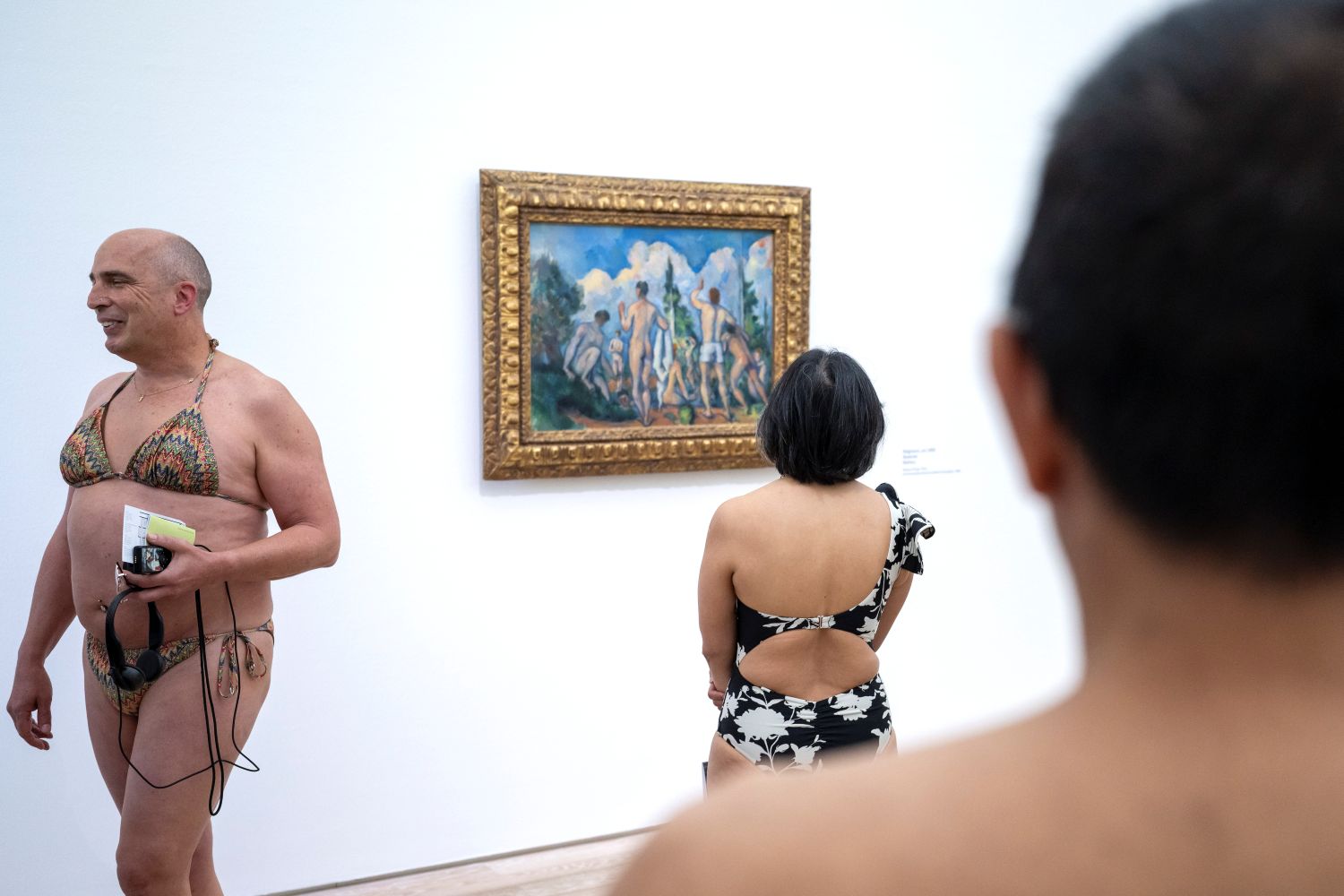
The Fondation Beyeler in Riehen, Switzerland, invited visitors to enter the museum for free if they came wearing swimwear, as part of a "Bathing Day" promotion. The event was inspired by Paul Cézanne, whose famous paintings of bathers are the subject of a current exhibition at the museum. The museum reported strong attendance and stated that the unusual setting brings art and visitors closer together, changing perception and reducing distance.

"Etwas zaghaft, etwas ängstlich, etwas sicher"

The article surveys recent art-world commentary, focusing on a critical review of the Turner Prize shortlist in The Guardian, where Eddy Frankel calls the selection "timid, anxious, safe" and laments a self-perpetuating, elitist system. It also covers a Hyperallergic essay by Lisa Siraganian questioning whether artworks can possess personhood, sparked by Pierre Huyghe's Venice exhibition. Additionally, it reports on controversy at the Venice Biennale, where the jury preemptively excluded countries whose leaders are sought by the International Criminal Court—namely Russia and Israel—drawing sharp criticism from Die Welt's Marcus Woeller. A podcast interview with US sculptor Alma Allen, selected for the US Pavilion, rounds out the coverage.

"Du bist nun in die ewigen Jagdgründe der Kunst entschwunden"

This week's art news roundup covers several stories: Jonathan Meese publishes an obituary for his mother Brigitte Meese in Der Spiegel, describing her as a central figure in his life and work. Pussy Riot seeks to take over the Russian Pavilion at the Venice Biennale. The European Media Art Festival (EMAF) in Osnabrück faces controversy over antisemitism allegations linked to Palestinian-American filmmaker Basma al-Sharif, leading the city and state government to distance themselves from the festival. In the NZZ, Christian Wildhagen reports on conflicts over official political portraits, citing examples like Swiss councilor Martin Neukom rejecting paintings and Donald Trump criticizing his portrait. Art historian Horst Bredekamp pays tribute to Italian philosopher Federico Vercellone (1955–2026) in the FAZ, highlighting his theory of the 'self-activity of form.'

Salon des Refusés 2.0

Salon des Refusés 2.0

A group exhibition titled "we refuse_d" has opened at the Museum van Hedendaagse Kunst (M HKA) in Antwerp, bringing together 15 artists, many of whom faced cancellations or disinvitations from exhibitions following the October 7, 2023 attacks. The show, referencing the historic 1863 Salon des Refusés, aims to reclaim reputation and amplify marginalized voices, specifically focusing on Palestinian history and artists affected by the cultural fallout.

Venice Biennale: A Silent US Pavilion

Biennale de Venise : un Pavillon US silencieux

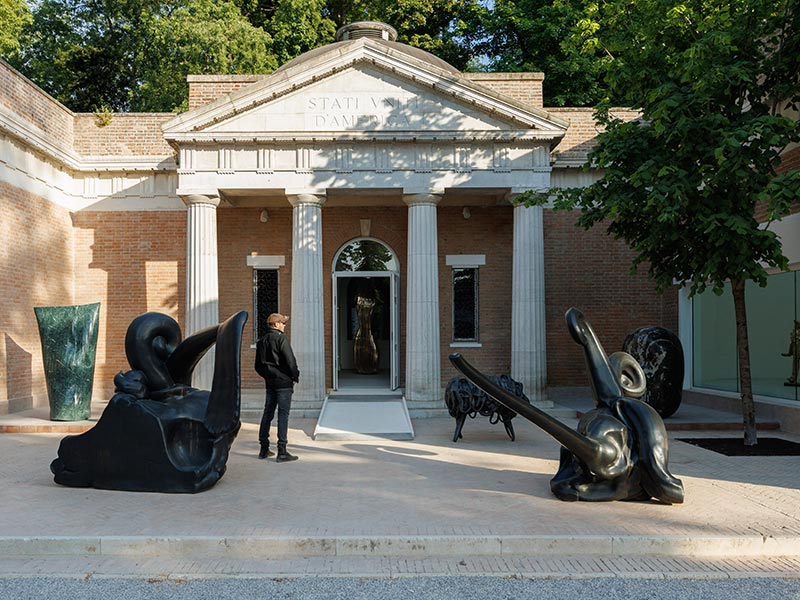
The US Pavilion at the 2026 Venice Biennale, featuring artist Alma Allen, opened to sparse crowds despite a 10% overall attendance increase at the Biennale. The pavilion was embroiled in controversy before opening: Allen was selected by the American Arts Conservancy (AAC), a private entity created in 2025 at the initiative of Donald Trump after the dissolution of the federal committee that previously oversaw the pavilion. AAC head Jenni Parido, a former pet food executive, chose the self-taught, little-known artist who had never had a solo museum exhibition. Major funders the Ford and Mellon Foundations withdrew, forcing the AAC to launch a public donation appeal. The exhibition features 25 abstract bronze, stone, and burl-wood sculptures that the artist describes as biomorphic landscapes, but critics find them pleasant yet silent, lacking the promised political or visceral resonance.

Orsay inaugure une salle destinée aux œuvres « MNR »

The Musée d'Orsay in Paris has opened a new dedicated gallery, Room 10b, to display works from its MNR (Musées nationaux Récupération) collection—artworks looted or acquired under dubious circumstances during the Nazi era. The room features detailed labels and educational texts, with some works shown verso to reveal provenance labels. The initiative is funded by the American Friends of the Musée d'Orsay and the Musée de l'Orangerie with €1 million over four years, and includes a fake Monet, a Degas subject to a restitution claim, a Rodin sculpture, and a debated Cézanne. The museum's provenance research team, led by Inès Rotermund-Reynard, collaborates with the French Ministry of Culture's M2RS mission.

Les jardins de Monet à l’épreuve du surtourisme

Claude Monet's gardens in Giverny, France, which were recreated in 1980 after being abandoned in the 1950s, are now suffering from severe overtourism. The site, which attracted 70,000 visitors in its first year, is expected to exceed one million visitors in 2026, the centenary of Monet's death. Crowds are so dense that visitors report feeling unable to experience any emotion, and gardeners spend hours each morning repairing damage from trampling. The gardens have become a kind of industrial product, with 15,000 plants propagated each season to replace those destroyed.

La nature morte : une exposition novatrice

Le Journal des Arts reports on a new exhibition titled "La nature morte" (Still Life), presented by a gallery as a continuation of its previous monographic shows on Boetti and Burri and the thematic exhibition "On Fire." The exhibition focuses on the classical genre of still life, positioning it as a field of experimentation that accompanies the renewal of painting in the 20th century. It brings together three artists—Picasso, Morandi, and Parmiggiani—who, though not from the same school or direct lineage, each explore the subject through distinct artistic languages: Picasso asserts the presence of the object, Morandi delves into its meditative and silent dimension, and Parmiggiani pushes the reflection toward a form of disappearance. The show is curated by Cécile Debray, president of the Musée national Picasso-Paris, and involves collaborations with institutions such as the Museo Morandi.