filter_list Showing 711 results for "CONTRA" close Clear
search
dashboard All 711 museum exhibitions 224trending_up market 165article news 101article culture 75rate_review review 50article policy 32article local 28person people 22gavel restitution 10candle obituary 4
date_range Range Today This Week This Month All
Subscribe

A Delightful Short Film Highlights the Remarkable Self-Taught Art of George Voronovsky

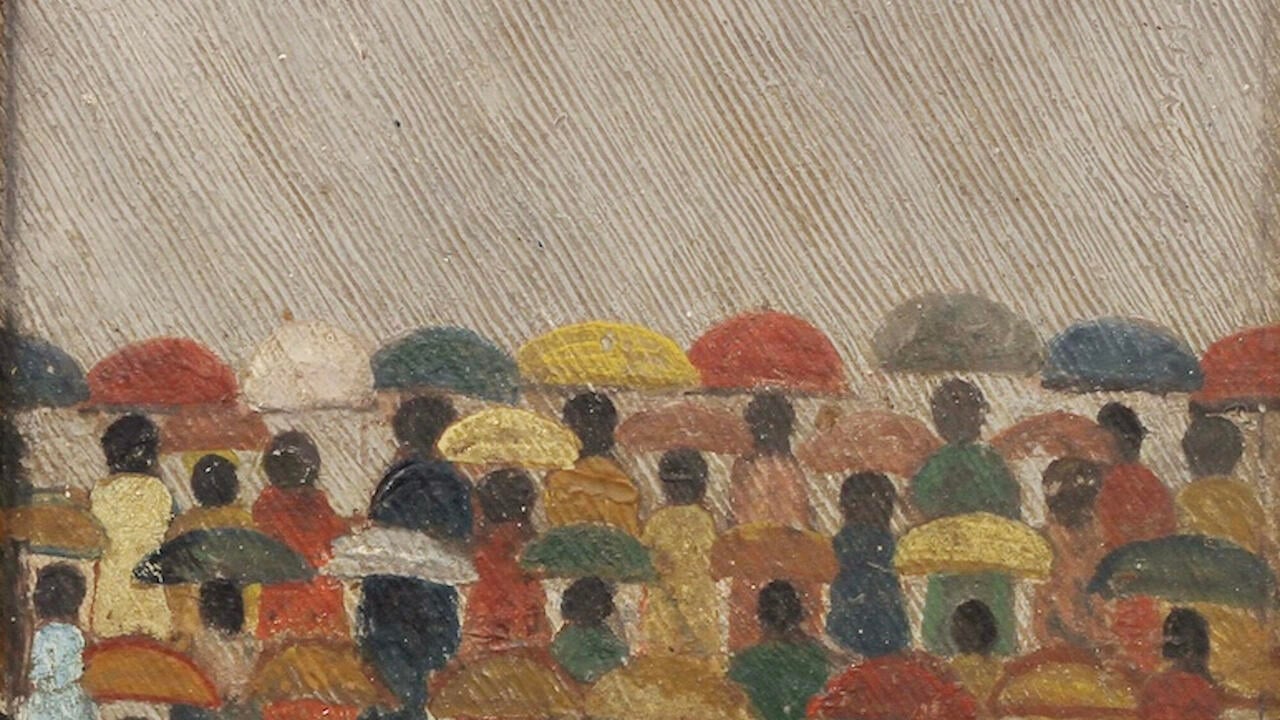
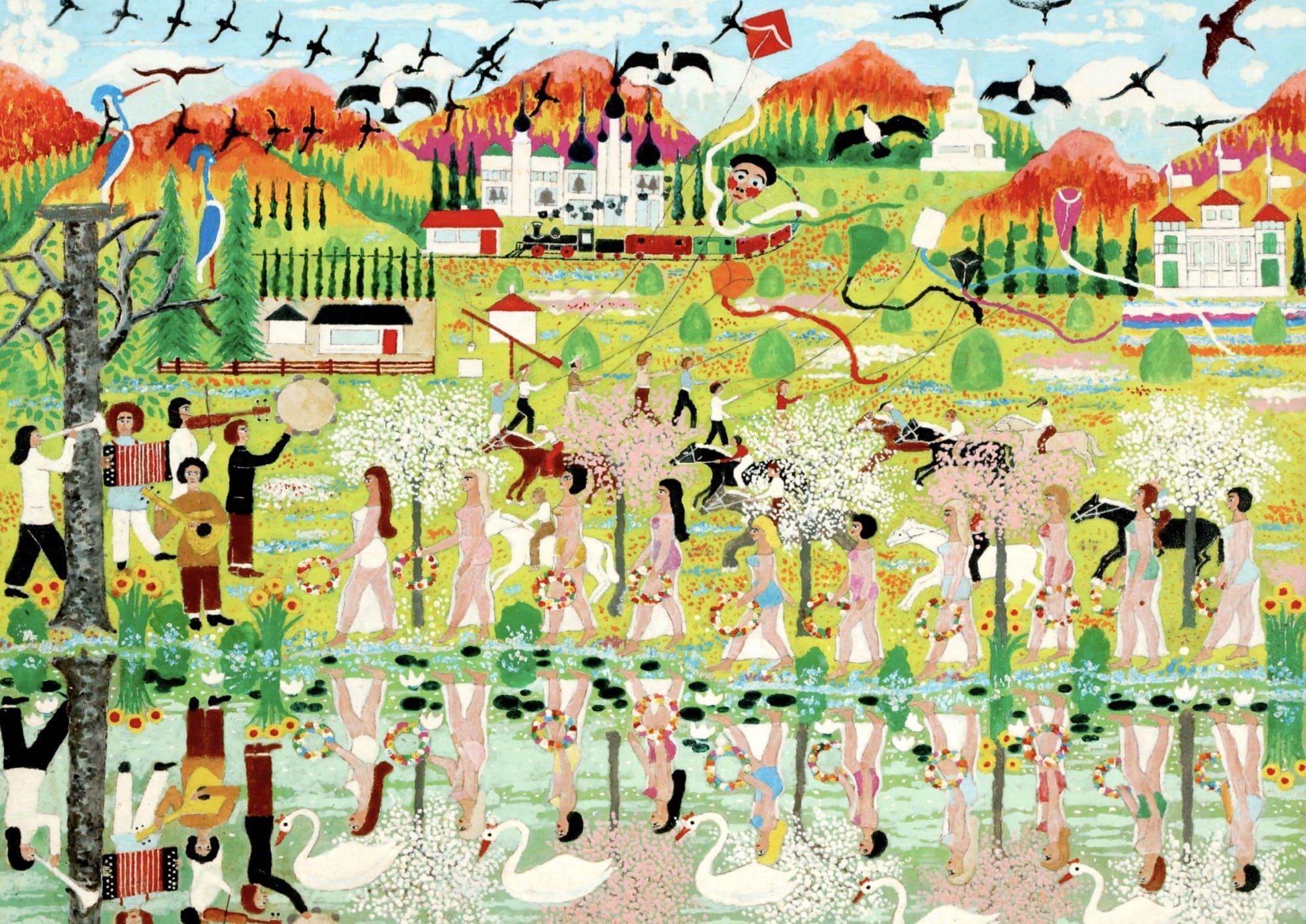
Ukrainian-born artist Jonko “George” Voronovsky transformed his modest retirement room at Miami’s Colony Hotel into a dense, vibrant sanctuary of over 5,000 artworks. After surviving the horrors of the Russian Revolution, Nazi labor camps, and permanent separation from his family, Voronovsky immigrated to the U.S. and spent his final years creating "memoryscapes." These works, crafted from found materials like pizza boxes and soda cans, depicted idyllic, colorful scenes of his youth in Ukraine, contrasting sharply with the trauma of his past.


"Hier darf laut gelacht werden"

During the opening week of the Venice Biennale, multiple reports detail controversies surrounding the Israeli and Russian pavilions. According to Hyperallergic, artist Belu-Simion Fainaru of the Israeli pavilion threatened legal action against the Biennale after the jury sought to exclude Israel and Russia from prizes over alleged human rights violations, citing antisemitism and nationality-based discrimination. This may have prompted the jury's sudden resignation. Meanwhile, taz reports that Russia's pavilion is a macabre 'dance of death' blending techno and political denial, while Israel's pavilion faces a 'silent boycott' and social ostracism. Zeit describes protests by Pussy Riot and Femen outside the Russian pavilion as a defining image, with activists chanting 'blood sticks to the art of this country.'

A sturdy soldier in a sequin dress

"Eine kräftige Soldatin im Paillettenkleid"

Media reviews of the Venice Biennale's opening week offer contrasting takes on the German and US pavilions. Critics describe the German pavilion, curated by Sung Tieu and Henrike Naumann, as a dense, ironic East-West narrative that layers Nazi architecture with DDR prefab construction, creating what Jörg Häntzschel calls a "shockingly seamless symbiosis." The US pavilion, featuring sculptures by Alma Allen, is panned by Maximilíano Durón in ArtNews as politically timid and empty, lacking the clear colonial critiques of previous editions by Simone Leigh and Jeffrey Gibson.

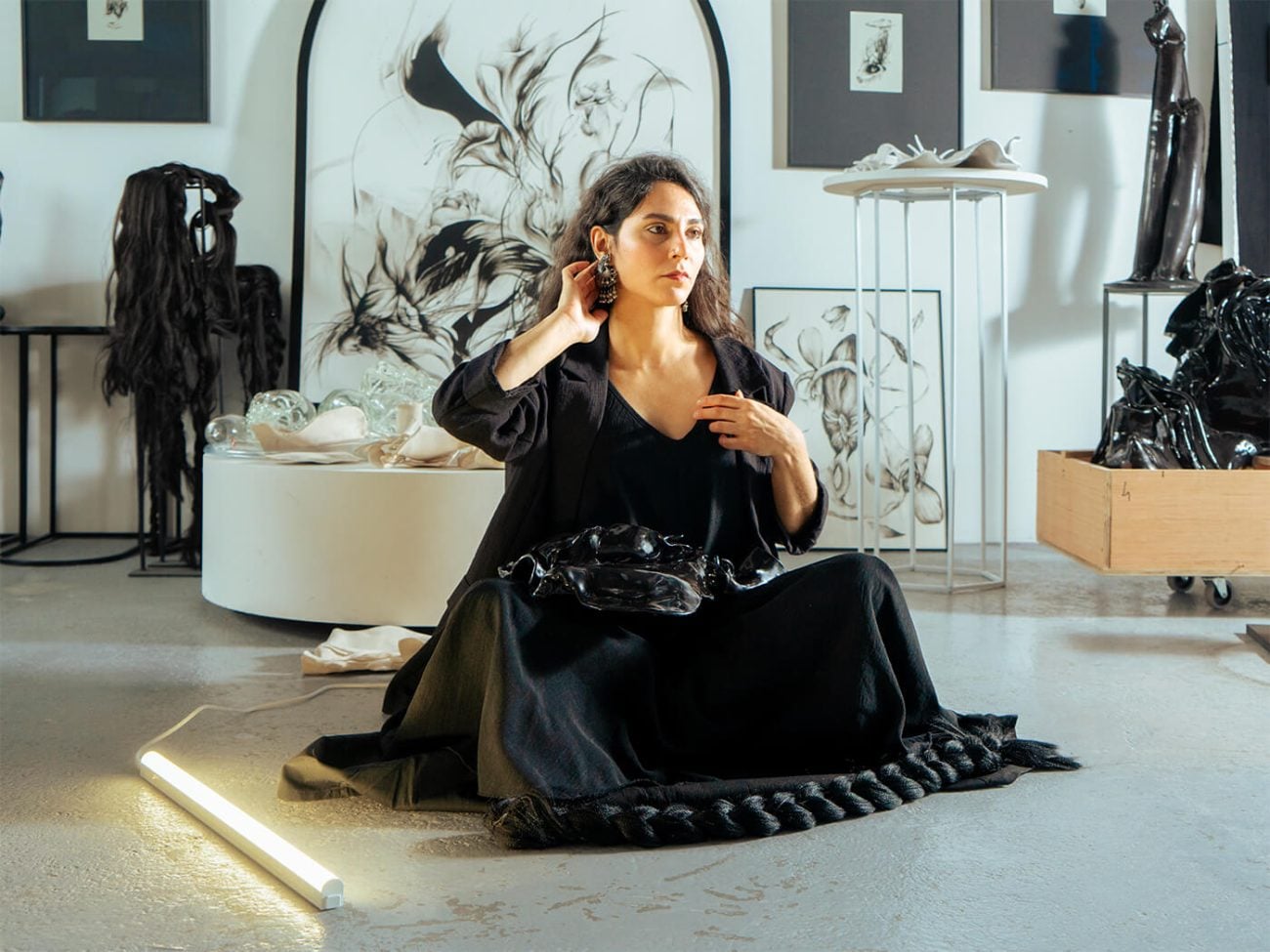
Yosra Mojtahedi, Iranian artist who moved from painting to astonishing living sculptures

Yosra Mojtahedi, artiste iranienne passée de la peinture à de stupéfiantes sculptures vivantes

Yosra Mojtahedi, an Iranian artist born in 1986, has transitioned from painting to creating stunning living sculptures. Her work, characterized by black and white contrasts, features sculptures that breathe, have hair, and incorporate torn tights and synthetic locks, evoking themes of identity, censorship, and bodily autonomy. She recently presented a spectacular installation titled "Isthme noir" at the Espace Monte-Cristo in Paris and an exhibition at the Abbaye de Maubuisson, where her spiritual universe unfolds across multiple rooms. Mojtahedi's practice includes sound elements in Persian or Kurdish, and she views her sculptures as "bodies" that are both intimate and political.

On ARTE, the Ruffini Affair or the Autopsy of an Extraordinary Scandal in the Art World

Sur Arte, l’affaire Ruffini ou l’autopsie d’un scandale hors norme dans le monde de l’art

The documentary series "Le Peintre, la Pizza et le Corbeau" (The Painter, the Pizza and the Crow), available on ARTE, investigates a sprawling art forgery scandal centered on discreet dealer Giuliano Ruffini. Beginning in spring 2014 with an anonymous letter, the case led to a judicial inquiry by judge Aude Burési and France's Central Office for the Fight against Trafficking in Cultural Goods (OCBC). The series follows multiple suspicious artworks—including a Lucas Cranach Venus seized from an exhibition at the Hôtel de Caumont, a David and Goliath by Artemisia Gentileschi, and a Frans Hals portrait—each raising questions of authenticity. Ruffini, a former painter turned collector, remains an enigmatic figure, portrayed as both intuitive genius and possible cog in an opaque system.

« Le monde entier semble s’être mis en mouvement, animé par une soif d’expériences culturelles »

The article explores the transformation of cultural travel for artists and art lovers, contrasting the arduous, unknown journeys of historical figures like Eugène Delacroix, Paul Gauguin, and Ella Maillart with today's accessible, curated experiences. It describes how contemporary artists such as Ólafur Elíasson, JR, and Marina Abramović now use travel itself as a medium, creating works that engage with climate change, social issues, and presence. Destinations like the Venice Biennale, AlUla in Saudi Arabia, Naoshima in Japan, and Le Voyage à Nantes are highlighted as hubs where art and travel merge into immersive, sensory experiences.

Protests in Mexico Against the Transfer of a Rare Collection to Spain

Protestations au Mexique contre le transfert en Espagne d’une rare collection

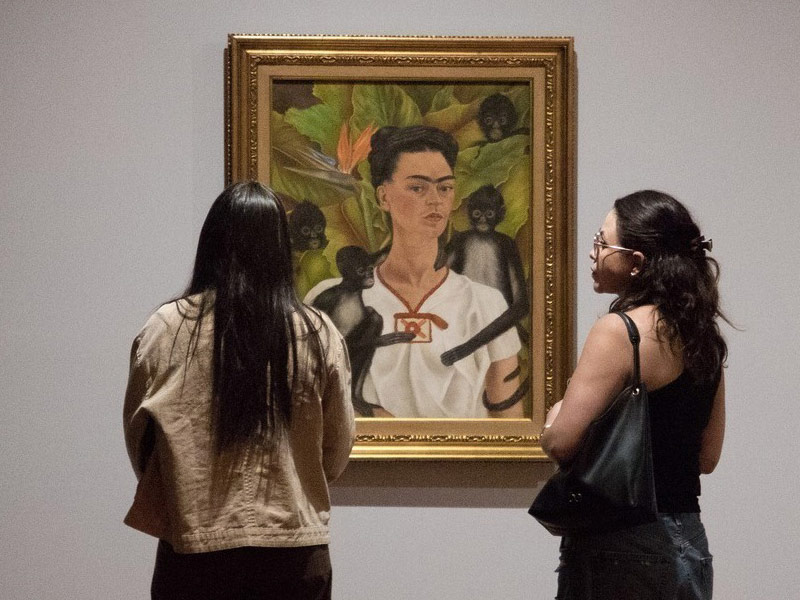
A coalition of nearly 400 art professionals in Mexico is protesting the planned transfer of the prestigious Gelman Collection to Spain. The collection, which includes iconic works by Frida Kahlo and Diego Rivera, is slated to move to the Faro Santander museum in northern Spain under a five-year management agreement with Banco Santander. Critics describe the move as a "public disaster," citing the opaque 2023 sale of the collection to the Zambrano family and the potential violation of Natasha Gelman’s original will, which stipulated the works remain in Mexico.

Alison Roman’s Top Picks from the Frieze Viewing Room

Andrew Durbin reviews the national pavilions at the Venice Biennale, contrasting a vacuous US presentation with incisive and moving installations from Britain and Germany. The review highlights the thematic and emotional depth of the British and German pavilions while critiquing the lack of meaning in the US entry.

art gaetano pesce final public sculpture

Gaetano Pesce's final sculpture, "Double Heart," has been installed as his only permanent public artwork in the United States. The 30-foot-tall illuminated piece, featuring two interlocking hearts pierced by Cupid's arrow, now hovers above the Massachusetts Turnpike at the Lyrik Back Bay plaza in Boston. Commissioned by developer Samuels & Associates and art advisory Goodman Taft, the work was overseen by gallerist Lucy Chadwick of Champ Lacombe after Pesce's death in early 2024. The sculpture reflects Pesce's signature blend of playfulness and humanism, contrasting with the rigid geometry of modernist design.

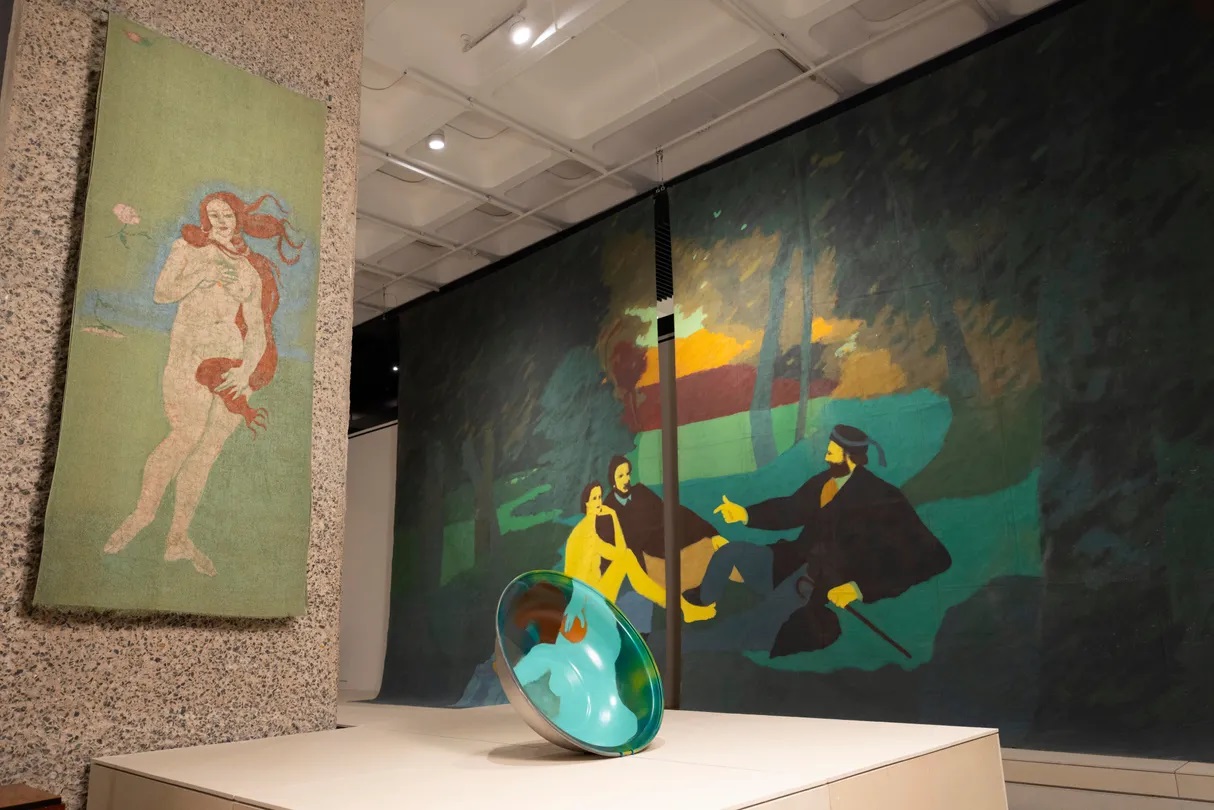
Beatriz González at the Barbican: Images Against Oblivion

BEATRIZ GONZÁLEZ EN EL BARBICAN: IMÁGENES CONTRA EL OLVIDO

The Barbican Centre in London is hosting a major retrospective of the late Colombian artist Beatriz González, marking her first solo exhibition in the United Kingdom and her most extensive show in Europe to date. Featuring over 150 works, the exhibition traces her six-decade career, from her early experiments with pop-inflected figuration to her iconic use of domestic furniture as canvases. Central to the show is her 1965 masterpiece 'Los suicidas del Sisga,' which exemplifies her method of translating degraded press photographs into vibrant, critical paintings that challenge historical erasure.

Contrast Reigns in Austn Fischer’s Conspicuous Black-and-White Photos

Austn Fischer, a Wisconsin-born, London-based photographer, creates black-and-white images that explore fashion as performance and identity. His work features striking contrasts, such as lace ruffs paired with athletic wear, and he has collaborated with clients like The New Statesman and Crack Magazine, photographing subjects including Ai Weiwei and David Byrne. Fischer describes his process as working backwards, arranging scenes intuitively and later reflecting on their personal significance, especially regarding his sexuality and masculinity.

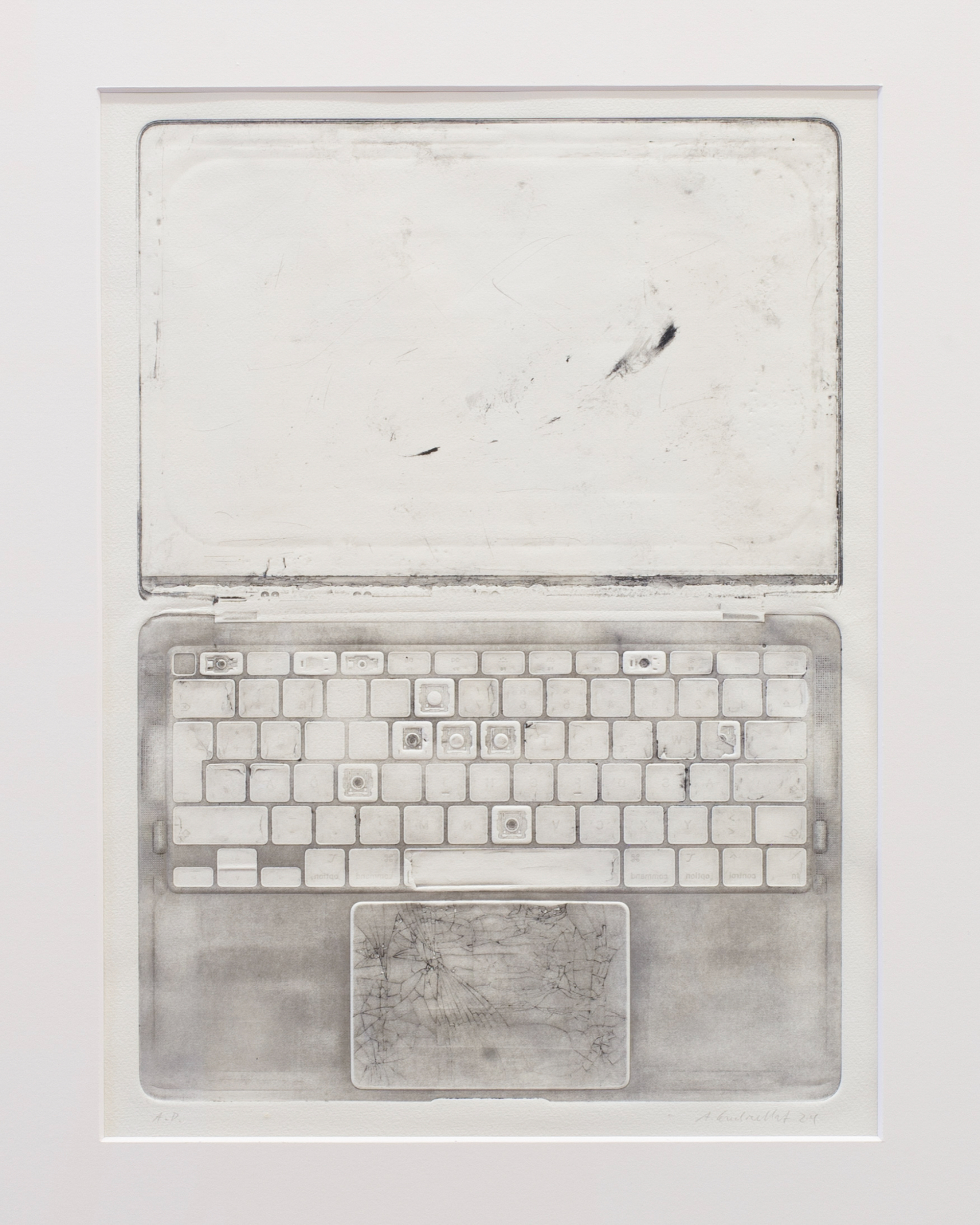
Longevity and Obsoletion Impress Upon Alexander Endrullat’s Intaglio Prints

Longevity and Obsoletion Impress Upon Alexander Endrullat’s Intaglio Prints

Artist Alexander Endrullat has created a new series of intaglio prints by running discarded laptops through a century-old printing press. The process, discovered impulsively, physically deforms the devices with each pass, revealing worn keys and internal damage while transferring their textures and residues onto paper.

‘It takes an entire museum to do it justice’: the Smithsonian celebrates America in 250 objects

The Smithsonian National Museum of American History in Washington DC is marking the 250th anniversary of US independence with a major exhibition titled "In Pursuit of Life, Liberty & Happiness," opening on 14 May. The show displays 250 objects spanning all three floors of the museum, ranging from a Revolutionary War-era gunboat (the Philadelphia) to a Donald Trump "Make America great again" hat. Seventy-six rarely seen objects are concentrated in entry hall cases, while the rest are embedded throughout existing galleries, connected by a "ribbon" design. Director Anthea Hartig frames the exhibition as a commemoration of moments where individuals and communities fought for recognition and identity, pairing each object with an action verb to emphasize democracy as participatory.

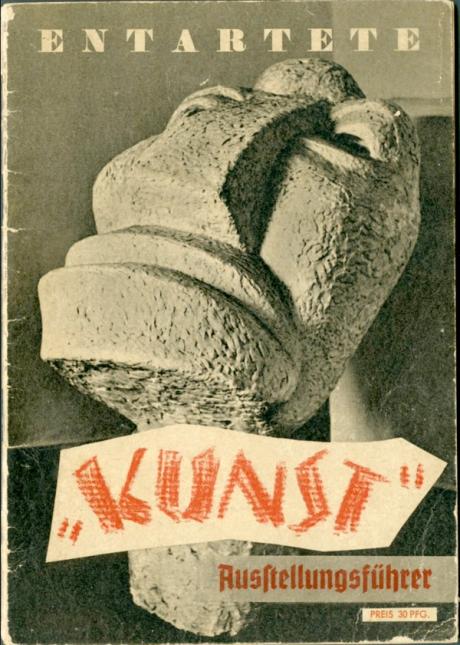
Comment | Degenerate art all over again? Nazi attack on Modern art is not far away from trends in today’s world

The article draws a provocative parallel between the Nazi regime's attack on modern art—epitomized by the 1937 "Degenerate Art" (Entartete Kunst) exhibition—and contemporary political aesthetics, particularly around President Donald Trump. It traces the Nazi party's early use of visual spectacle, mass rallies, and monumental art to forge a national identity, contrasting this with Trump's proposed National Garden for American Heroes and stalled White House Ballroom, which the author dismisses as kitsch but lacking the cohesive fascist aesthetic of Albert Speer's masterplans.

‘Prince laughed like a kid as I painted “Free” on his stomach’: Steve Parke’s best photograph

Photographer Steve Parke recounts the story behind his iconic 1999 photo shoot of Prince for Notorious magazine. The singer rejected the magazine's initial concept of painting "1999" on his stomach, instead insisting on the word "Free" to reflect his ongoing battle for artistic freedom from record labels. Parke, who was Prince's in-house art director, ended up painting the word on the singer's stomach himself with gold paint, causing Prince to laugh like a child from the cold sensation.

victoria helena artist money matters financial literacy artists

Victoria Helena, an artist and former CFO, is launching Artist Money Matters, a financial consultancy designed specifically for artists. The service aims to provide independent, informed support to artists navigating a volatile and opaque art economy, addressing common issues like contract clarity, payment terms, and intellectual property.

apple contract constitution christies sale

Christie's auction "We the People: America at 250" on January 23, 2026, achieved $35.5 million in total sales, doubling its presale estimate. The top lot was a draft of the U.S. Constitution annotated by founding father Rufus King, which sold for $7.3 million. Other highlights included a signed Emancipation Proclamation ($6.7 million), a 1776 Declaration of Independence copy ($5.6 million), and the Apple Computer Company Partnership Agreement from 1976, signed by Steve Jobs, Steve Wozniak, and Ronald Wayne, which fetched $2.5 million. A Gilbert Stuart portrait of George Washington (ca. 1804) realized $2.8 million, setting a new auction record for the Athenaeum type.

qatar museums gabrielle goliath venice biennale pavilion

Gabrielle Goliath's planned South African pavilion at the Venice Biennale was abruptly canceled by South African culture minister Gayton McKenzie. McKenzie claimed the cancellation was not due to the pavilion's focus on Israel's war in Gaza, but because a foreign nation attempted to purchase the work after the show. The Daily Maverick reported that the foreign entity was actually Qatar Museums, which had expressed interest in acquiring a video recording of Goliath's performance piece 'Elegy,' which addressed violence against women and queer people in South Africa and a genocide in Namibia. McKenzie's statement contradicted earlier reports that he had privately called the pavilion 'polarizing.'

sung tieu new board member kw institute

Artist Sung Tieu has sold her 2025 work *Declaration of Donation* for €25,000, with proceeds funding a five-year term for a new board member at KW Institute of Contemporary Art in Berlin. The work, created for her exhibition “1992, 2025” at KW, consists of a contract engraved on four mirrors that criticizes the institution’s €5,000 yearly board member fee, arguing it limits board diversity. Tieu nominated curator Mi You for the position, and KW director Emma Enderby expressed gratitude for the provocation.

thomas kinkades legacy will outlive us all

The Daily Beast published a lengthy article on Thomas Kinkade's legacy two years after his death from alcohol and Valium, detailing his divorce, alcoholism, and strip club visits—contradicting the idyllic scenes in his mass-marketed paintings. Despite these revelations, Kinkade's commercial empire has thrived: sales on ShopNBC have risen, most galleries report higher sales than before his death, licensing partners like Hallmark and Andrews McMeel Publishing saw double-digit growth, and Kinkade ranked #81 on Global License!'s bestselling licensed brands with $425 million in annual sales, ahead of CBS Consumer Products and National Geographic.

germany settles century long restitution over royal artifacts

Germany’s federal government, along with the states of Berlin and Brandenburg, has reached a settlement with the descendants of the House of Hohenzollern, ending a nearly century-long legal dispute over ownership of 27,000 artworks. The collection includes a portrait by Lucas Cranach the Elder and an 18th-century table service commissioned by Emperor Frederick II. Wolfram Weimer, Germany’s new Minister of State for Culture, announced the deal in Berlin, confirming the works will remain in public museums such as the Prussian Cultural Heritage Foundation and the German Historical Museum.

suffering life models in florence are threatening legal action over working conditions

Life models at the Accademia di Belle Arti di Firenze (Florence Academy of Fine Arts) are threatening legal action and a potential nude protest over poor working conditions. They complain of exhausting work, insufficient breaks, and renewable annual contracts offering 500 hours over 11 months with no insurance, holidays, sick leave, or timecards. The models argue that a 2024 Italian ministry law requiring permanent contracts for those with three years of service does not apply to them because the academy claims they were hired under simplified procedures. Union president Giancarlo Iacomini met with academy director Gaia Bindi on April 9 to seek a resolution, calling the situation "deeply contradictory."

Dries Verhoeven on Representing the Netherlands at the 61st Venice Biennale

Dries Verhoeven will represent the Netherlands at the 61st Venice Biennale (2026) with a new work titled *The Fortress*, installed in the Dutch Rietveld Pavilion in the Giardini. The 25-minute performance piece transforms the sunlit pavilion into a darkened bunker, featuring a raw vocal composition using only false vocal cords. Verhoeven describes the work as a meditation on transition and self-preservation, reflecting a Western society caught between its enlightened self-image and a dark vision of the future. The piece responds to geopolitical unrest outside the Biennale grounds and is designed to be melancholic and confrontational, contrasting with the main exhibition's theme, *In Minor Keys*.

Sung Tieu on Representing Germany at the 61st Venice Biennale

Sung Tieu, who is co-representing Germany at the 61st Venice Biennale alongside Henrike Naumann, responds to a questionnaire from ArtReview about her plans for the German Pavilion. She describes her inspiration as her mother and childhood home, a site built for foreign contract workers in the GDR that later became a refuge for the diaspora. Tieu states that her work relates to the Biennale theme "In Minor Keys" through the lens of Gehrenseestrasse, a concrete record of collective memory. She also expresses skepticism about the Biennale's importance, noting that the German Pavilion's fascist architecture compels artists to work against it, and that national pavilions reveal how much work remains in undoing nationalism.

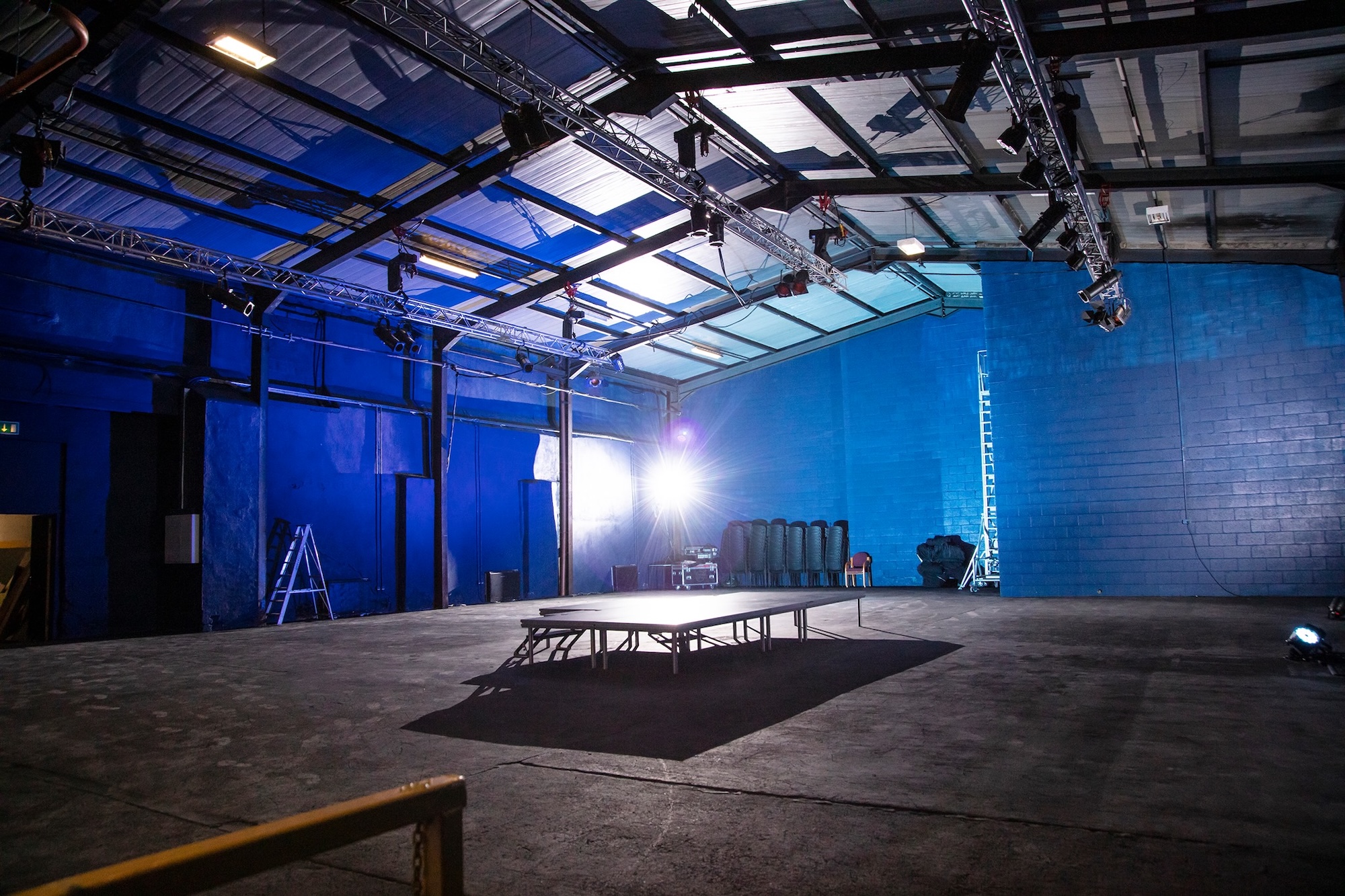
After The Complex: The Dublin Art Scene

The Complex, a major multi-artform venue in Dublin, was evicted from its warehouse building in January 2026 after its lease expired. A public campaign to save it, supported by politicians and cultural officials, failed due to a lack of legal mechanisms to protect grassroots cultural organizations. This closure follows a pattern of similar artist-led spaces folding in Ireland, most recently Ormond Studios.

Nations Charged With Crimes Against Humanity Will Not Be Considered for Venice Biennale Awards

The jury for the 2026 Venice Biennale announced it will not consider contributions from countries whose leaders are charged with crimes against humanity for the Golden and Silver Lion awards, effectively excluding Israel and Russia. The decision, framed as a commitment to human rights and aligned with curator Koyo Kouoh's vision, comes amid broader controversy over participating pavilions, including American artists declining to represent the US and the EU withdrawing a $2.3 million grant over Russia's involvement.

The other side of the art world

Isabel Adair recounts her visits to commercial art galleries in London and Cambridge, describing the experience of viewing Eva Pade's exhibition at Galerie Thaddeus Ropac in Mayfair and the abstract works at Byard Art near King's College. She highlights the contrast between the polished, elite atmosphere of a high-end Mayfair gallery and the more accessible, profit-driven local gallery, while noting the freedom and openness of these spaces to the public.

Arsenale Review: Where Voices Resist Erasure

At the 2026 Venice Biennale's Arsenale, critic Andrew Durbin reviews national pavilions, finding the US presentation vacuous and lacking meaning, while praising the British and German pavilions for their incisive and moving installations that resist erasure. The review highlights a stark contrast in curatorial ambition and political engagement among the participating nations.

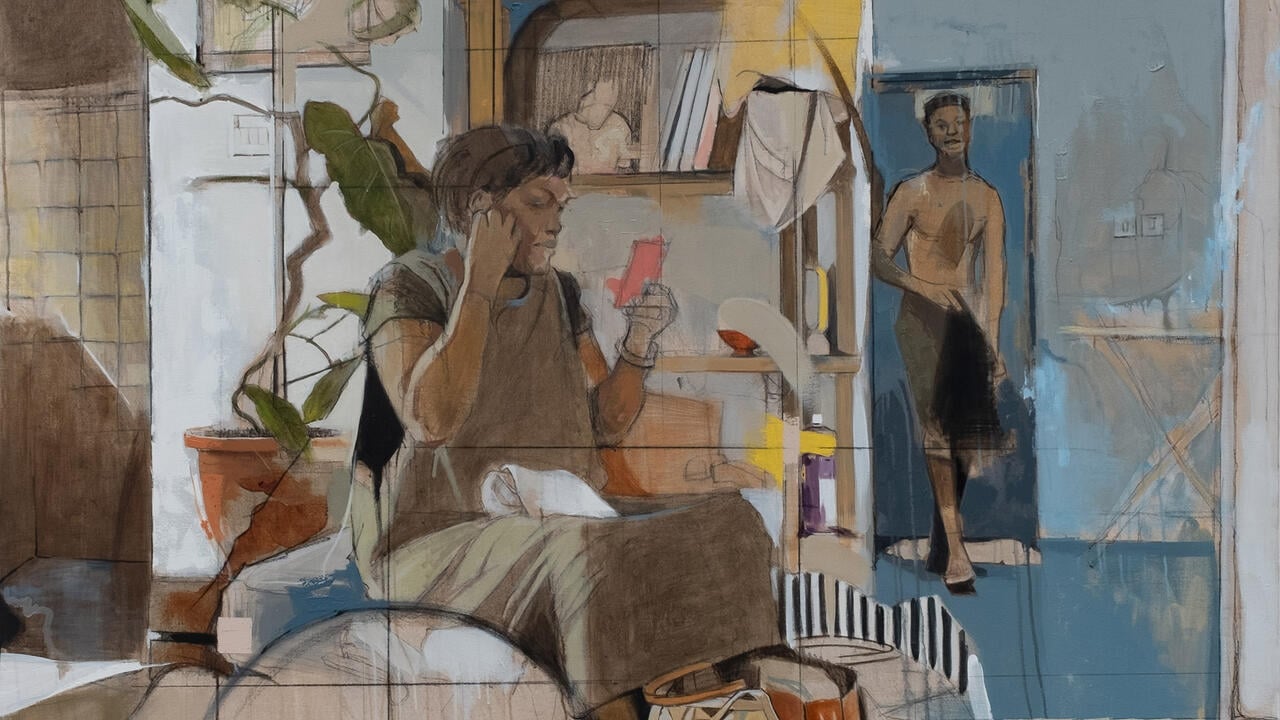
Ayotunde Ojo Maps Interiority Under the Public Gaze

The article, a critic's guide review by Andrew Durbin, contrasts the US national pavilion presentation at an unspecified biennial with those of Britain and Germany. The US presentation is described as vacuous and lacking in meaning, while the British and German installations are praised for being incisive and moving. The review critically examines the thematic and conceptual approaches of each national pavilion, highlighting a disparity in artistic depth and engagement.

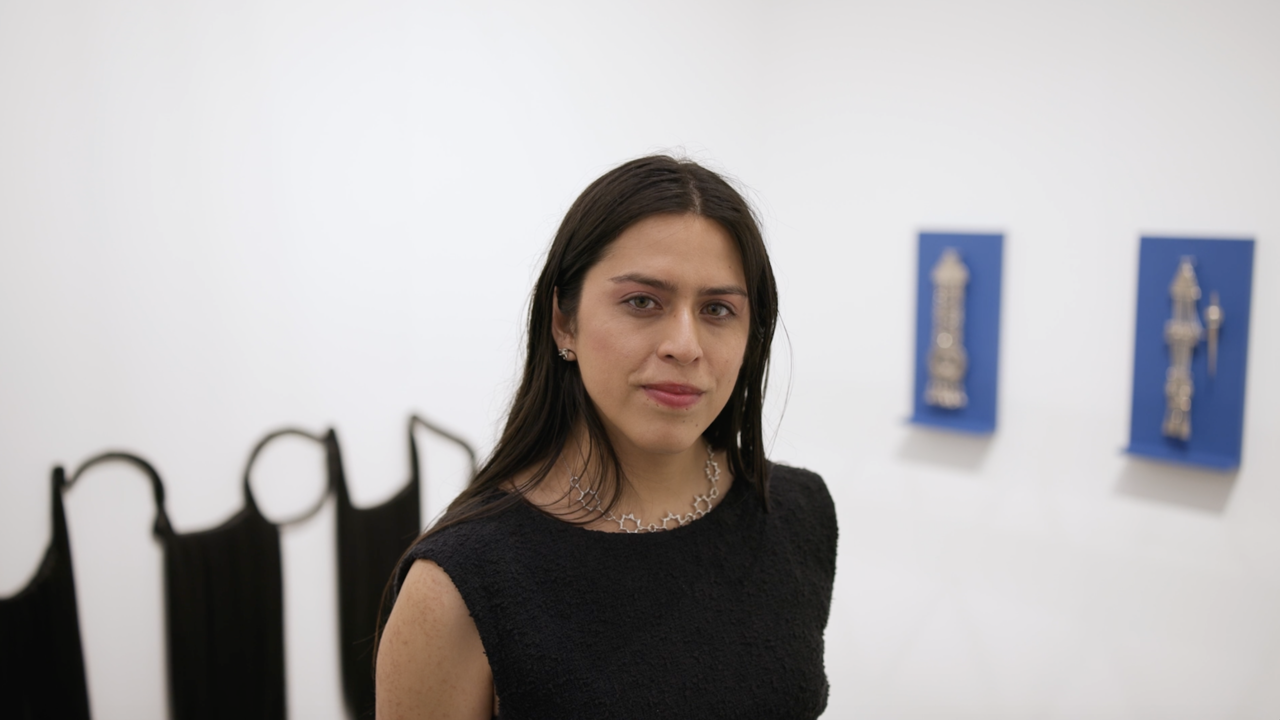
Seba Calfuqueo and the Colonized Body

Andrew Durbin reviews national pavilions at the 2026 Venice Biennale, critiquing the US presentation as vacuous while praising incisive and moving installations from Britain and Germany. The review highlights Seba Calfuqueo's work in the context of colonized bodies, though the article's main focus is on the comparative quality of the pavilions.