filter_list Showing 59 results for "CONTRA" close Clear
dashboard All 59 museum exhibitions 23rate_review review 13article news 12article culture 6trending_up market 2article local 2candle obituary 1
date_range Range Today This Week This Month All
Subscribe

Nicholas Pope, sculptor whose career came in two acts, 1949–2026

Nicholas Pope, a British sculptor known for his organic, post-minimalist works, has died at age 76. His career unfolded in two distinct acts: an early phase in the 1970s producing roughly-hewn wooden columns like *Oak Tree Column* (1973) and *Drooping Column* (1975), which earned him a spot in the British Pavilion at the 1980 Venice Biennale, followed by a decades-long hiatus after contracting viral encephalitis in Tanzania. He later returned to sculpture with brighter, brasher works in ceramic, glass, and felt, including *The Apostles Speaking in Tongues Lit By Their Own Lamps* (1993–96) and collaborations like *The Conundrum of the Chalices of the Seven Deadly Sins and Seven Virtues* (2015) with James Maskrey.
The Permanence of Refusal: Interview with Ding Yi

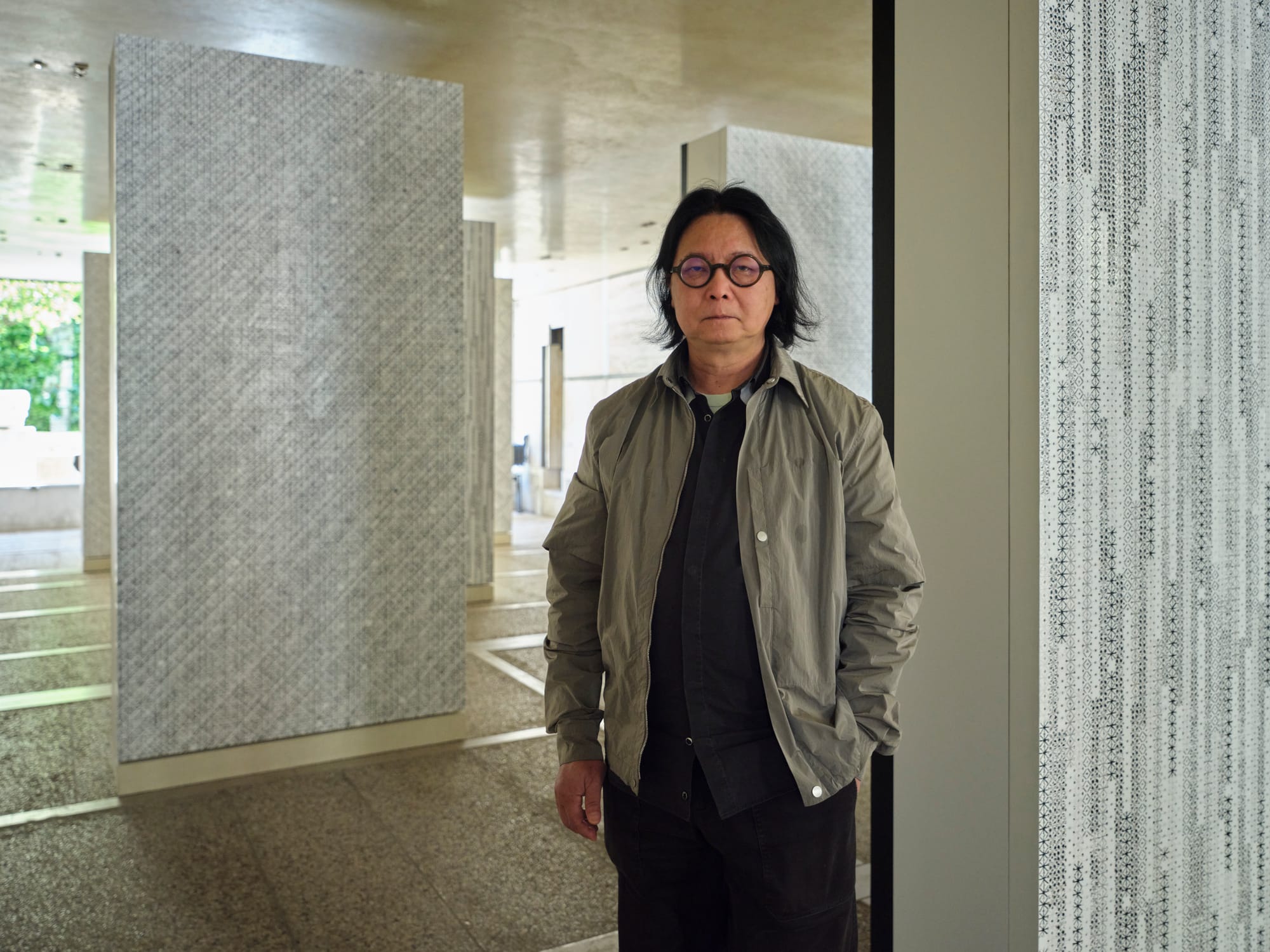
Chinese artist Ding Yi, who first appeared at the Venice Biennale in 1993 as part of the inaugural Chinese contemporary art exhibition, has returned to Venice with his first solo show in the city, titled “Cosmotechnics: Ding Yi as a Planetary Code” at Fondazione Querini Stampalia. The exhibition, referencing philosopher Yuk Hui's concept of cosmotechnics, traces Ding Yi's abstract visual language from the 1980s to the present, featuring new and historic works that engage with the modernist architecture of Carlo Scarpa. In an interview with ArtAsiaPacific during the 61st Venice Biennale preview week, Ding Yi reflects on the evolution of his practice, his travels, and the deep perceptual frameworks of ancient civilizations.

At the Venice Biennale, Koyo Kouoh’s ‘In Minor Keys’ Looks Deeply at Lush Gardens and a Scarred Earth

Koyo Kouoh's exhibition 'In Minor Keys' at the 2026 Venice Biennale centers on the practices of two deceased artists, Issa Samb and Beverly Buchanan, whose ways of thinking animate the show through dedicated 'Shrines' in the Central Pavilion. The exhibition also draws on Marcel Duchamp's legacy, featuring works by over a dozen contemporary artists including Akinbode Akinbiyi, Guadalupe Rosales, Natalia Lassalle-Morillo, Guadalupe Maravilla, Sofía Gallisá Muriente, and Avi Mograbi, whose installation 'Between a River and a Sea' contrasts pre-1948 business directories with a 2023 Gaza Yellow Pages. A section called 'The Schools' highlights artist-run spaces such as Denniston Hill, Guest Artists Space (G.A.S.) Foundation, blaxTARLINES, and the Nairobi Contemporary Art Institute.

Alma Allen Offers a Quiet Vision in Venice—Even as Questions Swirl the U.S. Pavilion

Alma Allen's exhibition "Call Me the Breeze" has opened at the U.S. Pavilion for the 61st Venice Biennale. The Utah-born sculptor presents a pared-down, whimsical show that contrasts with the bombastic work of his predecessors, grouping new and old pieces to explore themes of conflict, mourning, and transcendence inspired by Hieronymus Bosch's *Visions of the Afterlife*. The exhibition was produced hurriedly over a few months, and Allen, who typically leaves his works untitled, felt compelled to explain his art for the first time in 30 years amid controversy surrounding his commission.

6 Rising Artists to Watch at This Year’s Venice Biennale

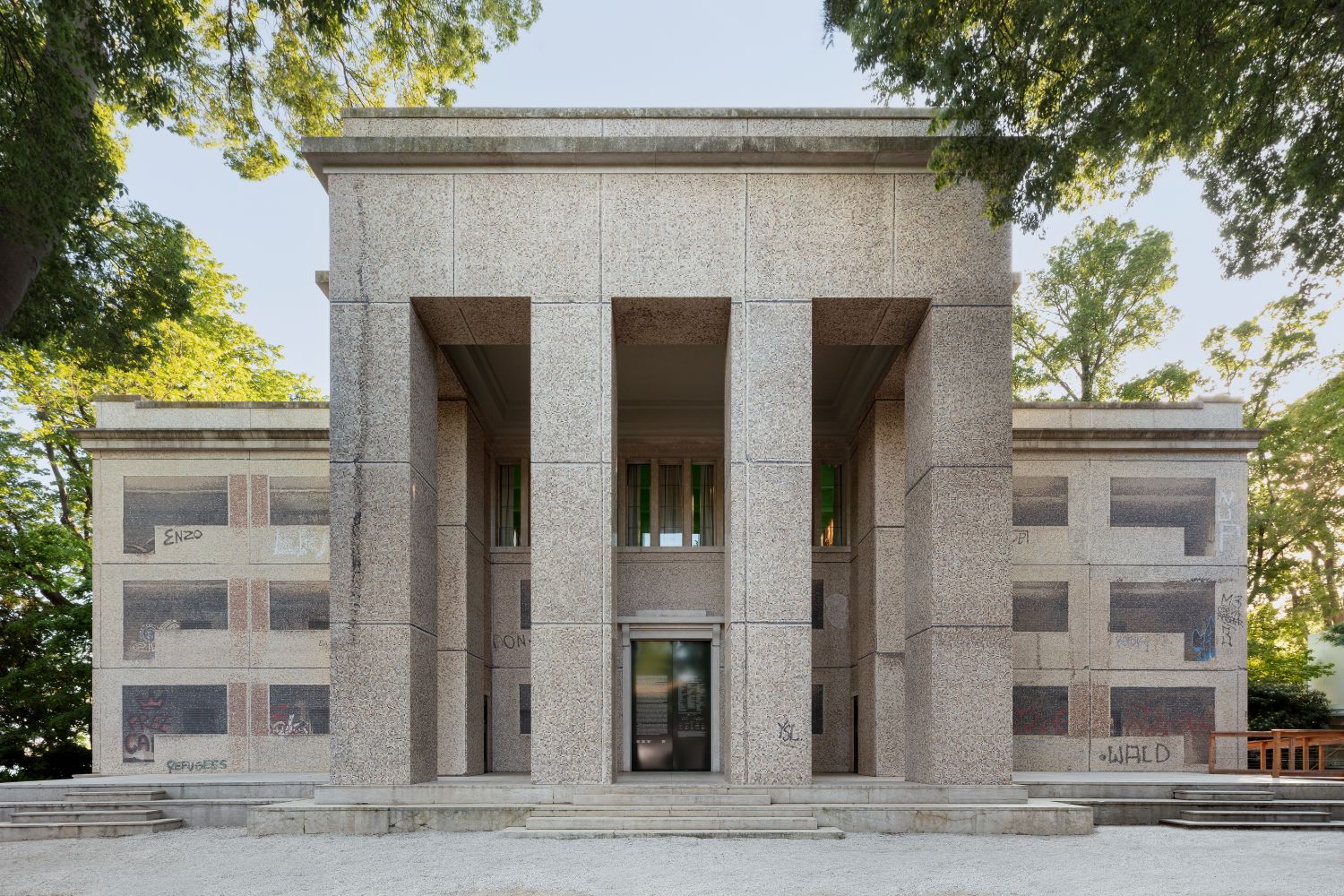
The article profiles six rising artists at the 2026 Venice Biennale, focusing on Sung Tieu and Gala Porras-Kim. Tieu transforms the German Pavilion with a tile shell recreating a former housing complex for Vietnamese contract workers, while inside she scatters chocolate ladybugs as a symbol of occupation. Porras-Kim presents work in the Arsenale examining 'institutionally defined damage' and how decay can realign objects with their natural state.

Venice off the beaten track

The article highlights collateral exhibitions at the 2024 Venice Biennale that take place beyond the main venues of the Giardini and Arsenale, offering visitors unexpected discoveries in historic Venetian palazzos and warehouses. Featured shows include Hernan Bas's 'The Visitors' at Ca' Pesaro, exploring tourism's contradictions; 'Turandot: To the Daughters of the East' at Palazzo Franchetti, a group exhibition of women artists from Central Asia; and Amoako Boafo's first solo show in Italy at Palazzo Grimani, presented by Gagosian.

American Folk Art Museum Workers Picket Gala, Calling for Higher Wages

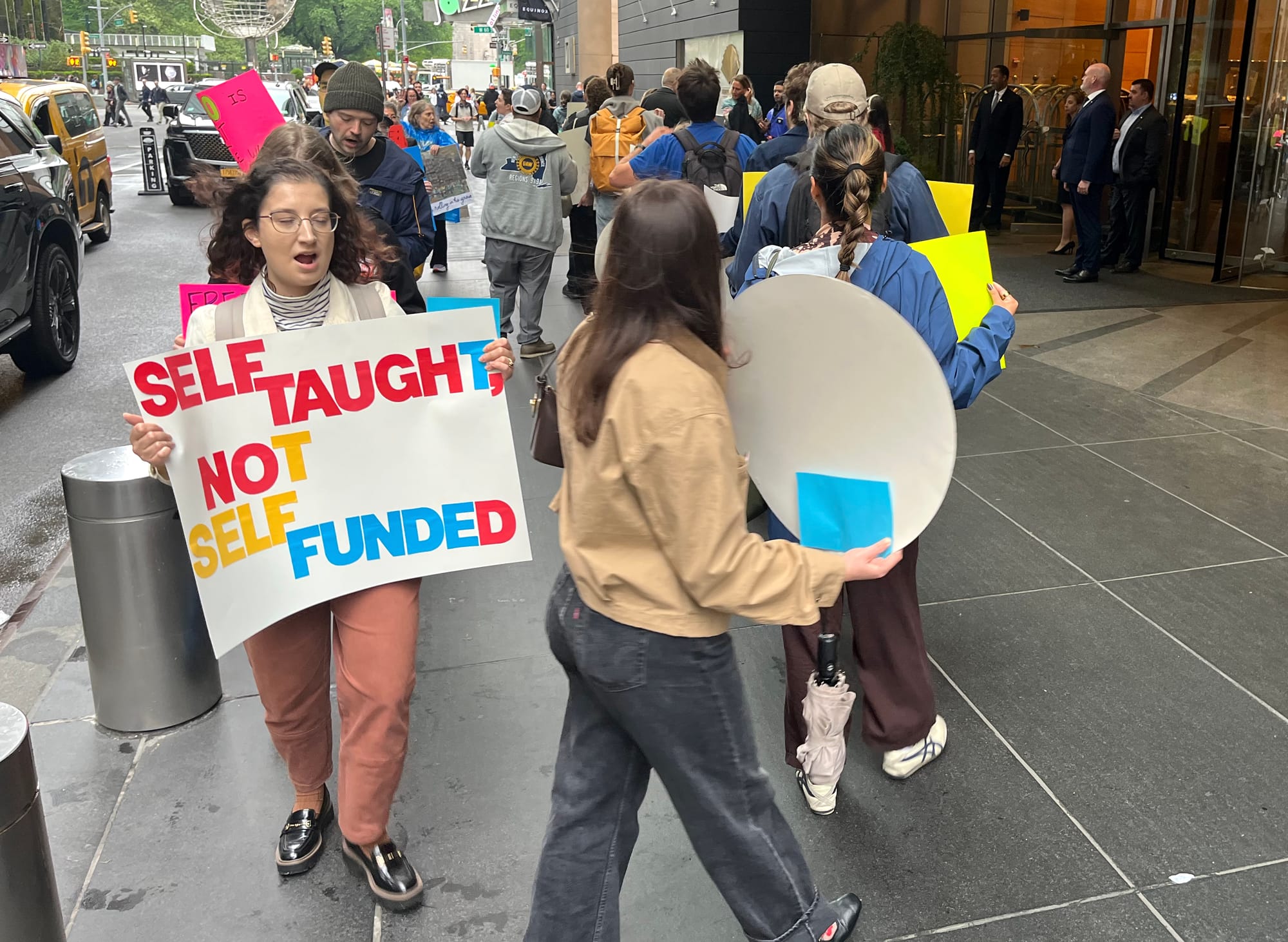
Workers at the American Folk Art Museum in New York City, represented by UAW Local 2110, picketed the museum's annual gala at the Mandarin Oriental in Manhattan on May 6, 2026. They demanded higher wages and better benefits after contract negotiations stalled for nearly two years. Frontline workers earn $19 per hour, about $12,000 below the city's living wage, while the museum's CEO Jason Busch earned $321,882 in 2024. The union requested a three-year contract raising wages to $30 per hour, but management offered only $21.50 and refused to guarantee existing benefits, leading to the protest.

An Unlikely Friendship Between Artist and Forger

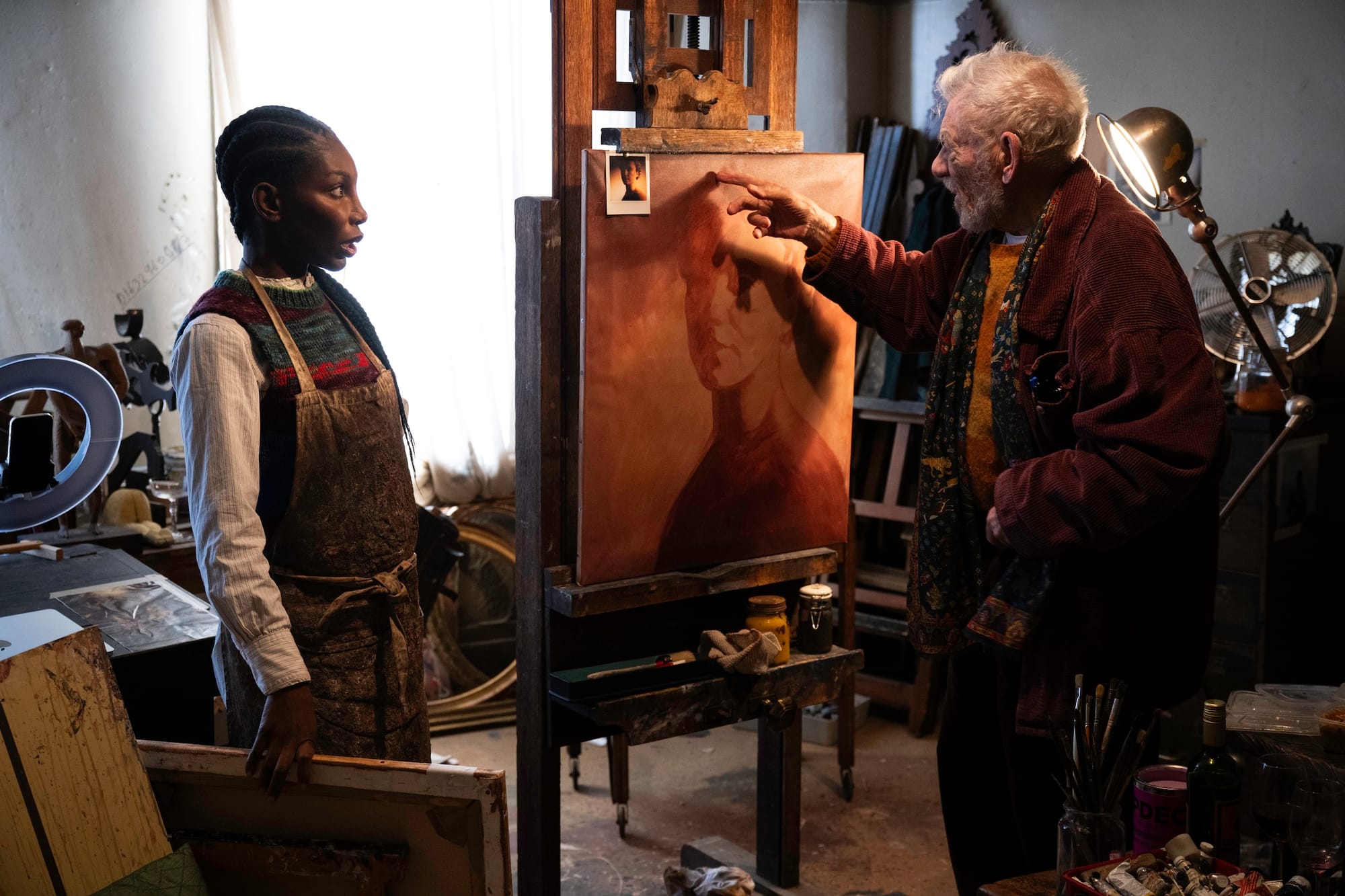
The article reviews Steven Soderbergh's 2026 film "The Christophers," which follows an unlikely friendship between two painters in London: Julian Sklar (Ian McKellen), an older artist facing cancellation, and Lori Butler (Michaela Coel), a young painter who restores and forges artworks. The film explores themes of attention, artistic legacy, and the purpose of art, contrasting with darker narratives like "Tár" by offering a comedic yet profound take on these issues.

Rollicking Protest Against Bezos's Met Gala Erupts in Manhattan

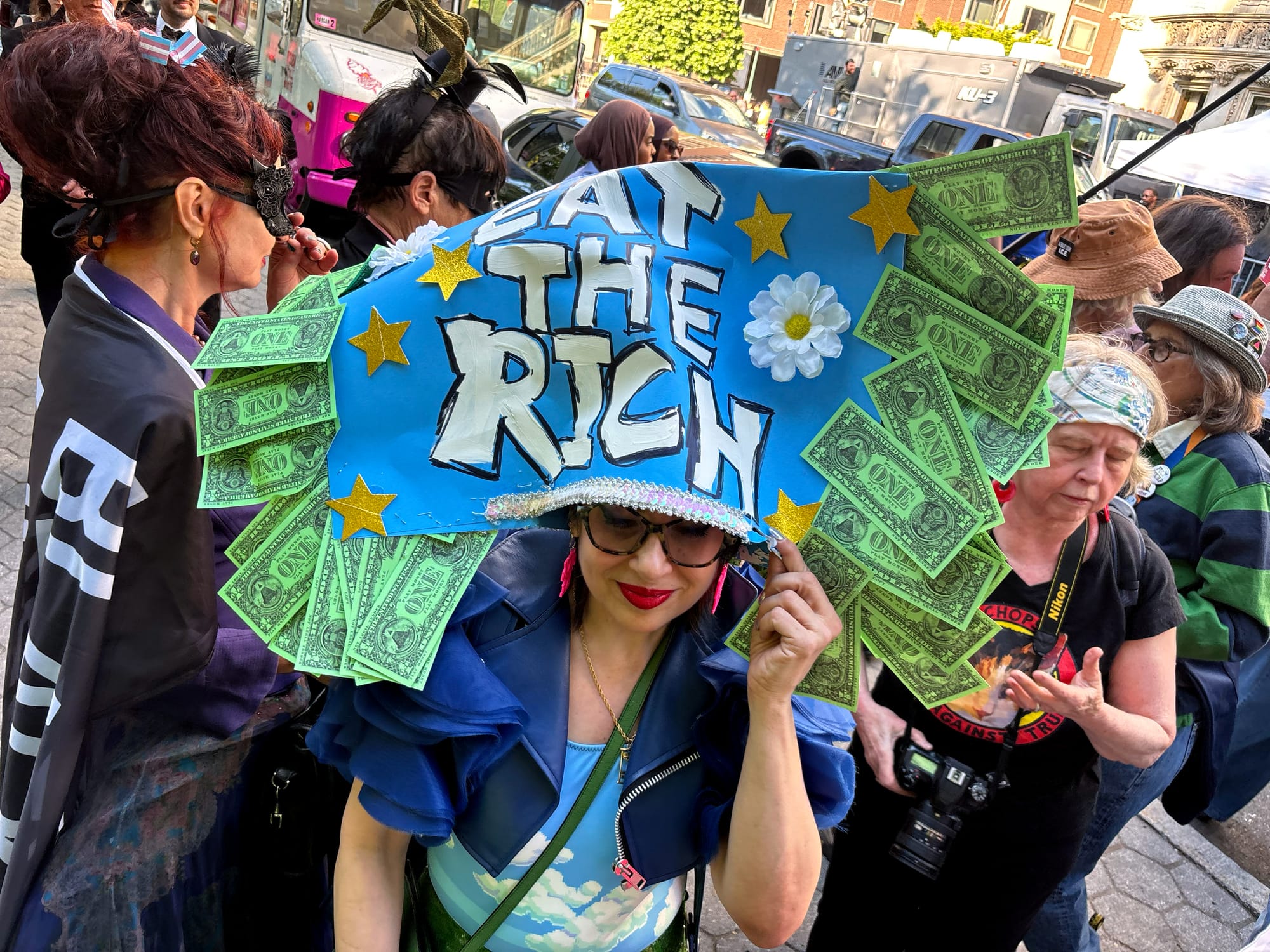
On May 4, 2026, a small but spirited protest organized by the advocacy group Rise and Resist erupted near the Metropolitan Museum of Art during the Met Gala. Dozens of costumed demonstrators gathered on a makeshift "Resistance Runway" to denounce billionaire Jeff Bezos, who co-chaired the event with his wife Lauren Sánchez Bezos. Participants held signs addressing trans rights, fascism, and wealth inequality, and danced to ABBA's "Money, Money, Money." The protest highlighted Bezos's role as co-chair, with activists criticizing his company Amazon's profits from immigration crackdowns and layoffs at the Washington Post. Bezos reportedly did not attend the gala, while his wife walked the red carpet alone.

The Carnegie International Looks Back at Itself

The 58th Carnegie International at the Carnegie Museum of Art in Pittsburgh looks back at its own 130-year history, featuring a gallery dedicated to past iterations. The exhibition includes Chris Ofili's "The Adoration of Captain Shit and the Legend of the Black Stars" (1998), which was originally shown in the 53rd International in 1999, the same year Ofili's more notorious "The Holy Virgin Mary" sparked controversy at the Brooklyn Museum. The article reviews how the current iteration captures the excitement of earlier exhibitions while providing commentary on authoritarianism and militarism.

I’ve Got the Post-Duchamp Blues

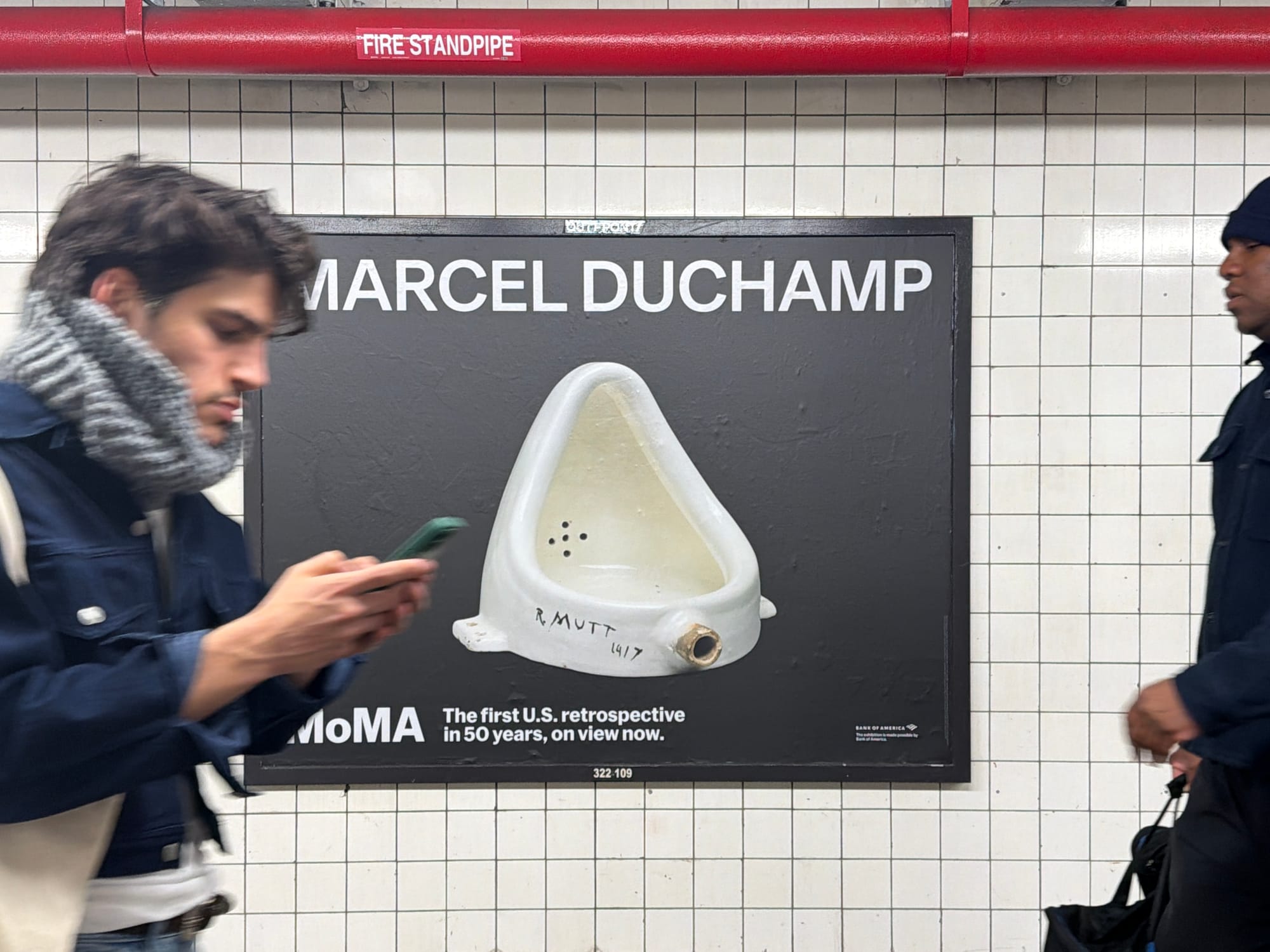
The article is a review of the Marcel Duchamp retrospective at the Museum of Modern Art (MoMA) in New York, the first such show since 1973. Featuring around 300 works from Duchamp's six-decade career, the exhibition includes his iconic readymades like "Fountain" (1917) and early paintings such as "Nude Descending a Staircase, No. 2" (1912). Co-curated by MoMA's Ann Temkin and Michelle Kuo along with Matthew Affron of the Philadelphia Museum of Art, the show runs through August 22, 2026, before traveling to Philadelphia.

Artists, Read the Fine Print

Artist Damien Davis writes a critical piece on how so-called 'standard' contracts in the art world systematically undermine artists' power, citing long consignment periods, moral rights waivers, and opaque terms that favor institutions. Separately, the Venice Biennale has scrapped its traditional Golden Lion awards after the awards jury resigned; instead, ticket holders will vote on 'Visitor Lions,' with results announced in November, and notably Israel and Russia remain eligible despite the jury's earlier ban. Other news includes damage to a 1,000-year-old Native American archaeological site by construction crews building President Trump's border wall.

Cécile Debray : « Une proposition poétique de dialogue entre trois œuvres pour une délectation esthétique »

Cécile Debray, president of the Musée national Picasso-Paris, discusses a rare collaboration with galleries to present a three-artist exhibition in Venice during the Biennale. The show brings together Pablo Picasso, Giorgio Morandi, and Claudio Parmiggiani around the theme of the object and still life, highlighting unexpected philosophical and poetic connections. Debray explains how the selection of 14 Picasso works balances iconic pieces with lesser-known ones, including sculptures, to create a dialogue with Morandi's rigorous, serial approach and Parmiggiani's metaphysical art.

« Le jardin anglais incarne une vision de la société » : une expo à Versailles explore cette passion de l’Europe des Lumières

The article explores an exhibition at the Grand Trianon in Versailles dedicated to the English garden, a style that emerged in 18th-century Europe as a deliberate contrast to the rigid symmetry of the formal French garden. Curator Élisabeth Maisonnier and museum director Laurent Salomé explain how these gardens, with their winding paths, irregular flowerbeds, and surprise features like grottoes and pagodas, were carefully constructed to imitate and amplify nature's complexity, drawing on influences from antiquity, the Middle Ages, and China.

« À qui appartiennent ces œuvres ? » : le destin des biens culturels spoliés par les nazis au cœur d’un nouvel espace au musée d’Orsay

On May 5, the Musée d'Orsay in Paris inaugurated a new dedicated space in the Pavillon Amont for artworks looted during World War II that remain unclaimed by their owners or heirs. The room, titled "À qui appartiennent ces œuvres ?" ("Who owns these works?"), features thirteen pieces including sculptures by Auguste Rodin and paintings by Auguste Renoir, Edgar Degas, and Eugène Boudin. These represent a fraction of the museum's 225 MNR (Musées nationaux récupération) holdings, part of a national legacy of approximately 2,000 looted works still held in French museums.

Weekly News Roundup: May 5, 2026

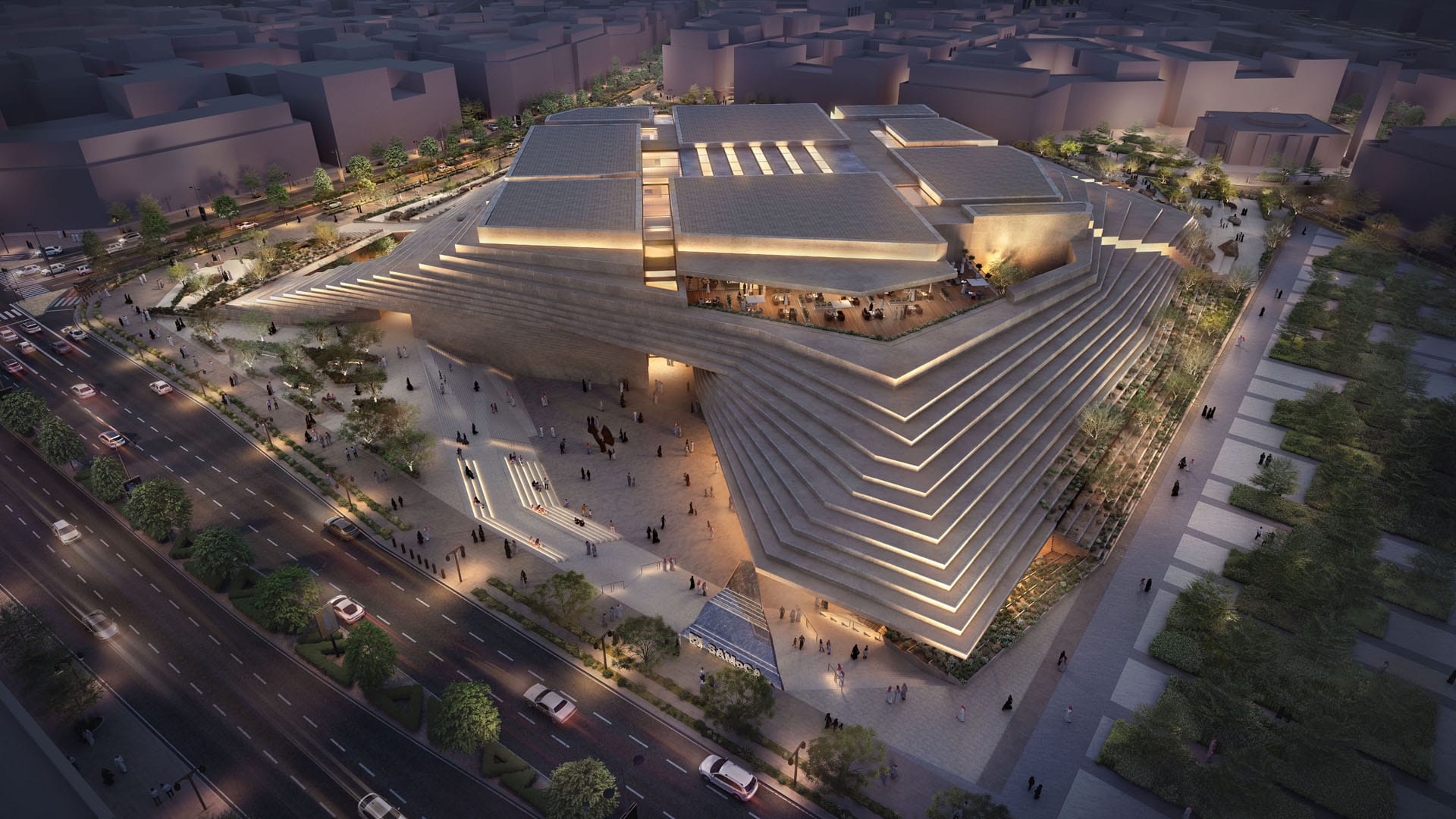
The article reports three major developments in the global art world. Saudi Arabia's Diriyah Company has awarded a $490 million contract for a new flagship space of the Saudi Arabia Museum of Contemporary Art (SAMoCA) in Diriyah, designed by Godwin Austen Johnson. The Sharjah Art Foundation has announced details for Sharjah Biennial 17 (SB17), titled "What remains, sits restive," curated by Angela Harutyunyan and Paula Nascimento, featuring 109 artists and set to open in 2027. Additionally, DATALAND, a new AI art museum founded by Refik Anadol and Efsun Erkılıç, will open on June 20 in Los Angeles, showcasing digital and immersive artworks.

Comment | We must avoid amputating art in the name of preservation

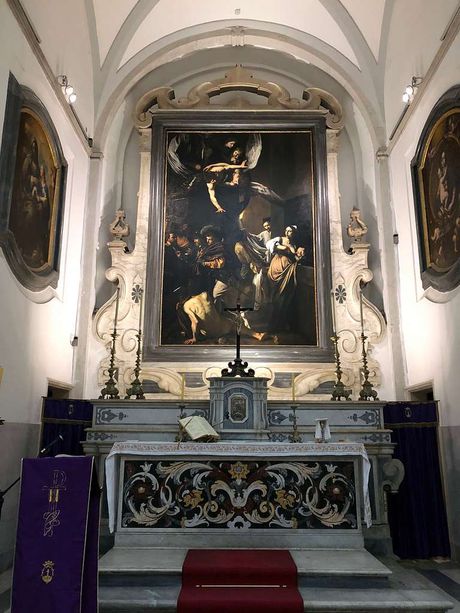
The article recounts the author's experience viewing Caravaggio's *Seven Acts of Mercy* (1607) in its original chapel in Naples, where the painting's crowded, dramatic composition directly mirrors the chaotic streets of the city, revealing its sacred meaning through context. In contrast, the author describes Caravaggio's *Flagellation of Christ* (1607), moved from the church of San Domenico Maggiore to the Museo di Capodimonte for security reasons, as a painting "marooned"—its spiritual purpose broken, reduced to a mere object for aesthetic appreciation.

Scaled back Art Dubai 2026 reveals wide impact of Iran war

Art Dubai 2026 has announced a significantly scaled-back edition for its 20th anniversary, now running from May 15 to 17 at Madinat Jumeirah with a VIP day on May 14. The fair will feature just 50 galleries—a 60% drop from pre-war expectations—and will be free for all visitors for the first time. Two-thirds of participants are Middle East-based, with all Indian galleries canceling due to safety concerns, shipping risks, and lack of insurance. A new “risk-sharing” model allows galleries to pay a percentage of sales capped at their booth fee, while half of withdrawn galleries’ fees are refunded and half credited toward 2027.

Deutscher Pavillon wird zum Plattenbau

The German Pavilion at the Venice Art Biennale has been transformed into a prefabricated concrete slab building (Plattenbau) for this year's edition, designed by artists Sung Tieu and the late Henrike Naumann, who died suddenly in February at age 41 from cancer. Curator Kathleen Reinhardt described the pavilion as part of a highly political Biennale, with Tieu covering the 1938 fascist-era building with a mosaic of over three million tiles depicting a Berlin apartment block that once housed Vietnamese contract workers. Naumann's interior installation features mint-green references to Soviet barracks in East Germany, a cartography of war, and works including a relief of chairs, a curtain of chainmail, and the performance "Trümmerfrau."

An Abandoned Shipyard in Venice Is Getting a New Life Thanks to This Congolese Choreographer

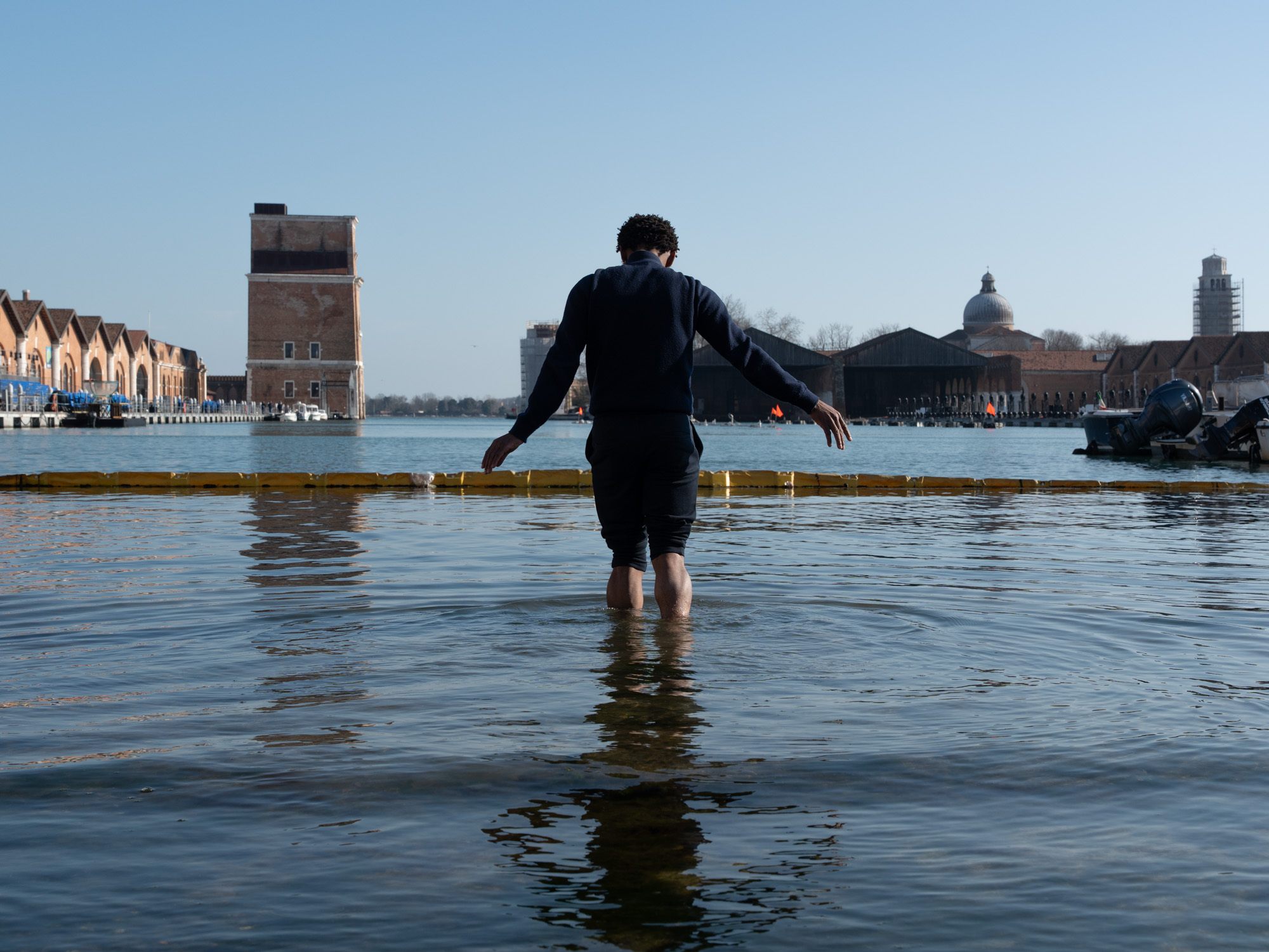
Congolese choreographer Faustin Linyekula is staging "The Galeazze Project," a performance in a 16th-century shipyard complex in Venice that has been inaccessible since World War II and never open to the public. Commissioned by the nonprofit Scuola Piccola Zattere, the work will bring up to 500 people into the 32,291-square-foot open-air ruin for two nights during the 2026 Venice Biennale preview week. The rental fee from the performance will help stabilize and restore the floors of the historic Galeazze site.

A Pavilion of Ruins: Germany Reconsiders Its Past in Venice

The German Pavilion at the 61st Venice Biennale features a dual presentation exploring the country's layered political history. Artist Sung Tieu has cloaked the pavilion's fascist-era facade with a mosaic reconstruction of a GDR housing estate for Vietnamese contract workers, where she lived as a child. Inside, the late Henrike Naumann's immersive installation 'The Home Front' uses furniture and design to stage a confrontation between East and West German domestic and political ideologies. Naumann died in February 2025 at age 41, but her fully realized concept was completed collaboratively by her partner and curator Kathleen Reinhardt.

The Price Points Powering the Art Market

The article, part of the Artnet Intelligence Report: Year Ahead 2026, analyzes art market performance by price bracket in 2025. The $1 million-to-$10 million range was the strongest segment, with sales totaling $3.5 billion—a 20.8% increase from 2024. Sales above $10 million rose 36.1% to $2.3 billion, boosted by high-priced masterpieces at New York's November auctions. The $100,000-to-$1 million bracket saw $3.2 billion in sales, up 6%. Meanwhile, works under $10,000 and in the $10,000-to-$100,000 range grew less than 1%, indicating cautious buyer behavior.

‘It’s a world heritage site, but it’s my home’: the last resident of Casa Milà on life in Gaudí’s masterwork

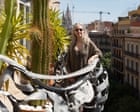
Ana Viladomiu, a 70-year-old writer, is the last remaining tenant of Antoni Gaudí’s Casa Milà (La Pedrera) in Barcelona, a UNESCO World Heritage site that receives about a million visitors annually. She has lived in the luminous apartment since 1988, originally moving in with her then-husband Fernando Amat, owner of the iconic design store Vinçon. Viladomiu holds a rare renta antigua (fixed-rent contract) that allows her to stay until she or Amat dies, after which the not-for-profit foundation managing the building will take ownership. The rest of the building now houses offices and cultural event spaces.

Collaged Denim Sculptures by Nick Doyle Unravel American Mythology

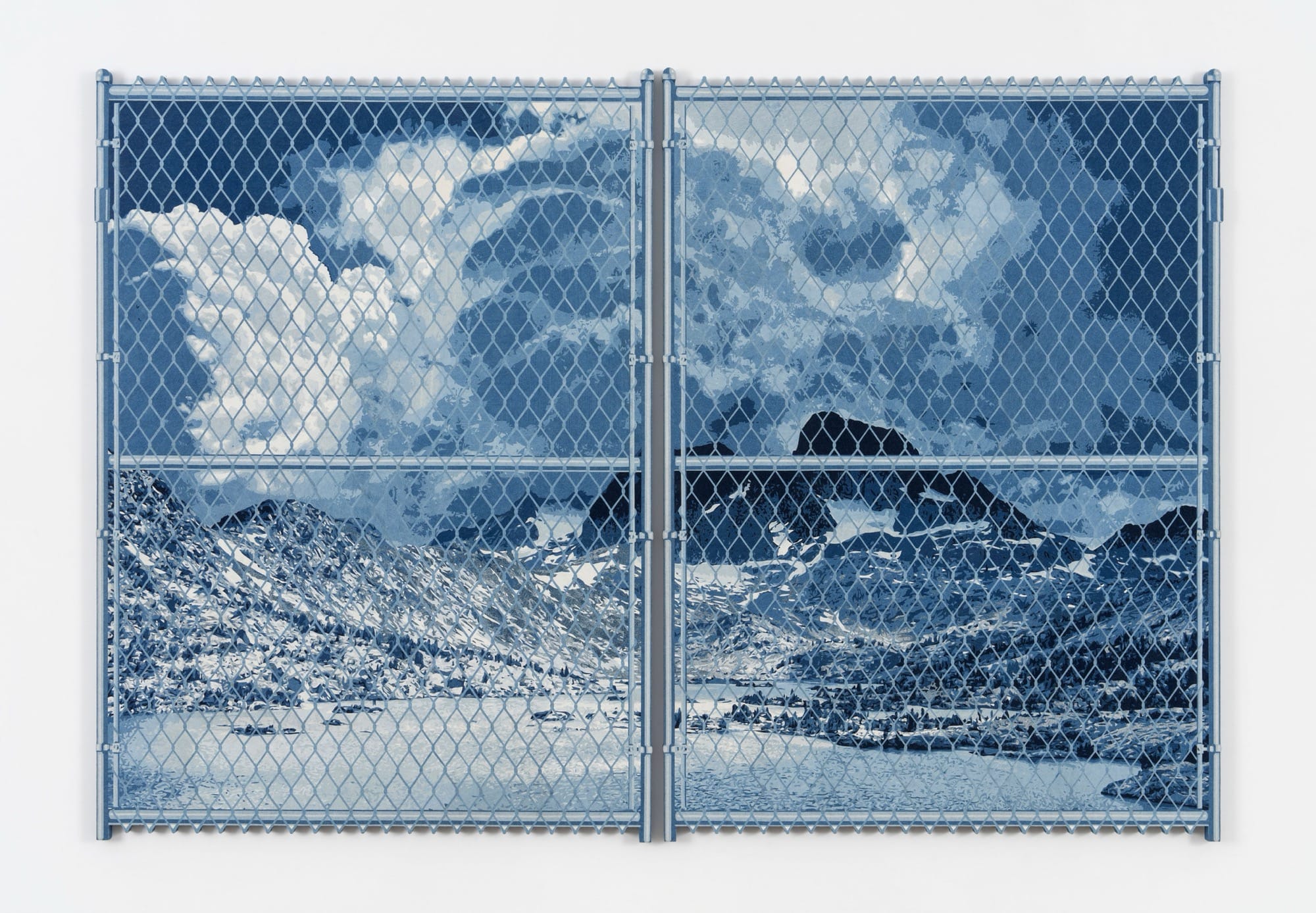
Brooklyn-based artist Nick Doyle creates large-scale wall sculptures using layered and bleached denim, exploring American mythology and its contradictions. His solo exhibition "Collective Hallucinations" at Perrotin features works such as stylized cacti, landscapes, tarot cards, and a fortune teller's shop, all rendered in denim. Doyle's practice began after finding a discarded roll of denim in 2018, which he saw as a metaphor for the complexities of American history, including slavery, masculinity, and Manifest Destiny.

Met Gala Boycott Message Projected on Bezos’s Manhattan Penthouse

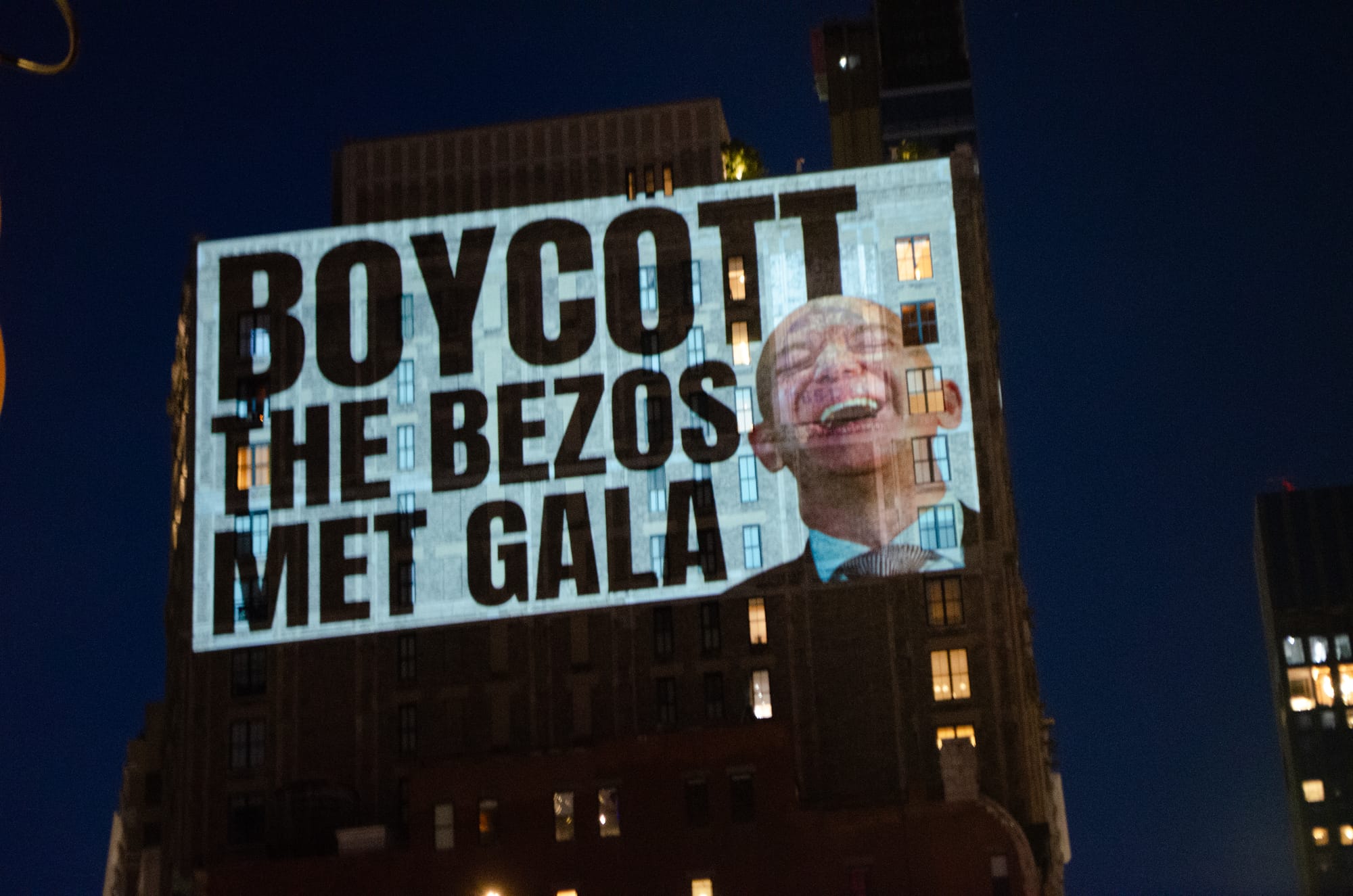
On May 3, 2026, the activist group Everyone Hates Elon projected messages condemning Jeff Bezos and Amazon onto Bezos's luxury penthouse in Manhattan's Madison Square Park, ahead of the Met Gala on May 4. The projections included a video testimony from Amazon warehouse worker Mary Hill, who called for honoring workers instead of billionaires, and slogans such as 'Boycott The Bezos Met Gala.' The group also projected onto the Chrysler and Empire State buildings. This action follows earlier protests, including littering the Met with fake urine bottles and wheatpasting posters across the city, all targeting Bezos's role as an honorary co-chair of the gala.

Wrapped for Travel: On "The American Connection" by Peter Halley and "Black Painter, White Figuration" by Maxwell Alexandre

Two simultaneous exhibitions at Almeida & Dale in São Paulo present contrasting visions: American artist Peter Halley's "The American Connection," curated by Antonio Gonçalves Filho, features his signature geometric abstractions using Roll-A-Tex and Day-Glo colors to critique digital confinement and post-industrial surfaces. Brazilian artist Maxwell Alexandre shows works from his "Clube" series, depicting Black bodies navigating exclusionary leisure spaces. The pairing is deliberate, not for aesthetic dialogue but to juxtapose an established international artist with a rising Brazilian talent, timed to coincide with SP-ARTE.

A sturdy soldier in a sequin dress

"Eine kräftige Soldatin im Paillettenkleid"

Media reviews of the Venice Biennale's opening week offer contrasting takes on the German and US pavilions. Critics describe the German pavilion, curated by Sung Tieu and Henrike Naumann, as a dense, ironic East-West narrative that layers Nazi architecture with DDR prefab construction, creating what Jörg Häntzschel calls a "shockingly seamless symbiosis." The US pavilion, featuring sculptures by Alma Allen, is panned by Maximilíano Durón in ArtNews as politically timid and empty, lacking the clear colonial critiques of previous editions by Simone Leigh and Jeffrey Gibson.

On ARTE, the Ruffini Affair or the Autopsy of an Extraordinary Scandal in the Art World

Sur Arte, l’affaire Ruffini ou l’autopsie d’un scandale hors norme dans le monde de l’art

The documentary series "Le Peintre, la Pizza et le Corbeau" (The Painter, the Pizza and the Crow), available on ARTE, investigates a sprawling art forgery scandal centered on discreet dealer Giuliano Ruffini. Beginning in spring 2014 with an anonymous letter, the case led to a judicial inquiry by judge Aude Burési and France's Central Office for the Fight against Trafficking in Cultural Goods (OCBC). The series follows multiple suspicious artworks—including a Lucas Cranach Venus seized from an exhibition at the Hôtel de Caumont, a David and Goliath by Artemisia Gentileschi, and a Frans Hals portrait—each raising questions of authenticity. Ruffini, a former painter turned collector, remains an enigmatic figure, portrayed as both intuitive genius and possible cog in an opaque system.

Comment | Degenerate art all over again? Nazi attack on Modern art is not far away from trends in today’s world

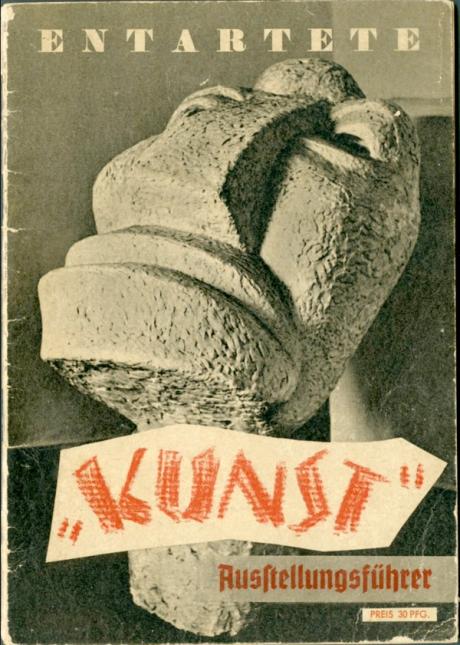
The article draws a provocative parallel between the Nazi regime's attack on modern art—epitomized by the 1937 "Degenerate Art" (Entartete Kunst) exhibition—and contemporary political aesthetics, particularly around President Donald Trump. It traces the Nazi party's early use of visual spectacle, mass rallies, and monumental art to forge a national identity, contrasting this with Trump's proposed National Garden for American Heroes and stalled White House Ballroom, which the author dismisses as kitsch but lacking the cohesive fascist aesthetic of Albert Speer's masterplans.

Sung Tieu on Representing Germany at the 61st Venice Biennale

Sung Tieu, who is co-representing Germany at the 61st Venice Biennale alongside Henrike Naumann, responds to a questionnaire from ArtReview about her plans for the German Pavilion. She describes her inspiration as her mother and childhood home, a site built for foreign contract workers in the GDR that later became a refuge for the diaspora. Tieu states that her work relates to the Biennale theme "In Minor Keys" through the lens of Gehrenseestrasse, a concrete record of collective memory. She also expresses skepticism about the Biennale's importance, noting that the German Pavilion's fascist architecture compels artists to work against it, and that national pavilions reveal how much work remains in undoing nationalism.