filter_list Showing 1481 results for "Log" close Clear
search
dashboard All 1481 museum exhibitions 1029article local 93article news 93article culture 92person people 43rate_review review 35trending_up market 32candle obituary 23article policy 21gavel restitution 16article event 3article events 1
date_range Range Today This Week This Month All
Subscribe

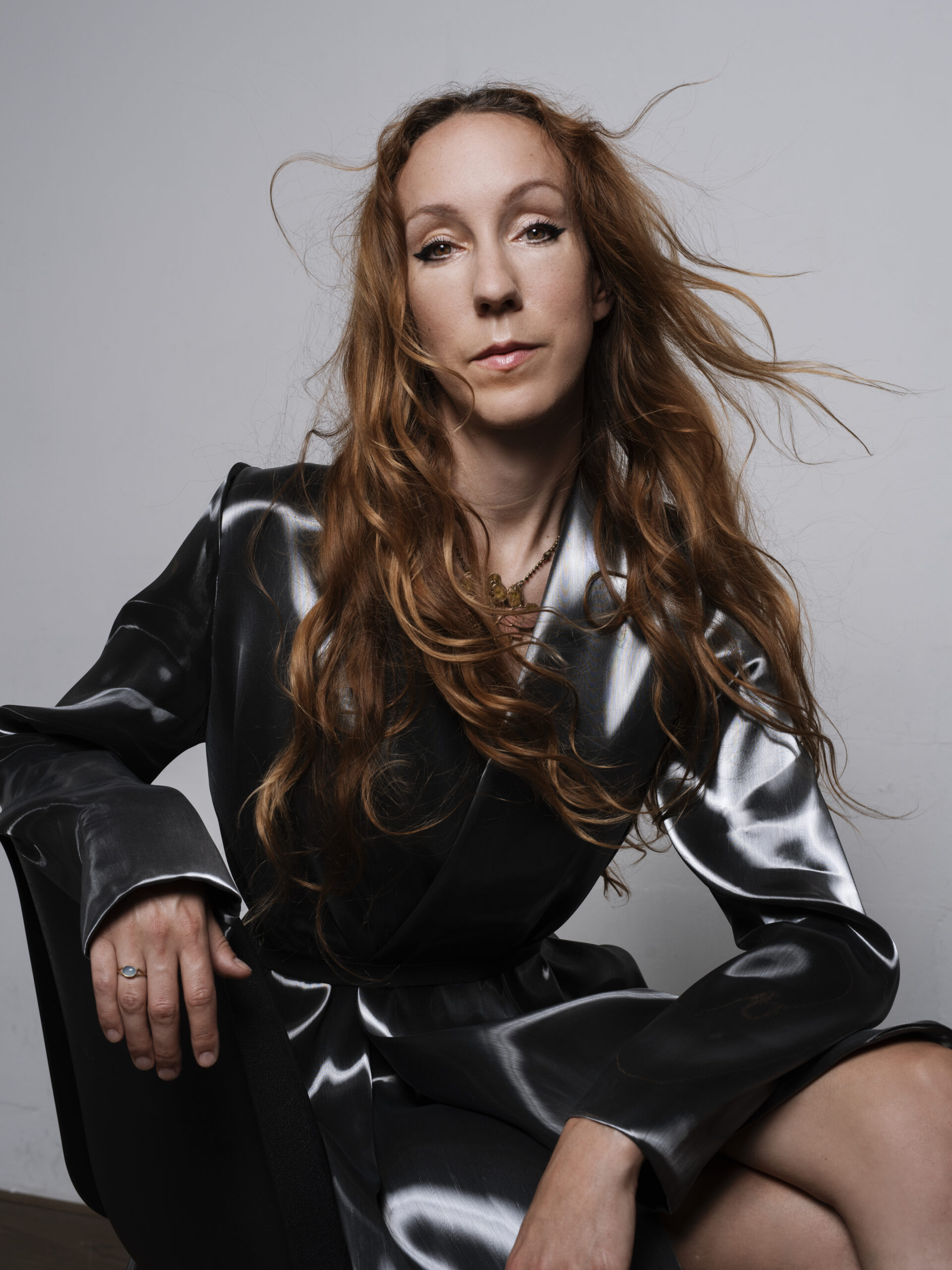
A New Show Explores the Cutting-Edge Designs of Fashion’s Mad Scientist, Iris van Herpen

Iris van Herpen's mid-career retrospective "Iris van Herpen: Sculpting the Senses" has opened at the Brooklyn Museum, marking the designer's first major museum presentation in the United States. Originally mounted at the Musée des Arts Décoratifs in Paris in 2023, the exhibition features over 140 haute couture looks alongside artworks, design objects, fossils, videos, and natural specimens. The show begins with a water-themed section and includes garments made from materials such as glass bubbles, bioluminescent algae, and 3D-printed polyamide, exploring themes of skeletal structures, primordial fear, and cosmic movements. A centerpiece room, the Atelier, displays swatches, prototypes, and experimental materials, highlighting van Herpen's scientific approach to fashion design.
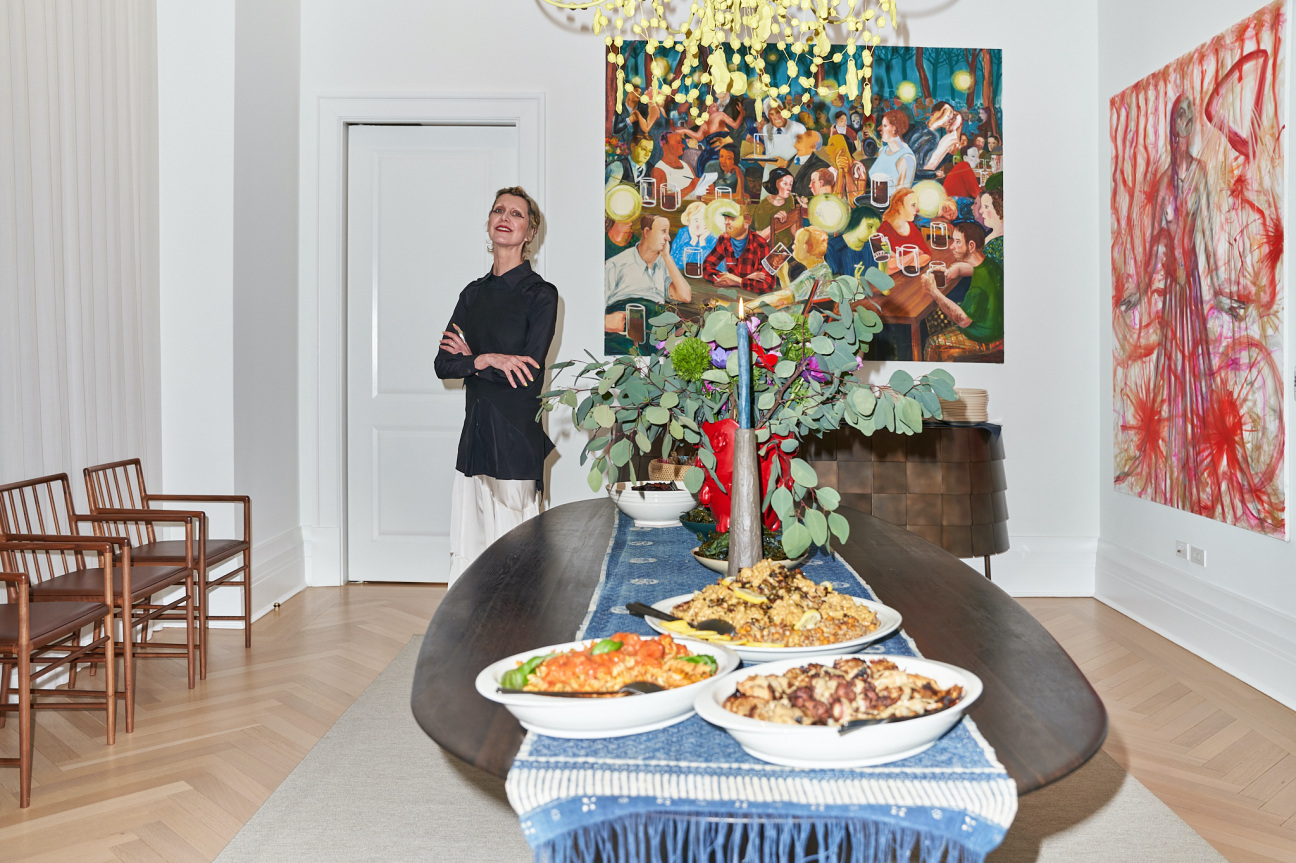
Who’s The Next Obsession? 12 European Collectors Reveal How They Discover New Talent

Cultured magazine asked 12 European collectors how they discover new talent, timed to the 61st Venice Biennale. Collectors like Nicole Saikalis Bay, Amélie du Chalard, Belma Gaudio, and Laurent Asscher share their personal approaches—ranging from emotional resonance and dialogue with existing works to long-term obsession with an artist before acquiring a piece. The responses reveal a diversity of methods, from instinct-driven buying to conceptual and technical evaluation.

collector questionnaire yu chi lyra kuo technology art

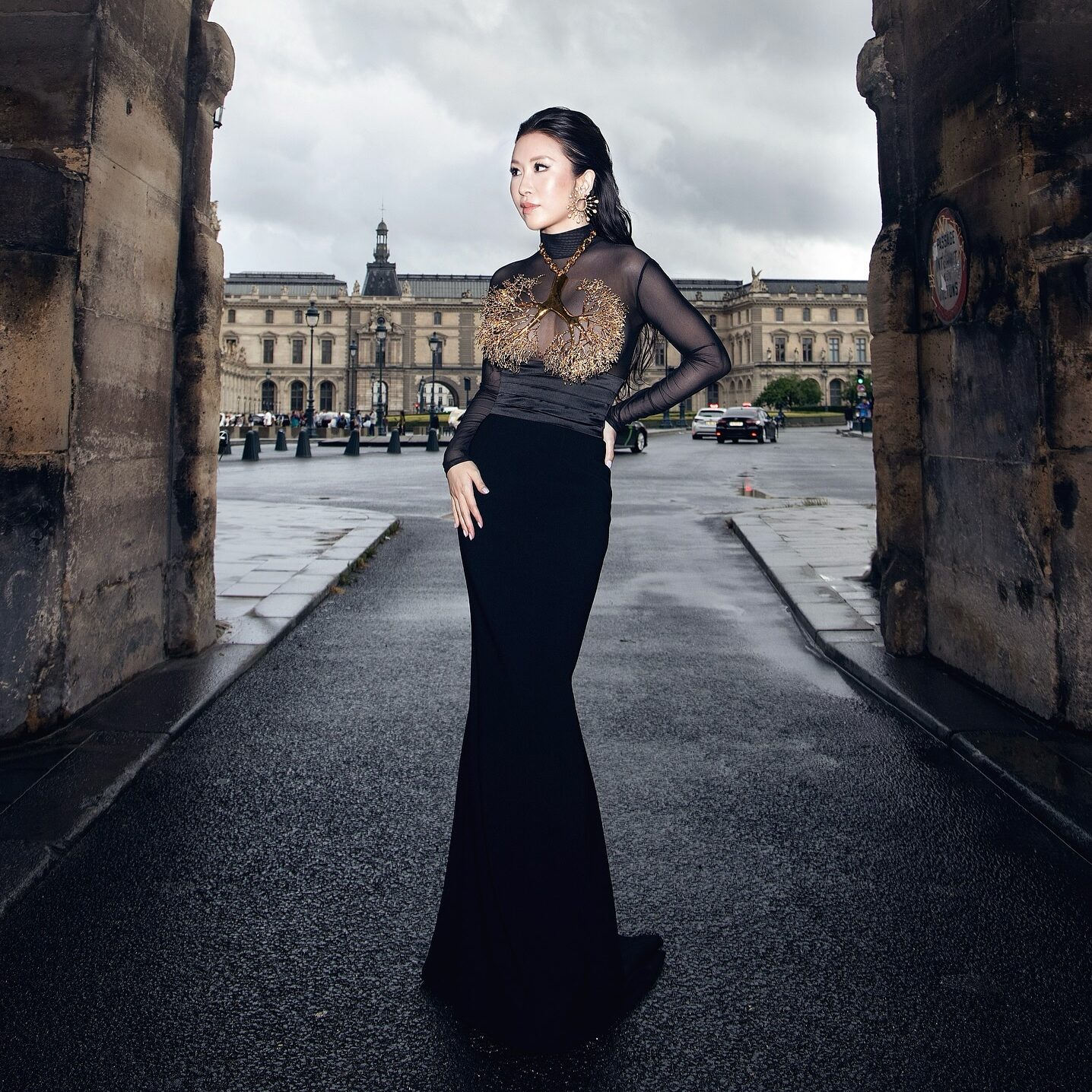
Yu-Chi Lyra Kuo, an entrepreneur, investor, and Harvard-educated lawyer, is profiled for her pioneering work at the intersection of frontier technology and art. A former Princeton academic and one of the youngest board members of the Shed in New York, Kuo began collecting art as a child with a jade gourd from her grandfather's museum of Asian carvings. She was an early entrant into blockchain in 2011, co-founded OpenSea 2.0, and now advises frontier tech companies like Orchid Health. Kuo believes technologies such as AI and robotics can enhance human creativity, enabling individualized artworks, autonomous creations, and robot performances, rather than replacing human cultural meaning.

art alex da corte artist whitney museum

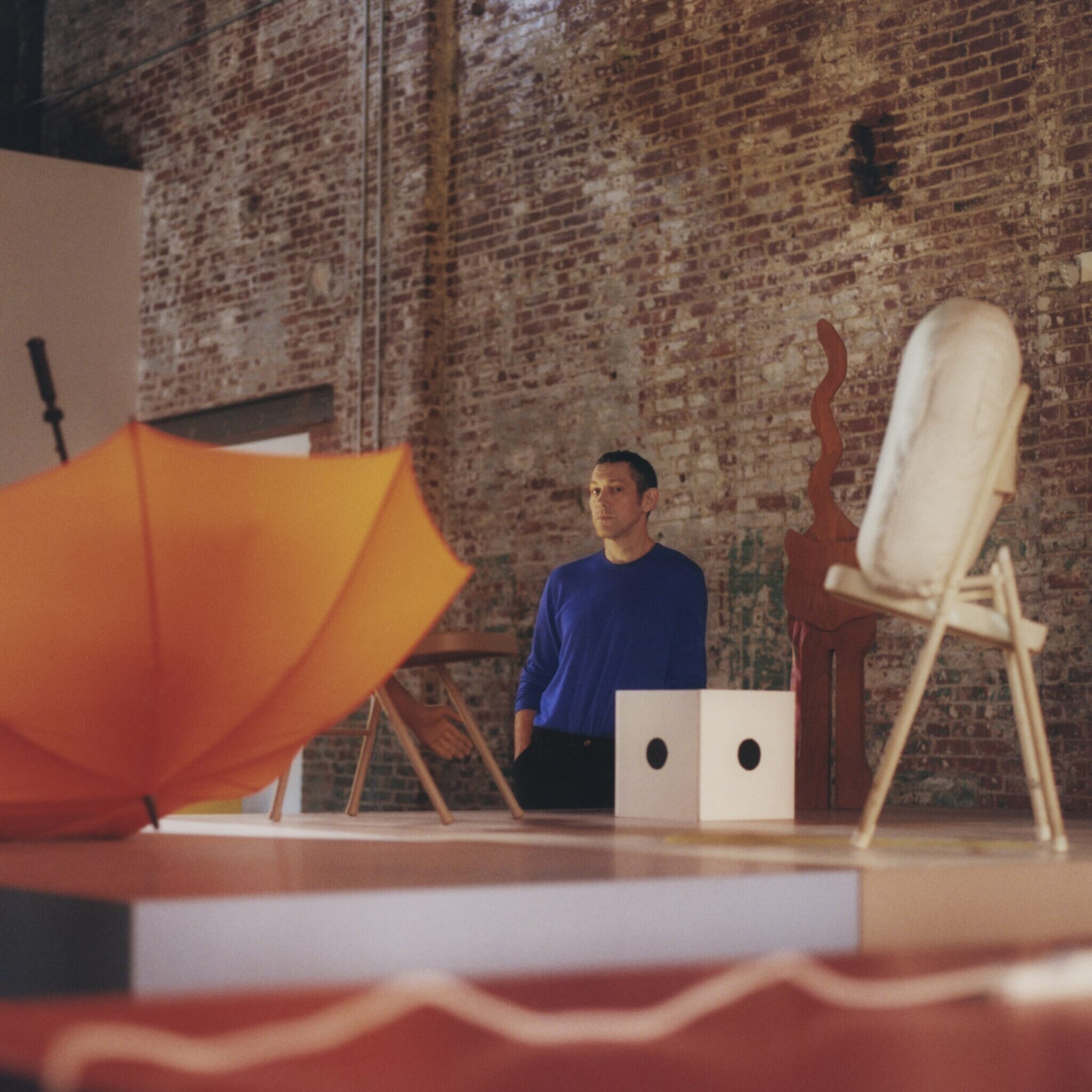
Alex Da Corte, known for his dreamlike installations such as the Big Bird piece on the Met's roof, is taking on a new role as curator. He is co-organizing the Whitney Museum's upcoming Roy Lichtenstein exhibition with Meg Onli, the largest Lichtenstein show in New York since 1993. In a Q&A for Cultured's 2026 CULT100 honorees, Da Corte discusses his influences, including poet Miyó Vestrini and filmmakers Len Lye and Todd Haynes, and reflects on his six-year preparation for the show.

art carol bove guggenheim show

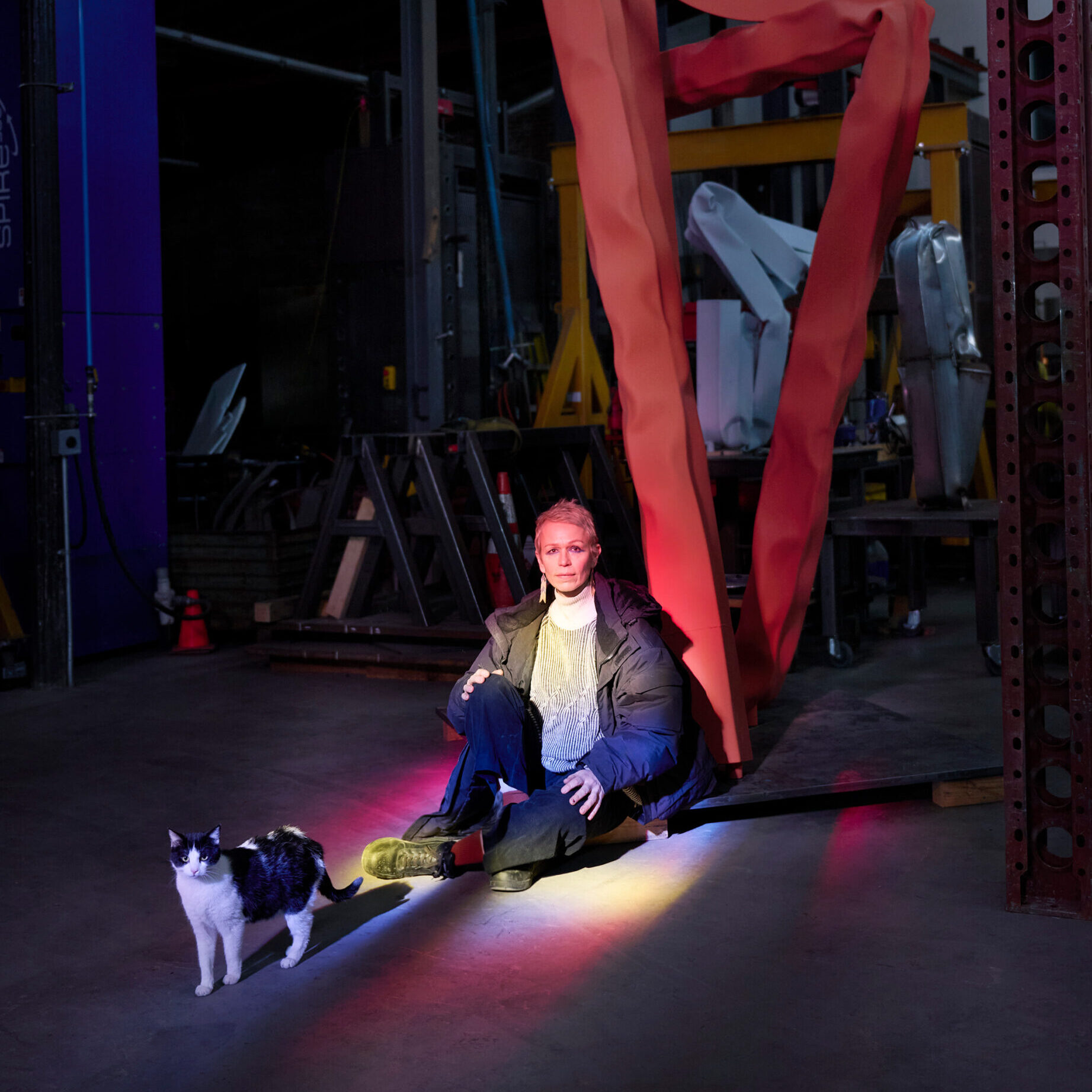
Carol Bove, the Swiss-born, California-raised sculptor known for transforming steel into malleable, seductive forms, has opened a major career survey at the Guggenheim Museum in New York. The exhibition fills the museum's iconic rotunda, marking the largest stage of her career to date. The article also features a Q&A in which Bove discusses her influences (including filmmaker Stanley Kubrick), her love of driving, and her desire for more 'pointlessness' in the art industry.

Prize commemorates Henrike Naumann – MMK takes over estate

Preis erinnert an Henrike Naumann – MMK übernimmt Nachlass

A new prize named after the late artist Henrike Naumann has been established by the Institut für Auslandsbeziehungen (ifa) and the Zeit Stiftung Bucerius, coinciding with her posthumous presentation at the German Pavilion of the Venice Biennale. The €15,000 Henrike-Naumann-Preis für Bildende Kunst, plus €5,000 in production funds, will be awarded regularly starting this year to early- to mid-career artists whose work engages with social transformation, political fault lines, or transnational contexts. Meanwhile, the Museum für Moderne Kunst Frankfurt (MMK) has acquired Naumann's estate, which will be catalogued and made publicly accessible to ensure her work receives long-term scholarly and curatorial attention.

An Iranian museum holds a rare exhibit of American art, reflecting on war

The Tehran Museum of Contemporary Art is hosting a rare exhibition of American art, featuring works from its collection that were acquired before the 1979 Islamic Revolution. The show includes pieces by artists such as Andy Warhol, Jackson Pollock, and Mark Rothko, and is presented as a reflection on the complex history of U.S.-Iran relations, including themes of war and cultural exchange.

Drones, Uncle Sam, and Grand Master Rafael: 10 Must See Exhibits This Spring

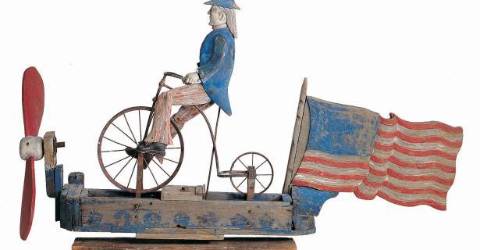
New York City’s museum landscape is entering a major spring season characterized by high-profile retrospectives, institutional reopenings, and the 82nd Whitney Biennial. Key highlights include a massive Raphael survey at the Metropolitan Museum of Art featuring over 200 works, the reopening of the expanded New Museum with a tech-focused exhibition on the future of humanity, and a major survey of sculptor Carol Bove at the Guggenheim. The season also features thematic shows exploring American folk art, Dutch Golden Age masterpieces, and the relationship between Frida Kahlo and Diego Rivera.

What Has the American Inquisition Done to Art?

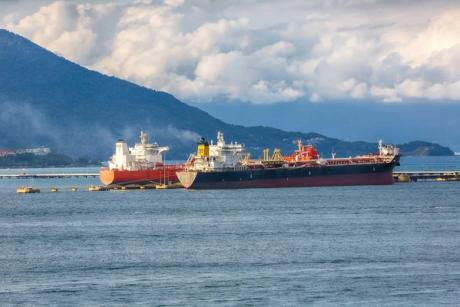
An exhibition titled "American Inquisition" opened in mid-March at No Place Gallery, an artist-run space in Columbus, Ohio. Featuring paintings by Shiva Addanki and Nikholis Planck, the show draws its name from a statement by the Popular Front for the Liberation of Palestine supporting detained activist Mahmoud Khalil, and its critical framework from Mike Davis's book "Buda's Wagon." Addanki's works depict scenes of US imperial violence, including downed drones and counterinsurgents at detention centers, while Planck's paintings map extractive infrastructure, subverting traditional landscape painting with industrial detritus and petroleum tankers.

Exhibition catalogs printed in China

Les catalogues d’expositions imprimés en Chine

Le Journal des Arts reports on several developments in the art world: the return of American Rousseau works to Paris, the growing trend of outsourcing museum reception services, the New Museum's expansion, challenges facing the Musée des tissus, and Art Brussels adapting to contemporary trends. These stories cover a range of topics from exhibition logistics to institutional change.

À Nîmes, la peinture sans entrave de Tursic & Mille envahit le Carré d’art

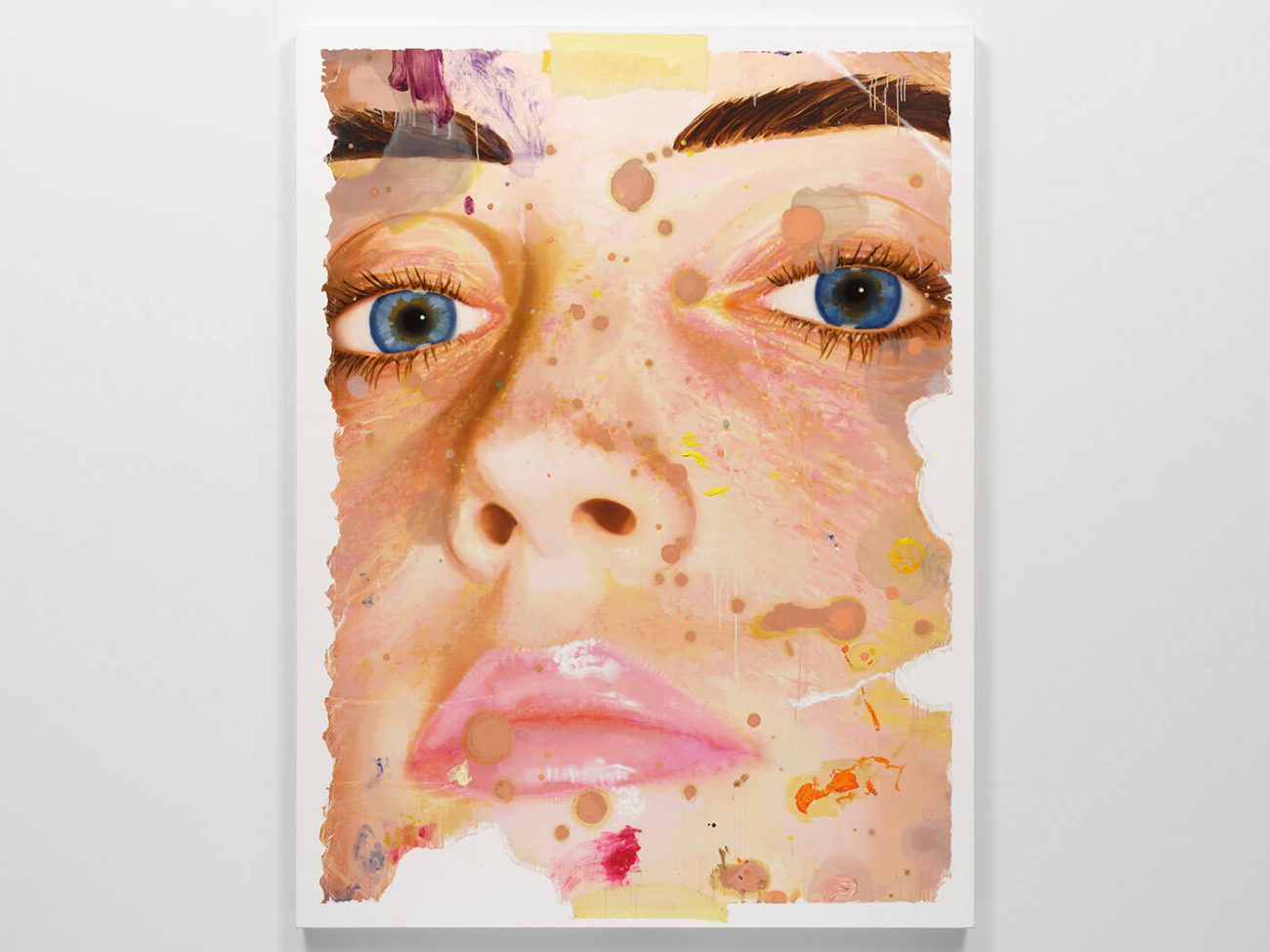
The article covers the retrospective exhibition of French artist duo Ida Tursic and Wilfried Mille at the Carré d'art in Nîmes. Titled "Dissonances à géométries variables," the show traces their career from student works at the École nationale supérieure d'art de Dijon to recent paintings, featuring a critical, humorous, and materially rich approach to figurative painting. The duo draws from press images, internet sources, art history, and archives, disrupting reproductions with paint splatters and odd details, and the exhibition is organized thematically from "happiness" to "melancholy."

Photographer Giles Duley brings images of historic and current wars into dialogue in Manhattan pop-up show

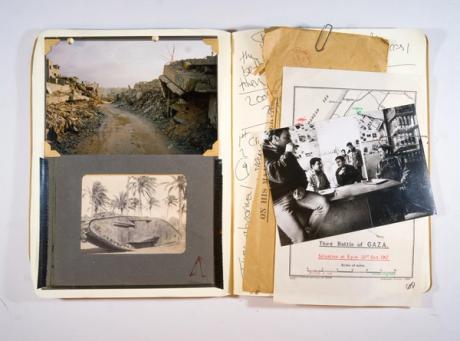
British photographer Giles Duley has opened a pop-up exhibition titled "Distortion/Memory/Resilience" in a 77th-floor penthouse at Sutton Tower in Manhattan, running from 12 to 24 May. The show features haunting war photography alongside installations—Youth, Childhood, and Memory—that draw parallels between historic and current conflicts. Duley, who lost both legs and an arm after stepping on a landmine in Afghanistan, uses a camera obscura, children's art from war zones, and side-by-side images of injured children from the London Blitz and Beirut to create an immersive experience. The exhibition is presented by the luxury tower's developer and includes benefit dinners hosted by Duley.

Political Fallout Rocks Venice Biennale Prize System

Dozens of artists participating in the 2026 Venice Biennale have withdrawn from consideration for the newly created Visitor Lion awards, replacing the traditional Gold and Silver Lion prizes. A total of 57 artists from the main exhibition and 22 national pavilions signed a statement published on e-flux on May 9, acting in solidarity with the five-person prize jury that resigned on April 30 over the continued participation of Russia and Israel. The jury had objected to awarding prizes to artists from countries whose leaders face International Criminal Court charges, including Russian president Vladimir Putin and Israeli prime minister Benjamin Netanyahu. In response, the Biennale organizers postponed the awards ceremony to November 22 and introduced visitor voting, a move they described as consistent with openness and dialogue. Meanwhile, the Russian Pavilion, which returned after lending its space to Bolivia in 2024, faced protests, closure after previews, and a €2 million funding pull by the European Union for the 2028 Biennale.

Comment | Flourishing markets beyond the big three will benefit the art ecosystem—and the planet

The article analyzes the shifting dynamics of the global art market, reporting that regions outside the traditional 'big three' hubs of the US, UK, and China have increased their market share from 17% in 2015 to 24% in 2025. This shift is driven by nationally protective regulations like Brexit and tariffs, which have stifled the free circulation of contemporary art. While the US market remains dominant at 44%, countries such as South Korea, Switzerland, Japan, and Australia have seen growth, and emerging cultural energy is noted in places like Bangkok, Warsaw, Margate, and Qatar.

Drained, Drowning, and Decay: The Best National Pavilions at the Venice Biennale

The 2026 Venice Biennale is defined by themes of ruin and decay, with standout national pavilions exploring bodily, infrastructural, and archaeological collapse. The Slovenian Pavilion features the Nonument Group repurposing materials from past Biennales into a ruin of a mosque for Bosnian Muslim soldiers from World War I. Syria presents its first national pavilion since the Civil War, with Sara Shamma invoking Palmyra, destroyed by ISIS. Germany's pavilion, titled "Ruin," features works by Henrike Naumann (who died in February) and Sung Tieu, questioning the pavilion's fascist architecture and nationalist residue. The Austrian Pavilion, curated by Florentina Holzinger, offers a visceral performance titled "Sea World." The Biennale is also marked by the abrupt resignation of its five-member jury, who refused to consider nations charged with crimes against humanity, leading to awards being chosen by public vote. Additionally, the main exhibition "In Minor Keys" was affected by the death of its curator, Koyo Kouoh.

Fondazione Sandretto Re Rebaudengo’s New Art Island Made a Sunny Splash in a Rainy Venice Vernissage Week

Patrizia Sandretto Re Rebaudengo, an ARTnews Top 200 collector, inaugurated a new art site on the island of San Giacomo in Venice’s Northern Lagoon during the rainy preview week of the Biennale. The island, purchased in 2018, features two Napoleonic-era powder magazines transformed into exhibition spaces: one hosting the group show “Don’t have hope, be hope!” from the Sandretto Re Rebaudengo Collection, and the other presenting “Fanfare/Lament,” a solo exhibition by Matt Copson curated by Hans Ulrich Obrist. The site also includes permanent installations by artists such as Claire Fontaine, Mario Garcia Torres, Hugh Hayden, Goshka Macuga, Pamela Rosenkranz, and Thomas Schütte, and will serve as a venue for exhibitions, performances, and residencies.

An Unprecedented 24-Hour Strike Could Upend the Venice Biennale

An unprecedented 24-hour strike is set to interrupt the Venice Biennale's opening week on Friday, May 8, in protest of Israel's participation in the global art event. The action, organized by the activist group Art Not Genocide Alliance (ANGA), follows a letter signed by over 230 Biennale participants demanding Israel's exclusion. The strike has exposed divisions among participants, with some artists and pavilion teams weighing solidarity against the rare opportunity to platform their own political messages. The Slovenian pavilion, represented by Nika Grabar of the Nonument Group, has committed to the strike, while others like Ecuador's Tawna Collective remain undecided, balancing protest with their mission to highlight ecological crises in the Amazon.

Arch Hades Turns a Venetian Palazzo Into an Emotional Landscape

British artist Arch Hades has transformed the Scoletta Battioro e Tiraoro di Venezia, a historic palazzo on Venice's Grand Canal, into an immersive solo exhibition titled “Arch Hades: Return | Ritorno,” timed to the 61st Venice Biennale. The show features site-specific paintings, sculptures, and a soundscape, anchored by the monumental 22-panel painting *Return* (2025), which draws on Greco-Roman sculpture, Symbolism, Surrealism, and Romanticism, and echoes Gustav Klimt's lost “Faculty Paintings.” New works from Hades's “Confessions” series and the mirrored chrome piece *Sphinx* (2026) further explore themes of memory, connection, and existentialism.

Parasol Unit returns with a showcase of women from Central Asia and beyond

Parasol Unit, the London non-profit exhibition space that closed in 2020 after 16 years, has relaunched with a new exhibition titled "Turandot: To the Daughters of the East" as an official collateral event of the Venice Biennale. Held at the historic Palazzo Franchetti, the show features 11 female artists from Central Asia and surrounding regions, curated by founder Ziba Ardalan. The exhibition spans video, installation, sculpture, painting, textile, and sound works by artists including Lida Abdul, Huma Bhabha, Mona Hatoum, and Tala Madani, and runs from 9 May to 31 October.

Venice Diary Day 2: “In Minor Keys” Is a Major Statement on Perseverance and Play

The article is a diary entry from the 2026 Venice Biennale, focusing on the exhibition "In Minor Keys" curated by the late Koyo Kouoh. The author describes an emotional experience, beginning with a poem by Refaat Alareer on the Arsenale wall, and highlights works by Guadalupe Maravilla, Alexa Kumiko Hatanaka, and others that address themes of perseverance, healing, and survival. Maravilla's sculptures reference a child kidnapped by ICE, while Hatanaka's linocuts explore bipolar disorder as an adaptive trait. The show also features artist-led collectives like Denniston Hill and fierce pussy, emphasizing institution-building and world-making.

First Impressions of a Venice Biennale Torn Apart by the Present

The 61st Venice Biennale, titled "In Minor Keys," opens amid turmoil: its curator Koyo Kouoh died of cancer during planning, and the festival jury resigned after a controversial statement about excluding Israel and Russia from prizes, replaced by a Eurovision-style people's choice award. The main exhibition, completed by a team of five collaborators using Kouoh's plans, features over 110 artists and collectives, with highlights including works by Big Chief Demond Melanchon, Tammy Nguyen, Guadalupe Maravilla, Ayrson Heráclito, and a section focused on Michael Armitage's Nairobi Contemporary Art Institute.

The Biennale Isn’t a Court. Tell That to the Protesters.

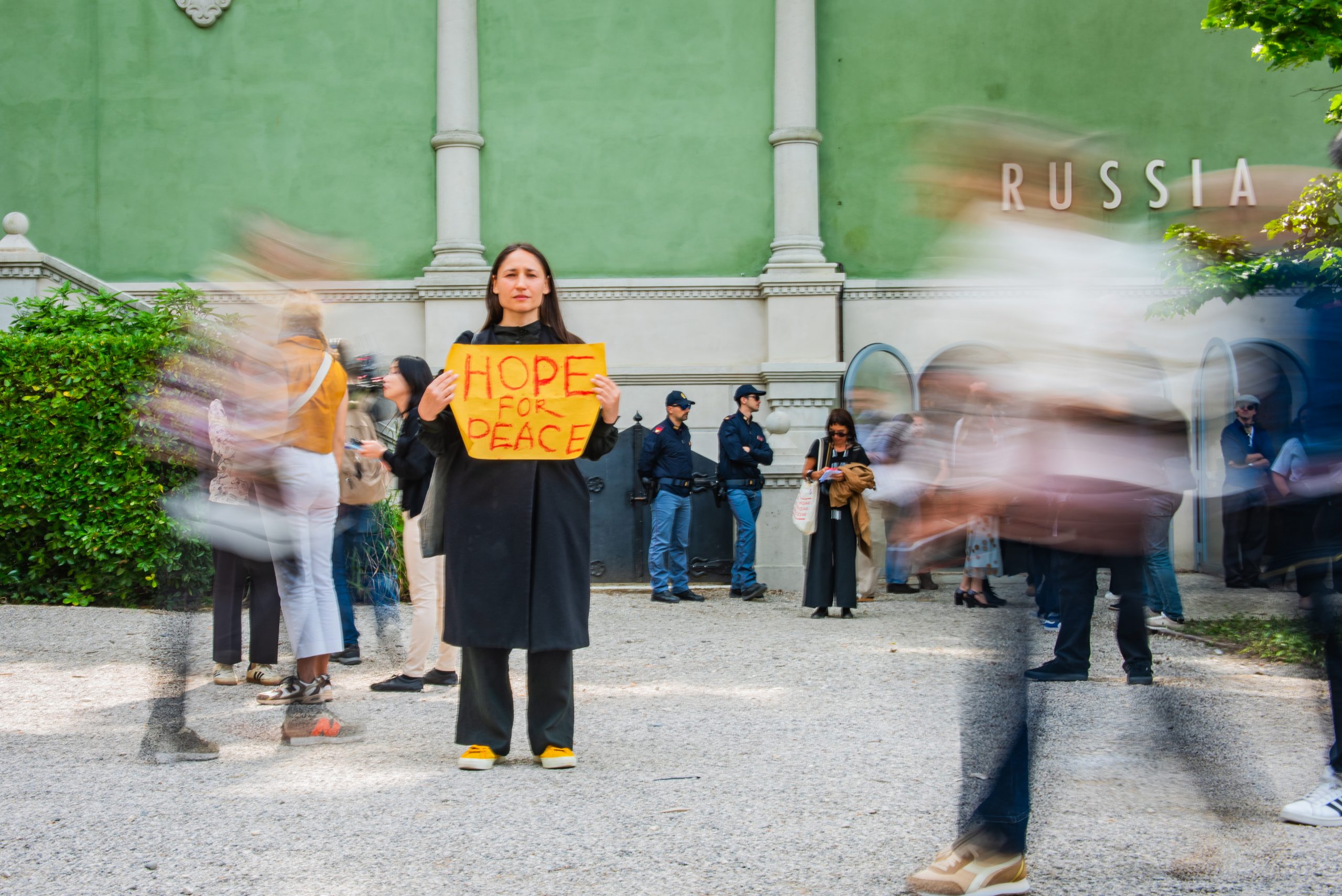
Pietrangelo Buttafuoco, president of the Venice Biennale, defended the decision to allow Russia to reopen its pavilion for the first time since its 2022 invasion of Ukraine, stating that the Biennale is "not a court; it is a garden of peace." The move has sparked widespread backlash, including threats to pull €2.3 million in EU funding. Protests have erupted on the ground, with Pussy Riot and FEMEN staging a theatrical demonstration outside the Russian Pavilion, setting off smoke flares and chanting slogans. Separately, around 60 artists performed a "Solidarity Drone Chorus" to protest Israel's participation, and the Art Not Genocide Alliance has called for a 24-hour strike and rallies across Venice. The Russian Pavilion will be open only during press preview days due to EU sanctions, with video projections visible from outside for the rest of the Biennale's run.

A Pavilion of Ruins: Germany Reconsiders Its Past in Venice

The German Pavilion at the 61st Venice Biennale features a dual presentation exploring the country's layered political history. Artist Sung Tieu has cloaked the pavilion's fascist-era facade with a mosaic reconstruction of a GDR housing estate for Vietnamese contract workers, where she lived as a child. Inside, the late Henrike Naumann's immersive installation 'The Home Front' uses furniture and design to stage a confrontation between East and West German domestic and political ideologies. Naumann died in February 2025 at age 41, but her fully realized concept was completed collaboratively by her partner and curator Kathleen Reinhardt.

David Nahmad maintains that his Modigliani was not looted by the Nazis

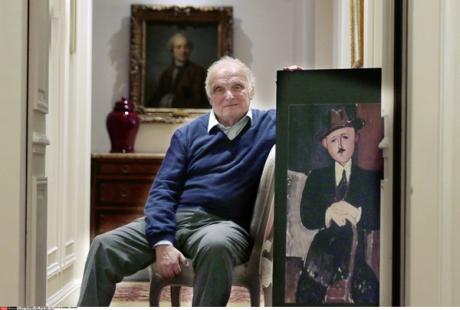
David Nahmad is continuing his legal battle to prove that his Modigliani painting, *Seated Man with a Cane* (1918), was not looted by the Nazis from the Jewish dealer Oscar Stettiner. Despite a recent New York ruling against him, Nahmad’s lawyers have filed a motion to review the case based on new eyewitness testimony. Two witnesses claim the painting they saw in the Van der Klip family—which bought the Nazi-looted work in 1944—is completely different from Nahmad’s painting, lacking a seated man or a cane. Nahmad’s legal team also cites a 1946 French bailiff report and a recent catalogue raisonné by Marc Restellini to argue that Mondex, the restitution firm working for Stettiner’s heirs, misidentified the work.

Nahmad Seeks to Reopen Modigliani Restitution Case With New Witnesses

David Nahmad's lawyers are asking a New York court to reconsider its April 3 decision in the restitution case over Amedeo Modigliani's *Seated Man with a Cane* (1918), which awarded the painting to the estate of dealer Oscar Stettiner. They cite new eyewitness testimony from Frédéric Allain, who recalls a different Modigliani—smaller, darker, and without a seated man or cane—hidden by the Van der Klip family in Paris during World War II, suggesting the wrong painting may have been the focus of the case. The filing also references a 1946 report describing the missing work as a self-portrait and a new catalogue raisonné by Marc Restellini that finds no link between the painting and Stettiner. Mondex, representing Stettiner's heirs, rejects the claims, asserting that *Seated Man with a Cane* bears Stettiner's name and was in the family's possession from 1944 to 1996.

‘We are complicit’: Austrian artist Florentina Holzinger’s immersive Venice Biennale pavilion brings apocalypse to the city

Austrian artist Florentina Holzinger has created 'Seaworld Venice,' an immersive and confrontational installation for the Austrian Pavilion at the 2024 Venice Biennale. The work explores climate change, technology, and a dystopian flooded future, drawing comparisons to the 1995 film 'Waterworld'—though neither Holzinger nor curator Nora-Swantje Almes had seen it. Known for extreme performance art involving nudity, blood, live piercing, and heavy machinery, Holzinger's previous works have caused audience members to faint or require medical treatment. The pavilion marks a significant platform for her radical, hybrid practice that blends theatre, dance, opera, and performance art.

What It Takes to Build the Venice Biennale

Three weeks before the Venice Biennale opens on May 5, the city remains a construction site, with the Giardini closed and parts of the Arsenale requiring special access. Artist Faustin Linyekula rehearses his performance *The Galeazze Project* in a 16th-century roofless complex, working with the existing gravel, natural light, and lagoon acoustics rather than imposing a structure. Geopolitical conflicts, supply chain disruptions, and the sudden resignation of the Biennale’s international jury via Instagram add pressure to the already challenging logistics of mounting the global exhibition.

Inside the Inaugural Edition of Art Cologne Palma Mallorca

The inaugural edition of Art Cologne Palma Mallorca took place from April 9–12, 2026, attracting 88 galleries from 20 countries and over 10,000 visitors to the Mediterranean island. The fair, held at the Palau de Congressos Convention Centre, reported strong sales and sold-out weekend days, with Artistic Director Daniel Hug praising the high level of engagement and positive response from both exhibitors and attendees. A second edition has already been scheduled for April 1–4, 2027.

Newsmakers: Nalini Malani Lets the Walls Speak with a New Installation in Venice

Nalini Malani's latest installation, *Of Woman Born*, opens at the Magazzini del Sale in Venice during the Venice Biennale. Commissioned by the Kiran Nadar Museum of Art, the work projects hand-drawn animations onto the crumbling brick walls of a 15th-century salt warehouse, creating a cave-like environment where images flicker like ancient cave paintings. The installation draws on tens of thousands of drawings and incorporates mythology, literature, and sound, with a central focus on the myth of Orestes to explore themes of violence, displacement, and gender politics. Malani has also extended her recurring 'Skipping Girl' figure across Venice via posters and public signage to guide viewers to the exhibition.

Final book in trilogy asks: What is the future of the art world?

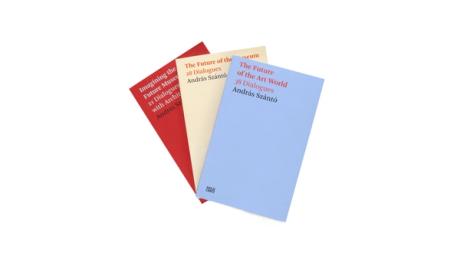
Cultural strategist András Szántó has published the third and final volume of his trilogy on the future of museums, titled *What Is the Future of the Art World?*. The book features dialogues with a wide range of art-world figures—including gallerists José Kuri and Atsuko Ninagawa, collectors Alain Servais and Sylvain Levy, artists William Kentridge and Holly Herndon & Mathew Dryhurst, curator Fatoş Üstek, network scientist Albert-László Barabási, former Art Basel director Marc Spiegler, and Sheikha Al-Mayassa Al Thani—who discuss topics such as the definition of the art world, its rules, and its future trajectory. Szántó notes that there is no consensus on whether the art world is still expanding or entering a phase of slowdown, with different regions moving on divergent paths.