filter_list Showing 40 results for "Log" close Clear
search
dashboard All 1531 museum exhibitions 1079article local 104article culture 97article news 84rate_review review 40person people 39trending_up market 28candle obituary 23article policy 19gavel restitution 16article event 2
date_range Range Today This Week This Month All
Subscribe

What ‘Costume Art’ Gets Wrong About the Body

The Metropolitan Museum of Art's Costume Institute spring exhibition, featuring nearly 400 objects, pairs garments and ensembles with Western figurative artworks from the museum's permanent collection in dyadic, associative displays. The show eschews traditional art-historical timelines and context in favor of visual and thematic parallels—comparing, for example, Rudi Gernreich's Pubikini with an Egyptian statuette, or Ying Gao's sound-responsive dress with a David Hockney drawing. The exhibition is sponsored by Jeff and Lauren Sánchez Bezos.
The 2026 Venice Biennale Is Quintessential Biennial Art

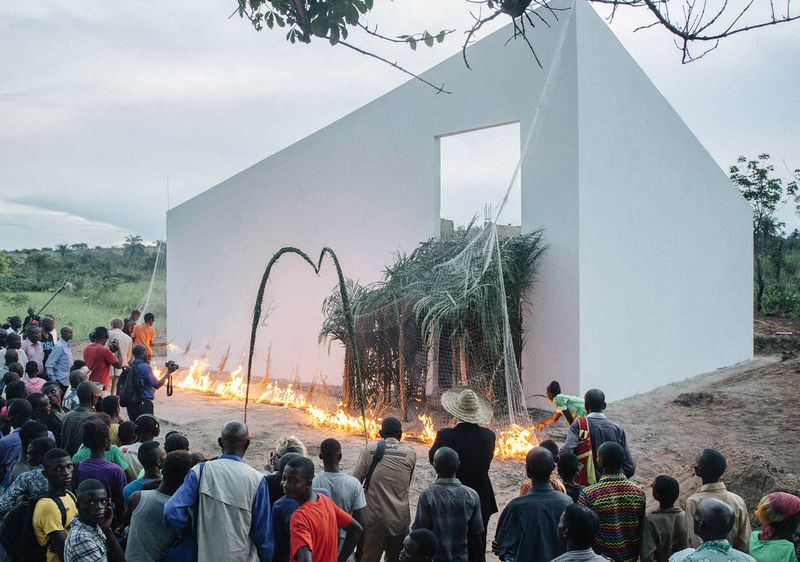
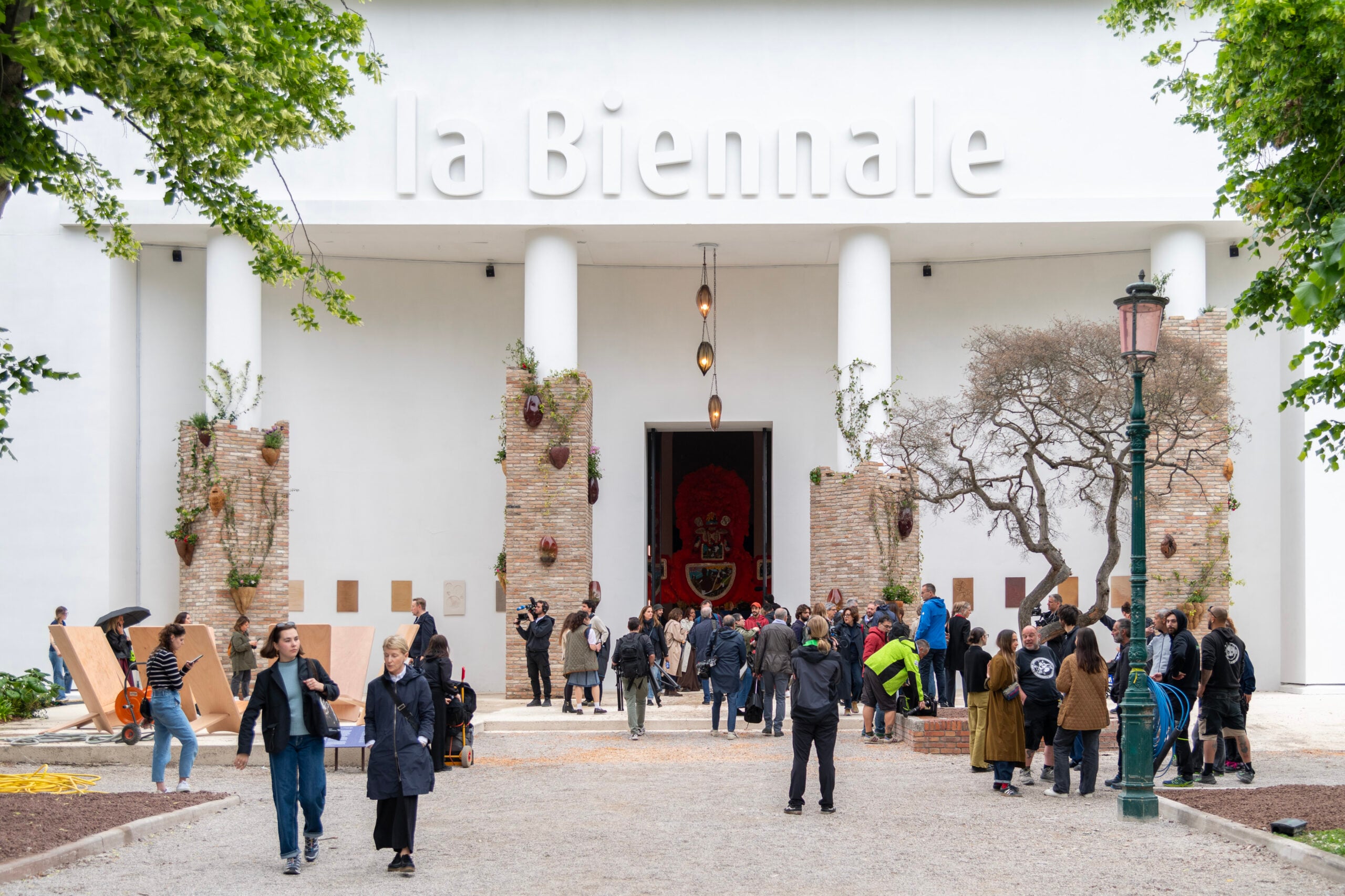
The 61st Venice Biennale, titled "In Minor Keys" and curated by the late Swiss-Cameroonian curator Koyo Kouoh, opened in 2026. The main exhibition at the Arsenale and Giardini features works by artists such as Éric Baudelaire, Maria Magdalena Campos Pons, Mohammed Z. Rahman, Sohrab Hura, and Rose Salane, among others. The exhibition centers on themes of mourning, colonial history, slavery, and healing, with works like Baudelaire's video installation linking the flower trade to the transatlantic slave trade, and a tribute section honoring artists Beverly Buchanan and Issa Samb.

Hulda Guzmán review – lizards and ghosts gather for an art freakout in the rainforest

Hulda Guzmán's first institutional exhibition in Europe, "Please Awake – Asked Nature Kindly," is on view at Turner Contemporary in Margate, UK. The show features the Dominican artist's ultra-colorful, psychedelic jungle paintings that blend art historical references—from Japanese ukiyo-e prints to pointillism and symbolism—with personal mythology, demons, spirits, and lush tropical landscapes. The works are drawn from her life in the Dominican rainforest, where she lives and works in a studio built by her architect father.

The Met’s Costume Institute Needs an Art History Lesson

The Metropolitan Museum of Art's Costume Institute spring exhibition, "Costume Art," pairs fashion with artworks from the Met's collection, including ancient Greek statues and Andy Warhol screenprints, alongside garments by designers from Charles James to CFGNY. Curator Andrew Bolton aims to suggest that fashion can expand understanding of art, but the show's juxtapositions often feel vague and sloppy, with only occasional resonant pairings like a Jean Paul Gaultier shirt and Joe Brainard drawing linked by queer artist lineage.

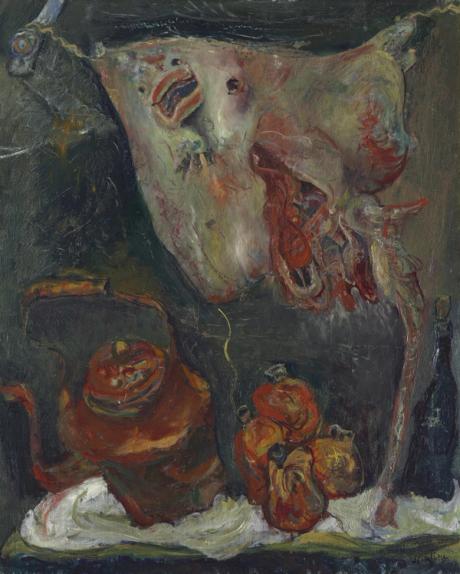
New biography of Chaïm Soutine pieces together illusive artist's life and works

A new biography of Chaïm Soutine, the early 20th-century painter, has been published. The book, written by Celeste Marcus, attempts to piece together the life of the notoriously private and illusive artist, examining his journey from a Belarusian shtetl to the studios of Montparnasse, his complex relationships, and the myths that have grown around his work and persona.

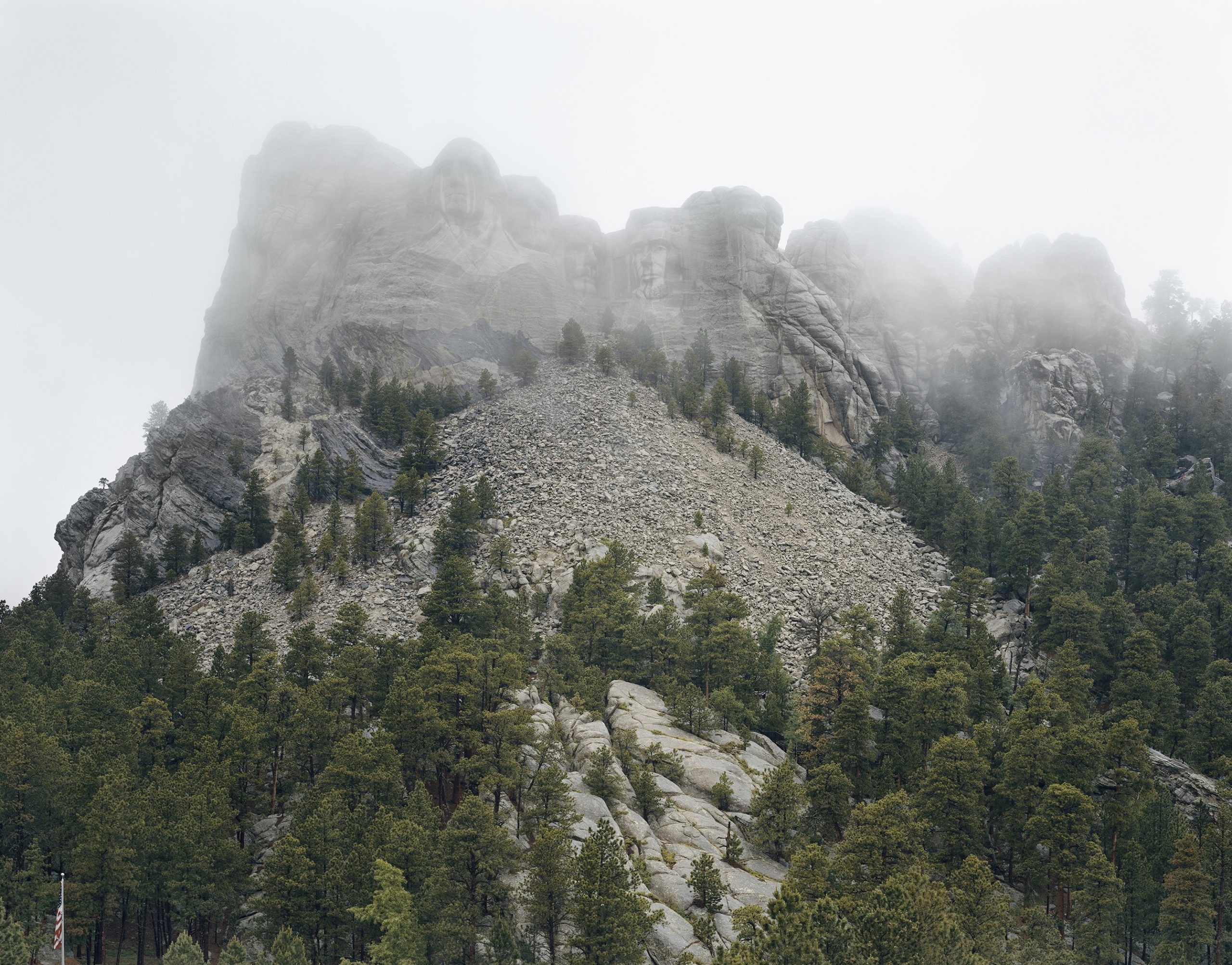
The National Gallery of Art’s Dear America Needs a Postscript

The National Gallery of Art in Washington, D.C. has opened "Dear America," an exhibition organized around the themes of "Land," "Community," and "Freedom" that attempts to survey the entire history of the United States through its collection. The show features works by artists including Mitch Epstein, Victoria Sambunaris, Sedrick E. Huckaby, and Nancy Andrews, with sections on the American landscape, industrialization, and diverse communities. However, the review notes that the exhibition feels overly literal, with American flags prominently featured and a sense of ticking off boxes rather than offering a challenging or intellectually rigorous presentation.

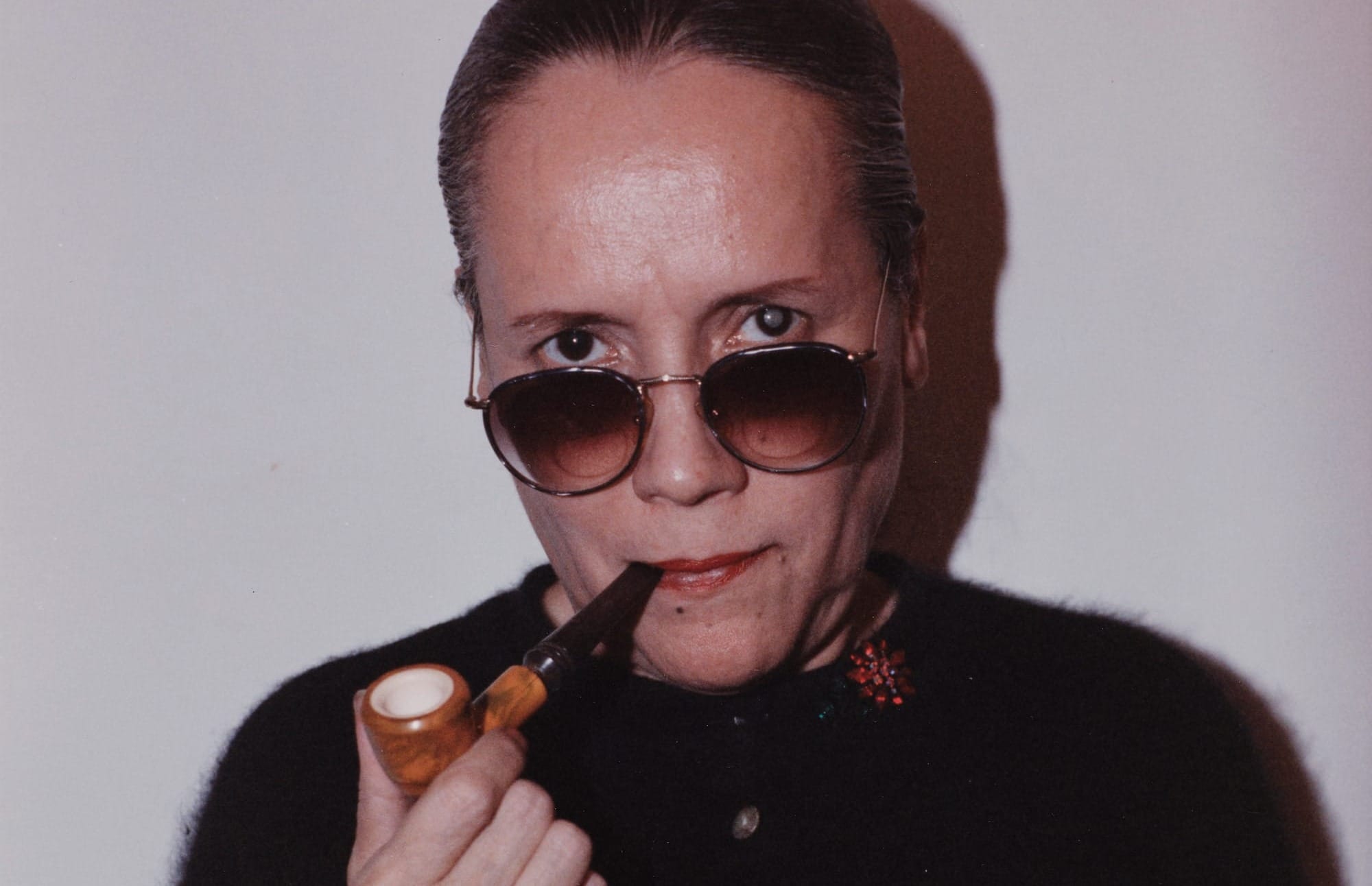
Sophia Rivera’s Mythology of Everyday New York

The article reviews "Sophie Rivera: Double Exposures" at El Museo del Barrio, the first survey of the late Nuyorican photographer Sophie Rivera, who died in 2021. The exhibition spans her career, including her feminist conceptual series "Rouge et Noir" and "Bowl Study" (c. 1976–78), which depict intimate bodily waste like used tampons and feces, and her socially engaged "Latino Portraits" series from the late 1970s, which countered negative media stereotypes of Puerto Ricans with affectionate, mythologizing portraits. The review highlights a moment where the critic misidentifies abstract toilet photographs as pinhole or double exposures before learning their true subject.

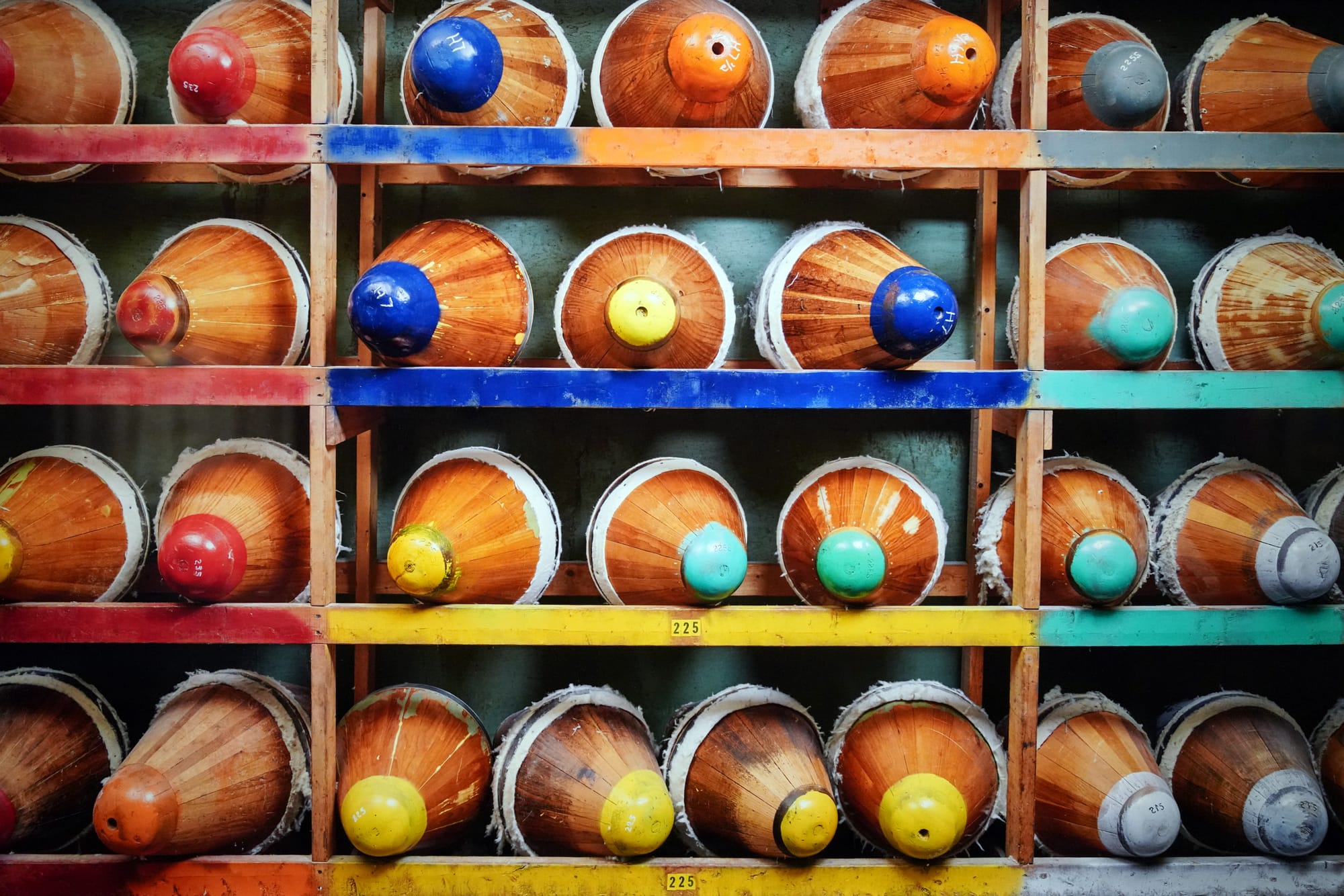
Is This What “Made in America” Looks Like?

Christopher Payne's exhibition "Made in America: The Industrial Photography of Christopher Payne" at the Cooper Hewitt, Smithsonian Design Museum showcases 72 large-format photographs documenting active American factories and manufacturing processes. The trained architect turned photographer spent a decade visiting dozens of production sites across the United States, from the New York Times printing plant in Queens to the Bollman Hat Company in Pennsylvania, capturing workers' craftsmanship and the intricate steps involved in making everything from Peeps candies to jet engines. The exhibition is organized into three sections—traditional handcraft, large-scale production, and cutting-edge technologies—and coincides with the Smithsonian's celebration of the nation's 250th anniversary.

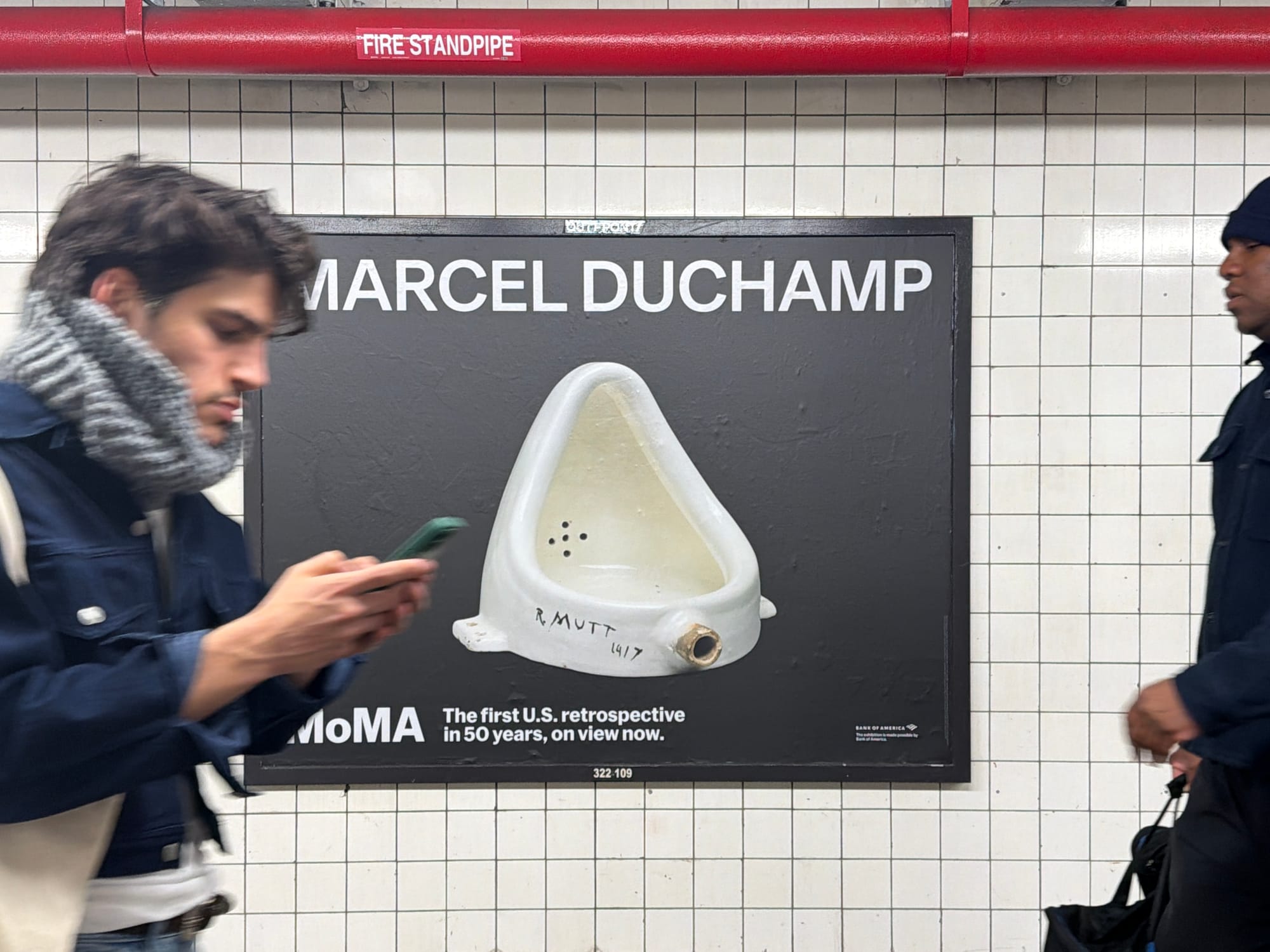
I’ve Got the Post-Duchamp Blues

The article is a review of the Marcel Duchamp retrospective at the Museum of Modern Art (MoMA) in New York, the first such show since 1973. Featuring around 300 works from Duchamp's six-decade career, the exhibition includes his iconic readymades like "Fountain" (1917) and early paintings such as "Nude Descending a Staircase, No. 2" (1912). Co-curated by MoMA's Ann Temkin and Michelle Kuo along with Matthew Affron of the Philadelphia Museum of Art, the show runs through August 22, 2026, before traveling to Philadelphia.

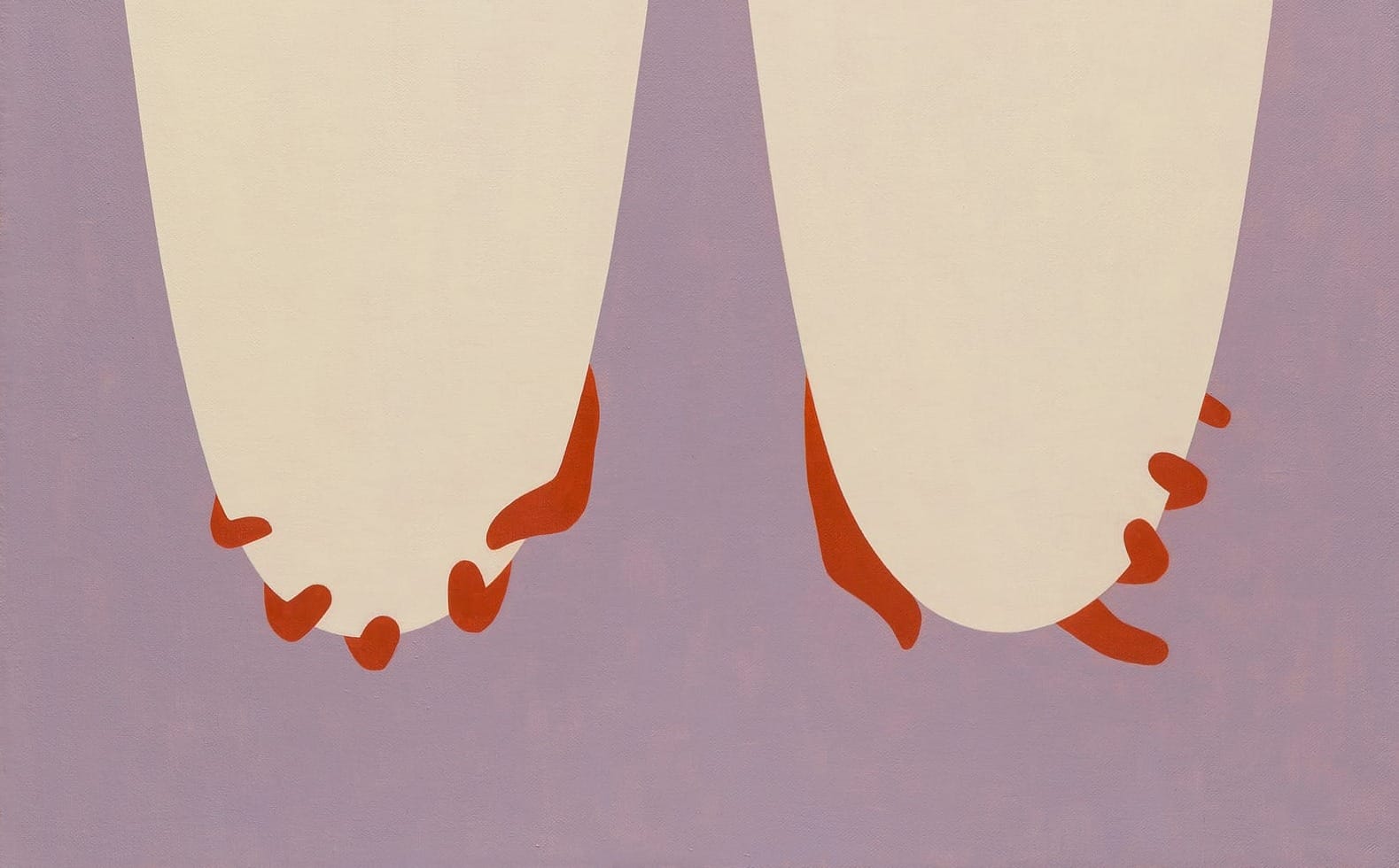
Alice Tippit’s Mischievous Erotics

Alice Tippit's solo exhibition "Rose Obsolete" at the DePaul Art Museum in Chicago features 23 small oil paintings, three murals, a neon sign, word drawings, and a series of 46 notepad drawings. The works toggle between multiple interpretations—snakes and smiles, blouses and pears, curtains and bodies—inviting viewers to see shifting forms like a psychological test. Tippit, born in 1975 near Kansas City and based in Chicago since 2006, paints each oil work in a single day without tape, achieving sharp edges and subtle layering that reward close looking.

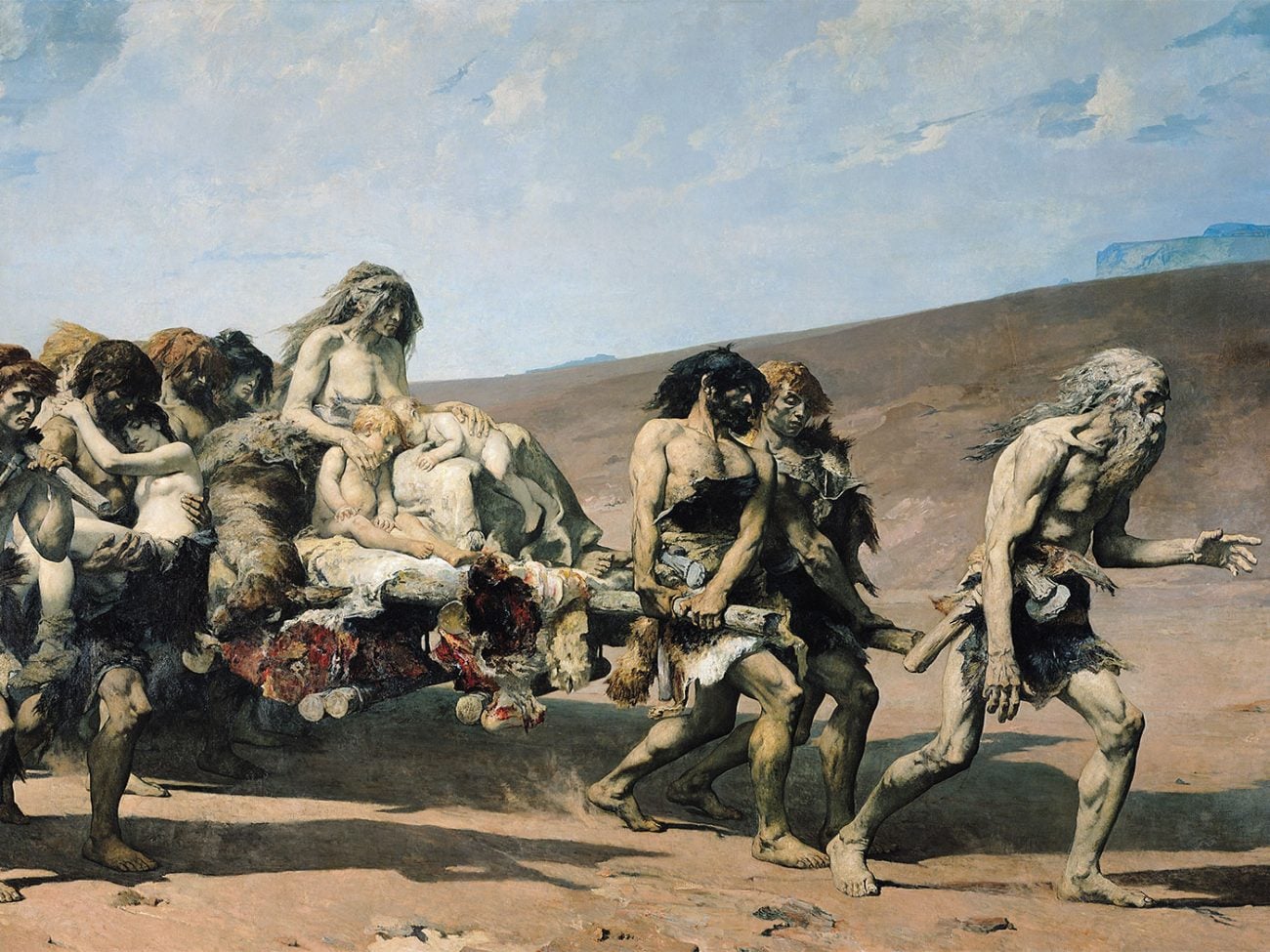
« Caïn » de Fernand Cormon : aux origines de la conscience humaine ?

Beaux Arts Magazine analyzes Fernand Cormon's monumental 1880 painting "Caïn," currently held at the Musée d'Orsay. The article describes the scene: a prehistoric, weary clan trudges through a desert, led by a haggard patriarch, with a tired mother on a litter and hunters carrying game. Cormon's work is presented as the antithesis of classical triumph, evoking a melancholic, post-traumatic atmosphere. The painting is linked to the biblical story of Cain, who killed his brother Abel and was condemned to exile, and is accompanied by verses from Victor Hugo's poem "Conscience."

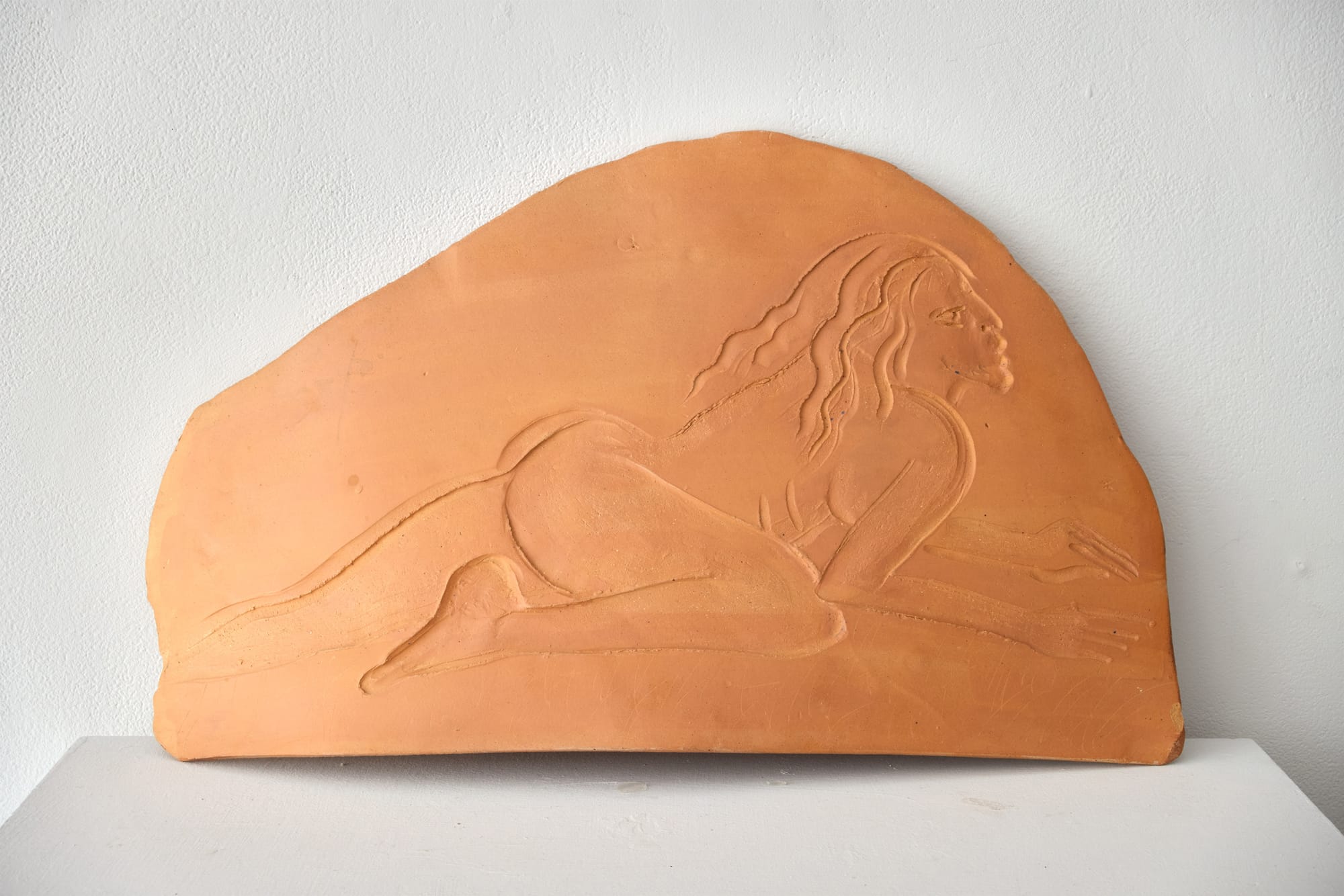
Mary Frank Creates Her Own Pantheon

Mary Frank, an artist in her early 90s known for mythologically rooted sculpture and works on paper, is the subject of a focused exhibition at Steven Harvey Fine Art Projects in New York. Curated by Steven Harvey, the show presents 11 sculptures in wood, bronze, and ceramic from 1958 to 1985, alongside five works on paper, including a monotype and an oil-on-paper piece. Frank’s work, influenced by her study with Martha Graham, centers on self-sustaining female figures that embody agency, tenderness, and survival, often rendered in ceramic slabs or carved wood.

Art for Our Age of Chaos

The article reviews two major New York exhibitions opening in 2026: the Whitney Biennial at the Whitney Museum of American Art, featuring over fifty artists, and "New Humans: Memories of the Future" at the newly expanded New Museum, with over a hundred artists. Both shows are described as enormous and defiant, responding to a distracted public and financial pressures. The reviewer notes that both exhibitions juxtapose large-scale immersive works with tiny, intimate pieces, and finds the Whitney Biennial lacking urgency, while preferring the New Museum's historical narrative about technology and modernity.

This Liminal Moment

The article reviews the exhibition "MONUMENTS" at the Geffen Contemporary at MOCA and the Brick in Los Angeles, which addresses the legacy of Confederate monuments through contemporary art. It highlights Cauleen Smith's installation "The Warden" (2025), which features a live-feed of the decommissioned Confederate sculpture "Vindicatrix" (also known as "Miss Confederacy") by Edward V. Valentine, originally atop the Jefferson Davis Memorial in Richmond, Virginia. The exhibition is curated by Hamza Walker, Kara Walker, and Bennett Simpson.

Hans Holbein Painted the Human

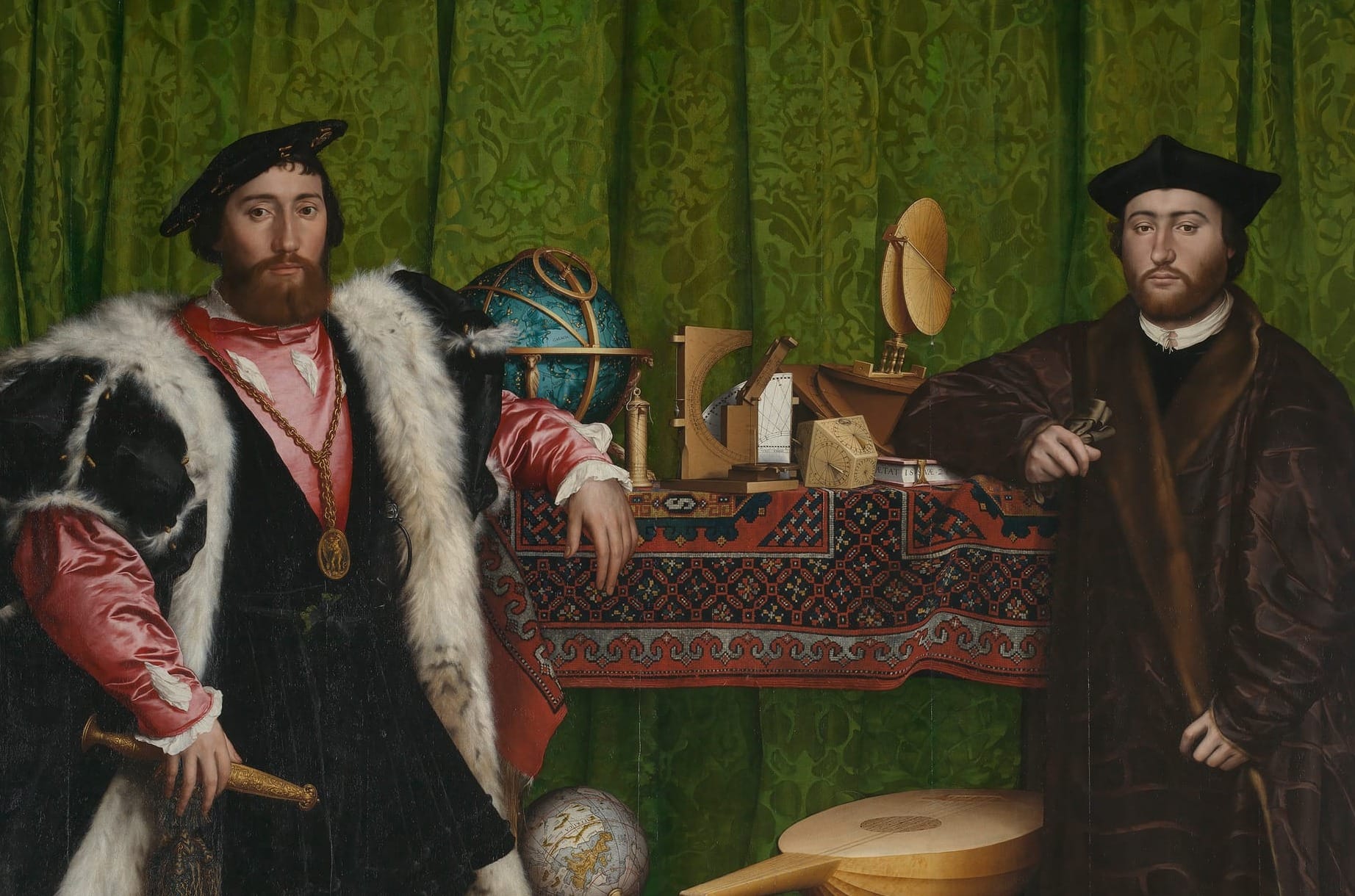
A new book, 'Holbein: Renaissance Master' by Elizabeth Goldring, published by Yale University Press and the Paul Mellon Centre, offers a comprehensive scholarly examination of the 16th-century German painter Hans Holbein the Younger. The review focuses on Holbein's masterful portraiture, particularly his depictions of opposing Tudor-era figures like Sir Thomas More and Thomas Cromwell, which are highlighted as embodying the era's complex political and religious tensions through their visual presentation at the Frick Collection in New York.

The Wonderful World that Almost Was by Andrew Durbin review – the queer artists who shaped New York cool

Andrew Durbin's new book, 'The Wonderful World that Almost Was,' is a double biography of painter and sculptor Paul Thek and photographer Peter Hujar. It chronicles their artistic maturation, their open and unapologetic gay relationship, and their central role in defining the 'cool' of the New York creative scene from the 1950s to the mid-1970s, before their deaths from AIDS.

The tiniest event can tear a hole. Sara MacKillop by Margaret Kross

Sara MacKillop's exhibition "The Cutaway View" at Good Weather in Chicago presents sculptures made from humble analog materials like blank wall calendars, empty shopping bags, and gift wrapping. The London-based artist alters these objects with minimal interventions—such as surgically cut holes in shopping bags to accommodate vinyl records—drawing attention to the ephemera and texture of retail culture. Her series "Calendar Houses" (2021–ongoing) uses archive boxes and wall calendars to create miniature modernist dwellings that critique systems of order and self-optimization.

Blank Spaces. Sung Tieu by Sarah Johanna Theurer

Sung Tieu's installations, characterized by austere, bureaucratic surfaces, explore the hidden architectures of power embedded in everyday systems. The article examines her series of works that deconstruct administrative forms used in asylum procedures, reducing them to blank spaces and quantified grids to expose how institutional power operates through seemingly neutral documents. Her exhibition "In Cold Print" at Nottingham Contemporary physically manifests these themes by using steel fences to control viewer movement, drawing direct parallels between minimalist sculpture and the dehumanizing design of border controls.

Zurbarán: a ‘magnificently choreographed’ showing of the Spanish ‘genius’

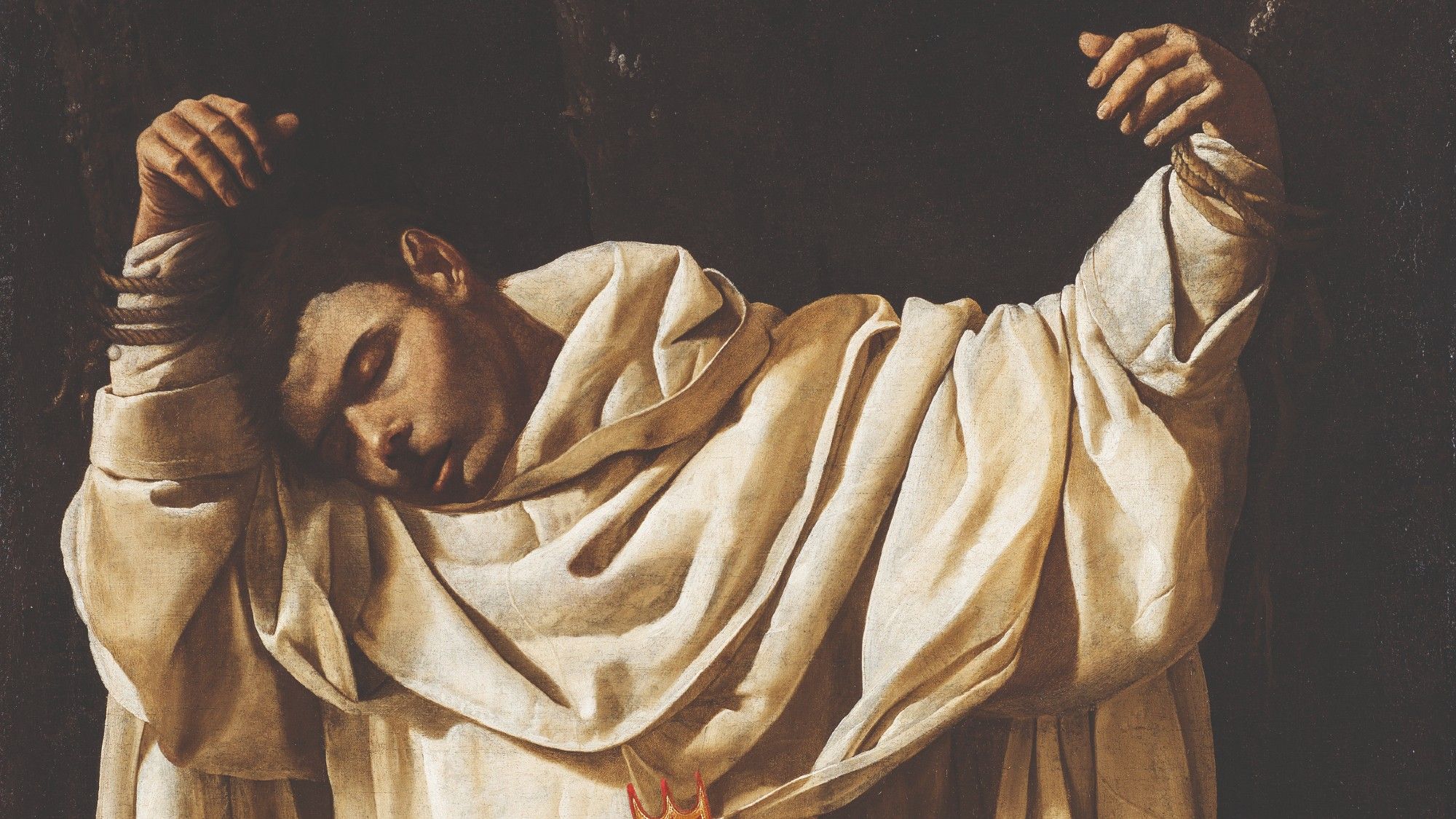
The article reviews the first-ever British exhibition dedicated to Spanish Baroque painter Francisco de Zurbarán, held at the National Gallery in London. The show brings together 40 works from collections spanning Seville to San Diego, featuring his hyper-real religious paintings and radiant still lifes, described as a 'magnificently choreographed' trawl through his oeuvre. Critics praise the exhibition for its dramatic lighting and revelatory presentation, though some note uneven quality in his later works.

WeWork (oralmoral)

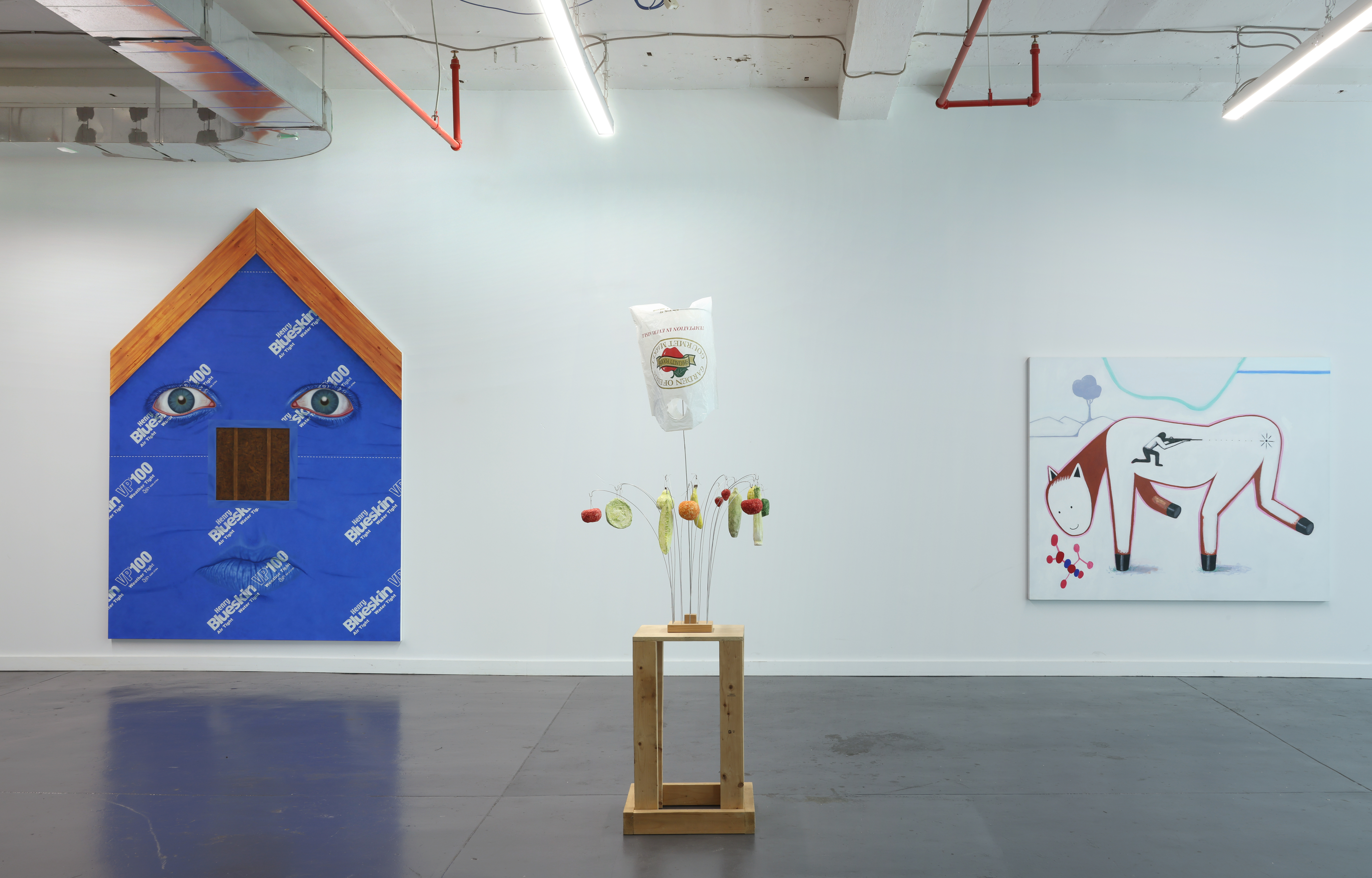
The article reviews "WeWork (oralmoral)," a temporary exhibition at The Gallery in Crown Heights, Brooklyn, curated by artist-turned-curator Florian Meisenberg. The show transforms a former office space into a free-form, non-hierarchical environment where works by over a dozen artists are placed unpredictably—in trash bins, closets, ventilation shafts, and on whiteboards left by the previous tenant. Artists span three generations, from Post-Minimal figures like B. Wurtz and David Humphrey to younger digital-savvy artists such as Lucas Blalock and Anna K.E., whose sound piece "Tamada" greets visitors. The exhibition runs from April 10 to May 18, 2026.

The Many Forms of Marcel Duchamp

The New Yorker's Hilton Als reviews "Marcel Duchamp," a major retrospective at the Museum of Modern Art (MoMA) in New York, running through August 22, 2026. Curated by Matthew Affron, Michelle Kuo, and Ann Temkin, it is the first North American retrospective of Duchamp's work since 1973, organized in collaboration with the Philadelphia Museum of Art. The exhibition spans MoMA's entire sixth floor, showcasing Duchamp's shape-shifting practice—from iconic works like "Nude Descending a Staircase (No. 2)" (1912) and "Bicycle Wheel" (1951) to his readymades and conceptual pieces—emphasizing his rejection of commodification and embrace of intellectual freedom, play, and queer sensibilities.

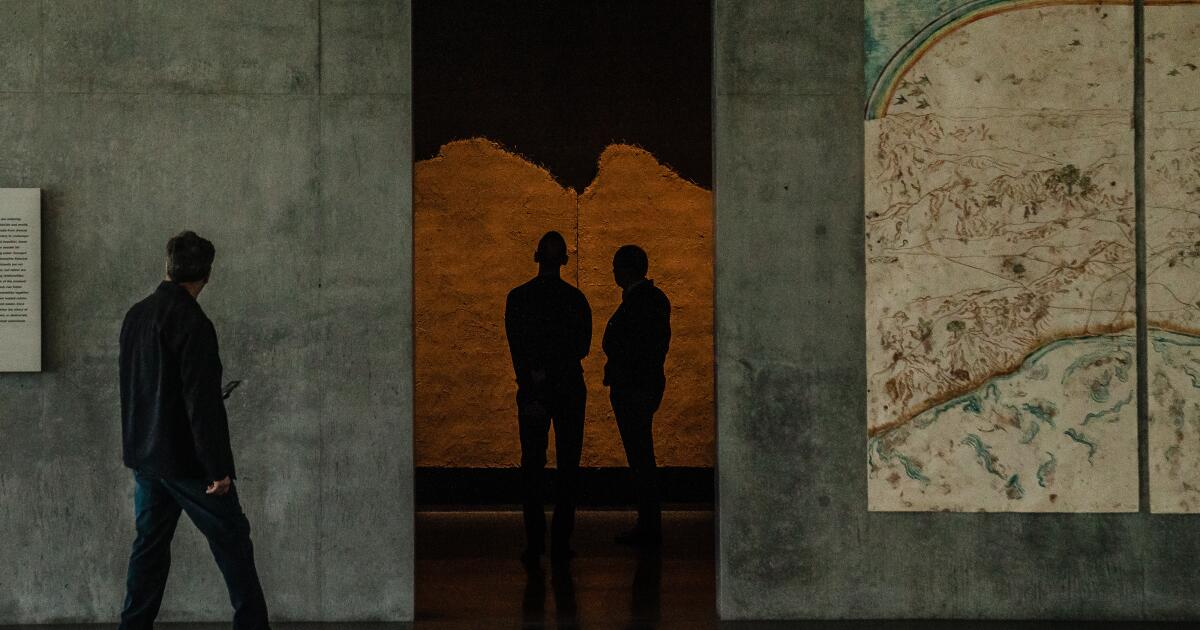
Review: Getting lost in the art is the best part of LACMA’s new revisionist fever dream of a museum

The Los Angeles County Museum of Art (LACMA) has opened its new David Geffen Galleries, a radical reinvention of the museum experience. The installation, conceived by director Michael Govan and architect Peter Zumthor, abandons traditional chronological and departmental silos, instead creating a continuous, curving flow of art from across time, place, and medium. Visitors are encouraged to wander and get lost, forging their own connections between works.

The Anti-Pop Art of Domenico Gnoli

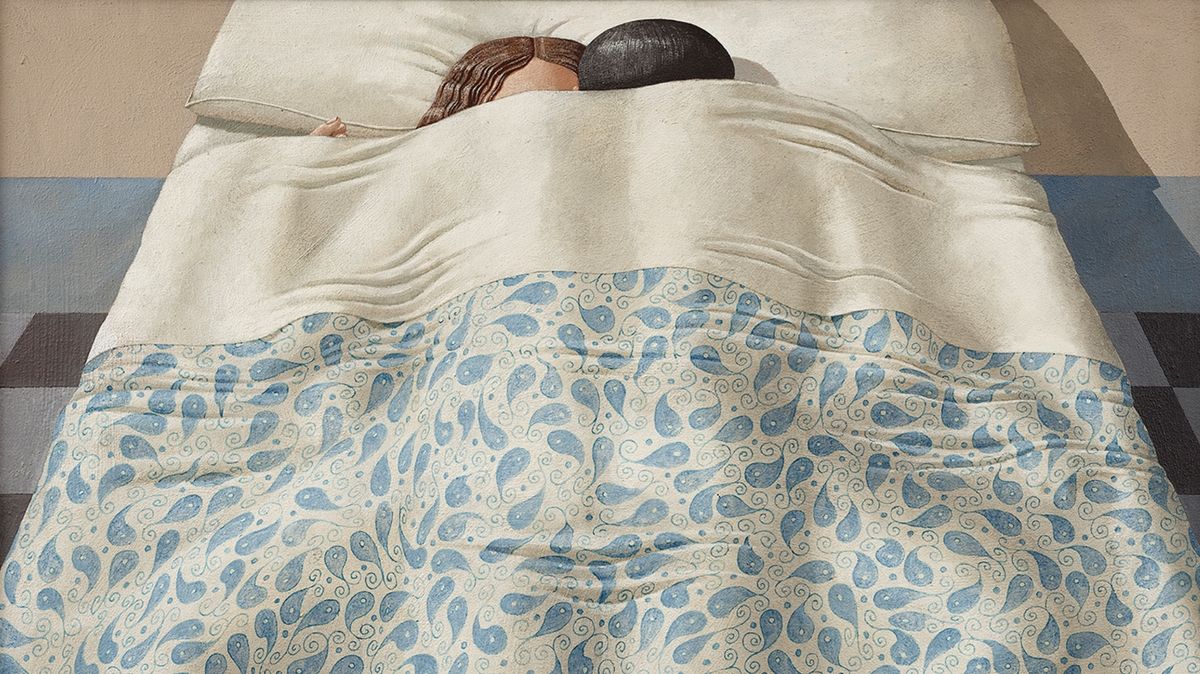
The article reviews "The Adventure of Domenico Gnoli," a retrospective at Lévy Gorvy Dayan in New York, focusing on the Italian artist's 1967 painting *L'inverno (Couple au lit)* and other works featuring intimate, fabric-rich domestic scenes. Gnoli (1933–1970), born into an art-world family, is often associated with Pop Art, but the author argues his work depicts a private, almost childlike world of memory and longing, contrasting with Pop's mass-produced commodities.

A New Richard Avedon Documentary Lets Him Down

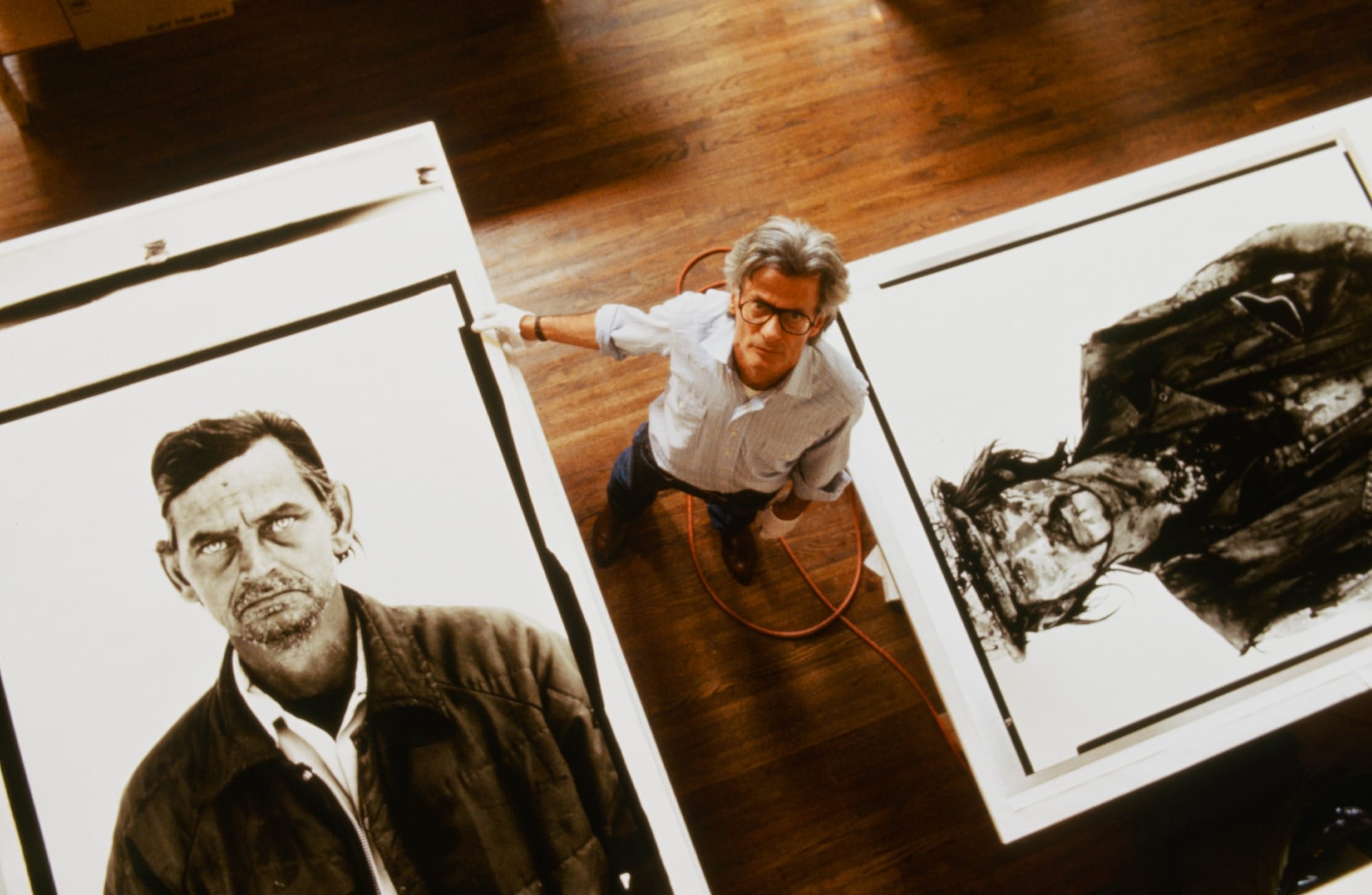
A new documentary titled "Avedon" (2026), directed by Ron Howard, premiered at the Cannes Film Festival. The film offers a conventional tour of the life of famed photographer Richard Avedon, relying on talking-head interviews and behind-the-scenes anecdotes rather than delving into the artistic process or the deeper implications of his work. The review criticizes Howard's approach as hackwork, noting that the documentary misses opportunities to explore Avedon's insights on image culture, his influence on cinema, and the technical evolution of his photography.

A Whole Lot of Nothing at the US Pavilion

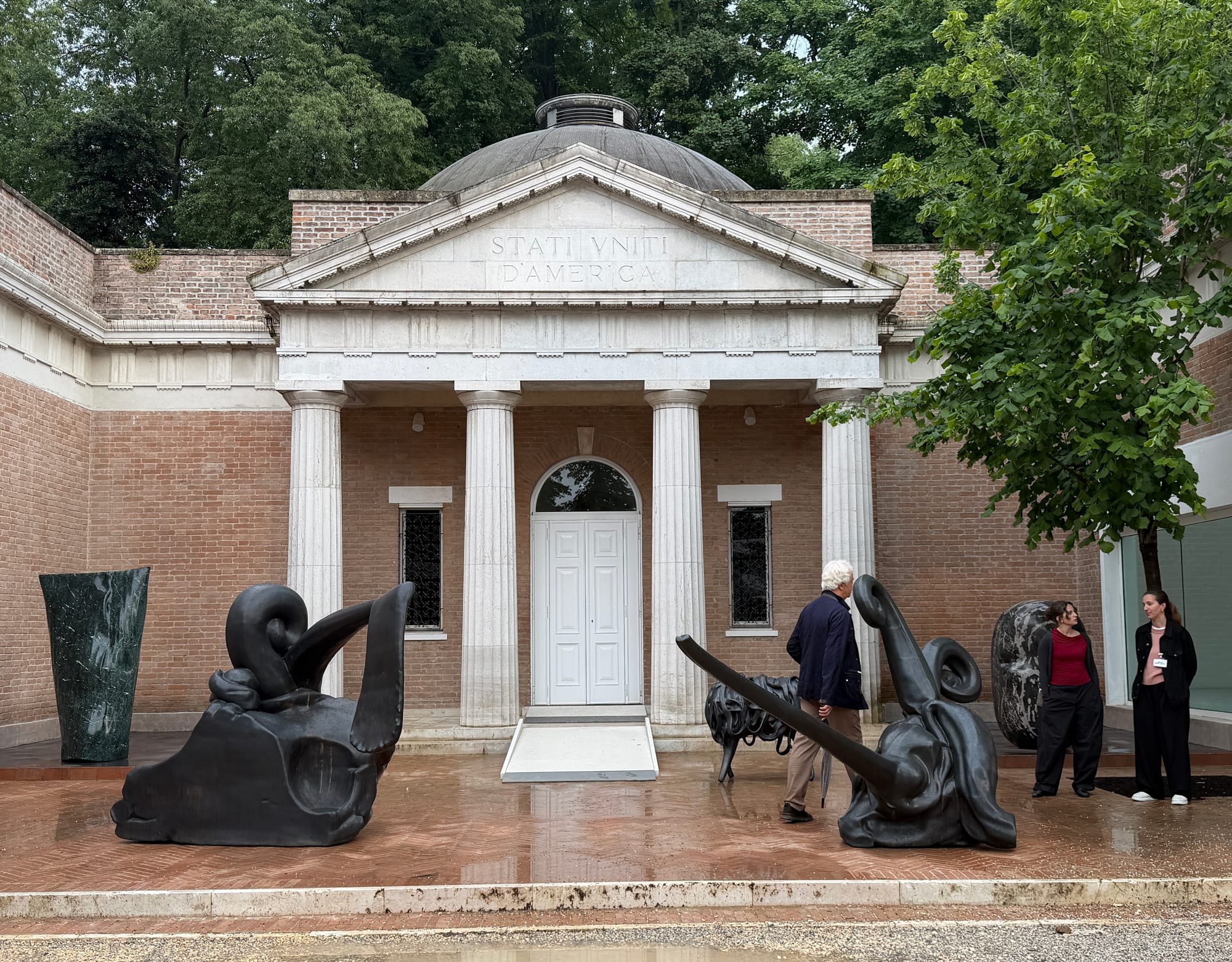
The US Pavilion at the 2026 Venice Biennale features sculptor Alma Allen's exhibition "Call Me the Breeze," curated by Jeffrey Uslip. The show presents untitled, amorphous sculptures in bronze, wood, and stone, including Colorado Yule marble. The selection process was controversial: after the Trump administration excluded the National Endowment for the Arts, the State Department initially picked artist Robert Lazzarini and curator John Ravenal, but that plan collapsed. The American Arts Conservancy, a new nonprofit led by Jenni Parido (a former pet food store operator with Mar-a-Lago ties), then took over, hiring Uslip, who approached Barbara Chase-Riboud and William Eggleston before settling on Allen. Donors include businessman John Phelan and fashion designer Tommy Hilfiger.

CUANDO LOS OBJETOS HABLAN. MUSEO HECHIZO, DE JUAN JOSÉ SANTOS

Juan José Santos's book "Museo hechizo" (Metales Pesados, 2025) challenges the perceived neutrality of the Western museum, presenting it as an institution shaped by colonial logics of classification, extraction, and representation. The essay centers on the concept of "lo hechizo"—understood as both artisanal precariousness and disruptive enchantment—and explores small, community-based Latin American museum experiences that operate from precarity, reciprocity, and care. Santos argues that the museum is a space of conflict where voices, narratives, and ways of constructing history are contested, and he proposes thinking of the museum through its minor, situated, and alternative forms in Latin America.

‘Afterimages’: What Does It Mean to See Through Overload?

Andrew Durbin reviews the national pavilions at the Venice Biennale, contrasting a vacuous US presentation with incisive and moving installations from Britain and Germany. The article critiques the lack of meaningful engagement in the US pavilion while praising the depth and emotional resonance of the British and German contributions.

Adrian Ghenie: Roman Campagna | Exhibition review

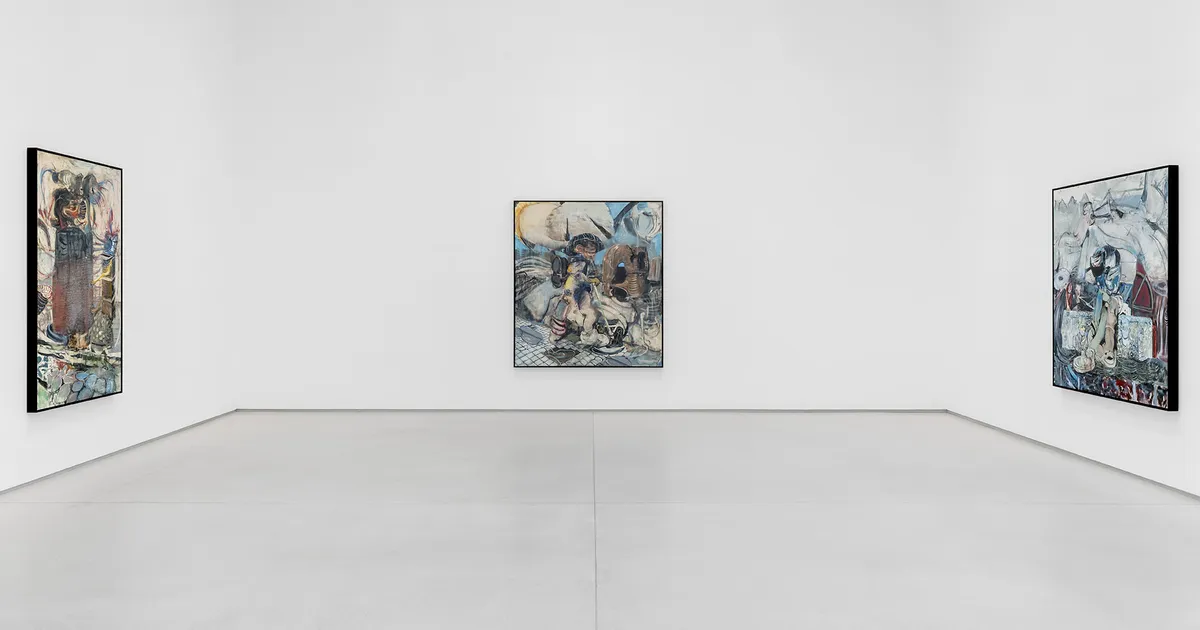
Adrian Ghenie's exhibition "Roman Campagna" at a Paris gallery presents a series of paintings and charcoal drawings that subvert the romantic cliché of an artist's transformative encounter with Rome. Ghenie populates landscapes inspired by the Appian Way with grotesque, alien-headed figures hunched over smartphones, urinating on monuments, or weeping at sunsets, using brown and grey tones punctuated by bright colors. The works reference Francis Bacon and William S. Burroughs, and include direct allusions to Bacon's reinterpretation of van Gogh's self-portrait, as well as a copy of a Pompeii mosaic. The show also features large charcoal drawings on paper that reveal Ghenie's process of constructing his contemporary, alienated figures.

Body as Device. Guide and Reflection on the Performances of the Venice Biennale

Corpo come dispositivo. Guida e riflessione sulle performance della Biennale di Venezia

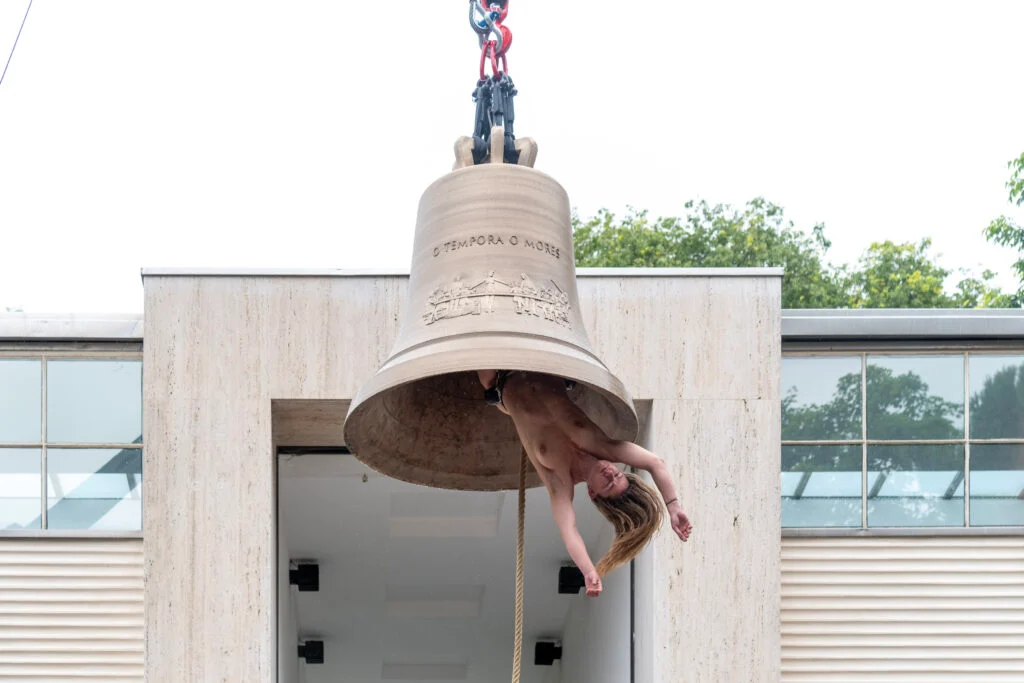
The article analyzes the role of performance art at the 2026 Venice Biennale, arguing that performance is no longer a rediscovered genre but a structurally institutionalized primary form of experience production. It examines how the body reemerges not as an alternative to image-based works but as an internal interruption of the artwork system, preventing closure and reintroducing instability. Key pavilions are discussed: Austria's Florentina Holzinger with "Sancta" draws on 1970s radical performance and feminist body art, creating an immersive environment of continuous movement; Belgium's Miet Warlop with "IT NEVER SSST" engages post-dramatic theater and postmodern dance repetition; Japan's Ei Arakawa-Nash with "Grass Babies, Moon Babies" activates Gutai avant-garde legacies through viewer interaction with soft dolls.

What is the international exhibition of the Venice Biennale like? Review of "In minor keys" by Koyo Kouoh

Com’è la mostra internazionale della Biennale di Venezia? Recensione di “In minor keys” di Koyo Kouoh

The 2026 Venice Biennale, titled "In minor keys" and curated by the late Koyo Kouoh, opens to the public on May 9 amid controversies including the absence of the president's name in the colophon at the Arsenale entrance. The exhibition, organized by Kouoh's team (Rory Tsapayi, Siddharta Mitter, Marie Helene Pereira, Gabe Beckhurst Feijoo, and Rasha Salty), unfolds across the Giardini and the Arsenale's Corderie, featuring works that balance strength and beauty with a harmonious mix of voices and themes. The Giardini section is particularly compelling, with a non-linear, polycentric layout that feels like a living organism, while the Arsenale offers further depth.